Pallas’s Cat Facts

Pallas Cat Kittens in Mongolia
Quick Facts
Common Name: Pallas’s Cat or Manul
Scientific Name: Otocolobus manul
Kingdom: Animalia
Phylum: Chordata
Class: Mammalia
Order: Carnivora
Family: Felidae
IUCN Red List Status: Least Concern (Population Decreasing)
Wild Population: Approximately 58,000 mature individuals
Appearance
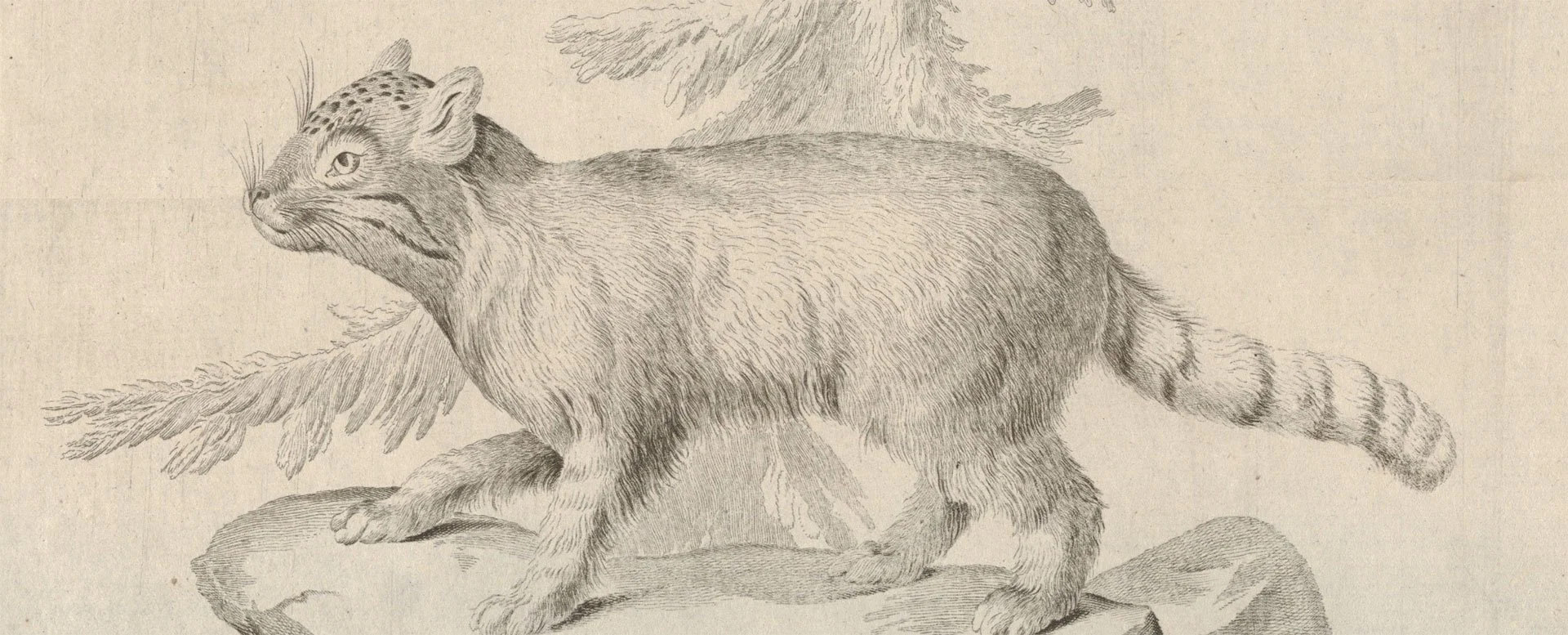
The Pallas’s cat is a small but stocky felid, typically weighing between 5 and 9 pounds. It is easily distinguished by its incredibly long and dense fur—the thickest of any cat species—which provides vital insulation against the frozen ground of its high-altitude home. Its coat varies from light gray to yellowish-buff or russet, with white hair tips that create a distinctive "frosted" or silvery appearance.
Further setting it apart from other small cats are its small, rounded ears, which are set very low on the sides of its head, and its pupils, which remain round even when constricted. These physical traits, along with a flattened face and two dark streaks across each cheek, give the Manul a uniquely expressive look. Its tail is thick and ringed with four dark bands, ending in a dark tip.
Habitat and Range

These cats are masters of high-altitude survival, ranging across the montane grasslands and shrubland steppes of Central Asia. While their distribution is vast—extending from the Caspian Sea and Iran through southeastern Siberia, Mongolia, and Tibet—their population is naturally fragmented. They are habitat specialists, preferring rocky areas, ravines, and slopes that offer hiding cover from predators.
They are generally found at mid-mountain elevations, though they have been recorded as high as 5,593 meters in the Himalayas. Because they are not fast runners, they rely on existing cavities for daily survival, making their homes in abandoned marmot burrows, rock crevices, or small caves.
Diet and Behavior
The Pallas’s cat is a specialized hunter, with pikas making up more than 50% of its diet. This preference for pikas is an energy-saving strategy, as these lagomorphs are larger and more nutrient-dense than other small rodents. When pikas are scarce, they will consume voles, gerbils, birds, and even insects.
They utilize an "ambush and wait" hunting style, often lingering outside of burrows or using their paws to "fish" for prey in shallow holes. Primarily crepuscular (active at dawn and dusk), they spend much of their day hidden in dens. Interestingly, despite their small size, they maintain unusually large home ranges—males have been known to patrol areas exceeding 100 square kilometers.
Reproduction
Pallas’s cats are strictly seasonal breeders. Their reproductive cycles are triggered by day length, with mating occurring in the late winter. This ensures that kittens are born in late April or May, when the weather is milder and prey is becoming more abundant.
Following a gestation period of 66 to 75 days, females typically give birth to a litter of 3 to 6 kittens, though litters as large as 8 have been recorded. The young grow rapidly and reach sexual maturity at approximately 12 months of age. In the wild, their generation length is estimated at about 3.6 years.
Threats
Despite being classified as Least Concern, the global population of Pallas’s cats is in decline and remains highly fragmented. The most significant modern threat is habitat degradation caused by increasing livestock numbers, which leads to overgrazing and the conversion of steppes into arable land. Infrastructure development and mineral extraction also continue to isolate subpopulations.
Direct anthropogenic threats include:
Prey Depletion: Large-scale poisoning campaigns aimed at pikas and rodents deplete the cat’s primary food source and can lead to secondary poisoning.
Accidental Mortality: They are frequently killed by herding dogs or accidentally shot by hunters who mistake them for marmots.
Predation: Their specialization in open steppe environments leaves them vulnerable to larger predators, including wolves and large raptors.
Climate Change: Rising temperatures may disrupt their delicate energy balance, as their breeding cycle is tied to day length rather than temperature, potentially misaligning their reproductive needs with prey availability.
Conservation Efforts
The Pallas’s cat is listed under CITES Appendix II, which regulates international trade of the species. Most range countries have prohibited hunting, though enforcement remains a challenge in remote areas. A comprehensive global conservation action plan was established in 2019 to coordinate research, improve monitoring, and mitigate human-caused mortality.
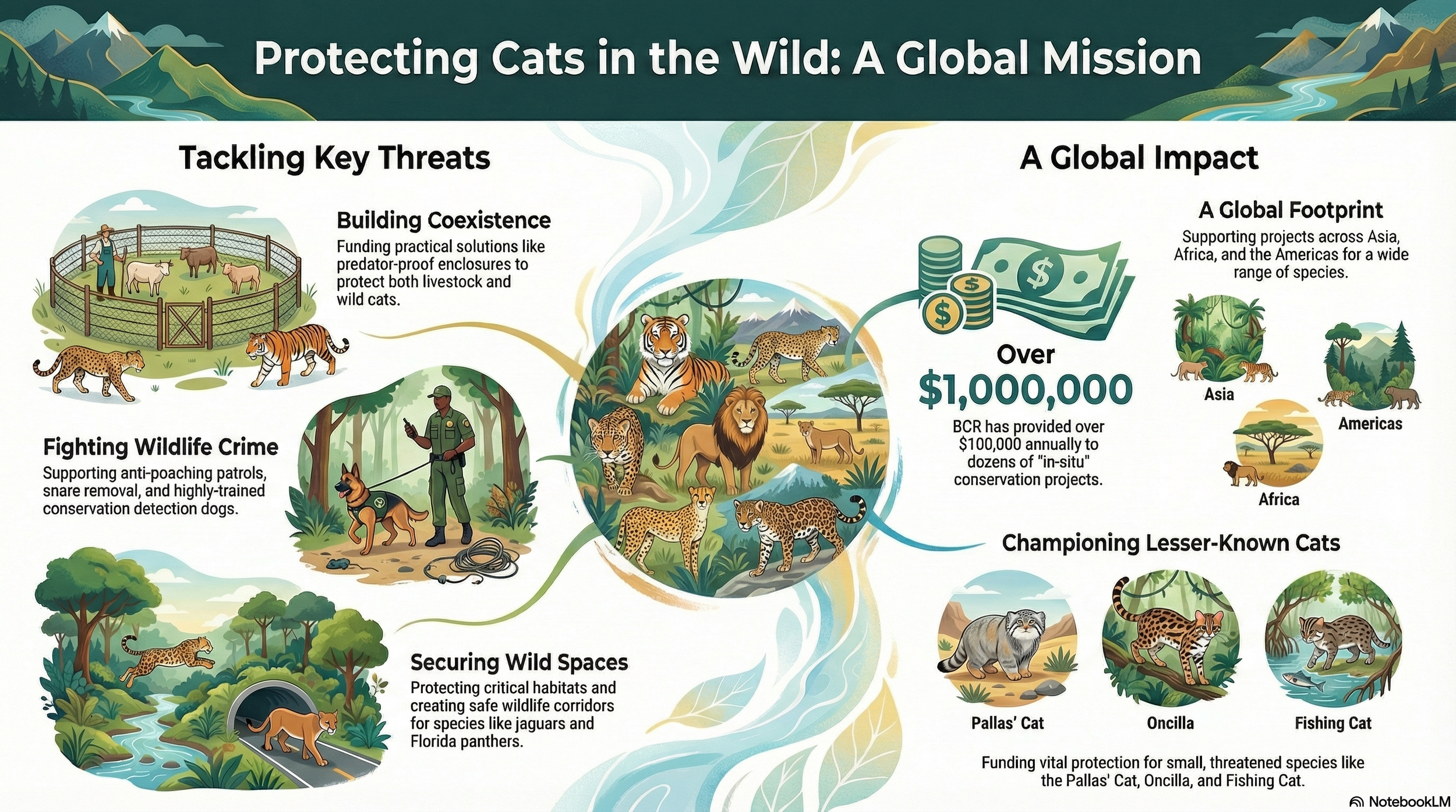
Big Cat Rescue has been a dedicated supporter of Manul conservation, providing essential funding for in-situ projects aimed at protecting these cats in the wild. This includes supporting work through the Small Wild Cat Conservation Foundation (SWCCF) and specific 2023 initiatives to safeguard Pallas's cats and their habitats from encroachment and poisoning. Ongoing efforts focus on confirming the cat's presence in protected areas and establishing standardized monitoring programs to better understand their population dynamics.
See Conservation Work Funded By Big Cat Rescue here:
All conservation insitu work: https://bigcatrescue.org/insitu/
2023 Work to Save Pallas Cats https://bigcatrescue.org/protect-pallas-cats/