SWCCF News 2026 02
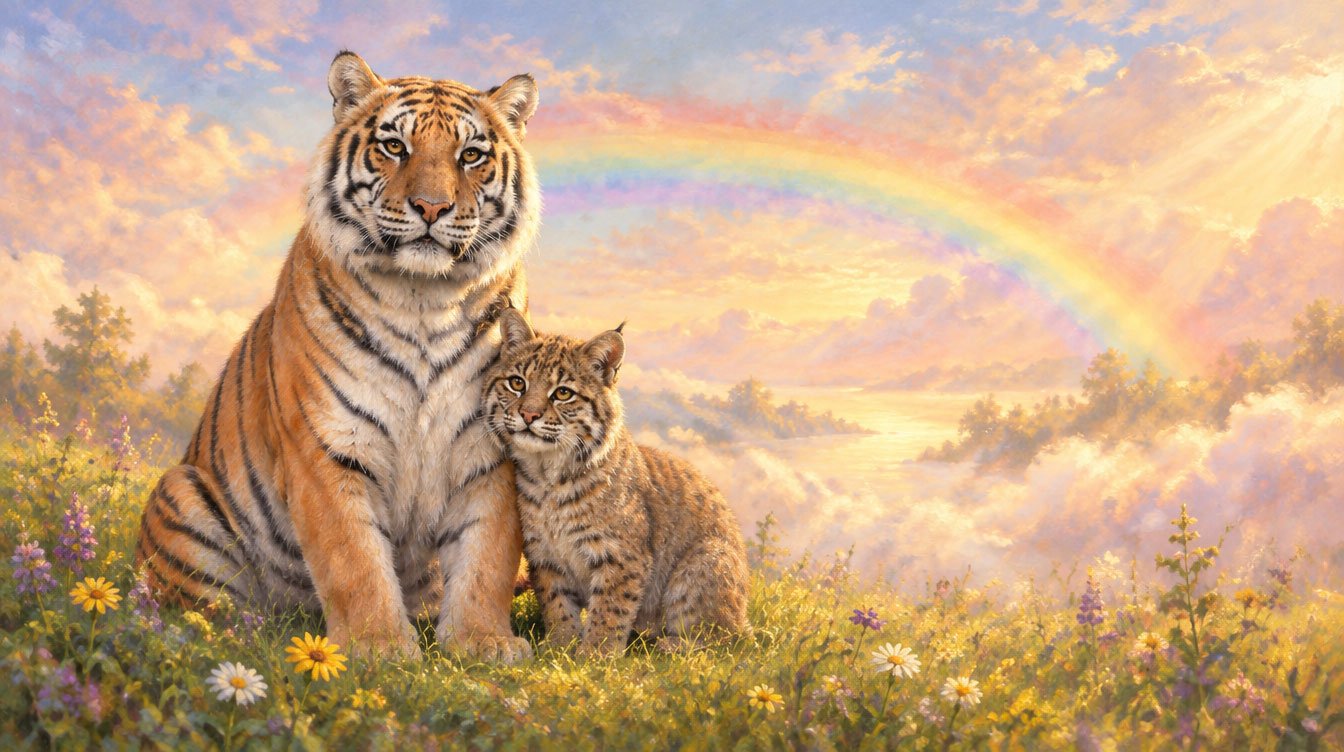
Kitten VS Cub
This text explores why humans distinguish between the terms kitten and cub despite all young felines belonging to the same biological family. While kitten is the scientifically accurate term for any juvenile cat, linguistic shifts have led society to reserve that label primarily for domestic and small species. Conversely, the word cub was borrowed from other predatory mammals to emphasize the strength and wild nature of large cats like lions and tigers. This distinction is largely driven by cultural perception and media influence rather than zoological requirements. Ultimately, the choice of terminology depends more on narrative tone and tradition than on strict biological definitions. Through this lens, the source illustrates how language evolves to help humans categorize the natural world based on size and temperament.
Wild Cat Lifespans
These sources provide a comprehensive look at the diversity, biology, and conservation of various wild felines, ranging from large apex predators to small, elusive hunters. Detailed profiles for species like the Canada lynx, cheetah, and caracal describe their unique physical adaptations, specialized diets, and typical behaviors in both the wild and captivity. Data tables highlight lifespan variations, illustrating how environmental factors and human care influence the longevity of different cat families. The texts also emphasize the ecological importance of smaller felines, such as the fishing cat and leopard cat, which serve as vital indicators of habitat health. Finally, the documentation addresses significant survival threats, including habitat fragmentation, climate change, and human-wildlife conflict. Together, these materials serve as an educational resource to raise awareness and support for the protection of global felid populations.
Secrets Beneath the Sand: 5 Surprising Discoveries Rewriting History in the Saudi Desert
Cat Coat Colors
The provided sources examine the genetic mechanisms that dictate coat color and patterning in various mammals, with a specific focus on felines and South American camelids. Key to these processes are the MC1R and ASIP genes, which interact to regulate the production of black-brown and red-yellow pigments. In domestic cats, specific mutations in these loci determine whether a coat appears solid or patterned, while in camelids, genetic diversity distinguishes wild species like vicuñas from domesticated alpacas and llamas. Beyond aesthetics, the research explores how artificial selection has increased color variety in domestic animals compared to their wild ancestors. Additionally, the texts highlight the broader evolutionary and medical roles of these genes, including their influence on pain sensitivity and kidney function across different species.
Cat Toes