The One-Word Rule Change
The One-Word Shift Gutting the Endangered Species Act: Why Habitat Protection is Under Fire
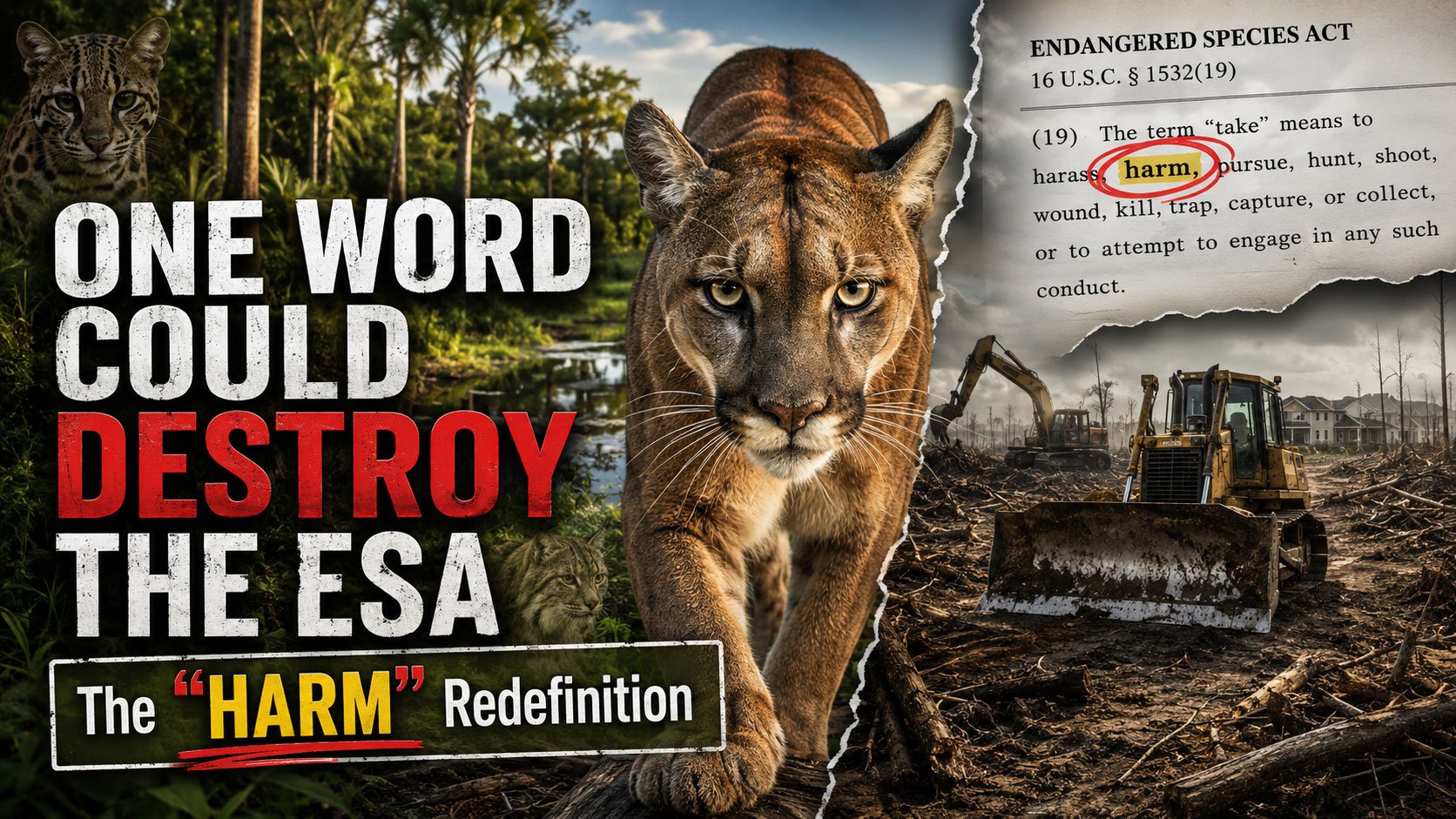
For over 50 years, the Endangered Species Act (ESA) has served as America’s most powerful shield against extinction, saving 99% of protected species from disappearing. However, a silent regulatory shift announced on July 10, 2026, seeks to dismantle this legacy by redefining a single word: "harm"

They Kill at Least One Tiger Every Week

Big Cat Attacks

Carmen del Playa
The Fall of Animalandia Maya: Playa del Carmen Shutdown In May 2026, Mexican law enforcement conducted a major raid on Animalandia Maya, a controversial tourist site in Playa del Carmen known for offering photos with exotic wildlife. The operation resulted in the arrest of the owner and several employees, as well as the seizure of tigers, lions, and monkeys that were allegedly being exploited. This intervention followed years of public outcry and pressure from animal welfare organizations regarding the suspected sedation and mistreatment of the animals. While the business has successfully used legal loopholes to reopen after past closures, the scale of this coordinated police action suggests a permanent shutdown. The incident highlights a significant victory for activists fighting against the commercial use of endangered species in the Riviera Maya.
The Rescue Trap
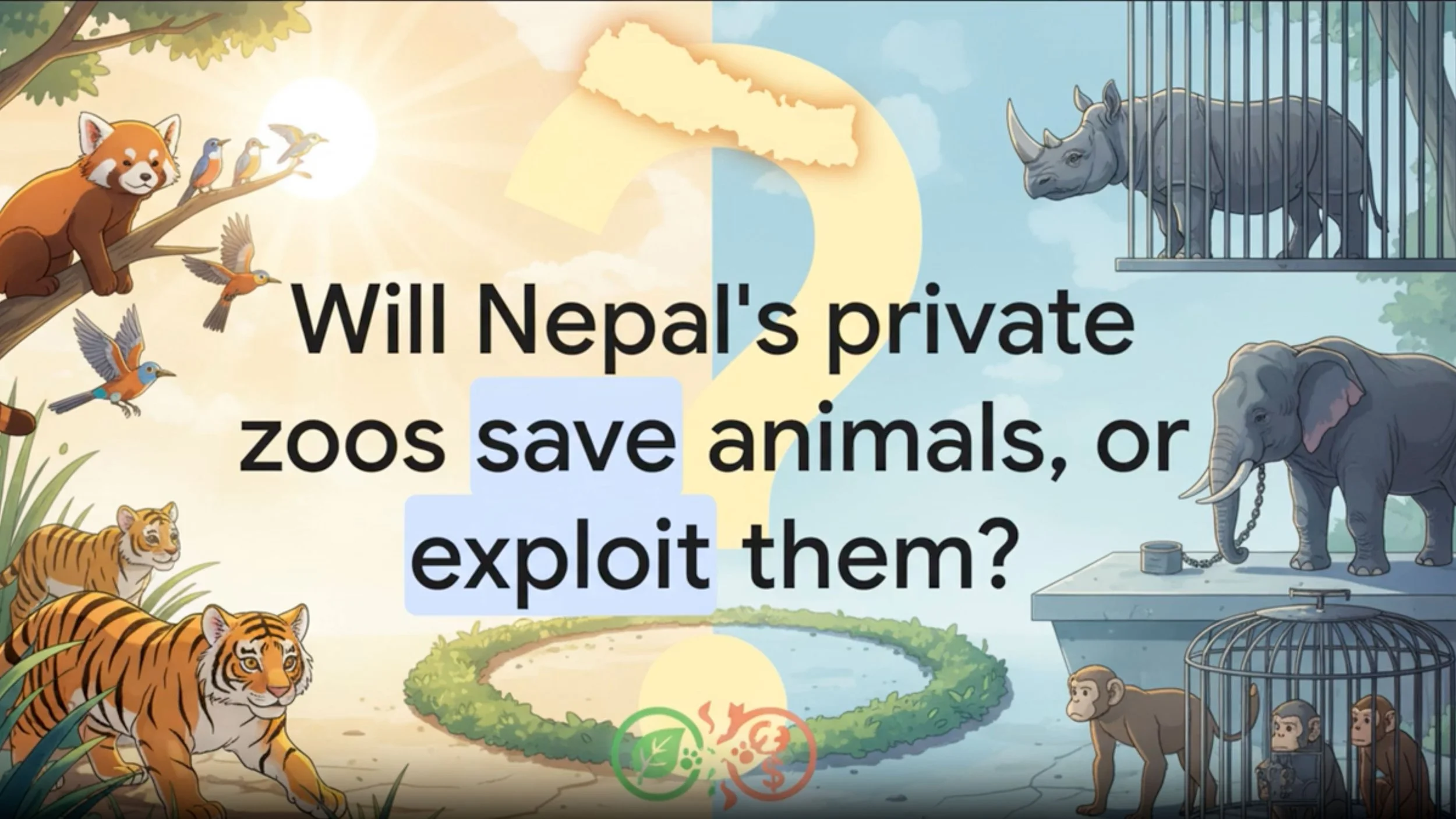
Nepal’s Controversial Shift Toward Private Zoos and Wildlife Centers The provided text examines Nepal’s controversial proposal to legalize private zoos and wildlife rescue centers, a move intended to bolster conservation infrastructure and public engagement. While supporters believe these new guidelines provide a much-needed regulatory framework, critics fear that vague definitions and weak oversight could allow facilities to exploit animals for profit. Experts warn that without strict enforcement and specialized staff, these centers might inadvertently encourage the illegal capture of wild species under the guise of rehabilitation. To prevent these risks, observers suggest adopting rigorous licensing standards similar to those used in India, which emphasize animal welfare over commercial gain. Ultimately, the article highlights the difficult balance Nepal faces between private investment and protecting its successful history of wildlife conservation.
Facebook and Illegal Wildlife Trade
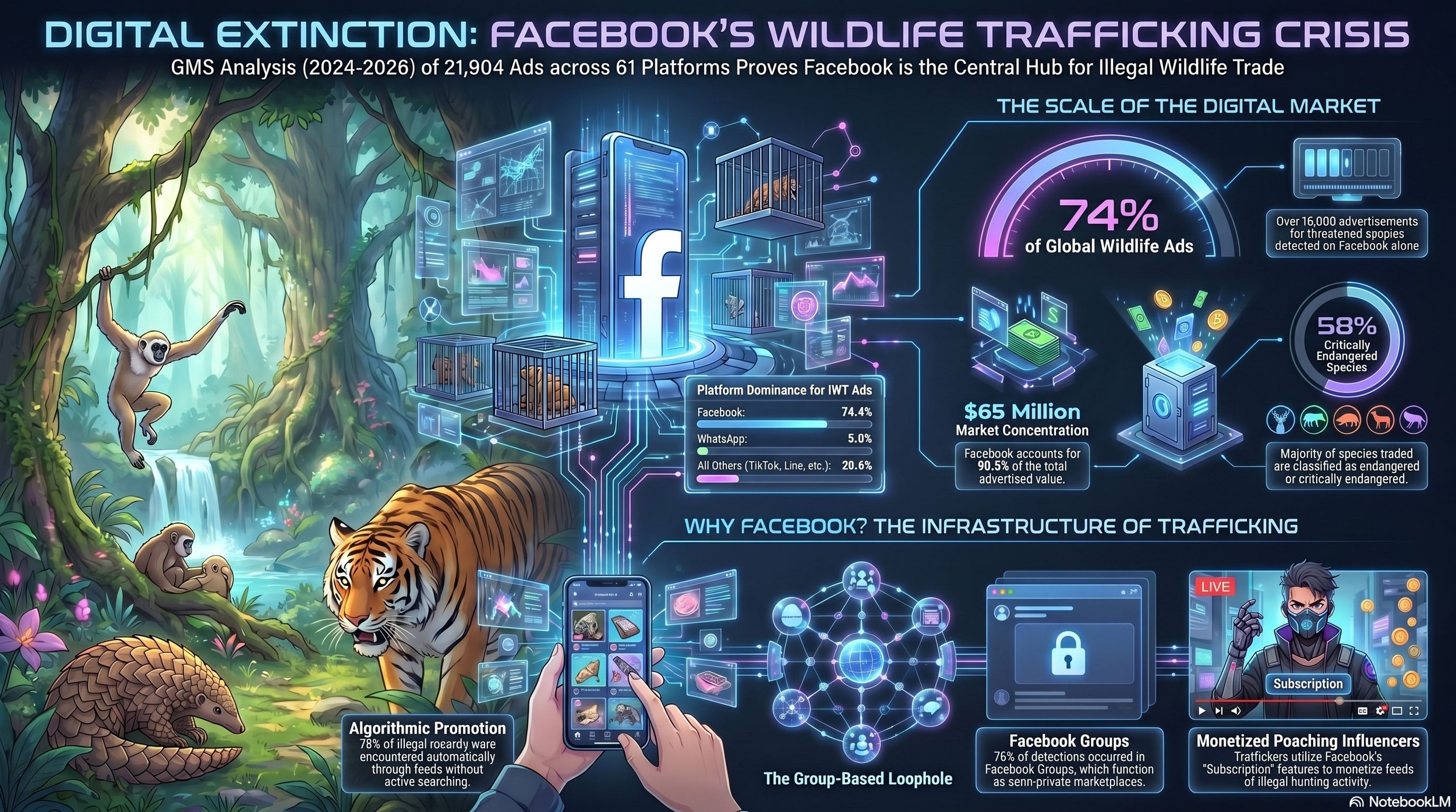
The provided report from the Global Initiative Against Transnational Organized Crime exposes how Facebook has become the primary global infrastructure for the illegal wildlife trade. Data collected by the Global Monitoring System reveals that nearly 75% of illicit wildlife advertisements appear on the platform, frequently involving critically endangered species protected by international law. The authors argue that algorithmic recommendations and thematic groups actively facilitate these criminal networks, often surfacing illegal content to users without a search. Despite public pledges to combat trafficking, Meta's internal enforcement and voluntary self-regulation are described as largely ineffective and plagued by multilingual moderation failures. To address this biodiversity crisis, the report calls for international regulatory coordination and the imposition of legal duties on social media companies to end platform-scale exploitation.