Threats to Wild Cats
These are some of the most egregious issues that harm big cats:
White Tigers are ALL Inbred on Purpose by Exploiters
Ligers - Why You Should Never Pay to See One
Trophy Hunting: Find out why hunting big cats causes environmental damage
Why Regulating Conditions Under Which Big Cats are Kept Cannot Work
Why it's cruel to buy or breed hybrid cats
“The world is a dangerous place to live, not because of the people who are evil, but because of the people who don't do anything about it.” ― Albert Einstein

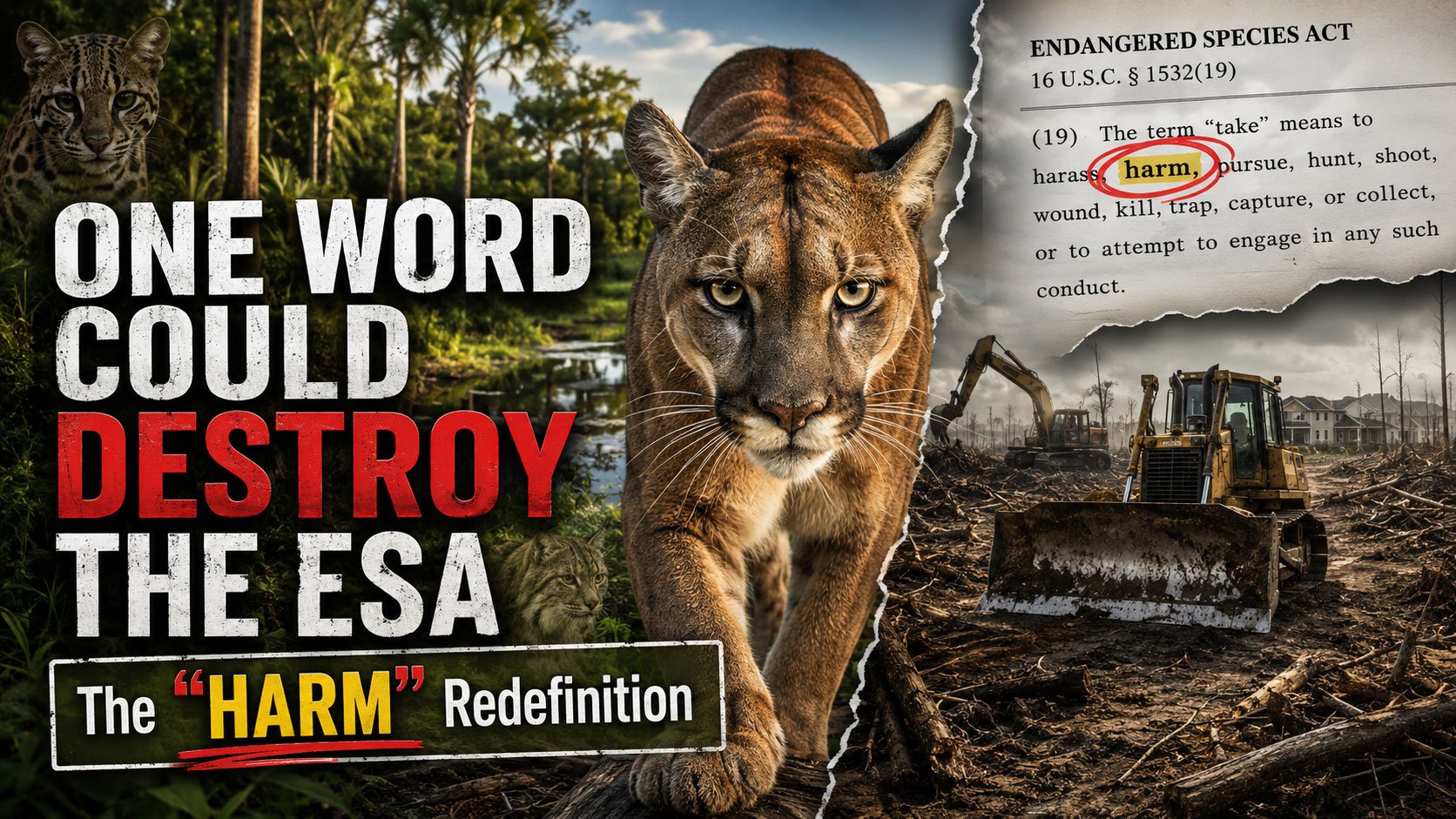
The One-Word Shift Gutting the Endangered Species Act: Why Habitat Protection is Under Fire
For over 50 years, the Endangered Species Act (ESA) has served as America’s most powerful shield against extinction, saving 99% of protected species from disappearing. However, a silent regulatory shift announced on July 10, 2026, seeks to dismantle this legacy by redefining a single word: "harm"



The Fall of Animalandia Maya: Playa del Carmen Shutdown In May 2026, Mexican law enforcement conducted a major raid on Animalandia Maya, a controversial tourist site in Playa del Carmen known for offering photos with exotic wildlife. The operation resulted in the arrest of the owner and several employees, as well as the seizure of tigers, lions, and monkeys that were allegedly being exploited. This intervention followed years of public outcry and pressure from animal welfare organizations regarding the suspected sedation and mistreatment of the animals. While the business has successfully used legal loopholes to reopen after past closures, the scale of this coordinated police action suggests a permanent shutdown. The incident highlights a significant victory for activists fighting against the commercial use of endangered species in the Riviera Maya.
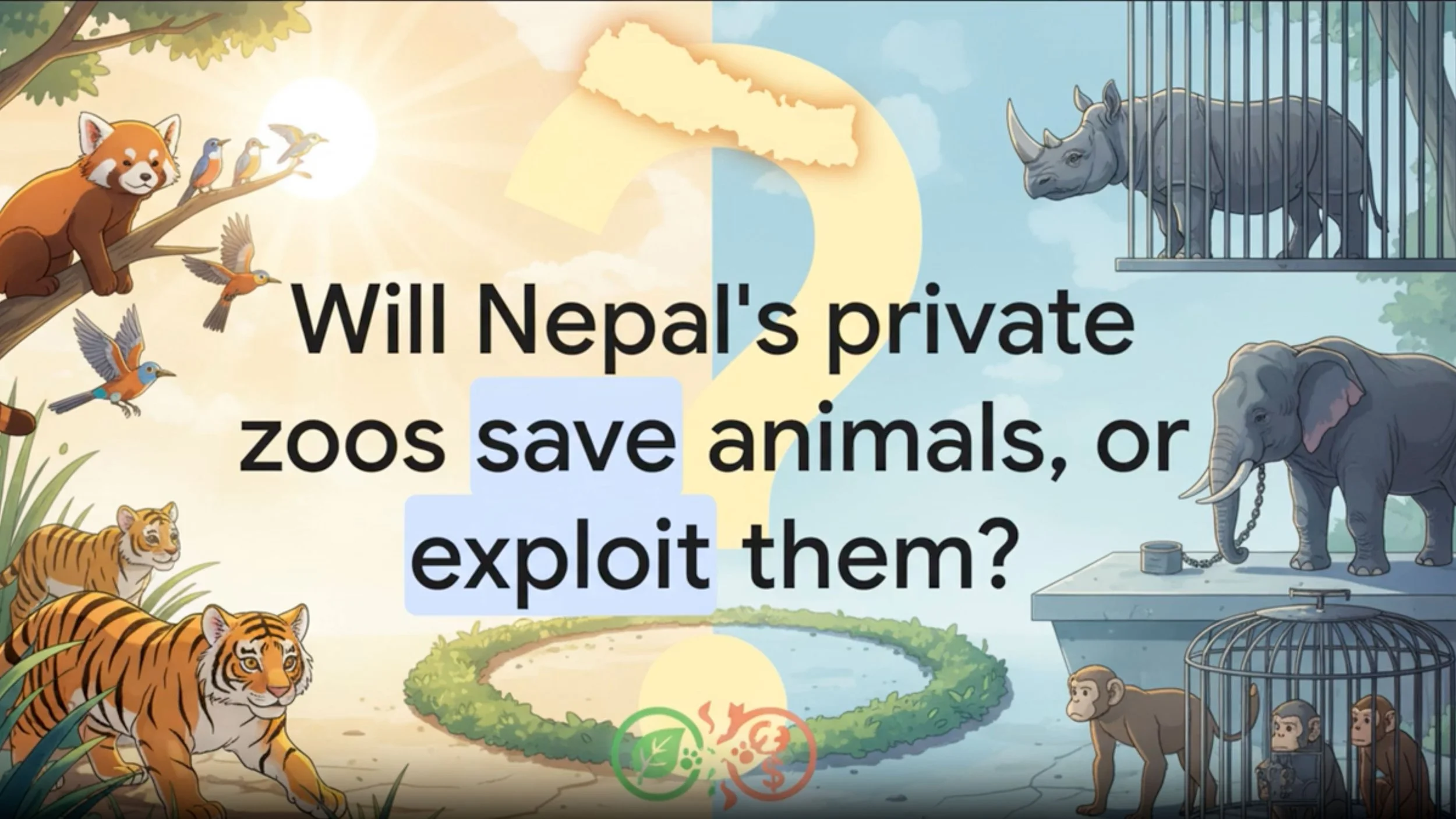
Nepal’s Controversial Shift Toward Private Zoos and Wildlife Centers The provided text examines Nepal’s controversial proposal to legalize private zoos and wildlife rescue centers, a move intended to bolster conservation infrastructure and public engagement. While supporters believe these new guidelines provide a much-needed regulatory framework, critics fear that vague definitions and weak oversight could allow facilities to exploit animals for profit. Experts warn that without strict enforcement and specialized staff, these centers might inadvertently encourage the illegal capture of wild species under the guise of rehabilitation. To prevent these risks, observers suggest adopting rigorous licensing standards similar to those used in India, which emphasize animal welfare over commercial gain. Ultimately, the article highlights the difficult balance Nepal faces between private investment and protecting its successful history of wildlife conservation.
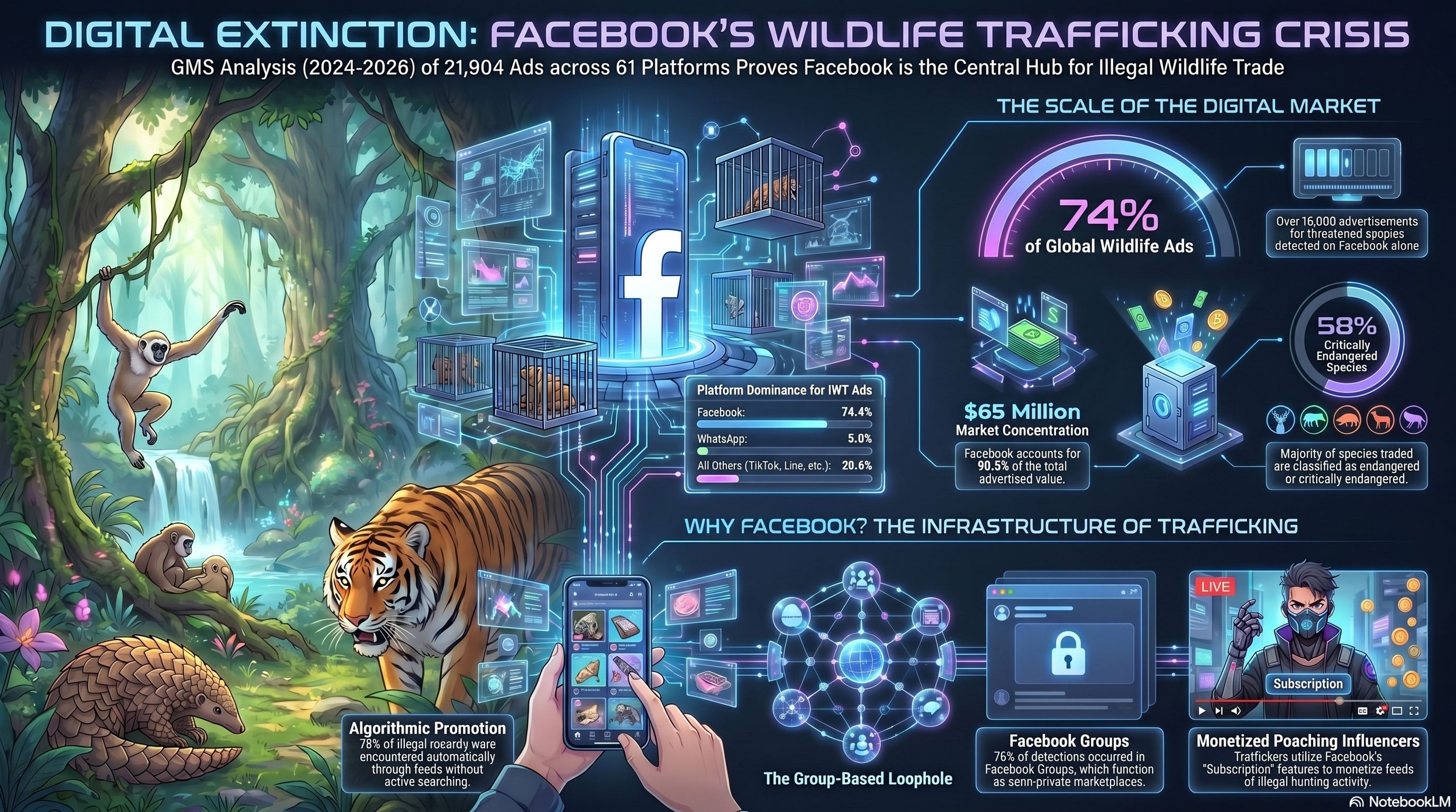
The provided report from the Global Initiative Against Transnational Organized Crime exposes how Facebook has become the primary global infrastructure for the illegal wildlife trade. Data collected by the Global Monitoring System reveals that nearly 75% of illicit wildlife advertisements appear on the platform, frequently involving critically endangered species protected by international law. The authors argue that algorithmic recommendations and thematic groups actively facilitate these criminal networks, often surfacing illegal content to users without a search. Despite public pledges to combat trafficking, Meta's internal enforcement and voluntary self-regulation are described as largely ineffective and plagued by multilingual moderation failures. To address this biodiversity crisis, the report calls for international regulatory coordination and the imposition of legal duties on social media companies to end platform-scale exploitation.

Recent research published in Science establishes a direct link between the global wildlife trade and the transmission of zoonotic pathogens from mammals to humans. By analyzing four decades of data, scientists discovered that traded mammal species are significantly more likely to share infectious diseases with humans than those not involved in commerce. A critical finding reveals that for every ten years a species remains in the international market, it typically gains one additional shared pathogen with the human population. The risk of disease exchange is further heightened when animals are traded live or through illegal channels, where sanitary oversight is absent. These results suggest that the duration and intensity of human-animal contact in trade networks are primary drivers of potential epidemics and pandemics. Consequently, the authors advocate for stricter biosurveillance and updated international regulations to mitigate the inherent health risks posed by the commercial use of wildlife.
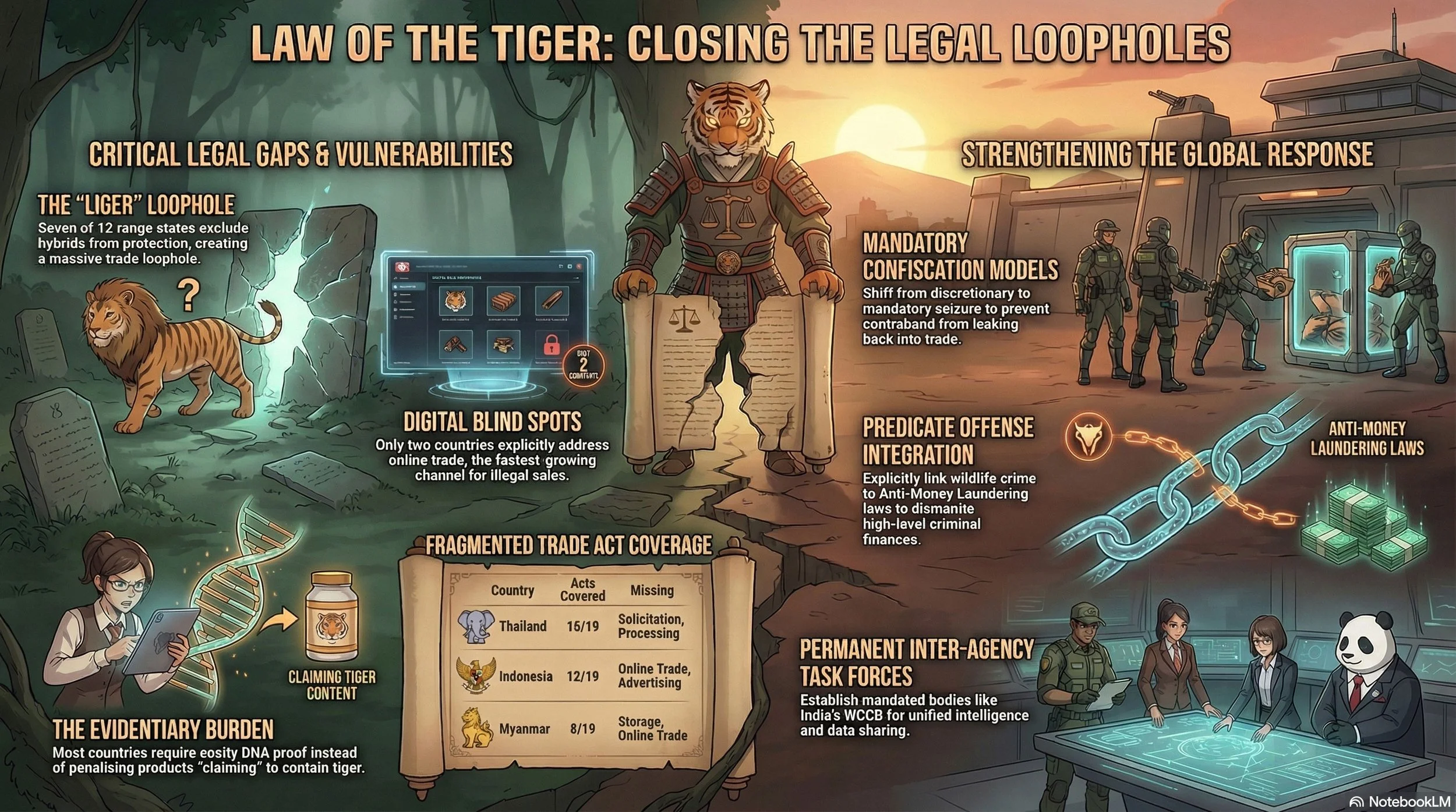
This report, titled Law of the Tiger, provides a comprehensive 2025 analysis of the legal frameworks governing tiger trafficking across twelve range states. It evaluates how national laws address critical issues such as interagency enforcement, mandatory confiscation, and the regulation of captive breeding facilities. The authors identify significant legal gaps regarding digital marketplaces, the status of hybrid tigers, and the management of confiscated stockpiles. To combat the transnational organized crime of wildlife trade, the document advocates for standardized definitions, enhanced investigative powers for frontline officers, and the integration of anti-money laundering tools. Ultimately, the publication serves as a guide for governments to harmonize their criminal justice responses and strengthen protections for wild tiger populations.

This report highlights the extreme dangers and psychological trauma experienced by wildlife rangers, who serve as the primary defense for global biodiversity. Recent violent attacks in the Democratic Republic of the Congo underscore a growing trend where these workers face armed militias and organized crime with insufficient institutional support. Beyond physical threats, the text emphasizes that mental health neglect leads to poor decision-making and high staff turnover, which ultimately compromises conservation goals. While some organizations are beginning to offer counseling and family aid, these support systems remain dangerously underdeveloped compared to other high-risk professions. Experts argue that the international community must prioritize ranger wellbeing to ensure the long-term sustainability of protected natural areas.
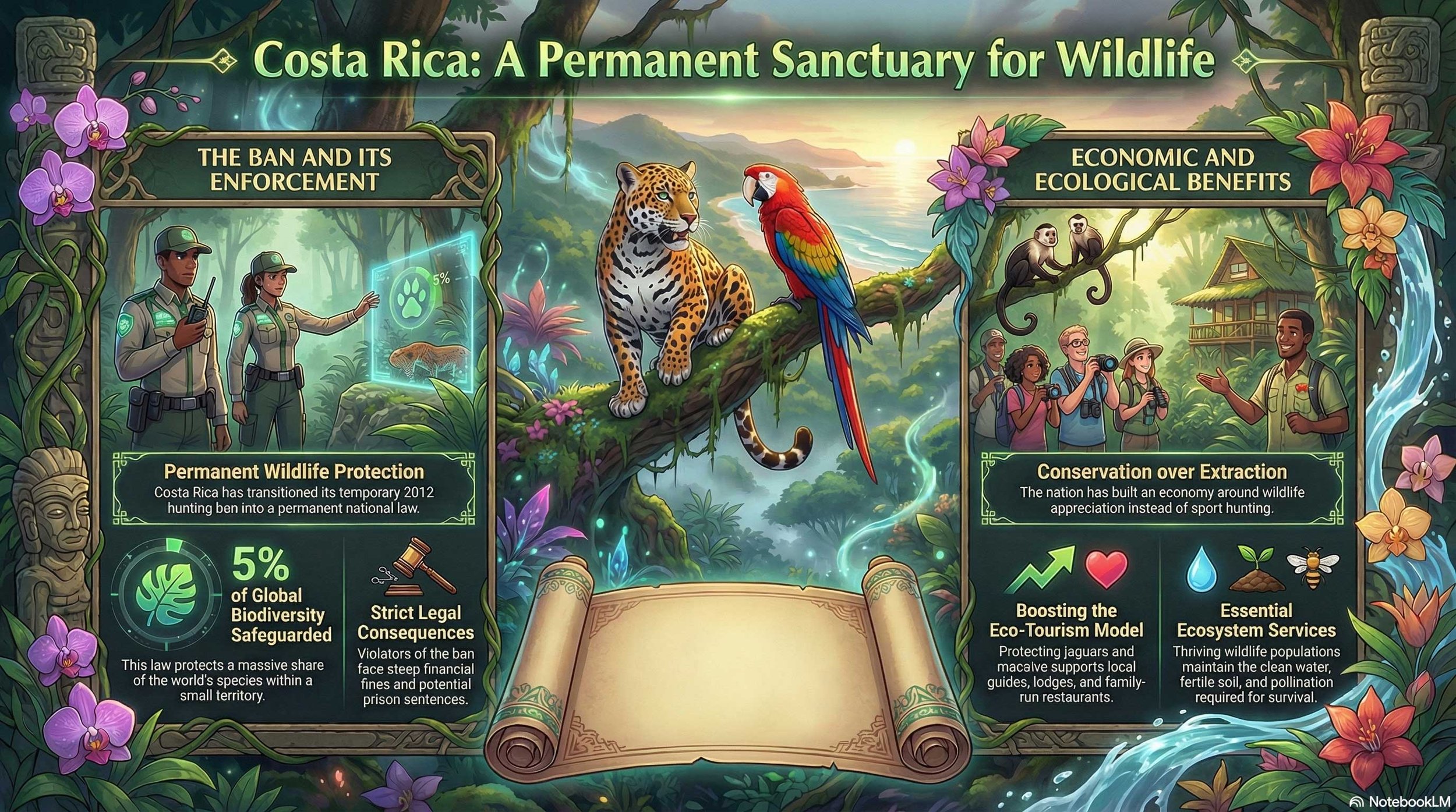
Costa Rica has reinforced its commitment to environmental leadership by establishing a permanent ban on sport hunting for all wild species. This legislative move aims to safeguard the nation’s vast biodiversity, including iconic animals like jaguars and macaws, while deterring illegal trafficking through strict legal penalties. By prioritizing wildlife conservation, the country supports a thriving eco-tourism economy that provides sustainable income for local communities and small businesses. Beyond financial benefits, the policy protects essential ecosystems that provide clean water and fertile soil, contributing to the overall health and longevity of the population. This shift from resource extraction to nature appreciation serves as a global model for how environmental protection can coexist with economic prosperity. Ultimately, officials hope this decisive action will inspire international efforts to adopt similar protections for the natural world.
The global e-commerce giant Etsy has officially announced a prohibition on animal fur sales starting in August 2026, marking a significant victory for the Coalition to Abolish the Fur Trade after an intensive protest campaign. This policy update targets natural pelts from animals like mink and fox while still allowing for taxidermy and leather byproducts. This shift reflects a broader trend within the fashion world, as numerous international brands, publications, and countries are increasingly rejecting wildlife-derived materials. However, the industry remains polarized, as the European Union faces internal debates over farming bans while Canadian fur auctions report record-breaking prices and sustained demand. Ultimately, while animal rights advocacy is rapidly transforming the retail landscape, the debate over the ethics and economic value of fur continues globally.
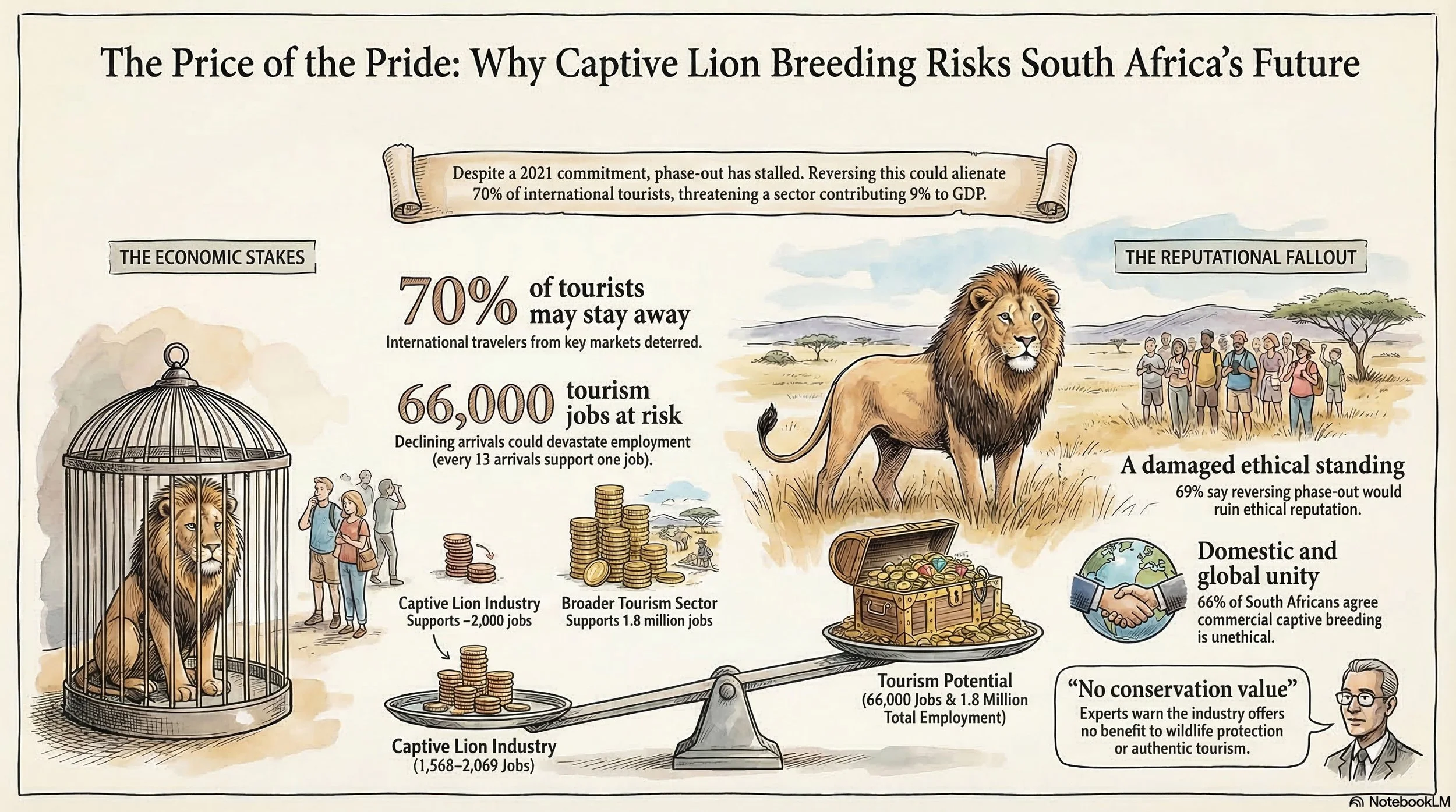
Recent polling data indicates that South Africa faces significant economic and reputational risks if it fails to dismantle its commercial captive lion breeding industry. A survey of over 2,500 respondents shows that a majority of international tourists would likely avoid the country if the government reverses its 2021 commitment to end the practice. Critics argue that activities like canned hunting and cub petting offer no conservation value and threaten approximately 66,000 tourism-related jobs. Both domestic and foreign audiences expressed a strong preference for ethical wildlife experiences over the exploitation of captive predators. Advocacy groups are now urging officials to eliminate further delays and implement a formal phase-out plan to protect the nation's vital travel sector.
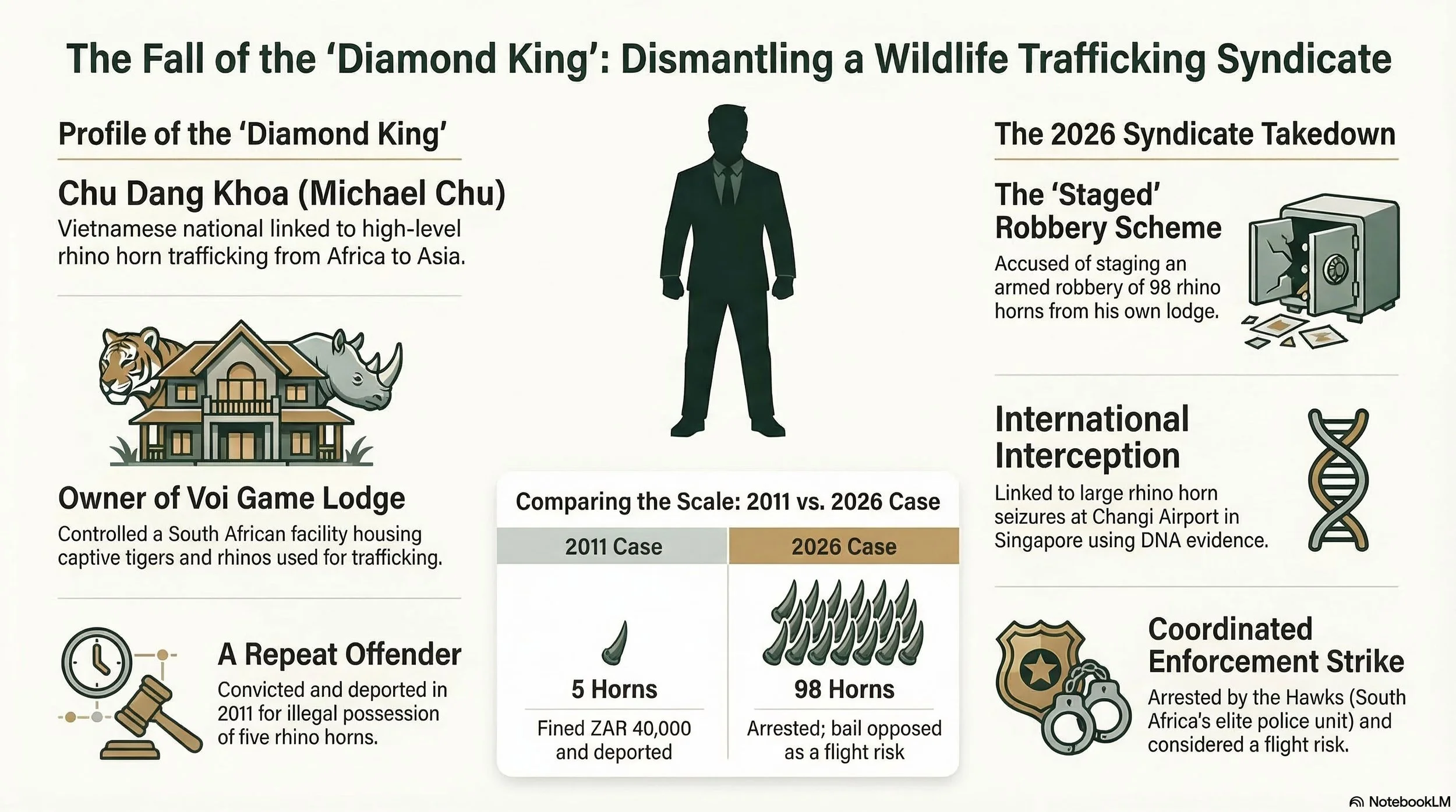
The provided text chronicles the apprehension of Chu Dang Khoa, a notorious figure in the illegal wildlife trade known as the "Diamond King." Authorities in South Africa arrested Khoa for his leadership role in a syndicate responsible for smuggling rhino horns and tiger parts to Asian markets. Investigators linked his legitimate business fronts to a staged robbery involving nearly one hundred rhino horns, exposing the criminal operations behind his wildlife facilities. According to Education for Nature - Vietnam, this arrest represents a critical achievement in the global effort to dismantle transnational organized crime. By targeting high-level traffickers, law enforcement aims to disrupt established networks and provide a deterrent against future poaching. Ultimately, the source highlights the necessity of international cooperation in bringing high-profile environmental criminals to justice.
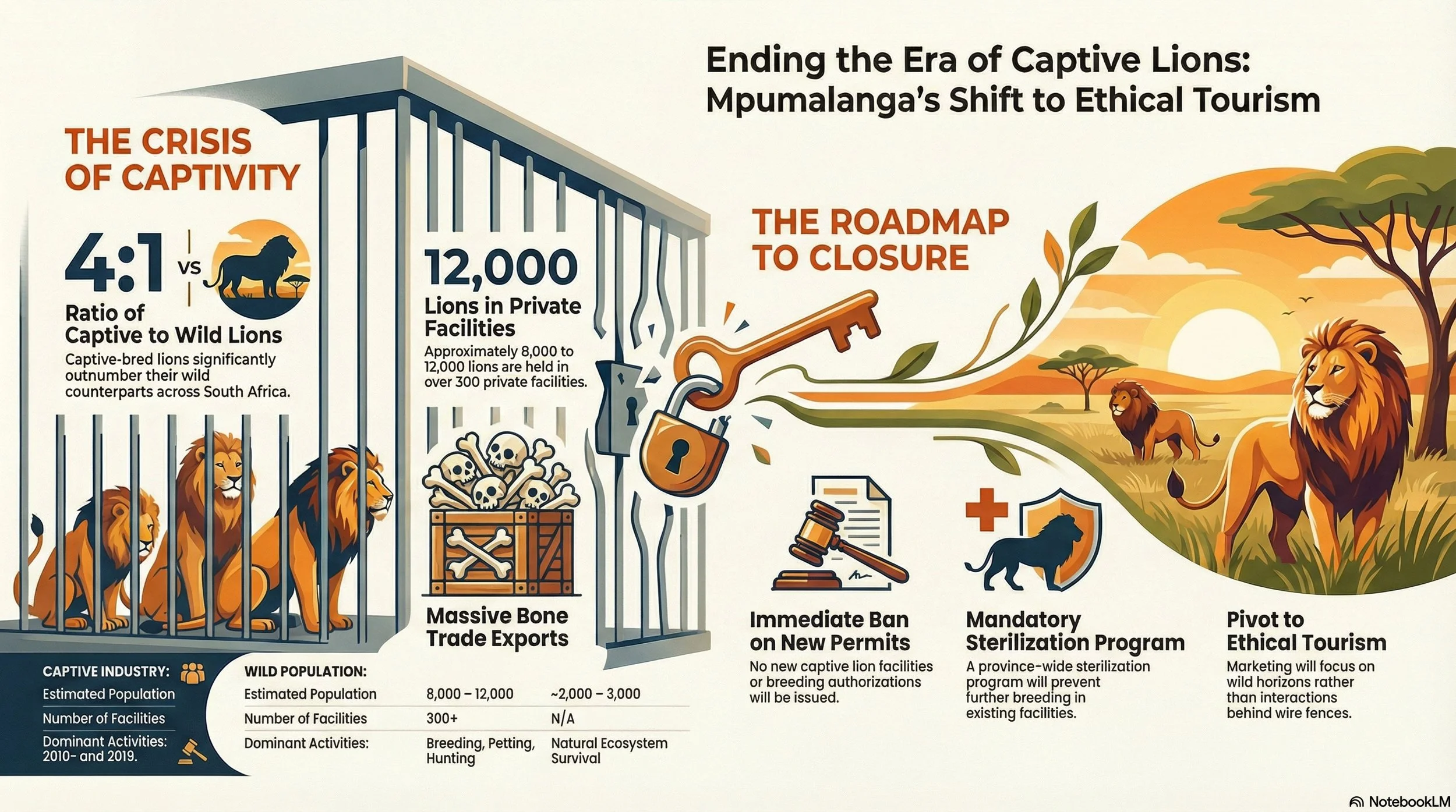
The provided sources detail a landmark decision by the Mpumalanga Tourism and Parks Agency to officially ban new permits for captive lion facilities in South Africa’s Mpumalanga province. This regulatory shift aims to phase out the controversial industry by prohibiting future breeding, stopping the importation of captive lions, and implementing a sterilization program. By aligning with national conservation mandates, provincial authorities are moving away from commercialized animal interactions, such as cub petting and canned hunting, to protect the country's international reputation. The transition focuses on fostering ethical, wild-based tourism and prioritizing the welfare of lions in their natural habitats. While existing facilities will not close immediately, they must adhere to strict welfare standards as the province redirects investment toward nature reserves and sustainable wildlife management. This policy represents a significant victory for animal rights advocates and marks a decisive pivot toward authentic African safari experiences.
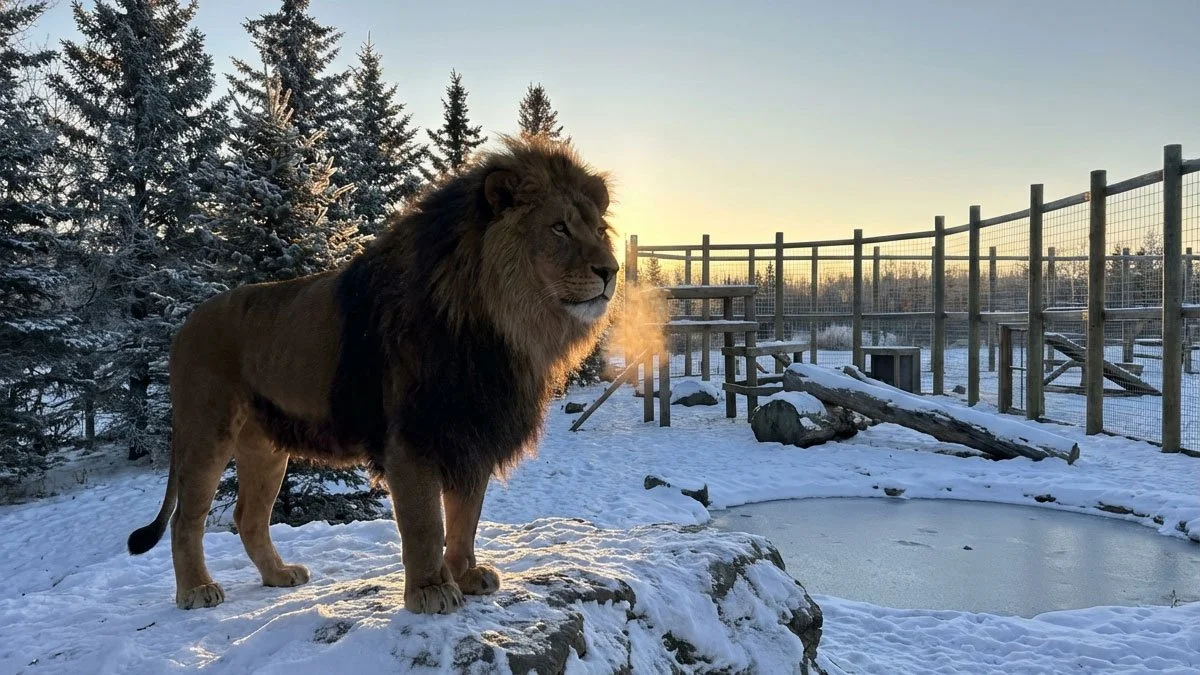
Muskoka facility becomes Canada's first big cat sanctuary as CTV investigation exposes roadside zoo abuses. New law ends private ownership of lions and tigers.

The removal of South Africa's progressive Environment Minister Dion George marks a dangerous setback for big cat conservation and wildlife protection worldwide.
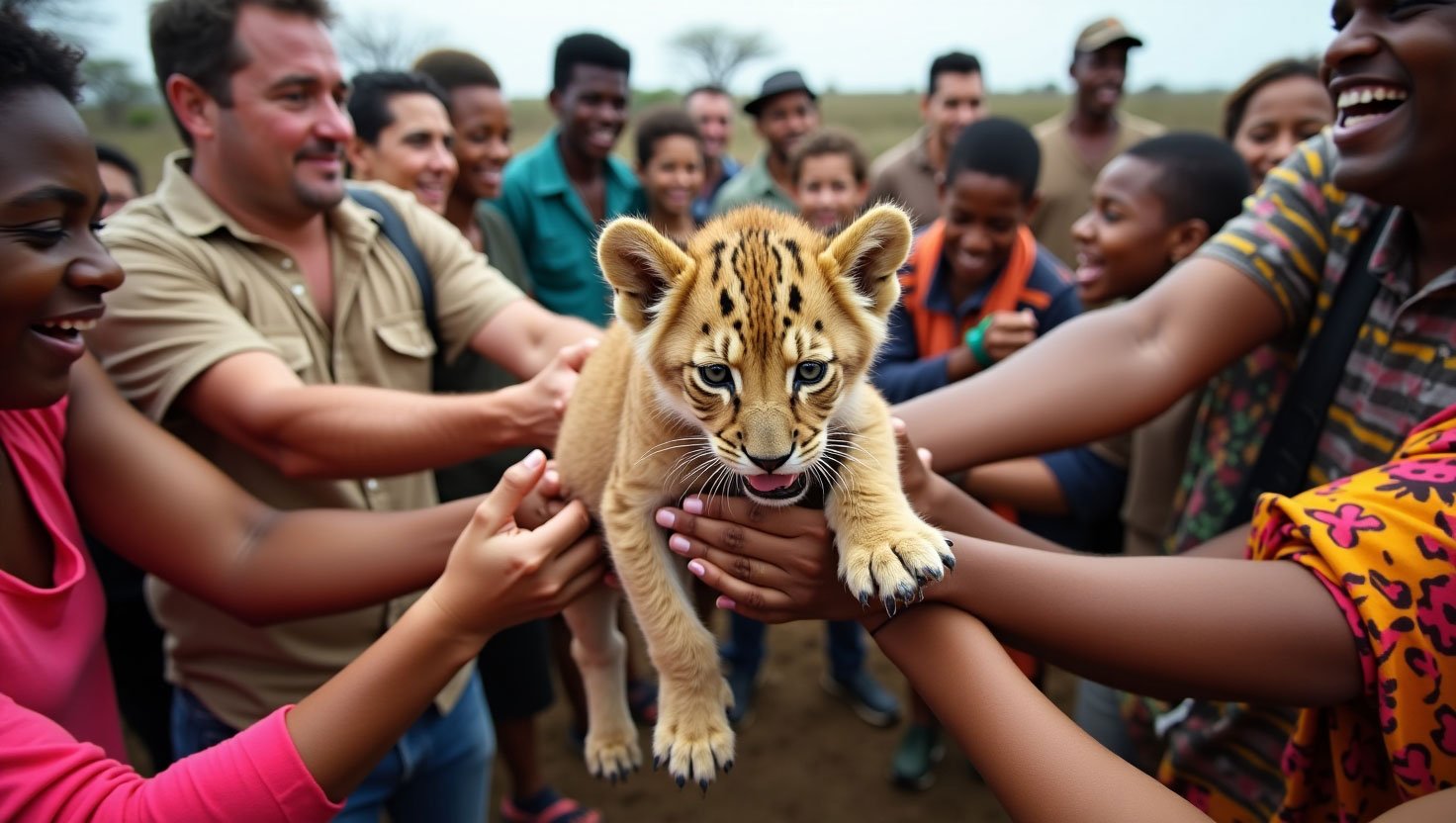
South Africa’s captive lion industry keeps 8,000 lions behind bars for profit. Ahead of World Lion Day, global advocates demand action to end breeding, cub petting, and exploitation—before it’s too late.
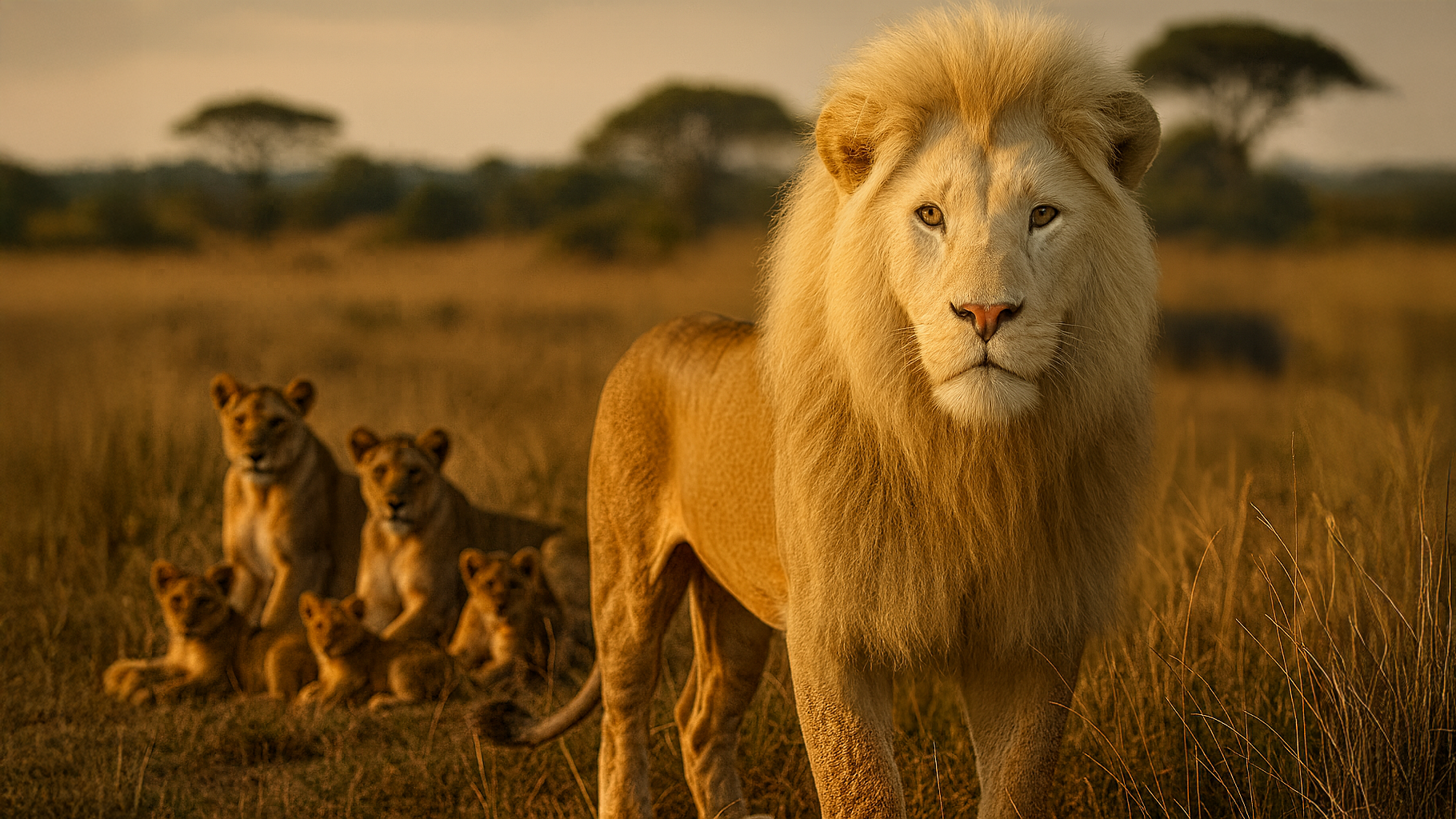
The tragic killing of Blondie, a legendary lion lured from Hwange National Park by trophy hunters, highlights the urgent need to ban this cruel practice and protect Africa’s wildlife.

An investigation into African Parks reveals the darker side of conservation—community exclusion, militarization, and human rights concerns. Discover how to support ethical, inclusive wildlife protection.

Secret wildlife shops in Laos are scamming elderly Chinese tourists into buying ivory, rhino horn, and tiger products. Here’s how you can help stop the illegal wildlife trade.