More Than a Name: 5 Surprising Lessons from the Frontlines of Saving Chile’s Elusive Wild Cat
1. The Ghost of the Mediterranean Forest
In the heart of Chile’s Mediterranean ecosystem—a biodiversity hotspot where barely 4% of the land is protected—lives a creature that is "naturally rare" and virtually invisible. The Colocolo cat (Leopardus colocola) is a phantom of the scrubland, surviving in a habitat choked by agricultural sprawl and urban expansion. While it shares a name with the country’s most legendary football team, the feline remains an enigma to the public. However, the 2025 Annual Report of the Colocolo Conservation Project (CCP) reveals a profound shift. We are witnessing the evolution of "small feline" protection, moving away from closed-door academic study toward a science-based model that leverages mass culture and community empathy to save a species on the brink.
2. The 4-Million-Person Stadium: Conservation Meets Football Passion
For decades, conservation interest in Chile was a "small circle" game, restricted to academics and professionals in high-level institutions. The CCP realized that to save a species, you must first make the majority love it. In a country where football is the "sport of the masses," the project launched a counter-intuitive partnership with the Colo-Colo Football Club. By placing the CCP logo on the jerseys of national idols like Arturo Vidal, the project bypassed the academic ivory tower and entered the homes of the 40% of the population that identifies as club supporters.
This strategy reached 40,000 fans in the stadium and over 4 million viewers on television, reaching underfunded schools and neighborhoods where a conservation book might never arrive. The campaign culminated in an auction of match-worn jerseys, directly funding the purchase of new camera traps. As Carlos Castro Pastene, Founder and Director of the CCP, reflected:
"For me, this was everything. I’ve been a Colo-Colo fan for as long as I can remember, and I love the Colocolo for the same reason. You have no idea how happy this made me."
3. The Avocado Nursery: When Nature Adapts to Industrial Scarcity
In the Llay Llay area of the Valparaíso Region, a startling discovery proved that nature is forced to adapt to our industrial footprint. Within a commercial avocado plantation belonging to Grupo Jorge Schmidt, a female Colocolo was found to have given birth to three kittens among the fallen leaves. In an ecosystem where natural forest has been decimated, these industrial rows became a desperate sanctuary.
The transformation that followed was social, not just biological. Farm workers, once focused solely on labor, became "active stewards." An educational presentation that was slated for one hour stretched into a four-hour community dialogue. This surge of interest led the company to designate specific hectares for conservation and native tree restoration, proving that even industrial landscapes can become critical lifelines when the people on the ground are empowered with knowledge.
4. The "Silent Killer" is Closer Than You Think
While habitat loss is the visible enemy, the "silent killer" of Chile’s wild cats is often sleeping at the foot of our beds. Chile has an estimated 4 million free-roaming pets, many of which enter protected areas. The report details the preventable tragedy of a female Colocolo from the mountains of San Fernando who, despite a rapid rescue effort by CCP volunteers, died from diseases transmitted by domestic cats. Carlos Castro Pastene issued an urgent plea: "Please be responsible... prevent them from roaming freely."
The CCP identifies the three primary conflicts as:
Predation: Direct attacks on native wildlife.
Disease Transmission: The spread of lethal, non-native viruses.
Resource Competition: Domestic animals outcompeting wild cats for limited food.
The project maintains that the "strongest act of love" is responsible ownership. This year, the CCP sterilized over 200 pets and vaccinated more than 300 across remote regions like Vilches Alto and Chaitén, promoting animal welfare as a core pillar of wildlife survival.
5. Engineering Peace with Chicken Coops
High-level predator conservation often fails because it ignores the financial reality of rural families. When a fox or a wild cat kills a chicken, it isn't just a loss of life; it’s a loss of livelihood that often leads to "retaliatory killings." The CCP has moved to "engineer peace" by providing practical, non-lethal infrastructure.
By monitoring coops from Panquehue to Palena, the team identified vulnerabilities and responded by building or repairing 25 secure chicken coops. To immediately heal the relationship between farmers and felines, they donated more than 70 chickens to families to compensate for their losses. By solving the financial "damage" for local families, the CCP is building a culture of coexistence rather than conflict.
6. Tracking the "Secret Life" of Indi and Forastero
The project's scientific credibility is anchored in rigorous research. In the Altos de Lircay National Reserve, the team utilized 67 camera trap stations to establish an overall Relative Abundance Index (RAI) of 1.21. This figure was carefully standardized against previous studies (Castro-Pastene et al., 2019) to ensure long-term data integrity. The research confirms that the Colocolo is primarily nocturnal but exhibits a unique behavioral shift in Autumn, increasing its daytime activity.
Individual identification through spot patterns has allowed the team to document specific lives:
Indi: An adult female with a missing portion of her left ear. Recorded since 2018, her data allows us to infer a lifespan of approximately 5.6 years in the wild—with the hopeful caveat that she may live even longer if she reappears in future cycles.
Forastero: A young male first recorded as Indi’s kitten in 2023, now roaming independently in 2025.
The project’s scientific weight was recently showcased in Brazil at the VII Biennial Conference of the Wildlife Disease Association, where team member and veterinarian Claudio Ahumada presented a critical study on the threats facing the Pampas Cat (Leopardus colocola), further cementing the CCP’s role in the international scientific community.
7. Conclusion: A Legacy Beyond the Founder
The 2025 report marks a turning point for the CCP. Conservation in South America is a demanding, often unpaid mission fueled by a "passion that moves mountains." Carlos Castro Pastene reflects on the "bus test"—the idea that if he were to disappear tomorrow, the mission would endure. This resilience is found in "Team 2025," a group that began as "complete strangers" united by a cat, replacing the early friends who stepped down as the work grew more demanding.
This team now carries the mission to the farthest reaches of Patagonia. They travel in small boats to remote schools without internet, carrying life-size replicas and the newest family member—a Mapuche hen—to teach children through the Munay animated series. They are bridging the gap between national pride and scientific necessity.
As we look at the 4 million people who saw a wild cat’s image on a football jersey, we must ask ourselves: If 40% of a nation can rally behind a name on a jersey, what is stopping you from protecting the "ghost" in your own backyard?
Follow the Colocolo Conservation Project at https://www.instagram.com/colocoloproject/?hl=en and https://www.facebook.com/colocoloproject/
Learn more about the Pampas Cat Working Group at https://pampascatwg.com/
Saving Mickey: The Race to Protect Chile’s Most Controversial Survivor
Update: Despite Big Cat Rescue transferring funds to save Mickey, she was shot by a local woman, three days later, before the funds could clear the system for the team.
The Hook: A Conflict in the Aymara Village
In the high-altitude, oxygen-thin stretches of extreme northern Chile, an ancient apex predator has become an unwelcome neighbor. This is the Atacama landscape, where the Aymara people have lived alongside the puma for centuries, but the traditional truce is fraying. A 12-year-old female puma, driven by the brutal arithmetic of age and territorial displacement, has effectively moved into a local village.
The situation turned visceral when the cat began preying on rabbits inside household enclosures. After losing her livestock one night, a village resident anticipated the predator’s return. When the puma reappeared to attack her dogs, the woman didn't call for help; she physically confronted the cat. While both survived the encounter physically uninjured, the event sent shockwaves through the region. This is the ultimate conservation dilemma: how do you save a predator that has learned to treat a human settlement as its primary hunting ground?
The Remarkable Resilience of a 12-Year-Old "Matriarch"
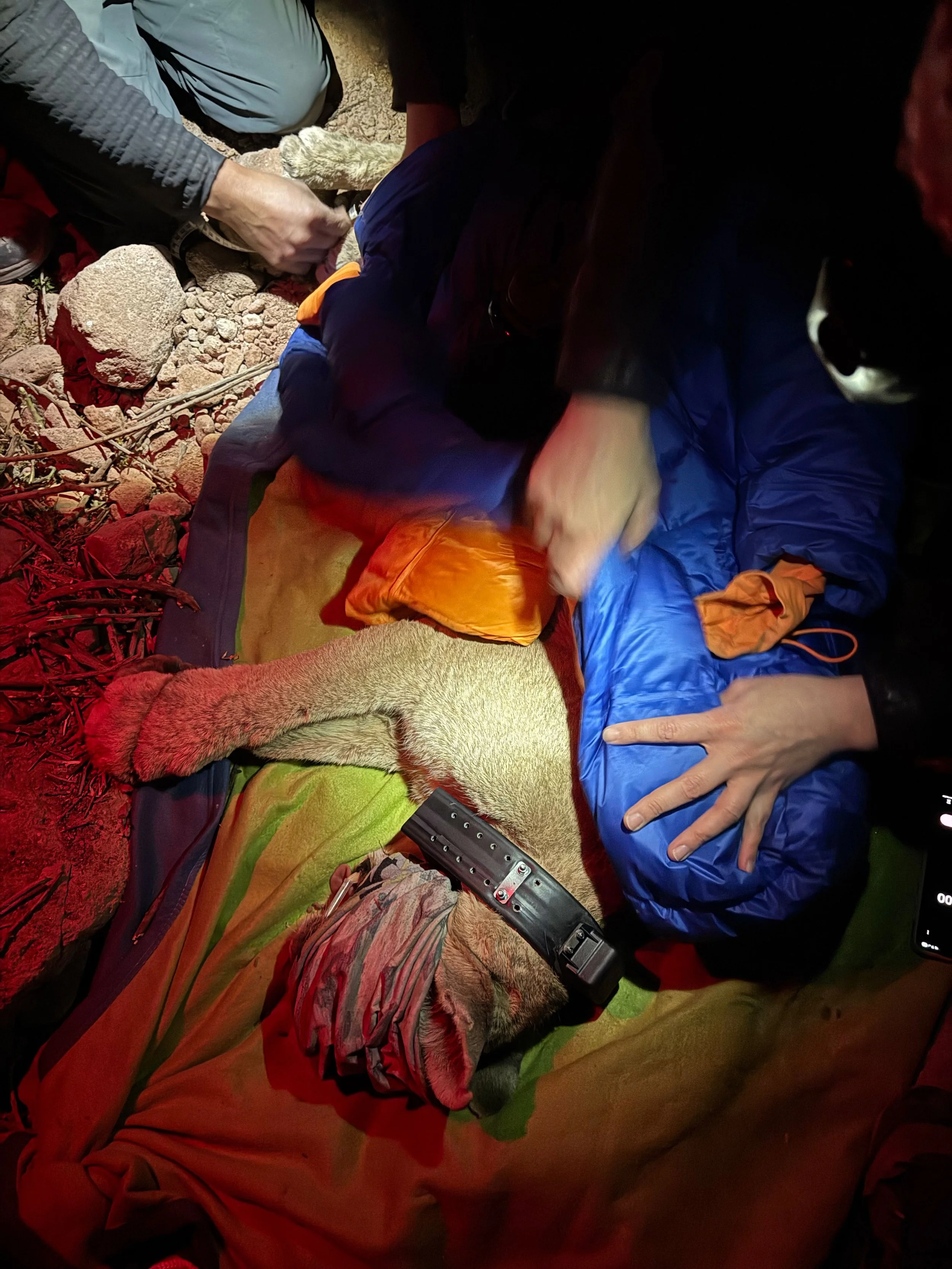
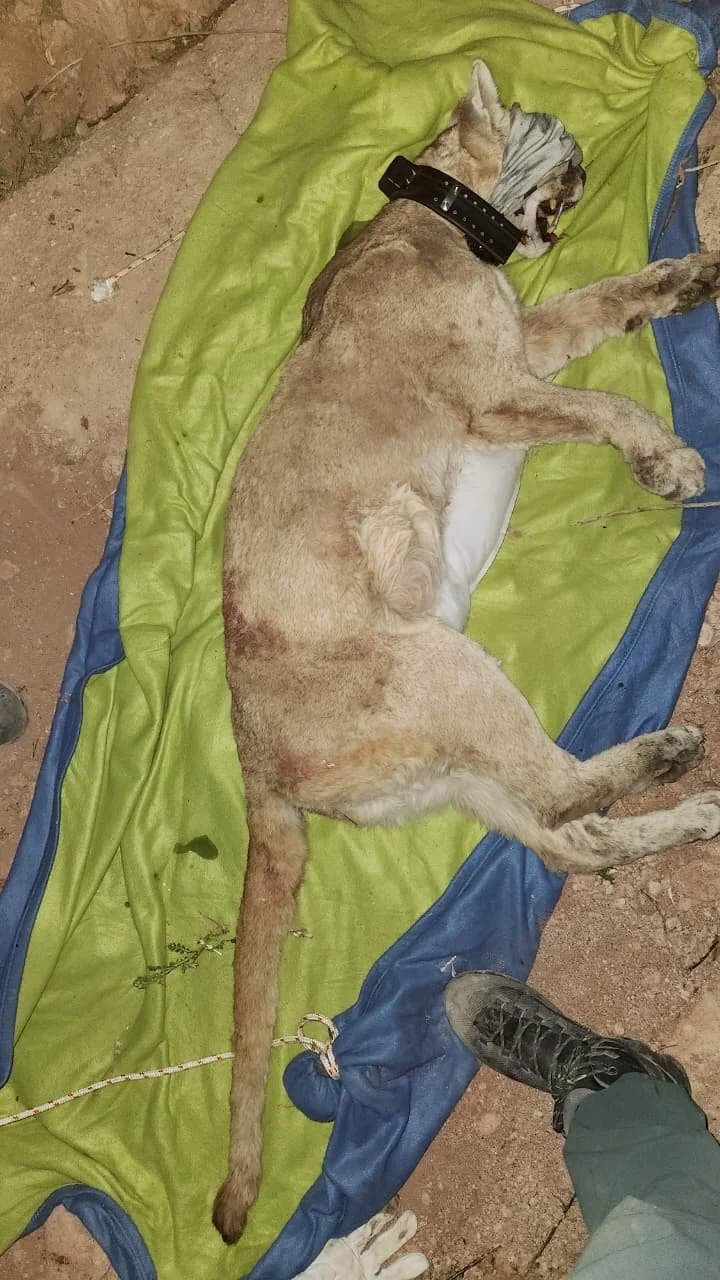
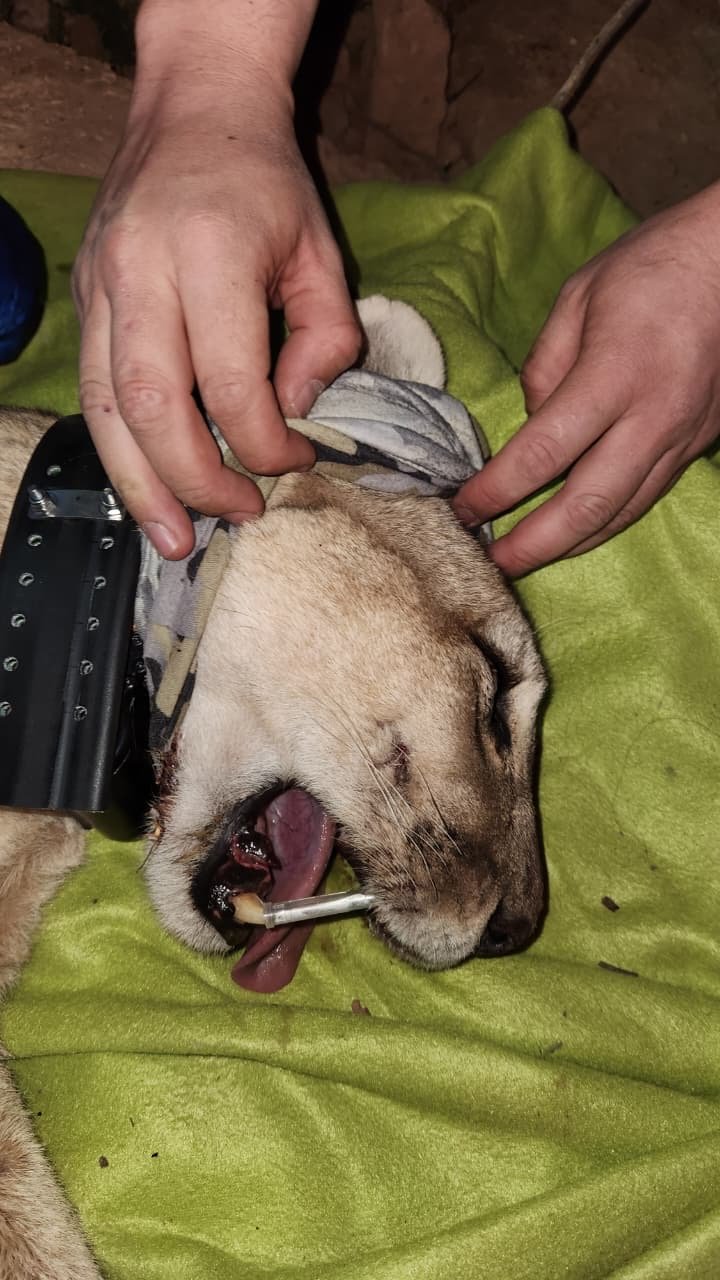
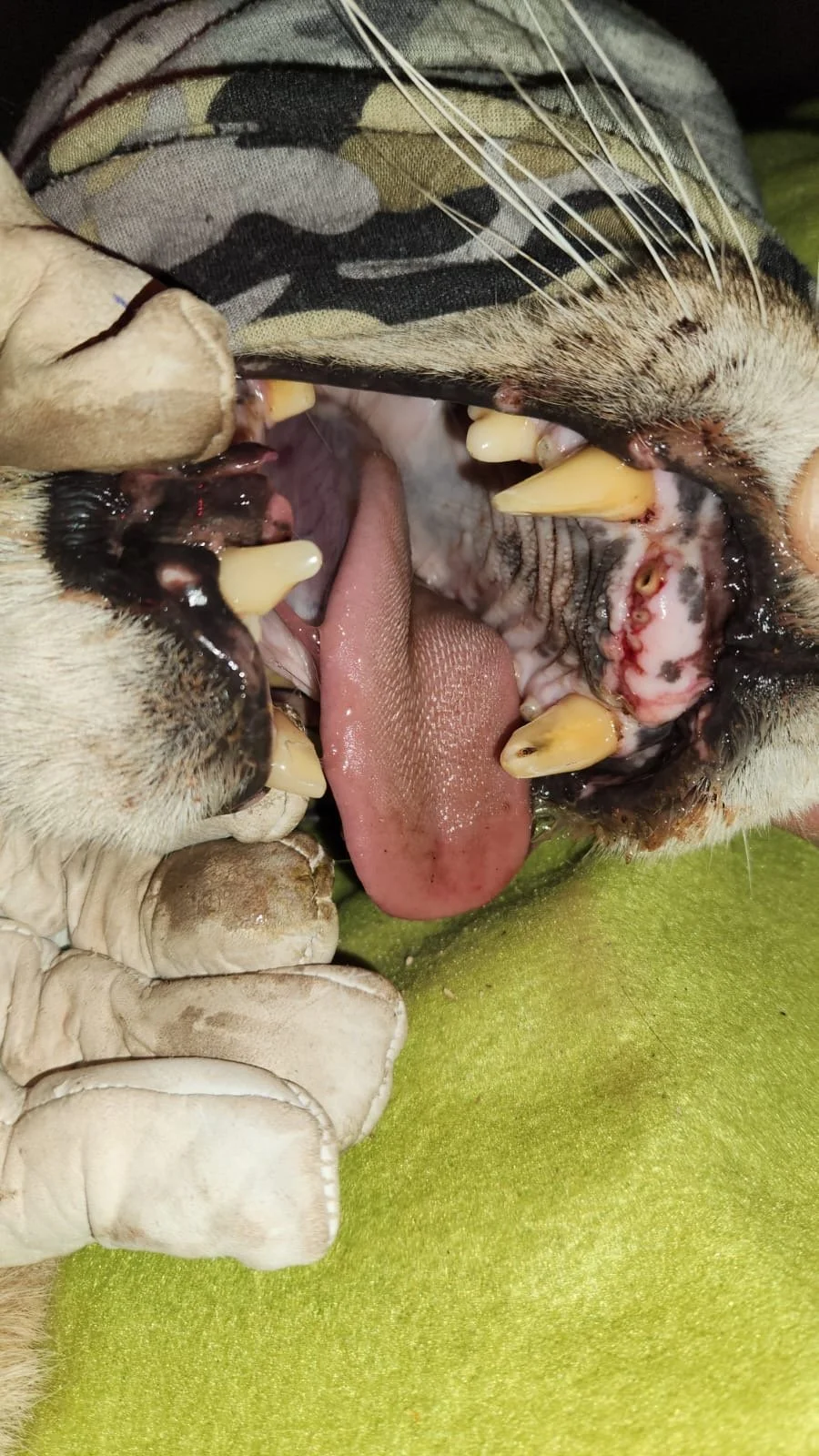
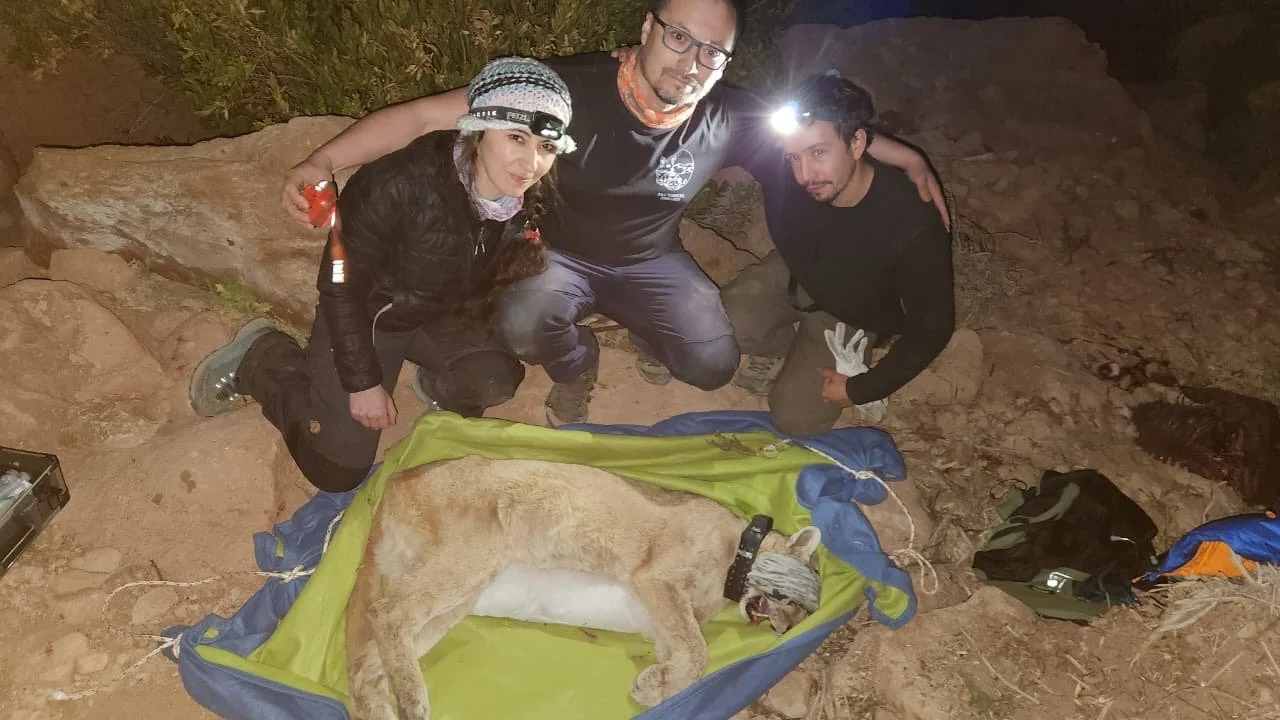
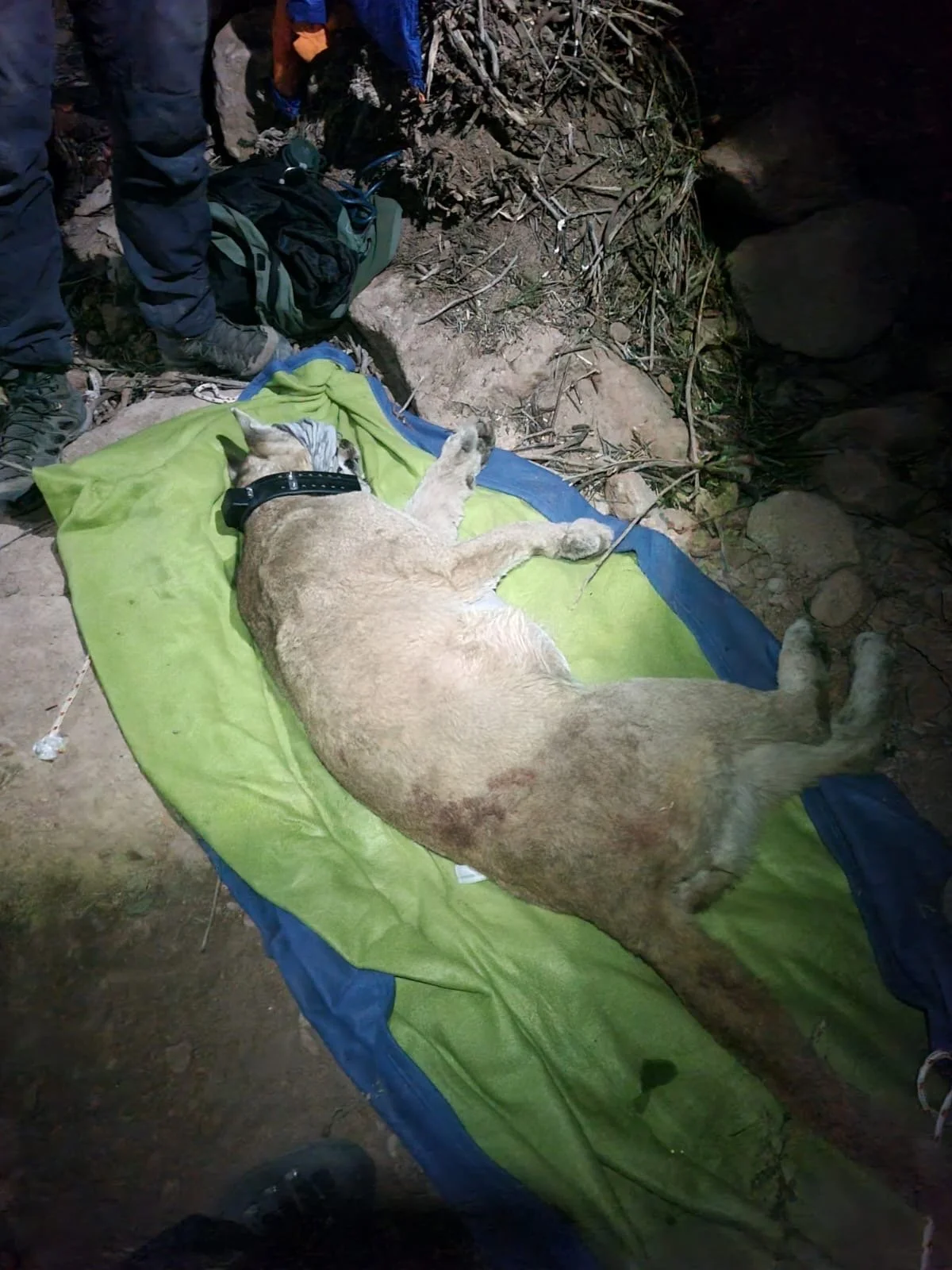
For a wild puma, survival is a daily gauntlet of physical demands. To reach double digits is a feat of extraordinary luck and cunning; to reach 12 is nearly unheard of. When Carlos Augusto Castro-Pastene and his team finally assessed her, the data was written in her mouth. Her dentition—the wear and state of her teeth—confirmed she is at least 12 years old, perhaps older.
In a landscape where only 4% of central Chile’s Mediterranean climate zone is protected, this "Matriarch" is a victim of a shrinking world. She was likely forced out of her ancestral hunting grounds by younger, more aggressive pumas. No longer capable of chasing down the swift guanacos or hares of the high desert, her choice was simple: adapt to the village or starve. Her presence among the Aymara is a tragic indicator of the lack of "Wild Areas" left for aging predators.
"We captured a female that appears to be responsible for most of the attacks. She is an extremely old puma: based on her dentition, we estimate she is around 12 years old or even older, which is truly remarkable for the species." — Carlos Augusto Castro-Pastene
The Political Pandora’s Box of Wildlife Management
The stakes of this rescue extend far beyond the life of one geriatric cat. In Chile, a powerful network of livestock producers is currently lobbying for the right to hunt "problem pumas." They are looking for a catalyst—a single human injury or a high-profile loss of livestock—to serve as the "media event" they need to force through lethal management legislation.
Opening this Pandora’s Box would be catastrophic.
If the government wildlife agency is permitted to kill this puma, it sets a dangerous precedent that lethal removal is the default solution for human-wildlife conflict. By successfully relocating her, conservationists aren't just saving a life; they are holding the line against a permanent shift in public policy that would threaten the species nationwide.
Heroism in a T-Shirt: The Sacrifice of Dr. Castro-Pastene
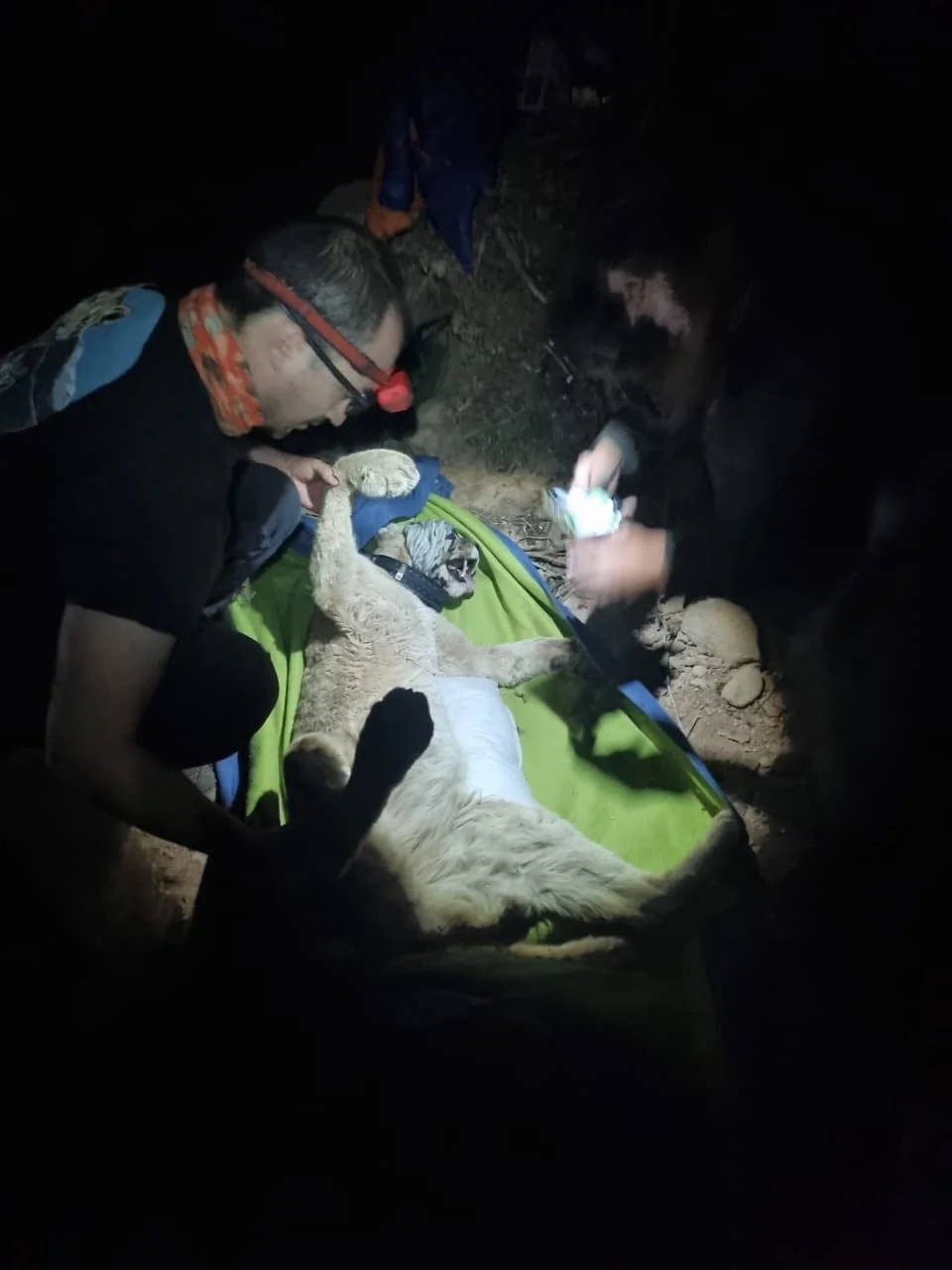
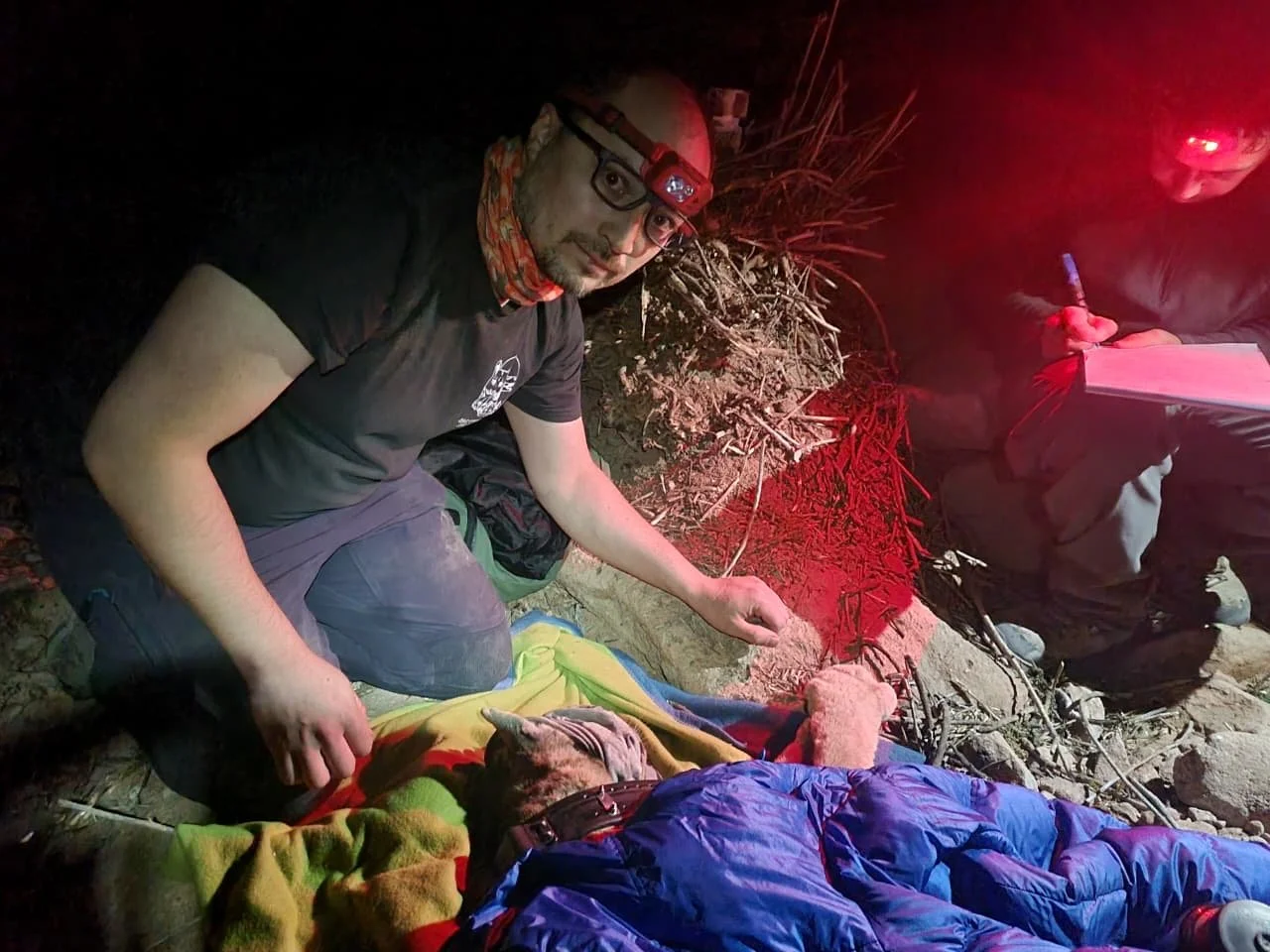
True conservation often happens in the dark, in sub-zero temperatures, where the line between the rescuer and the rescued blurs. During the initial capture, Dr. Carlos Augusto Castro-Pastene, the lead veterinarian for the Colocolo Conservation Project, found himself in a race against the cat’s own physiology.
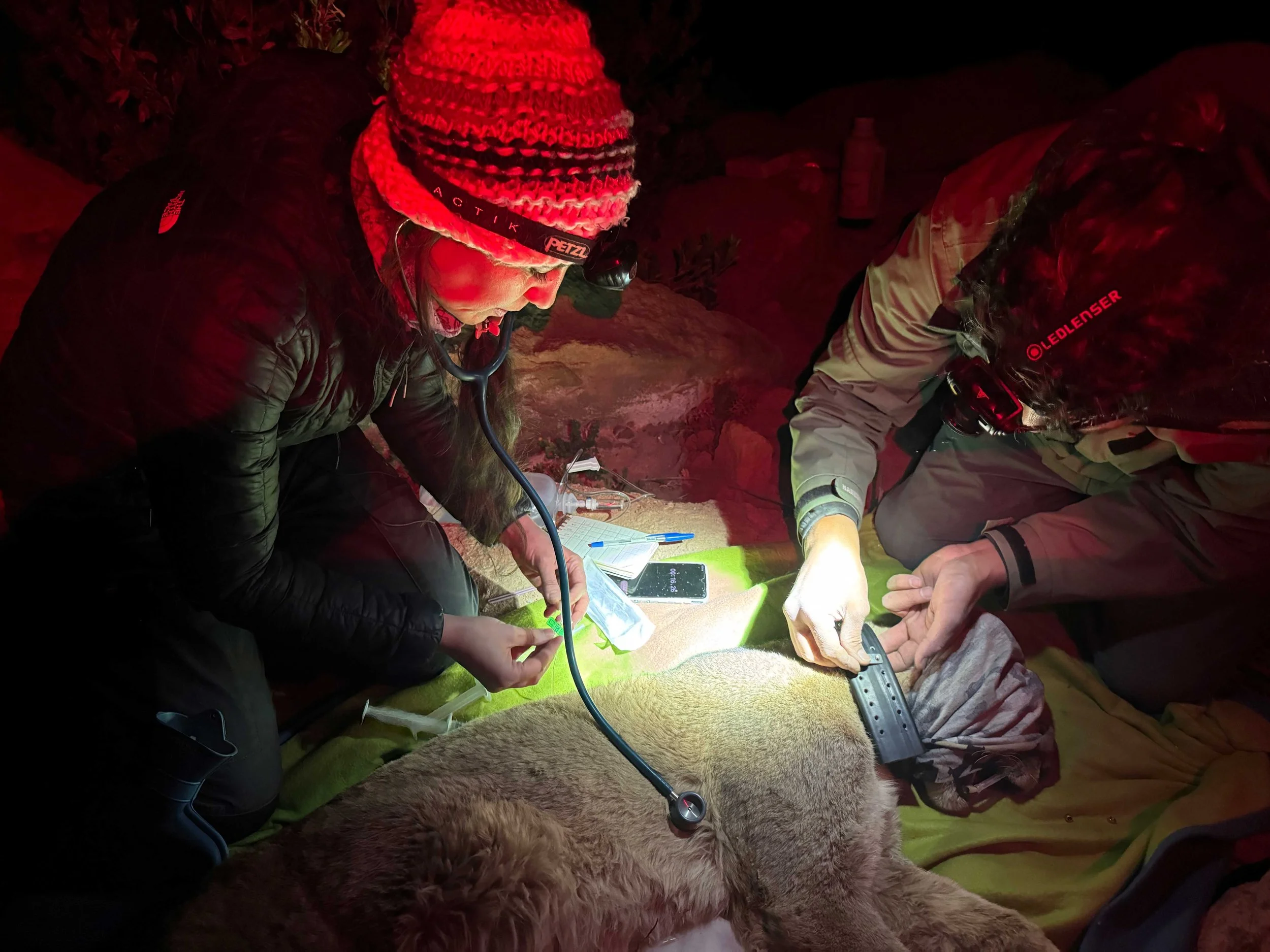
As the Atacama night plummeted into the freezing range, the sedated puma’s body temperature began to drop—a common and dangerous side effect of anesthesia. Without hesitation, Dr. Castro-Pastene stripped off his own heavy down jacket to wrap it around the cat’s shivering frame. While his team monitored the animal’s vital signs and physiological parameters, photos captured the veterinarian working in only a T-shirt in the biting cold. For Carlos, the choice was binary: his own comfort was irrelevant compared to the physiological stability of the animal in his care.
A Global Handshake: Big Cat Rescue’s Immediate Response
When the Chilean authorities issued a final ultimatum—relocate the cat permanently or face a lethal outcome—the Colocolo Conservation Project faced a familiar wall: bureaucracy and a lack of immediate liquidity. Recognizing the emergency, Carlos reached out to Big Cat Rescue in the United States.
The Big Cat Rescue team responded instantly, recognizing that in the world of conservation, speed is a life-saving currency. This mission also highlighted a modern twist in international aid; Howard Baskin encouraged looking into cryptocurrency exchanges like Coinbase, Kraken or Binance to bypass the slow, fee-heavy traditional banking systems that often delay critical funds. This "Global Handshake" proved that when local agencies lean toward lethal solutions, international solidarity can provide the emergency funding necessary to change the narrative.
The Legacy of a Name
To bridge the gap between the rescuers in Chile and the advocates in the U.S., the team agreed to name the puma "Mickey." The name was a poignant request from Howard Baskin to honor a beloved cougar who spent his twilight years at the Florida sanctuary.
"My most favorite of all of the cats we cared for here was a cougar named Mickey who had a wonderful spirit and passed years ago... My eyes are tearing as I remember him. It is a name that applies to either gender." — Howard Baskin
Naming her Mickey shifted the public perception from a "problem animal" to a celebrated individual, a matriarch whose survival was worthy of honor rather than punishment.
The Golden Years at Andean Wildlife Rescue
Mickey’s journey is destined for the Andean Wildlife Rescue and Rehabilitation Center. This facility is specifically chosen for its large, naturalistic enclosures that offer a dignified retirement for cats that can no longer survive in the wild. For a 12-year-old cat who has outlived her territory and her physical prime, the center represents a release from the constant stress of conflict and the looming threat of the livestock lobby. Here, she can live out her "golden years" with the food and safety she can no longer secure for herself.
Conclusion: The Final Hurdle
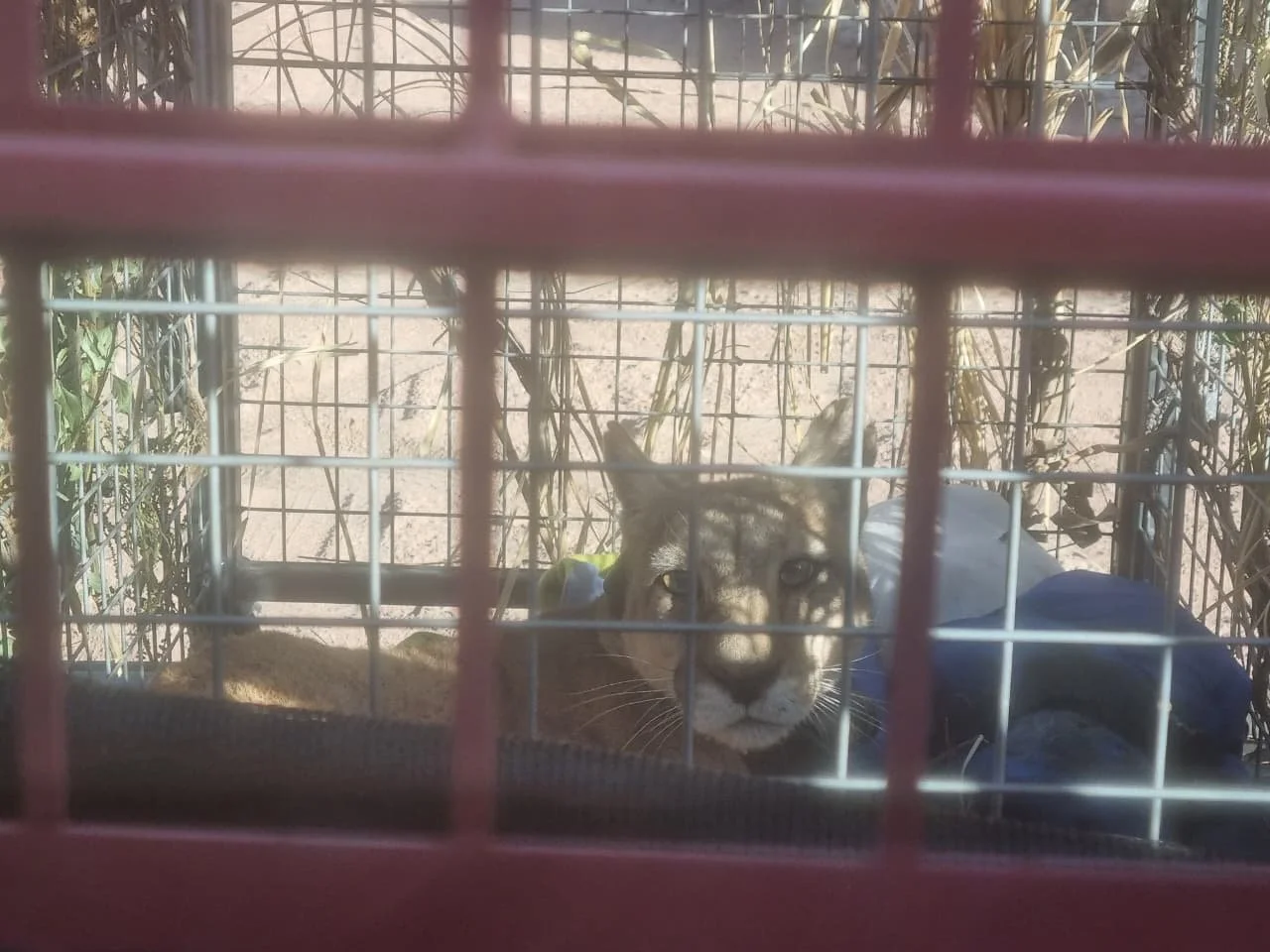
The mission to save Mickey is a litmus test for the future of Chilean pumas. It asks if we are capable of providing a "safety net" for the elders of a species we have displaced. The funding is secured, the sanctuary is ready, and the politics are temporarily held at bay. But the final act belongs to the cat.
After surviving over a decade in one of the harshest environments on Earth and outsmarting human neighbors for months, will a cat as wise and wary as Mickey be willing to step into a humane trap to secure her own future?