SWCCF News 2026 05
Behind the Curtain of Tiger Reserves
Many of us picture wildlife reserves as open, pristine sanctuaries where nature thrives as a harmonious ecosystem. However, the realities of international big cat preservation can be much more stark, structured, and tightly controlled than the public realizes.
Following his recent field travels to Nepal, wildcat conservationist Jim Sanderson pulled back the curtain on how these highly specialized reserves actually function on the ground.
Managed for Tigers—and Nothing Else
The defining takeaway from Nepal's tiger reserves is their absolute singularity of purpose. These spaces are not general "wildlife parks." They are heavily protected enclaves managed exclusively for tigers and the specific prey populations required to sustain them. Every management decision, from habitat manipulation to water sourcing, is hyper-focused on maintaining optimal conditions for this single apex predator.
Because the ecosystem is balanced on a knife-edge to maximize tiger numbers, the boundaries of these reserves are strictly enforced. The management style leaves no room for multi-use concepts; it is an all-or-nothing approach to keeping the wild population secure from external pressures.
Behind Closed Doors
This level of intensity requires intense security. Jim confirmed that the internal operations, patrolling schedules, and management strategies of these reserves are shrouded in absolute secrecy.
Outside eyes are tightly restricted, and for good reason—protecting tigers from sophisticated poaching networks requires the operational security of a military outpost. No one is permitted to look behind the curtain of daily reserve operations. While this secrecy keeps the cats safe, it also highlights the extreme measures required to keep the world's largest felines from slipping into extinction.
A Midnight Moment Few Humans Ever Get to Witness
At 12:15 AM in Northeast India, a trail camera captured something truly extraordinary: a clouded leopard mother walking through the forest with her two cubs.
For conservationists, moments like this are priceless. Clouded leopards are elusive, rarely seen cats, and footage of a mother with cubs is even more rare.
But this video represents more than just a sighting — it’s proof that community-led conservation is working. The people protecting these forests are helping give these beautiful cats a future.
Every cub seen on camera is a sign of hope.

Puma Stamp
Vending machines and cantaloupes kill more people than Mountain lions
Jim Sanderson
Just how dangerous are Mountains lions? Here are a few amusing facts for comparison.
Vending machine accidents cause an estimated 2 to 4 deaths per year in the United States, usually resulting from people rocking or tilting them, causing machines (often weighing over 900 pounds) to crush them. Between 1978 and 2021, about 38 deaths and thousands of injuries were reported to safety officials. Most injuries were recorded among young males. No surprise there!
Since 1978, just 15 to 20 people have been killed by Mountain lions in the United States and Canada, with fatal attacks remaining extremely rare (less than 30 in North America since 1868). The majority of these attacks occurred in California and Colorado, often involving solitary victims. Most likely, young and inexperienced Mountains lions suddenly frightened by approaching humans are to blame.
An estimated 36,640 traffic fatalities were recorded in the United Sates in 2025. Approximately 100 people per day are killed.
Between the turn of the century and 2020 there were at least 45 cantaloupe-associated outbreaks, resulting in a total of 40 deaths. Cantaloupes are far more dangerous than Mountain lions. Next time you food shopping, beware of those plump cantaloupes.
In fact, more Mountain lions are needed, especially in countries where feral dogs are federally protected everywhere, without exception, they occur.
Controlling Pet Diseases Impacting Fishing cats
Ashan Thudugala, Sri Lanka, Save Fishing Cats
Controlling Pet Diseases Impacting Fishing cats
Ashan Thudugala, Sri Lanka, Save Fishing Cats
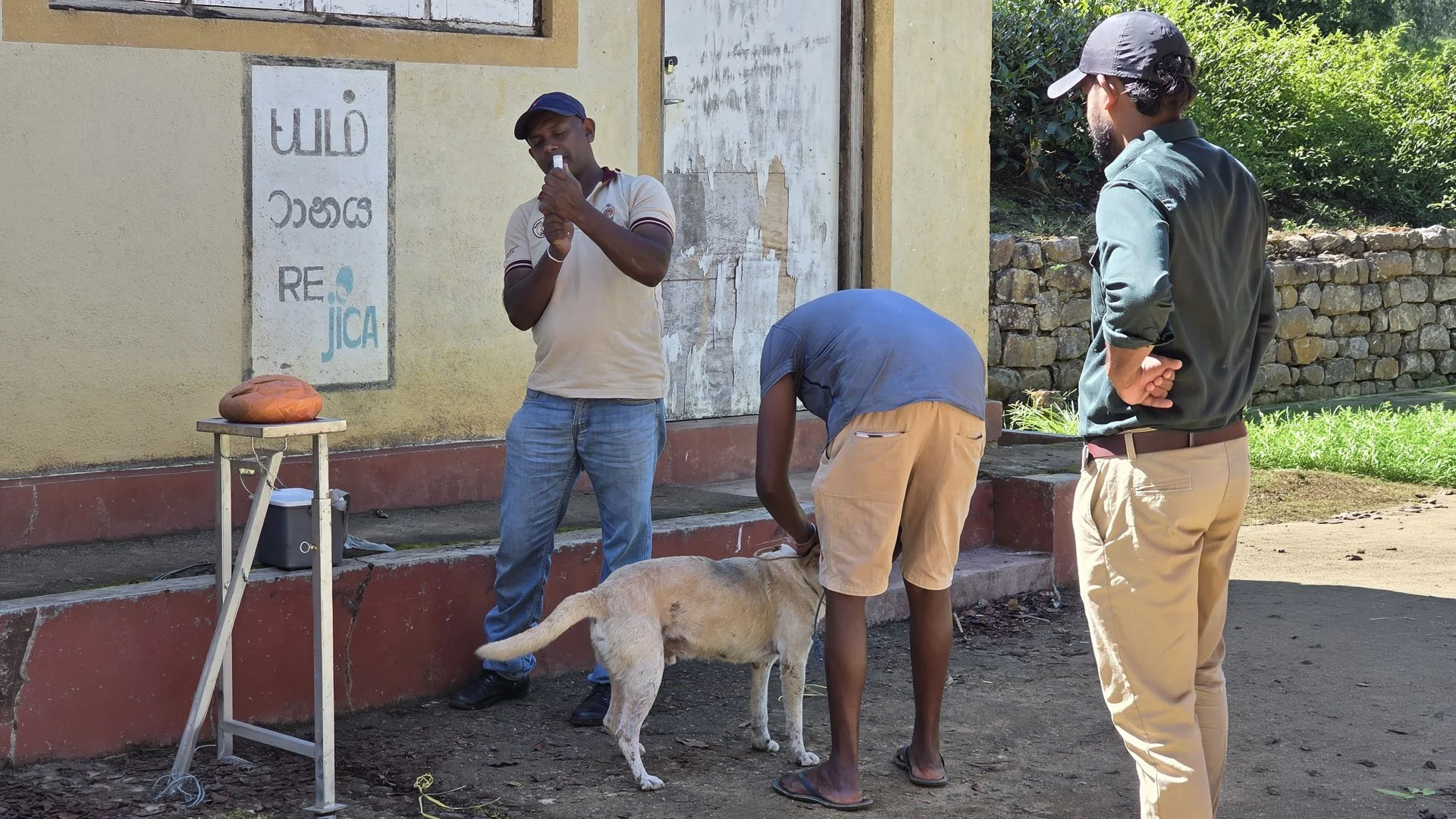
We successfully completed our first vaccination and neutering campaign in the central hills of Sri Lanka. We conducted this campaign at Dayagama West where the plantation communities border the rich cloud forests. Wild cats freely roam these neighbourhoods
We used different vaccines including rabies for dogs and TriCat for cats which is essential to build herd immunity in residential areas to mitigate disease transmission. These campaigns also build trust for our efforts in the local community.
We vaccinated 70 dogs, 20 cats and neutered 22 dogs in and around these communities. We also treated stray animals. Residents were also educated about our efforts to save Fishing cats as well as Leopards
Our target is to complete four more vaccination and neutering campaigns during this year.
Save Fishing Cats

Ending Festival Celebration Killing of Clouded Leopards
Giri Malla, NE India, Eastern Himalayas Marbled Cat Project
Ending Festival Celebration Killing of Clouded Leopards
Giri Malla, NE India, Eastern Himalayas Marbled Cat Project
The village of Nongtalang in the India state of Meghalaya celebrated an annual festival by killing Clouded leopards and other small wild cats as part of their rituals. Our team in Meghalaya conducted multiple visits to this village and ultimately achieved something that had once seemed impossible.
Through women-centric engagement, our interventions succeeded in inspiring a meaningful shift within the community. The women of the village chose to support the conservation of small wild cats not through hunting or celebratory practices, but by creating crochet representations of these species and using them as tools for awareness and ultimately to conserve small wild cats. This outcome represents a significant milestone for us.
The women’s group, along with the village head, also agreed to participate in conservation efforts tby using trail cameras, and we subsequently deployed five cameras in this remote village of Meghalaya. During our visits, we organized crochet training sessions for the women’s group. They have since developed remarkable craftsmanship, producing high-quality items that many of them now sell in local markets, providing an important alternative source of livelihood.
Thank you for your support, Jim. People still talk about your visit and even agreed to your idea of recording the small wild cats in trail cameras and awarding prizes for the best pictures and videos.
Eastern Himalayas Marbled Cat Project