AdvoCat 2026 09
SWCCF News 2026 09
Insitu 2026
SWCCF News 2026 05
Meta Description: Discover inspiring wild cat conservation initiatives from the Small Wild Cat Conservation Foundation. Learn how organizations like Save Fishing Cats are implementing vital pet vaccination and neutering programs in Sri Lanka to protect local fishing cats and leopards from disease transmission. Plus, explore the incredible community-led success story from the Eastern Himalayas Marbled Cat Project in Meghalaya, India, where indigenous women are replacing traditional clouded leopard hunting rituals with sustainable crochet livelihoods and trail-camera monitoring.
SWCCF News 2026 04
Discover how the Small Wild Cat Conservation Foundation (SWCCF) is protecting Fishing cats in Nepal and African golden cats in Uganda — not through fines and patrols, but by solving the everyday problems of local communities. From Fish Banks to livestock seed programs, learn how practical, people-centered conservation makes saving small wild cats sustainable, scalable, and naturally embraced.
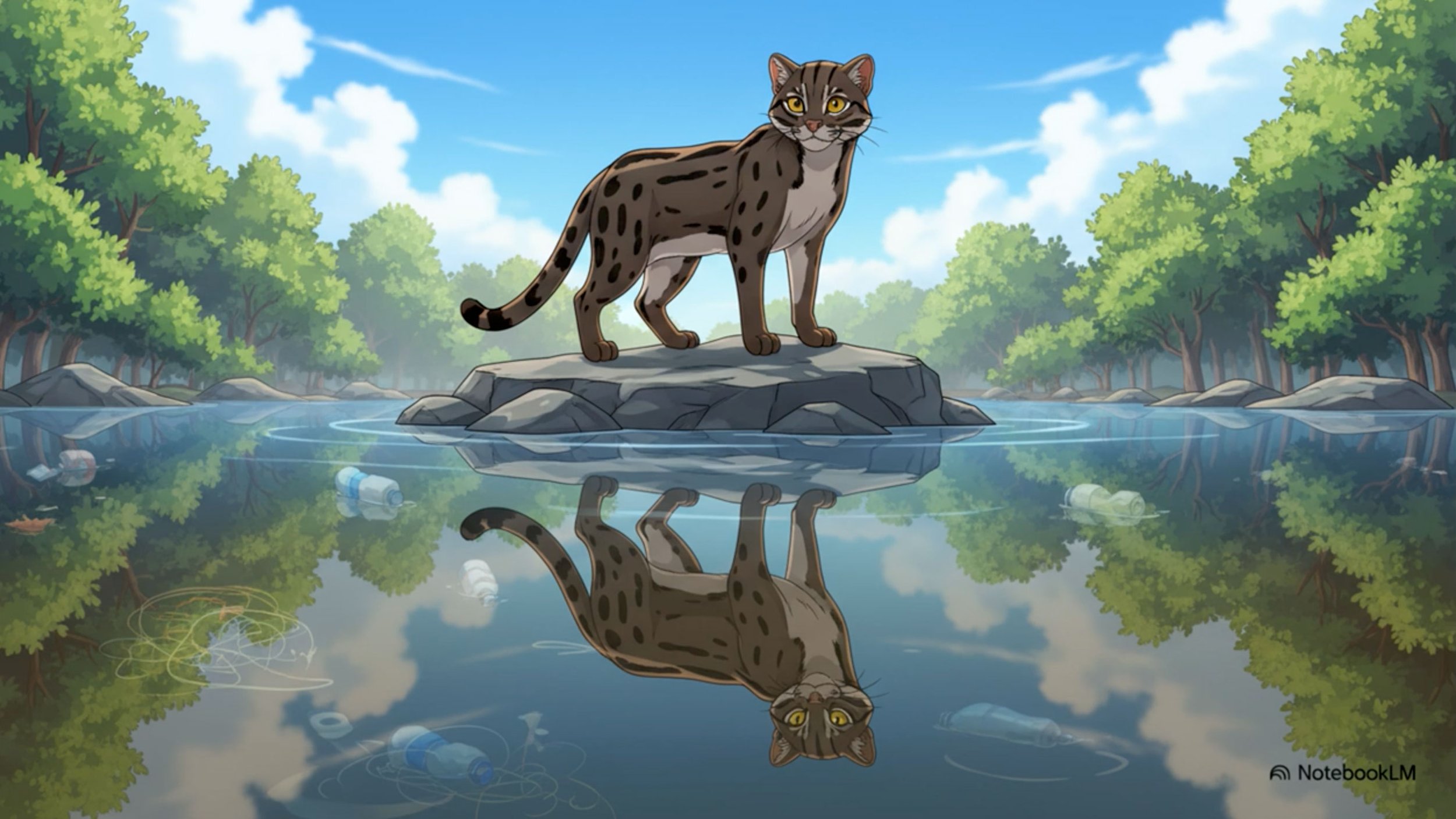
Toxins and Microplastics Found in Indian Fishing Cat Scat
A recent study led by the University of Calcutta has uncovered alarming levels of microplastics and heavy metals in the waste of fishing cats living in India’s West Bengal region. These apex predators are ingesting toxins like lead and chromium by eating contaminated prey, a process known as bioaccumulation that originates from industrial runoff and poor waste management. Scientists warn that these pollutants threaten the survival and reproductive success of the species while also serving as a grim indicator of the environmental risks facing local human populations who share the same food sources. To combat this ecological crisis, experts advocate for stricter industrial regulations and significant improvements to sewage infrastructure to prevent untreated waste from entering vital waterways. This discovery highlights the pervasive reach of human-generated pollution within delicate wetland ecosystems.