The One-Word Rule Change
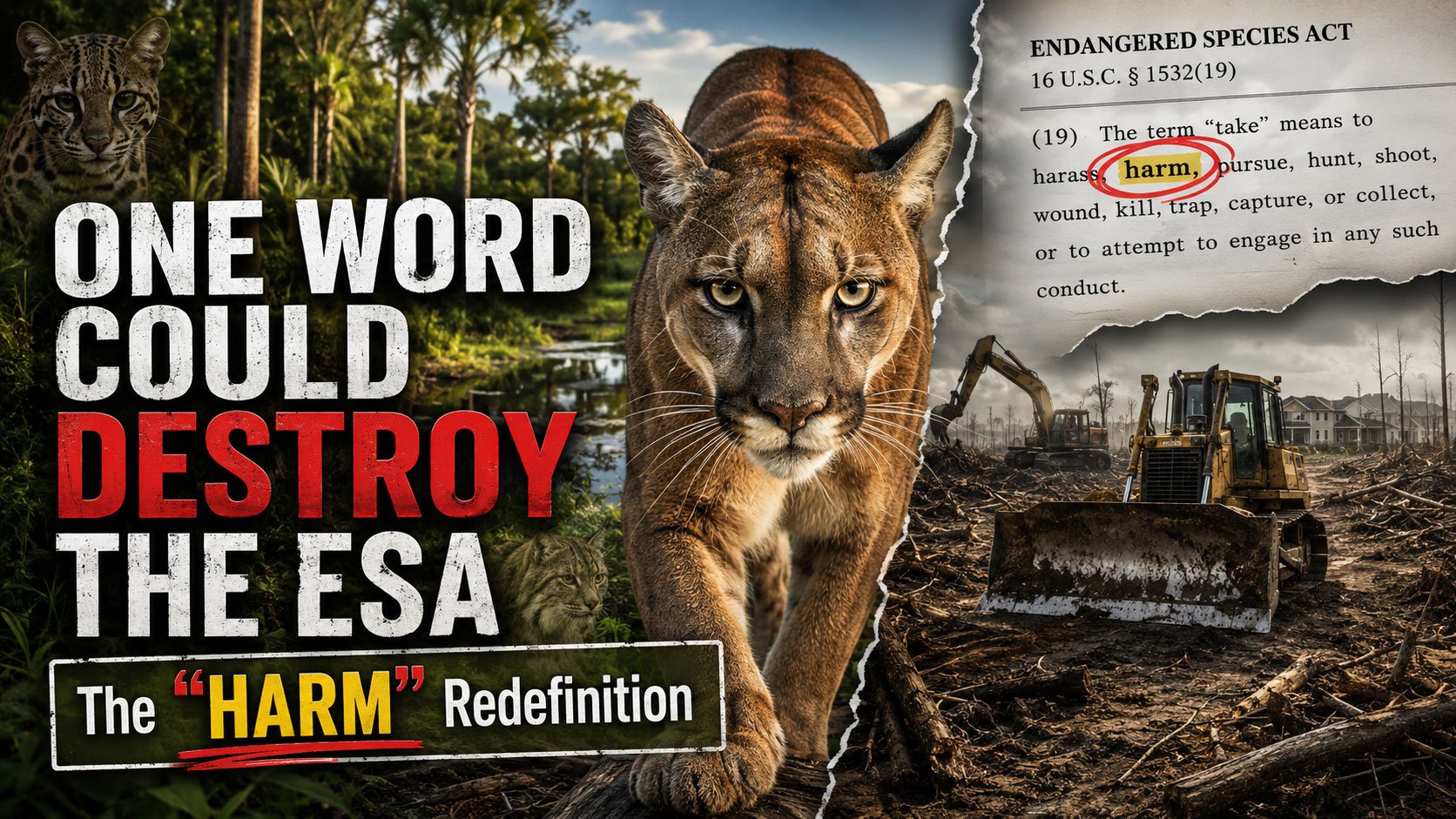
The One-Word Shift Gutting the Endangered Species Act: Why Habitat Protection is Under Fire
For over 50 years, the Endangered Species Act (ESA) has served as America’s most powerful shield against extinction, saving 99% of protected species from disappearing. However, a silent regulatory shift announced on July 10, 2026, seeks to dismantle this legacy by redefining a single word: "harm"
The Uninvited Guest
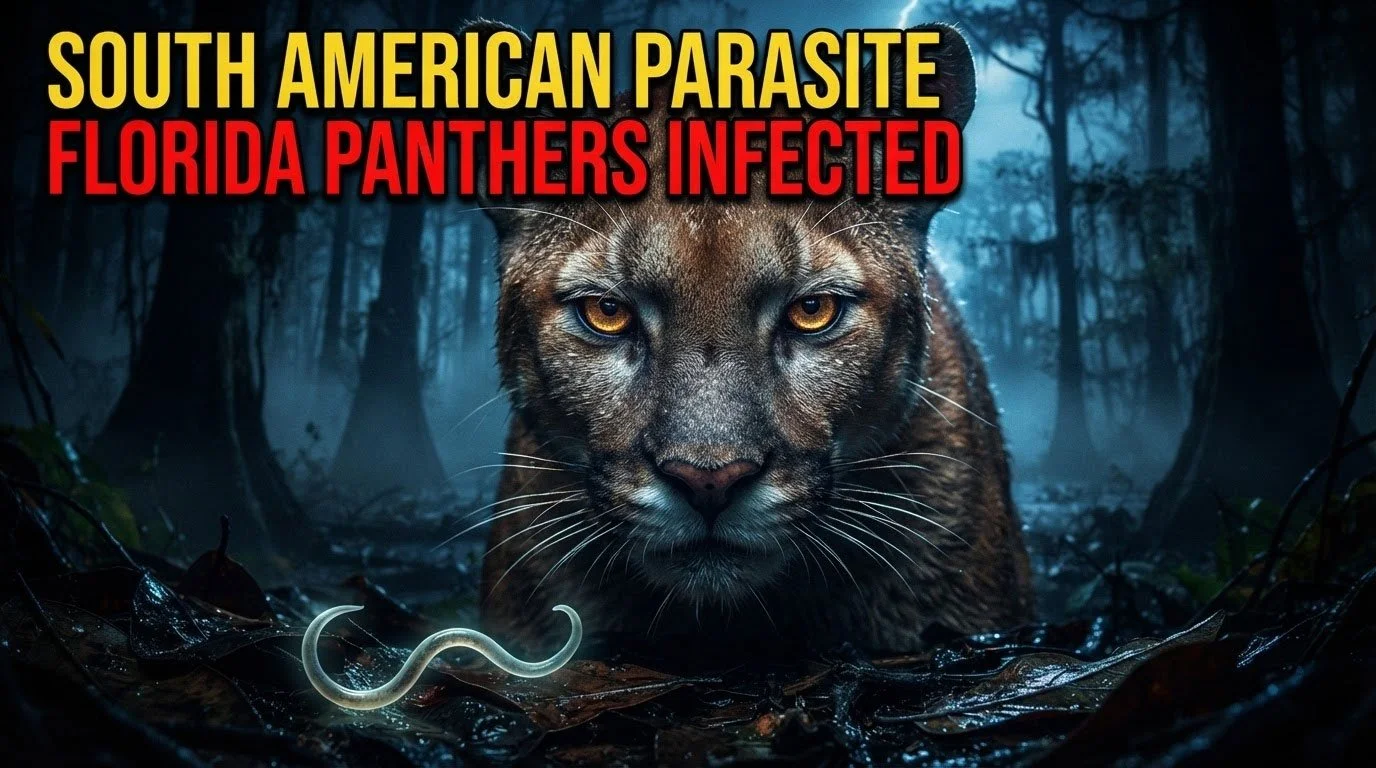
A new CDC study identifies a South American parasite, Dracunculus sp. PantanalBR, currently infecting Florida panthers and bobcats. Genetic analysis reveals a 98-99% match to specimens from Brazil, suggesting the worms may have been introduced through historical puma releases in the Everglades. Learn about the health risks these Brazilian worms pose to the survival of Florida's endangered big cat population.
Kinked Tails in Wild Cats
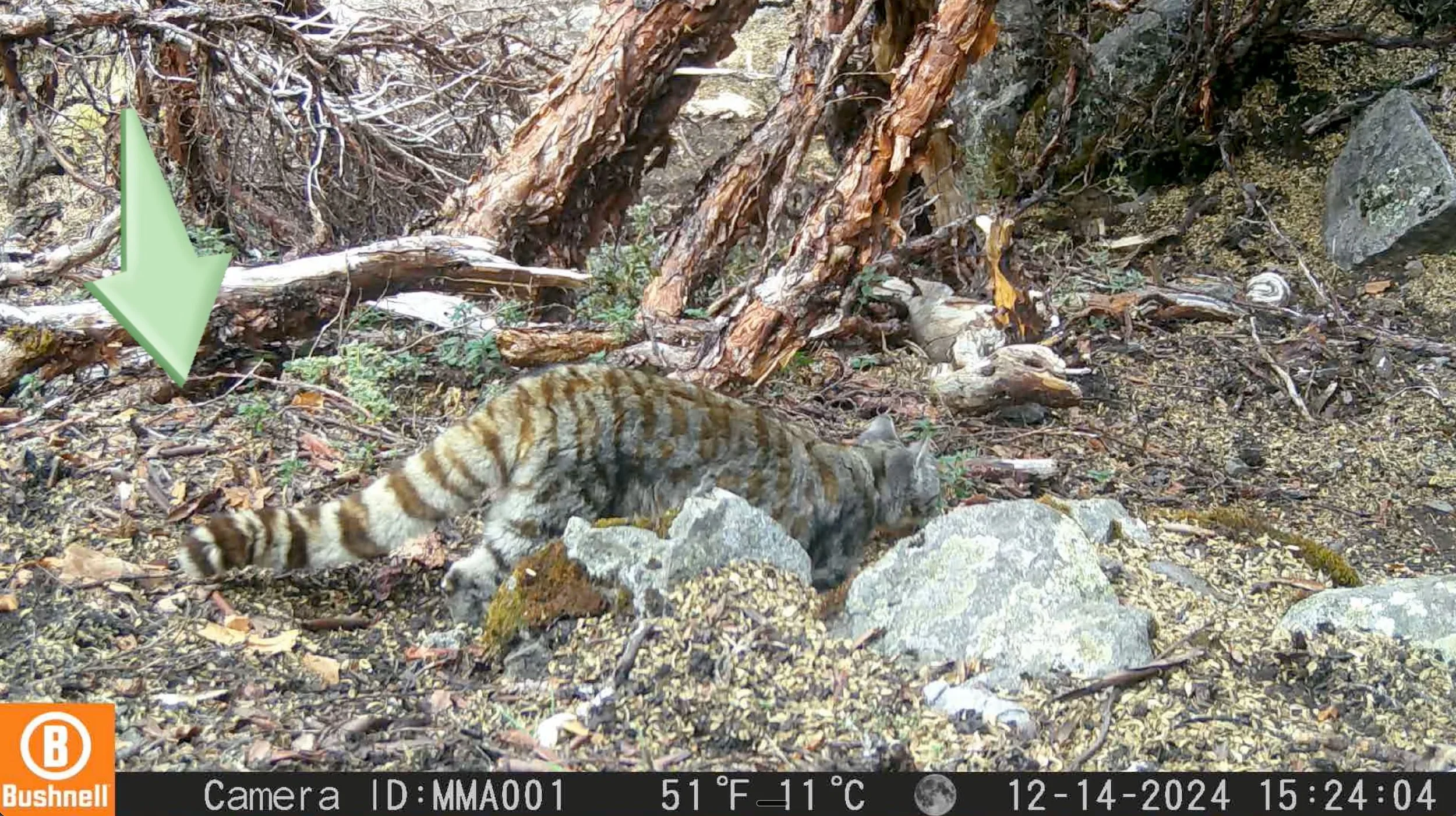
These sources examine the genetic crisis facing isolated wild cat populations, where human-driven habitat fragmentation forces inbreeding and triggers a decline in biological fitness. Researchers identify morphological abnormalities, such as kinked tails and thoracic cowlicks, as visible biomarkers of a deeper "extinction vortex" that includes heart defects and reproductive failure. While the Florida panther serves as a primary case study for these issues, the texts document similar patterns of genomic decay in California mountain lions, European wildcats, ocelots, jaguarundi, Andean cats, cheetahs and Asiatic lions. Conservationists highlight the 1995 genetic restoration project in Florida—which used Texas pumas to diversify the gene pool—as a successful model for reversing these trends. Ultimately, the literature advocates for wildlife crossings and habitat corridors to restore natural gene flow and ensure the long-term survival of apex predators.

The Bridge to Survival: Florida's Bold Leap to Reconnect Wildlife Across I-4

Guardians of the Everglades: How the Miccosukee Tribe Is Protecting Florida’s Wild Future

Crossroads of Survival: The Urgent Need for Wildlife Corridors in Florida