Kinked Tails in Wild Cats
The Telltale Tail: What a Kinked Tail Really Says About the World’s Wild Cats
1. Introduction: The Mystery of the Broken Tail
Imagine a wildlife researcher stationed in the jagged shadows of the Santa Monica Mountains or deep within the humid, sawgrass expanse of South Florida. Through a high-powered lens, they track a mountain lion—a creature usually defined by the liquid grace of its movements. But as the cat pauses, a jarring detail emerges: the end of its tail is bent at a sharp, right-angle "L-shape." This is no mere battle scar or an injury from a slammed door; it is a geometric impossibility in an otherwise fluid predator.
While the kink looks superficial, it is actually a biological "canary in the coal mine." In the lexicon of conservation science, this deformity is a visible symptom of a silent, systemic collapse. It marks the moment a species hits a genetic dead end. Human infrastructure—our ten-lane highways and sprawling subdivisions—has effectively turned the wilderness into a series of isolated "islands." On these islands, wide-ranging predators are trapped in an extinction vortex, forced into a cycle of inbreeding that is eroding their very blueprint for survival.
2. The Kink as a Biological Warning Light
The kinked tail and its common companion, the thoracic cowlick (a whorl of hair growing against the grain on the cat's back), are not marks of trauma but hereditary biomarkers of inbreeding depression. To understand why they appear, we must look at the genome. In healthy, connected populations, natural selection acts as a filter, removing harmful mutations. However, in small, isolated groups, a phenomenon known as Runs of Homozygosity (ROH) takes hold. This occurs when an individual inherits long, identical stretches of DNA from both parents because they are closely related.
This "unmasking of recessive alleles" allows deleterious traits to surface. By the early 1990s, the Florida panther population was a textbook case of this genomic decay. Isolated south of the Caloosahatchee River and cut off from the gene flow of Western pumas, 80% to 90% of the surviving panthers exhibited these physical abnormalities.
"The presence of these morphological abnormalities is far more than a quirk of anatomy; it is a clinical symptom of a landscape in crisis, signaling that the random force of genetic drift has overriden the corrective power of natural selection."
3. Beyond the Tail: The Invisible Toll of Inbreeding
While a crooked tail might seem like a minor handicap for an apex predator, it is often just the surface-level signature of much deeper "internal malfunctions." These defects represent the "realized load" of a population—the hidden genetic baggage that has finally become a physical reality, slowing down the predator and stalling its reproduction.
The High Cost of Isolation
Cryptorchidism: This is the failure of one or both testes to descend. By the 1990s, over 80% of male Florida panthers suffered from this. It is a reproductive catastrophe: while unilateral cases reduce fertility, bilateral cryptorchidism renders a male totally sterile because internal body temperatures are too high for viable sperm production.
Atrial Septal Defects: Known as a "hole in the heart," this congenital failure allows oxygenated and deoxygenated blood to mix. For a predator that relies on explosive bursts of speed to secure a meal, this reduces cardiovascular efficiency and creates a lifelong survival handicap.
Teratospermia: Recent studies of Southern California mountain lions found a staggering 93% abnormal sperm rate. When nearly every sperm cell is malformed (featuring misshapen heads or coiled tails), the probability of a successful birth plummets, even if a mate is found.
These internal failures are the actual engines of extinction. A kinked tail is a warning; a hole in the heart is a death sentence.
4. Concrete Walls: How Highways Create "Islands"
Habitat fragmentation is the ultimate architect of this crisis. Major infrastructure, like California’s Highway 101 or the Caloosahatchee River in Florida, acts as a concrete wall. When young males cannot disperse to find unrelated mates, they are trapped on "habitat islands."
This isolation triggers the Extinction Vortex. In this cycle, the random loss of genetic variants—genetic drift—becomes more powerful than natural selection. Slightly deleterious mutations that would normally be filtered out instead become "fixed" in the population.
We see this tragedy in individual stories. For over a decade, the famous mountain lion P-22 roamed Los Angeles’ Griffith Park. While he became a global icon of urban resilience, he was a biological tragedy—a "lonely lion" trapped in a patch of habitat too small for a mate. However, his successor, P-81, has become the face of the biological reality; he was found to exhibit the telltale L-shaped tail kink and cryptorchidism, proving the crisis is manifesting now. Adding a ticking clock to this drama, climate change projections indicate that 17% of the Florida panther's current functional habitat will be lost to sea-level rise and development by 2040, further shrinking the breeding pool.
5. A Global Signature: From Ecuador to the Gir Forest
This genetic erosion is a worldwide phenomenon, a predictable signature of the "Human Footprint."
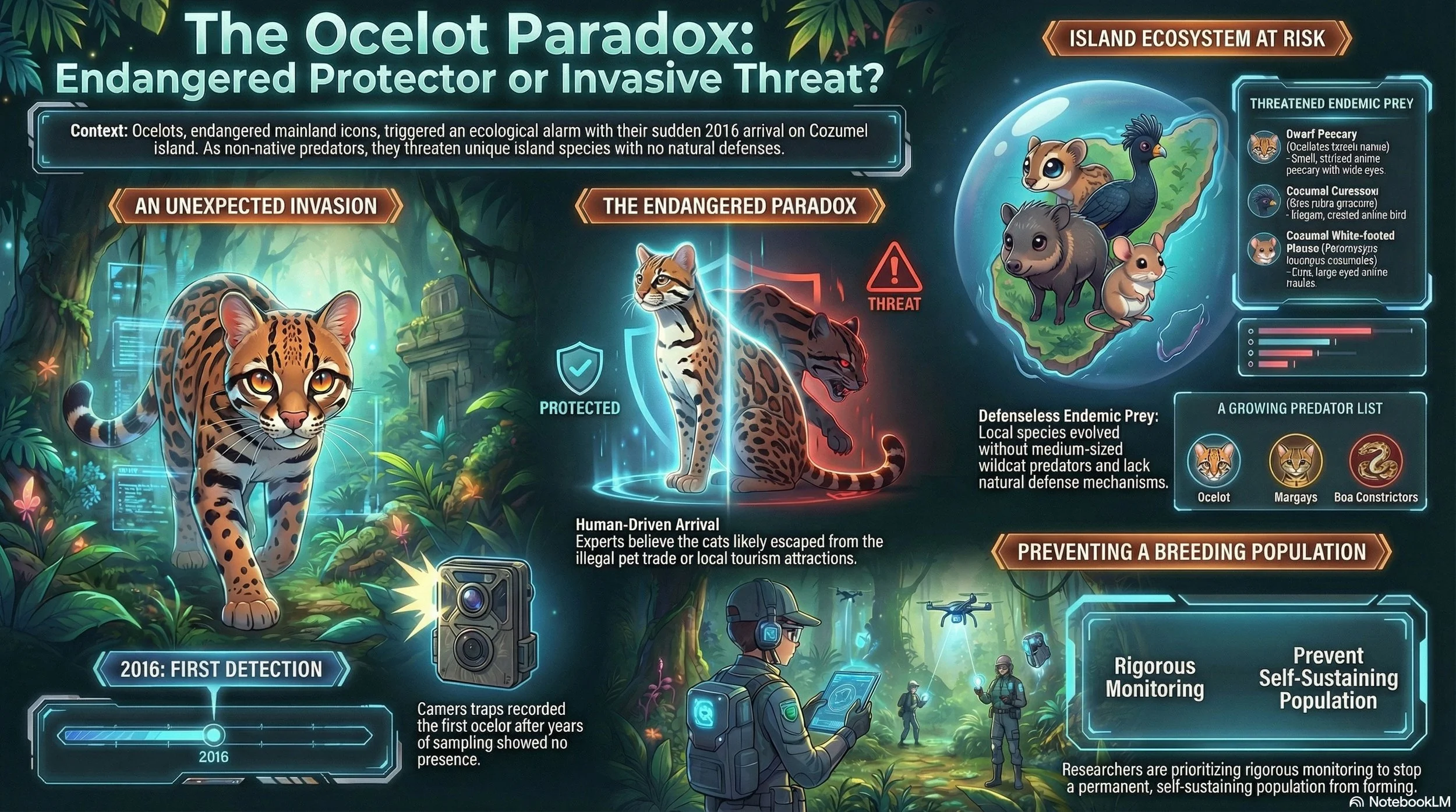
Ecuador: In the coastal landscapes of the Manglares Churute Ecological Reserve and Cerro Blanco Protected Forest, scientists have documented 11 specific records of Jaguarundis and Ocelots with tail and skin abnormalities, signaling intense pressure from the surrounding human matrix.
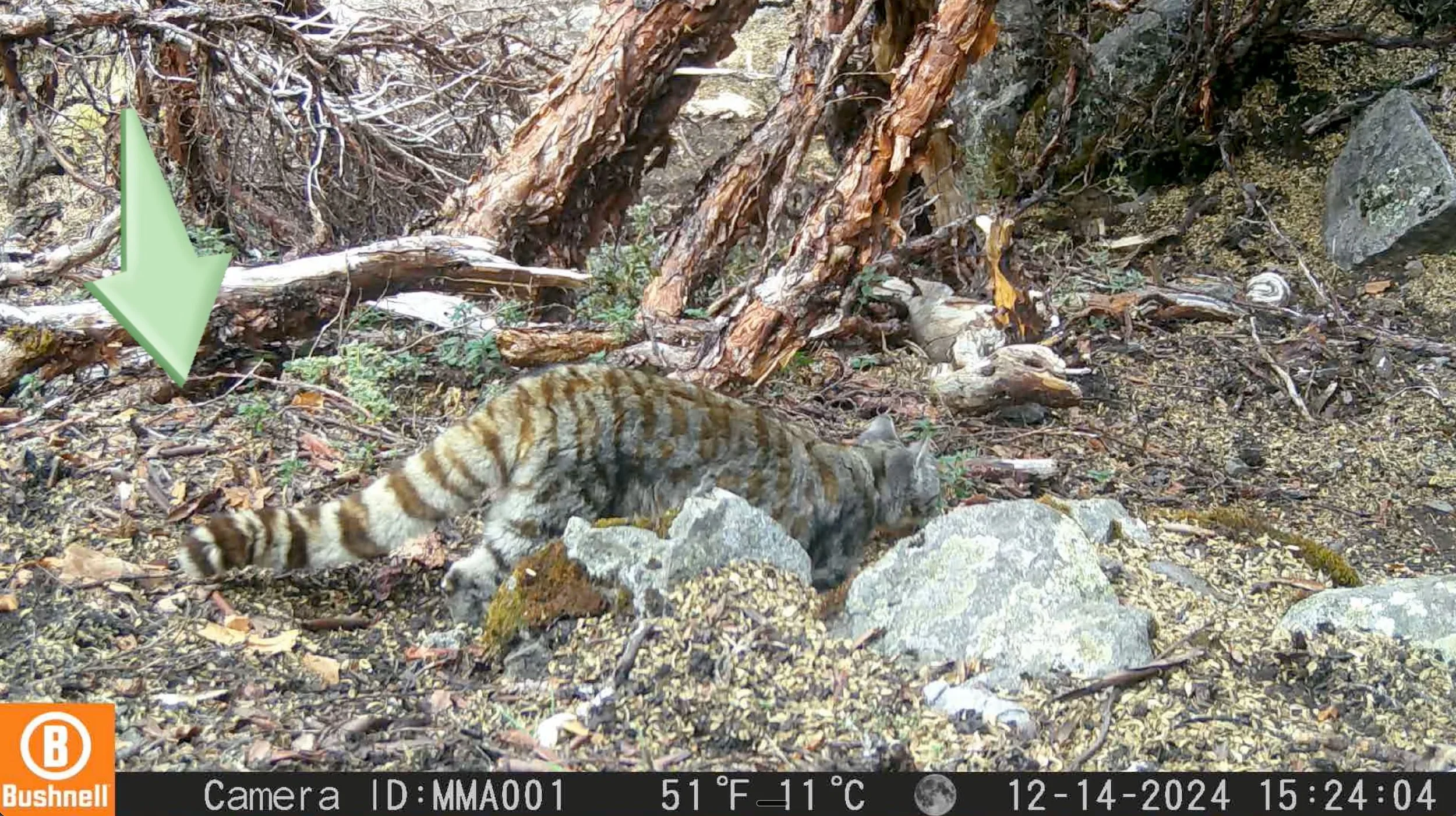
Peru: Images of Andean cats have surfaced that appear to show a kinked tail, although it is hard to tell due to the thick fur.
India: The Asiatic Lions of the Gir Forest survived a severe 19th-century bottleneck. Today, nearly all exhibit a longitudinal "Abdominal Fold" and a unique skeletal anomaly: Divided Infraorbital Foramina (nerve portals in the skull that have split in two).
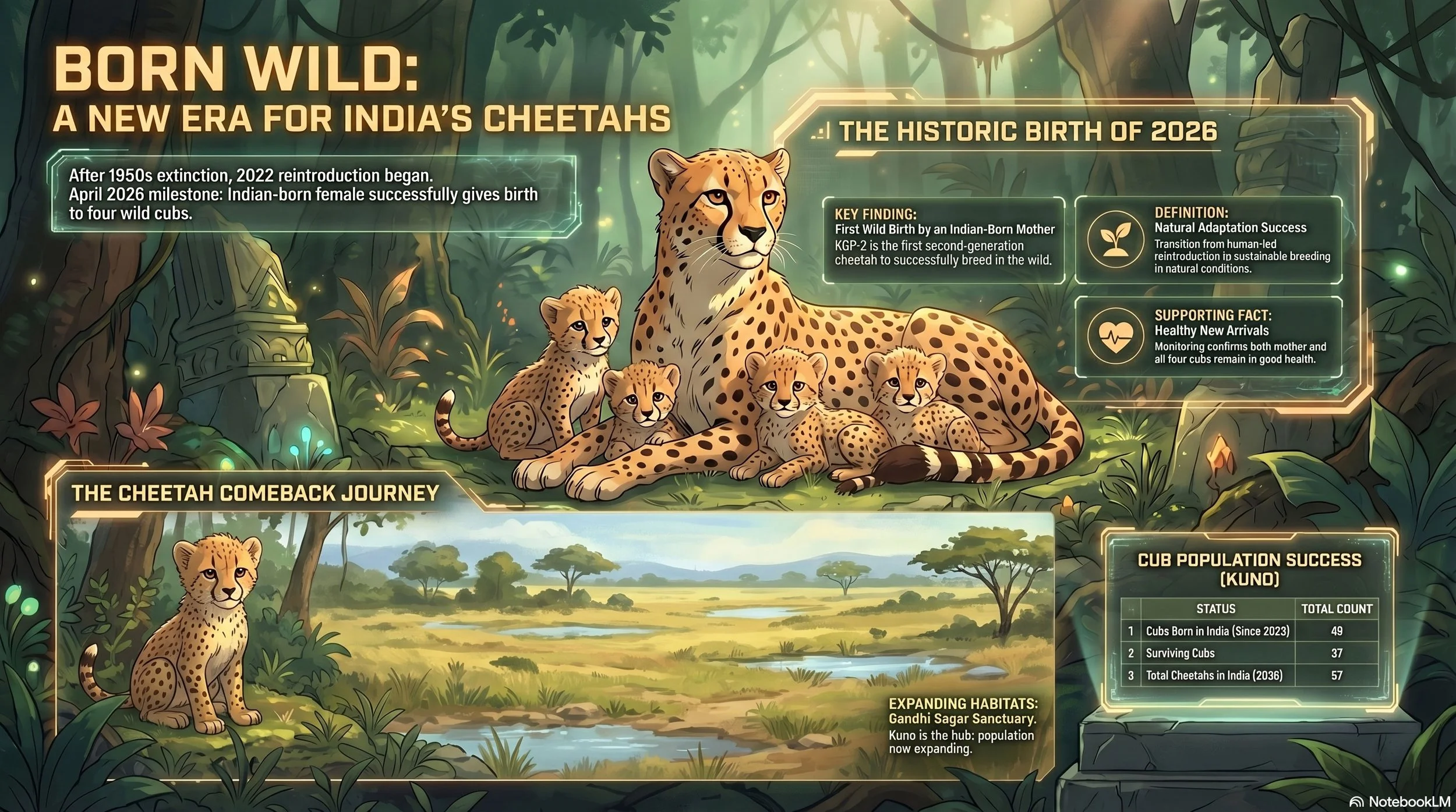
Namibia: Approximately 19% of the cheetah population exhibits tail kinks, a legacy of an ancient bottleneck now exacerbated by modern habitat loss.
Across every continent, the message is identical: when we fragment the earth, we fragment the code of life itself.
6. The "Genetic Rescue" Success Story
Conservation is not a one-way street toward extinction. In 1995, biologists launched a bold "active rescue" plan, trucking eight female Texas pumas into the Florida Everglades. The goal was to reintroduce healthy genetic variation—to "swamp" the harmful mutations with fresh DNA.
The results were transformative. The "admixed" kittens (offspring of Texas and Florida parents) showed immediate improvements in fitness and significantly higher survival rates than their "pure" Florida counterparts.
The Florida Panther: Before and After Genetic Rescue
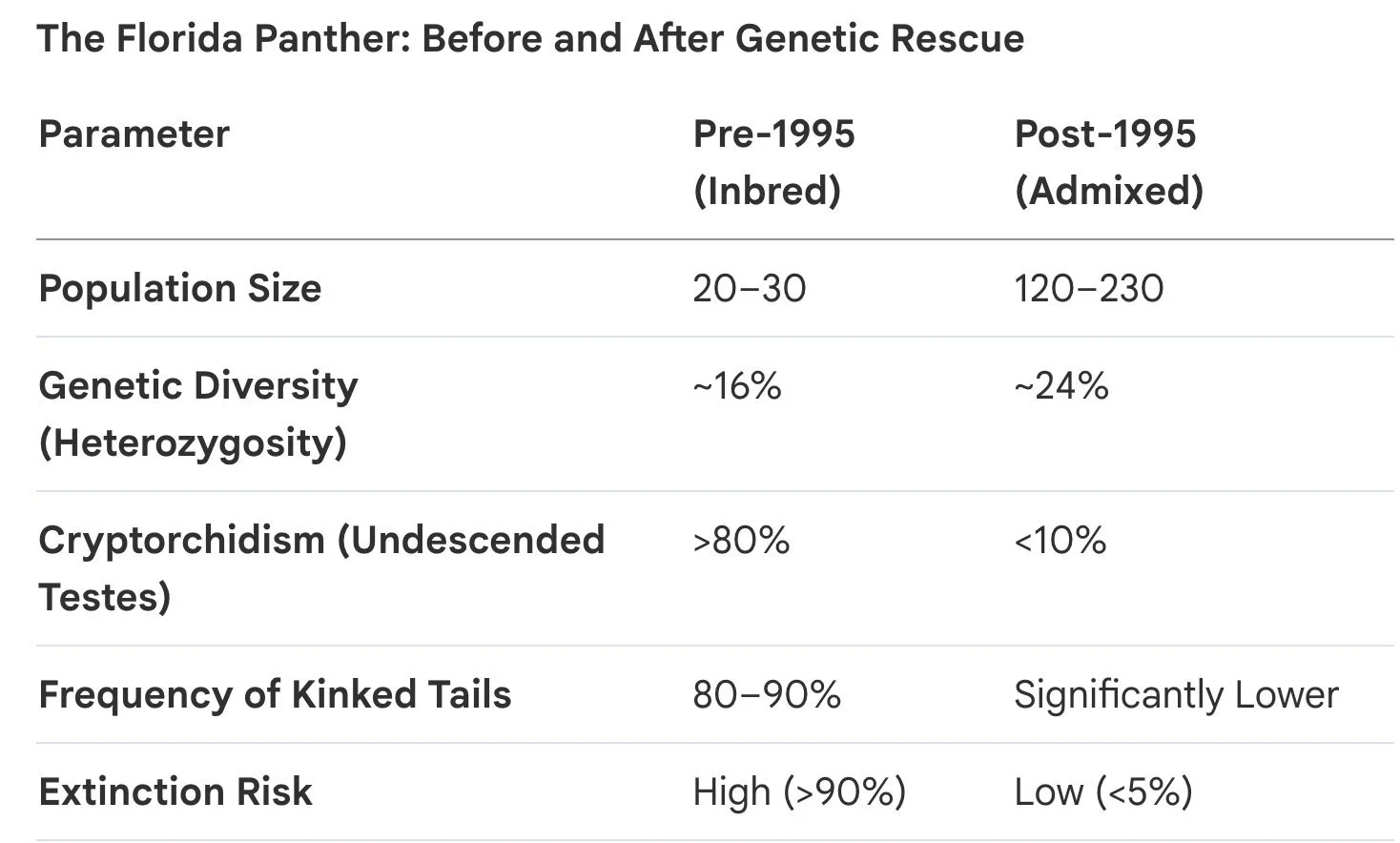
"Kitten survival rates for admixed individuals were significantly higher than those of pure Florida kittens... the rescue served to remove harmful mutations while allowing the core identity of the subspecies to survive."
7. Future Horizons: Building Bridges, Not Just Walls
The Florida success proves that genetic decay is reversible, but translocation is an expensive "Band-Aid." The long-term goal of the Wildlife Crossing movement is "passive rescue"—building the bridges and underpasses that allow animals to move and mate on their own terms.
Projects like the crossing over Highway 101 in California are more than just engineering feats; they are biological imperatives. By reconnecting these habitat "islands," we restore the natural flow of genes and allow "metapopulation management" to occur without human hands in the crates.
If the kinked tail is a signature of our impact on the natural world, are we prepared to build the corridors necessary to erase it? The future of the world’s most charismatic predators depends on whether we view the landscape as a series of obstacles or a single, connected web of life.
Sources:
Julio Kinked tail photo: Andy Reinoso
Yaguaroundi video: Benjamin Navas
Yaguaroundi photo: Research project UG-FCI 054 2023 (Sevilla et al 2026)