
Cat Coat Colors
The provided sources examine the genetic mechanisms that dictate coat color and patterning in various mammals, with a specific focus on felines and South American camelids. Key to these processes are the MC1R and ASIP genes, which interact to regulate the production of black-brown and red-yellow pigments. In domestic cats, specific mutations in these loci determine whether a coat appears solid or patterned, while in camelids, genetic diversity distinguishes wild species like vicuñas from domesticated alpacas and llamas. Beyond aesthetics, the research explores how artificial selection has increased color variety in domestic animals compared to their wild ancestors. Additionally, the texts highlight the broader evolutionary and medical roles of these genes, including their influence on pain sensitivity and kidney function across different species.
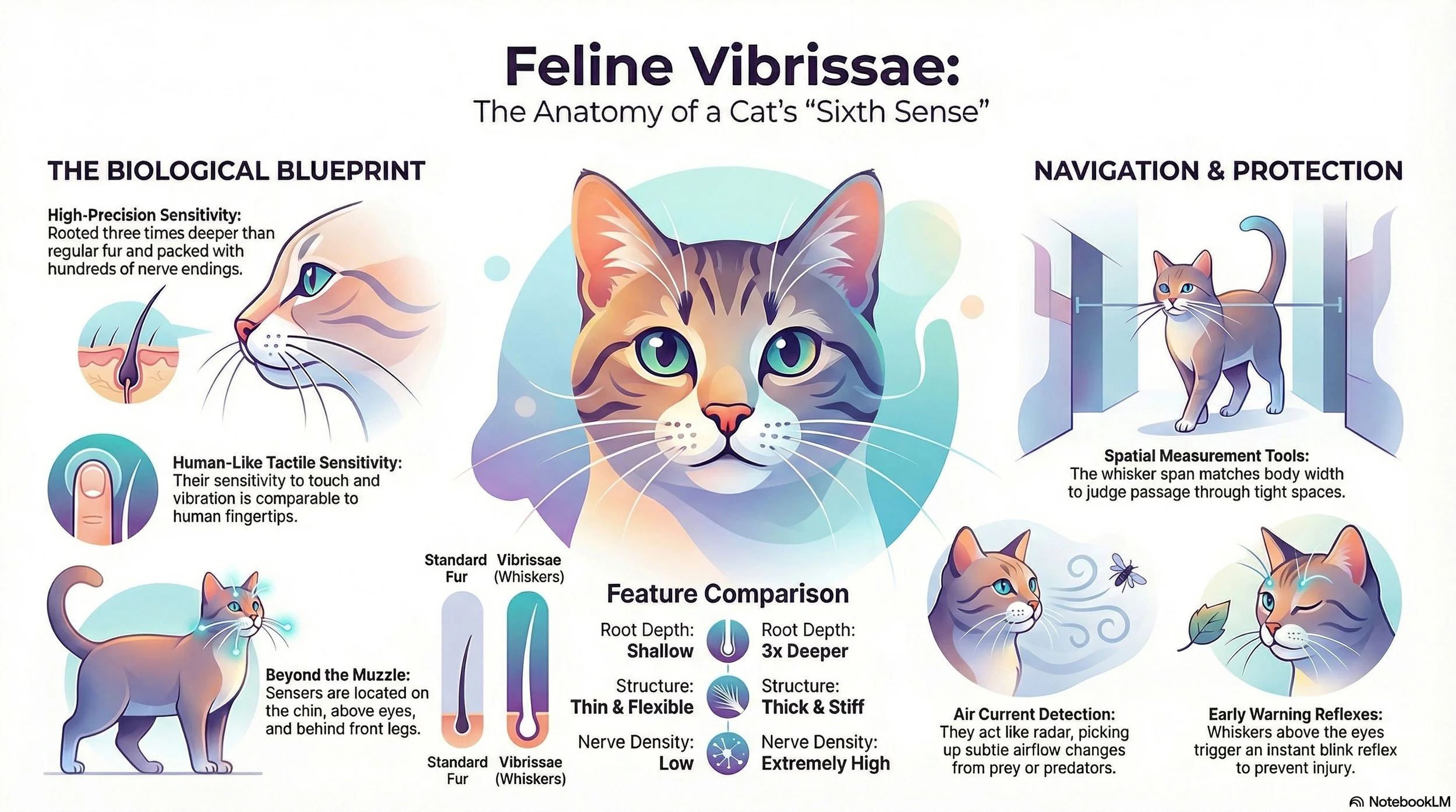
Whiskers

Rewriting Cat History: How New Genetic Evidence Challenges Everything We Thought We Knew About Domestic Cats
New genetic evidence shows domestic cats originated in North Africa and reached Europe only 2,000 years ago—not 10,000. Groundbreaking research changes everything we knew about cat domestication and the surprising story of China's leopard cats.

Schrödinger's Cat Finally Gets Proof: Quantum Computers Are REALLY Magic!
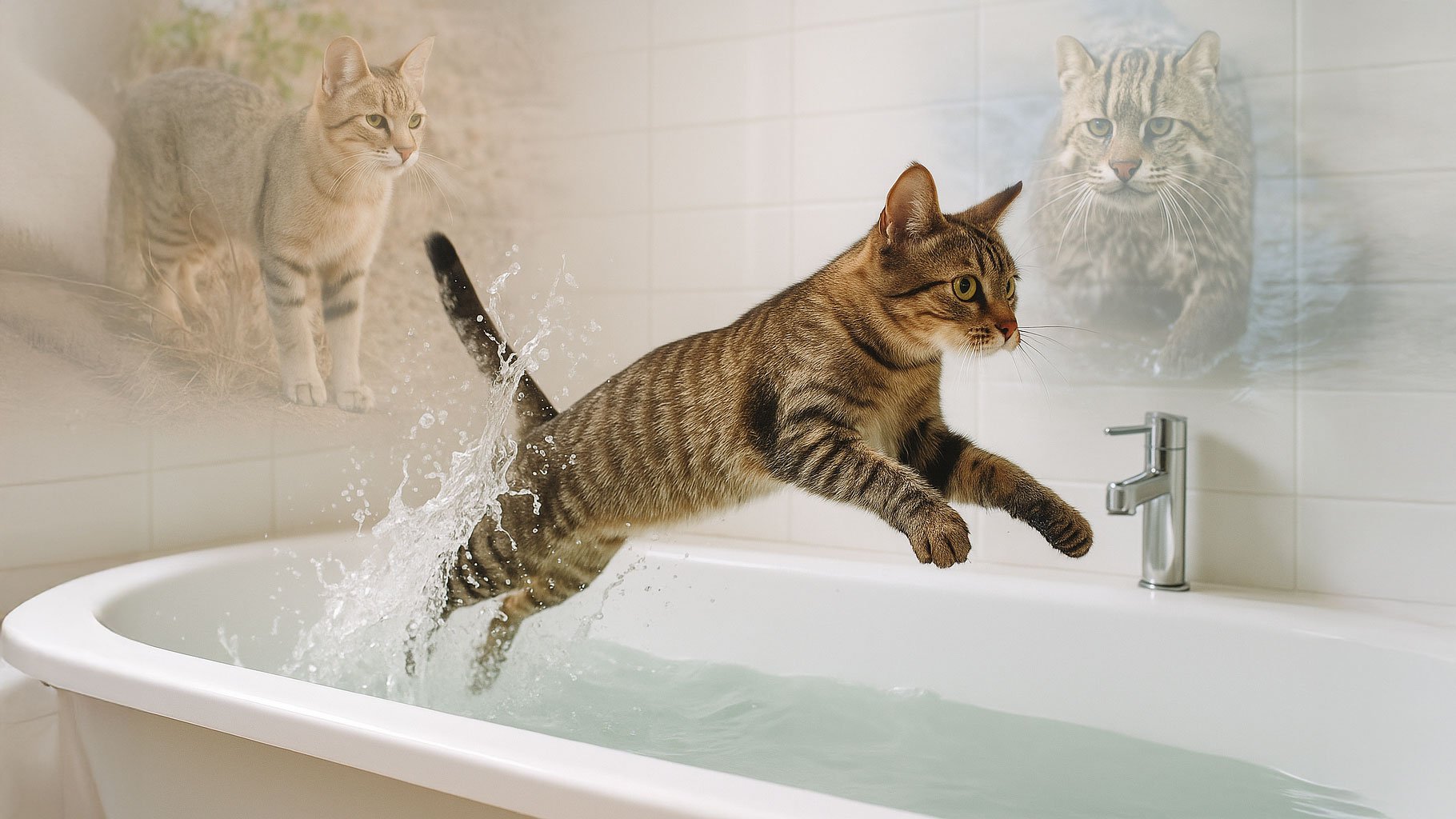
Why Do Cats Hate Water? A Deep Dive into Feline Fears and Wild Roots
Most cats hate water—but why? Discover the evolutionary and behavioral reasons behind feline splash aversion, and how it connects to wild cat conservation.
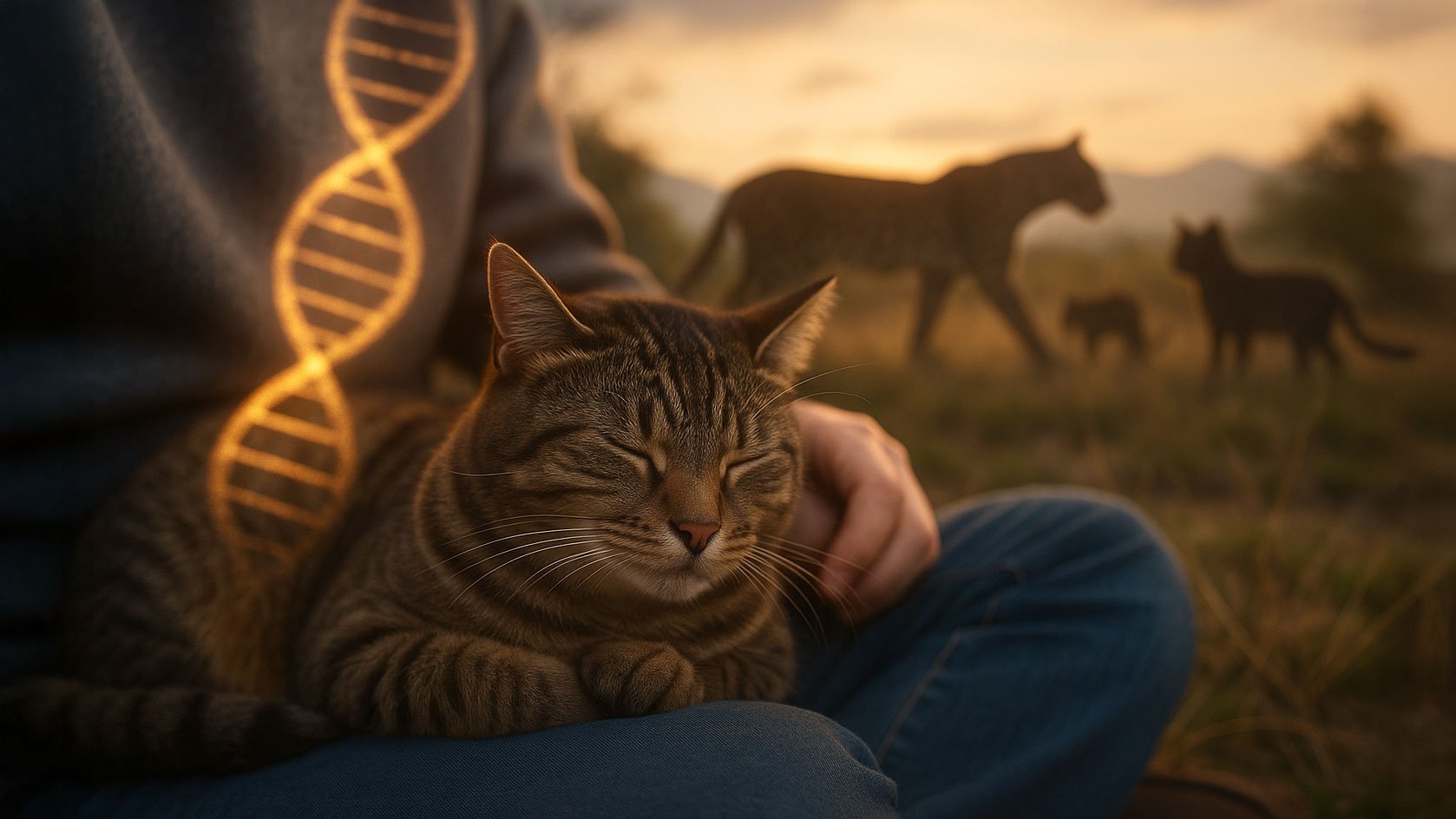
The Quiet Code: What Your Cat's Purr Reveals About Evolution and Our Shared Story
New research reveals a DNA sequence in cats that influences how often they purr or vocalize. Learn how evolution and domestication shaped feline behavior—and what it means for wild cat conservation.