Cat Coat Colors
The Ghost in the Genome: Unmasking the Secret Architecture of the Feline Coat
1. Introduction: The Mirage of the Solid Coat
When we observe the sleek, monochromatic silhouette of a black or charcoal-grey cat, we are witnessing a masterful genetic illusion. This visual simplicity masks a complex chemical reality driven by the interplay of two basic pigments: eumelanin, which produces black and brown tones, and phaeomelanin, responsible for red and yellow hues.
Feline coat colors are far more than aesthetic choices; they are the outward expression of a sophisticated molecular history. Beneath the uniform fur of even the most solid "self-colored" cat lies an ancient, hidden blueprint—a ghost pattern etched into the DNA by ancestral lineages.
2. The "Hidden" Tabby: Why Solid Cats are a Genetic Illusion
The secret to this monochromatic mask lies in the Agouti (Locus A) gene, which governs the Agouti signaling protein. In a wild-type tabby, this protein acts as a molecular switch, alternating pigment production between eumelanin and phaeomelanin to create banded hairs.
The non-agouti mutation (a/a) common in domestic cats is actually a molecular glitch—specifically, a 2 bp deletion (c.123delCA) in the ASIP gene. This deletion disrupts the protein’s function, essentially breaking the "switch" and leaving the melanocytes stuck on the black eumelanin setting.
While the tabby instructions are still present in the genome, the uniform dark background renders them invisible to the naked eye. We see this "ghost striping" shimmering through the coats of kittens or under intense, slanted lighting, revealing that the ancestral pattern was never truly deleted.
"The (a/a) mutation nullifies the effects of the Tabby genes—without yellow pigment, black bands are now on a black background to give a black cat."
3. The Orange Exception: The Genetic Rebels of the Feline World
In the world of feline genetics, the "Orange" (Locus O) gene is a notorious rebel that refuses to follow the rules of the non-agouti mask. Recent high-impact research, including a 2024 discovery, identifies the cause of this phenotype as a genomic deletion in a regulatory region of the Arhgap36 gene.
This specific regulatory deletion results in a staggering 13-fold increase in protein expression within the melanocytes. Functionally, the Orange gene forces the production of phaeomelanin while simultaneously blocking eumelanin, a process that overrules the non-agouti genotype.
Because of this genetic hierarchy, a red or orange cat will always exhibit a visible tabby pattern, regardless of whether its Agouti locus is (A/-) or (a/a). Truly "solid" red show cats are a biological impossibility; they are typically just low-contrast ticked tabbies bred for extremely subtle banding.
4. Fever Coats: When the Environment Overwrites DNA
Genetics provides the destination, but the environment can occasionally force a detour through a phenomenon known as the "Fever Coat." This occurs when maternal stress or high fever during pregnancy creates a thermally-induced developmental glitch in the developing kittens.
Kittens affected by this disruption are born with a silver, cream, or reddish coat that contradicts their actual genetic blueprint. It is a striking visual reminder that the machinery of pigment deposition is sensitive to the physiological state of the womb.
However, the "true" genetic identity of the cat is merely delayed, not destroyed. As the kitten grows and the environmental influence wanes, the silvered fur is shed and replaced by the colors dictated by its DNA, proving that the genome is the ultimate archive of identity.
5. The Survival Tax: Why Wild Cats Lack the "Domestic Rainbow"
In the wild, the price of survival is paid through "purifying selection," an evolutionary mechanism that aggressively removes coat color variations that might compromise camouflage. We see this mirrored in South American camelids, where wild vicuñas and guanacos maintain homogeneous coats to survive the unforgiving Andean landscape.
Recent genomic studies show that only 11 specific substitutions in the MC1R and ASIP genes distinguish domestic alpacas and llamas from their wild ancestors. In nature, a unique coat color is often a death sentence, but domestication replaces purifying selection with "artificial selection," which rewards allelic variability.
This shift allows rare mutations to thrive, transforming a once-limited wild palette into the remarkable range of domestic colors we see today. What was once a survival liability in the wild has become a luxury afforded by human protection and intentional breeding.
"Domestication was a process carried out under significant control and planning, which would have facilitated coordinated and thus extremely effective selective pressure to achieve and maintain desired phenotypic traits."
6. The "Charcoal" Mystery: Hybridization and Exotic Markers
The modern domestic cat's genome is also a living record of "introgression," where DNA from wild species has been woven into the domestic tapestry. This is most evident in the "charcoal" phenotype of the Bengal cat, which inherits its distinct dark mask and cape from the Asian Leopard Cat.
This striking look is specifically attributed to the ASIP (Agouti) allele, specifically a heterozygote of A^{Pb}/a. Similarly, the "grizzled" coat of the Chausie, featuring silver-tipped black fur, is a direct genetic gift from the Jungle Cat (Felis chaus).
These exotic markers introduce complex patterns, such as leopard-mimicking rosettes, that are simply not present in traditional domestic lines. They serve as functional evidence of how hybridization can unlock entirely new phenotypic possibilities within the feline lineage.
7. Conclusion: The Living Archive
A cat’s coat is far more than mere fur; it is a "house of cards" built from millennia of shuffling, selection, and genetic drift. Every solid patch and hidden stripe is a record of a molecular struggle between the instructions in the DNA and the pressures of the world.
As we continue to map the regulatory regions and loci of the feline genome, we must wonder what other secrets remain archived in the animals we share our beds with. Could the "ghost patterns" of our cats be clues to how we, too, have archived our own evolutionary history within our DNA?
Sources:
Based on the provided sources, here is a numbered list of the links mentioned, along with a brief description of each:
https://en.wikipedia.org/wiki/Genetics: This link provides general information regarding the field of genetics.
https://en.wikipedia.org/wiki/Cat_coat_genetics: This Wikipedia entry offers a detailed overview of the genetics specifically responsible for feline fur appearance.
http://sparrows-garden.com/genetics.html: This is an external resource providing further details on cat genetics.
http://messybeast.com/colour-charts.htm: This website features various colour charts for cat coat genetics.
www.geneious.com: This is the website for the software used to identify single nucleotide polymorphisms (SNPs) through sequence alignment.
https://www.frontiersin.org/articles/10.3389/fgene.2018.00487/full#supplementary-material: This link leads to the supplementary material for the study on South American camelid genetics.
https://rdrr.io/cran/haplo.stats/: This resource provides access to statistical tools for the analysis of haplotypes with traits.
https://www.frontiersin.org/journals/genetics: This is the homepage for the Frontiers in Genetics journal.
https://www.frontiersin.org/research-topics/8083/genomic-advances-and-challenges-in-old-and-new-world-camelids: This link directs to a specific research topic collection regarding camelid genomics.
https://en.wikipedia.org/w/index.php?title=Melanocortin_1_receptor&oldid=1329177005: This is the permanent link to the Wikipedia article on the Melanocortin 1 receptor (MC1R).
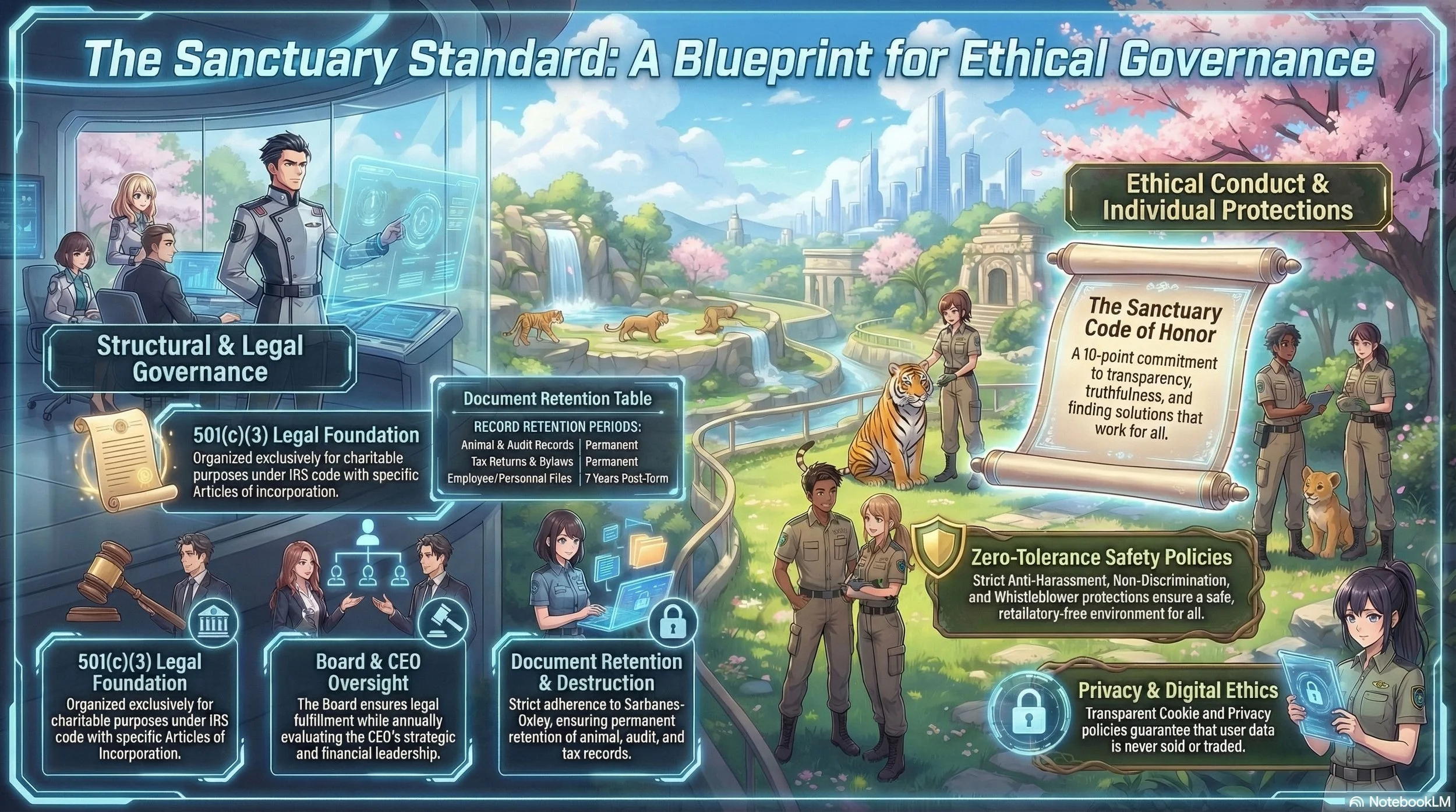
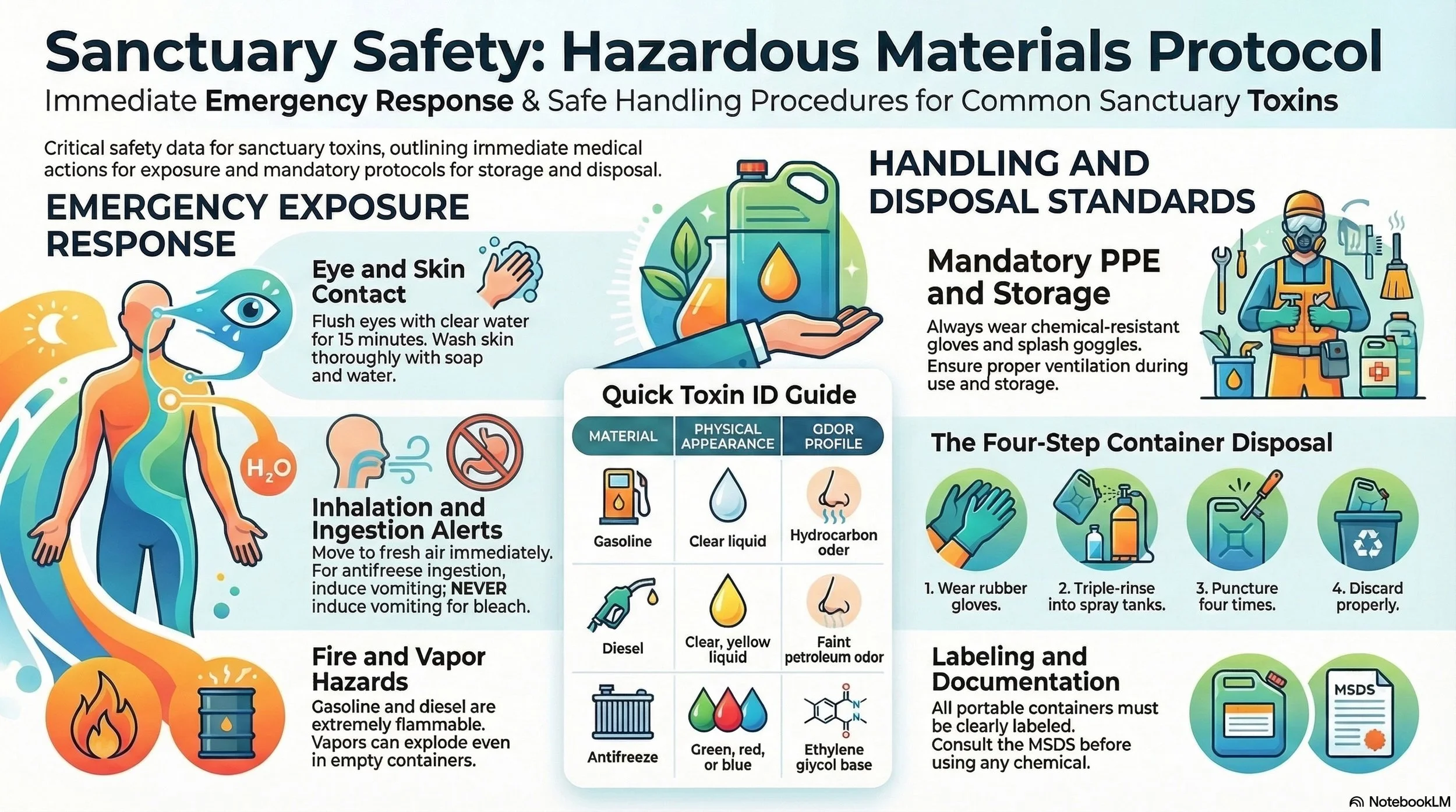

These materials provide a comprehensive framework for establishing and maintaining a successful animal sanctuary, drawing on the long-term experience of Big Cat Rescue. The sources highlight the importance of meticulous planning, suggesting that operators should draft multi-year goals and establish a disciplined organizational culture with strictly enforced rules. Financial sustainability is emphasized through the practice of setting aside monetary reserves and focusing on broad conservation impact rather than just immediate rescue needs. Additionally, the text underscores the vital role of volunteer management, noting that a large, dedicated workforce can provide labor equivalent to dozens of full-time employees. Finally, the guides advocate for a strong social media presence that utilizes storytelling and transparency to build donor trust and engage the public.