
Prionailurus kurteni kitten
In a remarkable discovery, scientists have unearthed a fossilized jaw fragment in China's Hualongdong Cave, revealing a new species of ancient leopard cat, Prionailurus kurteni. This diminutive feline, dating back over 300,000 years, was so small it could fit in the palm of your hand, comparable in size to today's rusty-spotted cat.
The finding not only enriches our understanding of feline evolution but also underscores the intricate tapestry of life that has graced our planet. Each species, no matter how small, plays a pivotal role in maintaining ecological balance. The extinction of such creatures serves as a poignant reminder of the fragility of biodiversity.
Today, many wild cat species face threats from habitat loss, poaching, and climate change. Organizations like Big Cat Rescue are at the forefront of efforts to protect these majestic animals. By supporting their initiatives, we can contribute to the preservation of these vital predators, ensuring they continue to thrive and maintain the health of our ecosystems.
Beyond financial contributions, we can all act as responsible global citizens. Simple actions, such as supporting sustainable practices, advocating for wildlife protection laws, and raising awareness about the importance of predators in the wild, can make a significant difference.
The discovery of Prionailurus kurteni serves as a testament to the rich biodiversity that once existed and a clarion call to protect the wild cats that remain. Together, we can ensure that future generations inherit a world where these magnificent creatures continue to roam free.
https://www.smithsonianmag.com/smart-news/rare-jaw-fossil-found-in-china-might-belong-to-the-worlds-smallest-cat-180985837/ Read about more wild cats in the wild by clicking arrows

In Texas, about 95% of the land is privately owned, and mountain lions have had almost no legal protection for over a century. You might assume ranchers there would be the cats’ worst enemies. A new Texas A&M study of 1,069 Texans found the opposite.
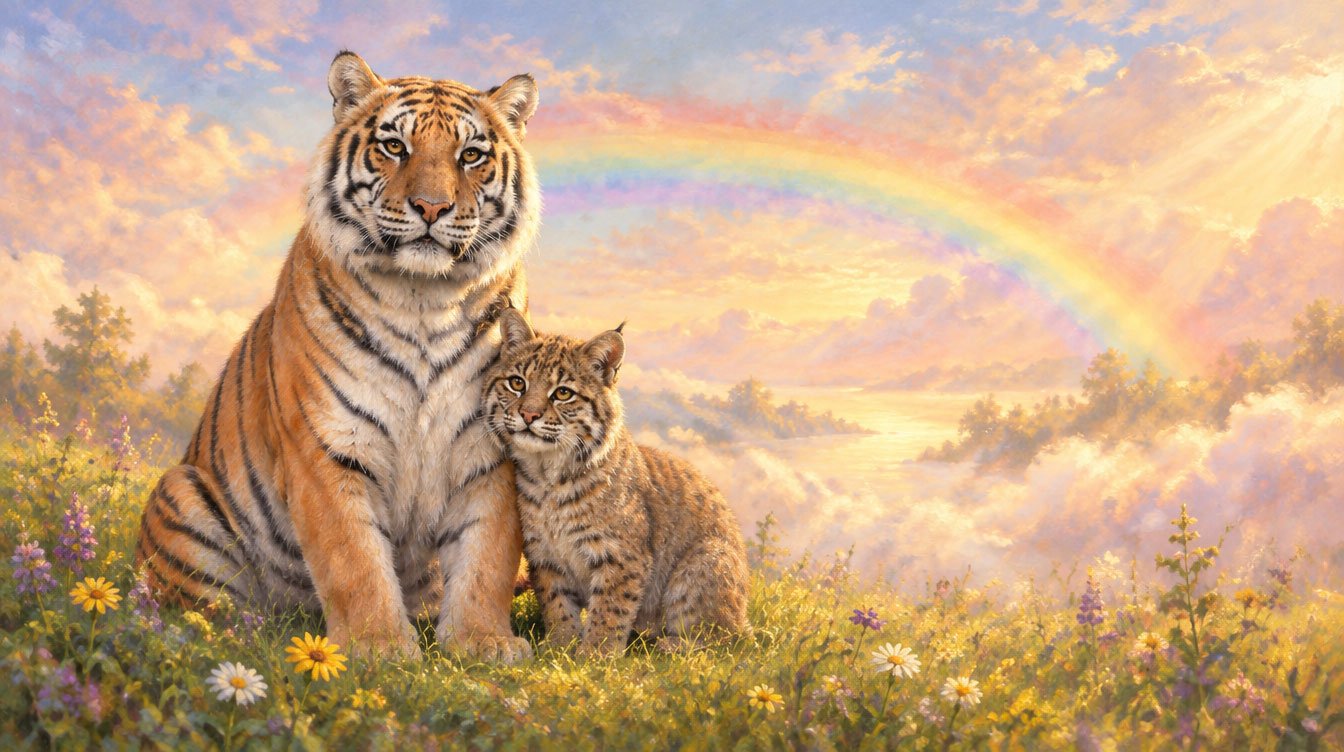

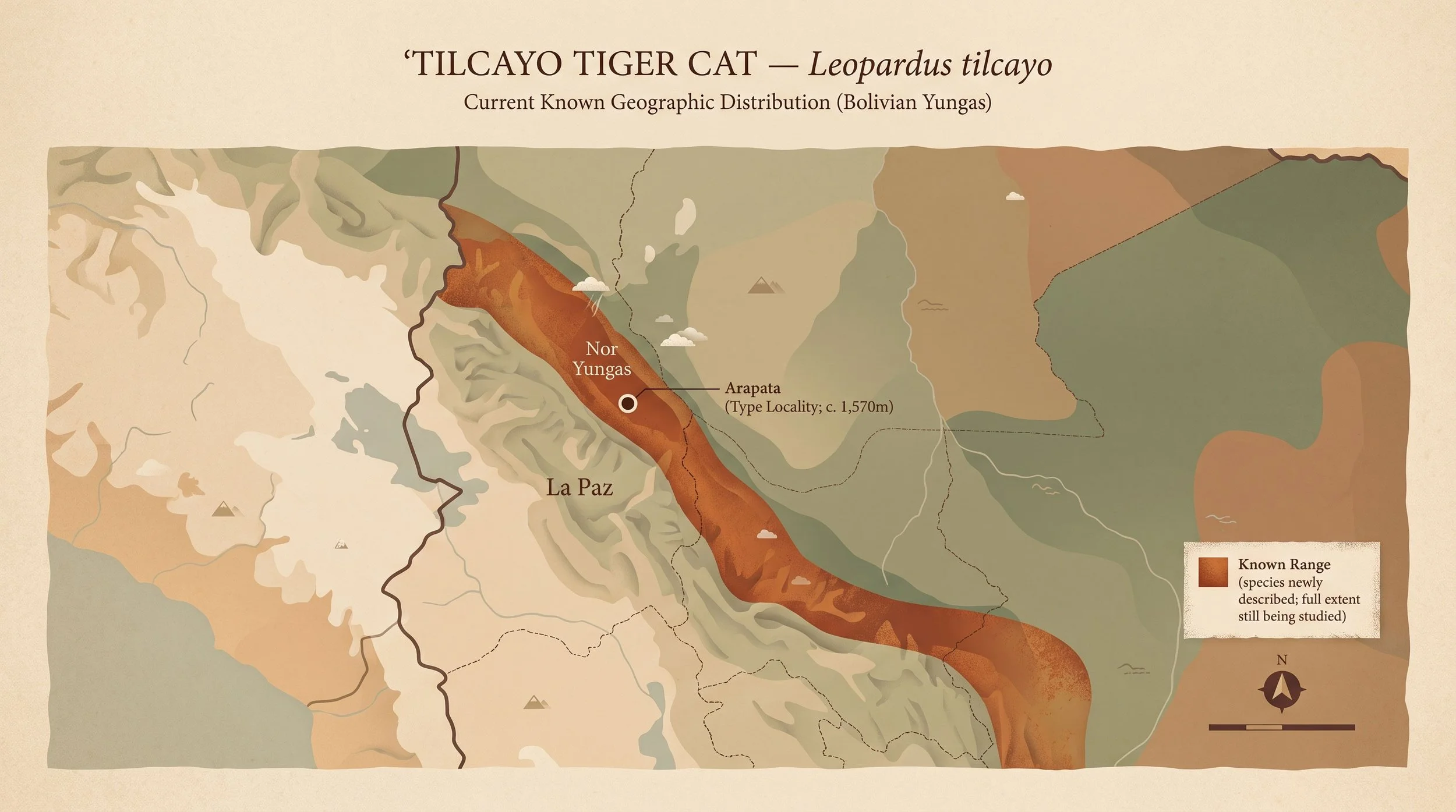
Tilcayo Tiger Cat: First New Wild Cat Species in 100 Years Discover Leopardus tilcayo, the small cloud forest feline marking the first completely novel wild cat species described by science in over a century
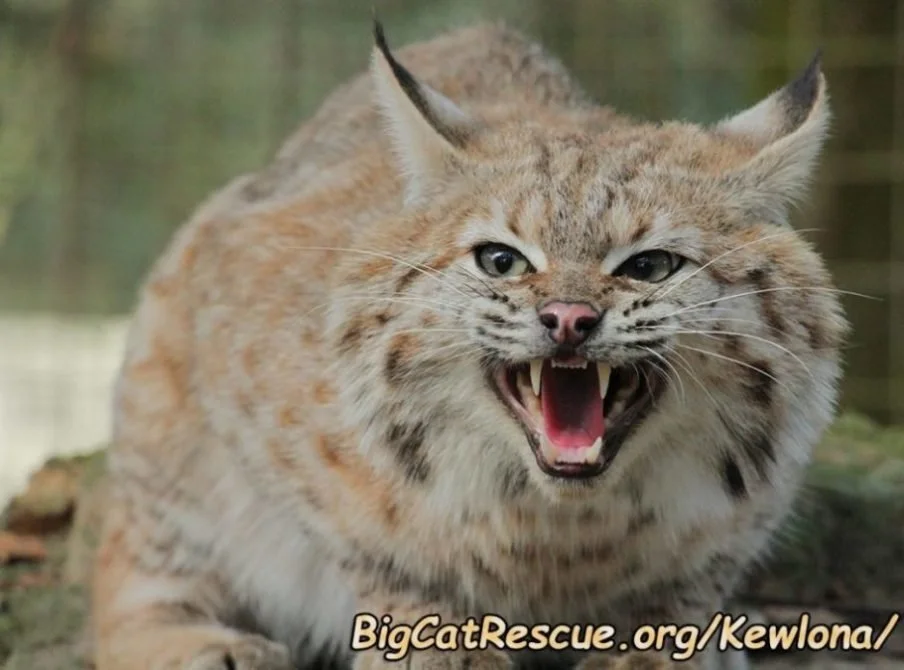
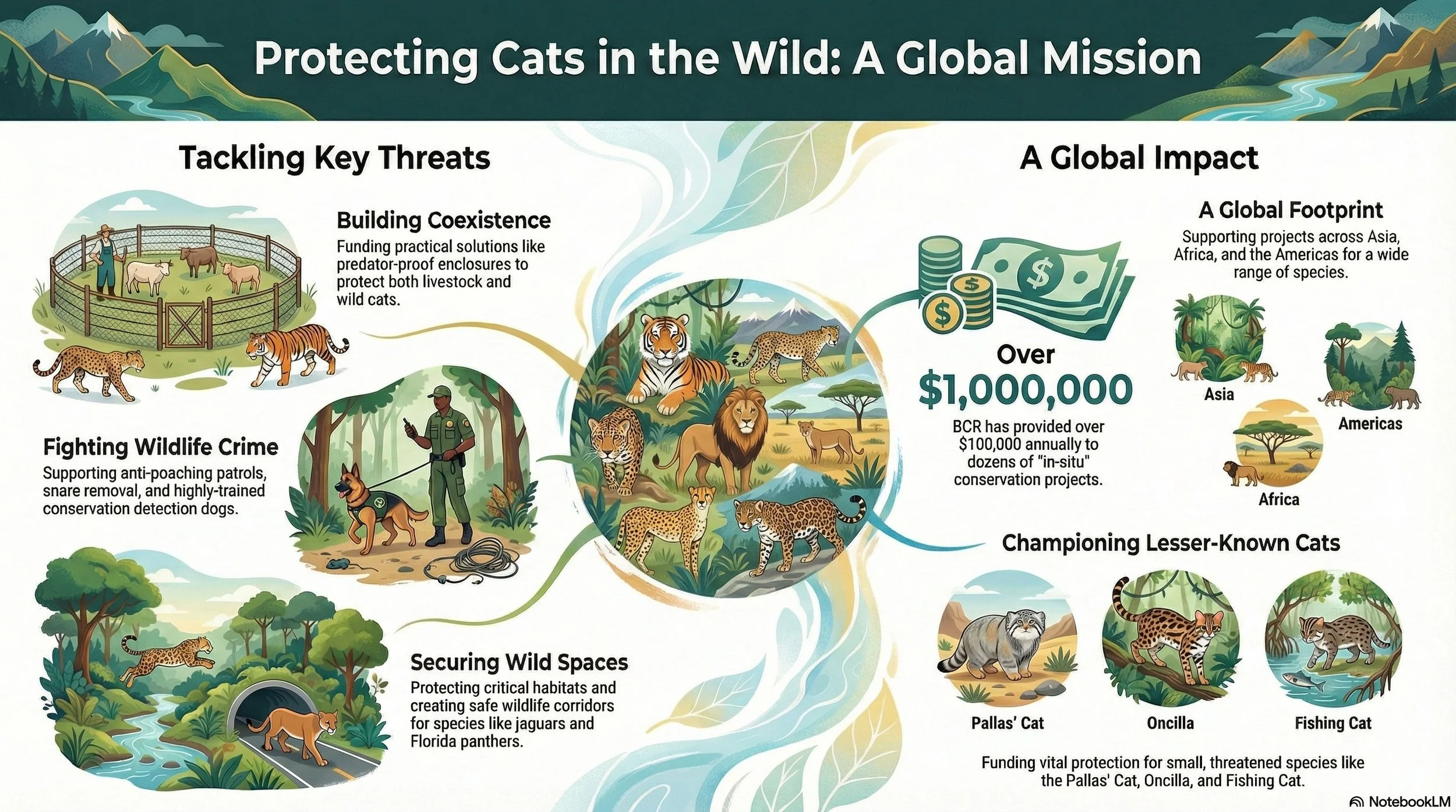
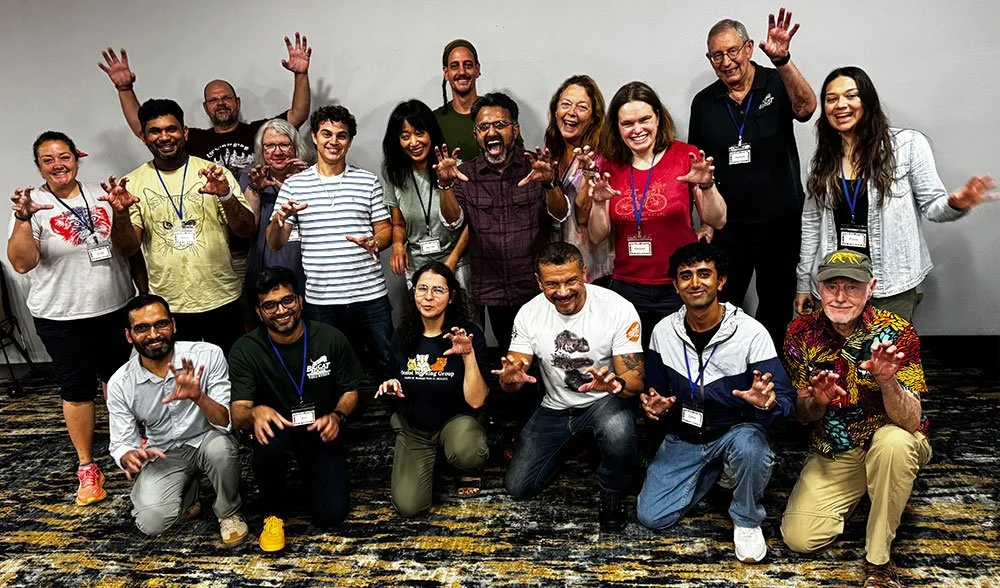
On July 27, 2026, I was invited into the IUCN SSC Cat Specialist Group, the body responsible for monitoring and conserving all 40 wild cat species on Earth. After three decades of pushing on that system from the outside, Big Cat Rescue finally has a seat inside it.

In Ecuador’s dry forest, a small community is proving that coexistence with wild cats is possible. Through predator-proof poultry coops, education, and local conservation leadership, El Mamey is turning conflict into hope for families, chickens, and native wild cats.
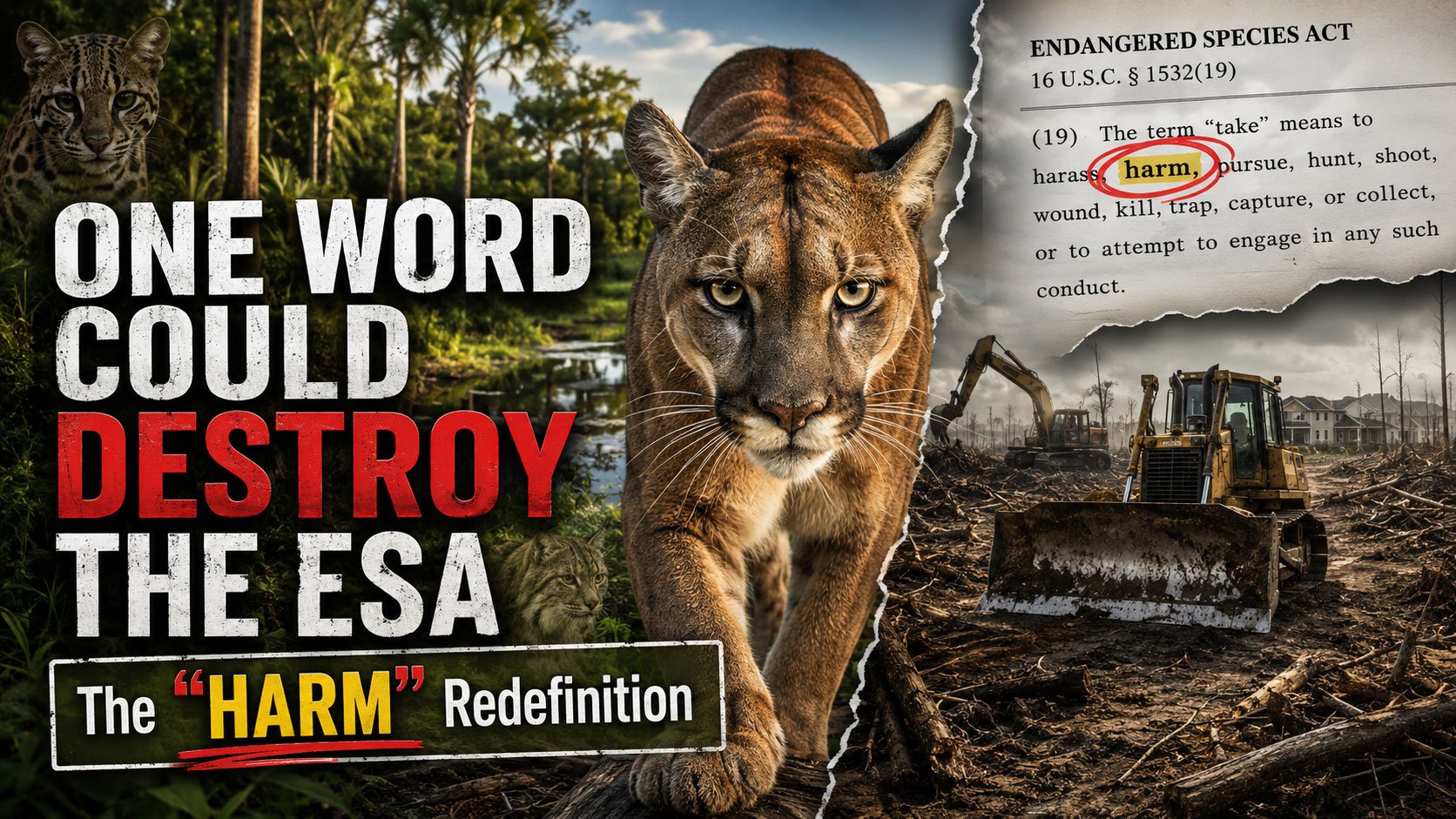
The One-Word Shift Gutting the Endangered Species Act: Why Habitat Protection is Under Fire
For over 50 years, the Endangered Species Act (ESA) has served as America’s most powerful shield against extinction, saving 99% of protected species from disappearing. However, a silent regulatory shift announced on July 10, 2026, seeks to dismantle this legacy by redefining a single word: "harm"
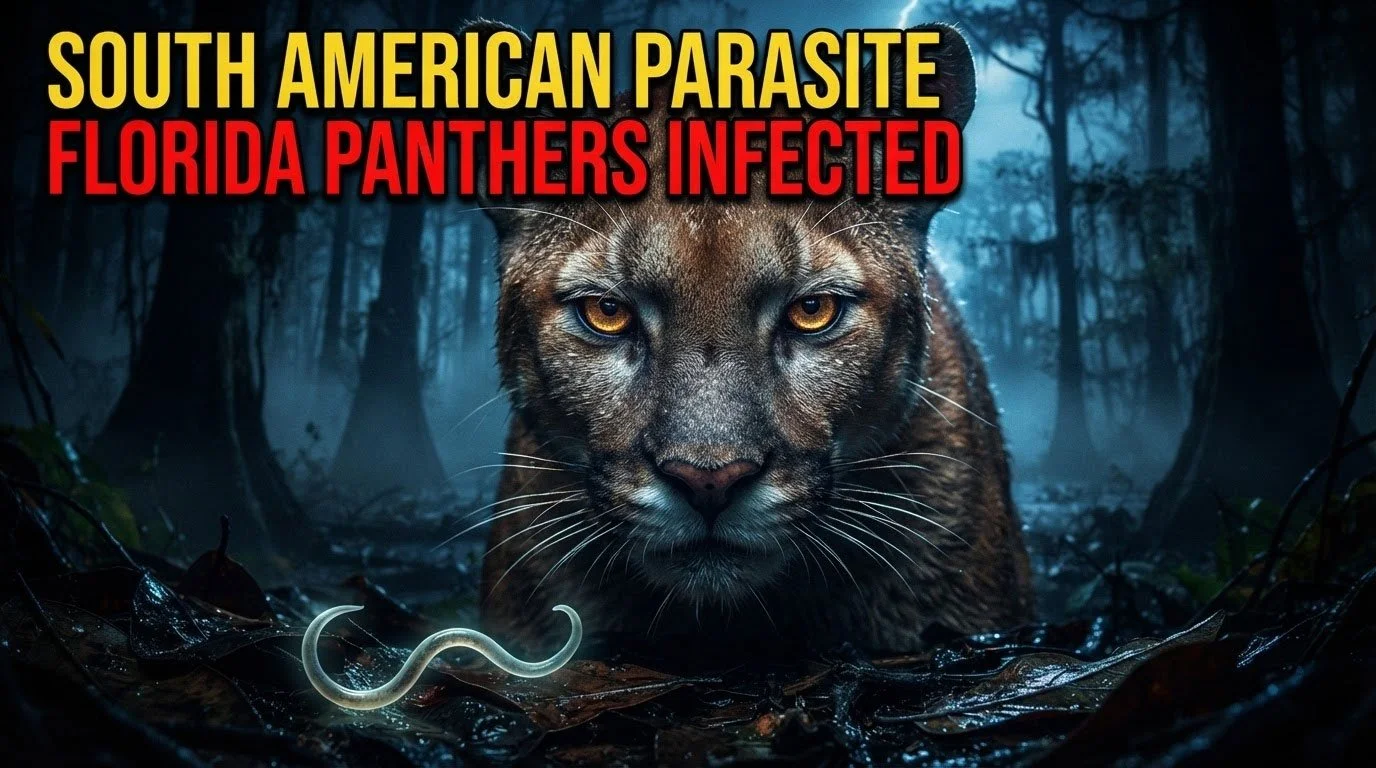
A new CDC study identifies a South American parasite, Dracunculus sp. PantanalBR, currently infecting Florida panthers and bobcats. Genetic analysis reveals a 98-99% match to specimens from Brazil, suggesting the worms may have been introduced through historical puma releases in the Everglades. Learn about the health risks these Brazilian worms pose to the survival of Florida's endangered big cat population.

The June 2026 AdvoCat Newsletter from Big Cat Rescue covers the latest in wild cat conservation: Stanford research on mountain lions reshaping suburban ecosystems, Kyrgyzstan's new 2-million-acre snow leopard corridor, the first documented sand cats in Libya, Bengal tiger reintroduction plans for Cambodia, and the alarming pace of tiger poaching across Asia. Stay informed and take action for wild cats worldwide.
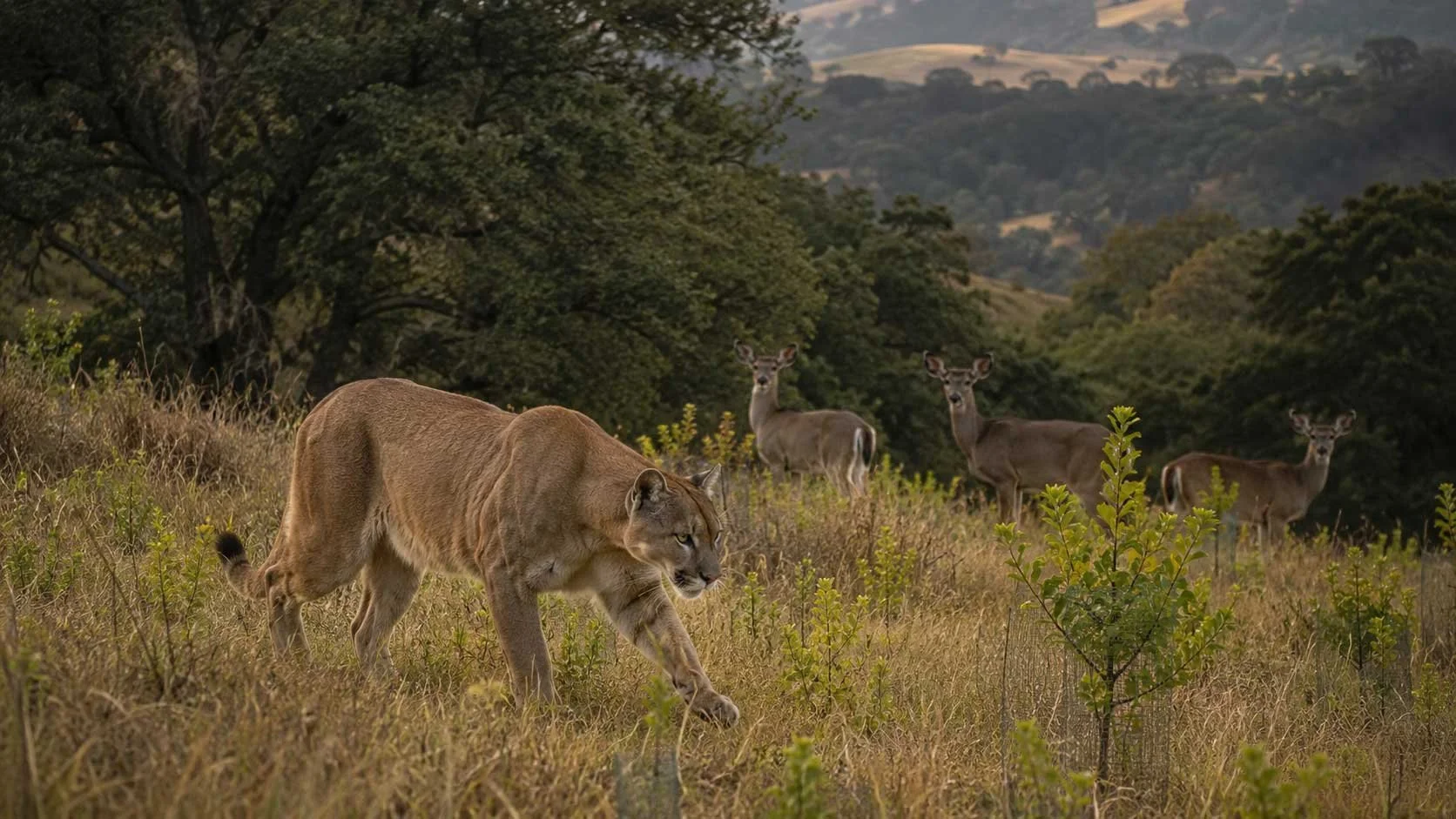
New research from Stanford shows that mountain lions can drive a trophic cascade even in a small suburban nature preserve. Over five years at Jasper Ridge near San Francisco, rising puma activity lowered deer activity and helped young oak trees and woody plants thrive. The cats also reshaped the smaller predators, with coyotes and bobcats declining, gray foxes rising, and rabbits falling. The findings, published in Ecology and Evolution, show that the ecology of fear is not only a Yellowstone phenomenon. Small preserves connected to large wild areas like the Santa Cruz Mountains can host magnificent ecological effects, which makes protecting top predators and keeping habitats connected more important than ever.
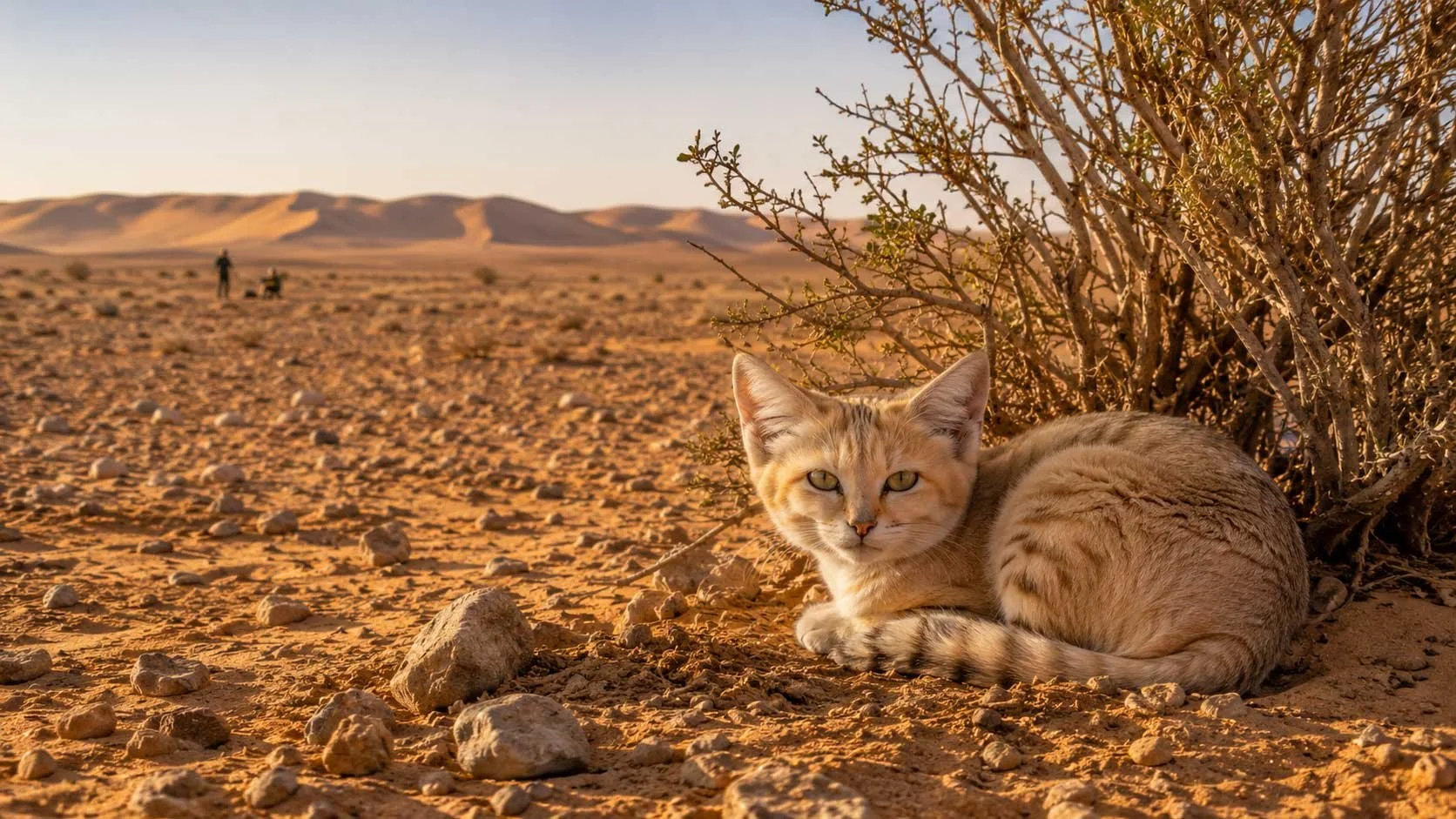
A simple YouTube video of a sand cat, filmed in Libya in 2017, helped scientists confirm that these tiny desert cats live in the country, something researchers had not documented before. Wildlife photographer Mohammad Almuntasir shared the footage, teamed up with researcher Firas Hayder and local Tuareg communities, and together they recorded the first verified sand cat sightings in Libya, including thirteen in a single area that may be a stronghold. The survey also revealed the Saharan striped polecat in eight new locations. Learn how community knowledge and one short clip expanded the known range of the sand cat, why camouflage kept it hidden, and what the team says is needed to protect these desert animals from the pet and traditional medicine trades.
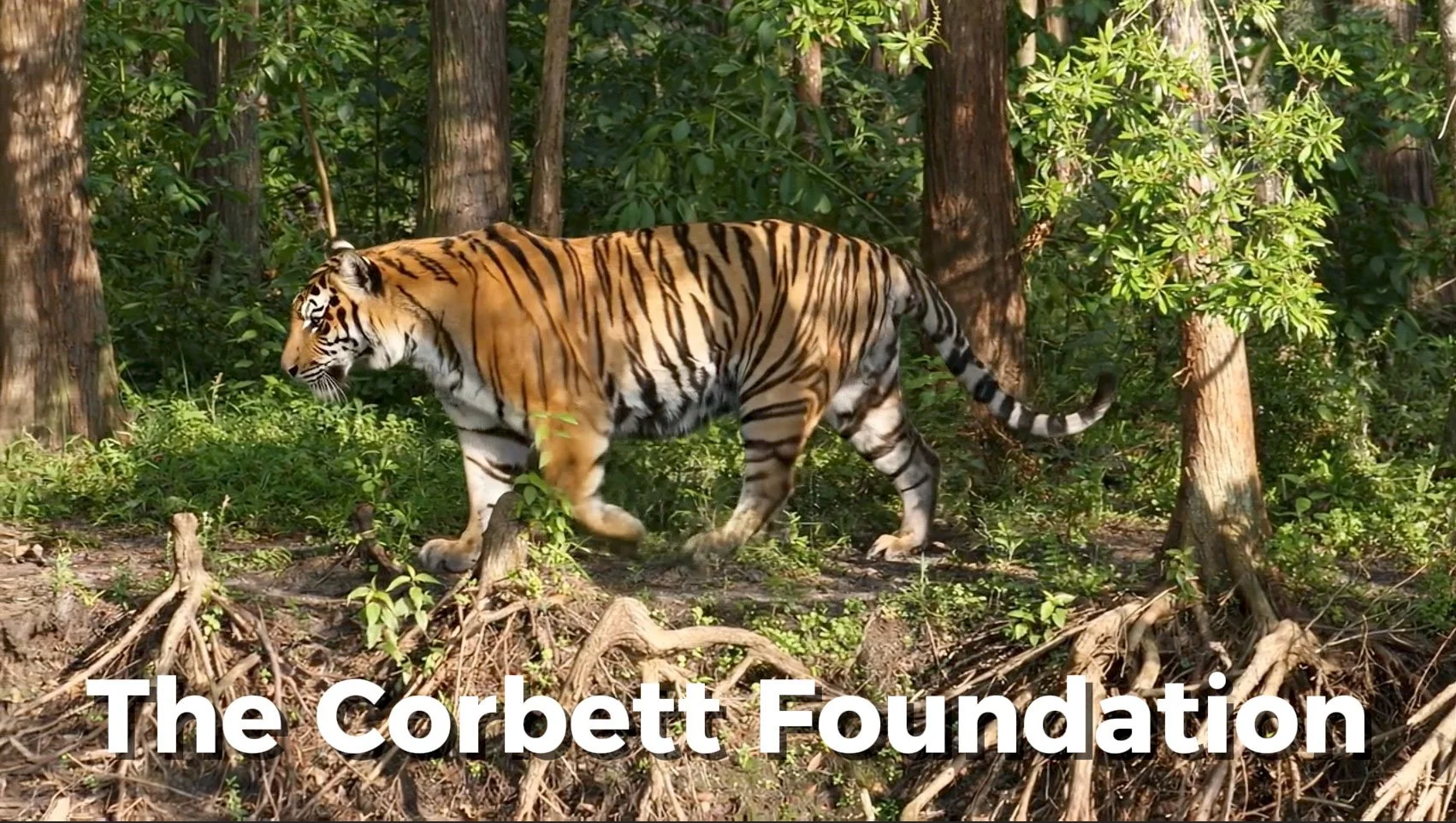
The 2024-25 Annual Report commemorates the 30th anniversary of The Corbett Foundation (TCF), an Indian non-profit established in 1994 to foster human-wildlife coexistence. The document highlights TCF’s expansion from its origins in Uttarakhand to nine distinct landscapes across seven states, focusing on the protection of threatened species like tigers, elephants, and vultures. Key initiatives detailed include the Livestock Compensation Programme, which prevents retaliatory killings, and extensive habitat restoration efforts that have revived thousands of hectares of forests and grasslands. Beyond ecology, the foundation integrates community well-being through rural medical outreach, sustainable livelihood training, and the distribution of green energy solutions. By combining scientific research with grassroots engagement, TCF aims to secure India’s natural heritage while improving the lives of people residing near protected wilderness areas. Collaborative partnerships with government agencies and international conservation bodies remain central to their mission of balancing environmental integrity with social development.
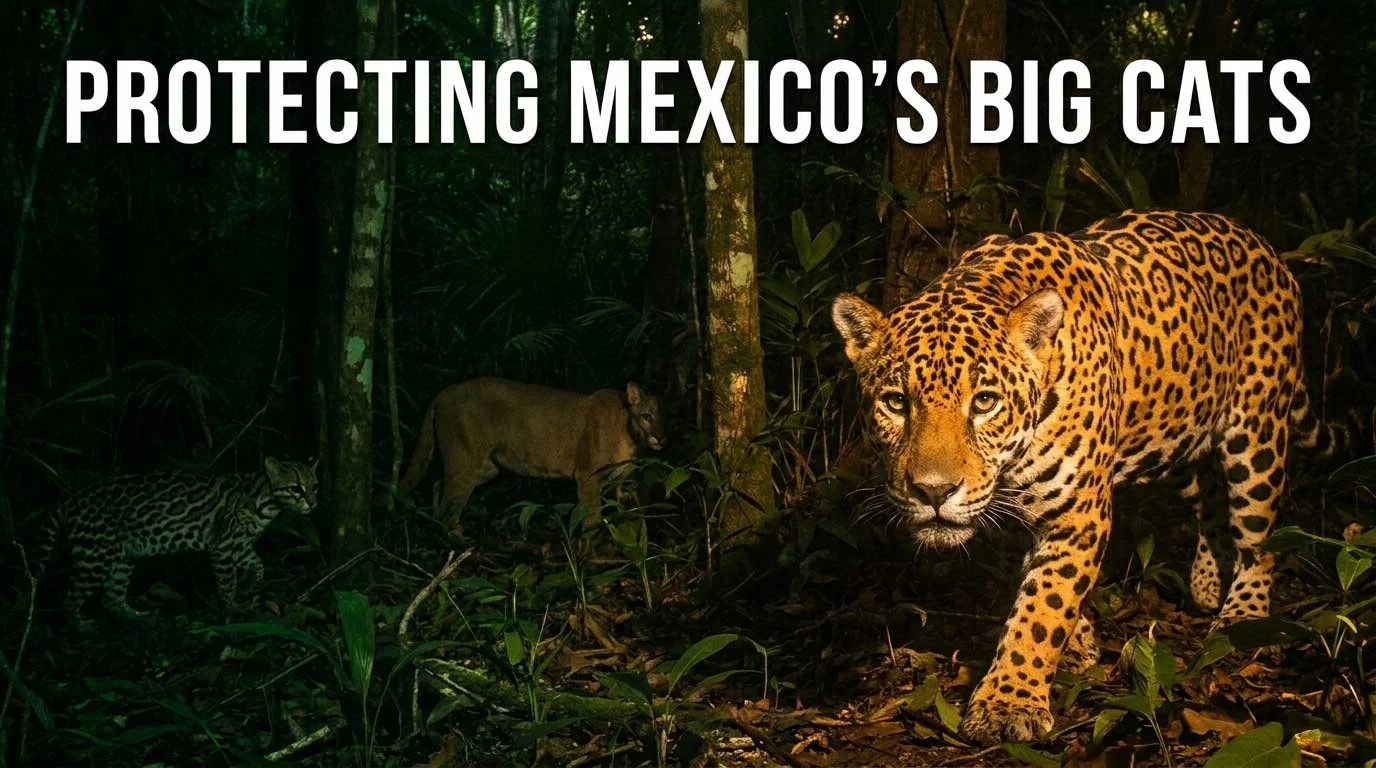
Discover how Big Cat Rescue is partnering with Proyecto AAk Mahahual to protect wild jaguars and ocelots through community coexistence. Read more!
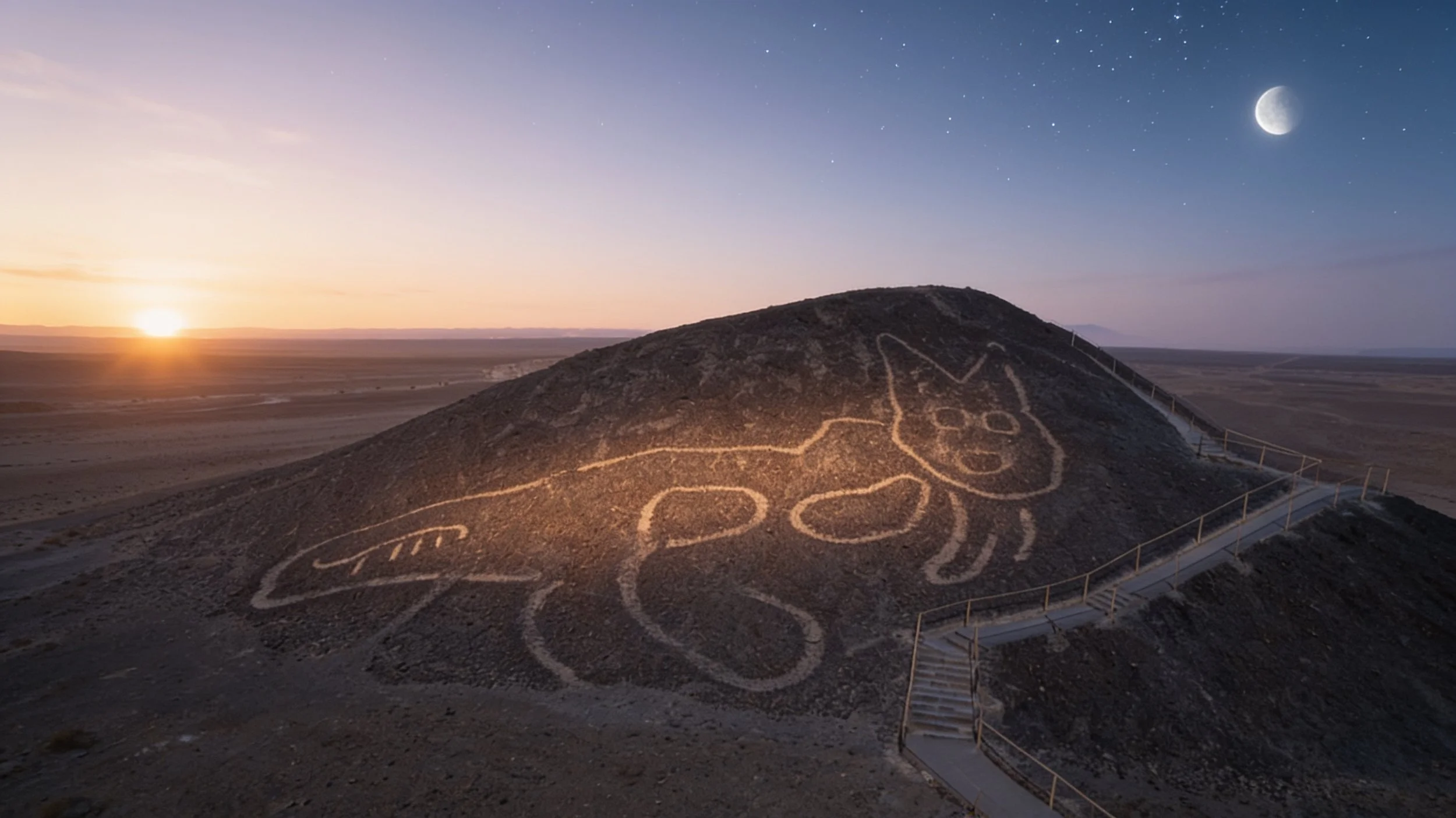
The Nazca cat geoglyph is one of the oldest known Nazca Lines, a 37 meter (120 foot) feline figure carved into a hillside in southern Peru between 200 and 300 BC. Discovered in October 2020 during work on a desert lookout point, the cat was nearly erased by natural erosion. Peru's Ministry of Culture cleared the faint lines by hand to reveal a reclining cat with a round head, pointed ears, and a long striped tail. This guide explains how the Nazca Lines were made, why the cat dates to the earlier Paracas period, and how cats shaped the art and culture of ancient Peru. A calm, educational look at one of the desert's most charming ancient drawings.

Kyrgyzstan has officially designated the Ak Ilbirs ecological corridor, a climate-ready protected area covering nearly 800,000 hectares of high-altitude habitat for snow leopards (Panthera uncia) and other mountain wildlife. Formalized in 2025, the corridor connects existing protected areas, pastureland, and forest across 14 rural municipalities so that snow leopards, argali sheep, and Asiatic ibex can move freely as climate change reshapes their range. Designed by scientists using climate modeling, the corridor captures more than 60 percent of future suitable snow leopard habitat. It also supports herders through grazing rules and alternative livelihoods like beekeeping, orchards, and ecotourism. Learn what this conservation milestone means for big cats, mountain ecosystems, and the future of wildlife in Central Asia.

Cambodia lost its wild tigers to poaching and was declared tiger free in 2016. Now a plan to reintroduce Bengal tigers from India into the Cardamom Mountains is moving forward. Conservation scientists warn that prey density may be too low, that snaring and poaching remain rampant, that logging and five new hydropower dams threaten the habitat, and that local and Indigenous communities have not been properly consulted. Learn what the tiger reintroduction plan means for wild tigers, for the Cardamom rainforest, and for the people who depend on it, and why getting it right matters for big cat conservation.
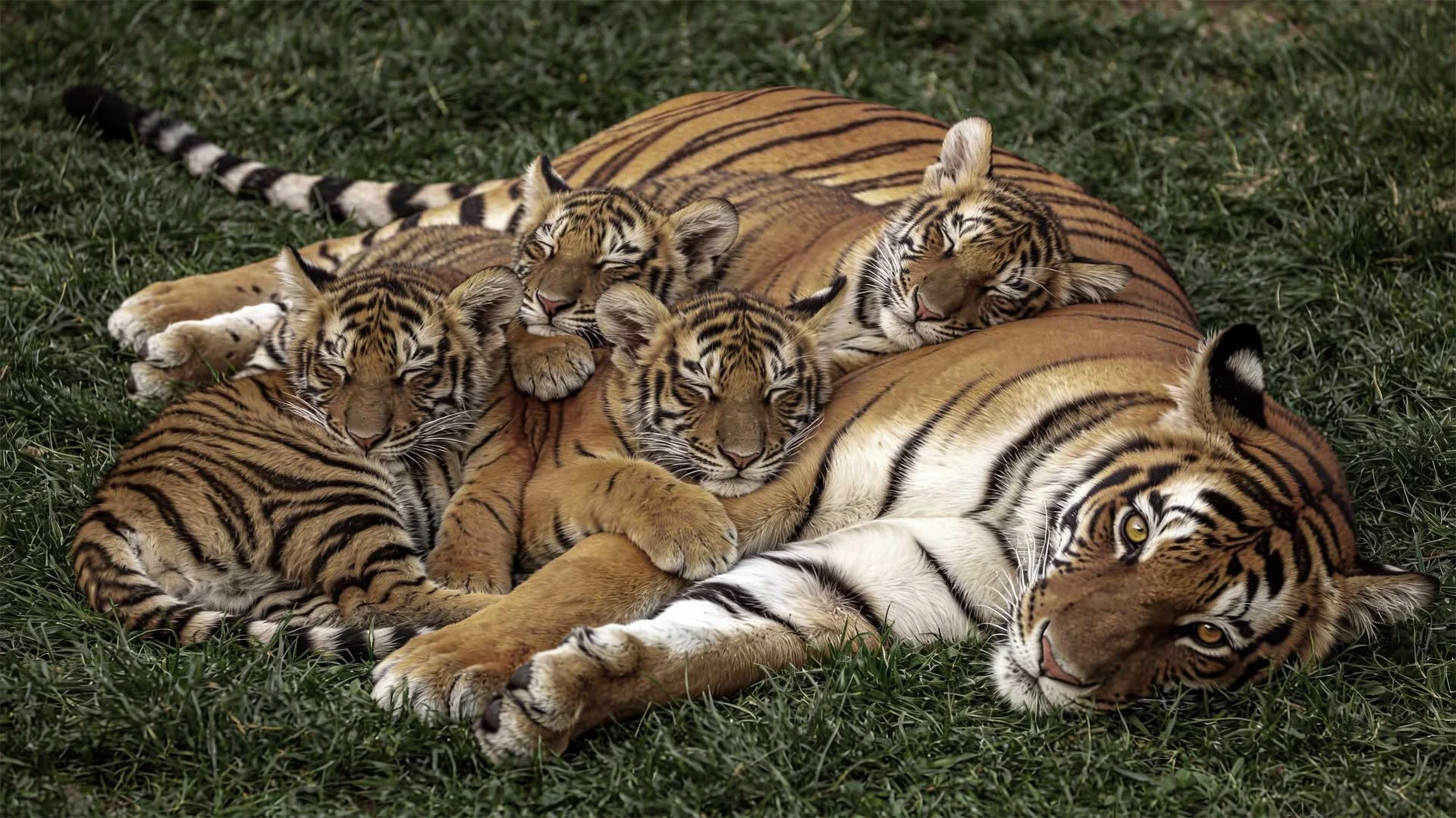
New BBC Earth footage shows two wild Bengal tigers, Goma and Jugini, co-parenting and babysitting each other's cubs, a behavior long thought impossible for these solitary big cats. Learn what wildlife researchers discovered on Tiger Island, why tiger mothers may share parenting to protect cubs from adult males, and how the rare 2006 story of male tiger T-25 raising orphaned cubs in Ranthambore National Park fits the pattern. Big Cat Rescue explains what this rare cooperative behavior reveals about tiger intelligence, social flexibility, and why these endangered cats deserve protection.
