WILD CARE Nepal
WILD CARE Nepal via Leonardo.ai
Training the Next Generation of Wild Cat Conservation Champions in Nepal
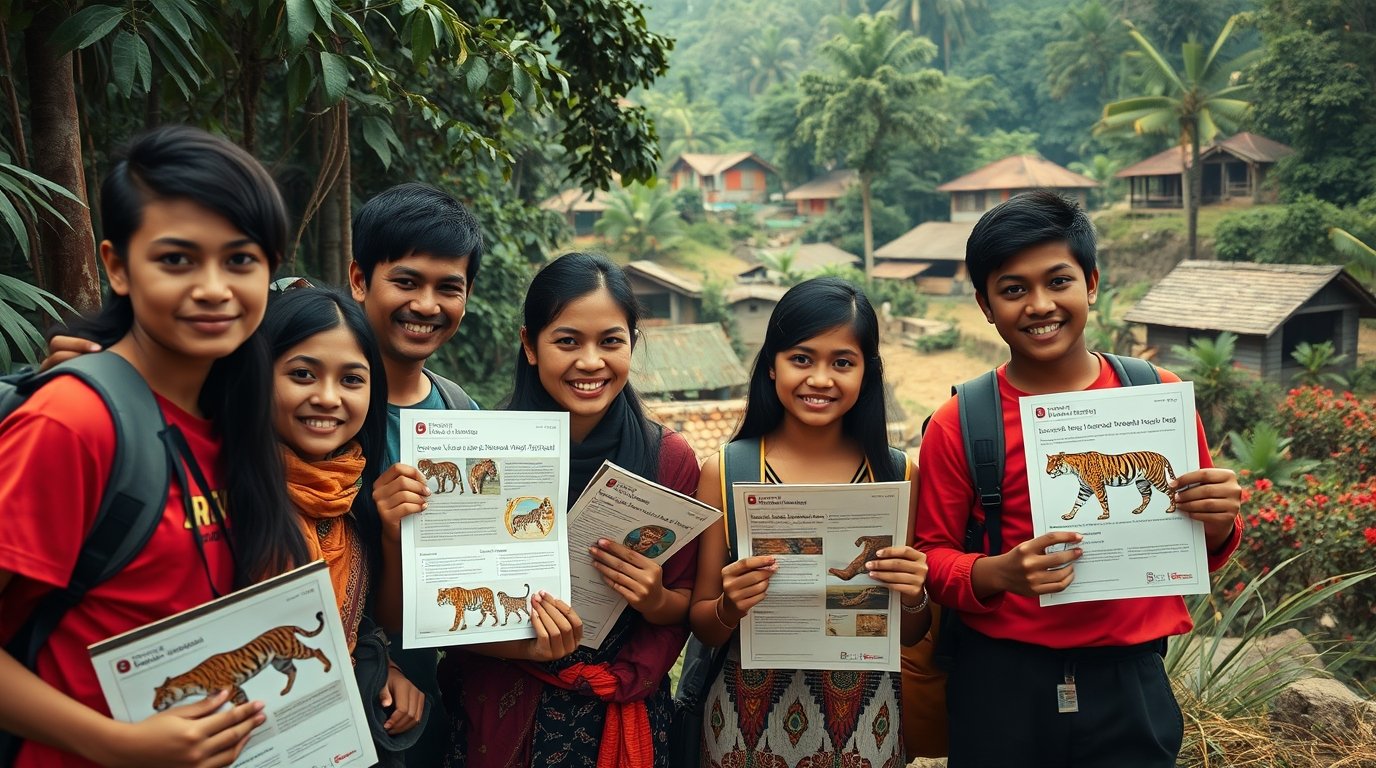
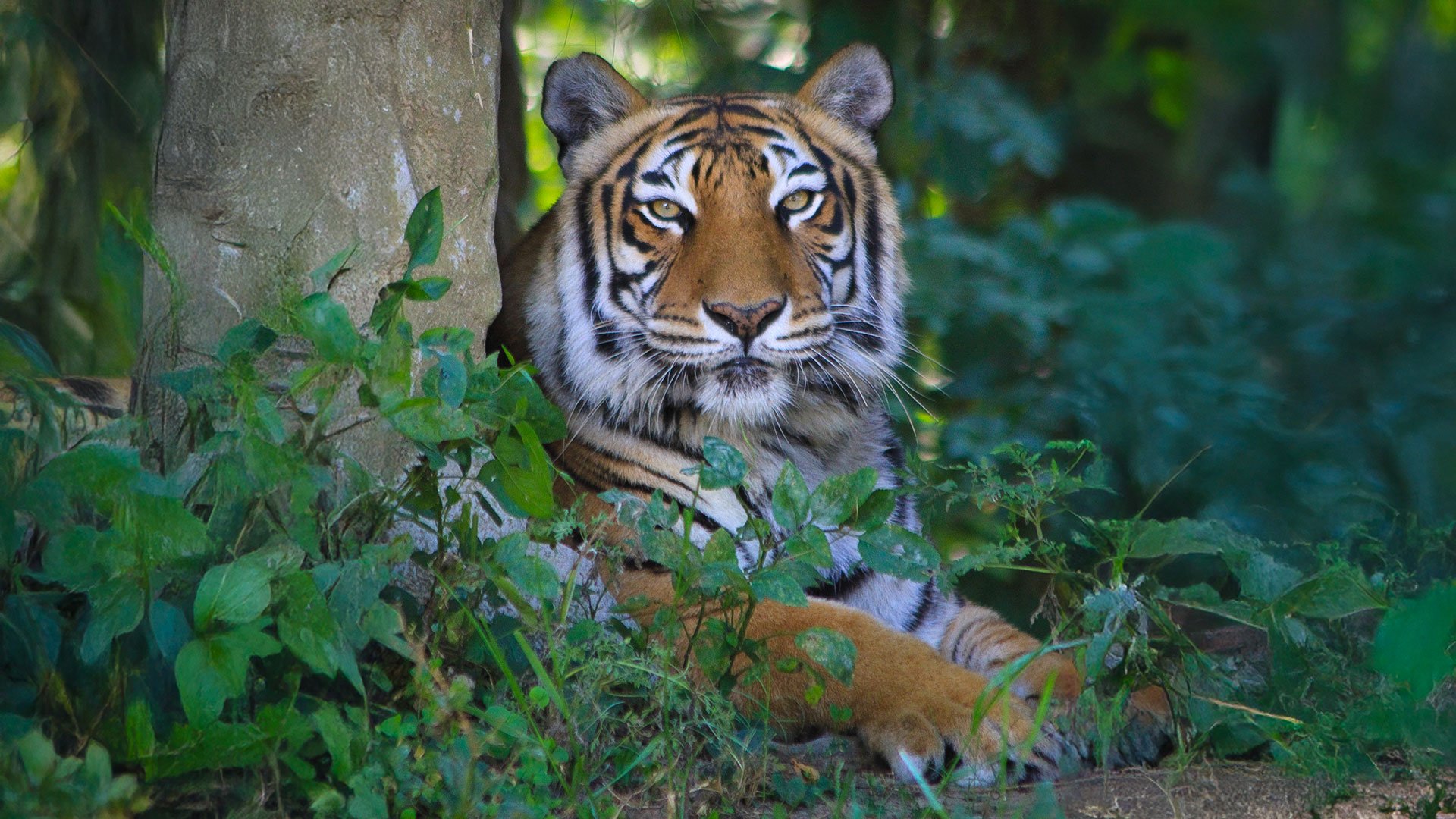
Deep in the heart of Nepal’s Terai region, where the majestic tiger roams and the elusive clouded leopard prowls, a transformative program is shaping the future of wild cat conservation. Each year, 15-20 young minds from across Nepal’s Terai districts come together, united by their passion for wildlife and a shared vision for peaceful coexistence with nature's most iconic predators.
This initiative, supported by Big Cat Rescue, equips students from diverse academic backgrounds with the skills and knowledge needed to be ambassadors of change in their communities. These future conservation champions are learning how to ensure the survival of Nepal’s wild cats by bridging the gap between humans and these apex predators.
Building a Foundation for Coexistence
Nepal is home to several species of wild cats, including tigers, leopards, leopard cats, jungle cats and fishing cats, all of which face mounting challenges due to habitat loss, poaching, and human-wildlife conflict. The success of their conservation depends on a critical factor: community involvement. This program is designed to foster that connection, empowering young leaders to advocate for coexistence.
Participants dive deep into conservation issues, learning about the fragile ecosystems where wild cats thrive and the roles these predators play in maintaining balance. They also receive hands-on training in communication and presentation skills, enabling them to effectively spread their knowledge in their home communities.
Grassroots Education and Action
Armed with educational materials tailored to foster coexistence, participants return to their towns and villages to deliver presentations that highlight the importance of predator conservation. They teach farmers how to protect their livestock using non-lethal methods, engage with schools to instill a love for wildlife in children, and build partnerships with local authorities to support habitat preservation.
These young conservationists must meet specific goals during their outreach efforts to earn their program certificates. By reporting back on their activities, they not only share their successes but also help identify challenges that need to be addressed. This feedback loop ensures the program evolves to meet the dynamic needs of both people and wildlife.
The Ripple Effect of Conservation Education
The program’s impact extends far beyond its immediate participants. Each student reaches dozens—sometimes hundreds—of people through their outreach efforts, creating a ripple effect of awareness and action. Communities that once viewed wild cats as threats begin to see them as vital parts of their shared environment.
This shift in perspective is the key to long-term success. When local people become advocates for conservation, they help build a future where humans and wild cats can coexist peacefully.
Join Us in Supporting the Next Generation of Wild Cat Heroes
Big Cat Rescue is proud to support this inspiring initiative in Nepal. These young conservationists are proving that one person can make a difference—and together, they are creating a movement that transcends boundaries and species.
Want to help secure a future for Nepal’s wild cats? Join us in our mission to fund conservation programs like this one. Together, we can ensure these magnificent predators continue to thrive in the wild.
Find out more about tigers, leopards, leopard cats, jungle cats and fishing cats below:
The 2024-25 Annual Report commemorates the 30th anniversary of The Corbett Foundation (TCF), an Indian non-profit established in 1994 to foster human-wildlife coexistence. The document highlights TCF’s expansion from its origins in Uttarakhand to nine distinct landscapes across seven states, focusing on the protection of threatened species like tigers, elephants, and vultures. Key initiatives detailed include the Livestock Compensation Programme, which prevents retaliatory killings, and extensive habitat restoration efforts that have revived thousands of hectares of forests and grasslands. Beyond ecology, the foundation integrates community well-being through rural medical outreach, sustainable livelihood training, and the distribution of green energy solutions. By combining scientific research with grassroots engagement, TCF aims to secure India’s natural heritage while improving the lives of people residing near protected wilderness areas. Collaborative partnerships with government agencies and international conservation bodies remain central to their mission of balancing environmental integrity with social development.
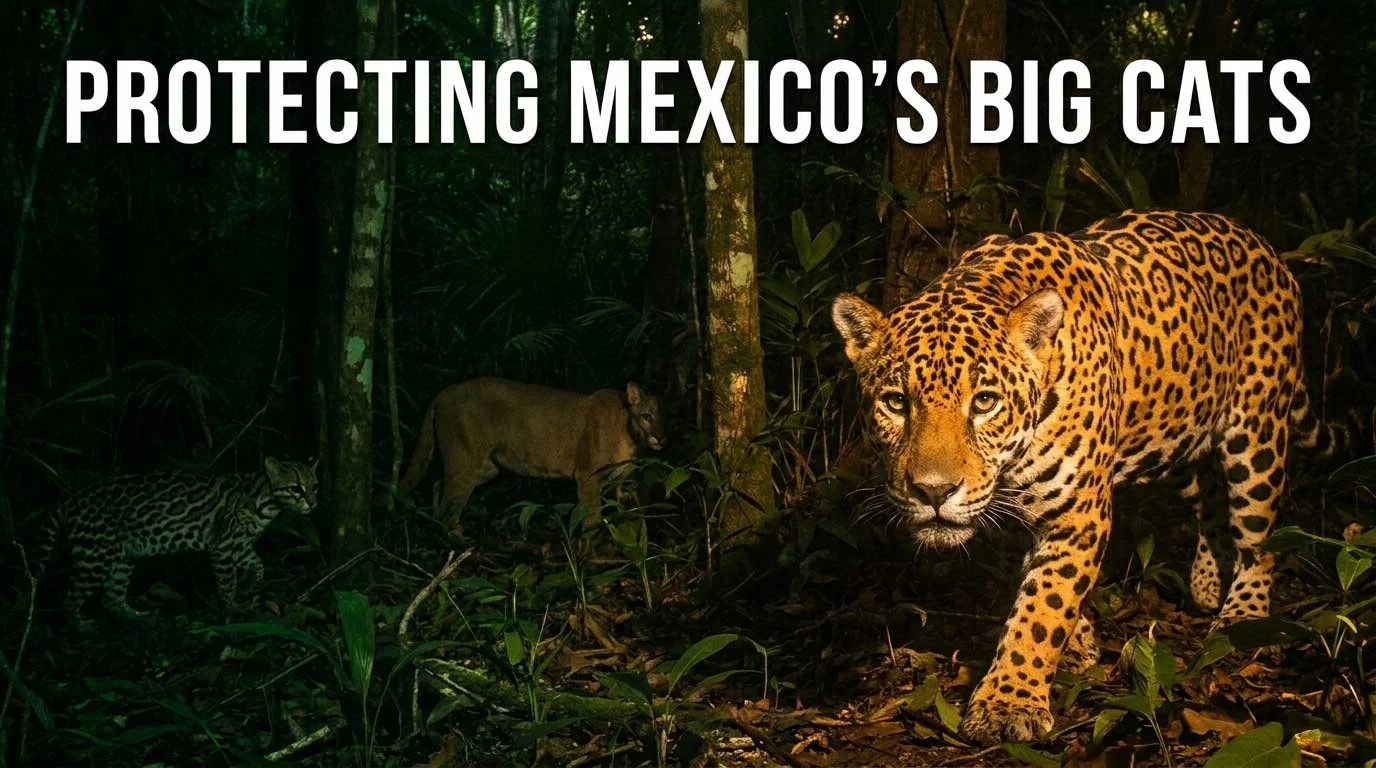
Discover how Big Cat Rescue is partnering with Proyecto AAk Mahahual to protect wild jaguars and ocelots through community coexistence. Read more!

The provided text outlines the organizational goals and operations of Freeland, a non-profit entity dedicated to ending the illegal trade of humans and wildlife. By utilizing a specialized team of law enforcement and technical experts, the group actively disrupts criminal networks while assisting governments and businesses in creating prevention strategies. Their comprehensive approach includes training officers, conducting community patrols, and fostering behavioral changes through public education and awareness campaigns. Beyond enforcement, the organization focuses on environmental restoration and the rehabilitation of animals to ensure the long-term health of global ecosystems. Ultimately, the source serves as an overview of Freeland’s global impact and its ongoing mission to build a world free from exploitation and slavery.
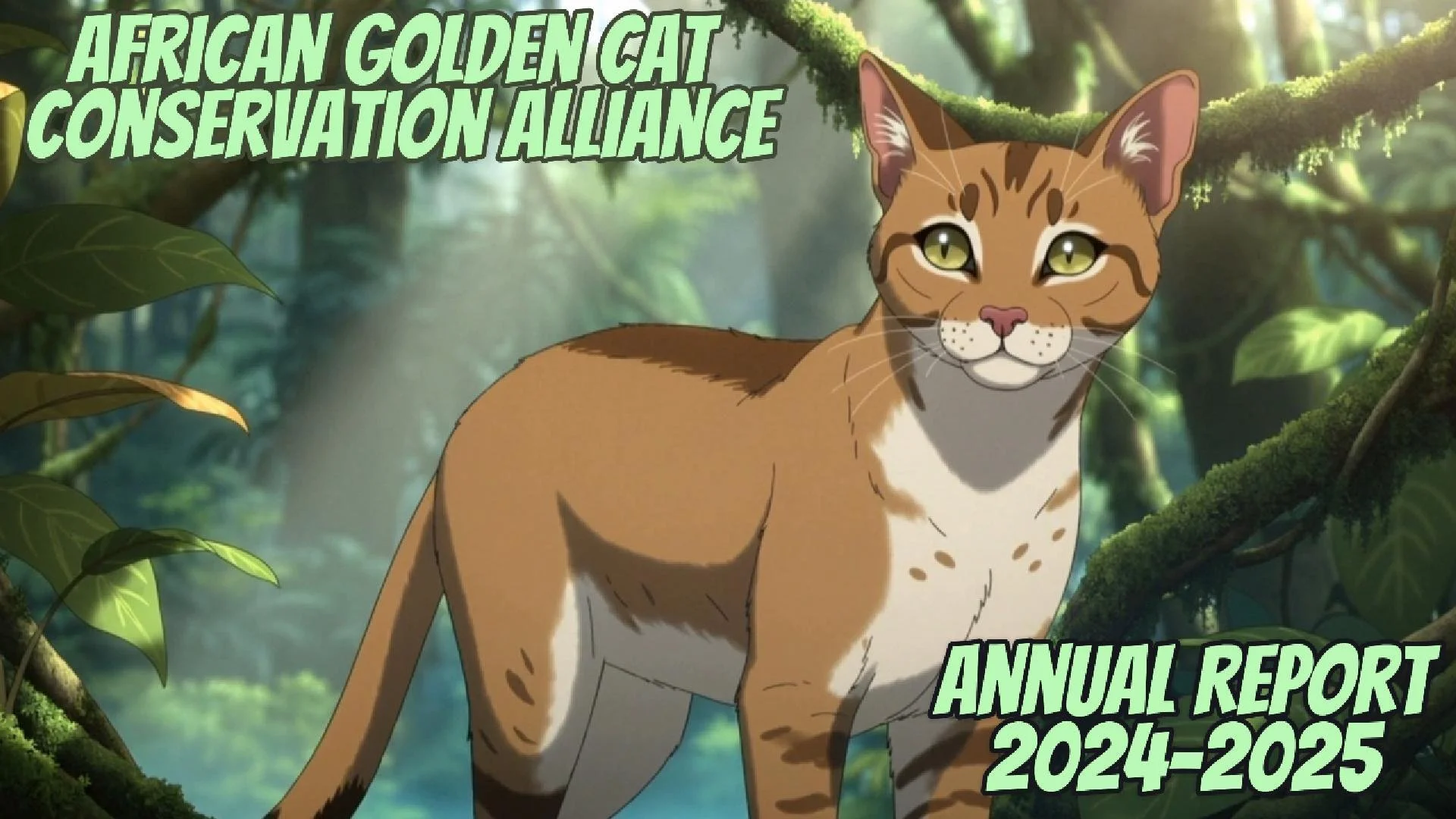
The African Golden Cat Conservation Alliance (AGCCA) 2024-2025 annual report details a comprehensive strategy to protect the vulnerable African golden cat across its tropical rainforest habitat. Spanning 19 countries, the organization utilizes a community-led approach that addresses the root causes of illegal hunting and habitat loss, such as poverty and a lack of resources. To discourage bushmeat consumption, the alliance provides local families with alternative livelihoods, including small-holder livestock farms, credit programs, and essential services like dental care. Conservation efforts also involve scientific monitoring through standardized camera trap systems to track population health and evaluate project impacts. Educational outreach to thousands of schoolchildren further fosters a culture of stewardship for this rare species. Ultimately, the report highlights how strategic partnerships and local engagement are essential for securing a future for the African golden cat.


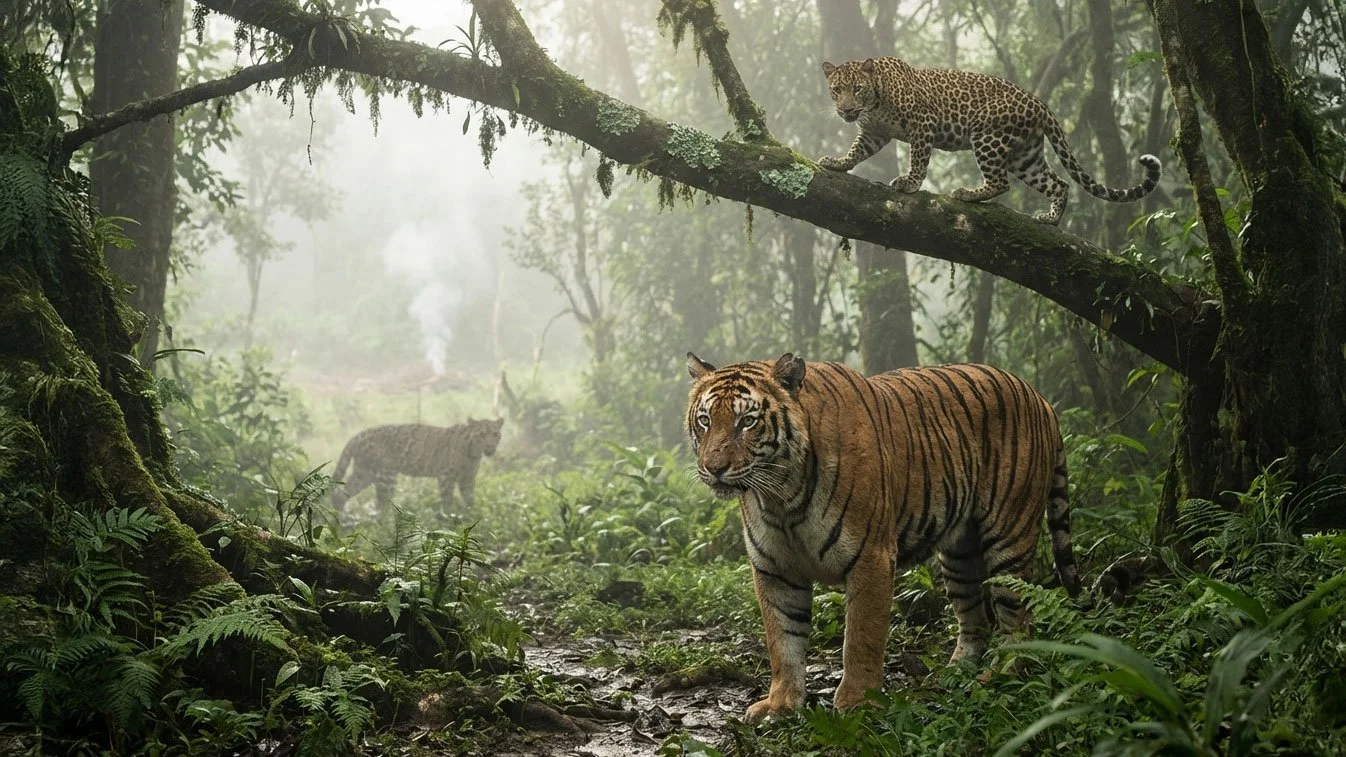
Myanmar's Big Cats Face Extinction: Only 22 Tigers Remain in Survey. Only 22 tigers remain in Myanmar protected areas. UMass research reveals urgent need to save Bengal tigers, Indochinese leopards, and clouded leopards from extinction.
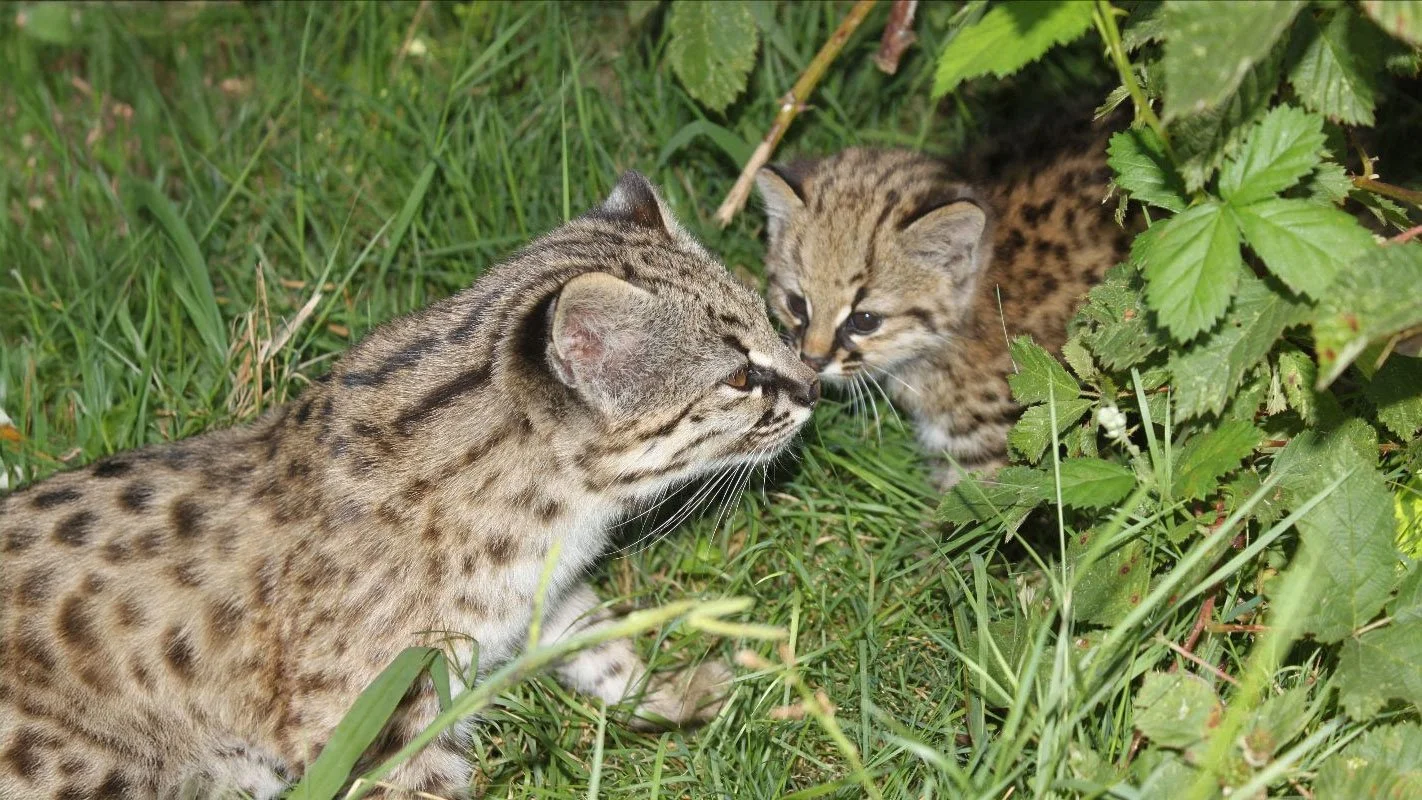
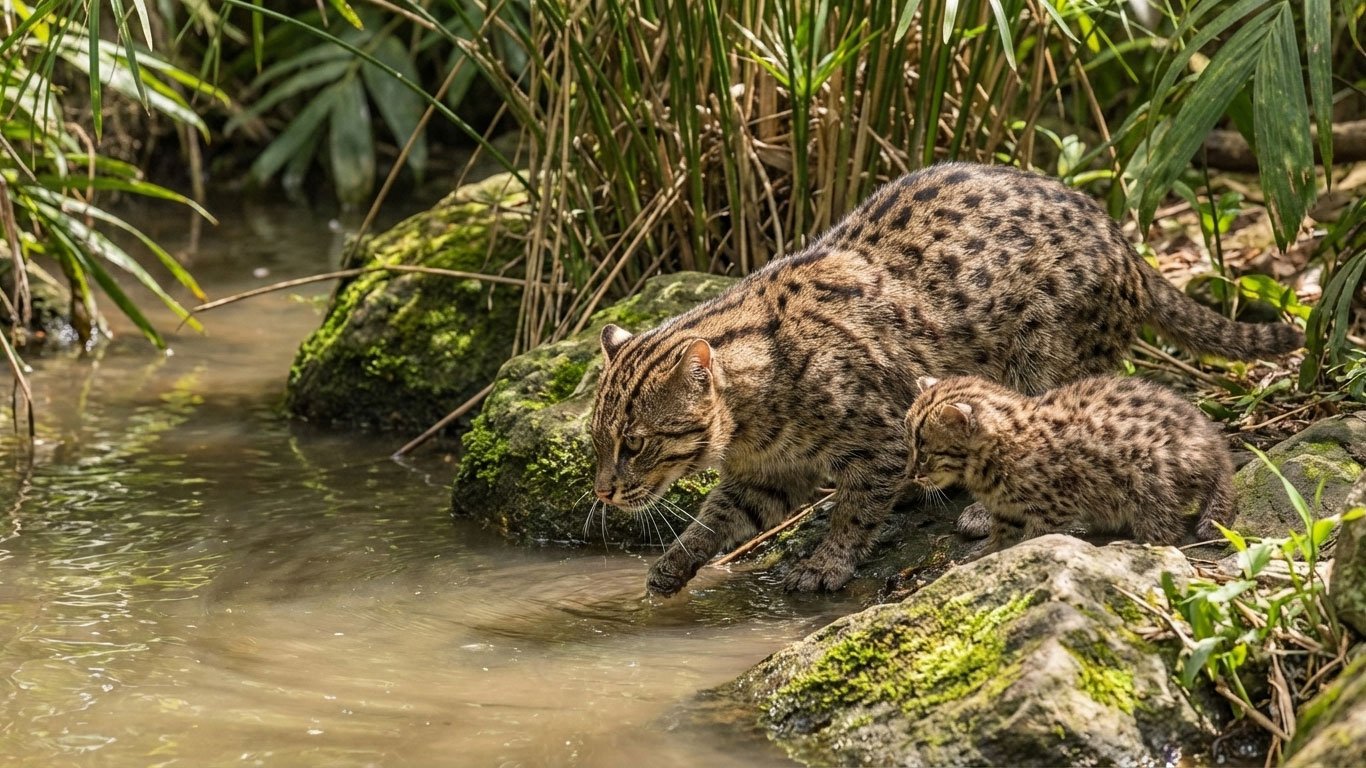

Explore three inspiring wild cat conservation stories: Jim Sanderson's encounter with the world's only captive Marbled cat in India, the creation of the first Community Conserved Area for Marbled Cats in Arunachal Pradesh, Uganda's new national park for African Golden Cats, and how young students are transforming Fishing cat conservation along India's Chilika lagoon. Community-led conservation is changing the future for rare and threatened wild cats.
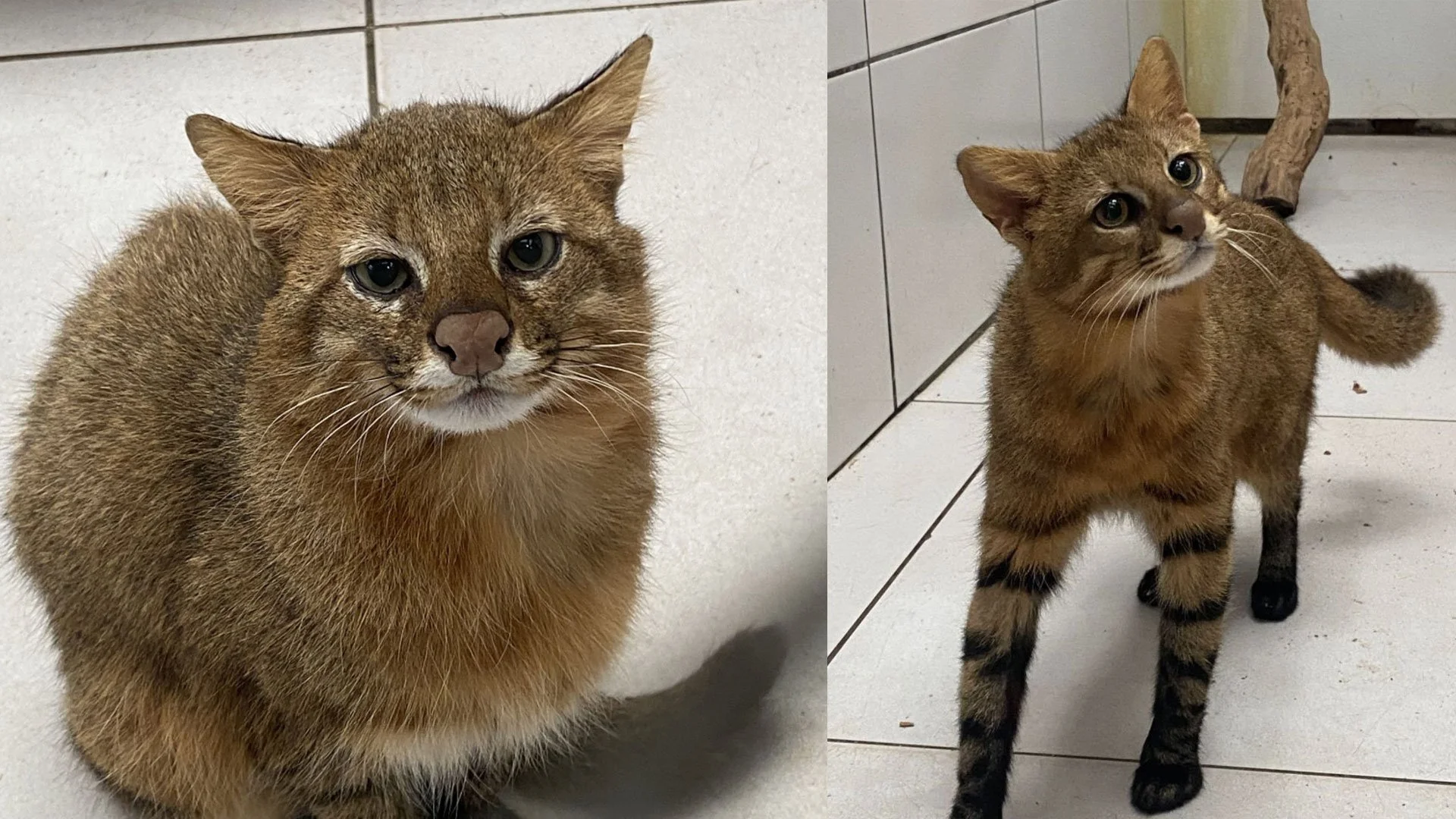

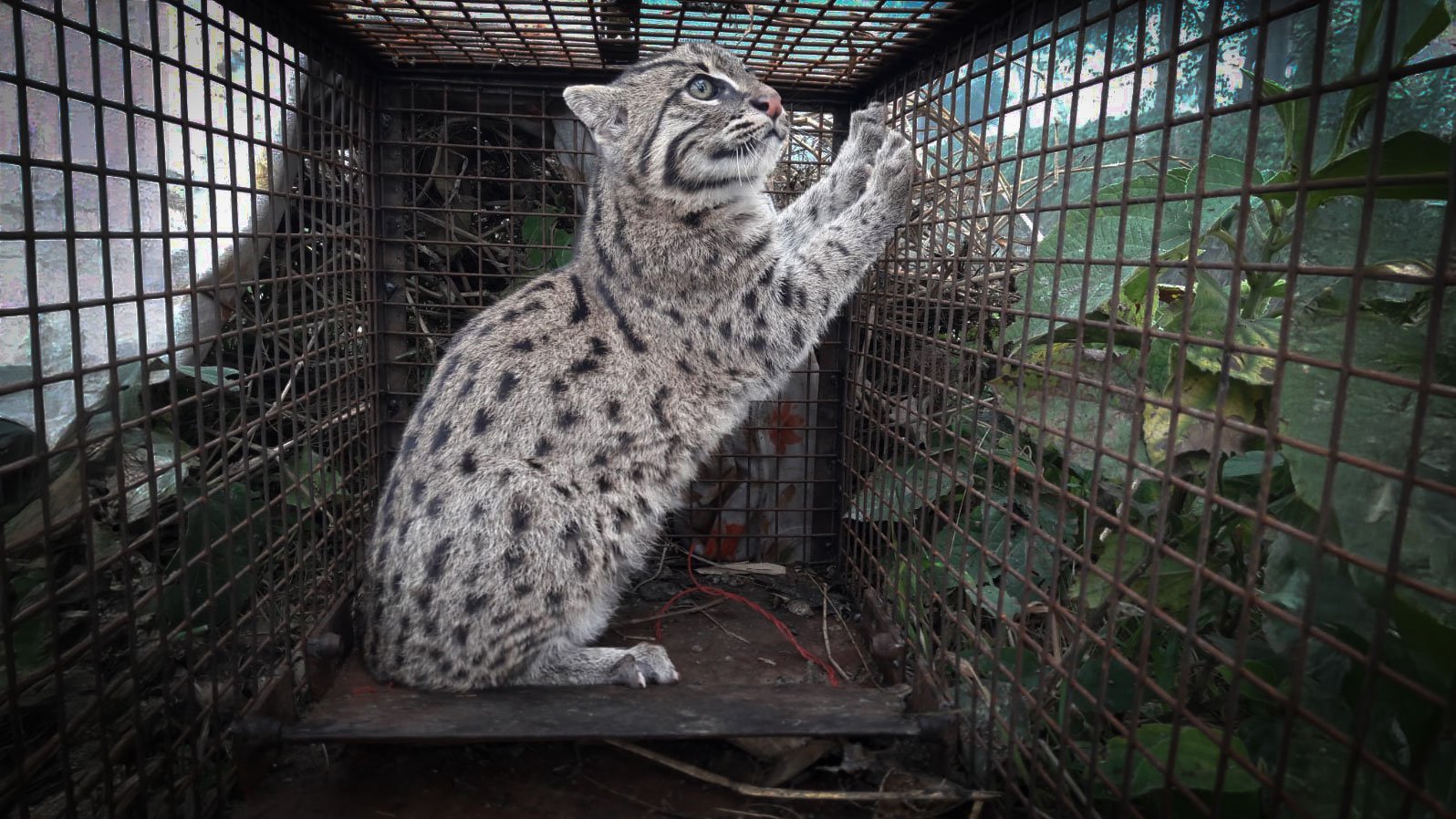
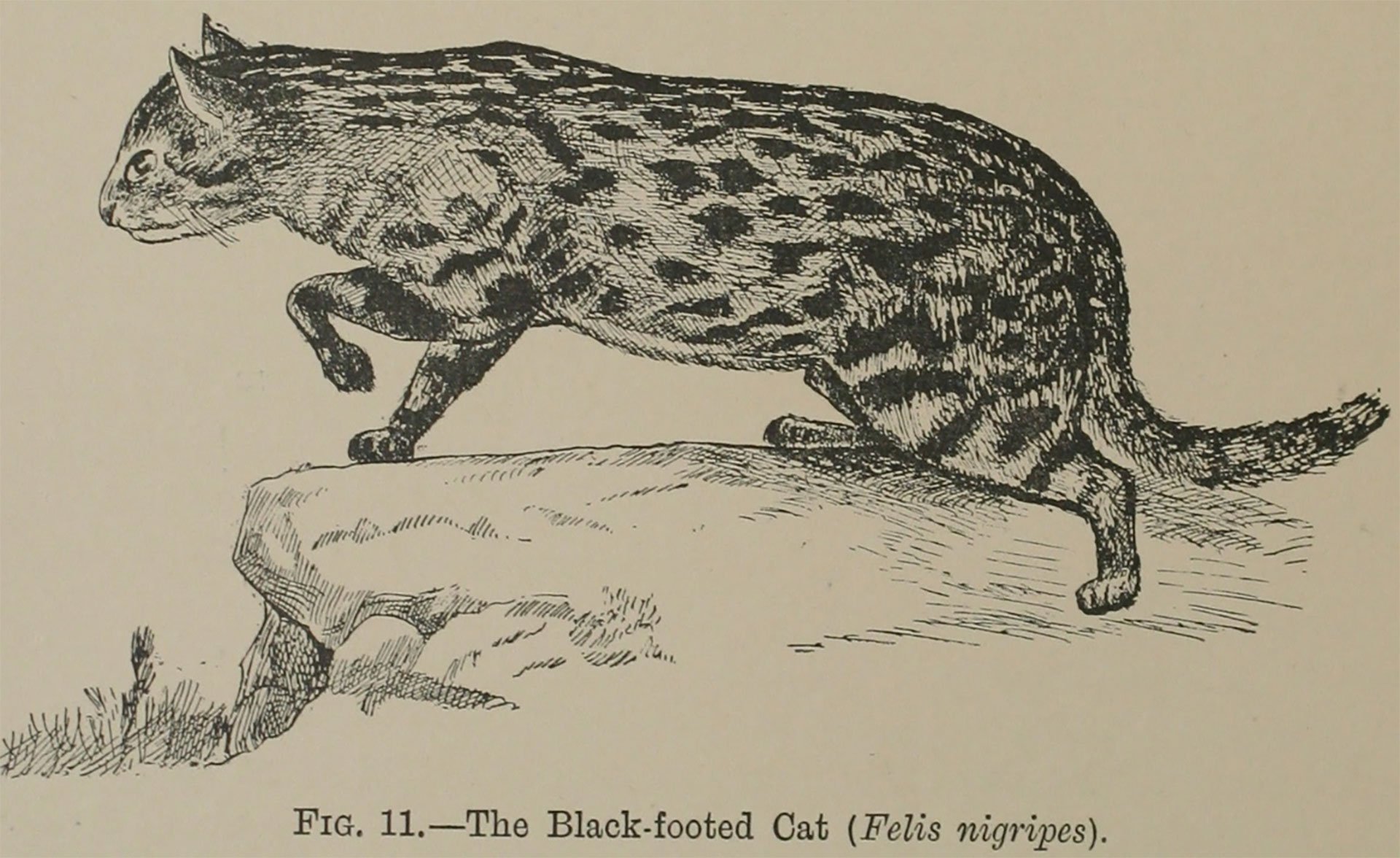
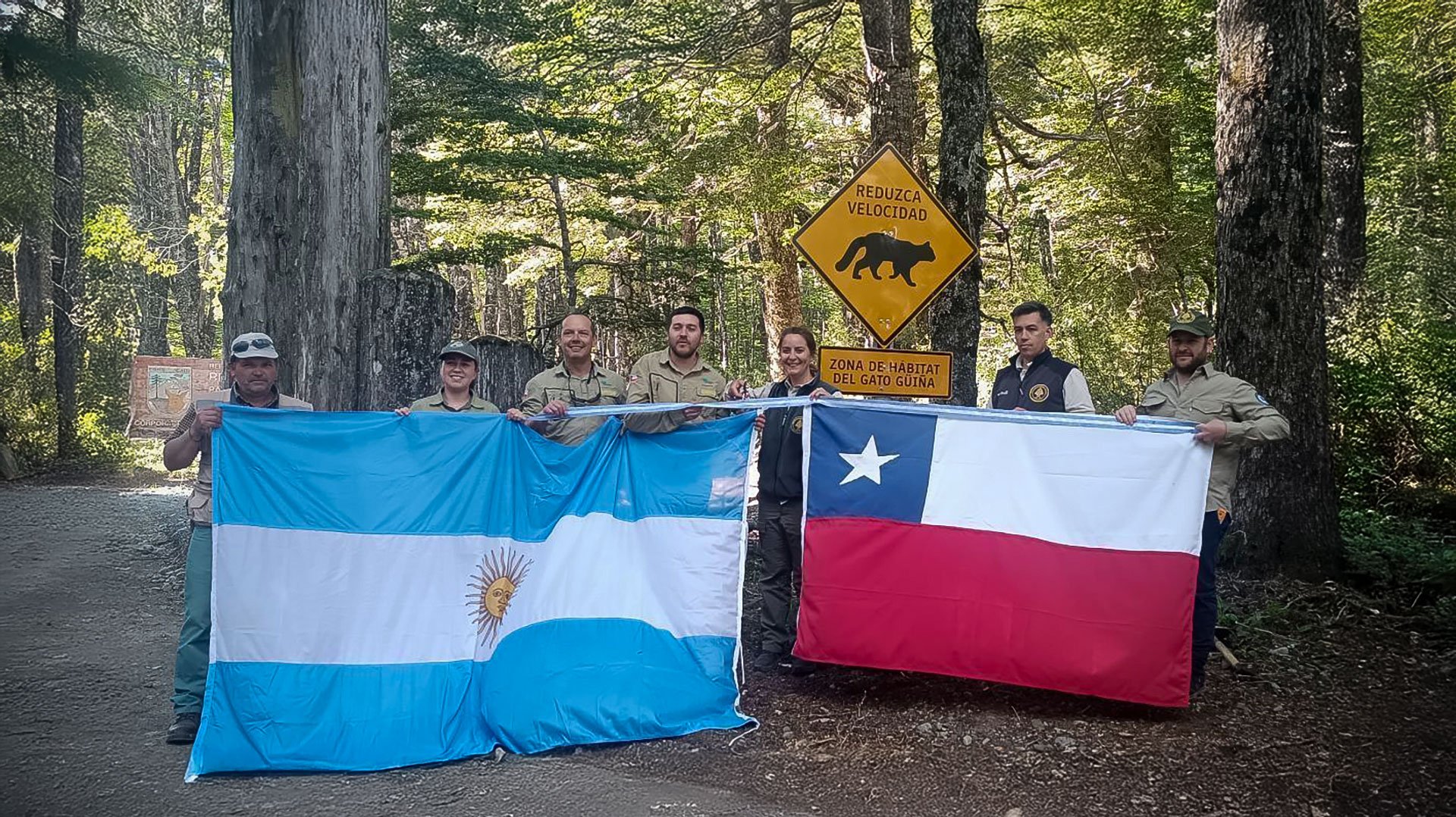
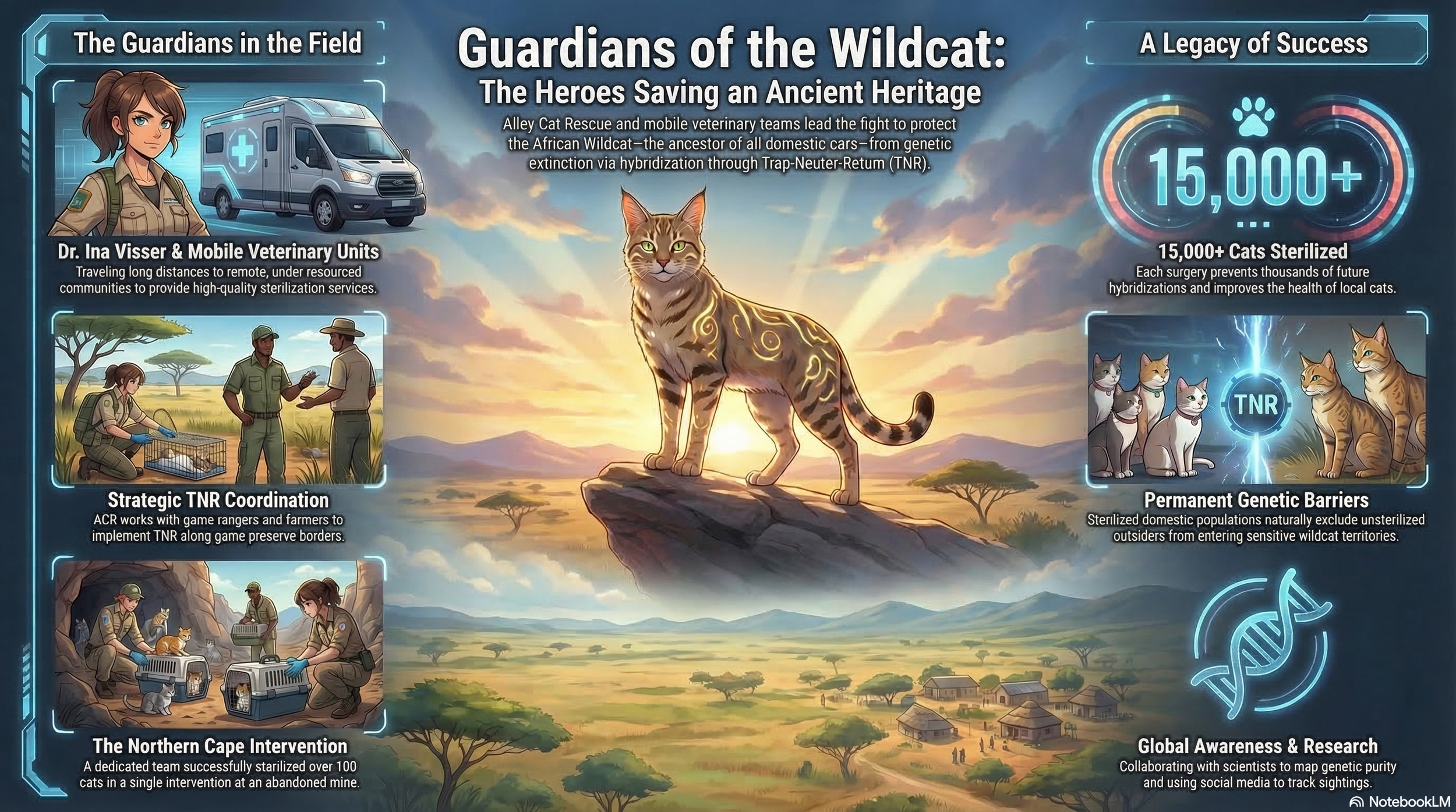
These sources detail the Alley Cat Rescue organization’s comprehensive efforts to preserve the African wildcat, the genetic ancestor of all domestic felines. The primary focus is on the AWC Conservation Action Plan, which addresses the critical threat of hybridization caused by interbreeding with free-roaming domestic cats. By implementing Trap-Neuter-Return (TNR) programs along the borders of South African game reserves like Kruger National Park, the group aims to maintain the genetic integrity and health of wild populations. Beyond feline sterilization, the materials highlight educational initiatives, scientific research, and public awareness campaigns intended to mitigate habitat loss and human conflict. These collective documents serve as both a progress report on successful conservation milestones and a call for continued financial and communal support.

SEO Excerpt:
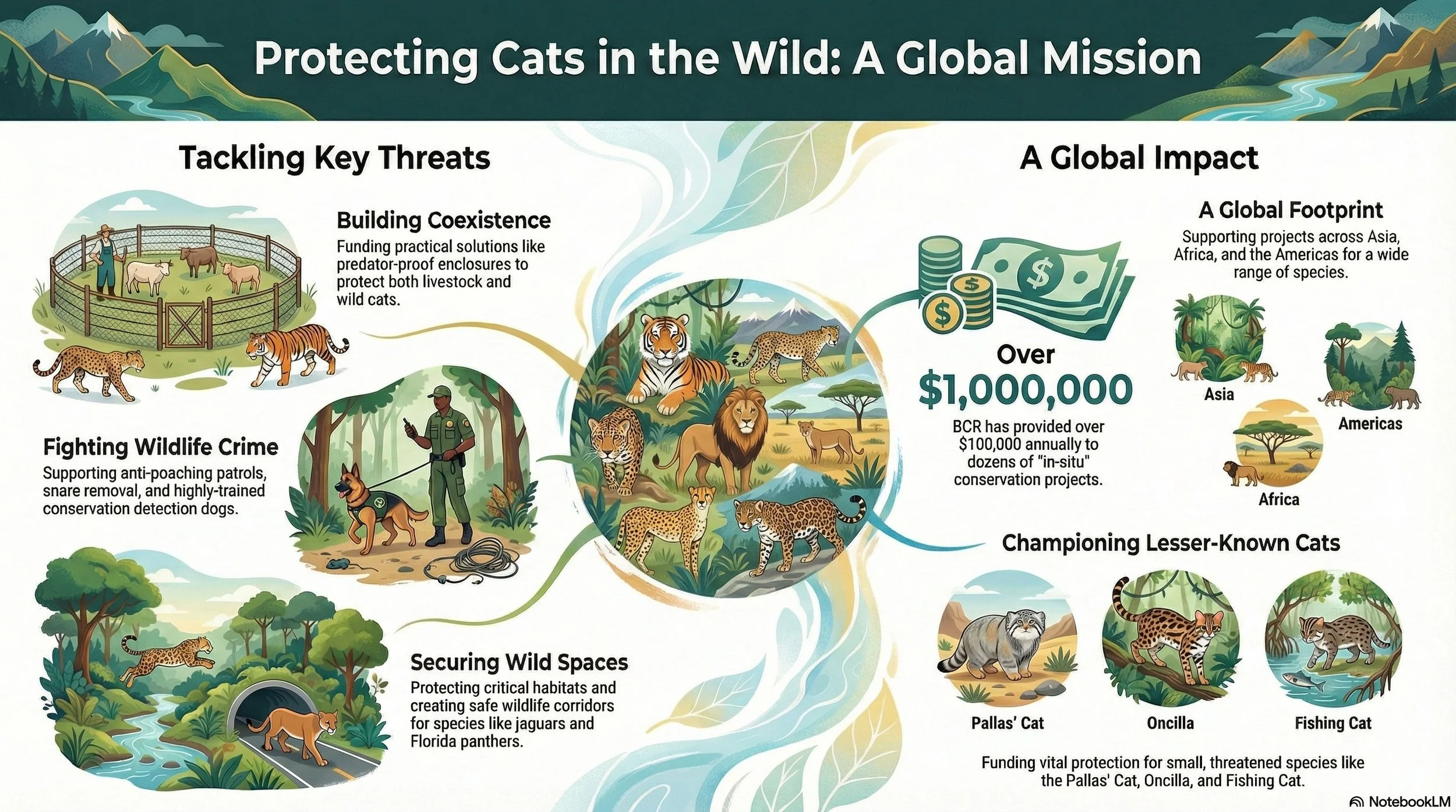
Big Cat Rescue funded critical wild cat conservation projects in 2024, supporting efforts across Latin America, Africa, and Asia. Initiatives include predator-proof chicken coops, spay/neuter programs to prevent disease transmission, and community education to reduce human-cat conflict. Key projects include protecting Pampas cats, ocelots, jaguarundis, and margays in Peru, Brazil, and Mexico; funding the Small Cat Conference in Ecuador; monitoring flat-headed cats in Indonesia; and supporting cheetah conflict mitigation in Kenya. Through collaborations with partners like Centro de Investigacion Biodiversidad Sostenible and Pampas Cat Working Group, Big Cat Rescue ensures sustainable conservation solutions for endangered and vulnerable wild cats worldwide.

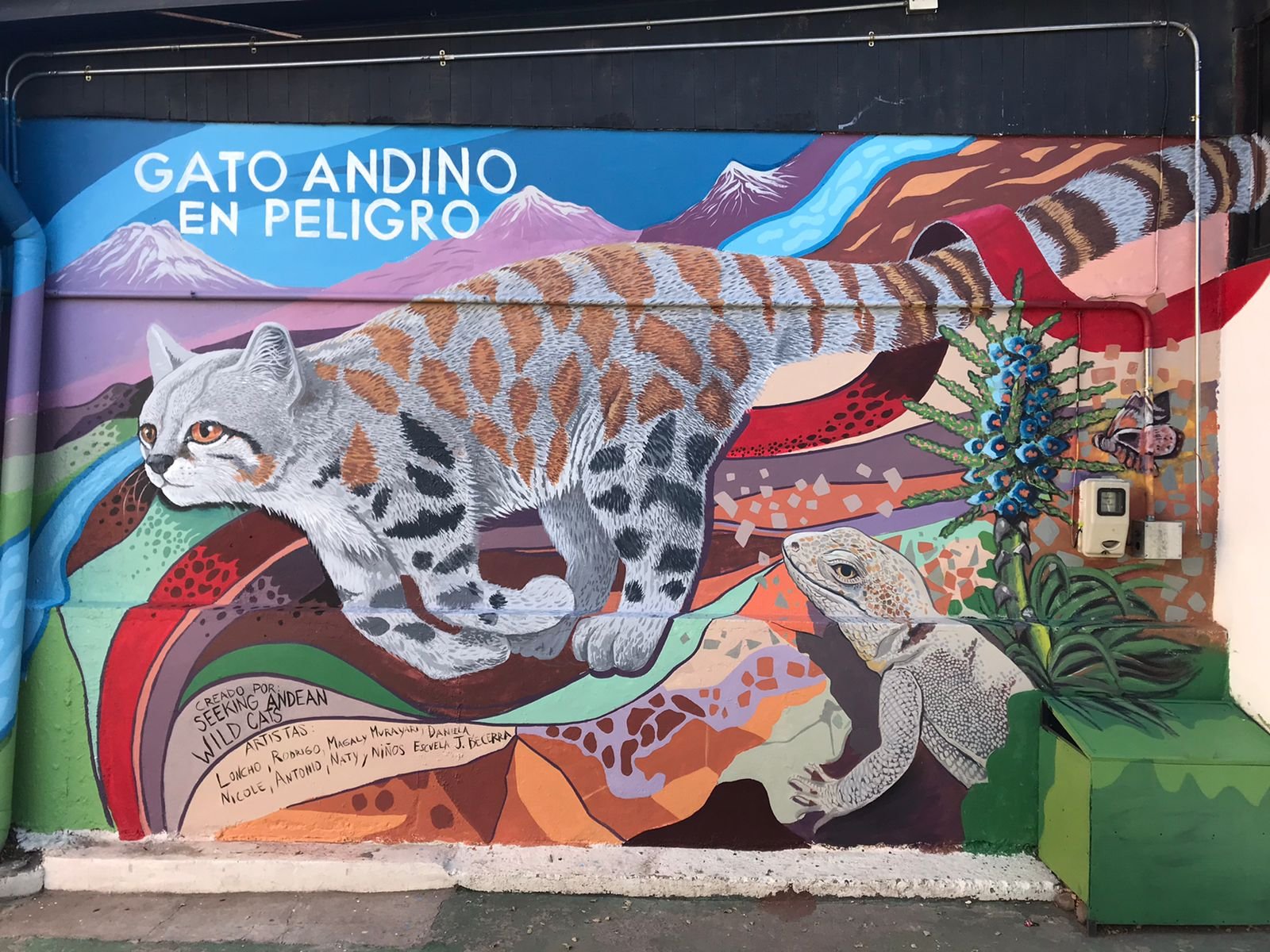
Jose Ramirez Fernandez is a passionate conservationist working tirelessly to protect small wild cat species in the dense forests and rugged mountains of Costa Rica. As a native Costa Rican who is an expert in rodent biology, Jose brings a unique perspective and skill set to his mission of saving animals like the elusive oncilla, powerful ocelot, and the newly discovered clouded tiger cat.
Our conservation funding started back in the 1990s when we provided funding for small wildcats workshops in Costa Rica and Nevada. In 2005 we funded $8950 in projects. In 1997, at the urging of our President, Jamie Veronica Murdock, we began supporting the Snow Leopard Trust through their Irbis Enterprises, and were their second largest customer for handicrafts made by local people to protect snow leopards until we closed in 2020. We didn't track insitu donations formally until 2006 and from then until 2014 our donations, over and above those for SLT, were around $5,000 per year. In 2015 we were able to increase our conservation funding to $29,000. In 2016 we increased our wildcat conservation funding to $51,000. In 2017 we were able to increase it to $89,000. From 2018 - 2022 we were able to provide critical conservation funding to those protecting wildcats globally with $100,000 per year. In 2023, despite all of the challenges from COVID 19 and having been closed for tours since 2020 we were still able to increase ouf insitu funding to $131,000. Not counting donations prior to 2006 and not counting any of our support to the Snow Leopard Trust, we have donated $989,000. Would you help us cross over the $1,000,000 million dollar mark in 2024?
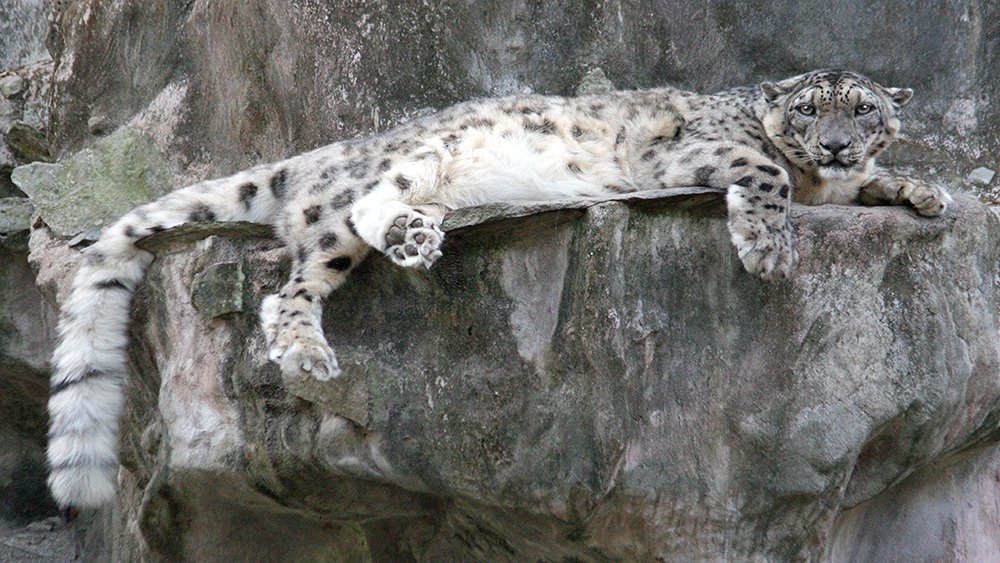
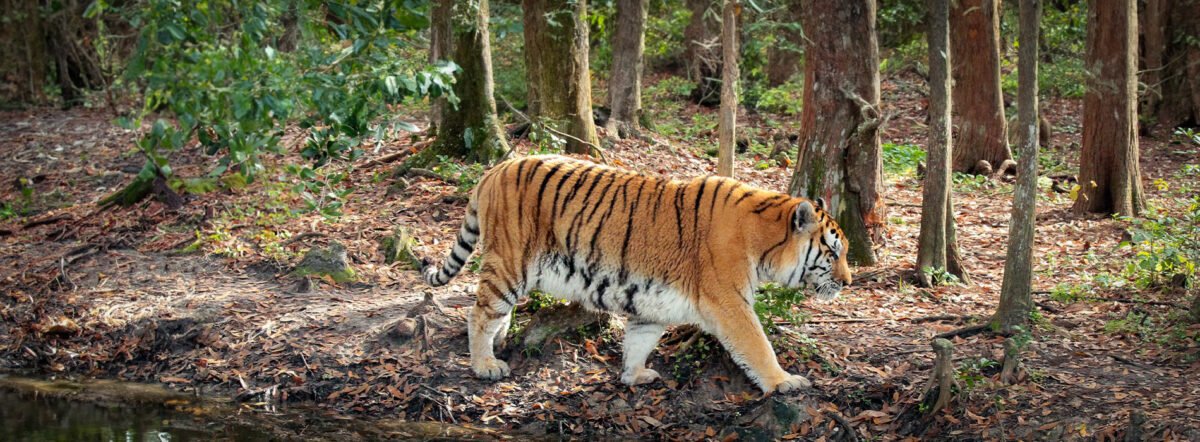
Big Cat Rescue donates more than $100,000 each year to saving wild cats in their native lands. We dedicate most of our donations to small exotic cat projects as they get so little funding elsewhere.
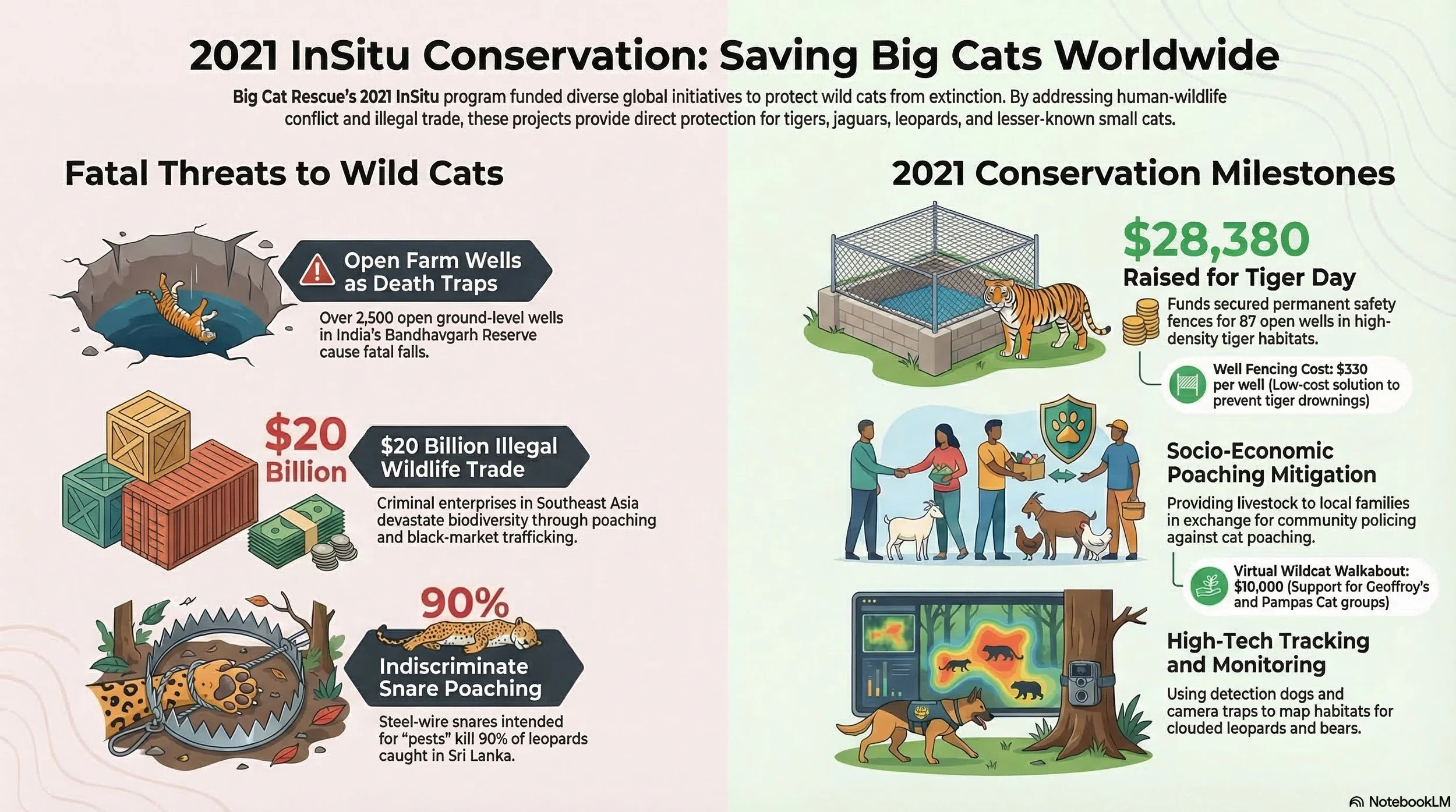
The Big Cat Rescue 2021 InSitu Conservation report details a variety of global initiatives funded to protect vulnerable wild feline species in their natural environments. These projects address critical threats such as illegal wildlife trafficking, habitat destruction, and accidental deaths caused by open wells or wire snares. Key efforts include supporting specialized law enforcement in Cambodia, implementing livestock compensation programs in Kenya, and utilizing scientific monitoring through camera traps and detection dogs. Additionally, the organization emphasizes community engagement by providing local populations with education and sustainable economic alternatives to poaching. By targeting both large apex predators like tigers and lions as well as lesser-known small cats, these programs aim to ensure the long-term survival of diverse feline populations across several continents.
 Carole Baskin
Carole Baskin is the founder and CEO of Big Cat Rescue and author of this web page. Since 1992, she has worked to end the exploitation of exotic cats and now leads the non profit's efforts to protect wild cats in the wild by funding innovative threat mitigation programs that allow humans and wild cats to co-exist in peace.
Big Cat Rescue helps fund the conservation of Marbled Cats in the wild.