
Tiger in Thailand AI ChatGPT
In the heart of Thailand's eastern forests, a quiet yet profound drama unfolds—a tale of survival, resilience, and the intricate dance between nature and human development. Here, the critically endangered Indochinese tiger (Panthera tigris corbetti) clings to existence, navigating a landscape fraught with challenges. Recent studies offer a glimmer of hope: between 2018 and 2021, tiger populations in the Dong Phayayen-Khao Yai (DPKY) forest complex have remained stable. Yet, this stability is precarious, overshadowed by barriers that hinder these majestic creatures from reclaiming their historic territories.
A Fragmented Realm
The DPKY forest complex, a sprawling expanse of five interconnected protected areas, serves as a sanctuary for these tigers. Despite its vastness, the tigers are predominantly confined to the eastern section, utilizing only 55% of the available suitable habitat. The culprit? Highway 304—a ribbon of asphalt that slices through the forest, severing the lush realms of Khao Yai National Park in the west from the tiger-inhabited eastern territories. While wildlife crossings have been constructed to bridge this divide, evidence suggests that tigers have yet to embrace these pathways.
The Prey Predicament
Beyond physical barriers, a more insidious challenge looms: the scarcity of prey. Tigers are apex predators, their survival intricately tied to the abundance of prey species like the sambar deer (Rusa unicolor). Surveys reveal a troubling dearth of such prey in areas like Khao Yai National Park. Even if tigers muster the courage to cross human-made obstacles, the promise of an empty larder deters their expansion.
Glimmers of Hope
Yet, amidst these challenges, there are reasons for cautious optimism. The mere presence of a stable, breeding tiger population in DPKY stands as a testament to the tireless conservation efforts underway. Enhanced patrols, community outreach, and strategic monitoring have borne fruit, showcasing the resilience of nature when met with human commitment.
A Call to Action
The narrative of Thailand's tigers is emblematic of the broader plight faced by big cats worldwide. Organizations like Big Cat Rescue are at the forefront of this battle, championing the cause of these magnificent creatures. Your support can amplify their efforts, ensuring that tigers not only survive but thrive. By donating, advocating for responsible development, and fostering awareness, you become an integral part of this conservation tapestry.
In Conclusion
The story of the Indochinese tiger is more than a tale of survival; it's a reflection of our collective responsibility. As stewards of this planet, our actions ripple through the web of life, influencing outcomes for species teetering on the brink. Let us choose paths that honor and preserve the wild wonders of our world.


The June 2026 AdvoCat Newsletter from Big Cat Rescue covers the latest in wild cat conservation: Stanford research on mountain lions reshaping suburban ecosystems, Kyrgyzstan's new 2-million-acre snow leopard corridor, the first documented sand cats in Libya, Bengal tiger reintroduction plans for Cambodia, and the alarming pace of tiger poaching across Asia. Stay informed and take action for wild cats worldwide.
The 2024-25 Annual Report commemorates the 30th anniversary of The Corbett Foundation (TCF), an Indian non-profit established in 1994 to foster human-wildlife coexistence. The document highlights TCF’s expansion from its origins in Uttarakhand to nine distinct landscapes across seven states, focusing on the protection of threatened species like tigers, elephants, and vultures. Key initiatives detailed include the Livestock Compensation Programme, which prevents retaliatory killings, and extensive habitat restoration efforts that have revived thousands of hectares of forests and grasslands. Beyond ecology, the foundation integrates community well-being through rural medical outreach, sustainable livelihood training, and the distribution of green energy solutions. By combining scientific research with grassroots engagement, TCF aims to secure India’s natural heritage while improving the lives of people residing near protected wilderness areas. Collaborative partnerships with government agencies and international conservation bodies remain central to their mission of balancing environmental integrity with social development.

Cambodia lost its wild tigers to poaching and was declared tiger free in 2016. Now a plan to reintroduce Bengal tigers from India into the Cardamom Mountains is moving forward. Conservation scientists warn that prey density may be too low, that snaring and poaching remain rampant, that logging and five new hydropower dams threaten the habitat, and that local and Indigenous communities have not been properly consulted. Learn what the tiger reintroduction plan means for wild tigers, for the Cardamom rainforest, and for the people who depend on it, and why getting it right matters for big cat conservation.

New BBC Earth footage shows two wild Bengal tigers, Goma and Jugini, co-parenting and babysitting each other's cubs, a behavior long thought impossible for these solitary big cats. Learn what wildlife researchers discovered on Tiger Island, why tiger mothers may share parenting to protect cubs from adult males, and how the rare 2006 story of male tiger T-25 raising orphaned cubs in Ranthambore National Park fits the pattern. Big Cat Rescue explains what this rare cooperative behavior reveals about tiger intelligence, social flexibility, and why these endangered cats deserve protection.

The Icarus satellite system, built by the Max Planck Institute of Animal Behavior, is creating an Internet of Animals. Tiny tags track location, movement, heart rate, and body temperature, then send the data to satellites in low Earth orbit. Scientists are training algorithms to recognize the panic patterns animals show when poachers approach, turning tagged herds into a live early warning network. For wild cats like cheetahs, leopards, tigers, lions, and Florida panthers and bobcats, this could mean protection across vast and remote landscapes that no single ranger could ever watch. Learn how Big Cat Rescue is following the Icarus project and how satellite tracking could change the future of wild cat conservation.

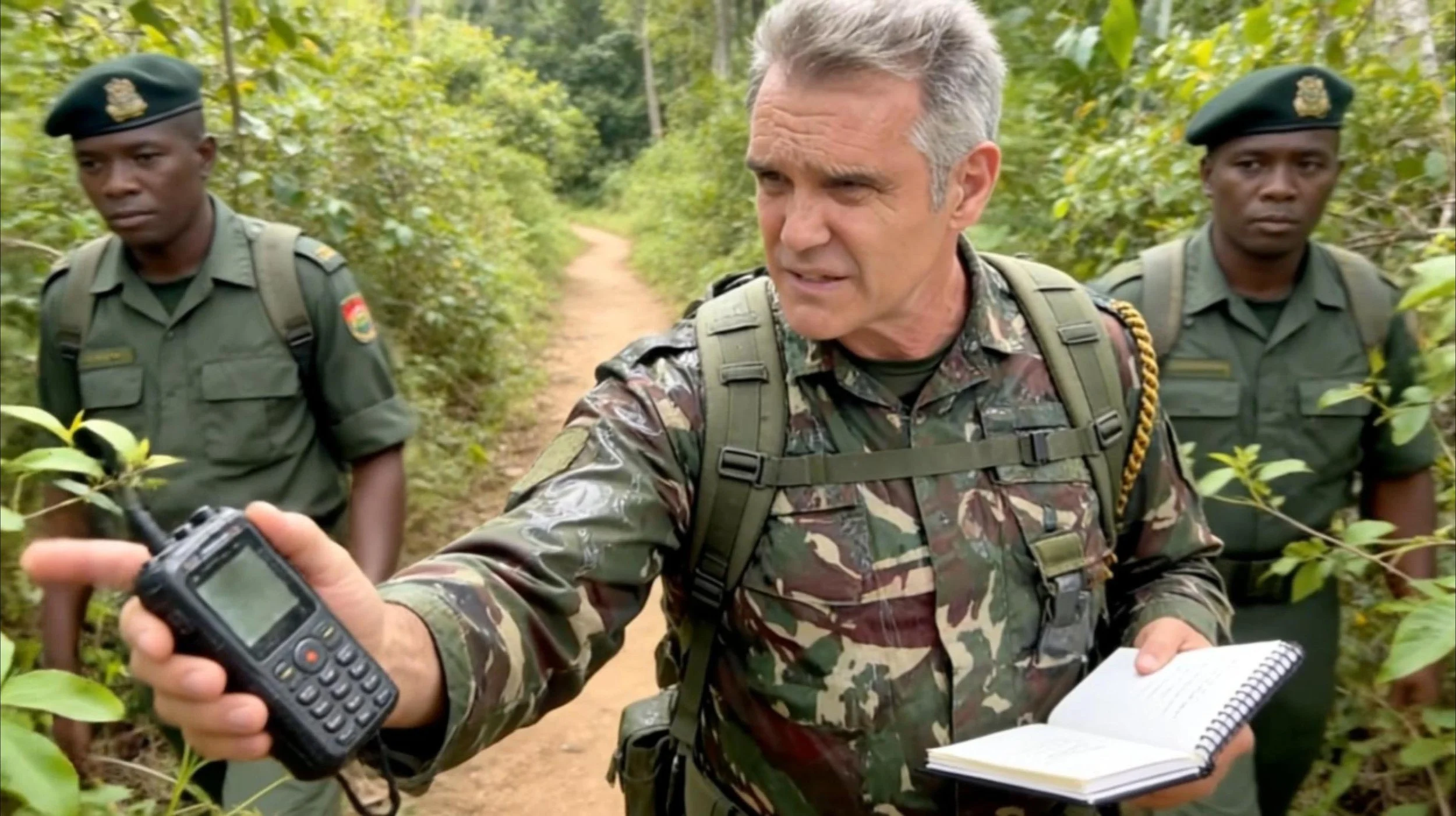
The provided text outlines the organizational goals and operations of Freeland, a non-profit entity dedicated to ending the illegal trade of humans and wildlife. By utilizing a specialized team of law enforcement and technical experts, the group actively disrupts criminal networks while assisting governments and businesses in creating prevention strategies. Their comprehensive approach includes training officers, conducting community patrols, and fostering behavioral changes through public education and awareness campaigns. Beyond enforcement, the organization focuses on environmental restoration and the rehabilitation of animals to ensure the long-term health of global ecosystems. Ultimately, the source serves as an overview of Freeland’s global impact and its ongoing mission to build a world free from exploitation and slavery.

The Fall of Animalandia Maya: Playa del Carmen Shutdown In May 2026, Mexican law enforcement conducted a major raid on Animalandia Maya, a controversial tourist site in Playa del Carmen known for offering photos with exotic wildlife. The operation resulted in the arrest of the owner and several employees, as well as the seizure of tigers, lions, and monkeys that were allegedly being exploited. This intervention followed years of public outcry and pressure from animal welfare organizations regarding the suspected sedation and mistreatment of the animals. While the business has successfully used legal loopholes to reopen after past closures, the scale of this coordinated police action suggests a permanent shutdown. The incident highlights a significant victory for activists fighting against the commercial use of endangered species in the Riviera Maya.
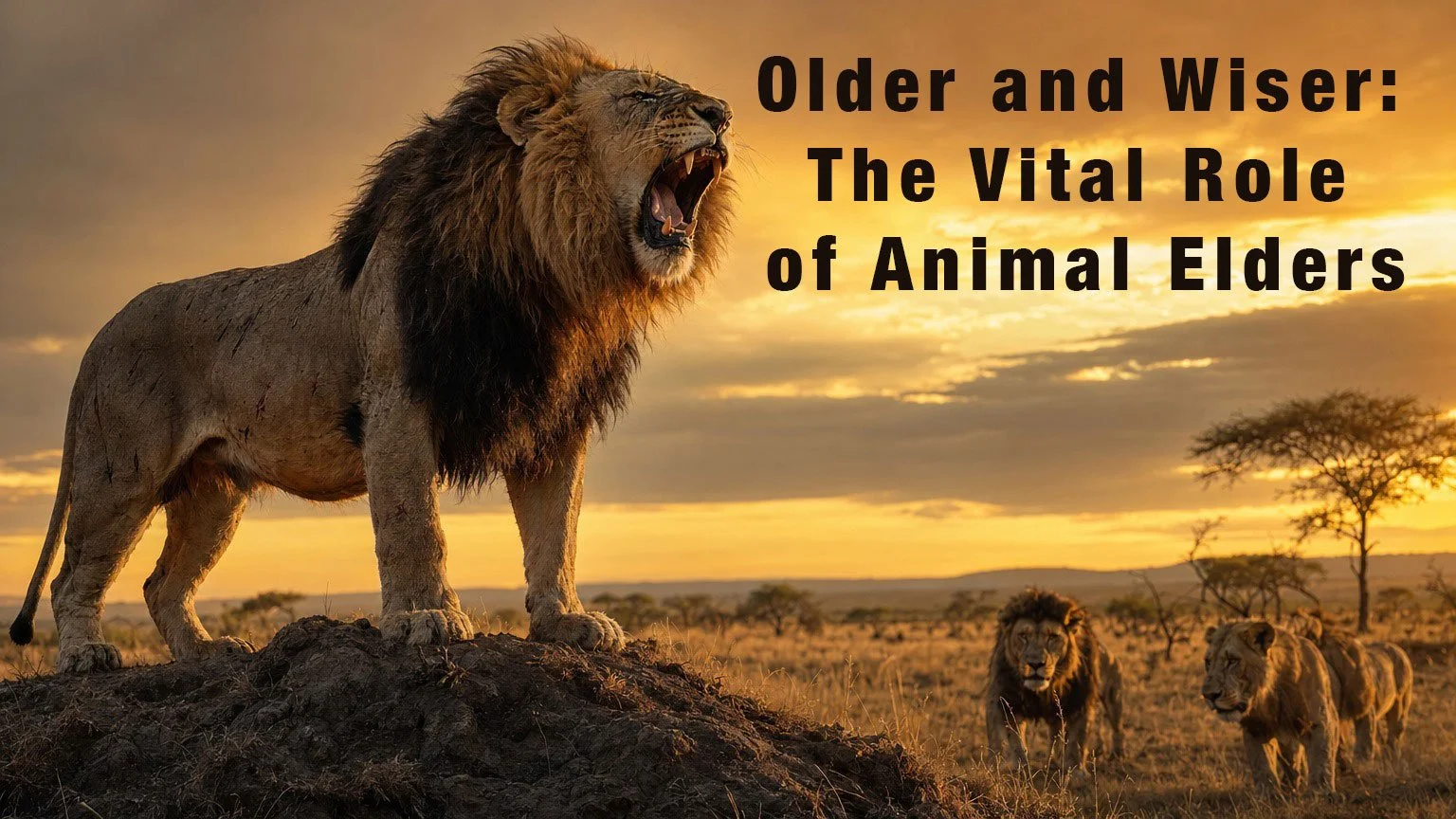
Older and Wiser: The Vital Role of Animal Elders
Recent research emphasizes that older animals are vital for the survival of wildlife populations because they possess accumulated knowledge and specialized skills. These elders serve as essential leaders who guide their groups toward resources and help maintain social stability among younger individuals. Beyond their wisdom, aging members often provide enhanced reproductive success and possess stronger immune systems developed over time. Traditional conservation efforts frequently focus on total population counts, yet this source argues that protecting the age structure is just as critical. The loss of these senior animals through human activities can result in a profound disappearance of survival strategies that simple numbers cannot replace.
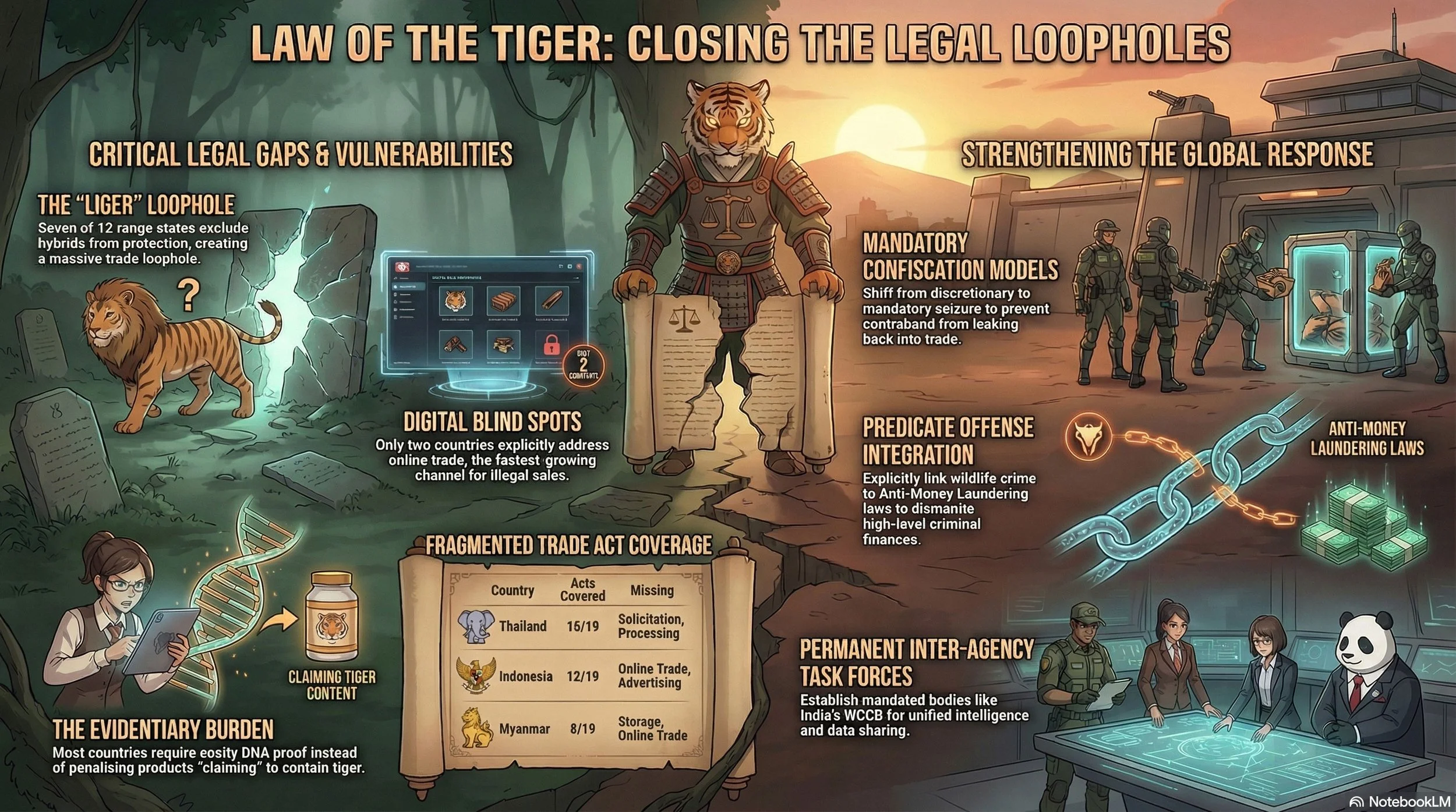
This report, titled Law of the Tiger, provides a comprehensive 2025 analysis of the legal frameworks governing tiger trafficking across twelve range states. It evaluates how national laws address critical issues such as interagency enforcement, mandatory confiscation, and the regulation of captive breeding facilities. The authors identify significant legal gaps regarding digital marketplaces, the status of hybrid tigers, and the management of confiscated stockpiles. To combat the transnational organized crime of wildlife trade, the document advocates for standardized definitions, enhanced investigative powers for frontline officers, and the integration of anti-money laundering tools. Ultimately, the publication serves as a guide for governments to harmonize their criminal justice responses and strengthen protections for wild tiger populations.

This article describes a monumental conservation initiative in Kazakhstan aimed at restoring the tiger population after more than seven decades of absence. To prepare for the predators’ arrival, the government and international partners have launched a massive reforestation project, planting tens of thousands of trees to create a sustainable habitat in the South Balkhash region. While two captive Amur tigers are already being used for breeding, the program anticipates the arrival of wild tigers from Russia by 2026. The strategy also includes efforts to rebuild prey populations and implement safety measures to ensure peaceful coexistence with local communities. This multifaceted approach seeks to revive a functioning ecosystem by reintroducing its most iconic apex predator.

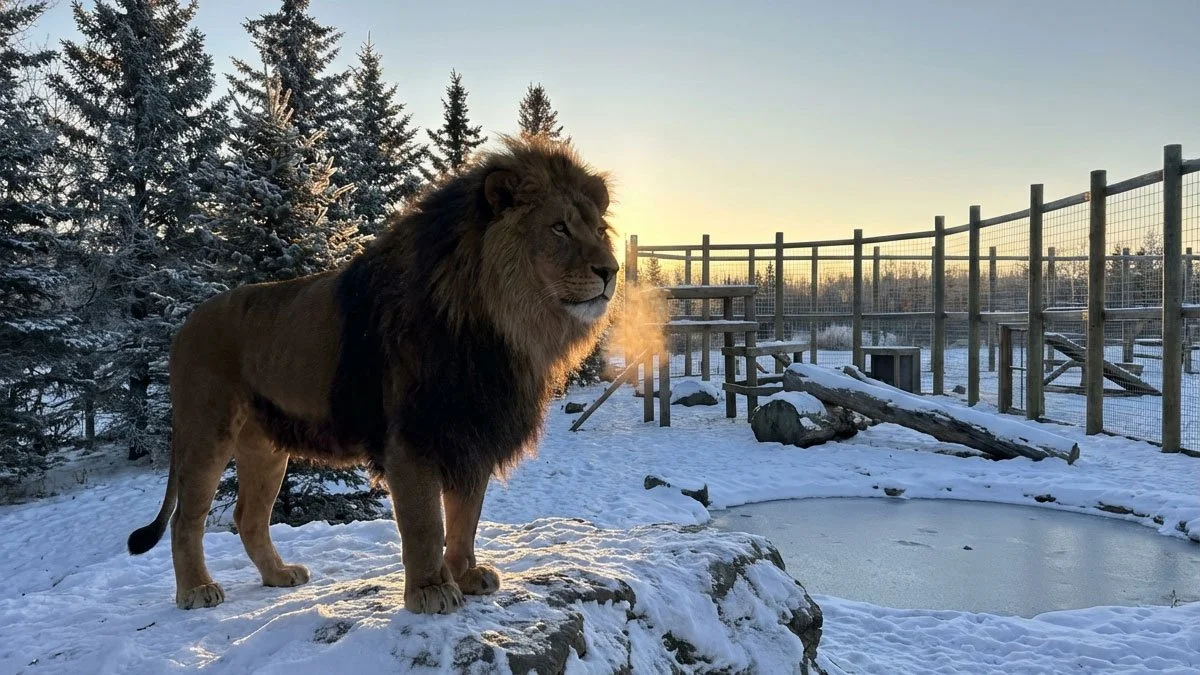
Muskoka facility becomes Canada's first big cat sanctuary as CTV investigation exposes roadside zoo abuses. New law ends private ownership of lions and tigers.
Read more: https://news.mongabay.com/short-article/thailands-second-tiger-population-stable-but-barriers-to-expansion-persist/
