AdvoCat 2026 09

AdvoCat 2026 06
The June 2026 AdvoCat Newsletter from Big Cat Rescue covers the latest in wild cat conservation: Stanford research on mountain lions reshaping suburban ecosystems, Kyrgyzstan's new 2-million-acre snow leopard corridor, the first documented sand cats in Libya, Bengal tiger reintroduction plans for Cambodia, and the alarming pace of tiger poaching across Asia. Stay informed and take action for wild cats worldwide.
The Corbett Foundation
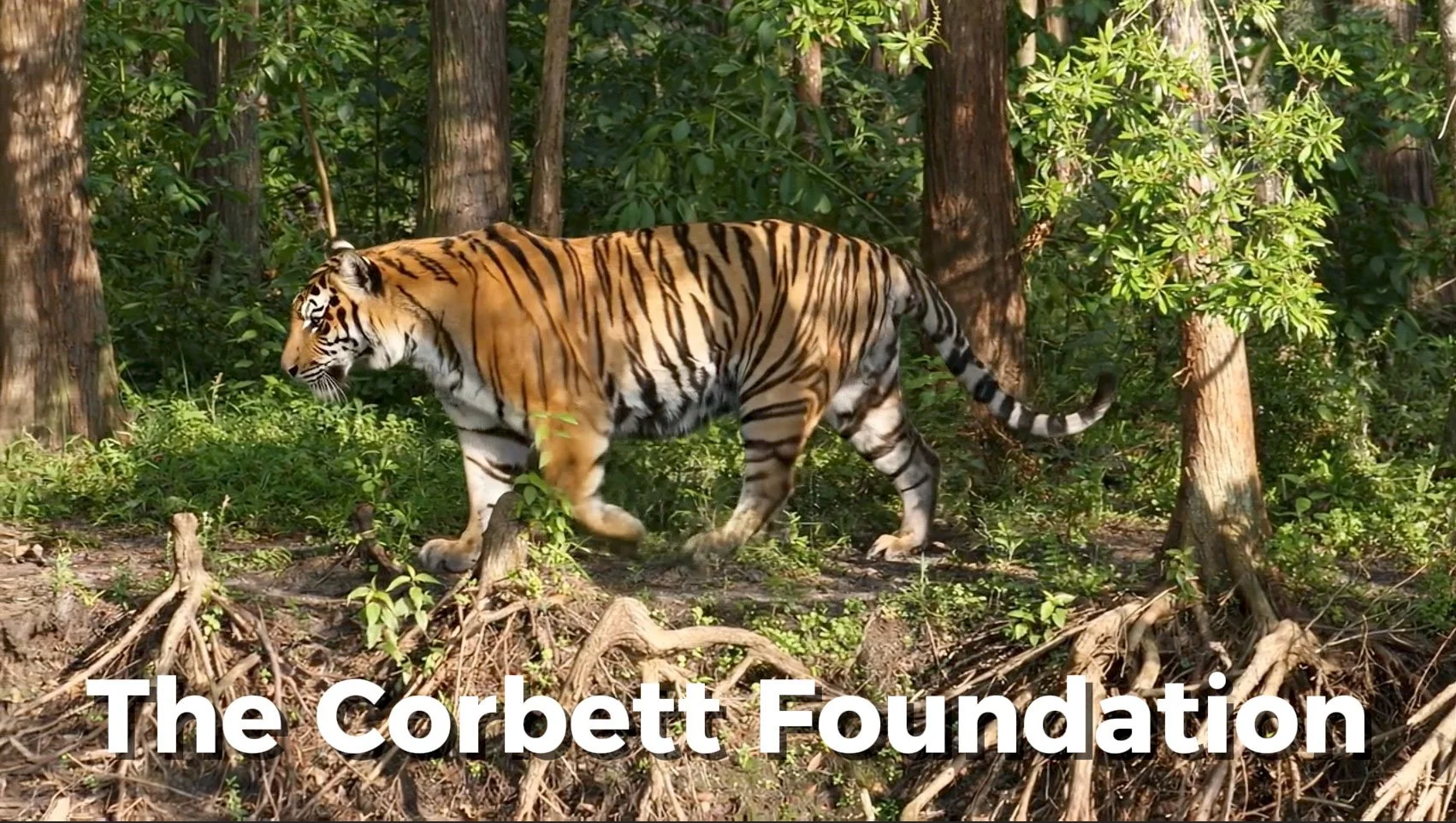
The 2024-25 Annual Report commemorates the 30th anniversary of The Corbett Foundation (TCF), an Indian non-profit established in 1994 to foster human-wildlife coexistence. The document highlights TCF’s expansion from its origins in Uttarakhand to nine distinct landscapes across seven states, focusing on the protection of threatened species like tigers, elephants, and vultures. Key initiatives detailed include the Livestock Compensation Programme, which prevents retaliatory killings, and extensive habitat restoration efforts that have revived thousands of hectares of forests and grasslands. Beyond ecology, the foundation integrates community well-being through rural medical outreach, sustainable livelihood training, and the distribution of green energy solutions. By combining scientific research with grassroots engagement, TCF aims to secure India’s natural heritage while improving the lives of people residing near protected wilderness areas. Collaborative partnerships with government agencies and international conservation bodies remain central to their mission of balancing environmental integrity with social development.

Bengal Tigers May Return to Cambodia
Cambodia lost its wild tigers to poaching and was declared tiger free in 2016. Now a plan to reintroduce Bengal tigers from India into the Cardamom Mountains is moving forward. Conservation scientists warn that prey density may be too low, that snaring and poaching remain rampant, that logging and five new hydropower dams threaten the habitat, and that local and Indigenous communities have not been properly consulted. Learn what the tiger reintroduction plan means for wild tigers, for the Cardamom rainforest, and for the people who depend on it, and why getting it right matters for big cat conservation.
Two Wild Tiger Moms
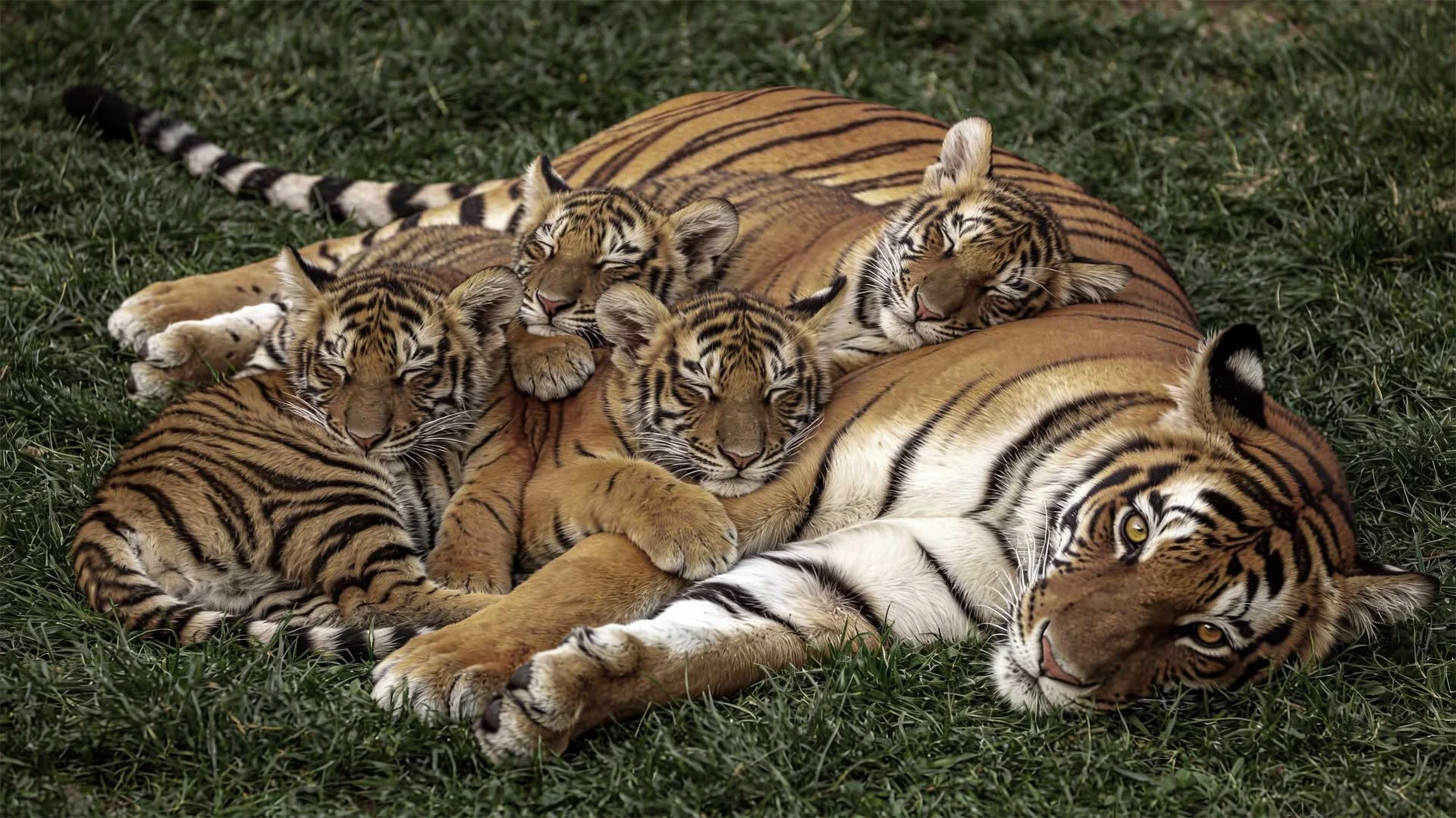
New BBC Earth footage shows two wild Bengal tigers, Goma and Jugini, co-parenting and babysitting each other's cubs, a behavior long thought impossible for these solitary big cats. Learn what wildlife researchers discovered on Tiger Island, why tiger mothers may share parenting to protect cubs from adult males, and how the rare 2006 story of male tiger T-25 raising orphaned cubs in Ranthambore National Park fits the pattern. Big Cat Rescue explains what this rare cooperative behavior reveals about tiger intelligence, social flexibility, and why these endangered cats deserve protection.

Icarus - International Cooperation for Animal Research Using Space
The Icarus satellite system, built by the Max Planck Institute of Animal Behavior, is creating an Internet of Animals. Tiny tags track location, movement, heart rate, and body temperature, then send the data to satellites in low Earth orbit. Scientists are training algorithms to recognize the panic patterns animals show when poachers approach, turning tagged herds into a live early warning network. For wild cats like cheetahs, leopards, tigers, lions, and Florida panthers and bobcats, this could mean protection across vast and remote landscapes that no single ranger could ever watch. Learn how Big Cat Rescue is following the Icarus project and how satellite tracking could change the future of wild cat conservation.