Guigna Facts
See a playlist of this species at https://bigcatrescue.org/videos
The survival of guigna (also known as the guiña or kodkod) populations is currently threatened by a complex interplay of habitat degradation, direct anthropogenic conflict, and biological vulnerabilities. While recent assessments have downlisted the species to "Least Concern" due to improved data, they emphasize that these threats remain active and significant.
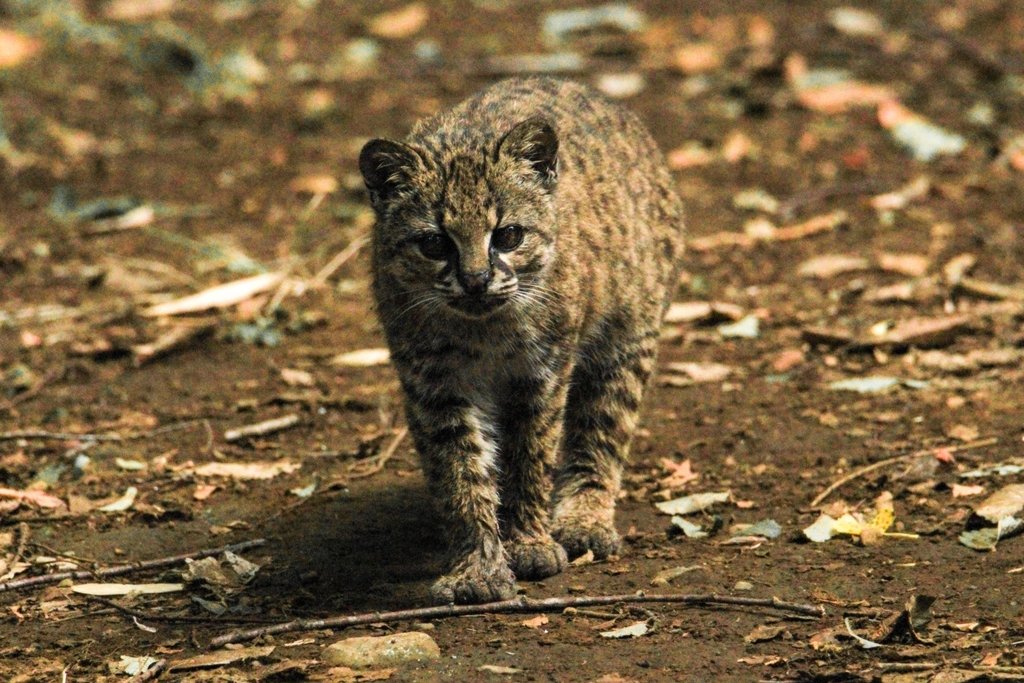
Guigna
The primary factors threatening guigna populations include:
Habitat Loss, Fragmentation, and Degradation
Habitat-based threats are considered the most important drivers of guigna population decline.
Land Conversion and Urbanization: Historically, vast areas of native forest have been lost to logging, agricultural conversion, and livestock activities. More recently, urban expansion and peri-urban sprawl have significantly increased, leading to further fragmentation.
Monoculture Plantations: In central and south-central Chile, native forests have been heavily converted into exotic pine and eucalyptus plantations. While guignas show some tolerance for these secondary habitats, they often require a native understory to survive there.
Loss of Connectivity: Fragmentation forces guignas to use narrow vegetation corridors. Without these, populations become isolated, which hinders dispersal and increases the risk of local extinction.
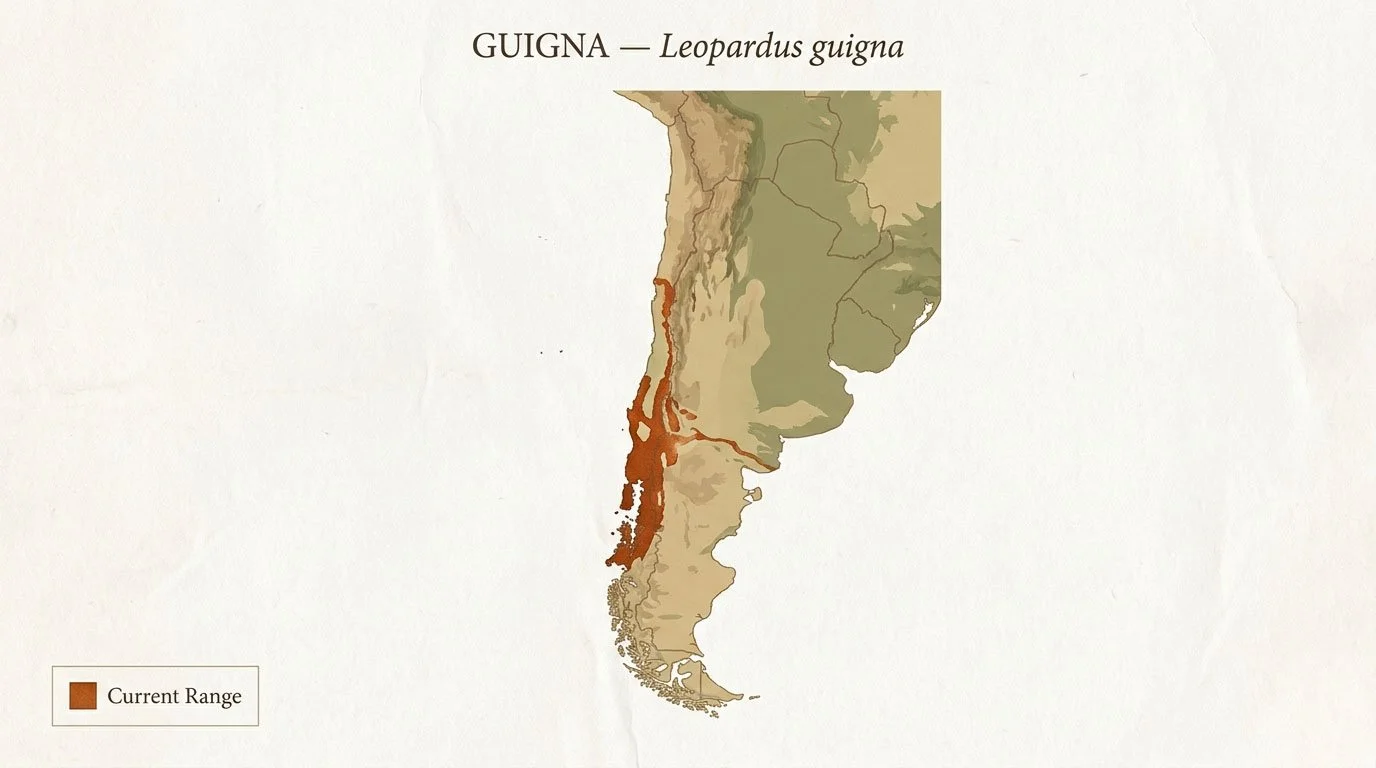
Guigna-Range-Map
Direct Anthropogenic Mortality
Guignas face several direct threats from human presence and infrastructure:
Retaliatory Killing: Farmers often kill guignas to protect their poultry. Estimates suggest up to 20 cats per day may be killed in Argentina and Chile due to these conflicts.
Roadkill: Vehicle strikes are a major source of mortality, particularly in fragmented landscapes where cats must cross roads to find water or new territory.
Domestic Dog Interactions: Attacks by free-roaming and domestic dogs are a noted cause of severe injury and death for guignas brought to rescue centers.
Biological and Environmental Threats
Stochastic Forest Fires: Fires are a major driver of primary habitat loss. They are expected to increase in frequency and severity due to climate change, particularly threatening the Northern subspecies (L. guigna tigrillo).
Disease Transmission: Guignas in human-perturbed landscapes are vulnerable to pathogens from domestic cats and dogs, including Feline Immunodeficiency Virus (FIV), Feline Leukemia Virus (FeLV), and deadly Parvovirus.
Genetic Vulnerability: Populations in the northern and central parts of their range suffer from low genomic diversity and high homozygosity. This lack of genetic variation, stemming from past population bottlenecks, reduces their ability to adapt to environmental changes.
Drought: Especially in central Chile, severe drought impacts the species by reducing available water and prey, forcing cats to travel closer to human settlements and roads.
To understand the guigna's situation, imagine a small village where the only road in or out is constantly being narrowed and broken into smaller pieces. While the villagers are resilient and have learned to use the narrow alleys, they are now more likely to run into dangerous traffic, catch illnesses from visiting tourists’ pets, or face conflict with neighbors as they search for food in shrinking spaces. Each of these problems on its own is a challenge, but together, they create a fragile environment where one major accident—like a forest fire—could cut the village off entirely.
Question: Can I keep a guigna as a pet?

See Conservation Work Funded By Big Cat Rescue here:
2023 Saving the Guigna in San Vicente de Tagua Tagua
Project goal is saving the smallest cat of South America the Güiña from drought in central Chile (San Vicente de Tagua Tagua). Objectives are: 1. Install camera traps for monitoring the paths that the Güiña uses frequently and choose the best spots to place the water. 2. Install water drinkers in areas where the target species is a frequent visitor. 3. Design and print educational material of free distribution for the local community to learn about the importance of our wildlife. Most of the funds would be spent on camera trapping costs. The drinkers are supplied from a hose that is connected to a cistern filled by a stream 1/4 mile up the mountain. Several drinkers are filled from the same catchment. The drinkers hold water without overflowing but refill when the water level drops from the cats drinking it. Having these drinkers strategically located significantly reduces roadkill because the cats do not need to cross roads to find water. Click Guigna San Vicente Chile on the map to see the video.
2023 Saving Guigna Using Dog / Human Sounds
One of the biggest challenges to wild cats is conflict with resident human populations, particularly when the cats prey on livestock. This project aims to test a device which plays dog and human sounds as an auditory repellent to deter guigna from approaching backyard poultry. Specifically, each auditory device connected to a trail camera in video mode will be placed in a sampling station with available food. Guignas approaching the station will be faced with human, dog and control sounds and their behavior will be recorded during 30 seconds. In order to understand if specific sounds increase risk perception of guignas, the researchers will measure the following behaviors: visitation rate, flight response (goes away), time spent on vigilance and foraging while recorded at the station. They will analyze changes in the risk perception of guignas comparing the different sounds. If proven successful, this method will be a new low-cost effective non-lethal technique to reduce human-carnivore conflicts, applied specifically for guigna conservation.
All conservation insitu work: https://bigcatrescue.org/insitu/
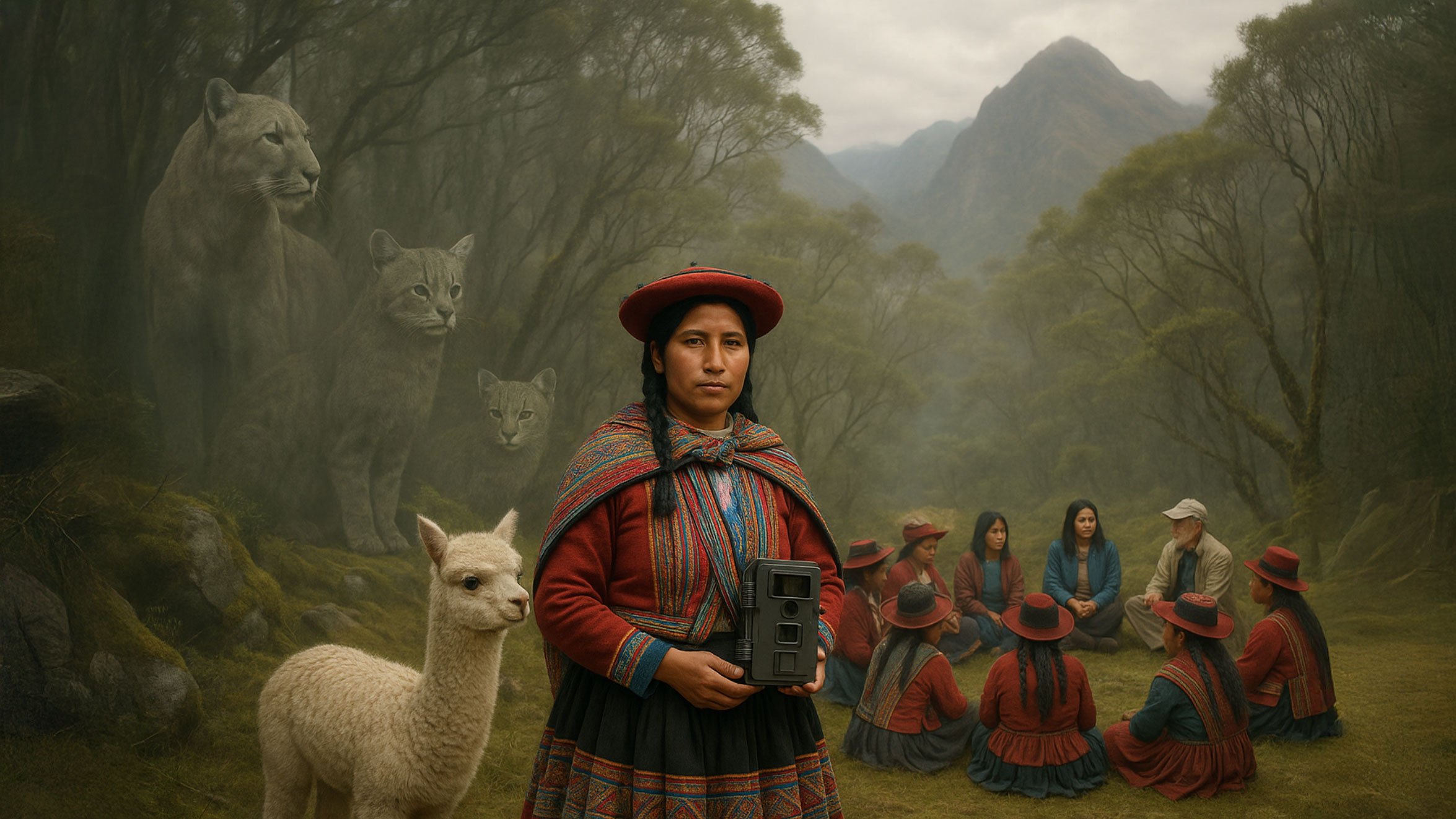

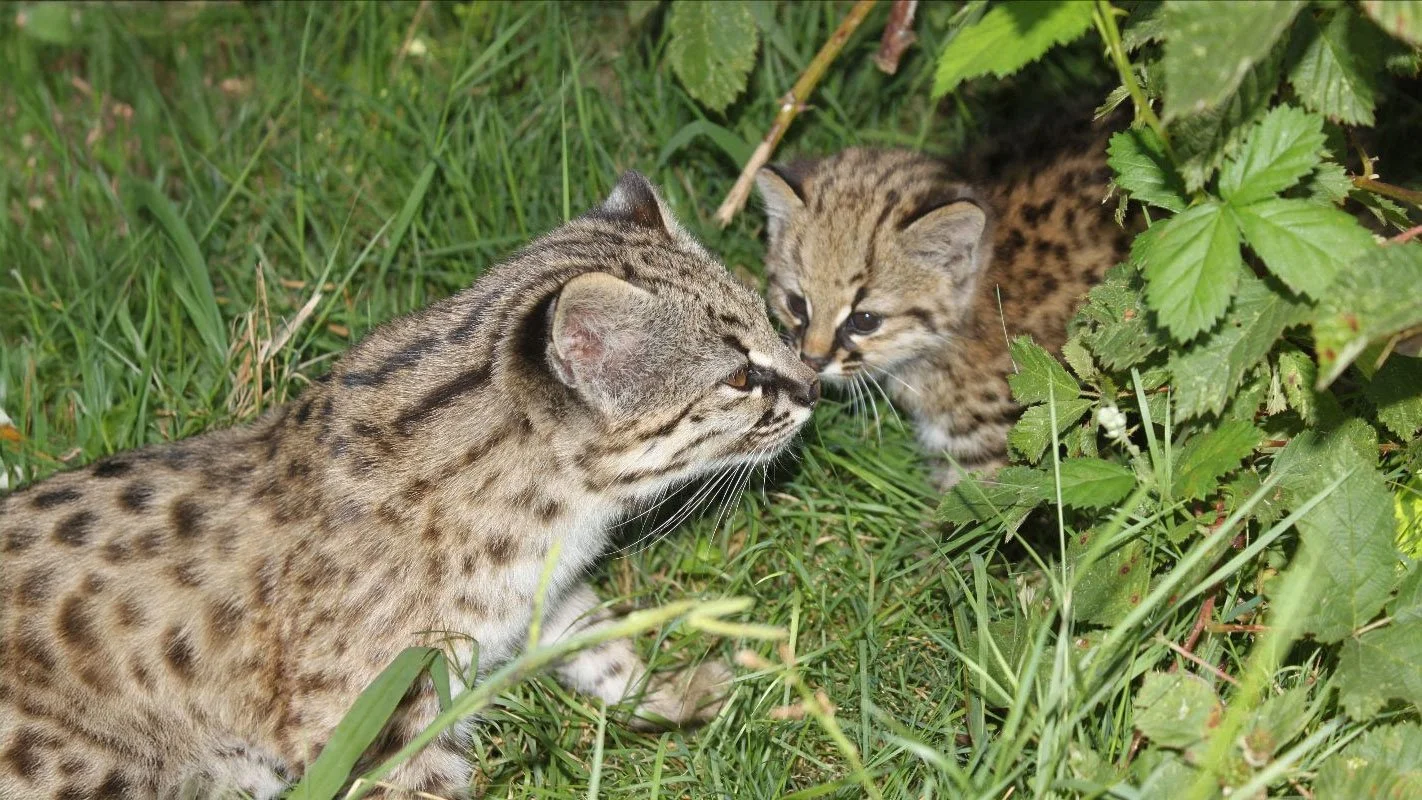

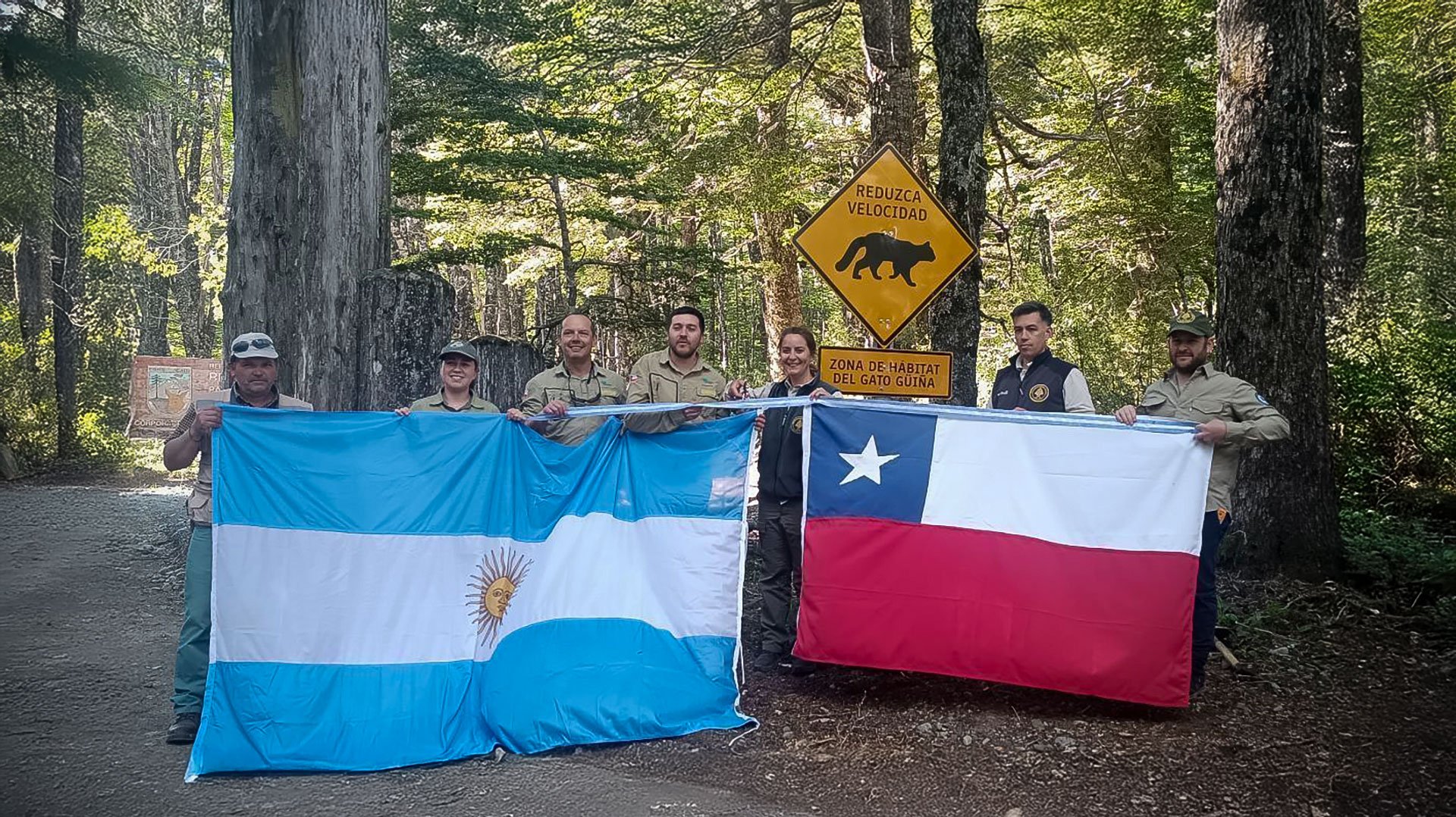


Fernando Vidal has dedicated the past 24 years to rescuing and protecting Chile's endangered native wildlife. In 2000, Fernando and his wife, both former airline employees, used their life savings to purchase land and establish a reserve for animals in need. Their primary focus has been on threatened species like pumas, guiñas, pudus (the world's smallest deer), and huemuls.