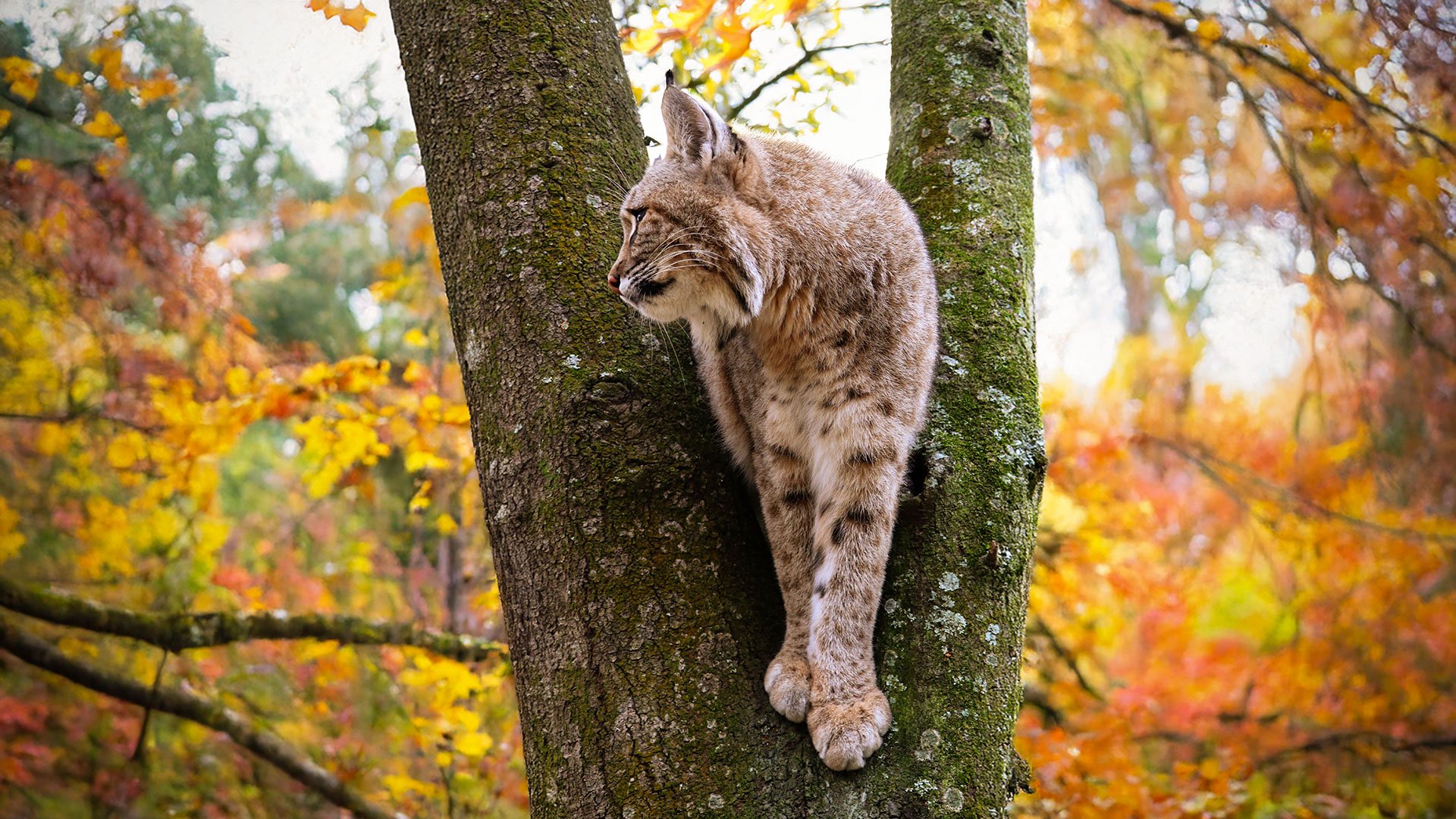
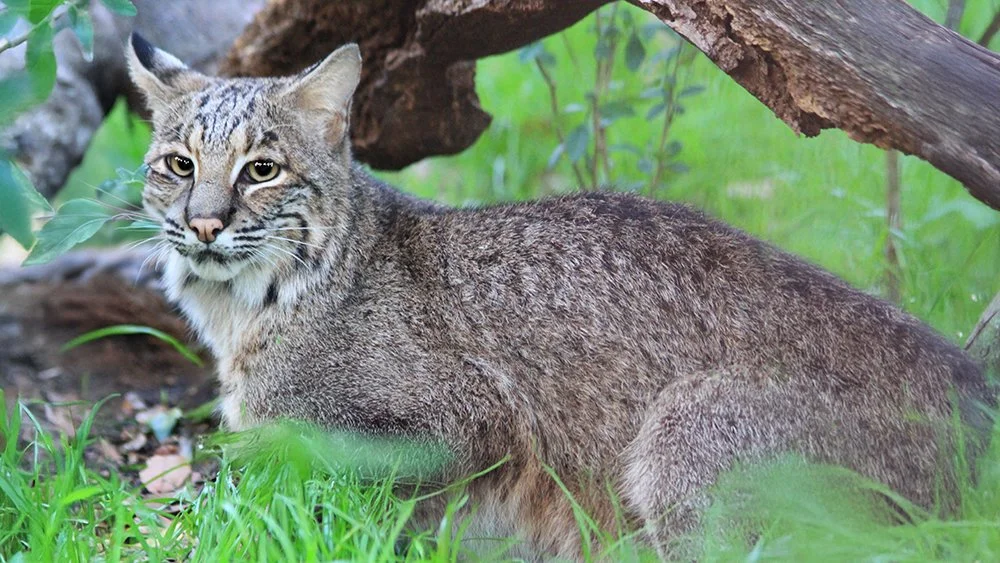
Precious Bobcat in a tree at Big Cat Rescue
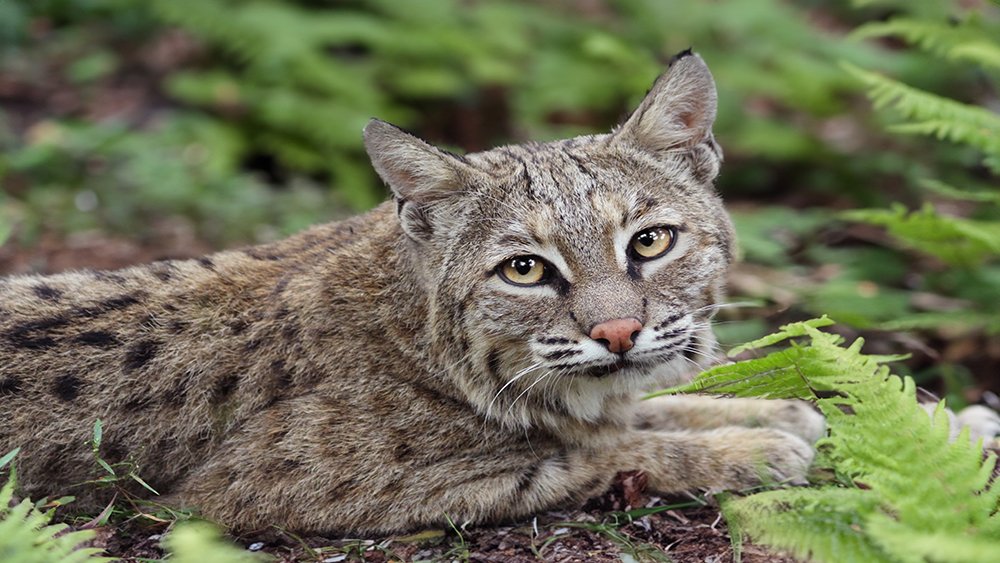
Bobcat

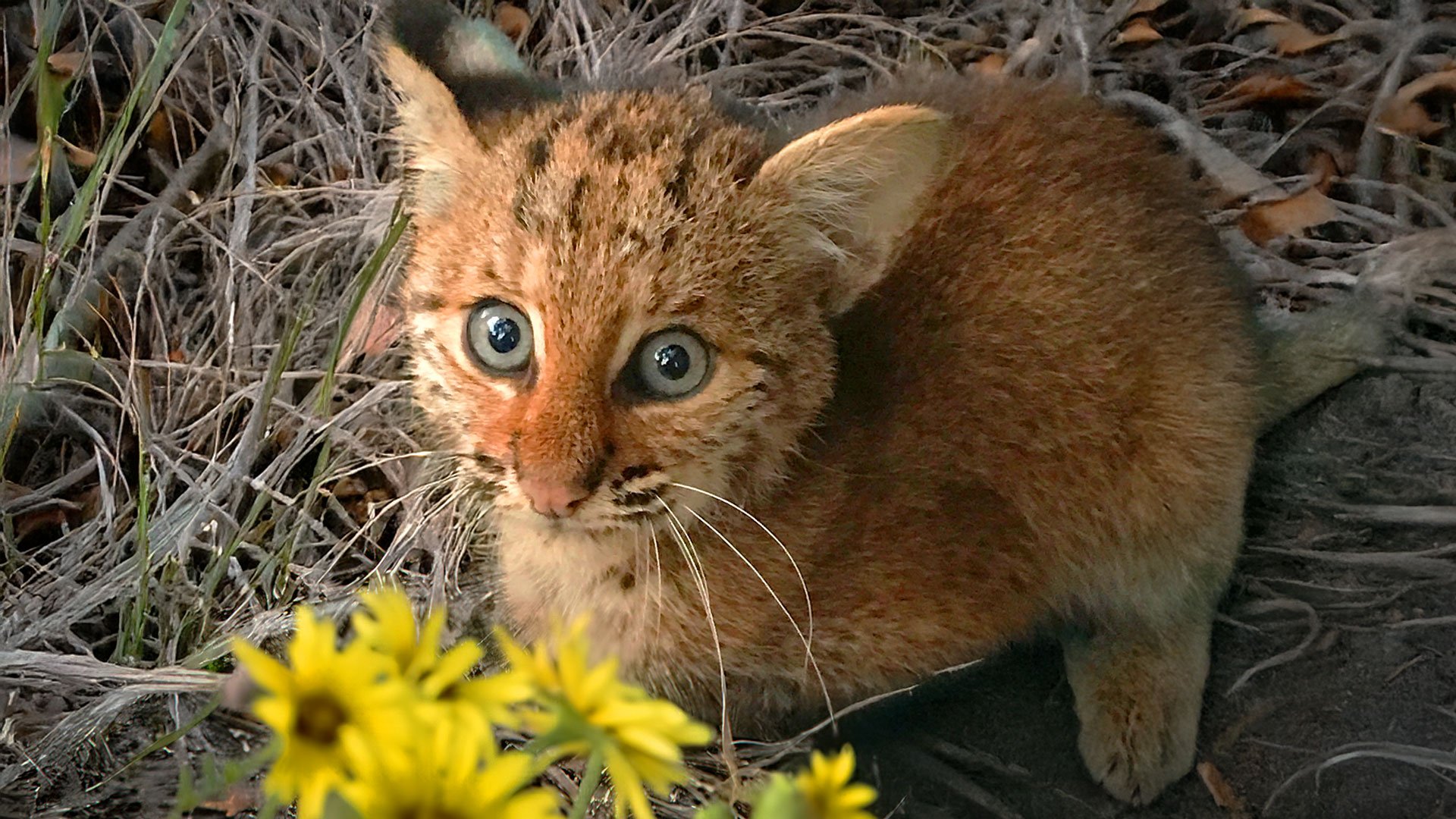
Bobcat kitten
Quick Facts
Common Name: Bobcat
Scientific Name:Lynx rufus
Kingdom: Animalia
Phylum: Chordata
Class: Mammalia
Order: Carnivora
Family: Felidae
Genus:Lynx
Conservation Status: Least Concern (IUCN)
Population Trend: Stable
Appearance
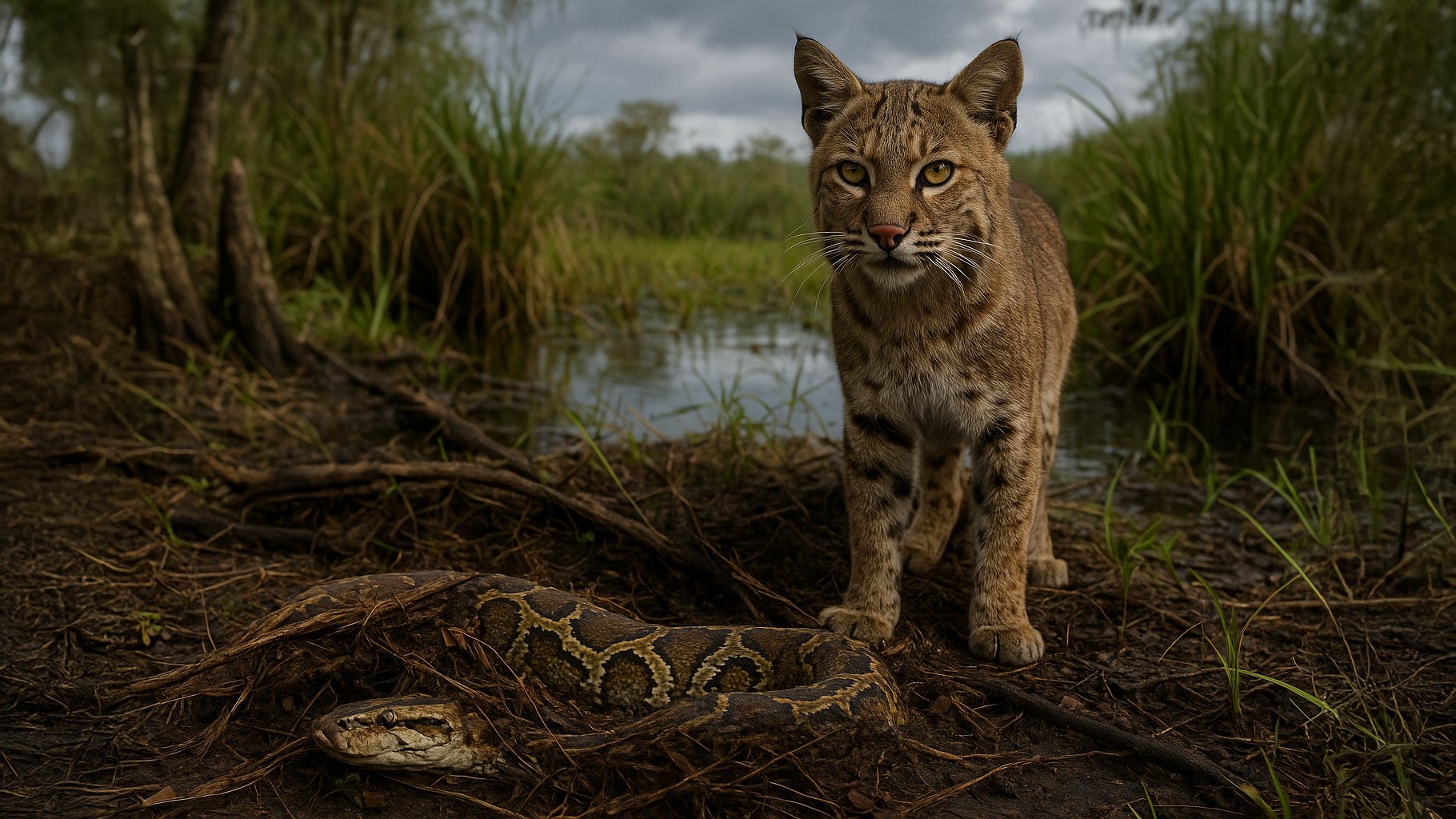
The bobcat is a sturdy, medium-sized feline easily recognized by the prominent ruff of hair that frames its face and its namesake "bobbed" tail. These cats typically weigh between 13 and 30 pounds, standing about 21 inches tall and stretching 30 to 50 inches in length. Generally, individuals found in northern regions are larger than those in the south.
Their fur acts as perfect camouflage, ranging in color from light gray and yellowish-brown to buff and reddish-brown. While all bobcats possess some degree of spotting—often most visible on the underbelly—southern populations tend to be more heavily spotted with smaller markings. A key way to distinguish a bobcat from its cousin, the Canada lynx, is the tail: a bobcat’s tail is black on the top and white on the bottom, whereas a lynx’s tail tip is solid black all the way around. Though rare, both all-black (melanistic) and all-white (albinistic) variations have been documented, with melanistic individuals notably appearing in Florida.
See a playlist of this species at https://bigcatrescue.org/videos
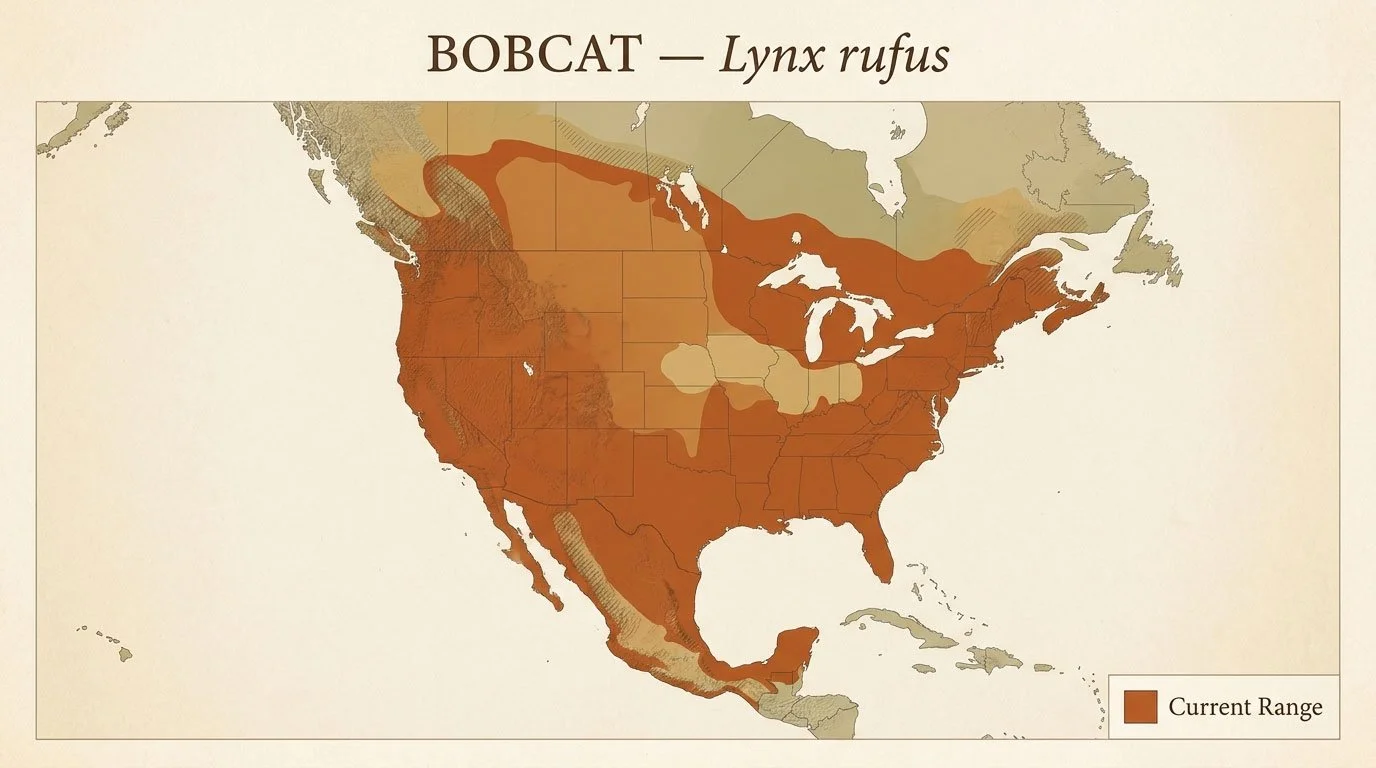
Bobcat-Range-Map
Habitat and Range
Bobcats are incredibly resilient and occupy the widest range of any native North American cat. They are found from southern Canada across nearly every state in the continental United States and extending deep into Mexico, reaching as far south as Oaxaca and Michoacán.
Their adaptability allows them to thrive in diverse ecosystems at elevations ranging from sea level up to 3,500 meters. These habitats include:
Boreal and coniferous forests
Hardwood forests and coastal swamps
Open grasslands and savannas
Arid deserts and scrublands
Diet and Behavior
Bobcats are solitary and highly territorial animals. While a male’s territory may overlap with those of several females and even other males, females maintain exclusive home ranges. They communicate through a variety of vocalizations, including purrs, hisses, snarls, and growls.
As opportunistic hunters and scavengers, bobcats are "natural-born survivors" with a diverse diet. While their primary prey consists of rabbits and rodents, they also hunt:
Birds and bats
Beavers and peccaries
Deer
Small livestock (if available)
Reproduction
The breeding season for bobcats typically runs from December through April. Following a gestation period of 50 to 70 days, a female will give birth to a litter of one to eight kittens, though the average size is two to three.
At birth, kittens weigh between 9.75 and 12 ounces and remain blind for about the first six days of life. They are weaned by four months and stay with their mother to learn essential hunting skills. Females generally reach sexual maturity at 12 months, while males reach maturity at 24 months. In the wild, bobcats usually live 12 to 13 years, though they can thrive for over 20 years in specialized sanctuary care.
Threats
Despite their stable population, bobcats face several modern challenges driven largely by human activity:
Habitat Loss: Encroachment from residential, commercial, and industrial development destroys essential territory.
Agricultural Expansion: Large-scale crop farming and livestock ranching fragment the landscapes they rely on.
Infrastructure: Roadways and transportation corridors are major sources of mortality and habitat isolation.
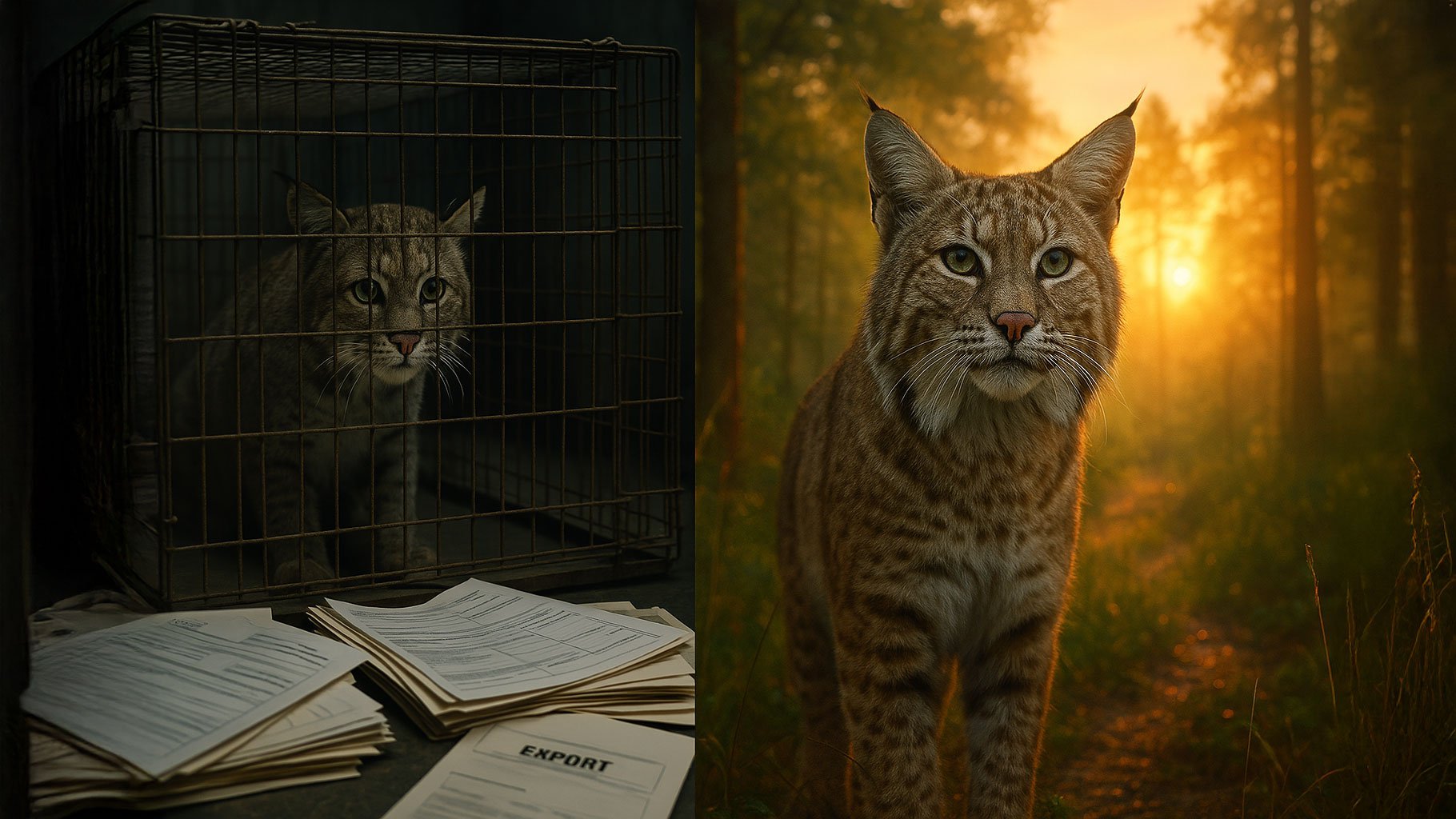
Exploitation: Bobcats remain one of the most heavily traded wild cats. They are hunted and trapped for the international pelt trade and sport, with tens of thousands "harvested" annually.
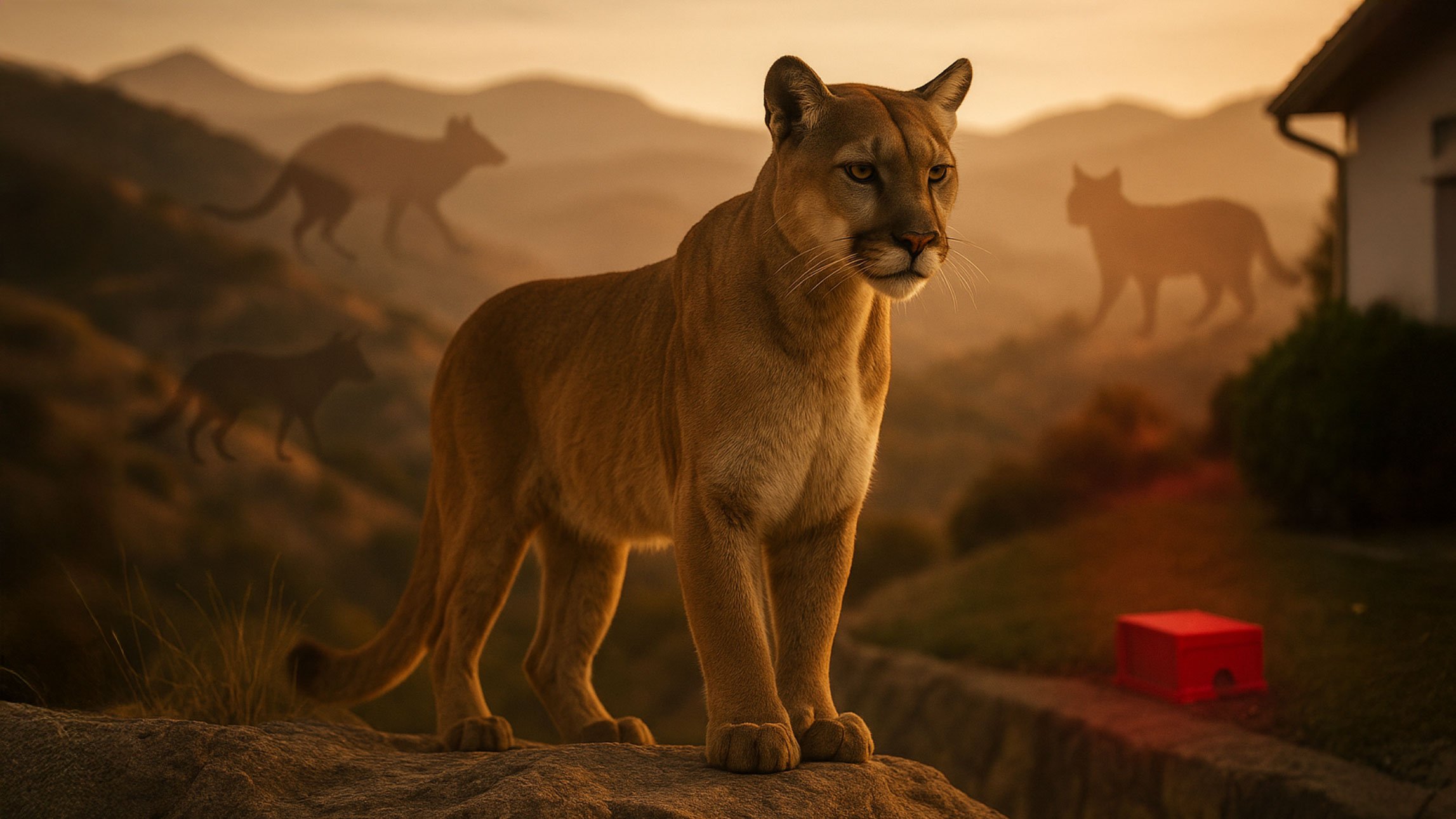
Biological Hazards: Bobcats are susceptible to viral diseases and the indirect effects of rat poisons (anticoagulant rodenticides), which can weaken or kill them.
Question: Can I keep a bobcat as a pet?
Conservation Efforts
The bobcat is currently classified as a species of Least Concern by the IUCN, and its global population is considered stable. To ensure their long-term survival, they are protected under CITES Appendix II, which monitors and regulates international trade to prevent over-exploitation.
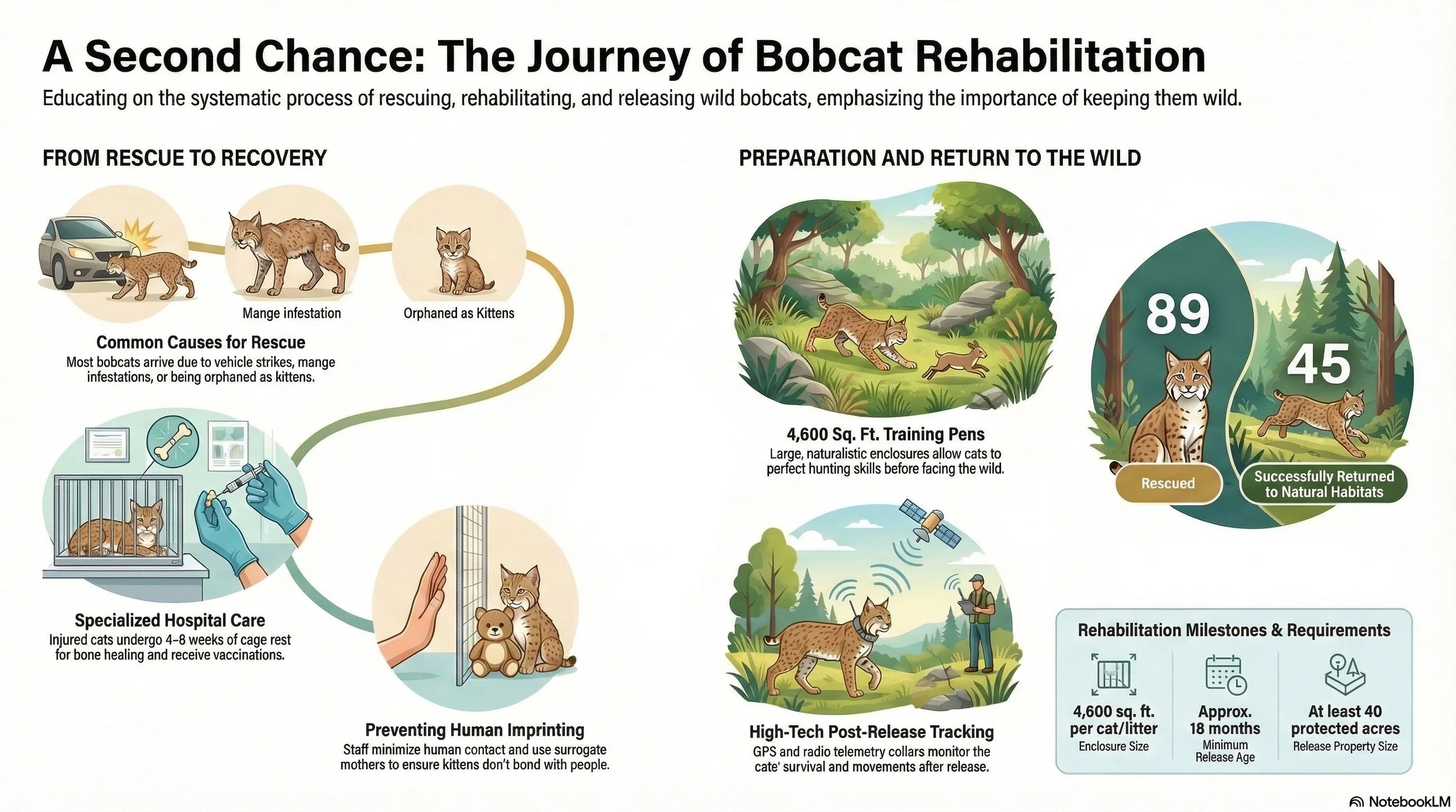
Conservation groups are actively working to protect bobcat corridors and implement harvest management plans. Current research includes high-tech tracking and collaring programs to better understand how bobcats navigate human-dominated landscapes. By supporting habitat preservation and advocating for stronger trapping regulations, we can ensure these fierce and beautiful felines remain a vital part of the North American wilderness.
Expert Insight: Think of the bobcat as the "Swiss Army knife" of the feline world. While other cats are specialists, the bobcat has evolved to be a generalist—capable of surviving in almost any environment and eating almost any prey, which is exactly why they have remained successful even as the world changes around them.

See Conservation Work Funded By Big Cat Rescue here:
2023 Saving Bobcats
6/4/2023 Michael Levin PhD student at Columbia University overseen by Laurel Serieys, who works with Panthera’s small cat team are collaring bobcats to learn more about the threats they face and ways to mitigate those threats.
All conservation insitu work: https://bigcatrescue.org/insitu/