Snow Leopard Facts

Quick Facts
Common Name: Snow Leopard (also known as the "Ounce" or "Ghost of the Mountains")
Scientific Name: Panthera uncia
Kingdom: Animalia
Phylum: Chordata (Vertebrata)
Class: Mammalia
Order: Carnivora
Family: Felidae
Conservation Status: Vulnerable
Wild Population: Estimated between 2,710 and 3,386 mature individuals
Range: 12 countries across Central Asia
Lifespan: Can remain reproductive in the wild up to age 15
Misc.: This species, like the clouded leopard, is one of those that is somewhere between the small cats and the great cats in that it can’t purr like the small cats and it can’t roar like the true great cats. It makes a happy sound similar to the tiger's chuffing. Hear our chuffs, hisses, snarls, calls, and growl sounds HERE
Appearance
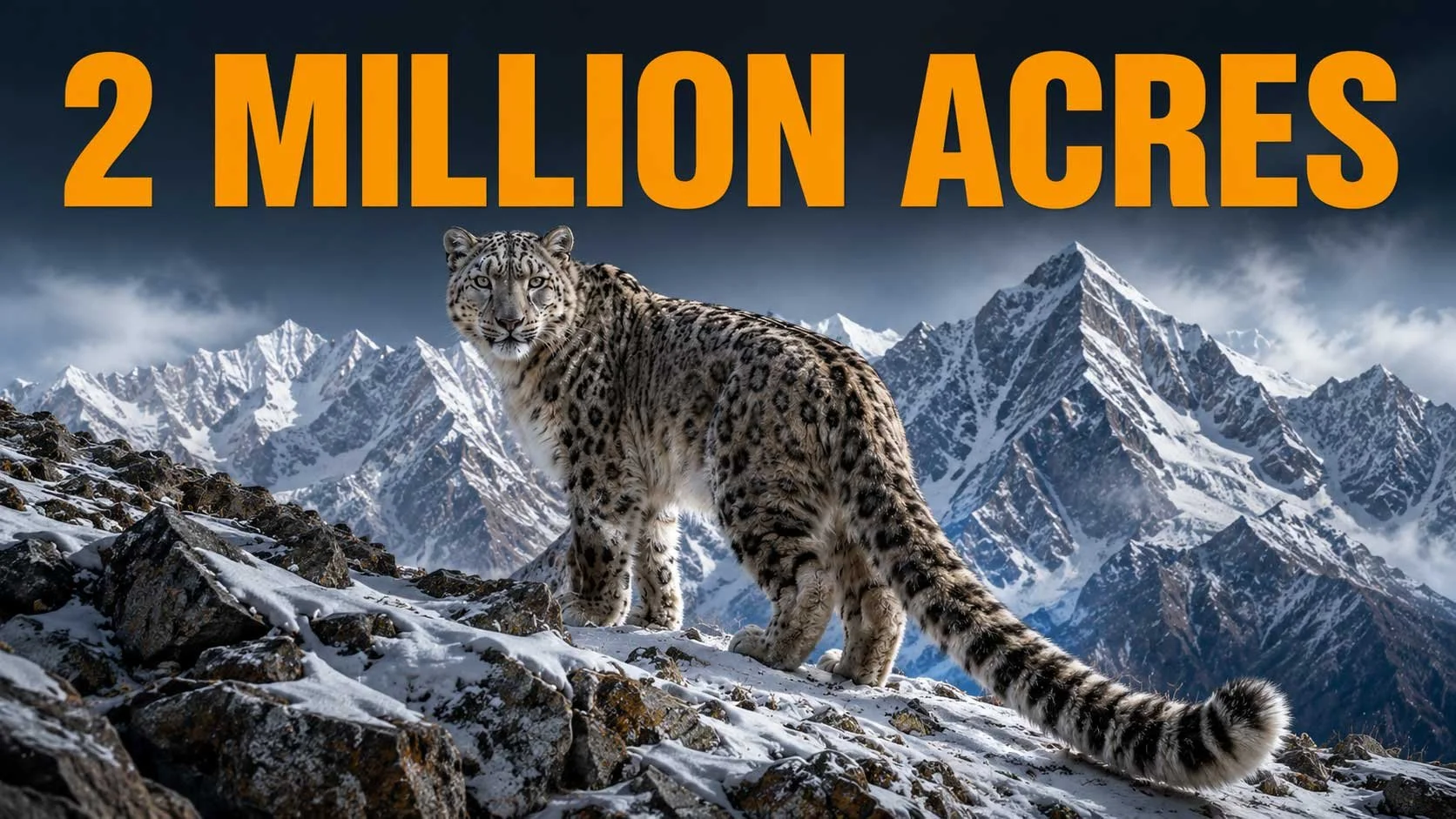
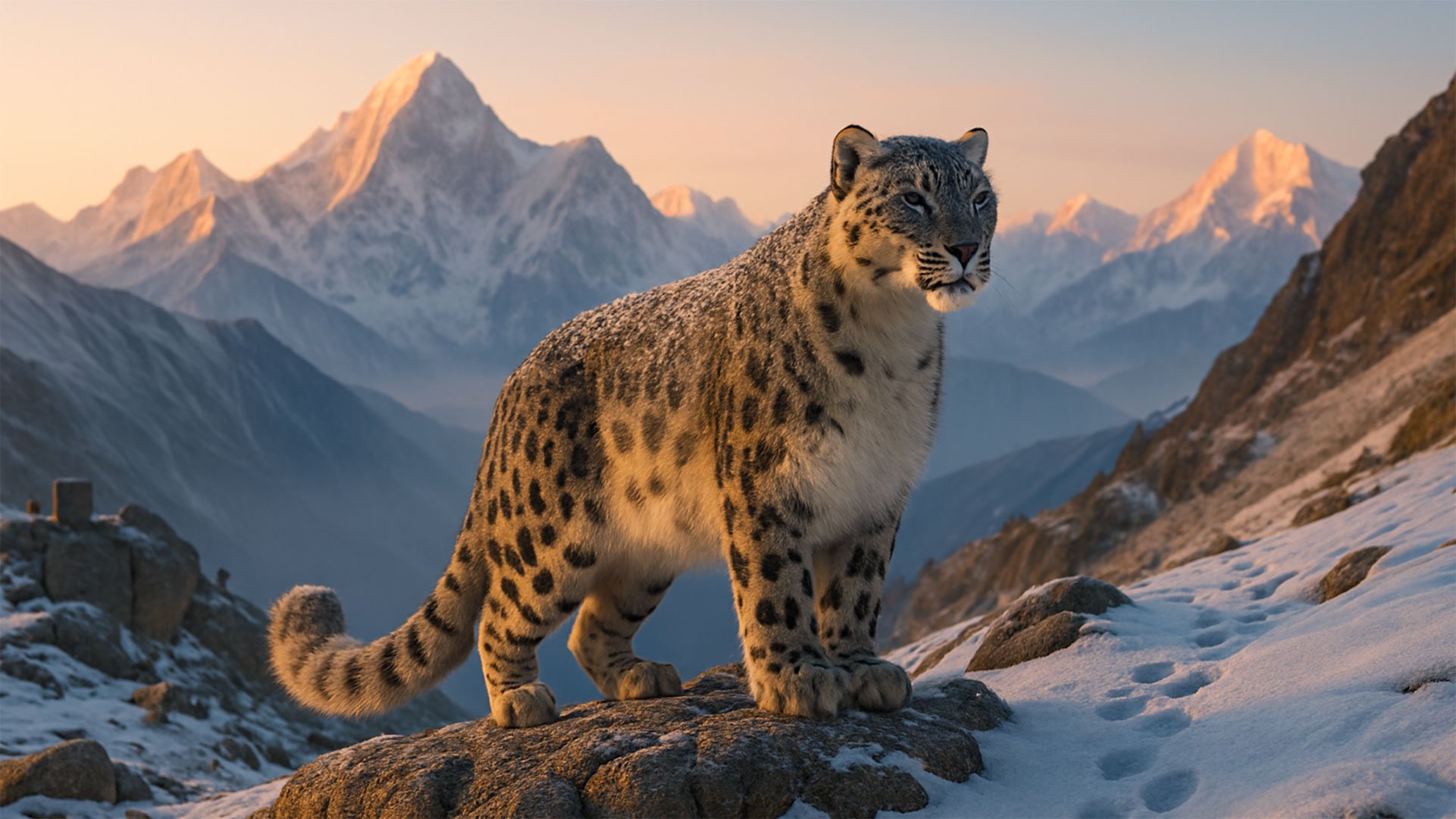
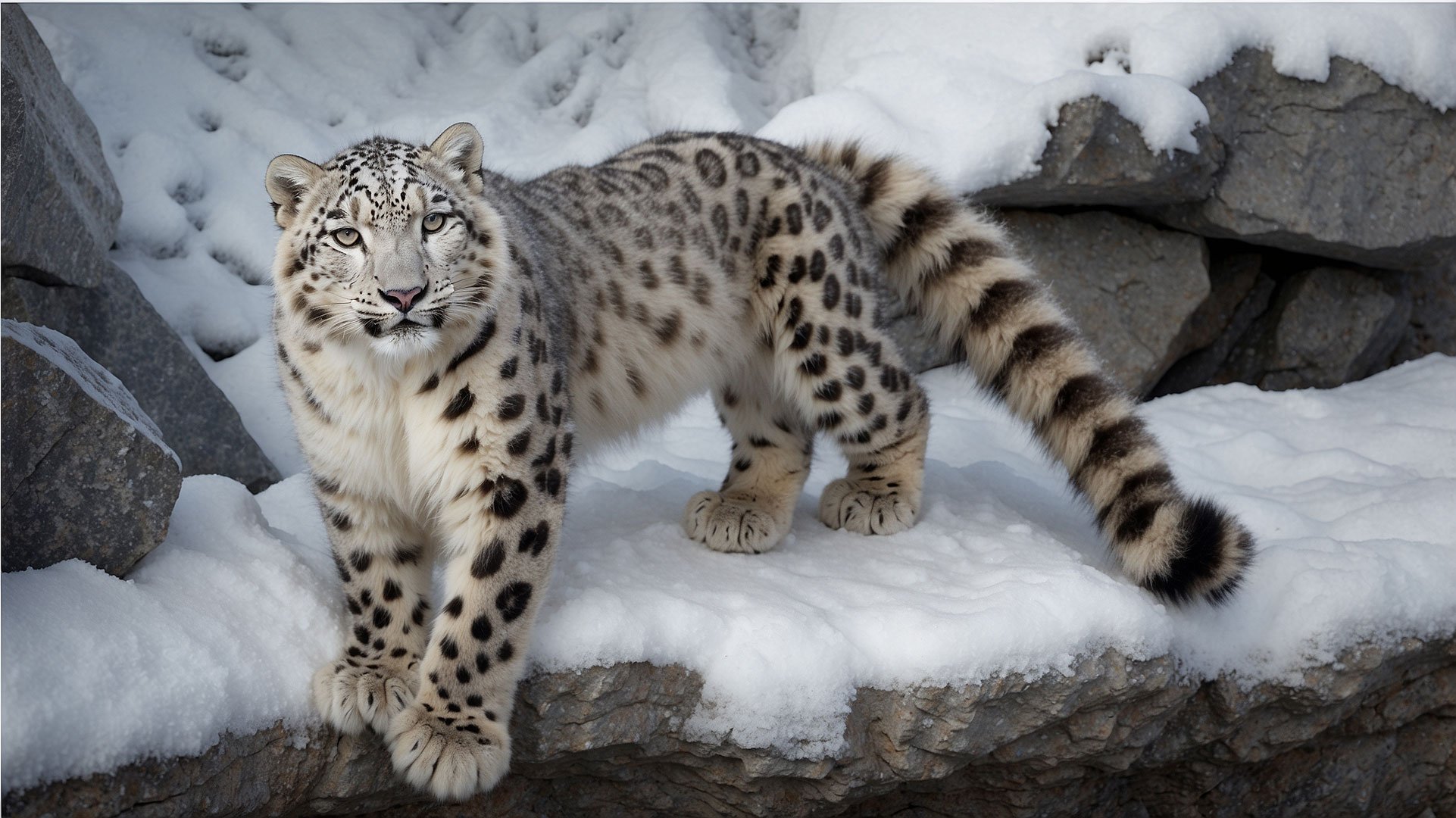
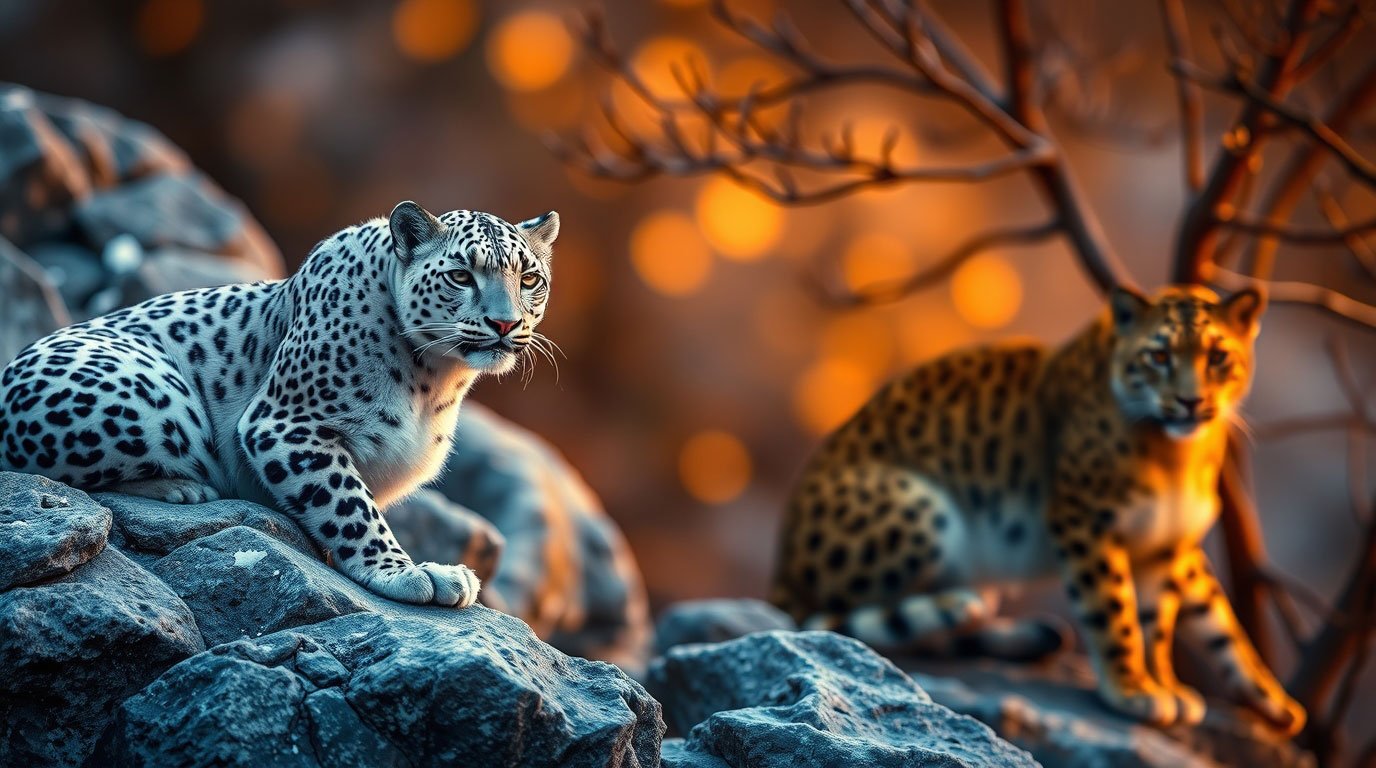
The snow leopard is an evolutionary masterpiece of high-altitude adaptation. Its thick, smoky-gray coat is decorated with dark gray rosettes and spots, providing near-perfect camouflage against the jagged rocks and snow of its mountain home. To survive the extreme cold, these cats possess a dense, woolly undercoat and a large nasal cavity that warms frigid air before it reaches their lungs.
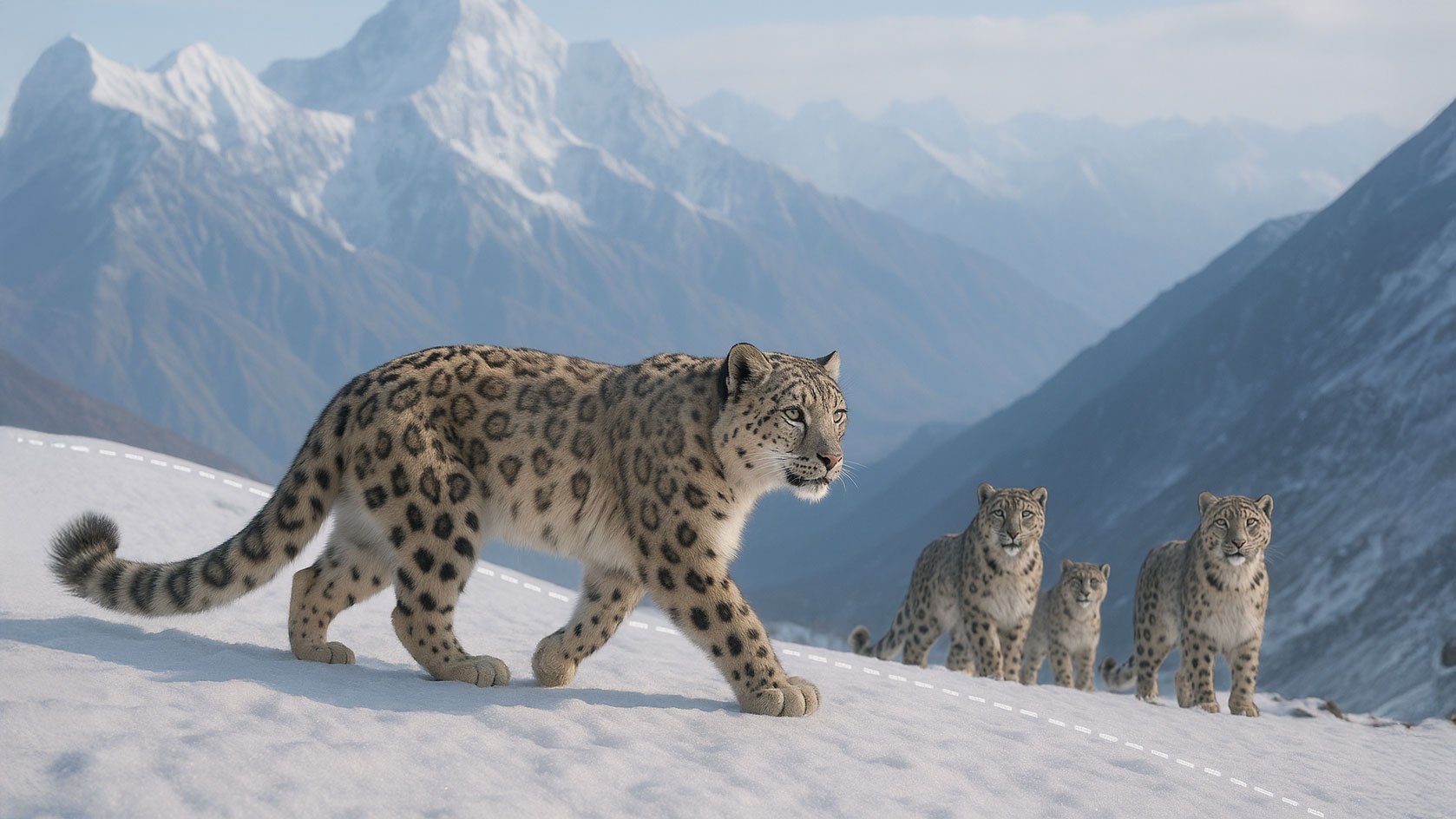
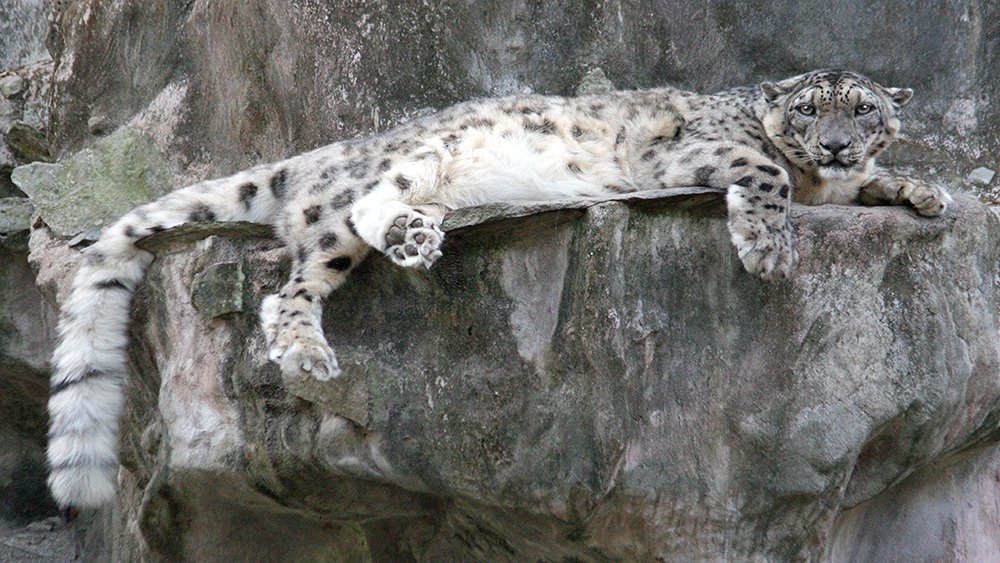
Physically, they are built for power and agility. They have shortened limbs, a broad chest, and massive, fur-covered footpads that act as natural snowshoes, distributing their weight evenly and providing insulation against the frozen ground. Perhaps their most iconic feature is a thick, fur-clad tail that can exceed three feet in length. This tail serves as a vital balancing tool during high-speed chases on steep cliffs and doubles as a warm "muffler" that the cat wraps around its body while resting. Unlike other large cats, snow leopards cannot roar; instead, they communicate through vocalizations such as hisses, growls, and a friendly "chuffing" sound similar to a tiger's.
See a playlist of this species at https://bigcatrescue.org/videos
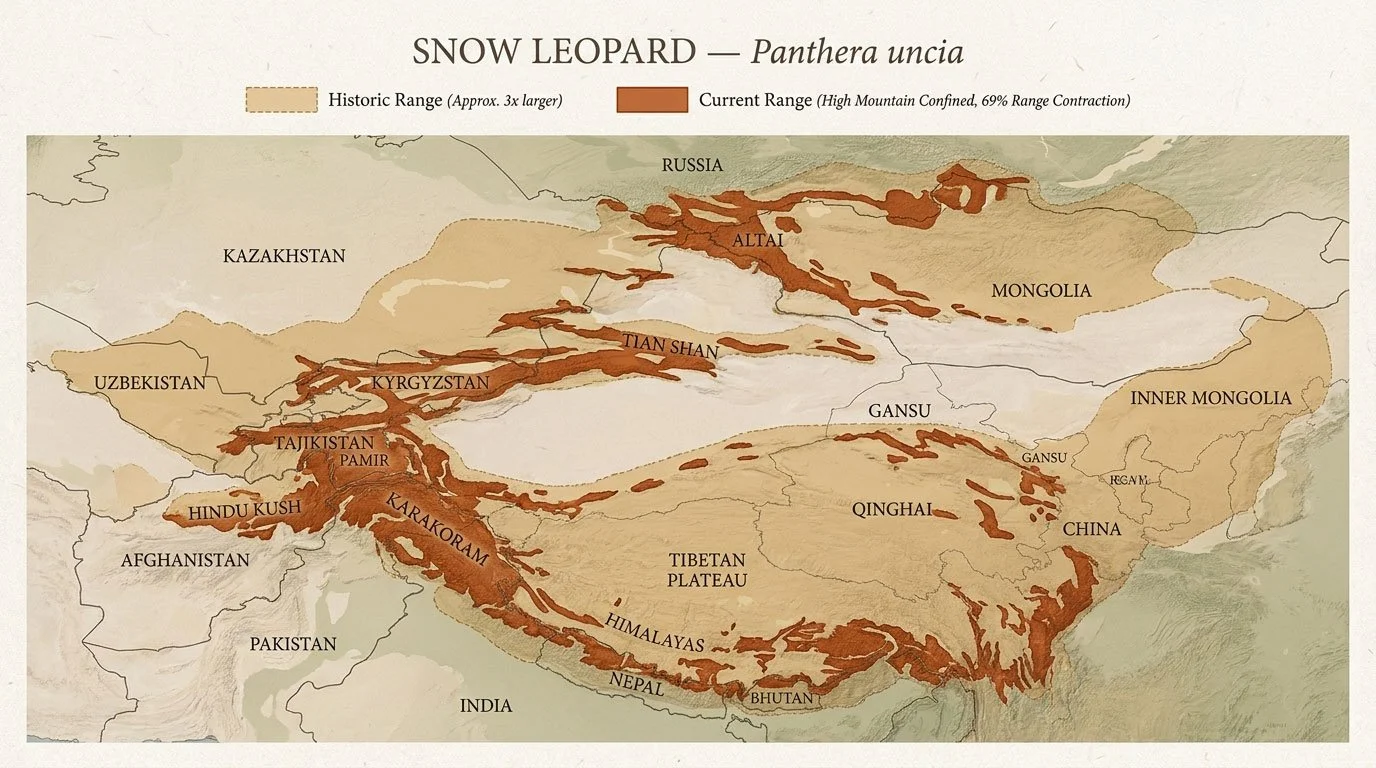
Snow Leopard Range Map
Habitat and Range
Snow leopards are the apex predators of the world’s highest landscapes. Their range spans roughly 2.8 million square kilometers across the mountains of Central Asia, including the Himalayas, the Hindu Kush, and the Altai Mountains. They are found in 12 countries: Afghanistan, Bhutan, China, India, Kazakhstan, Kyrgyzstan, Mongolia, Nepal, Pakistan, Russia, Tajikistan, and Uzbekistan. There is also a small area of potential, though unconfirmed, range in northern Myanmar.
These elusive cats typically inhabit alpine meadows and treeless, rocky regions at elevations between 3,000 and 4,500 meters, though they have been recorded as low as 500 meters and as high as 5,800 meters. They prefer steep, broken terrain with cliffs, ridges, and rocky outcrops, which they use as travel routes and vantage points for hunting.
Diet and Behavior
The snow leopard is a solitary and opportunistic hunter capable of taking down prey three times its own body weight. Their primary diet consists of wild mountain sheep and goats, specifically the Blue Sheep (bharal) and the Siberian Ibex. While older studies suggested that small mammals like marmots, pikas, and hares were a major staple, recent DNA analysis shows these small animals usually make up less than 10% of their diet.
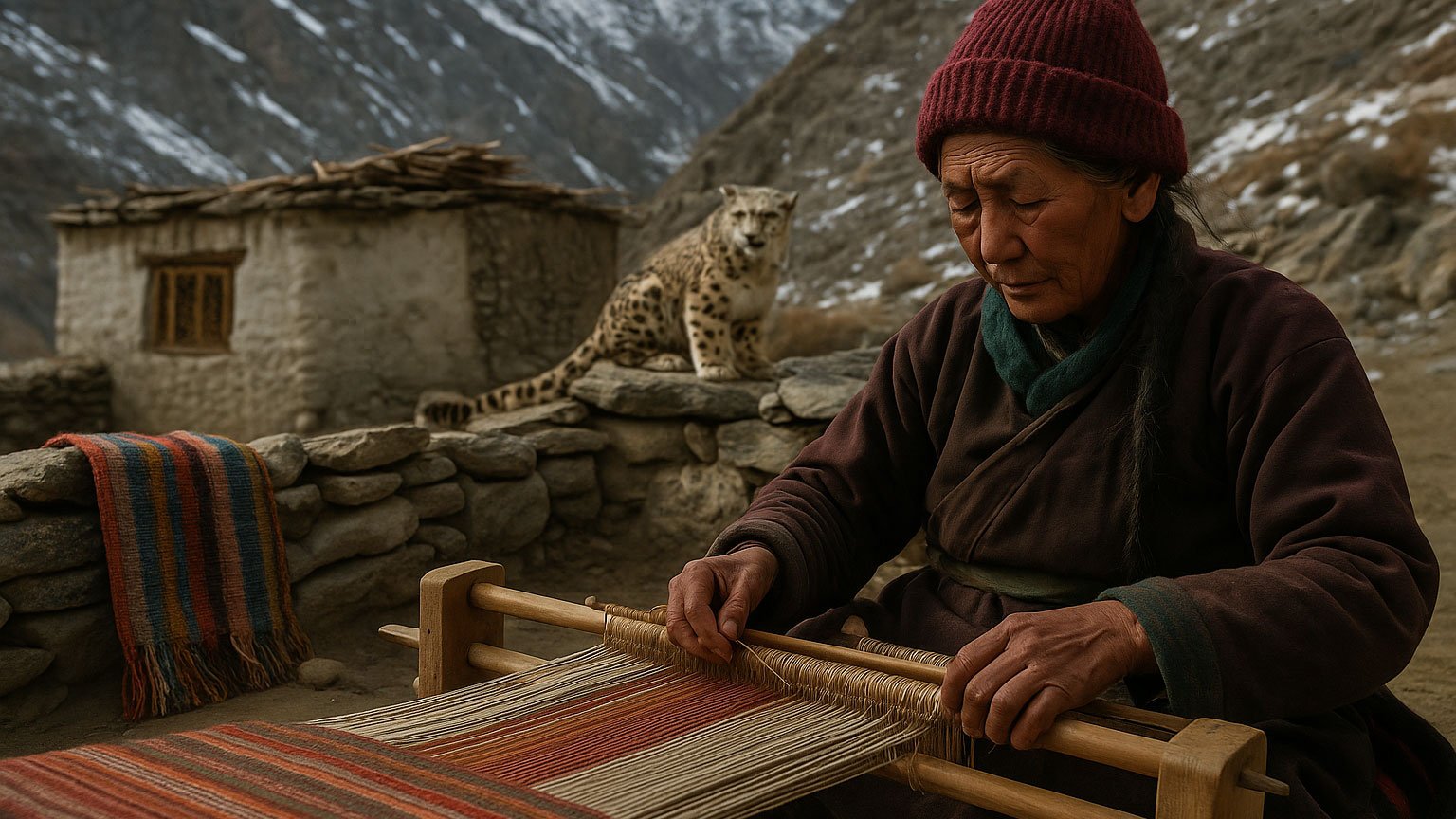
Highly territorial, snow leopards mark their expansive home ranges—which can vary from 100 to over 1,000 square kilometers—with scent sprays, scrapes, and claw marks. They are most active during the twilight hours of dawn and dusk. Because their natural prey can be scarce, they are sometimes forced to prey on domestic livestock, a behavior that frequently leads to conflict with local herding communities.
Reproduction
The mating season for snow leopards occurs in the late winter, typically between January and mid-March, a time when their haunting mating calls can be heard echoing through the peaks. Following a gestation period of roughly 94 to 104 days, females give birth to a litter of one to five cubs (most commonly two or three).
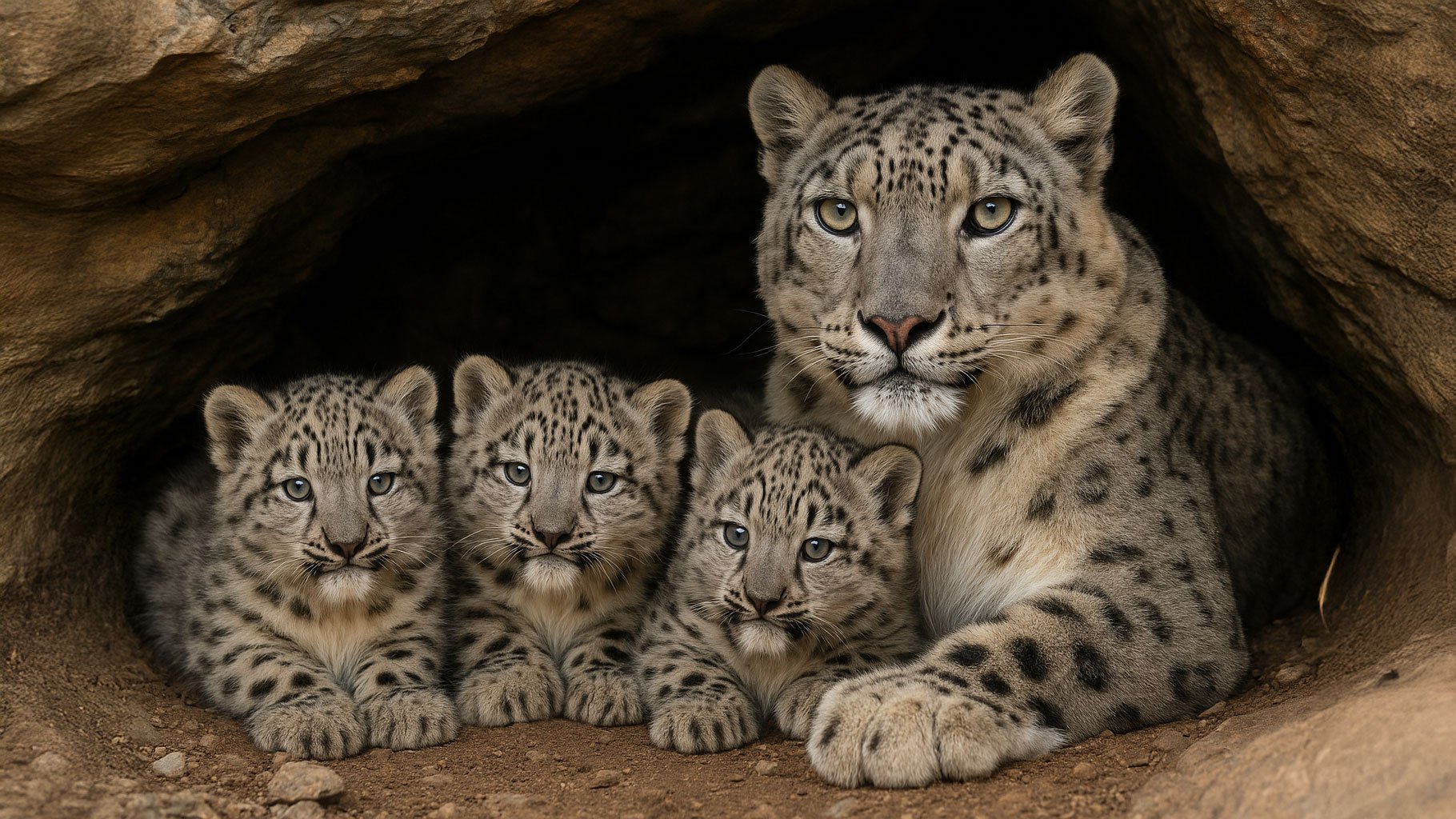
Cubs are born in sheltered rock crevices lined with the mother's fur for warmth. Their spots are solid black at birth, slowly developing into rosettes as they mature. The young begin eating solid food at two months and remain with their mother for 18 to 22 months to learn the complex skills required to hunt in a vertical landscape. Most snow leopards reach sexual maturity and are capable of breeding by age two or three.
Threats
Despite their remote habitat, snow leopards face a growing number of survival challenges:
Retaliatory Killing: This is a major threat driven by the loss of domestic livestock. When a snow leopard enters a poorly secured corral, it can result in significant economic loss for a family, leading to the cat being killed in revenge.
Prey Decline: Overhunting of wild sheep and goats by humans, along with competition from expanding livestock herds, leaves snow leopards without their natural food source.
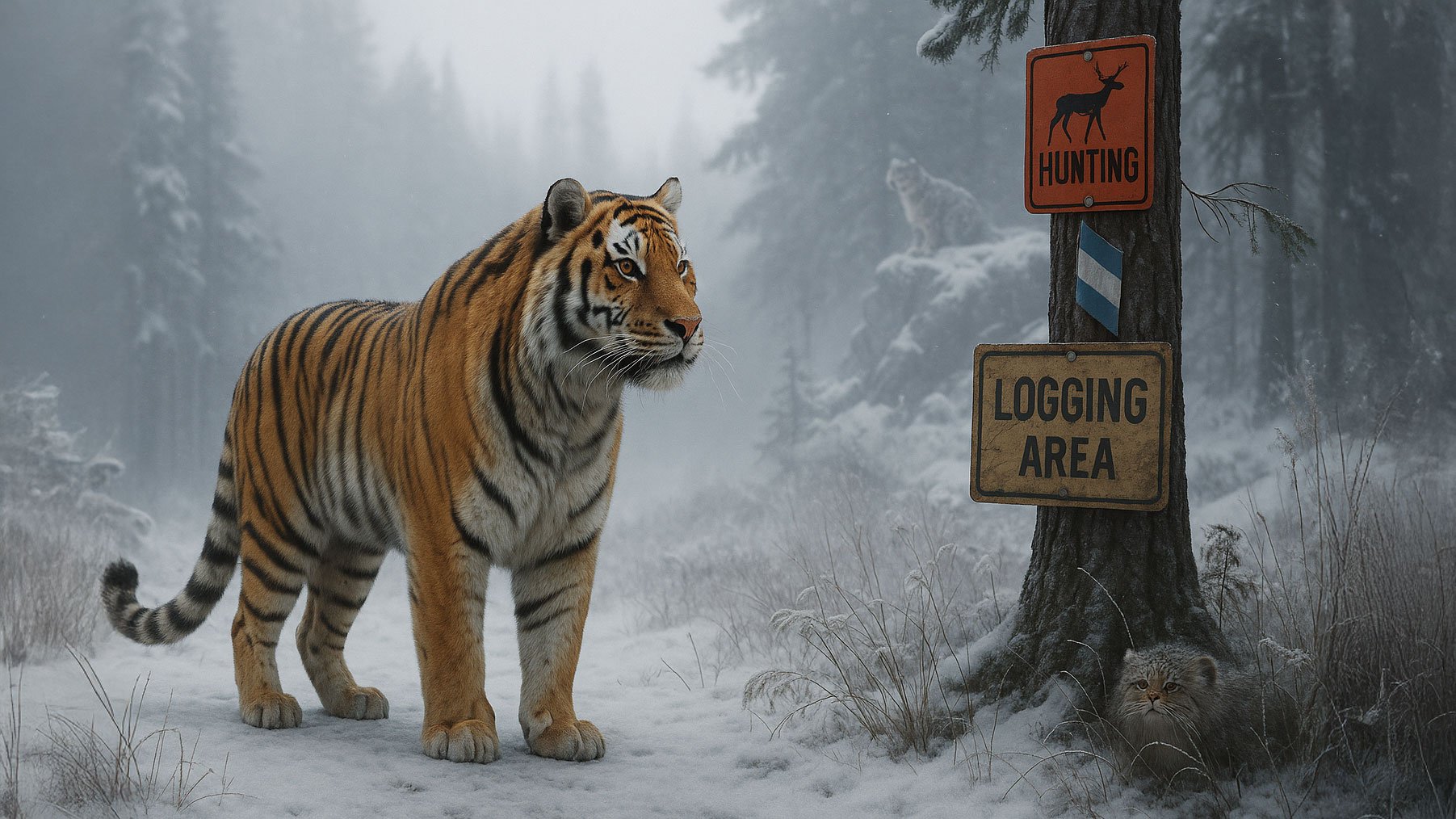
Habitat Fragmentation: New mining operations and large-scale infrastructure projects, such as roads and fenced railways, are cutting through once-contiguous habitats, isolating populations.
Illegal Trade: There remains a persistent demand for snow leopard pelts for luxury decor and clothing, as well as their bones for use in traditional medicine as a substitute for tiger bone.
Climate Change: Rising temperatures are shifting the treeline higher into the mountains, shrinking the alpine habitat and forcing snow leopards into smaller, more fragmented areas.
Question: Can I keep a snow leopard as a pet?
Conservation Efforts
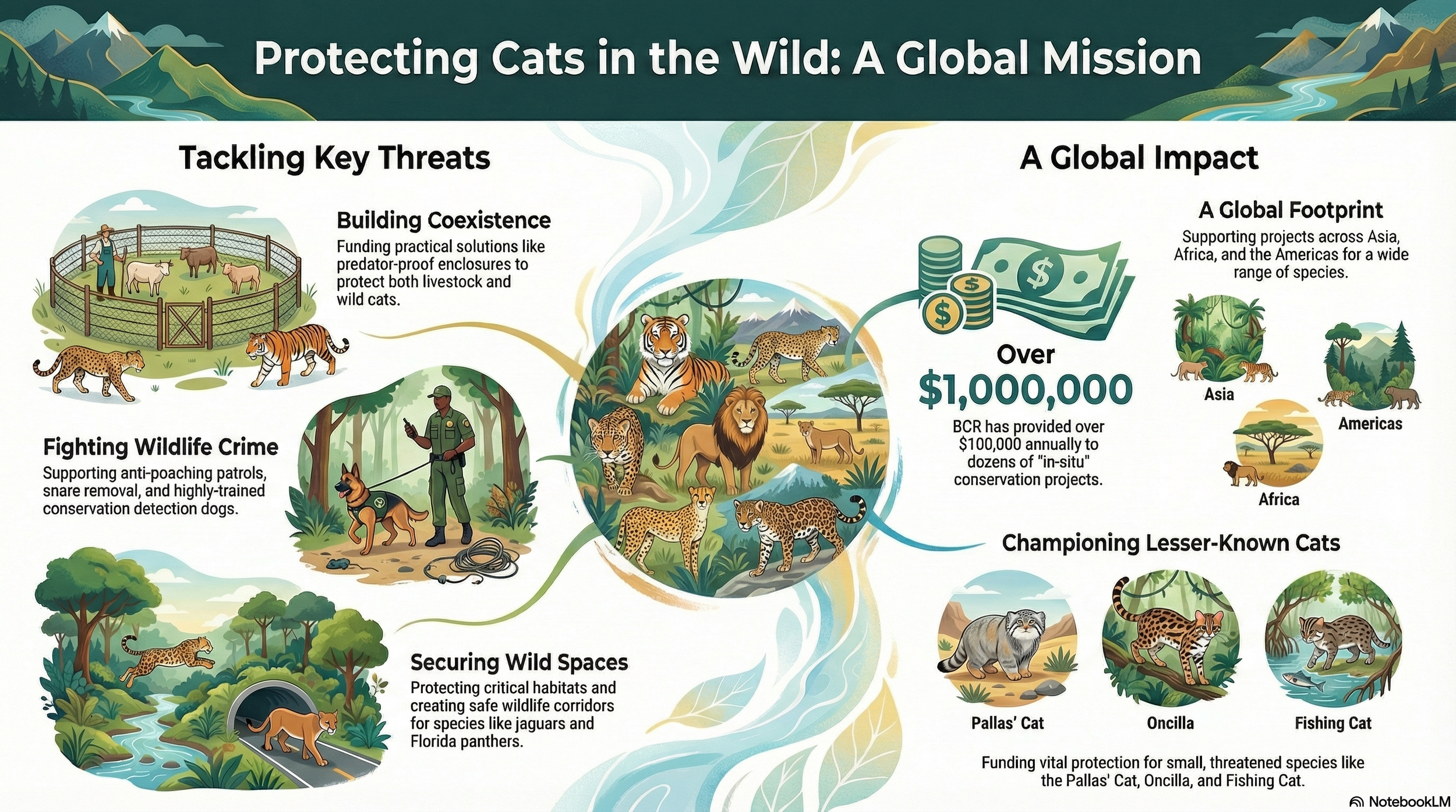
Conservationists are working tirelessly to turn the tide for the snow leopard through community-based solutions. Major initiatives include predator-proofing livestock corrals with wire mesh and reinforced doors, which has virtually eliminated livestock losses in partner regions. Incentive programs, such as handicraft cooperatives and community-managed insurance schemes, help herders offset the costs of living alongside predators and discourage retaliatory killing.
Global efforts also focus on anti-poaching patrols, the removal of illegal wire snares, and the establishment of transboundary protected areas that allow cats to move freely across international borders.
Big Cat Rescue has been a dedicated partner in these efforts, providing essential funding for in-situ conservation projects. Their support has directly contributed to field research, community education programs, and international initiatives aimed at securing a future for snow leopards in the wild.
Analogy for Understanding: Think of the snow leopard as the "mountain ghost" of a high-security fortress. It wears a suit of high-tech camouflage and moves across walls (cliffs) that no one else can climb. However, as humans build more roads and bring more "supplies" (livestock) into the fortress, the ghost is being spotted more often and finding its secret hallways blocked, making it harder and harder to remain invisible and safe.
See Conservation Work Funded By Big Cat Rescue here:
All conservation insitu work: https://bigcatrescue.org/insitu/
Help Save Snow Leopards: https://bigcatrescue.org/save-snow-leopards/










Snow Leopard Facts: Habitat, Population, Threats and Conservation. Learn where snow leopards live, what threatens them, how many remain, and which conservation efforts are protecting wild snow leopards.