SWCCF 2026 04
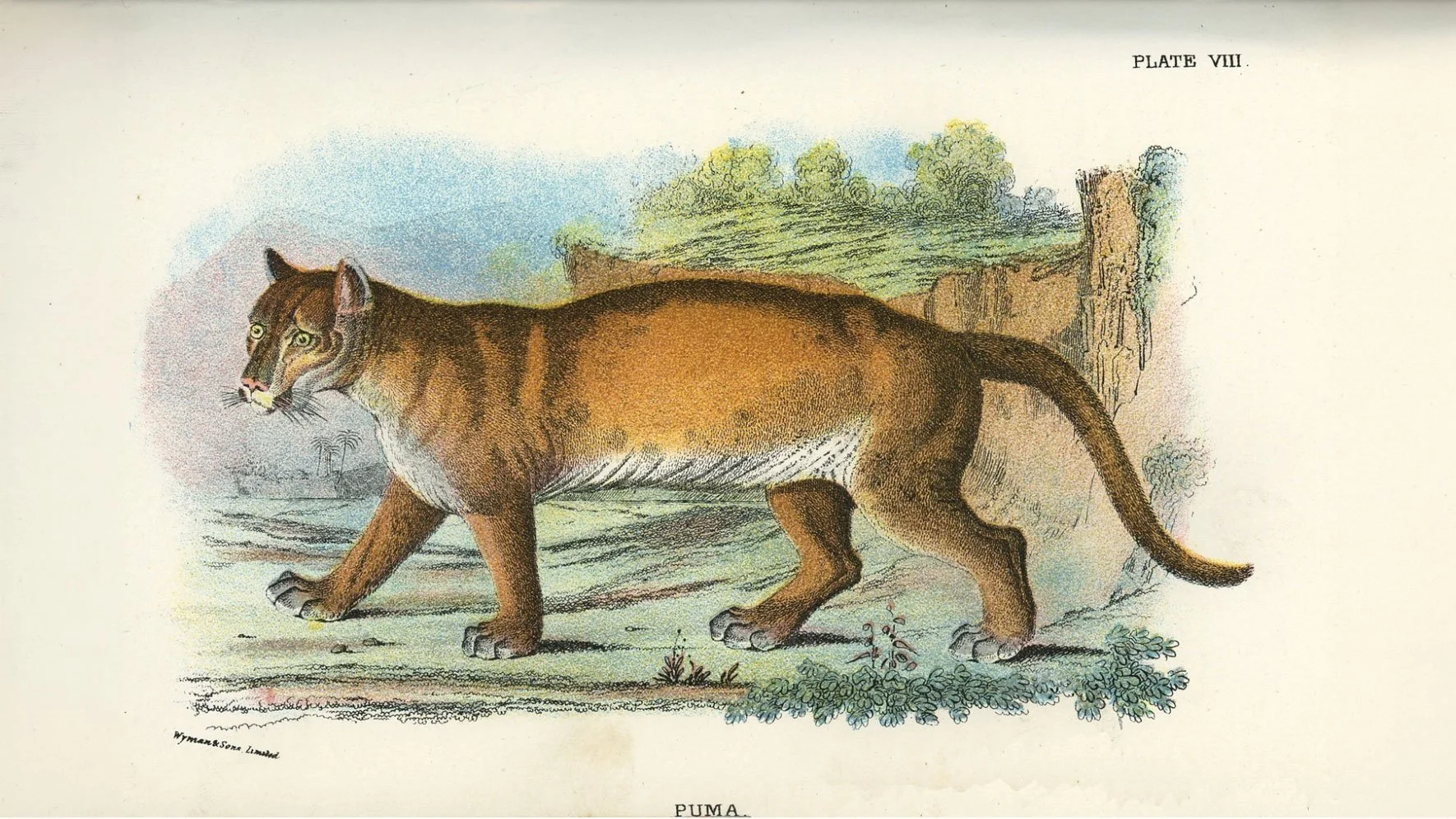
Puma Sketch supplied by Dr. Jim Sanderson
Making conservation come naturally
Jim Sanderson
It’s an exciting time for small cat conservation. To reduce threats to small wild cats, our 18 working groups are creating practical, pragmatic conservation programs that are both sustainable and scalable. Moreover, our programs do not depend on constant financial input. Two outstanding examples are given below. When we work with people to solve their everyday problems, we create friends who help us save the small wild cats living around them. When daily problems are solved, conservation comes naturally. On the other hand, anti-poaching patrols, arrests and fines create enemies for conservation and resentment toward us. Moreover, these typical responses are neither scalable nor sustainable. When the funding runs out, patrols end, and the same problems emerge. What I like best is that a university degree and long list of publications is not needed to create effective conservation programs. Anyone can be a conservationist.
Some argue that community conservation amounts to welfare for rural communities. Species conservation should not be about human welfare. Plenty of aid agencies exist. Those that make this argument typically claim that more research is needed to save species. They argue that effective conservation stands on a foundation of research. We don’t know enough about some species to conserve them.
My response is simple: If a completely unknown small wild cat is killing a family’s chickens and the response is a broom-handle whack over the head of the small cat, enough is known to reduce threats to the species. Repair henhouses! Anyone skilled in the use of a hammer, some nails, and chicken wire can get the job done.
This is not to claim that research is unnecessary. On the contrary, useful research is necessary to answer conservation need-to-know questions. For example, new molecular work using whole genomes recently confirmed that several subspecies of small cats really are different species and not subspecies. Anyone want to guess how many new species of small cats will be named? The answer will surprise you.
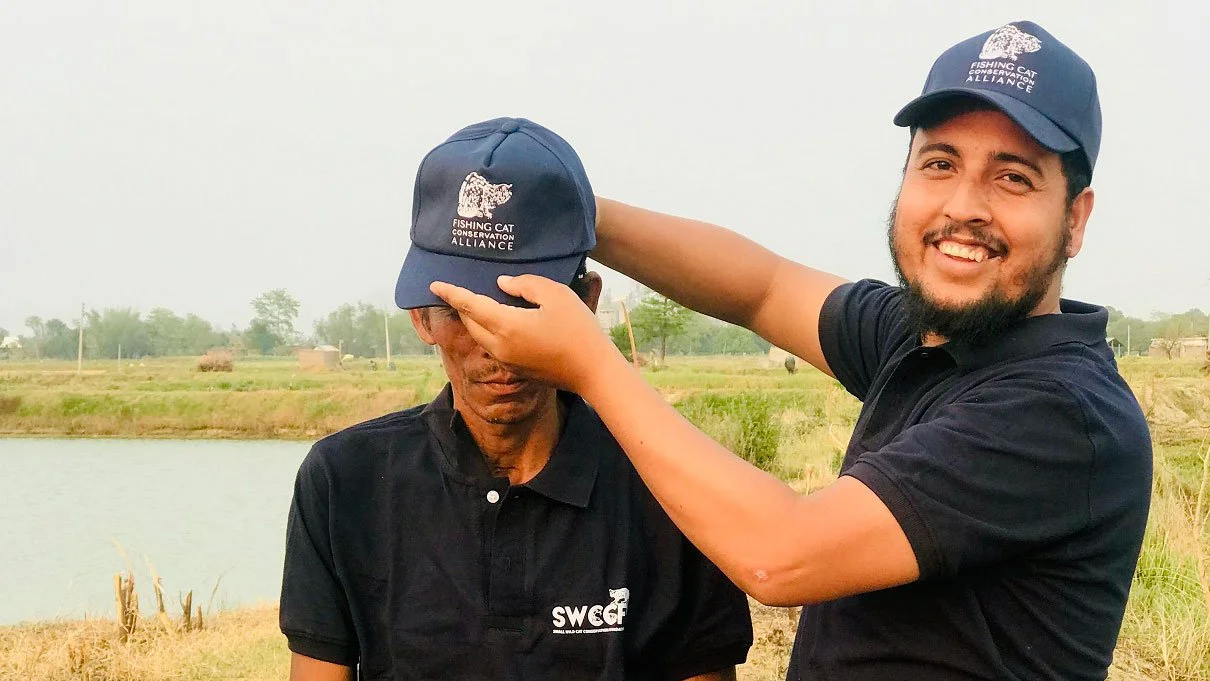
Making Friends for Fishing Cat Conservation
Ganesh Puri, Nepal, Western Terai Fishing Cat Project
Making Friends for Fishing Cat Conservation
Ganesh Puri, Nepal, Western Terai Fishing Cat Project
In my role as a forest officer, I have been directly involved in law enforcement, but over time I realized that fines and punishment alone do not solve the problem. Law enforcement and punishment address symptoms, not the root causes, of threats to Fishing cats and other wildlife.
In most cases, people involved in poaching or other illegal activities are driven by financial hardship and livelihood insecurity. If their basic needs are met and they have stable income sources, they are far less likely to engage in such activities. This understanding changed my approach. Instead of focusing only on enforcement, I began working closely with communities to understand their challenges and find practical solutions.
A good example is our work with Fishing cat conservation. At that time, they saw the forest department, including me, as a threat. Instead of imposing fines or taking legal action, I chose to listen to them and understand the economic losses they were facing. I introduced the first Fish Bank, a novel program to compensate for their losses and support their livelihoods. Instead of punishing them, I helped them.
The change has been remarkable. In areas where Fishing cats were once rarely seen due to killing, trail cameras now regularly capture their presence. More importantly, the attitude of the community has completely changed. Fish farmers now say they are proud to have Fishing cats in their area. They have become active guardians protecting Fishing cats, even recruiting their neighbors into the Fish Bank program.
My experience clearly shows that when we address the root causes and work with people to implement practical, pragmatics programs like the Fish Bank, conservation becomes sustainable and scalable. Communities become part of the solution, and the impact continues even without external funding. Fish Banks have improved rural people’s lives, enabled conservation of Fishing cats, and changed my approach to resolving human-wildlife conflicts. When we help people, conservation comes naturally.
I’m pleased to report that I have recently been promoted to a supervisory position within the Forestry Department and now have 12 officers under my supervision. The Fish Bank program is rapidly expanding to additional communities.
Western Terai Fishing Cat Project
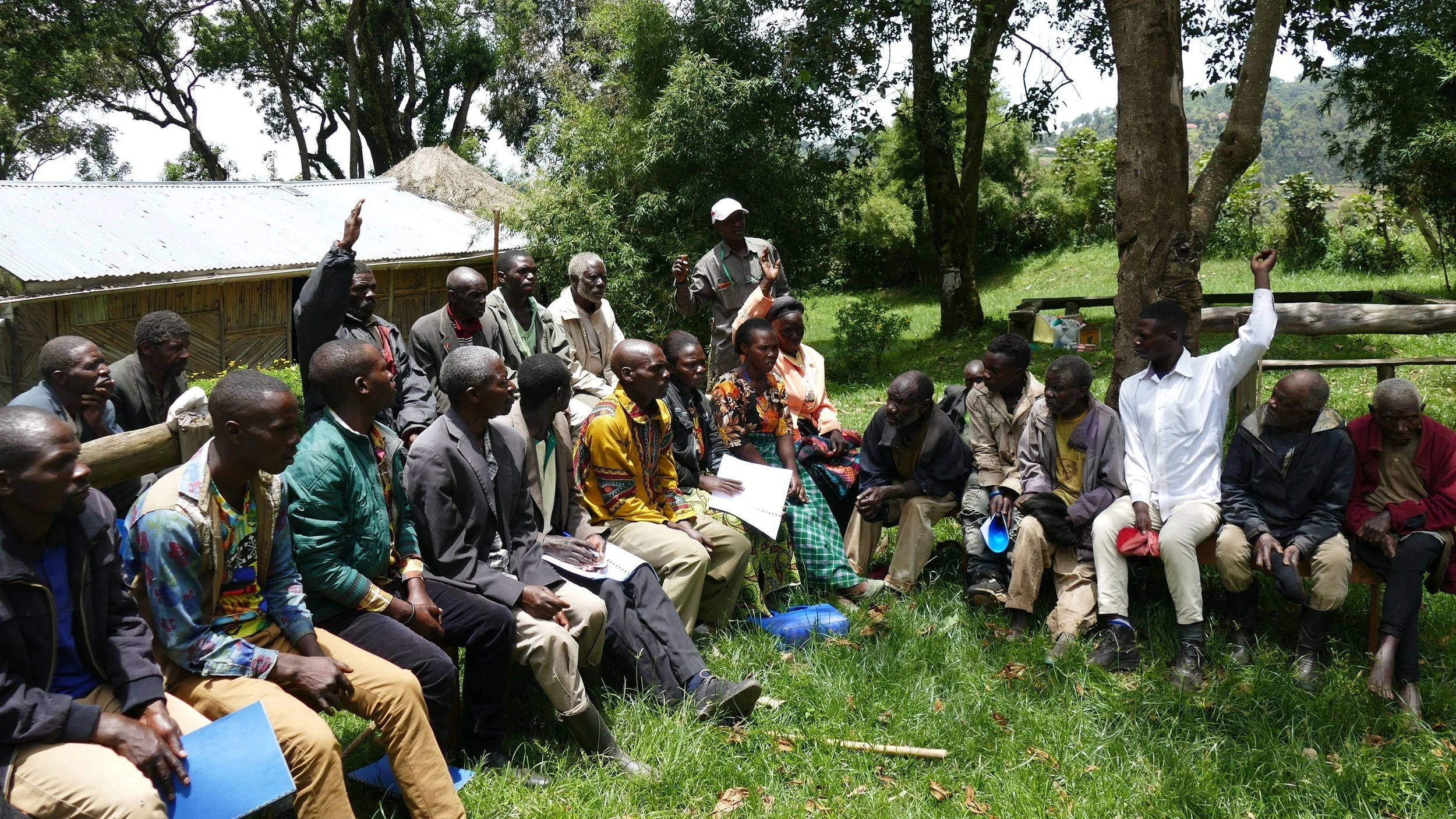
Conserving African golden cats means solving people's everyday problems
Badru Mugerwa, Uganda, Embaka
Conserving African golden cats means solving people's everyday problems
Badru Mugerwa, Uganda, Embaka
Our conservation approach addresses the most pervasive conservation threat to the African golden cat in Africa: Bushmeat consumption and trade. Stemming from limited employment opportunities, the root cause of poaching is poverty, resulting in households struggling to meet minimal nutritional and health care needs.
Unlike typical conservation practices such as law enforcement that punish perpetrators with arrests and/or fines, our conservation approach directly tackles the two main causes of bushmeat hunting: The need for food and money.
Arresting and fining the average rural village poacher is a fundamentally flawed approach to wildlife conservation. When the father is arrested or fined more than can be afforded, the eldest son must turn to poaching to make ends meet. Because he has less experience, the next brother might join him. The arrest of the father has created two problems: Enemies of conservation and additional poachers.
Simply put, arrests and fines for hunting out of sheer hunger for food, creates more enemies for the African golden cat. Through Embaka, the Ugandan partner of the African Golden Cat Conservation Alliance, we have helped establish community-managed, financially feasible, locally accepted, alternative sources of household income and protein to bushmeat through smallholder livestock farms involving 1,237 households.
This innovative activity is implemented as a livestock seed bank in which a female goat or pig is given to a hunting family with the pledge that they stop hunting. When the goat or pig produces offspring, the family agrees to donate one offspring to their neighbor. This way, the whole community benefits, not just the hunting families.
The formal agreement between community members and Embaka comes with Embaka’s complete trust that participants will abide by the agreement. Trust places an exceptionally heavy burden on participants who genuinely desire to keep their word.
By acting to aid community members more friends are made for the African golden cat. The small credit and savings groups we started are diversifying income for 2,097 families. To incentivize grassroots support for conservation, we have novel mobile dental clinics to provide free oral health and dental care to 2,388 families. By providing beehive boxes, community members are producing and selling honey. Through these livelihood improving initiatives, we have made 11,934 friends of the African golden cat at 34 habitats for these magnificent small wild cats. These new friends have stopped hunting and often travel to adjacent villages to explain our conservation program. At a recent community meeting, the headman of the village explained they no longer “steal from the forest.” Truly humbled, I had to step aside to collect my thoughts.
No African golden cats left behind.
Embaka

Copyright © 2026 Small Wild Cat Conservation Foundation, All rights reserved.
Newsletter April 2026
