Carmen del Playa
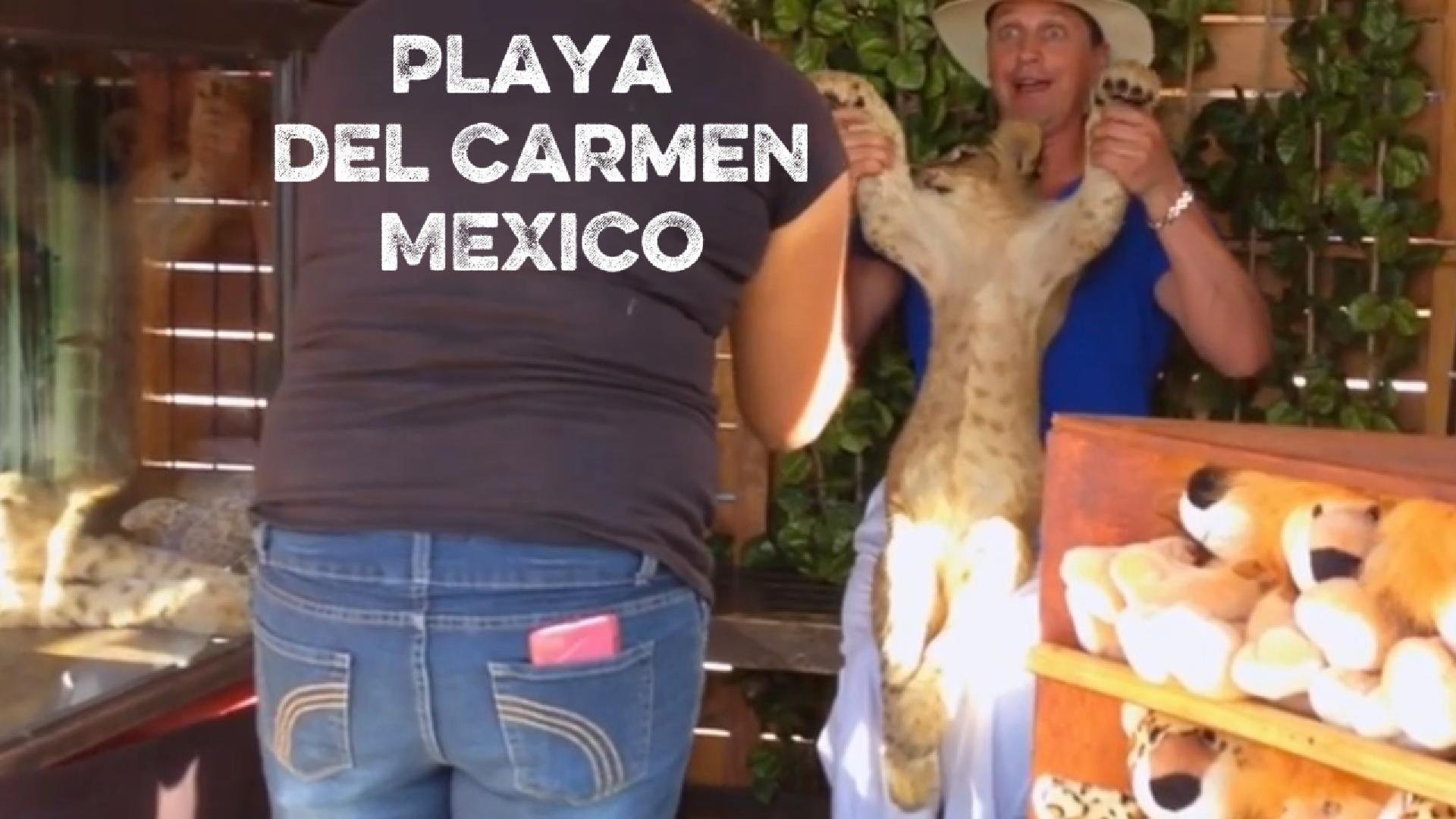
The Fall of Animalandia Maya: Playa del Carmen Shutdown In May 2026, Mexican law enforcement conducted a major raid on Animalandia Maya, a controversial tourist site in Playa del Carmen known for offering photos with exotic wildlife. The operation resulted in the arrest of the owner and several employees, as well as the seizure of tigers, lions, and monkeys that were allegedly being exploited. This intervention followed years of public outcry and pressure from animal welfare organizations regarding the suspected sedation and mistreatment of the animals. While the business has successfully used legal loopholes to reopen after past closures, the scale of this coordinated police action suggests a permanent shutdown. The incident highlights a significant victory for activists fighting against the commercial use of endangered species in the Riviera Maya.

The Decade Rule
Recent research published in Science establishes a direct link between the global wildlife trade and the transmission of zoonotic pathogens from mammals to humans. By analyzing four decades of data, scientists discovered that traded mammal species are significantly more likely to share infectious diseases with humans than those not involved in commerce. A critical finding reveals that for every ten years a species remains in the international market, it typically gains one additional shared pathogen with the human population. The risk of disease exchange is further heightened when animals are traded live or through illegal channels, where sanitary oversight is absent. These results suggest that the duration and intensity of human-animal contact in trade networks are primary drivers of potential epidemics and pandemics. Consequently, the authors advocate for stricter biosurveillance and updated international regulations to mitigate the inherent health risks posed by the commercial use of wildlife.
The Invisible Harvest
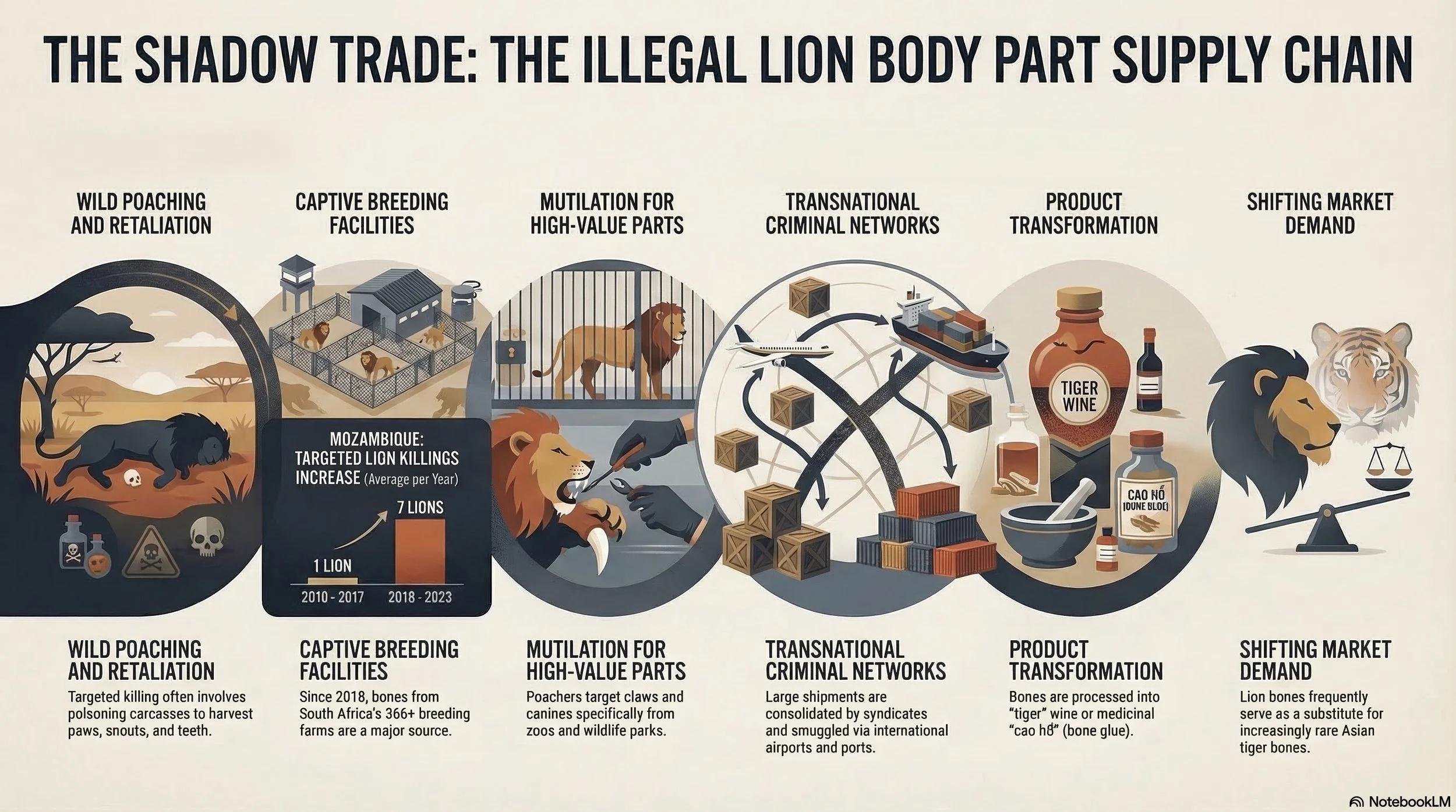
This report examines the increasing threat of targeted lion poaching for the illegal trade of body parts across Africa and Asia. While traditional factors like habitat loss still exist, lions are now specifically hunted for their claws, teeth, and bones to satisfy demands for traditional medicine and luxury ornaments. The author identifies three primary supply chains, including wild poaching, thefts from wildlife parks, and illegal exports from captive breeding farms. Detailed case studies from Mozambique and South Africa illustrate how organized criminal networks coordinate these activities, often using poisoning as a primary killing method. Despite international enforcement efforts and major arrests, the text concludes that this underreported black market continues to evolve through sophisticated smuggling routes. Overall, the source emphasizes that current data may underestimate the true scale of this transnational wildlife crime.
The End of the Cub Selfie
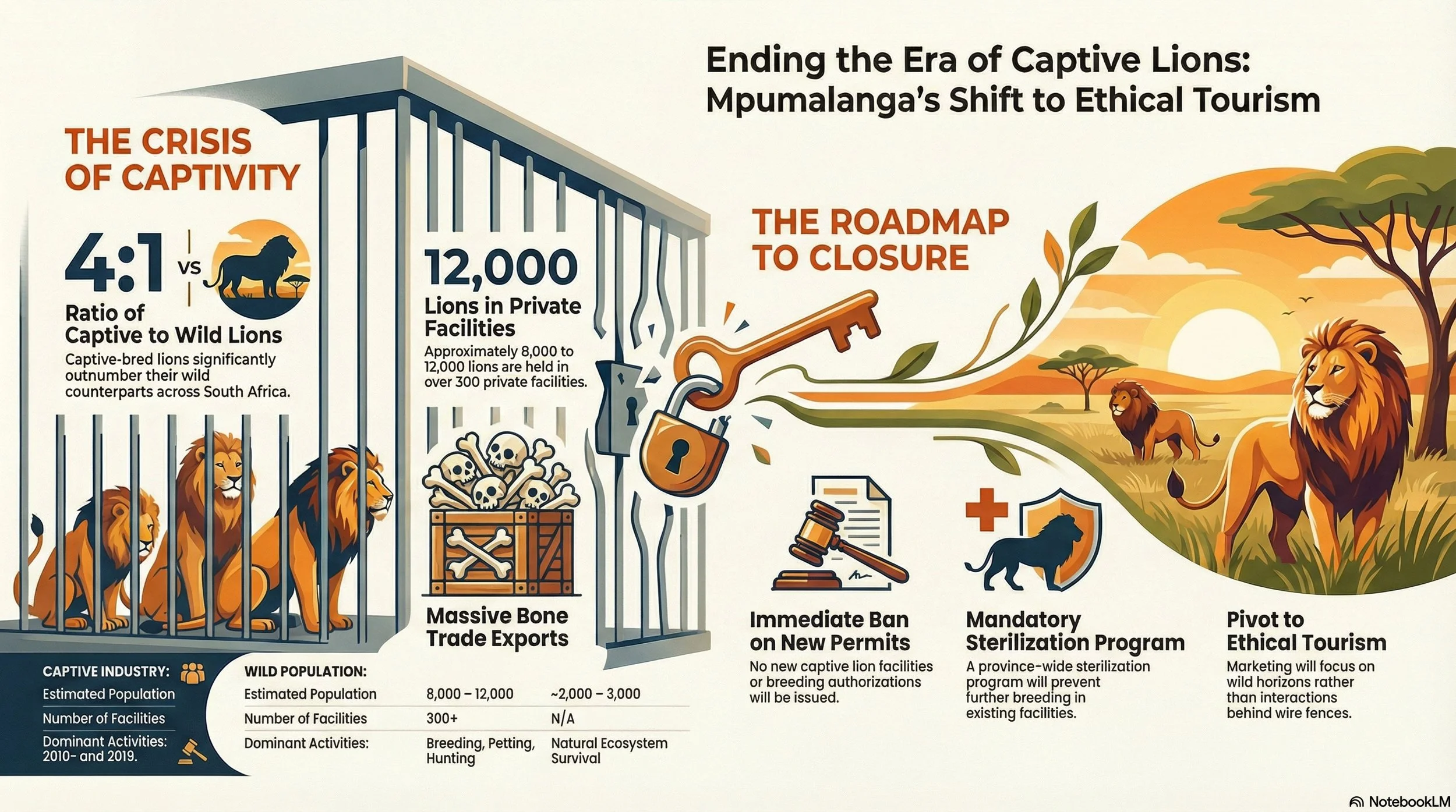
The provided sources detail a landmark decision by the Mpumalanga Tourism and Parks Agency to officially ban new permits for captive lion facilities in South Africa’s Mpumalanga province. This regulatory shift aims to phase out the controversial industry by prohibiting future breeding, stopping the importation of captive lions, and implementing a sterilization program. By aligning with national conservation mandates, provincial authorities are moving away from commercialized animal interactions, such as cub petting and canned hunting, to protect the country's international reputation. The transition focuses on fostering ethical, wild-based tourism and prioritizing the welfare of lions in their natural habitats. While existing facilities will not close immediately, they must adhere to strict welfare standards as the province redirects investment toward nature reserves and sustainable wildlife management. This policy represents a significant victory for animal rights advocates and marks a decisive pivot toward authentic African safari experiences.
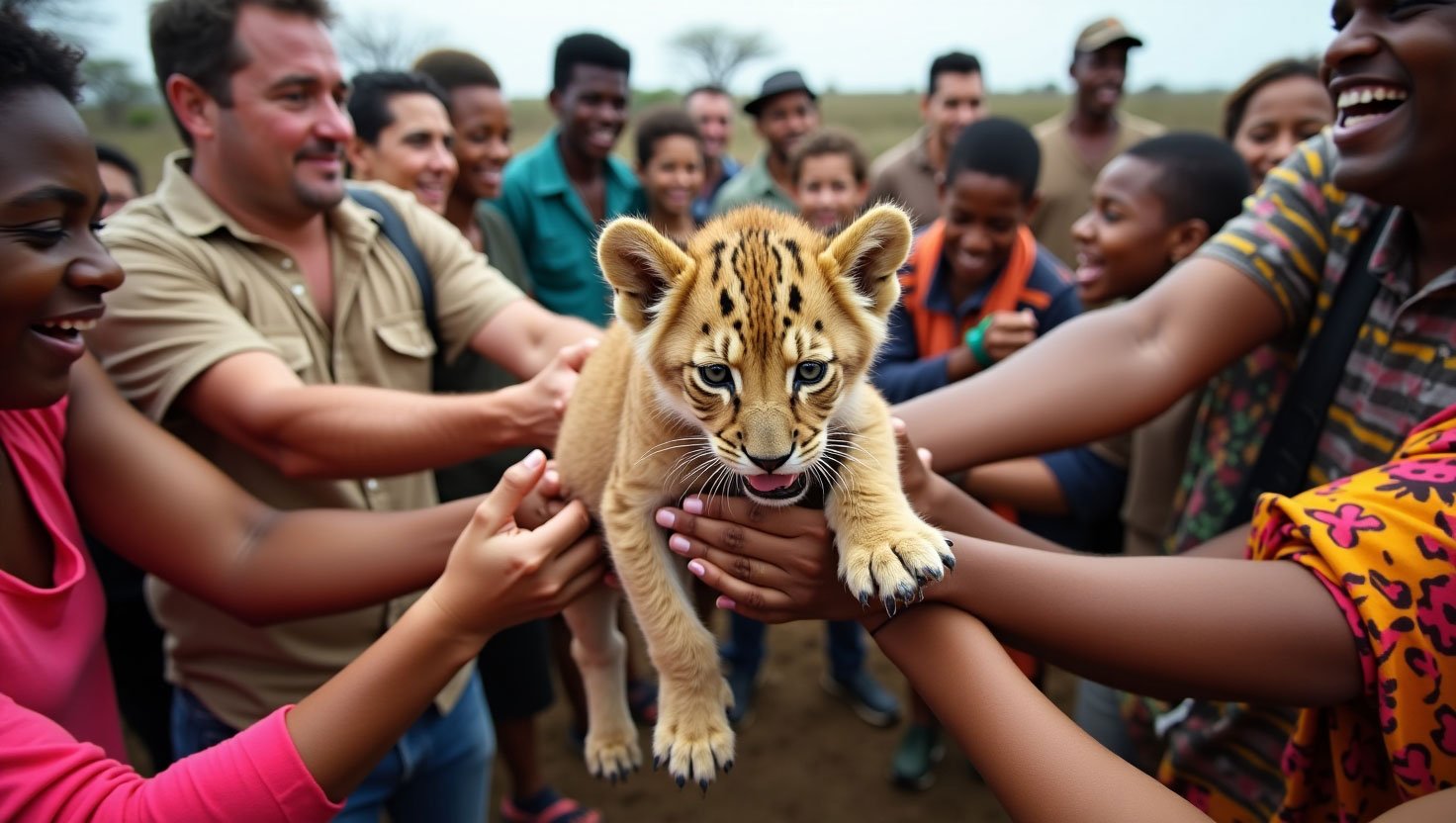
Lions Behind Bars: Why South Africa Must End the Captive Lion Industry Now
South Africa’s captive lion industry keeps 8,000 lions behind bars for profit. Ahead of World Lion Day, global advocates demand action to end breeding, cub petting, and exploitation—before it’s too late.

Cecil Lion