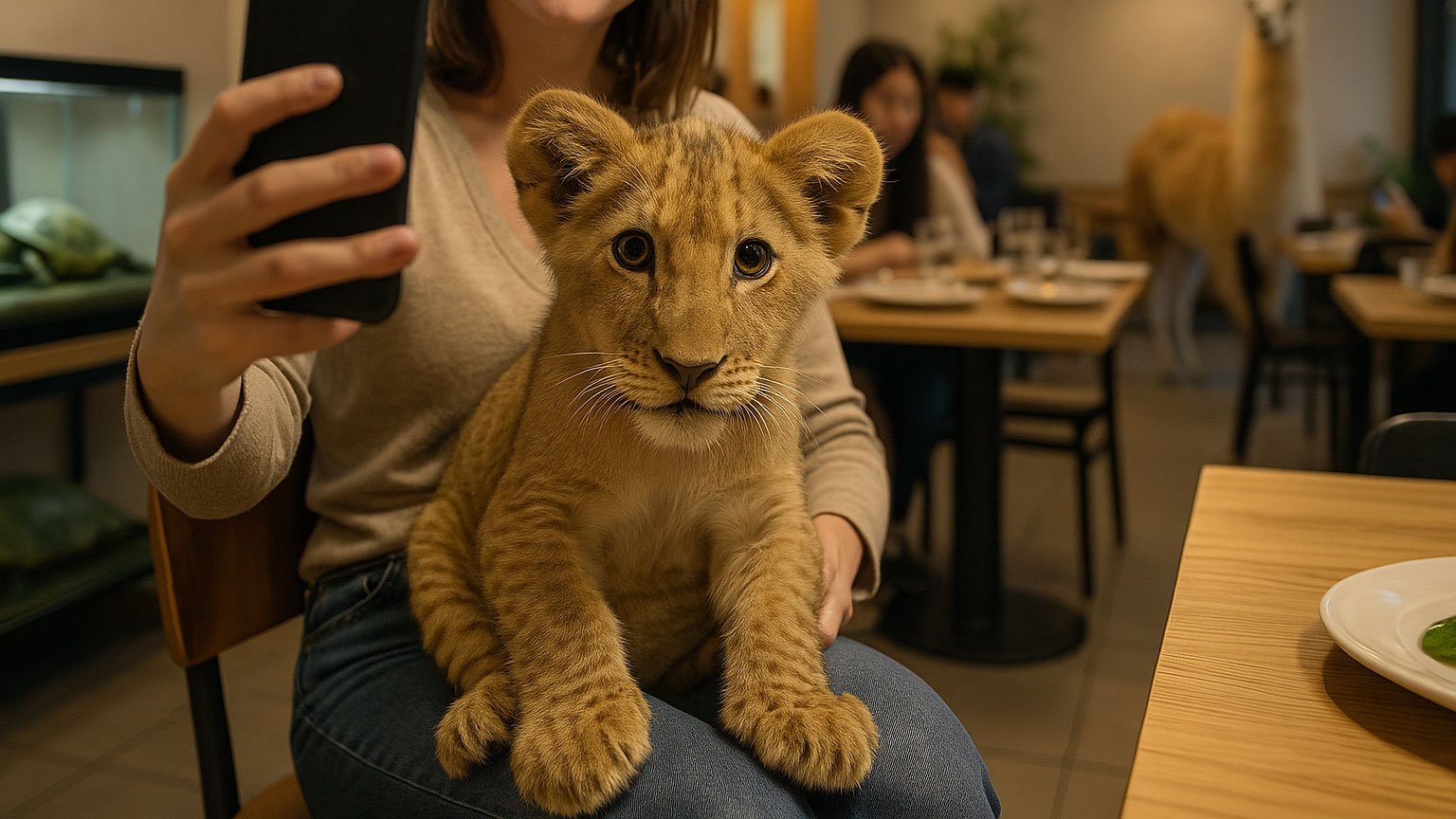
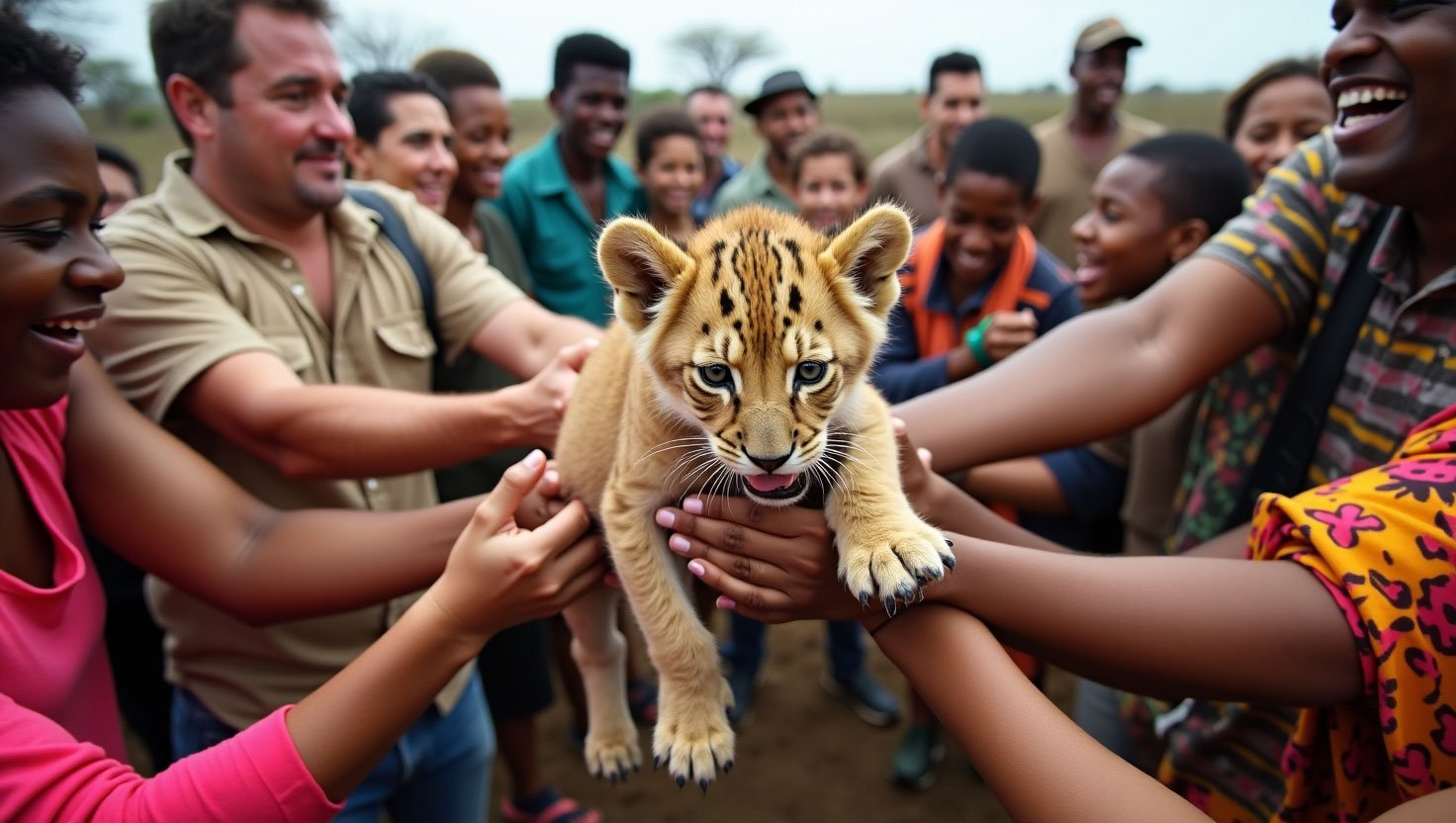
A young lion cub, wide-eyed and slightly distressed, sits on the lap of a restaurant diner taking a selfie. The setting is a small, modern restaurant with brightly lit interiors. The cub is clearly out of place—surrounded by dining tables and people with phones, rather than grasslands. In the background, other exotic animals (a turtle in a tank, a llama in a corner) are visible, adding to the surreal discomfort. The image should emphasize the unnaturalness of the scene, making the viewer sympathize with the cub’s plight.
In the bustling heart of Taiyuan, the capital of China’s Shanxi province, a trendy restaurant named Wanhui thought they had found the perfect recipe to stand out. Combine an elegant four-course afternoon meal with an exotic twist: cuddling a lion cub named Simba.
To some diners, it seemed magical. One posted gleefully online, “I can pet a cute little lion in a small shop! 🦁 It’s called Simba, and looks so good. There are staff to guide you, so you don’t have to worry about safety issues!” Photos soon followed—smiling customers holding baby lions, snapping selfies, bathing in the novelty of it all.
But not everyone was charmed. For wildlife conservationists, this was yet another deeply disturbing chapter in the global exploitation of big cats.
A Price Paid in Captivity
At 1,192 yuan (about $166), Wanhui’s exotic dining experience wasn’t just a gourmet indulgence—it came with a live animal meet-and-greet. Lion cubs were part of the package, even though their presence wasn’t explicitly advertised on the restaurant’s official Dianping listing. Instead, the platform listed more “manageable” creatures like llamas, turtles, and meerkats. But diners who visited quickly discovered Simba, the real star attraction.
The backlash came swiftly.
Chinese social media users expressed outrage, with one Weibo commenter writing, “They’re putting profit above consumer safety – it’s way too dangerous.” Wildlife experts were even more concerned. Peter Li, China policy specialist at Humane World for Animals, told Reuters: “Exploiting wild animals for selfies and marketing gimmicks is not only appallingly bad animal welfare, it’s also potentially risky for customers.”
Indeed, no matter how “well-cared for” the restaurant claims their lion cubs are, these young wild animals are being exploited—torn from their mothers, subjected to unnatural human contact, and deprived of the complex social structures and vast landscapes that wild lions require to thrive.
The Pattern of Exploitation
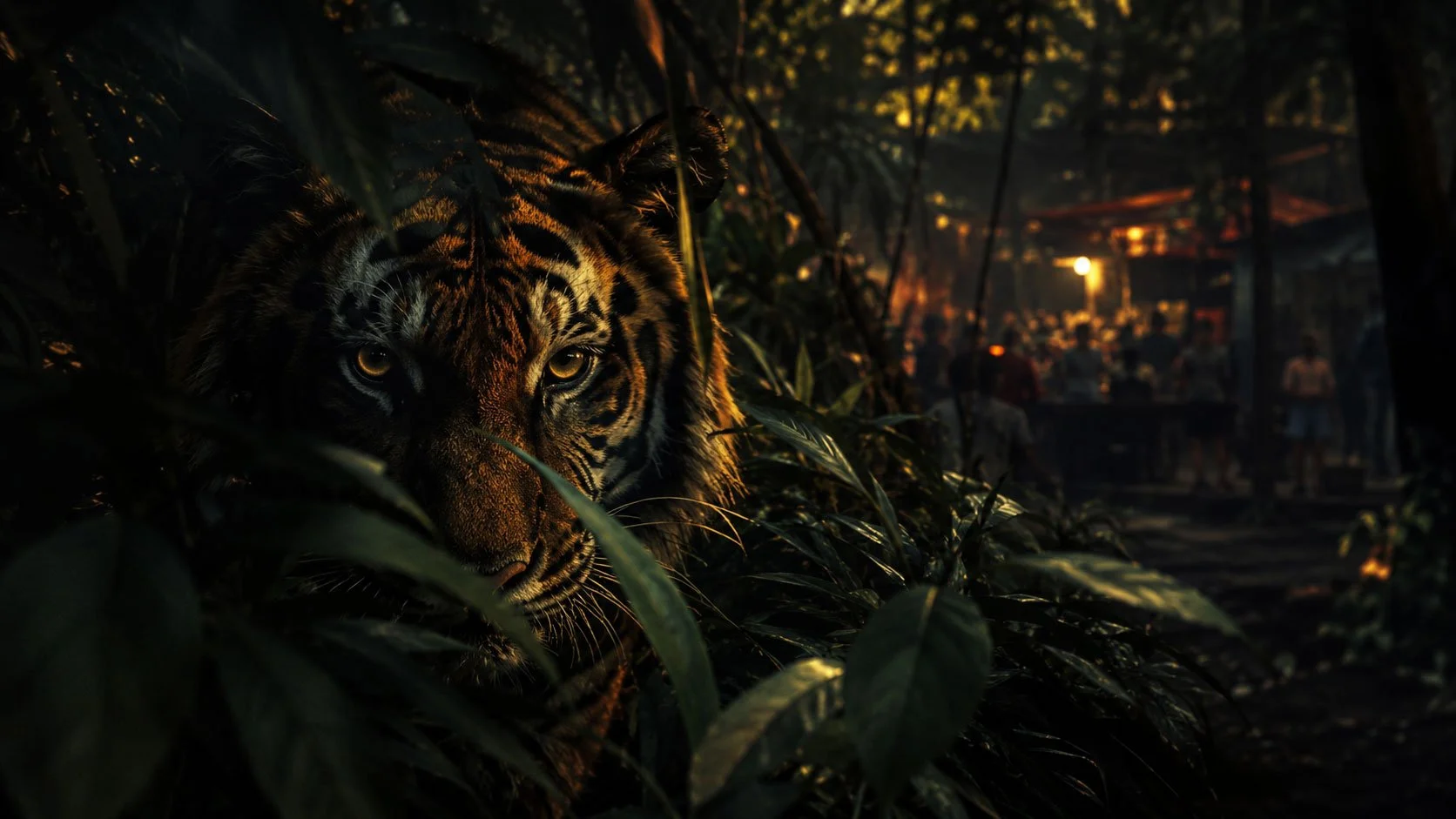
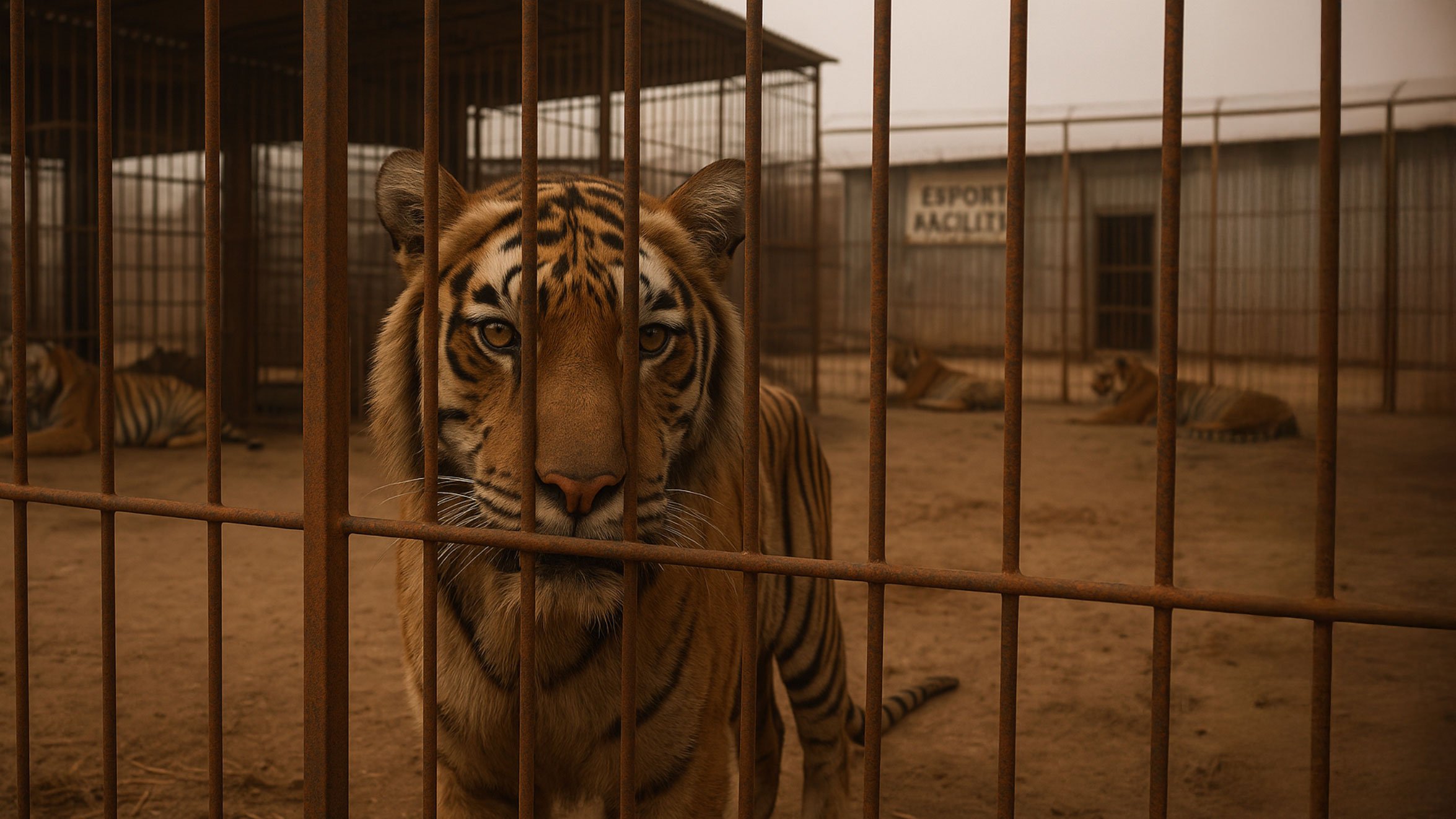
This is not an isolated incident in China. Just last month, visitors to a zoo in Liaoning were filmed reaching through grates to pull tufts of hair from a tiger. And a hotel in Chongqing recently faced public outcry after offering wake-up calls delivered by red pandas climbing into guests’ beds.
Such scenes may look adorable or amusing on social media, but they’re part of a wider trend of commodifying wild animals for entertainment. It’s a trend that not only compromises animal welfare but risks sparking new public health threats. Human-animal contact, particularly with exotic species, is a known pathway for the emergence of zoonotic diseases—illnesses that can leap from animals to humans. As the world continues to recover from the COVID-19 pandemic, these risks cannot be overstated.
Behind the Selfie: A Global Problem
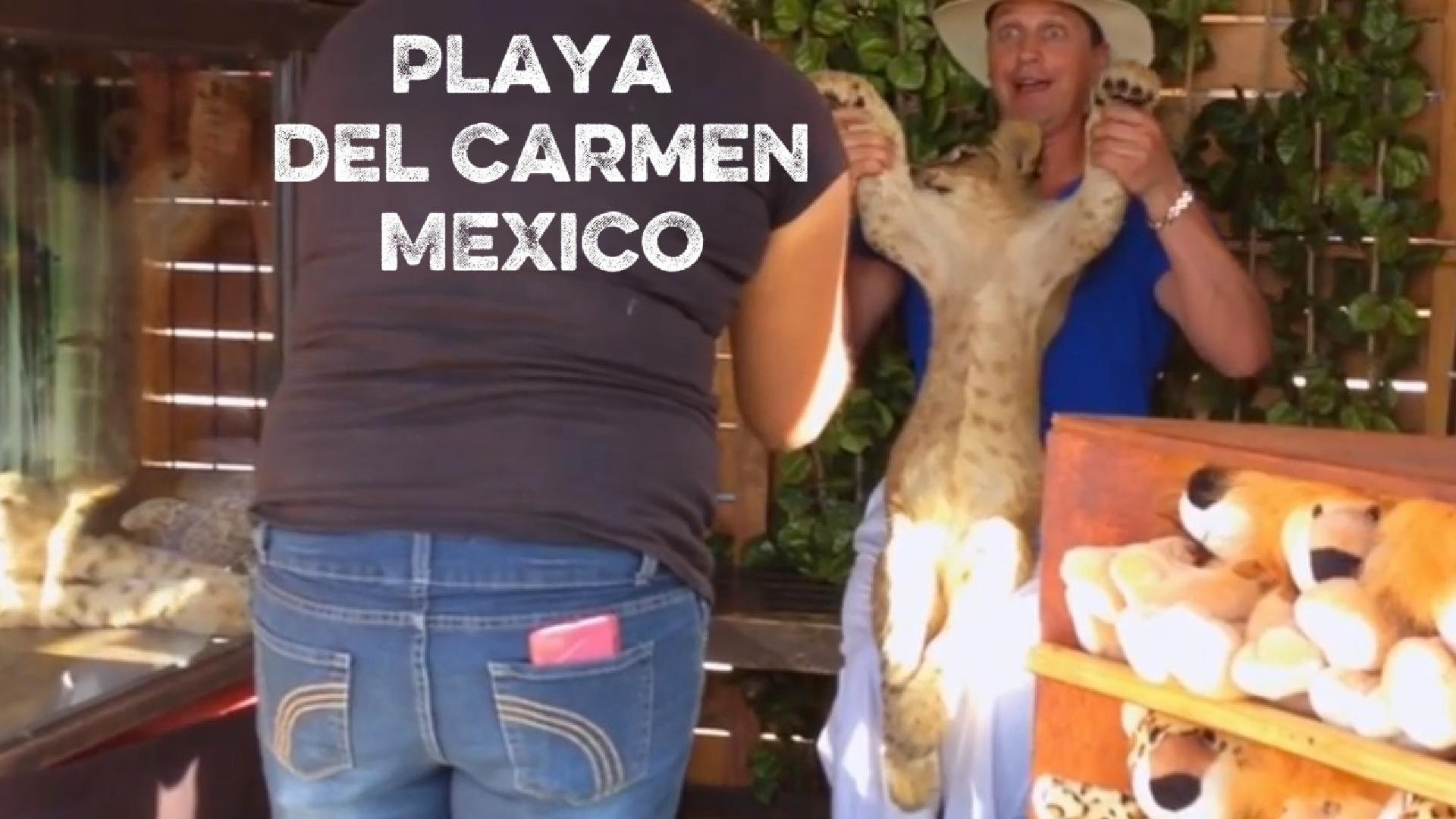
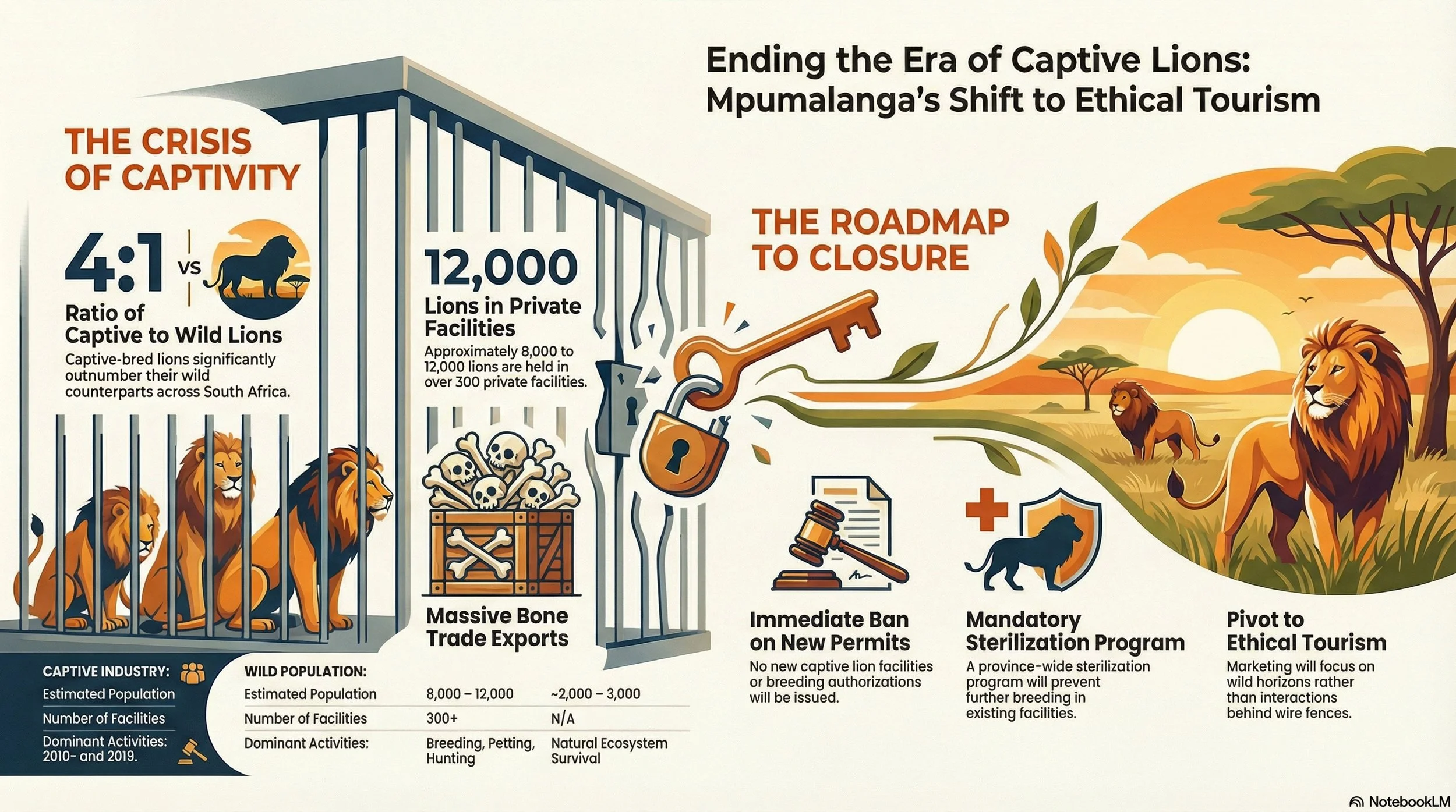
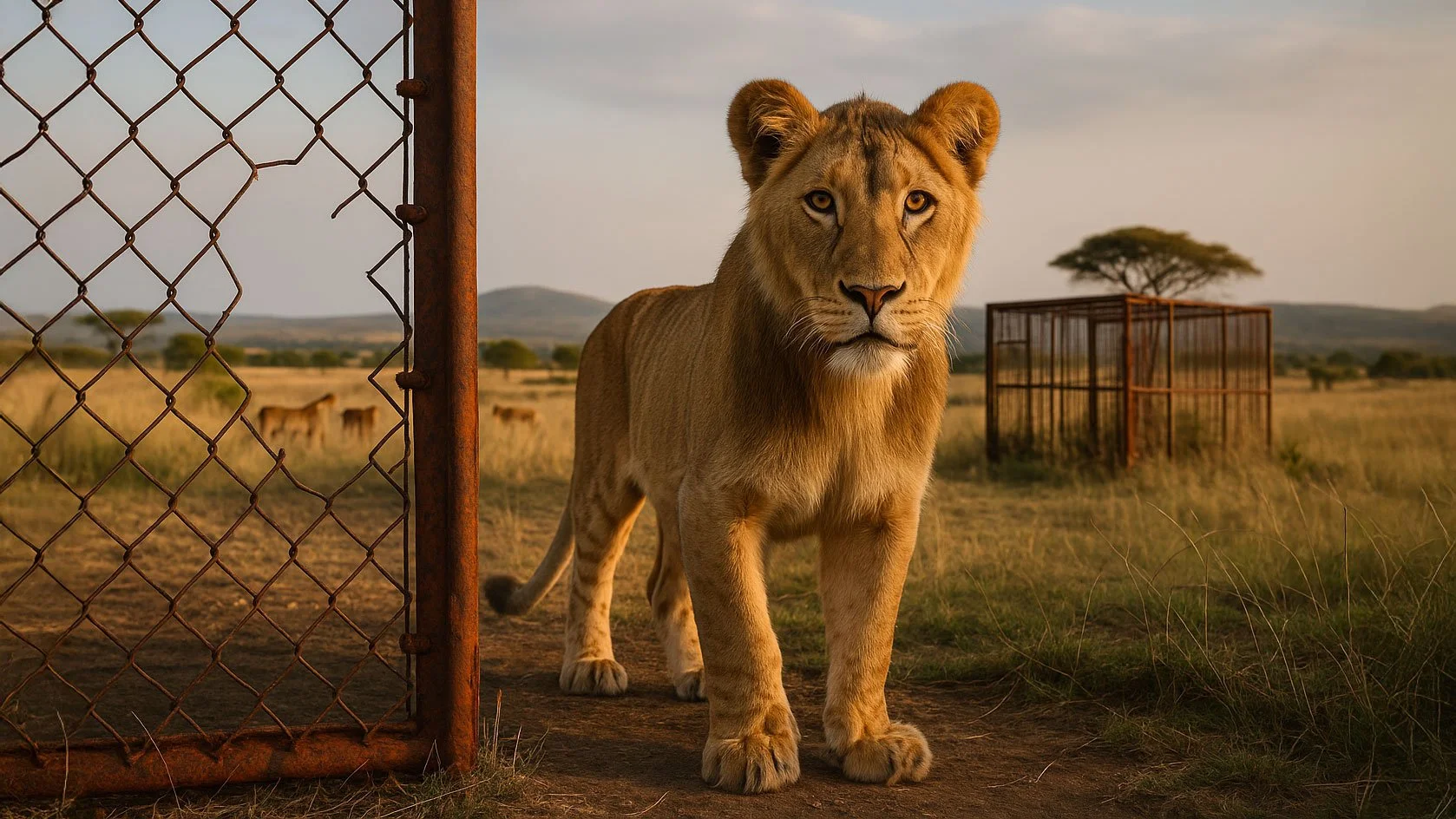
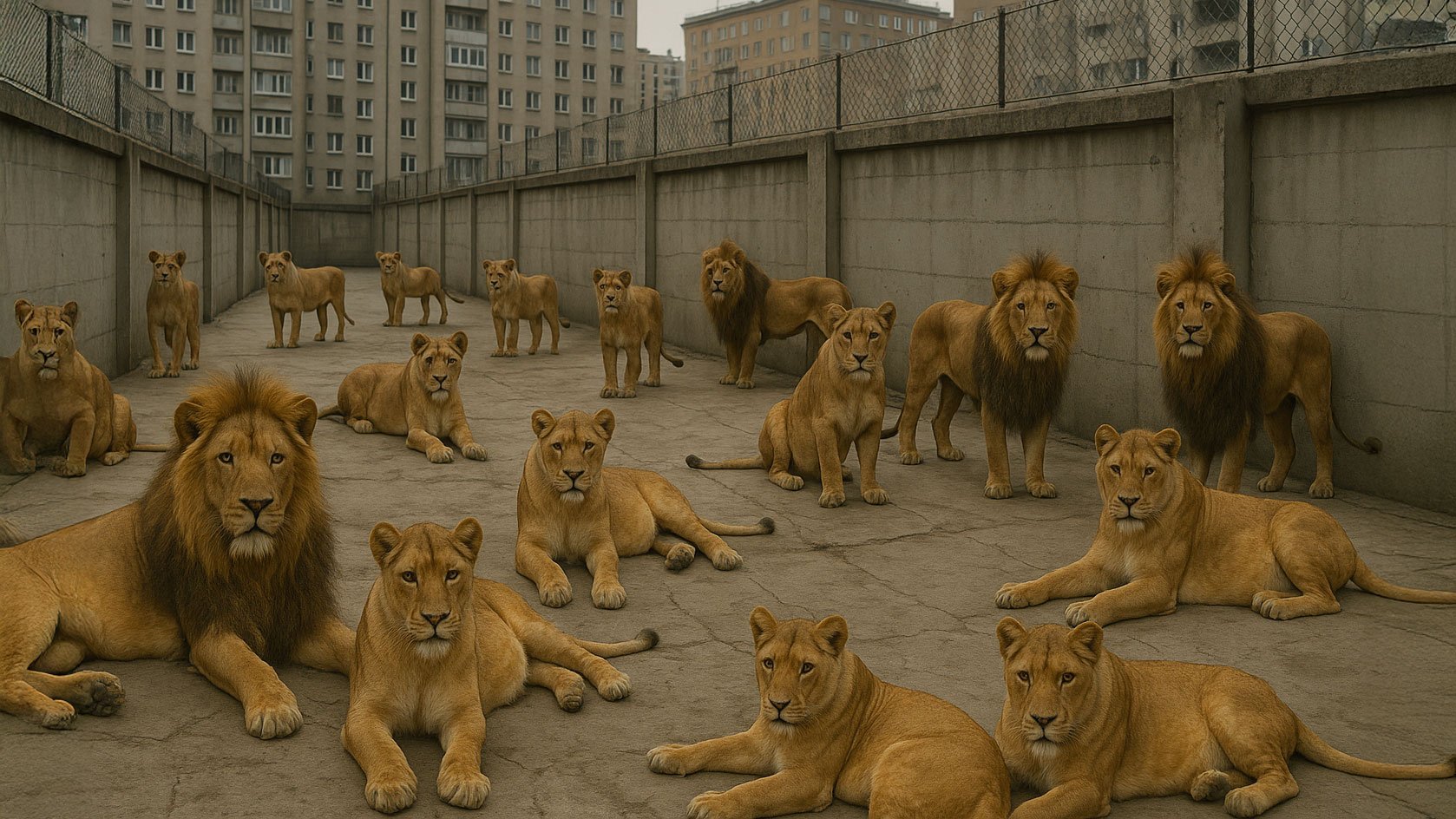
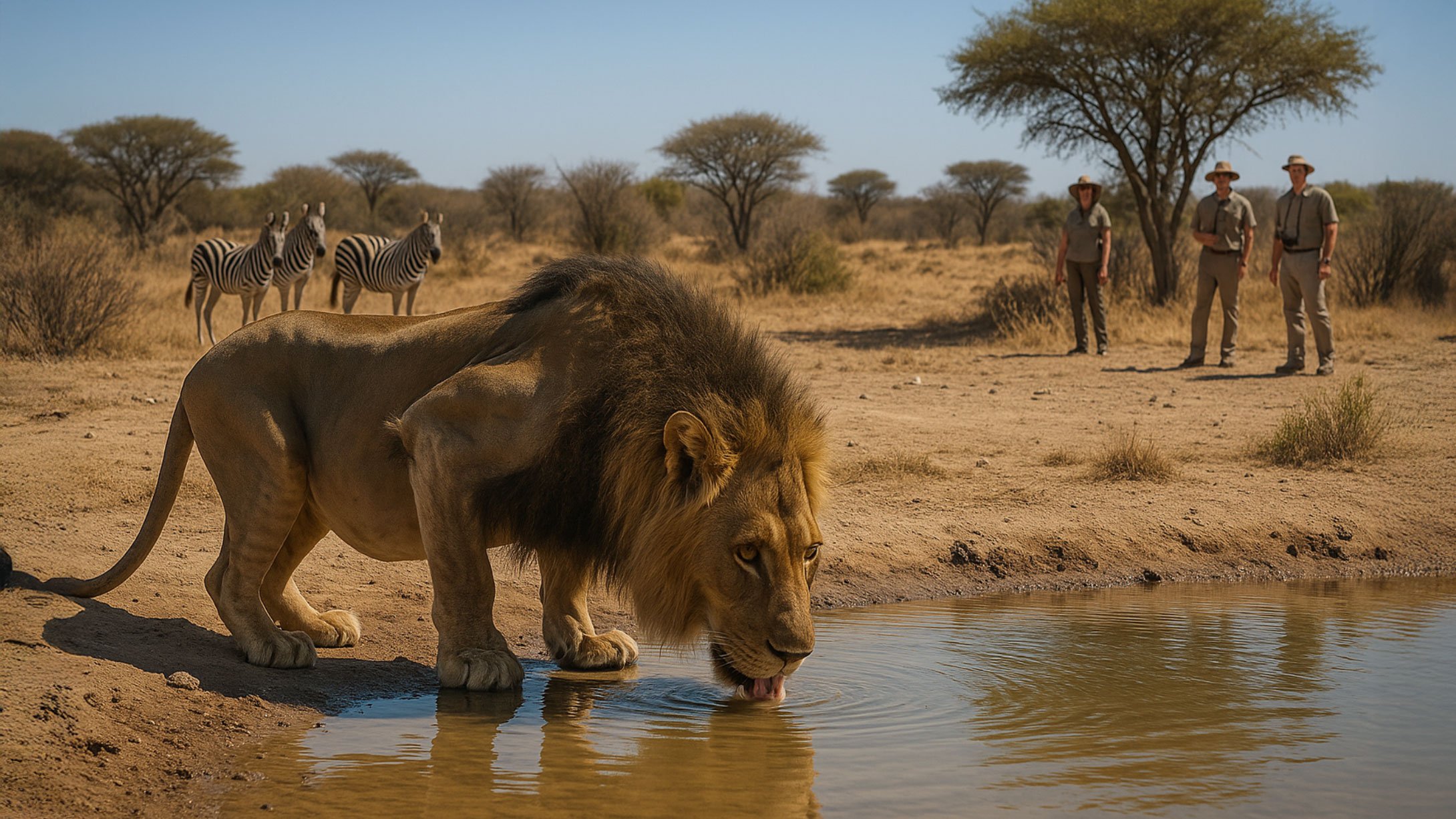
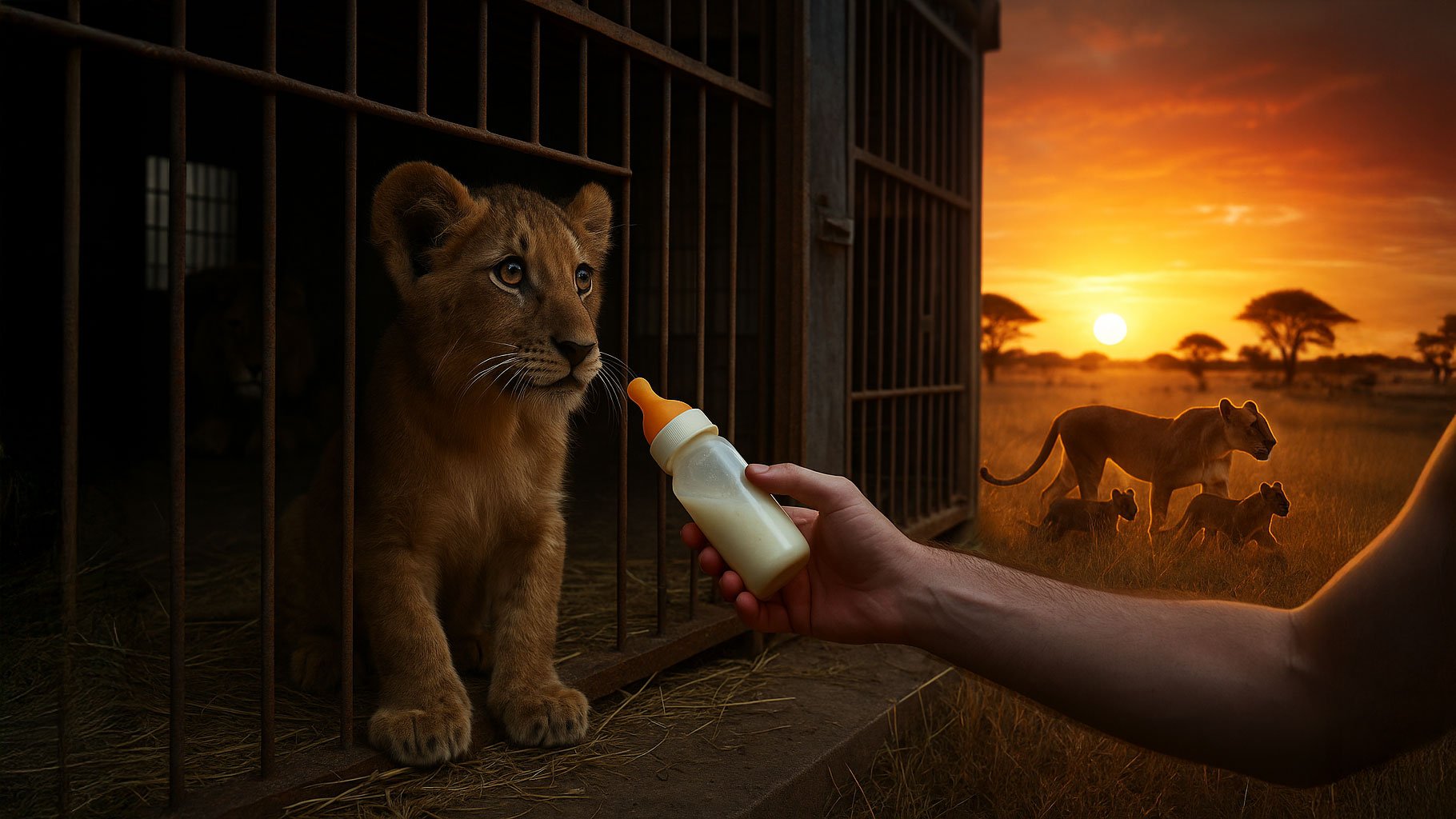
The lion cub in your lap may appear tame and content. But behind the scenes is a grim reality: breeding facilities that churn out cubs to satisfy public demand for photo ops. These babies are often separated from their mothers within days of birth, bottle-fed by humans to keep them compliant, and constantly handled until they’re too old and dangerous.
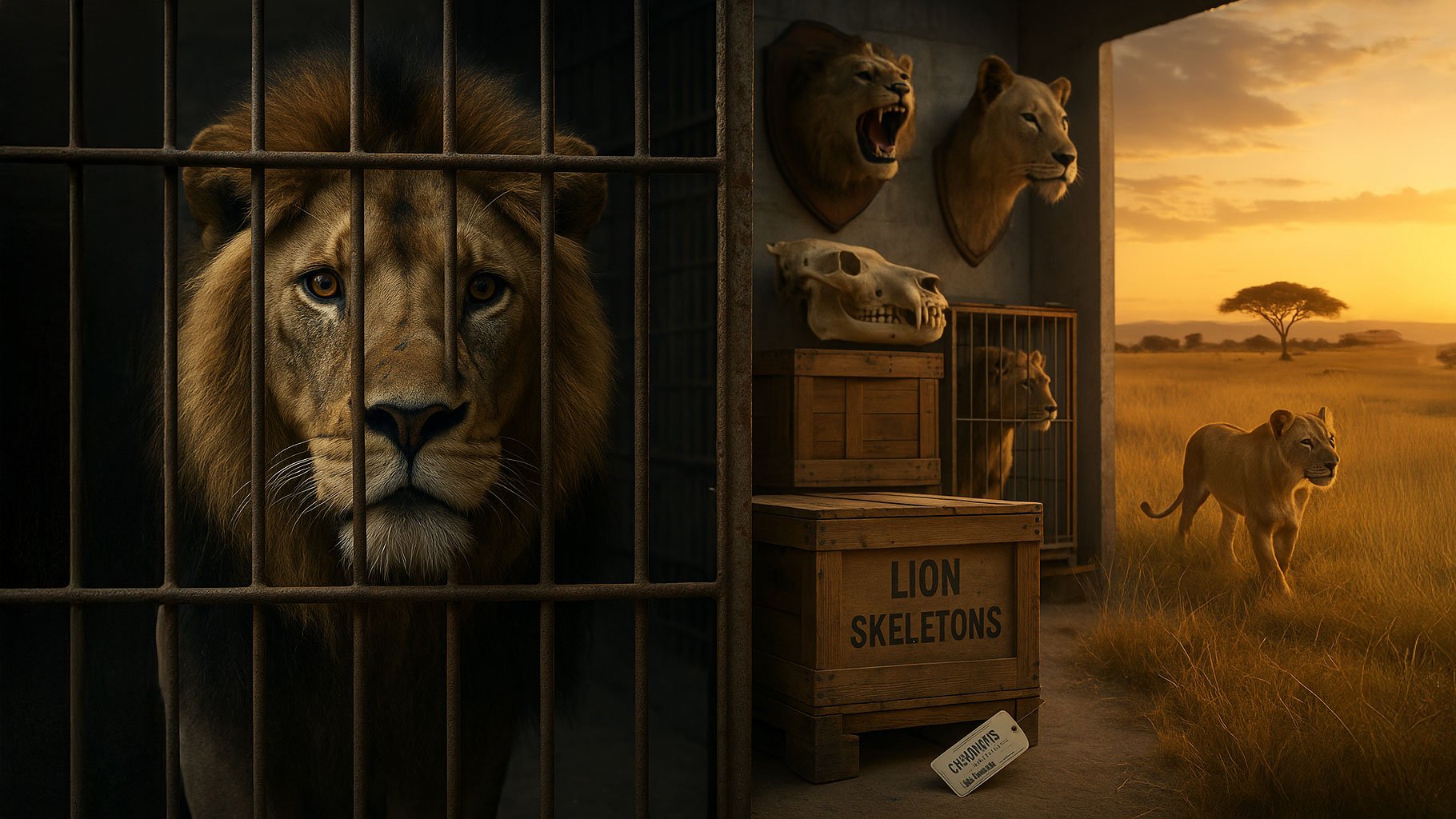
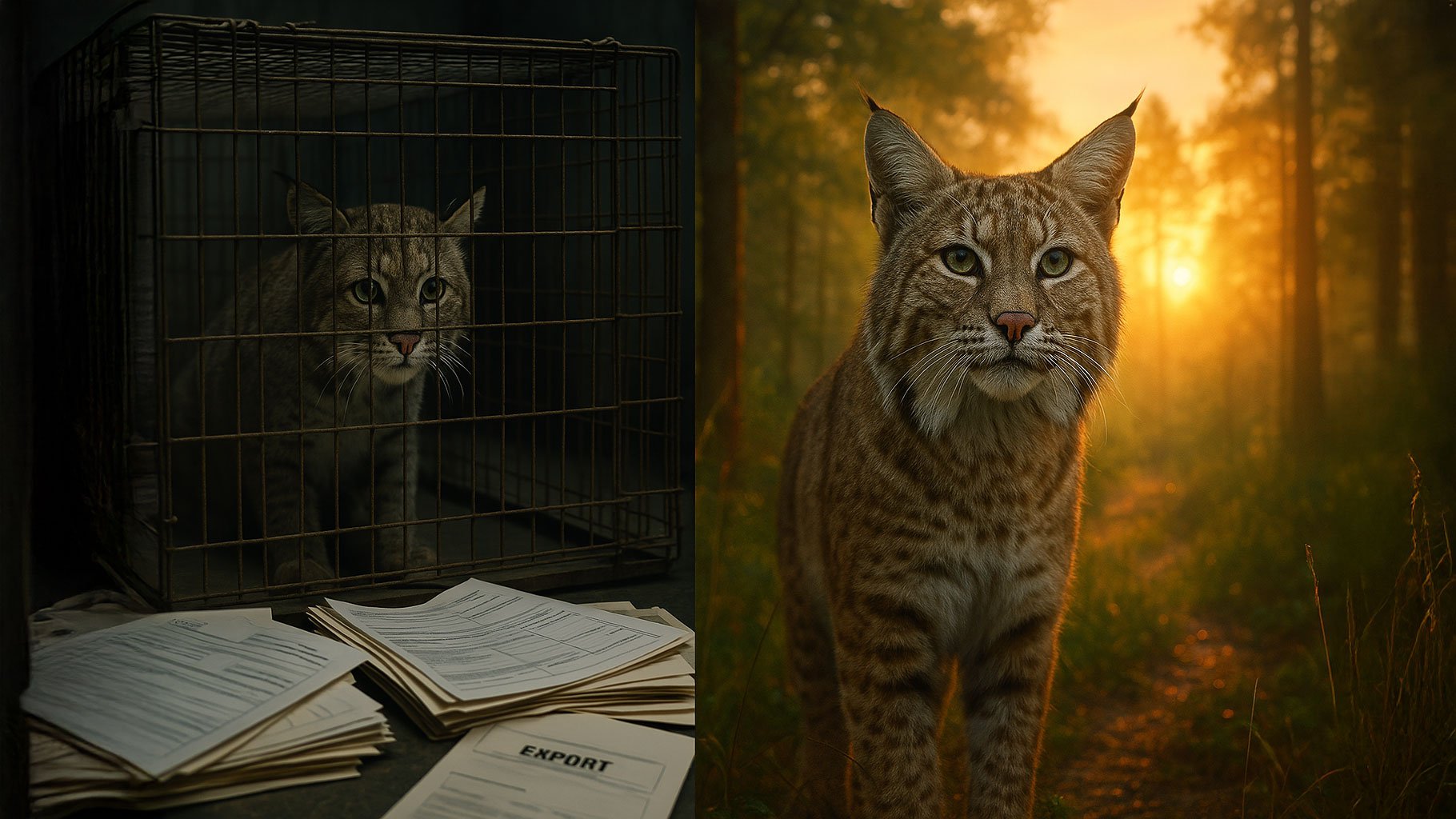
At that point? Many disappear. Some are sold into canned hunting operations, others into the exotic pet trade, and some vanish entirely from record.
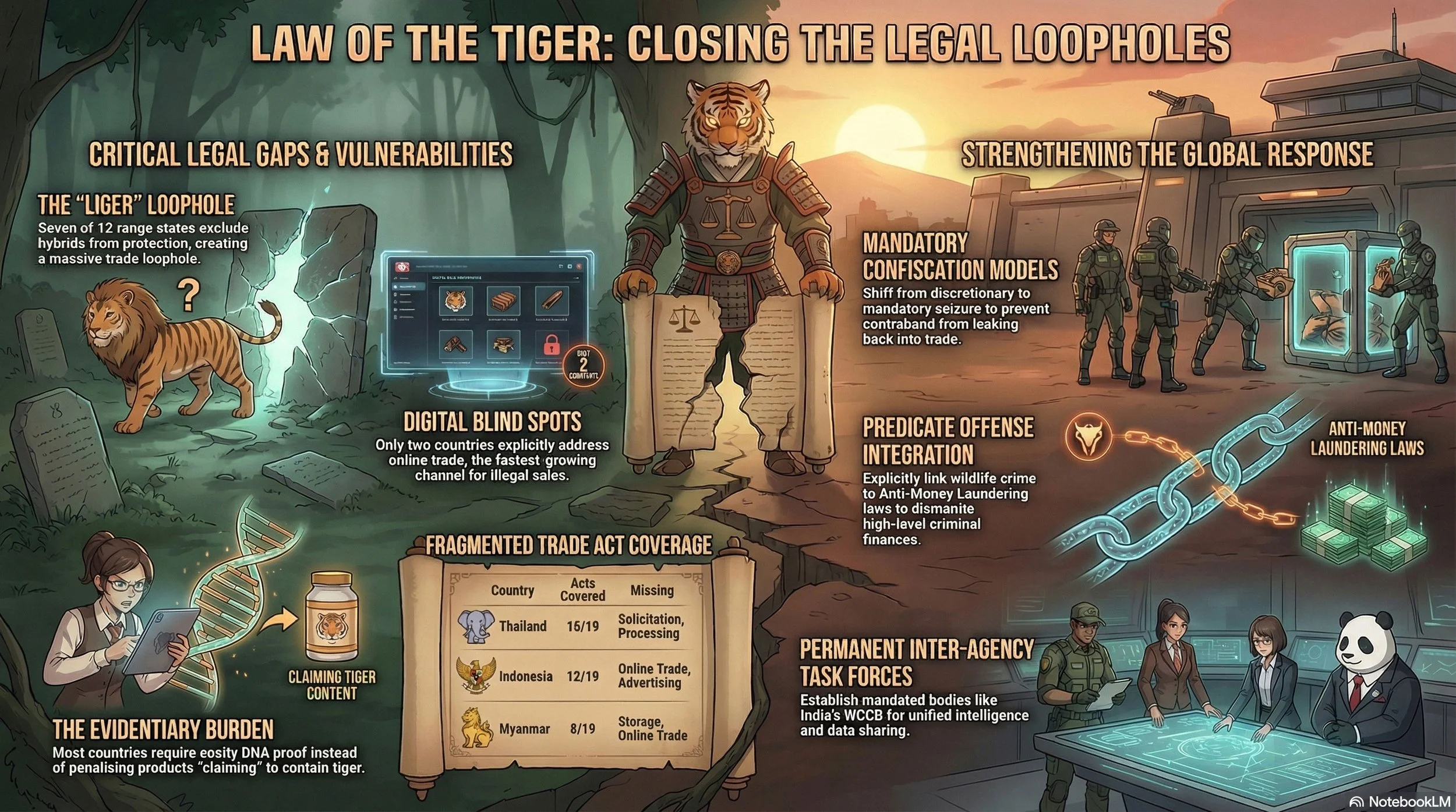
This isn’t just a Chinese problem. The U.S. was once a major player in this cruel industry. But on December 20, 2022, the Big Cat Public Safety Act became law, banning private ownership of big cats and prohibiting public contact like cub petting. It was a major victory for both animal welfare and public safety—and a model the rest of the world would do well to follow.
A Better Way Forward
Fortunately, not all the news is grim. The backlash in China shows growing public awareness. The country’s own Shanxi Forestry and Grasslands Bureau has launched an investigation, and there’s hope that increasing scrutiny will bring an end to these inhumane practices.
But awareness must lead to action. If you're horrified by the idea of lion cubs being passed around like plush toys, you can help.
Support laws that prohibit public contact with wild animals.
Refuse to visit establishments that exploit animals for entertainment.
Share this story to educate others about the cruelty behind the cuteness.
Donate to organizations like Big Cat Rescue, which now works globally to fund projects that keep wild cats safe in the wild—where they belong.
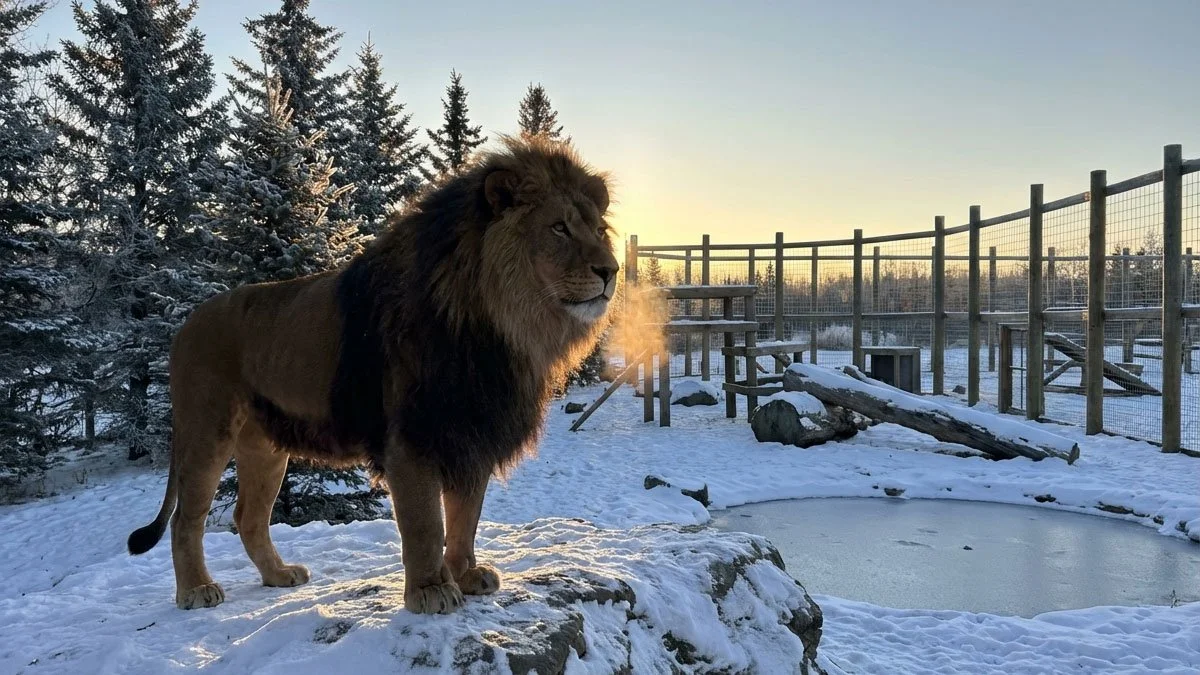
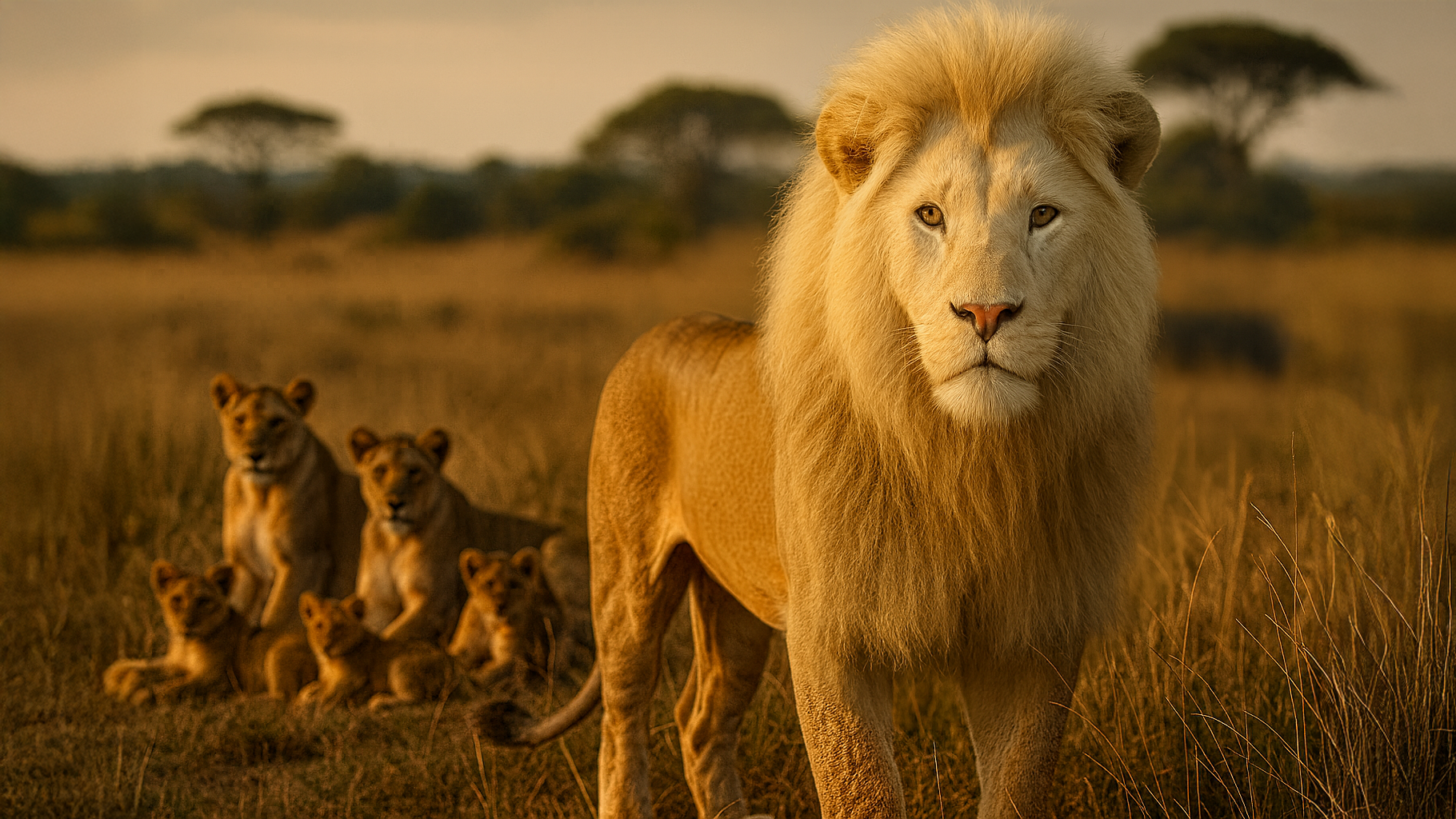
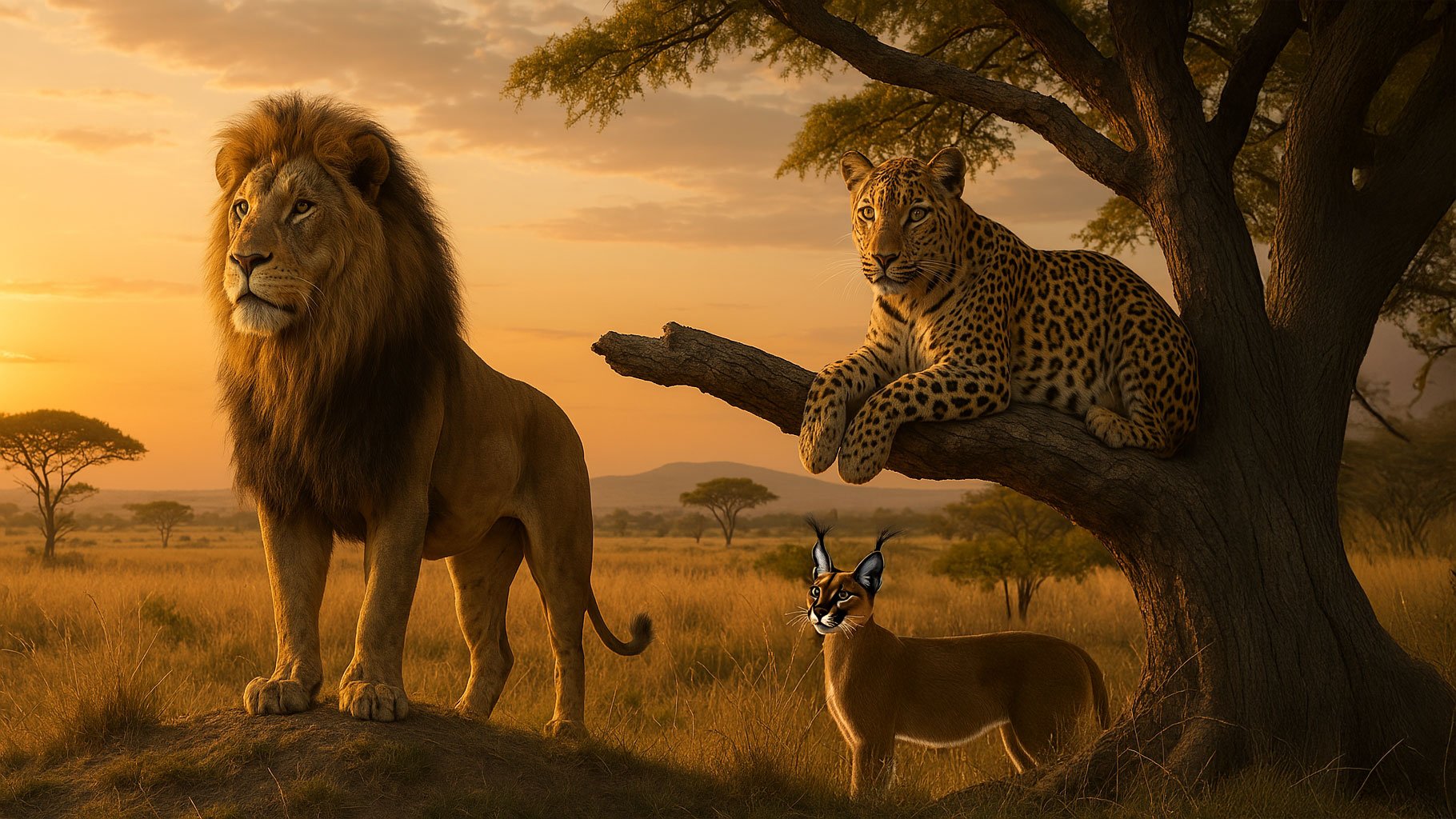
Simba shouldn’t be a menu item. He should be prowling through grasslands under the African sun, learning to hunt, play, and live free. Let’s make sure future generations of wild cats have that chance.






2025 source: https://www.theguardian.com/world/2025/jul/17/restaurant-china-baby-lion-cuddles-menu
