Vantara: The Illusion of Conservation or a Billionaire’s Private Zoo?
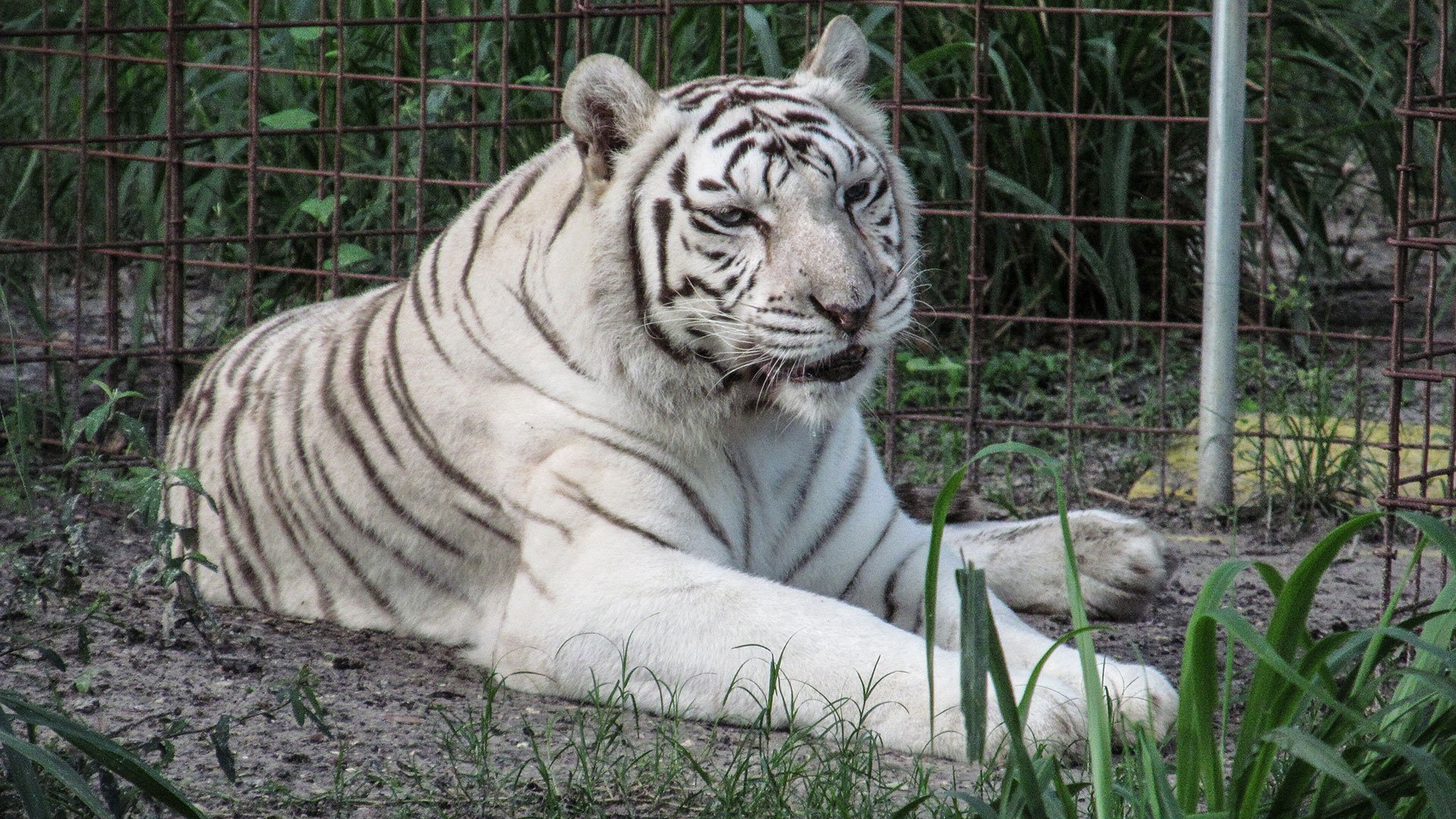
White Tiger Hybrid
In the heart of Gujarat, India, nestled within one of the world’s largest oil refinery complexes, lies Vantara, a facility that claims to be a beacon of wildlife rescue and conservation. Owned by Anant Ambani, the youngest son of billionaire Mukesh Ambani, this sprawling 3,000-acre compound boasts an exotic collection of wildlife sourced from across the globe.
At first glance, Vantara seems like a sanctuary—a place where rescued animals find safety and care. But dig a little deeper, and a troubling picture emerges: a secretive and highly controversial operation amassing an astonishing number of wild animals, many from questionable sources.
A Refuge or a Collection?
Vantara, officially called the Greens Zoological Rescue and Rehabilitation Centre (GZRRC), was established with promises of conservation and animal welfare. However, since its inception, it has acquired thousands of animals, including many endangered species.
Between 2019 and 2023 alone, Vantara took in over 3,819 animals, with many coming from South Africa—a country with a notorious reputation for breeding big cats for profit.
One of the most troubling revelations? Vantara sought to import 531 wild animals from South Africa’s Akwaaba Lodge and Predator Park, a facility known for breeding big cats and participating in the controversial canned hunting industry.
This shipment included:
50 hybrid lions
40 hybrid tigers
40 cheetahs
10 servals
20 giraffes
However, official records only confirm the export of 40 tigers and one ocelot, raising the question—where are the rest of these animals, and under what conditions were they transported?
South Africa: The Silent Supplier of Tigers
While lions have long been exploited for commercial breeding in South Africa, tigers are now at the center of a shocking and unregulated trade.
Despite the fact that South Africa has no officially registered tiger breeding facilities, it has become the world’s largest exporter of live tigers and their parts. These animals are bred in captivity for everything from trophy hunting to illegal bone trade, feeding demand in China and other markets.
At the 78th CITES Standing Committee meeting in Geneva (2025), global conservationists raised alarms about South Africa’s failure to regulate its tiger industry. Meanwhile, Vantara received at least 60 of these tigers, adding fuel to the growing concerns about the legality and ethicality of these exports.
Cheetah Relocation to India: Conservation or Catastrophe?
Another issue tied to Vantara is the controversial Project Cheetah, a program that aimed to relocate 120 cheetahs from South Africa to India over a decade.
The first batch of 12 cheetahs was sent to India in early 2023, but within a month, one had died. Two years later, the surviving cheetahs remain in enclosures because every attempt to release them into the wild has failed.
Despite these setbacks, Vantara imported 56 more cheetahs from South Africa, raising questions:
Where did these cheetahs come from?
What are Vantara’s long-term plans for them?
Is this about conservation, or are these animals being bred for a new industry in India?
The Great CITES Loophole
So how does Vantara acquire so many endangered animals without breaking international laws? A single letter in CITES regulations—‘Z’—holds the answer.
Under CITES rules, animals listed under Appendix I (highly endangered species) cannot be traded for commercial purposes. However, if an organization classifies its shipments under purpose code ‘Z’ (for zoological institutions), it can bypass restrictions that would otherwise prevent commercial transactions.
This massive loophole allows:
Commercial zoos to mask their animal acquisitions as conservation efforts.
Private collections to stockpile wildlife under the guise of "rescue".
Captive breeding programs to continue unchecked, fueling the exotic animal trade.
Vantara has benefited from this loophole, importing animals under the pretense of creating a conservation facility while offering little transparency about its actual breeding and trade practices.
What is Really Happening at Vantara?
While Vantara portrays itself as a sanctuary, its massive acquisitions of animals, particularly big cats, suggest something else. If these animals were truly rescued, where is the evidence of their previous suffering?
Instead, critics fear that Vantara is stockpiling animals for future breeding programs—a move that could fuel the exotic animal trade, much like South Africa’s canned lion industry.
Furthermore, the proximity of Vantara to the Reliance oil refinery raises environmental and welfare concerns. Petrochemical complexes are highly polluting, leading many to question the impact of air and water quality on the animals housed there.
The Call for Action
The Wildlife Animal Protection Forum of South Africa (WAPFSA) and other conservation groups have urged South Africa’s Minister of Forestry, Fisheries, and Environment, Dion George, to investigate the legality of these animal exports.
WAPFSA has also called for:
An independent audit of Vantara’s operations.
Stricter regulations on South Africa’s big cat breeding industry.
Re-evaluation of CITES rules to close the "Z-code loophole."
A Future Built on Ethical Conservation
If Vantara and its backers truly care about conservation, they should focus on protecting wild habitats rather than accumulating captive animals.
Real conservation means:
✅ Fighting habitat destruction, not importing animals into artificial enclosures.
✅ Strengthening anti-poaching laws, not fueling the captive breeding trade.
✅ Releasing animals into the wild whenever possible, not treating them as living trophies.
Vantara presents itself as a sanctuary, but unless it operates with full transparency, conservationists remain skeptical.
Wildlife is not a commodity. It is time to hold institutions accountable and demand true conservation efforts that prioritize animals, not profits.
Speak Up for Big Cats and Wildlife!
🐾 Share this story to spread awareness.
📝 Contact conservation organizations and urge them to take action.
🚫 Say no to wildlife exploitation masked as conservation.
Together, we can ensure that the future of wild animals is in the wild—not in captivity.
2026 Anant Ambani-Linked Vantara Cleared? SC Shuts Down Fresh Explosive Wildlife Violations PIL
Anam Sayyed March 20, 2026
The Supreme Court rejected a public interest petition that accused Vantara’s animal welfare trusts of breaking international wildlife trade rules. The Court said the claims were similar to an earlier case, which had already been examined and cleared by a court-appointed investigation.
Vantara is a large animal rescue, care, and rehabilitation project set up by the Reliance Foundation in Jamnagar, Gujarat. Anant Ambani, son of industrialist Mukesh Ambani, leads the project and is closely involved in its vision and operations.
Petition By Foundation Under Article 32:
Justices Prashant Kumar Mishra and NV Anjaria refused to hear the petition, which was filed by the Karanartham Viramah Foundation under Article 32 of the Constitution. The petition relied on the Convention on International Trade in Endangered Species of Wild Fauna and Flora(CITES) Secretariat document and claimed there were issues in animal imports by Greens Zoological Rescue and Rehabilitation Center and Radha Krishna Temple Elephant Welfare Trust.
The foundation asked the Court to take several steps. It wanted details of import/export licences and CITES permits given to private players. It also asked for an independent panel to check if rules were followed, action under the Wild Life (Protection) Act, 1972, a standard process to verify permits, and a stop on further imports of certain species by private organisations.
The Court said these same issues had already been raised in CR Jaya Sukin v. Union of India, 2025 LiveLaw (SC) 913. In that case, a Special Investigation Team (SIT) had closely examined Vantara’s animal acquisitions and found no violations. The Court had accepted the SIT’s final report on September 15, 2025.
Court:No Violations Found
The bench said: “Subject matter of the petition, in substance, is the same which was the subject matter of consideration in W.P.(C) No. 783 of 2025. Those matters stood examined by the SIT constituted by this Court and the final report of the SIT has been accepted by this Court on 15.09.2025. The same categorically records that no violation of any domestic or international law was found.”
The Court also said that if imports were done with valid permissions, they cannot later be called illegal just because objections were raised later. It said : “…once an import has been effected under the valid permission, the same cannot subsequently be treated as prohibited qua the importer merely because the objections were raised thereafter.”
Referring to East India Commercial Co. Ltd. v. Collector of Customs, 1962 AIR 1893, the Court explained that once proper official permissions are given and used, they should not be easily reversed.
Court Warns Of Harm To Animals:
The judges also warned that cancelling such imports, especially when they involve live or rescued animals, could harm them. They said: “More importantly, disturbing the settled environment, custody and air of living animals, including rescued animals after lawful import, may itself result in cruelty”.
In the end, the Court dismissed the petition.

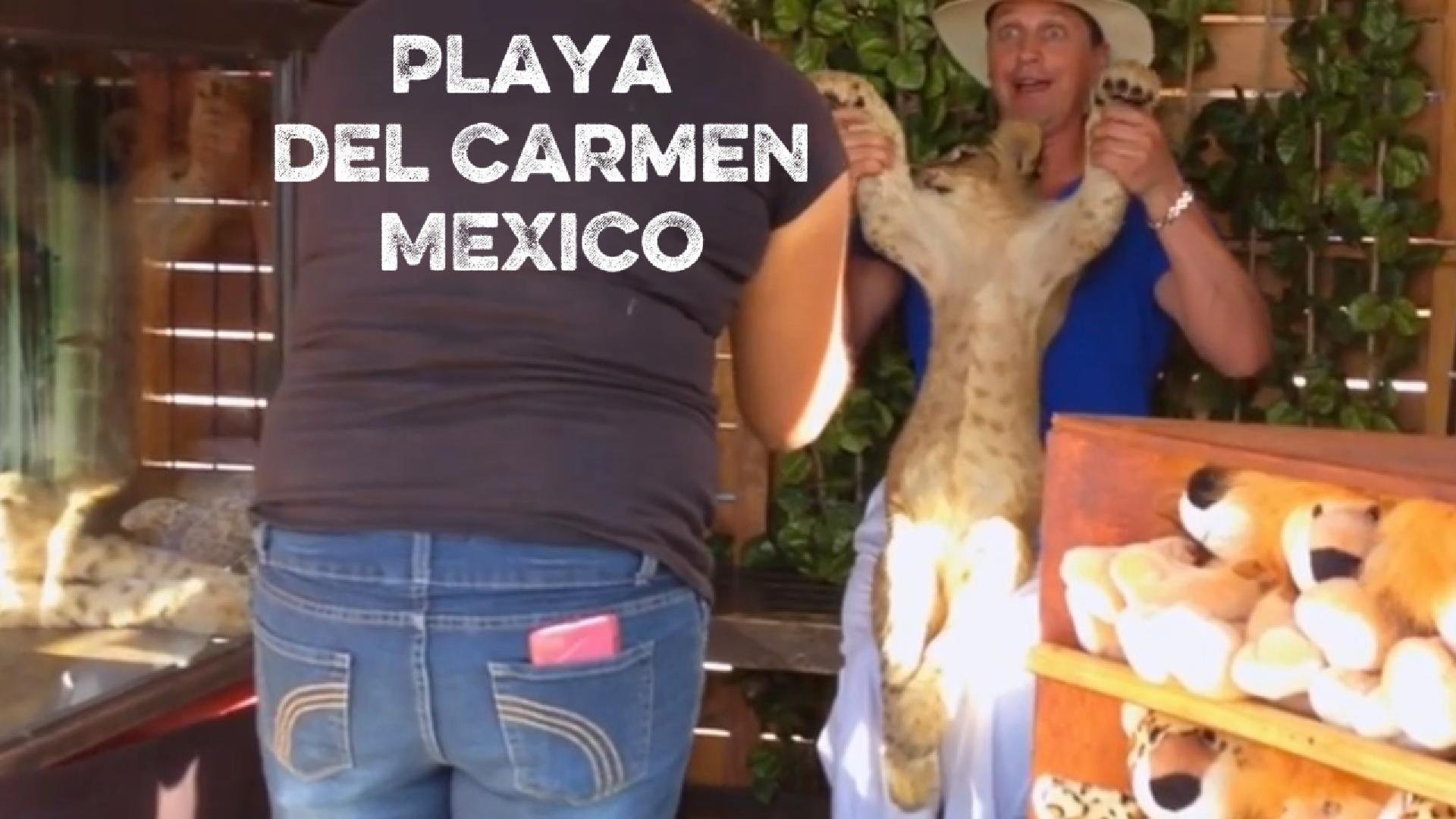
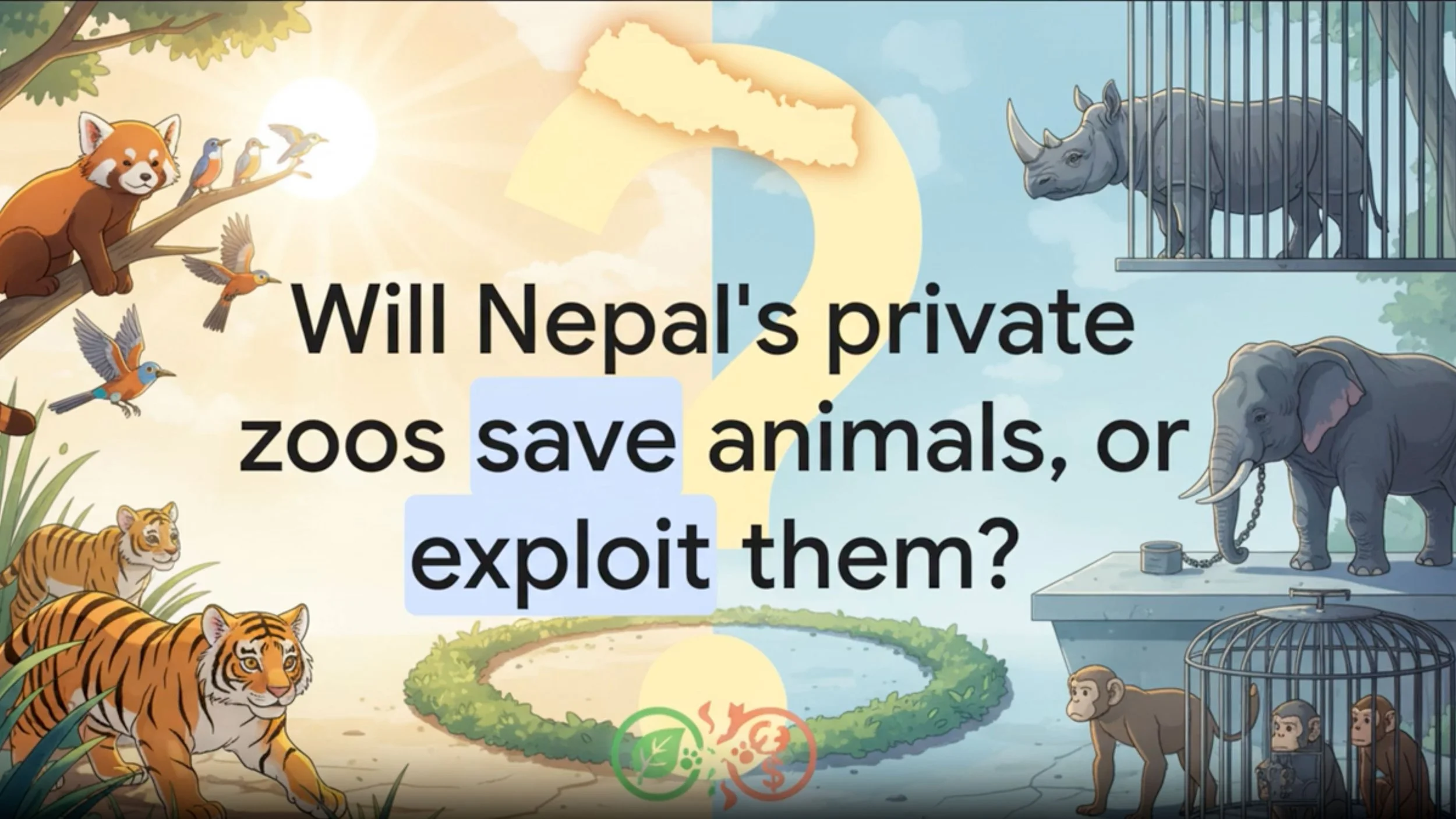
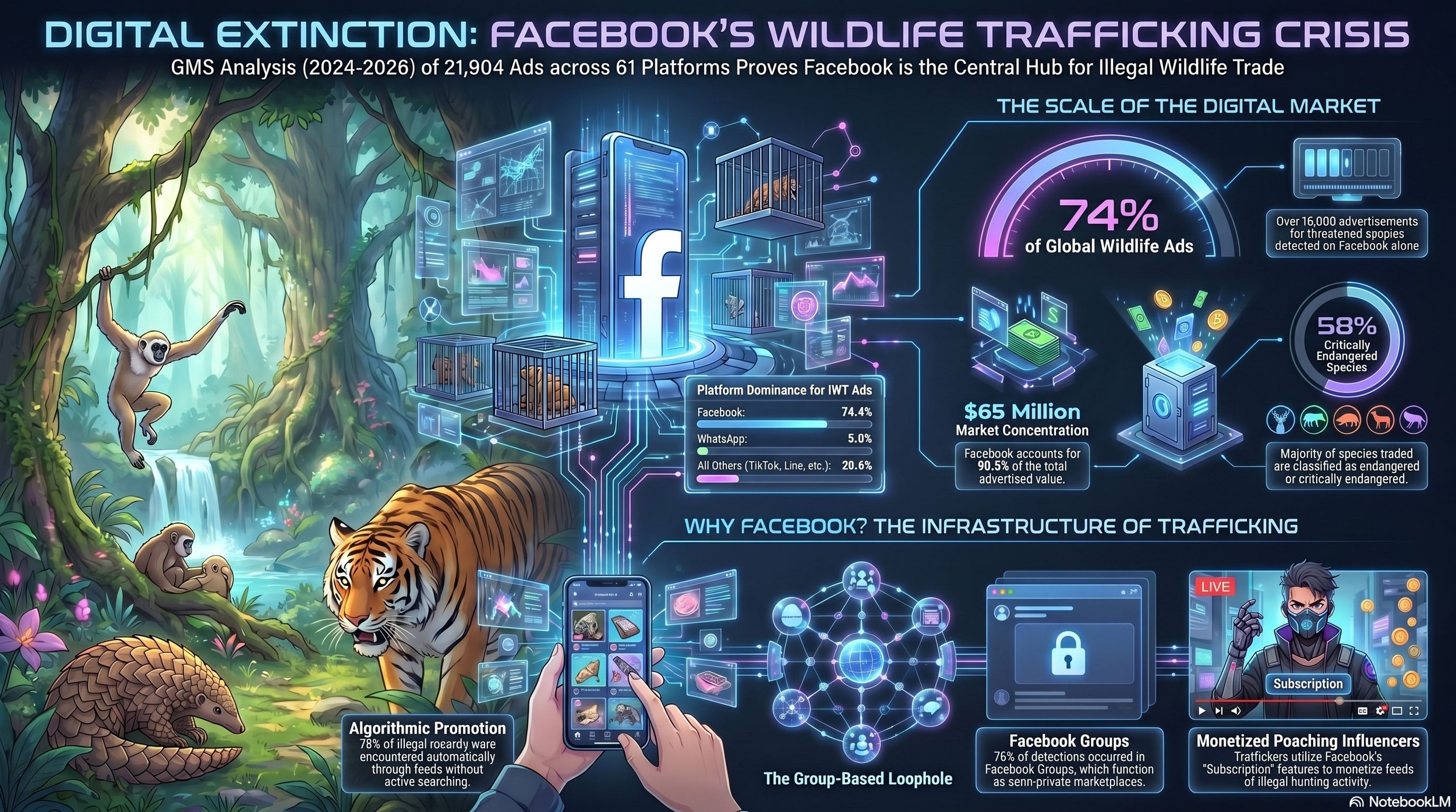



For those of you interested in Vantara, here are some 2025 news reports (including from within India), and based on the Secretariat's report on India and compliance for SC79 see https://cites.org/sites/default/files/documents/E-SC79-06-03-04.pdf
Mongabay (India): Global biodiversity assessment counters Supreme Court’s clean chit to Vantara
Northeast Now (India): CITES flags irregularities in Ambani's Vantara wildlife imports, calls for halt on Appendix-I species
The Hindu (India): After visit to Vantara, global wildlife committee recommends India pause animal import
Find out more: https://wapfsa.org/vantara/
