The End of the Cub Selfie
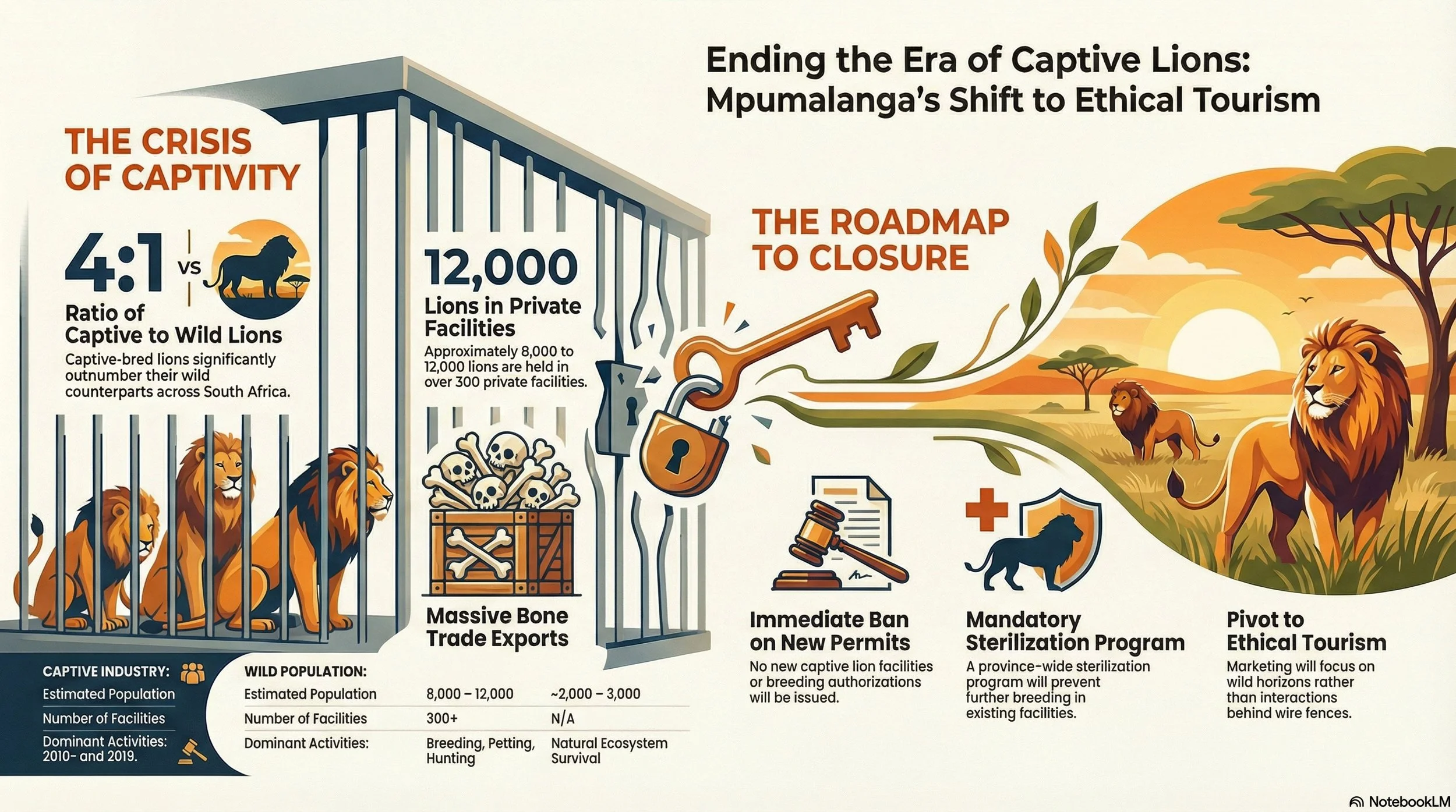
The provided sources detail a landmark decision by the Mpumalanga Tourism and Parks Agency to officially ban new permits for captive lion facilities in South Africa’s Mpumalanga province. This regulatory shift aims to phase out the controversial industry by prohibiting future breeding, stopping the importation of captive lions, and implementing a sterilization program. By aligning with national conservation mandates, provincial authorities are moving away from commercialized animal interactions, such as cub petting and canned hunting, to protect the country's international reputation. The transition focuses on fostering ethical, wild-based tourism and prioritizing the welfare of lions in their natural habitats. While existing facilities will not close immediately, they must adhere to strict welfare standards as the province redirects investment toward nature reserves and sustainable wildlife management. This policy represents a significant victory for animal rights advocates and marks a decisive pivot toward authentic African safari experiences.
Microchip
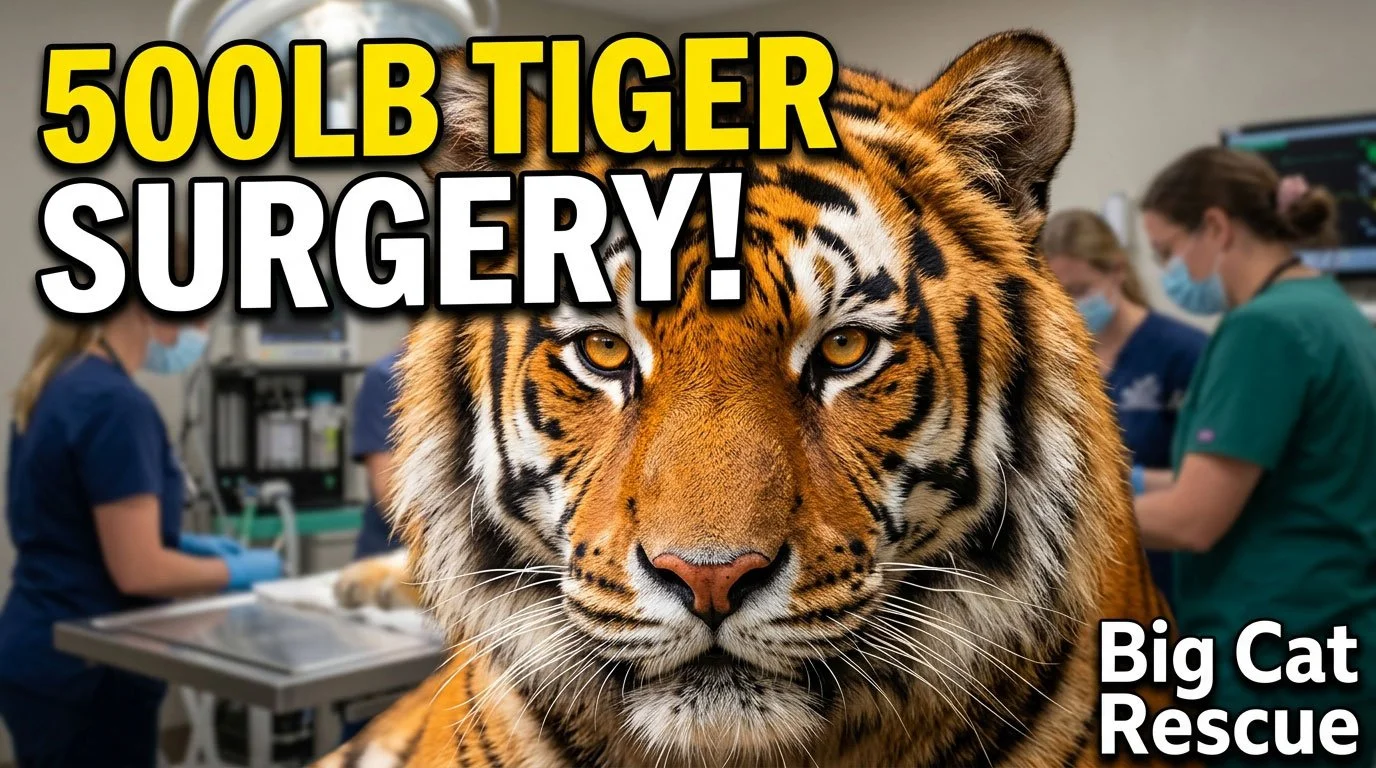
People often ask if we microchip our cats. We do microchip our permanent residents, but not the bobcats who are being released. Find out why we chip or not.
Feeding Kittens and Cubs
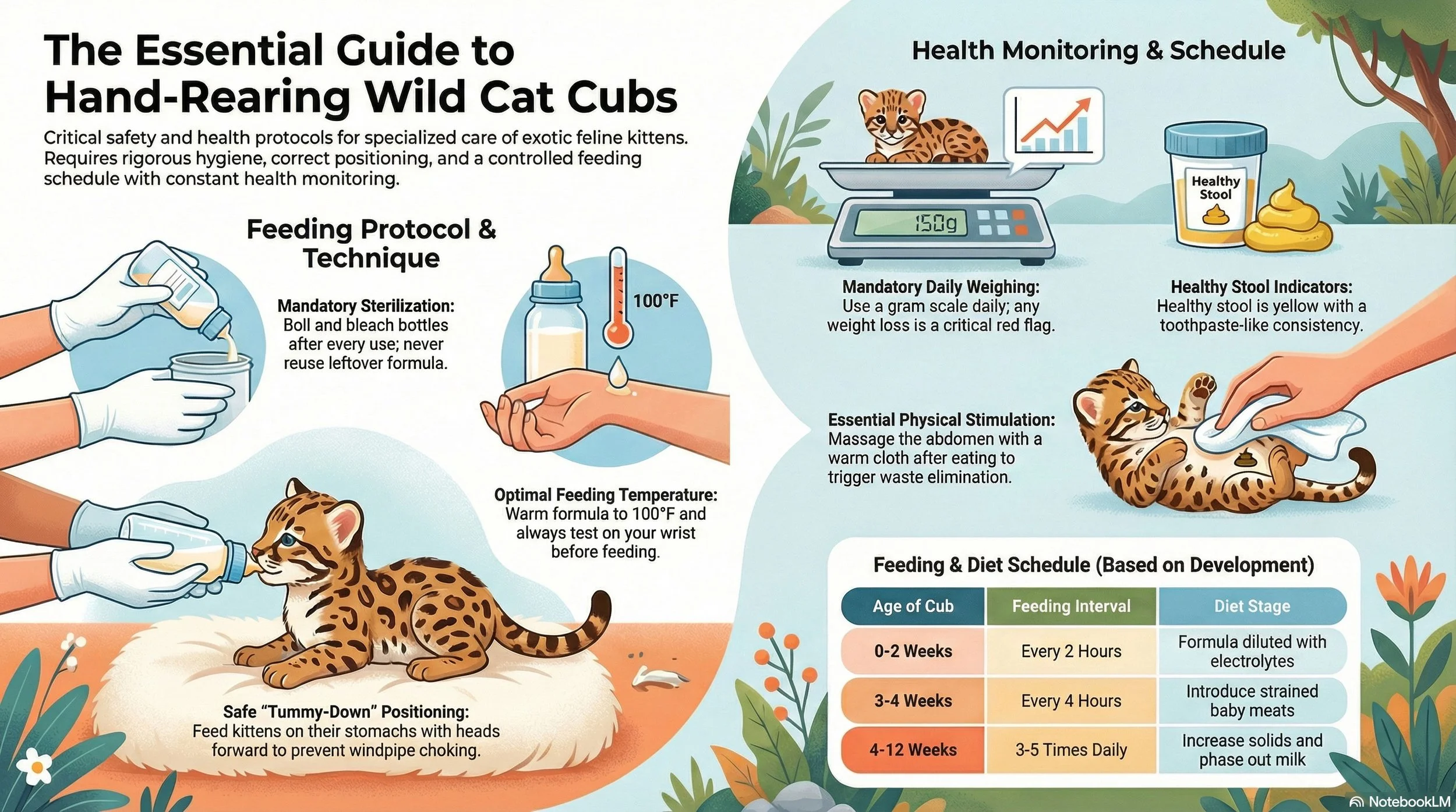
This guide from Big Cat Rescue provides comprehensive instructions on the specialized care and hand-rearing of wild cat kittens and cubs. While emphasizing that maternal care is always superior, the author details critical technical skills such as sterilizing equipment, modifying bottle nipples, and maintaining proper feeding postures. The text places a high priority on medical monitoring, urging caretakers to track weight precisely and observe waste for signs of bacterial infections or parasites. Beyond nutrition, the source covers essential hygiene practices, including stimulating waste elimination and safe methods for pest control. Throughout the manual, a strong conservationist stance is maintained, discouraging the exotic pet trade while offering life-saving advice for animals already in human custody.
Bacteria
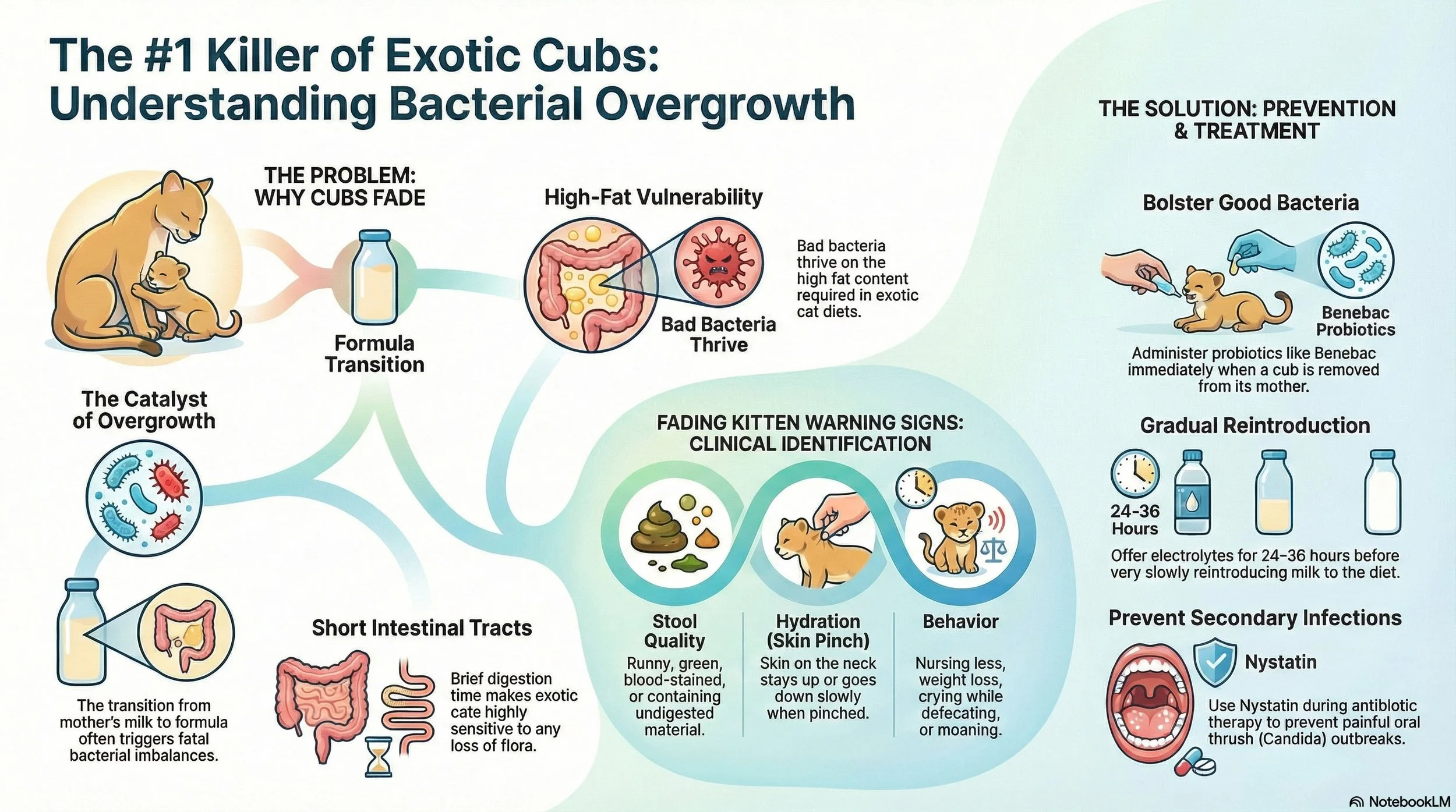
This source outlines the mission and medical observations of Big Cat Rescue, specifically focusing on the dangers of bacterial overgrowth in exotic kittens. After shifting from breeding to sanctuary operations, the organization now emphasizes that human interference in a cub's diet often disrupts the delicate intestinal flora essential for survival. The text explains that exotic cats possess short digestive tracts, making them highly susceptible to fatal infections and starvation when mother’s milk is replaced by formula. To combat these risks, the author suggests a strict regimen involving probiotics, specialized electrolytes, and antifungal medications to manage the side effects of antibiotics. Detailed clinical signs of fading kitten syndrome and inflammatory bowel disease are provided to help caregivers identify life-threatening symptoms early. Ultimately, the guide serves as a warning against the exotic pet trade while offering practical advice for the emergency care of vulnerable felines.
SWCCF News 2026 02
Kittens and Cubs
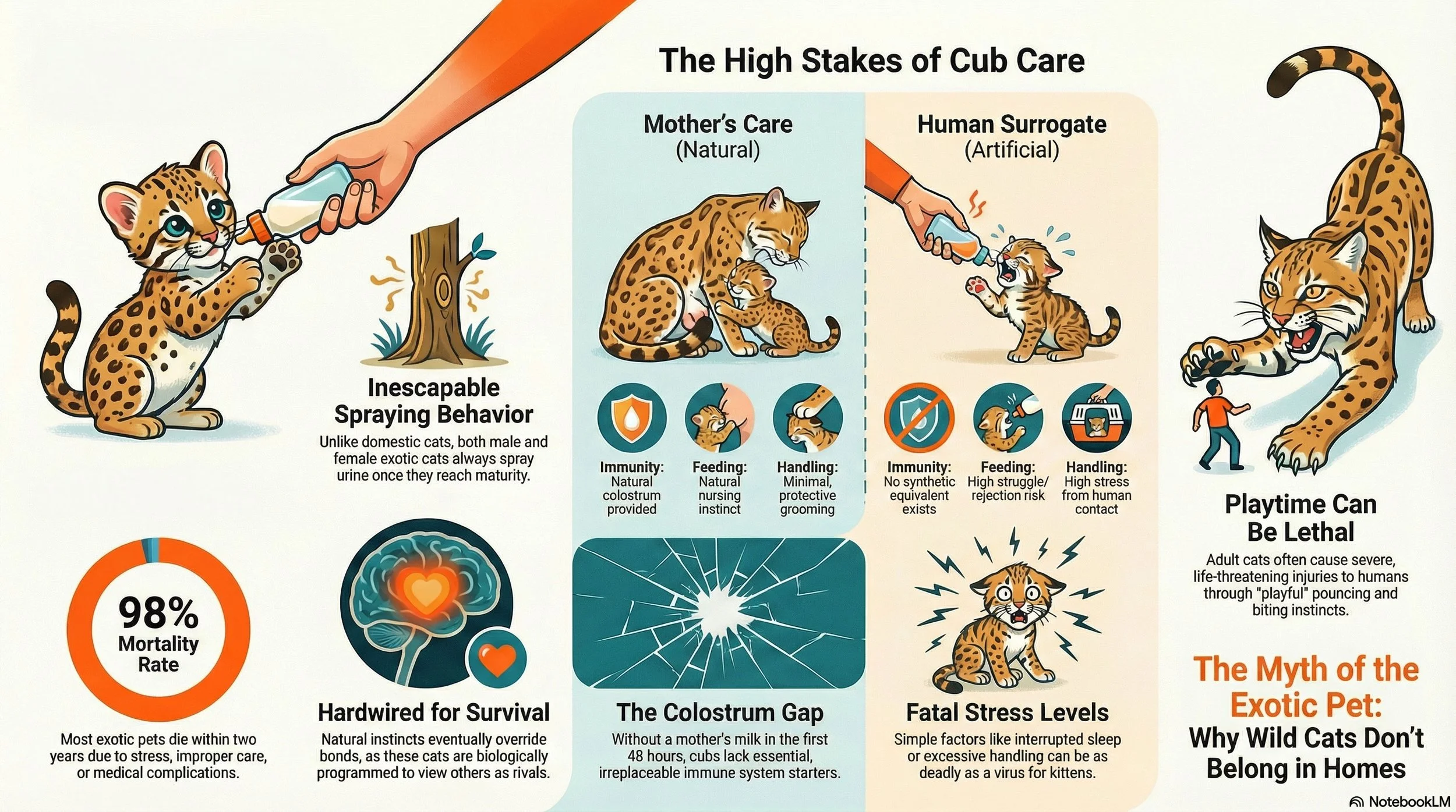
These sources outline the evolution and philosophy of Big Cat Rescue, moving from an involvement in the exotic pet trade to a mission focused on ending the breeding and ownership of wild cats. The text emphasizes that exotic cats cannot be domesticated and provides critical care instructions solely to prevent the death of kittens already displaced by the pet industry. It highlights the immense physical and emotional demands of hand-rearing these animals, including the necessity of natural colostrum for immunity and the dangers of human bonding. Furthermore, the documents warn of the inherent risks to owners, noting that mature cats retain wild instincts that make them dangerous even in play. Ultimately, the materials advocate for legislation and education to ensure these animals are no longer subjected to a life of captivity.