Why You Can’t Tame the Wild: 5 Surprising Truths About Raising Exotic Cats
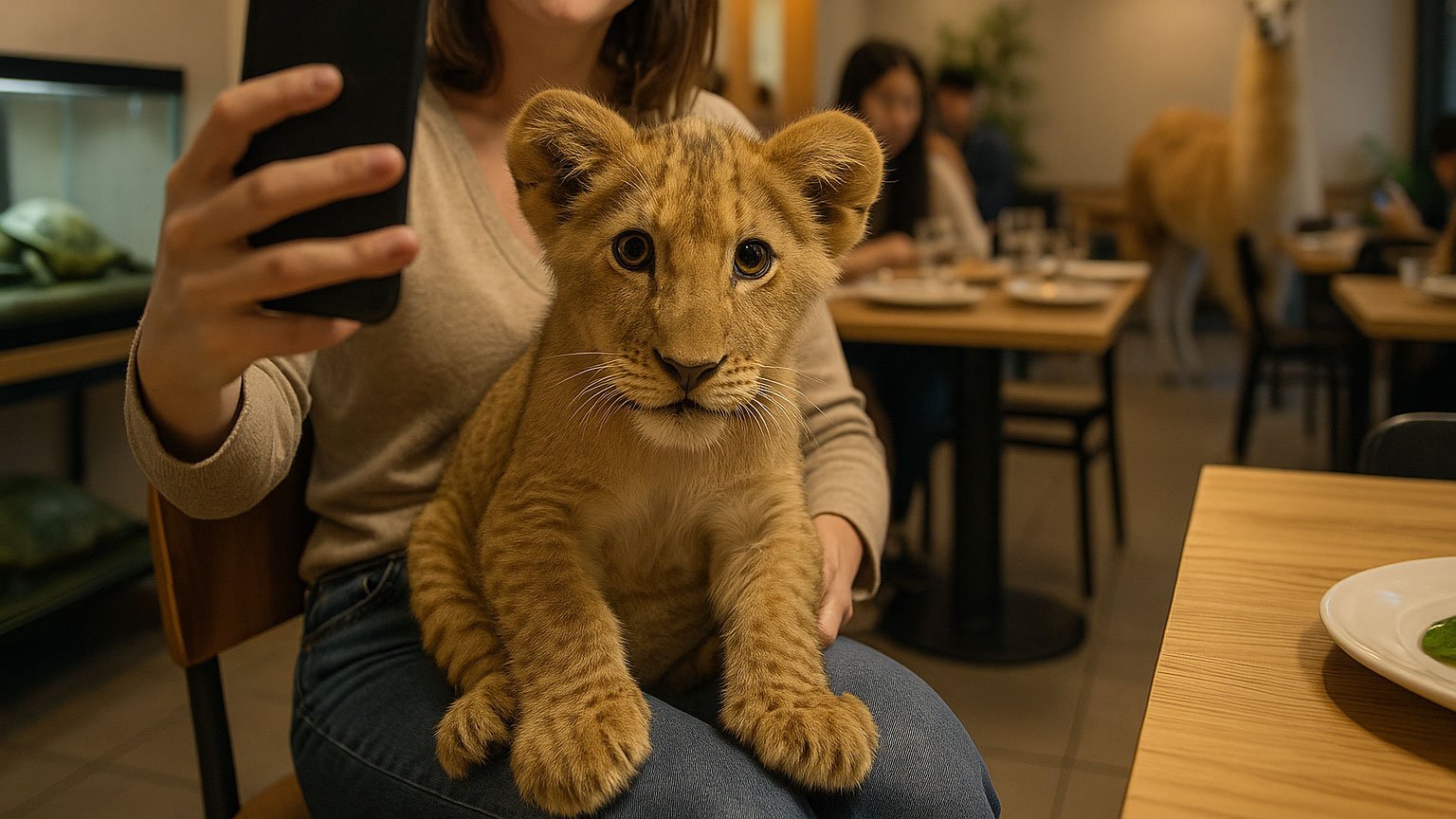
For many, the sight of a fuzzy exotic kitten sparks a deep, primal fascination—a desire to own a piece of the wild. However, as an advocate who has spent decades investigating the grim underbelly of the exotic pet trade, I have seen this fascination transform into a "horrid practice" that leaves a trail of broken spirits. Drawing from Big Cat Rescue’s 25-plus years of experience, we have moved past the era of breeding to a sobering mission of education and legislation. The transition from curiosity to conservation reveals a hard truth: while these animals are breathtaking, the pet trade is a cycle of "heartaches and headaches" that begins with cruelty and almost always ends in tragedy.
1. The "Housepet" Is a Biological Impossibility
The dream of a "tame" exotic cat is a biological lie. There is a fundamental disconnect between a domestic pet and a wild predator that no amount of nurturing can bridge. Owners are often blindsided by the reality of sexual maturity, specifically the behavior of "spraying" to mark territory. This isn't a mere lapse in house-training; it is an instinctive drive that occurs in both males and females. It happens ALWAYS, regardless of whether the animal is neutered or spayed, and regardless of how meticulously an owner cleans or grooms the cat.
This sensory nightmare is a primary reason the failure rate for private ownership is astronomical: 98% of owners "kill their exotic pet in the first two years" because the reality of living with them becomes physically and mentally unbearable. As the experts at the sanctuary have witnessed firsthand: "I can assure you that there is nothing you can do to raise up an exotic cat to be a housepet. It just isn't possible."
2. The Biological Death Sentence of the 48-Hour Window
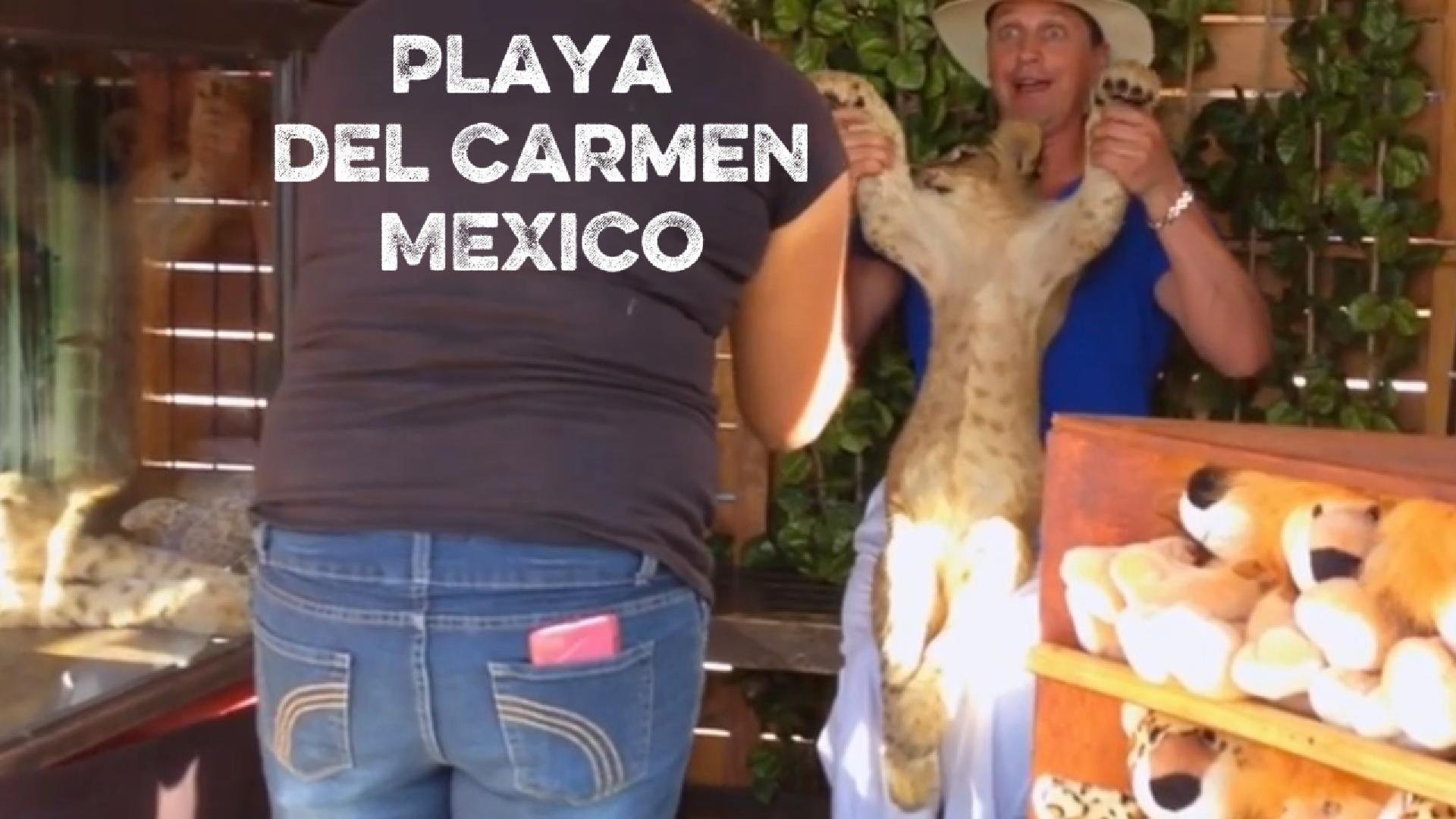
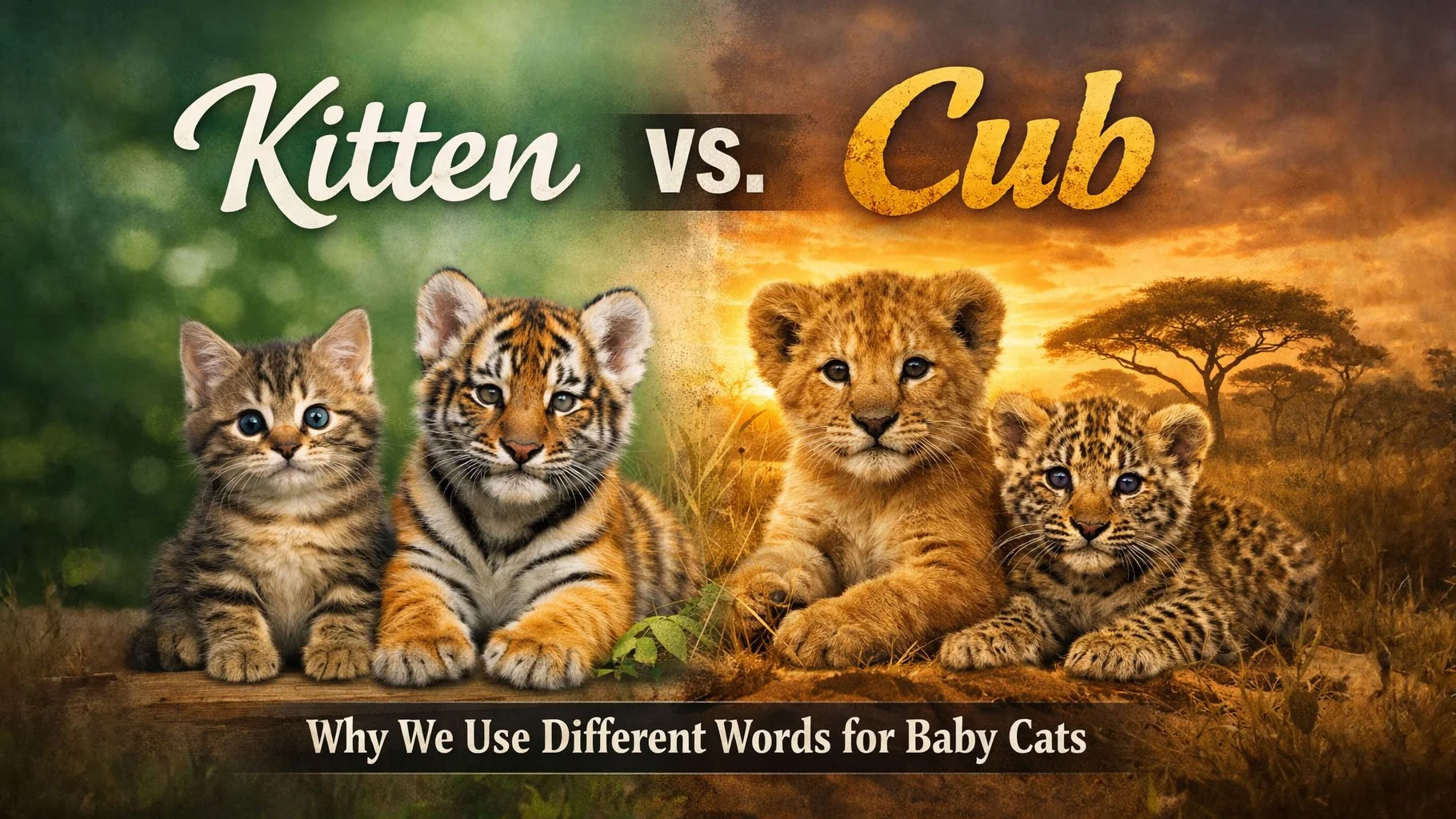
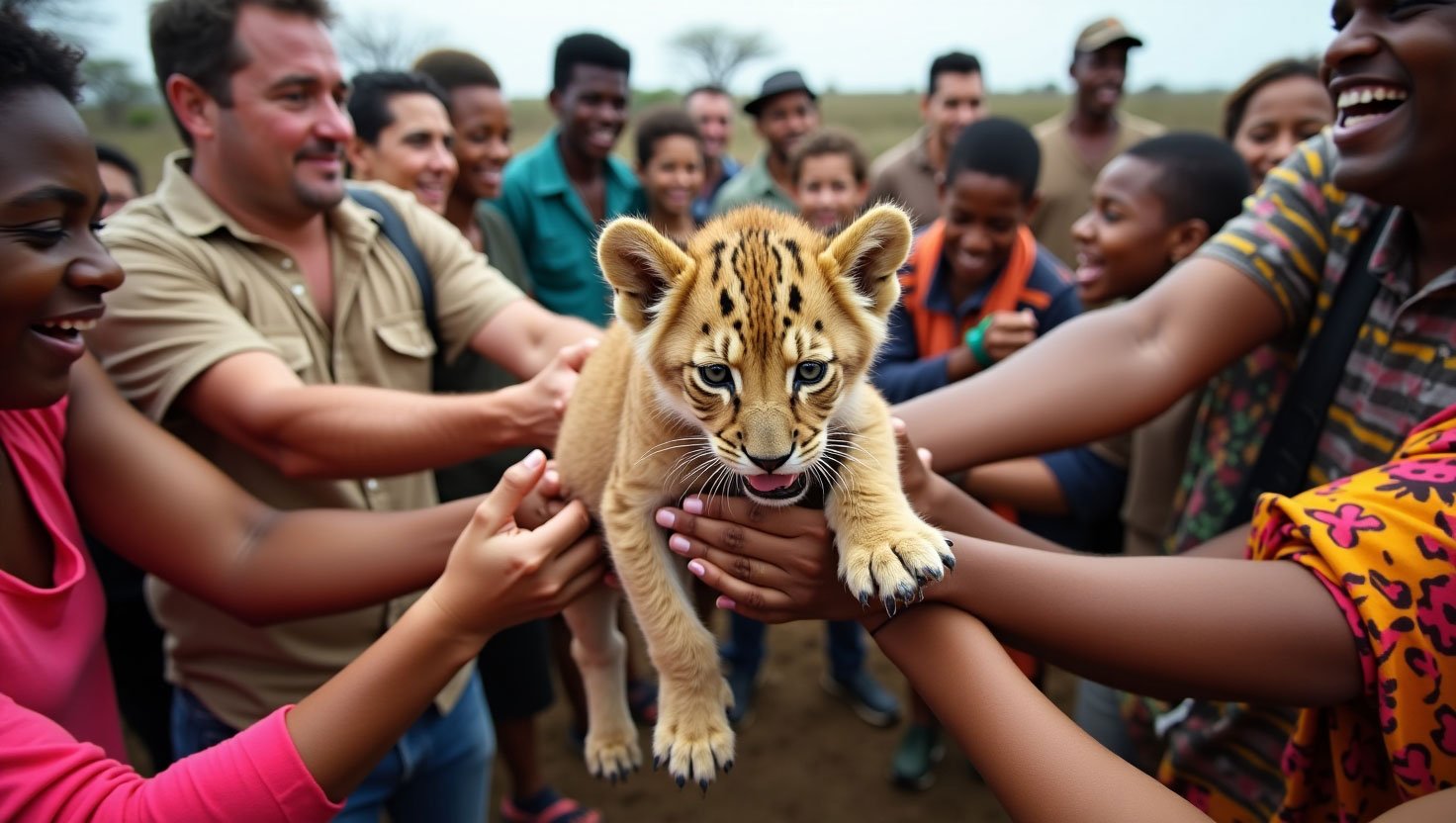
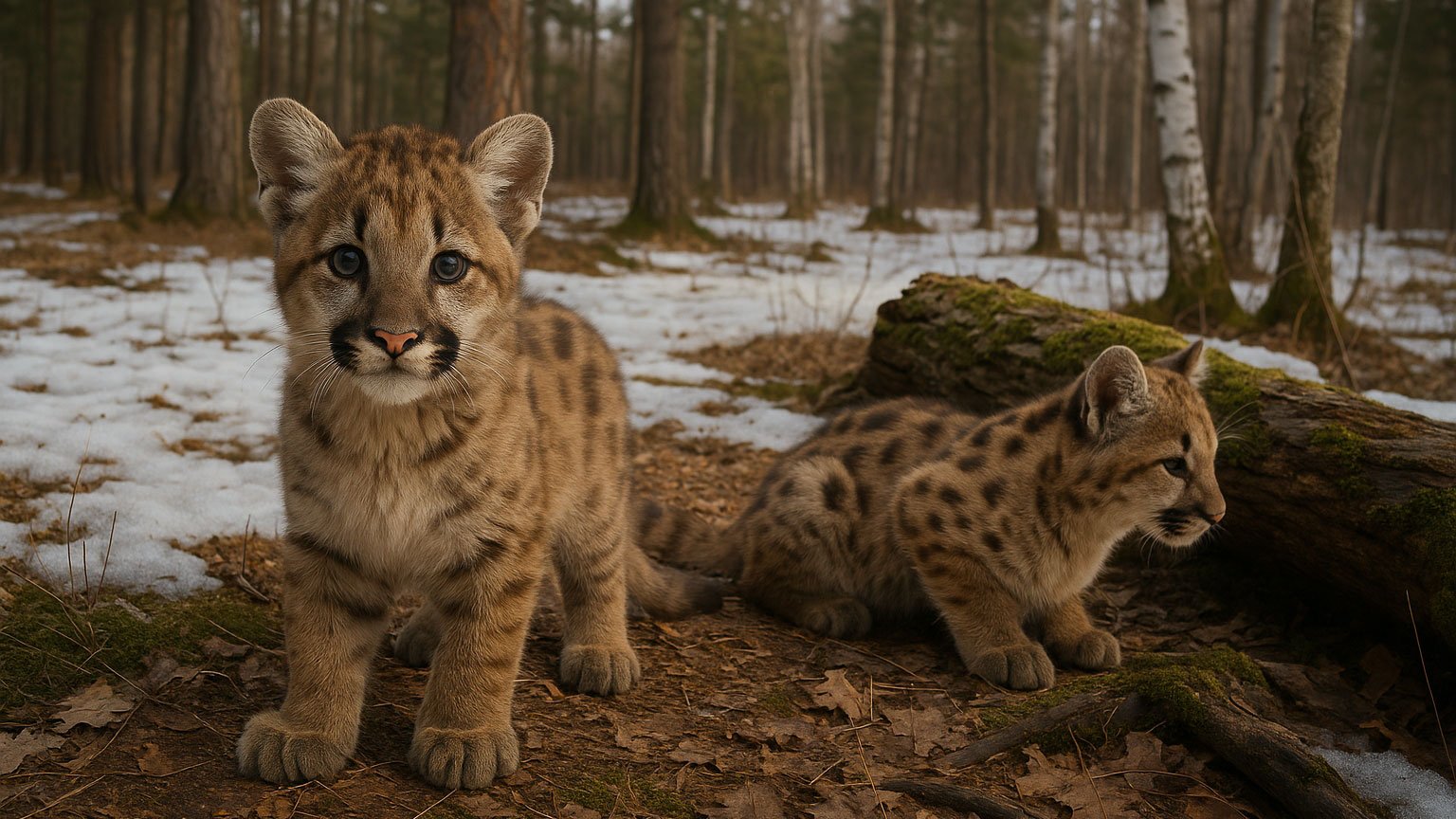
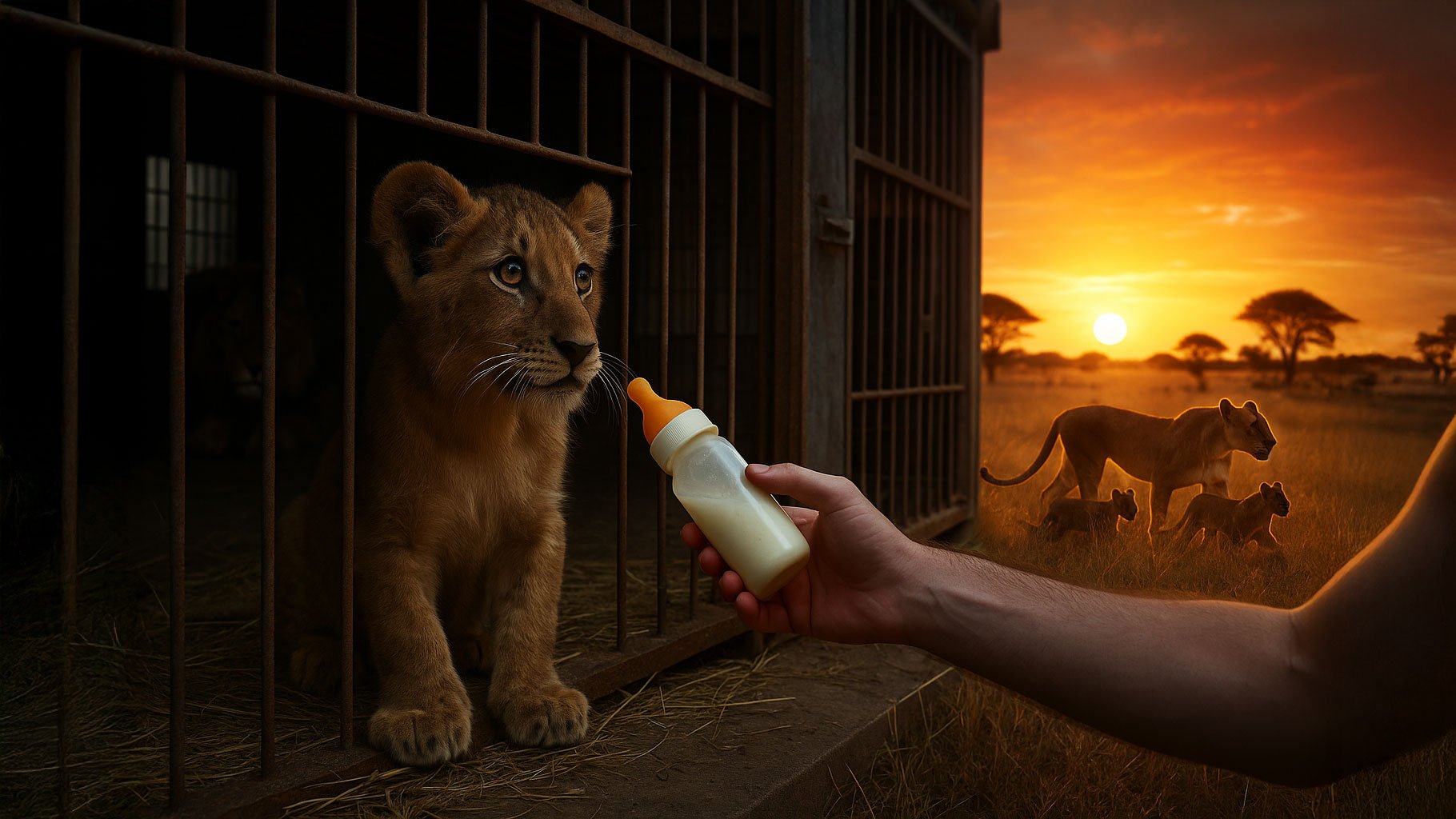
The most devastating part of the exotic pet trade is the "pulling" of kittens from their mothers. Breeders often remove cubs before they are ten days old, often before their eyes even open. This is done to force a bond with a human buyer, but it is a biological death sentence. A mother’s milk in the first 48 hours contains colostrum, a vital substance that initiates the kitten’s immune system. Synthetic alternatives do not exist for the public, meaning these cubs have zero natural immunities.
When a breeder pulls these kittens, the mother is left to cry for days for her lost offspring, while the buyer unknowingly takes home an animal that is biologically compromised. Without that 48-hour window of colostrum, owners are fighting a "losing battle" against eye infections and systemic viruses. If you bought a kitten to bottle-raise, you didn't just buy a pet; you supported a practice that treats a mother’s grief and a cub’s survival as collateral damage.
3. Stress: The Silent Killer in the "Nest"
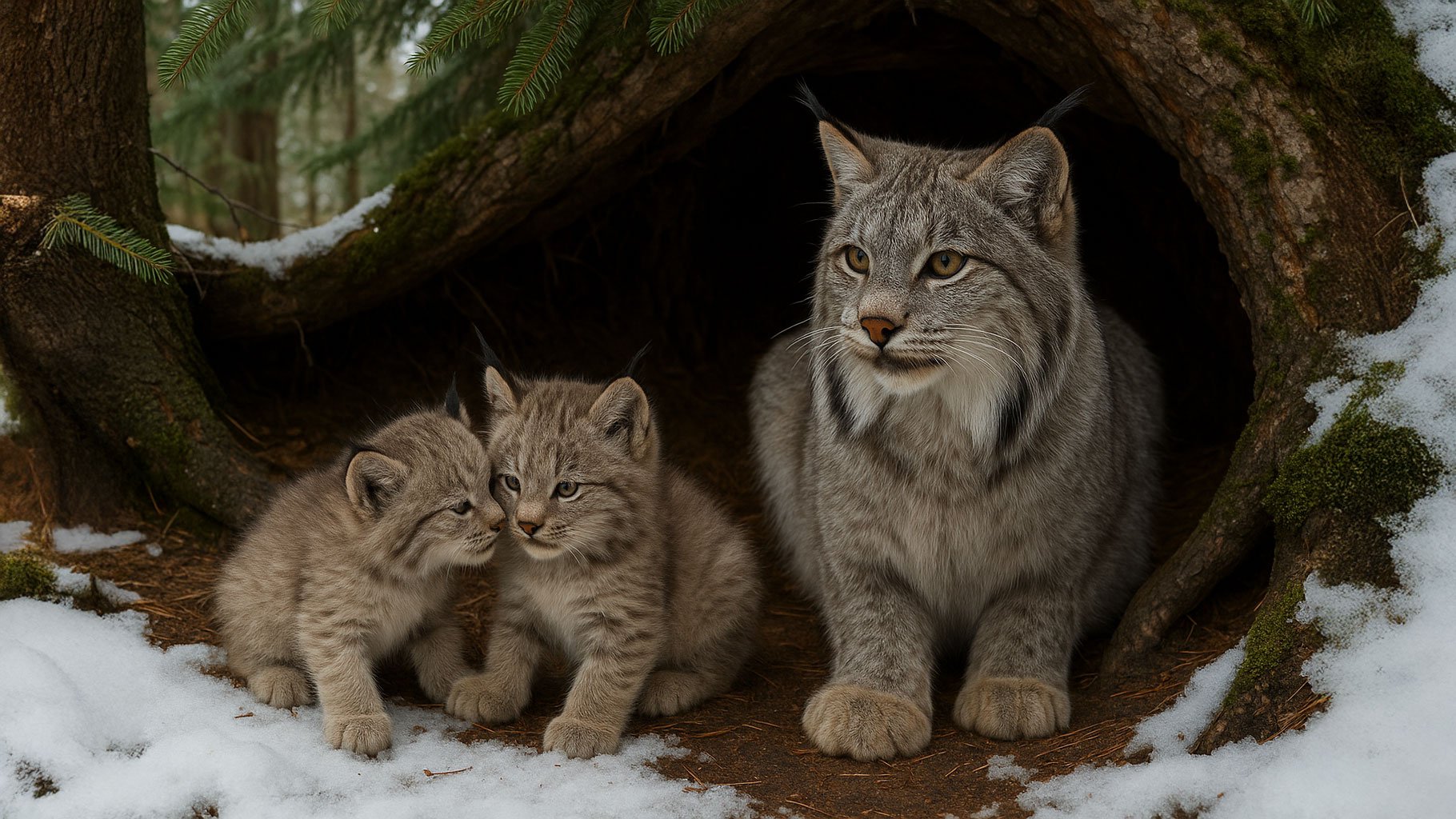
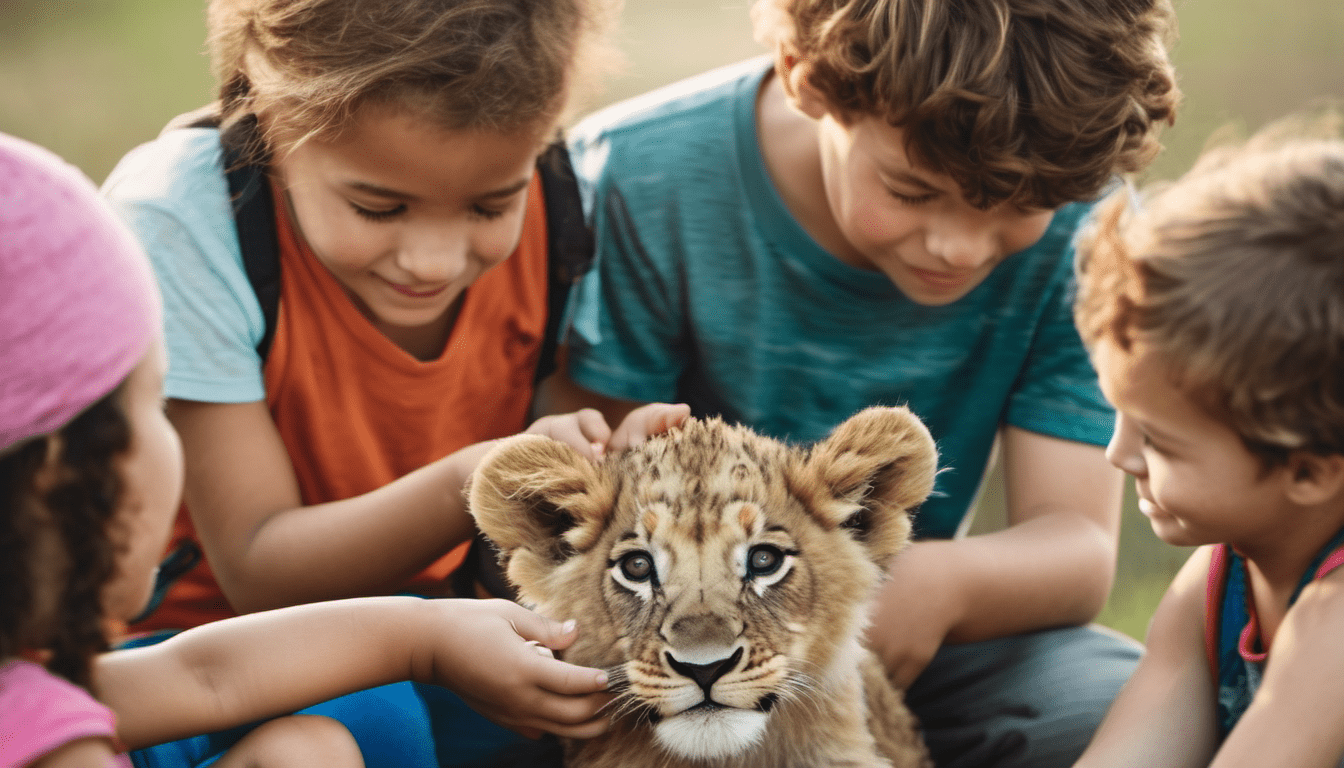
Human affection is often lethal to exotic cubs. While we express love through cuddling, an exotic cub perceives human handling as a high-octane stressor. Research into other species, such as puppies, has shown that interrupted sleep can lead directly to death. In the wild, these predators are hardwired for hyper-vigilance; even the "quietest approach" in a house can arouse and exhaust them. To survive, a cub requires a "nest"—a warm, dark, secured, and quiet place where it can remain undisturbed.
Ethical care requires resisting the urge to pick up or play with the cub for the first three weeks of its life. To facilitate bonding without the lethal cost of handling, we utilize a scent-immersion technique. By placing a soft T-shirt worn all day into the cub’s bedding—and maintaining a consistent scent by using the same laundry soaps and shampoos—the cub learns to identify the caregiver’s presence through its strongest sense: smell. This minimizes the "handling stress" that kills so many cubs in the first month of private ownership.
4. When "Play" Becomes a Predatory Strike
A predator’s instinct is not a choice; it is a reflex. This was nearly fatally demonstrated by Simba, an Asian Leopard raised with what seemed like a deep human bond. One afternoon, Simba leaped twenty feet across an enclosure toward his caregiver, Don. To an untrained eye, the cat was "smiling"—a wide, open-mouthed expression of excitement—as he sailed through the air. However, that "smile" ended with a canine tooth raking Don’s neck from his ear to his Adam’s apple.
This incident serves as a chilling reminder that a "bond" does not remove physical capabilities. Because of this, any cat too large to be carried must be trained with a strict "four on the floor" policy. They are never encouraged to jump, lean, or "play" in ways that mirror predatory strikes. In the wild, a leopard’s play is practice for the kill; in your living room, that same "smile" can result in a severed artery.
5. Nature Overrules Nurture: The Territory Reality
The human desire for a lifetime companion is incompatible with the exotic cat’s drive for territory. In nature, once a cub reaches maturity (between one and five years), it is biologically programmed to stake out its own ground. This is a matter of "survival of the fittest," not affection. At this stage, a cub would view its own mother as a territorial rival to be driven off or killed.
No amount of bottle-feeding or "nurturing" can override millions of years of evolutionary hardwiring. When the animal reaches adulthood, the "bond" you spent years building is replaced by a biological imperative that views you as either a rival or prey. As the data confirms: "Nature has hardwired the exotic cats for survival of the fittest and you will never be any match for an exotic cat."
Conclusion: A Future Without Cages
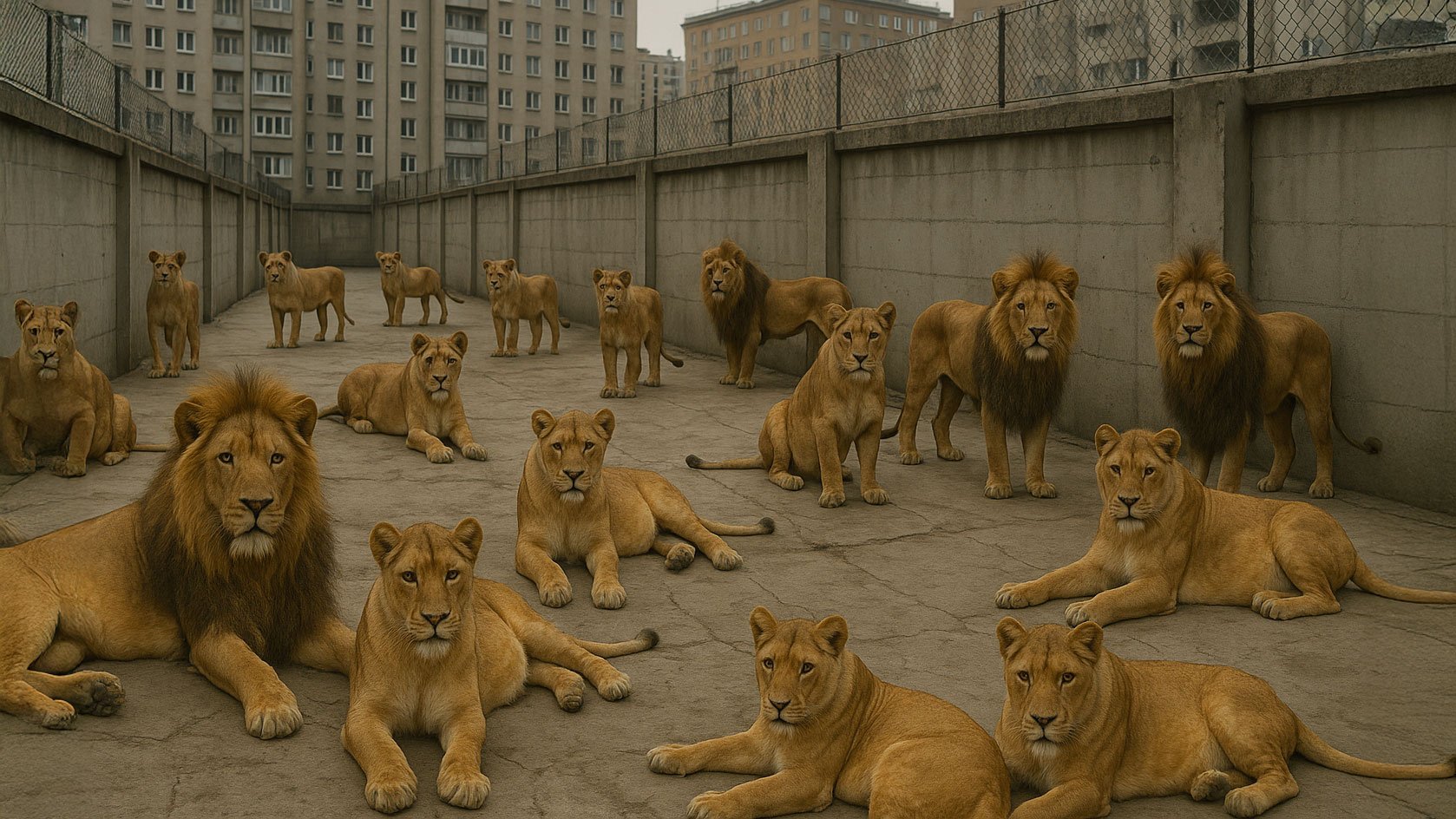
Big Cat Rescue’s evolution from a breeding facility to a leading voice for legislative change was born from the realization that wild cats do not belong in backyards or basements. We have seen the "mistake" from the inside, and we have spent the last quarter-century trying to undo the damage of the trade. Our mission is now focused on a future where these majestic creatures are protected in the wild, not confined to cages for human ego.
If we truly claim to love these animals, we must ask ourselves: Is our fleeting desire to touch the wild worth the lifetime of biological frustration and eventual abandonment we impose upon them? The greatest act of wildlife advocacy isn't "owning" a piece of the wild—it is ensuring the wild remains wild.