Bobcat Teeth
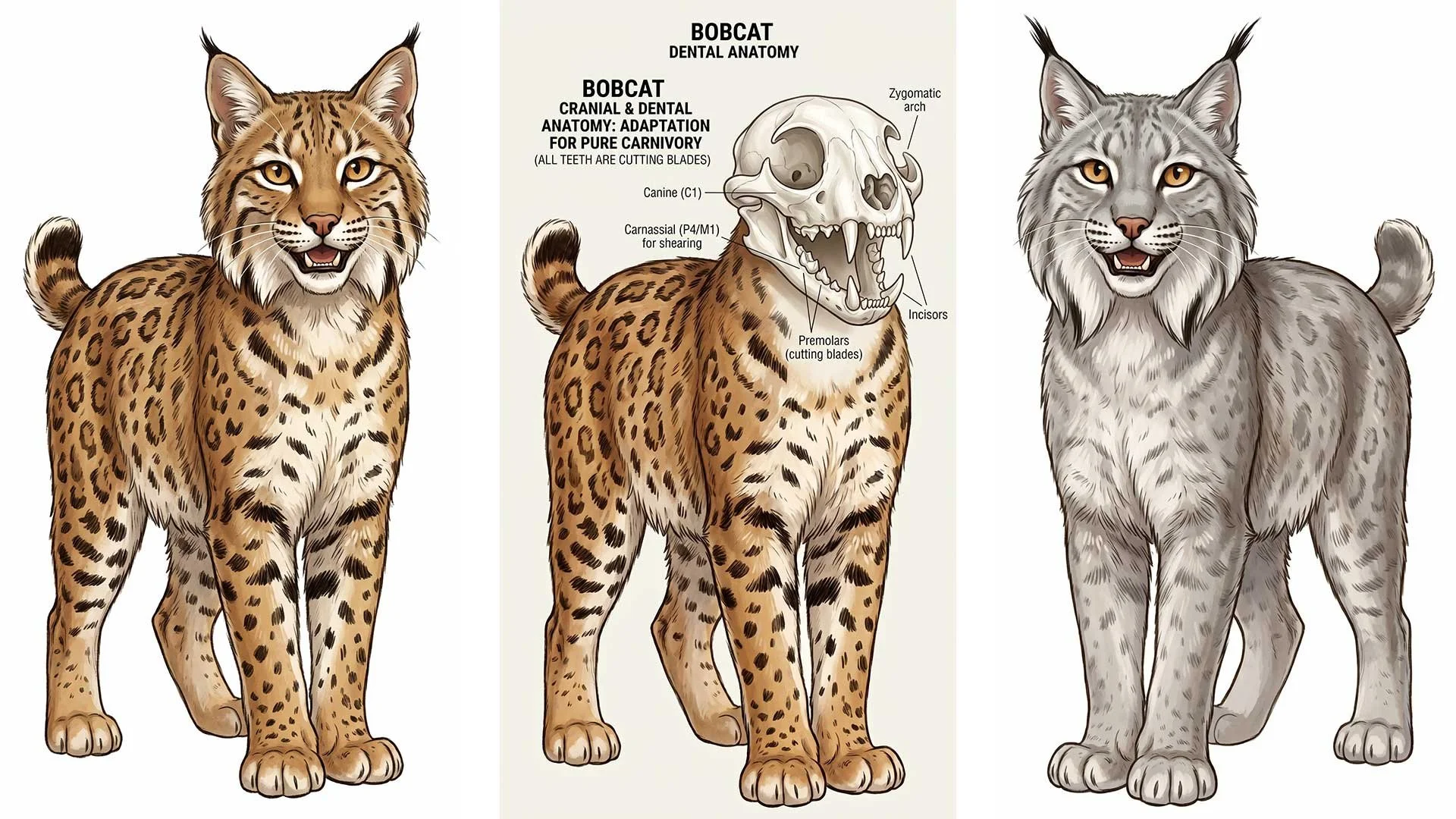
Cats are obligate carnivores, which means they require meat to survive. It is not a preference. It is written into their biology, their gut chemistry, and especially their teeth. In this post and video, Big Cat Rescue breaks down the carnassial tooth, the specialized shearing blade found in all wild cats, and explains why cats have no flat molars for grinding plant matter. We also look at bobcat dental anatomy (28 teeth, not 30), how the carnassial compares in wolves and bears, and what obligate carnivore status means for the nutrition and welfare of all wild cats in human care. Featuring insights shared by Christopher Baldwin, Catawba and Sandhills Master Naturalist, who has been teaching skull anatomy in schools for 10 years using a collection of over 60 skulls.
AdvoCat 2026 06
The June 2026 AdvoCat Newsletter from Big Cat Rescue covers the latest in wild cat conservation: Stanford research on mountain lions reshaping suburban ecosystems, Kyrgyzstan's new 2-million-acre snow leopard corridor, the first documented sand cats in Libya, Bengal tiger reintroduction plans for Cambodia, and the alarming pace of tiger poaching across Asia. Stay informed and take action for wild cats worldwide.
Mountain Lions Shape a Whole Ecosystem Even in a Small Preserve
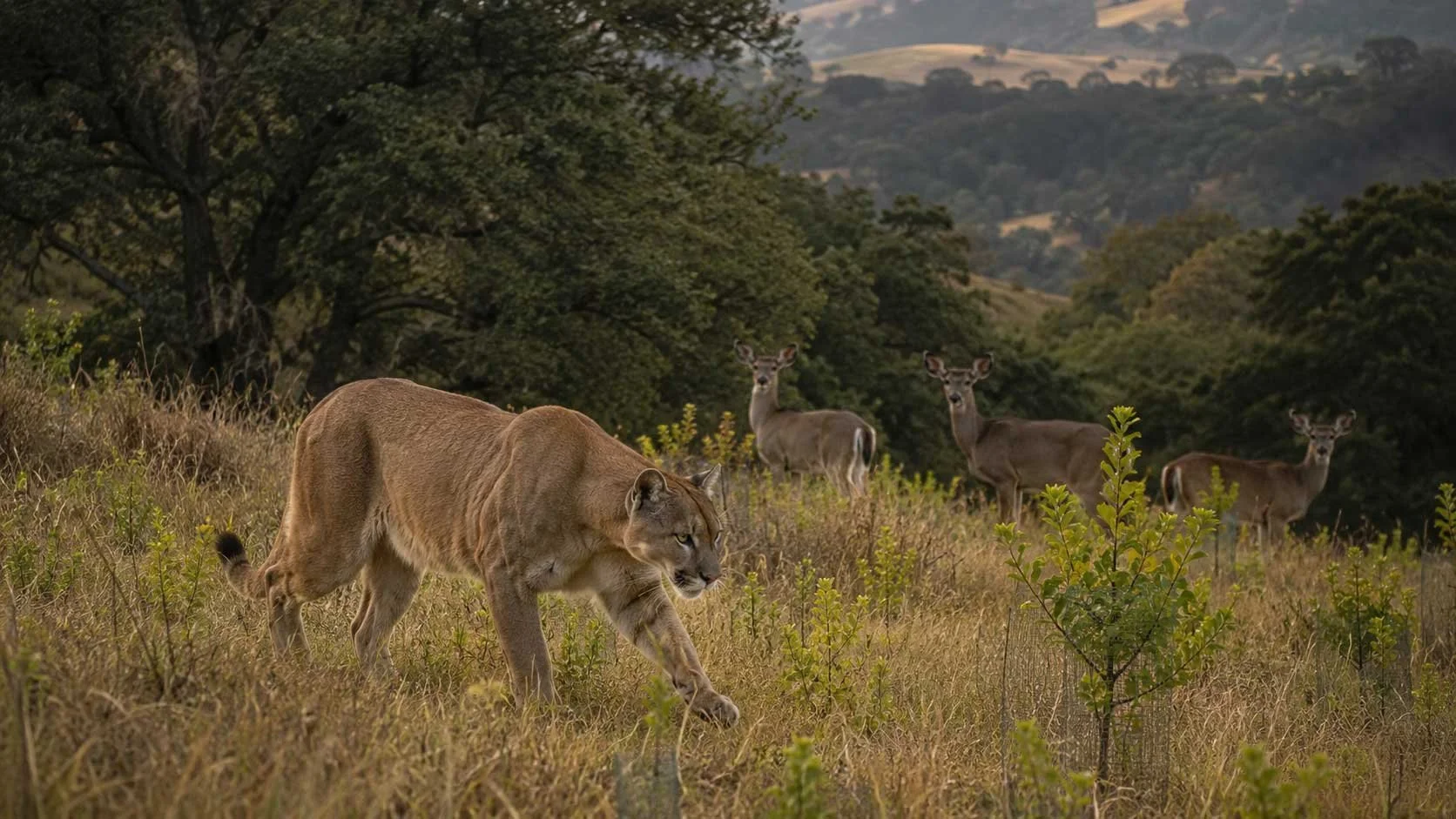
New research from Stanford shows that mountain lions can drive a trophic cascade even in a small suburban nature preserve. Over five years at Jasper Ridge near San Francisco, rising puma activity lowered deer activity and helped young oak trees and woody plants thrive. The cats also reshaped the smaller predators, with coyotes and bobcats declining, gray foxes rising, and rabbits falling. The findings, published in Ecology and Evolution, show that the ecology of fear is not only a Yellowstone phenomenon. Small preserves connected to large wild areas like the Santa Cruz Mountains can host magnificent ecological effects, which makes protecting top predators and keeping habitats connected more important than ever.
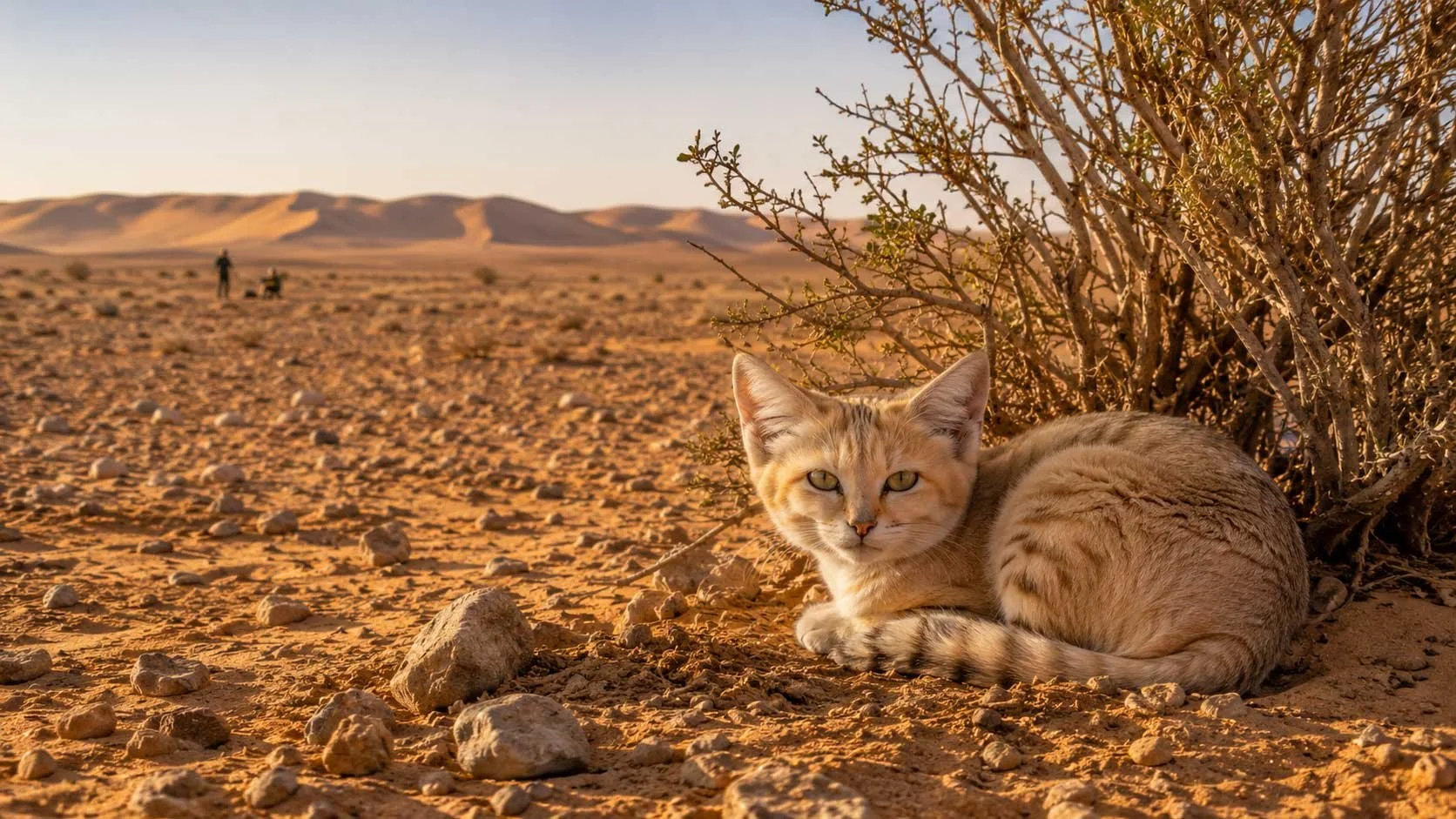
Sand Cats Discovered in Libya
A simple YouTube video of a sand cat, filmed in Libya in 2017, helped scientists confirm that these tiny desert cats live in the country, something researchers had not documented before. Wildlife photographer Mohammad Almuntasir shared the footage, teamed up with researcher Firas Hayder and local Tuareg communities, and together they recorded the first verified sand cat sightings in Libya, including thirteen in a single area that may be a stronghold. The survey also revealed the Saharan striped polecat in eight new locations. Learn how community knowledge and one short clip expanded the known range of the sand cat, why camouflage kept it hidden, and what the team says is needed to protect these desert animals from the pet and traditional medicine trades.

Sand Cat Facts
Sand Cat Facts: Habitat, Population, Threats and Conservation. Learn where sand cats live, what threatens them, how many remain, and which conservation efforts are protecting wild sand cats.
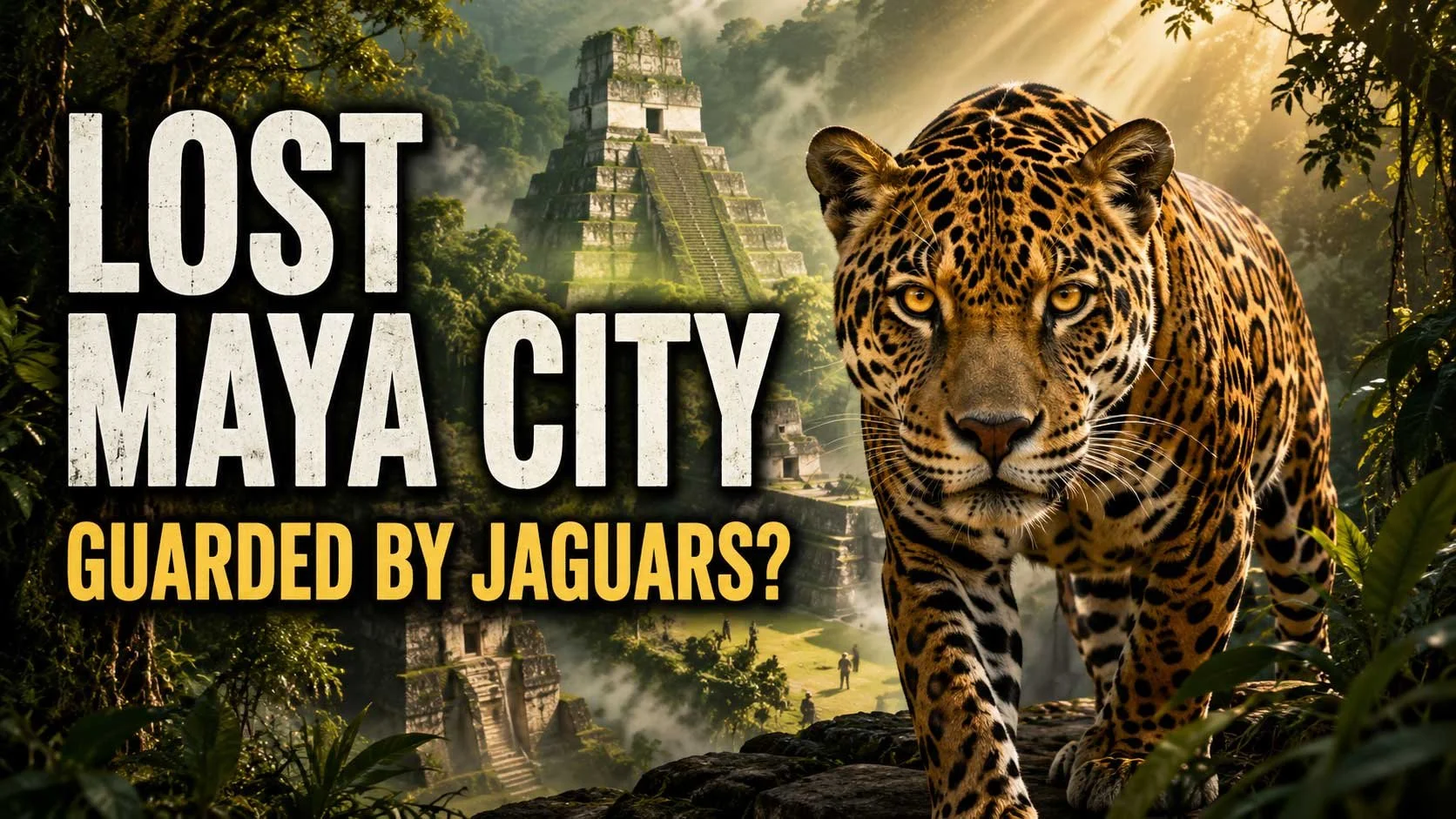
When the Jungle Keeps a Secret
Deep in the jungles of southern Mexico, archaeologists just found a city no one had seen in over a thousand years. They named it Minanbé — Maya for "there is no path." To reach it, they cut five kilometers through forest so dense it had hidden an entire city, with temples, plazas, and carved monuments, completely intact. No looting. Untouched.
But here's what moves me. That same forest — Calakmul — is the last great stronghold of the jaguar in Mexico. Around five hundred of them still walk there, through the second-largest rainforest in the Americas. Five of Mexico's six wild cat species still hunt these ruins.
The Maya worshipped the jaguar as a god — a spirit that walked between worlds. Their kings are dust now. Their cities fell silent. But the jaguar? The jaguar endured. In a way, the wild cats have carried the Maya forward in their spirits.
The forest that protected this city for a thousand years is being cleared right now. So protect the habitat, and you protect them both — the ancient and the living.