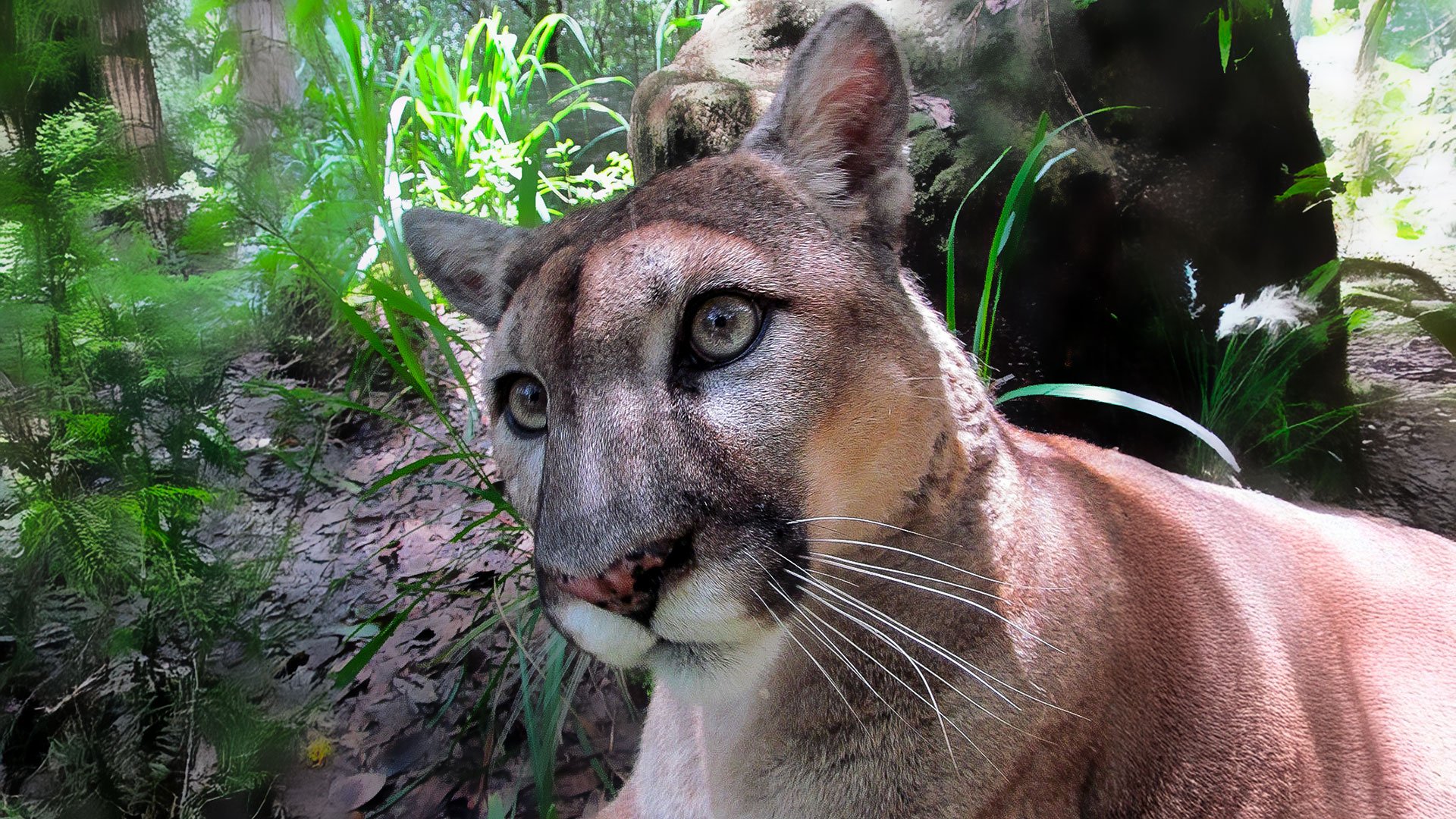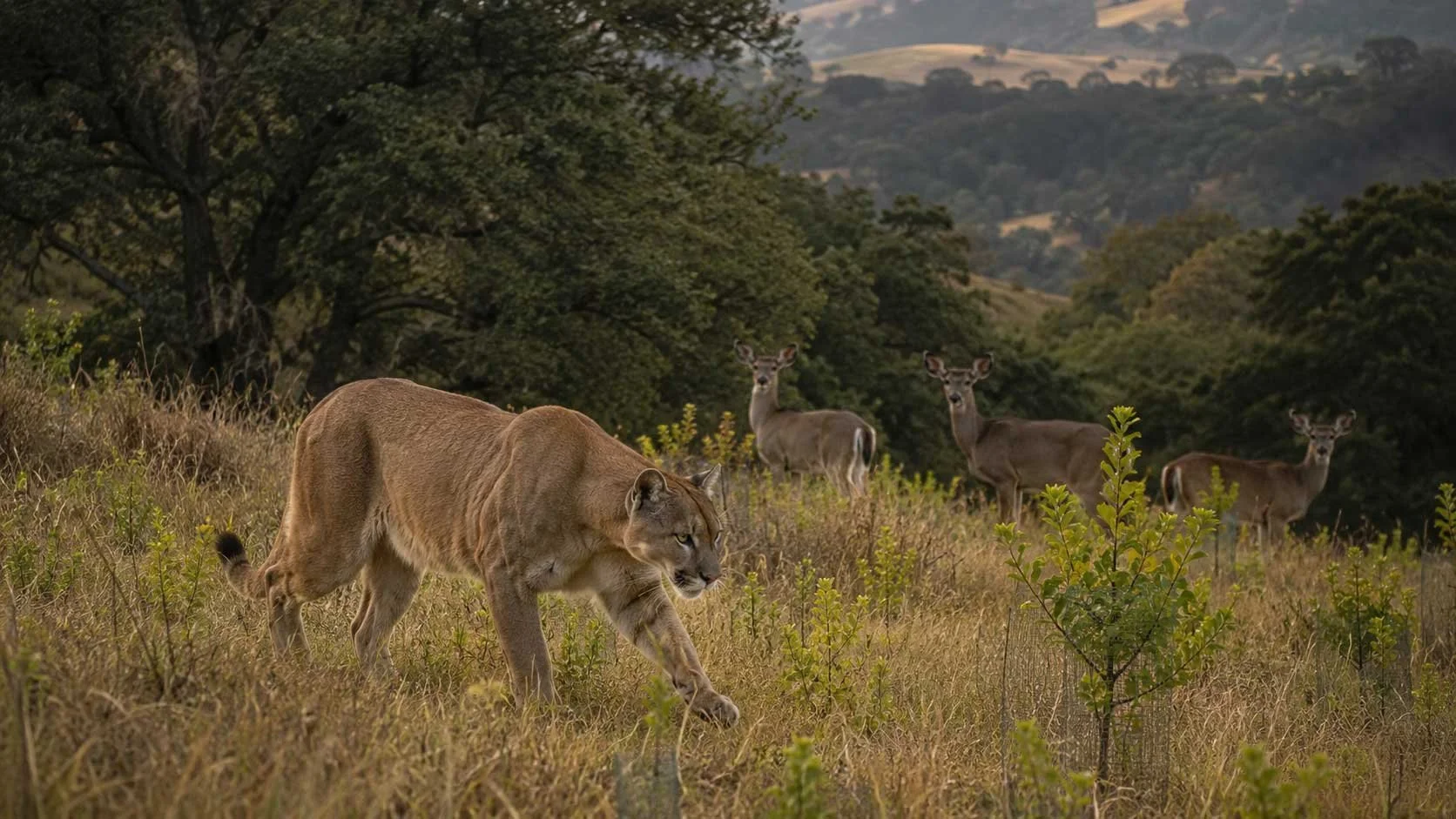
Mountain Lions Ecology Of Fear - AI Generated
Big cats have a big impact. A long study at Stanford just showed how much.
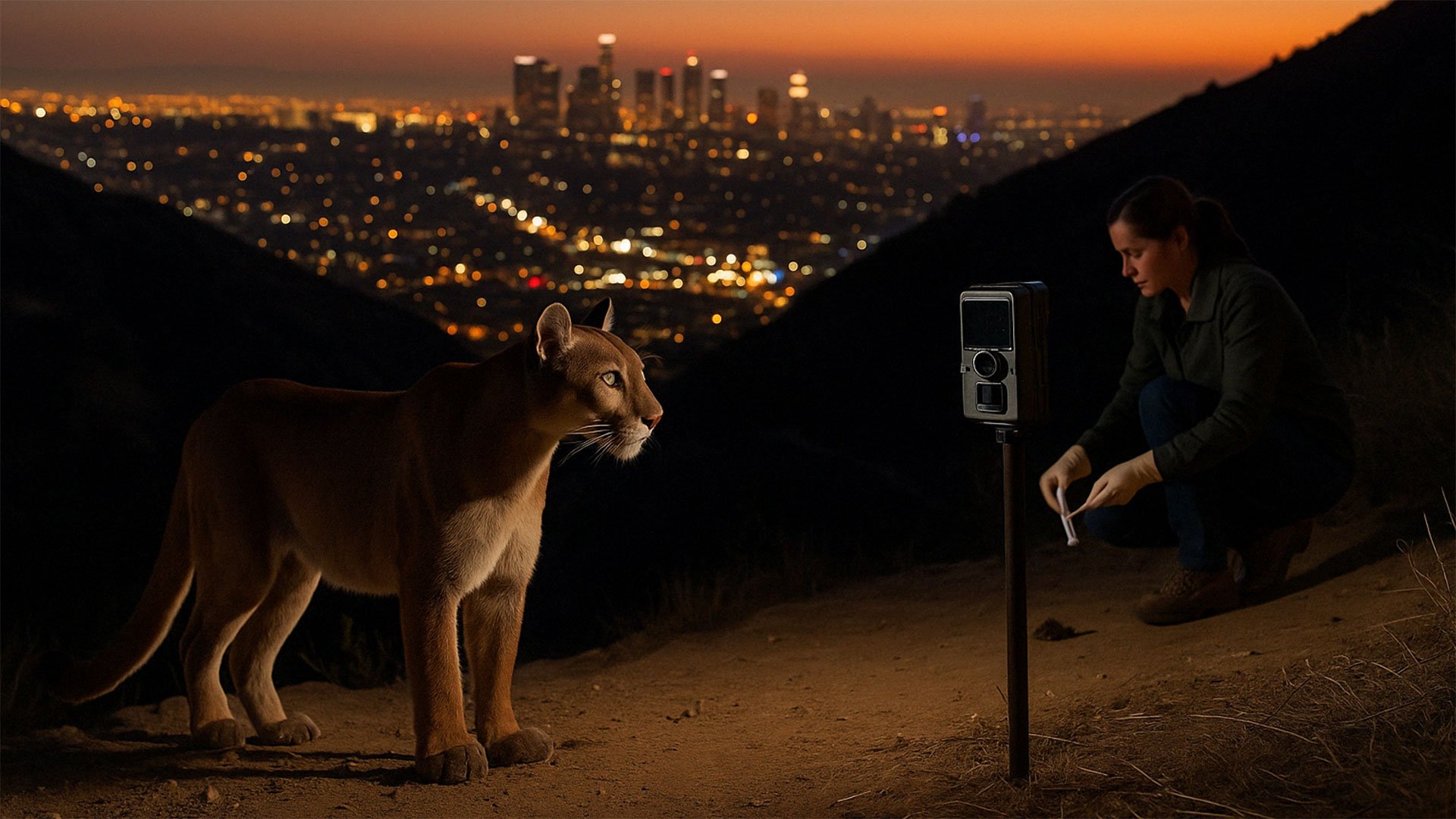
Researchers watched a small suburban nature preserve called Jasper Ridge. It sits about 45 miles south of San Francisco. From 2015 to 2020, mountain lions started showing up there more and more on trail cameras. As the cats visited more often, the whole web of life on the preserve began to change.
What is a trophic cascade
When a top predator changes one animal, that change ripples down to many others. Scientists call this a trophic cascade. The most famous example is wolves in Yellowstone. But Yellowstone is huge and wild. Jasper Ridge is small and close to a city.
This study, published in the journal Ecology and Evolution, found the same kind of ripple effect in a tiny preserve. That surprised a lot of people.
The deer and the oak trees
Mountain lions hunt deer. When the lions came back, deer became more careful and spent less time in the open. With fewer deer browsing and trampling, young plants got a break. Oak seedlings and other woody plants the deer like to eat started to thrive. So the big cats helped the forest grow.
The ecology of fear
Here is the interesting part. The lions did not have to catch many animals to change the preserve. Just the smell and sound of a mountain lion was enough. Other animals shifted where they went and when they were active. Scientists call this the ecology of fear.
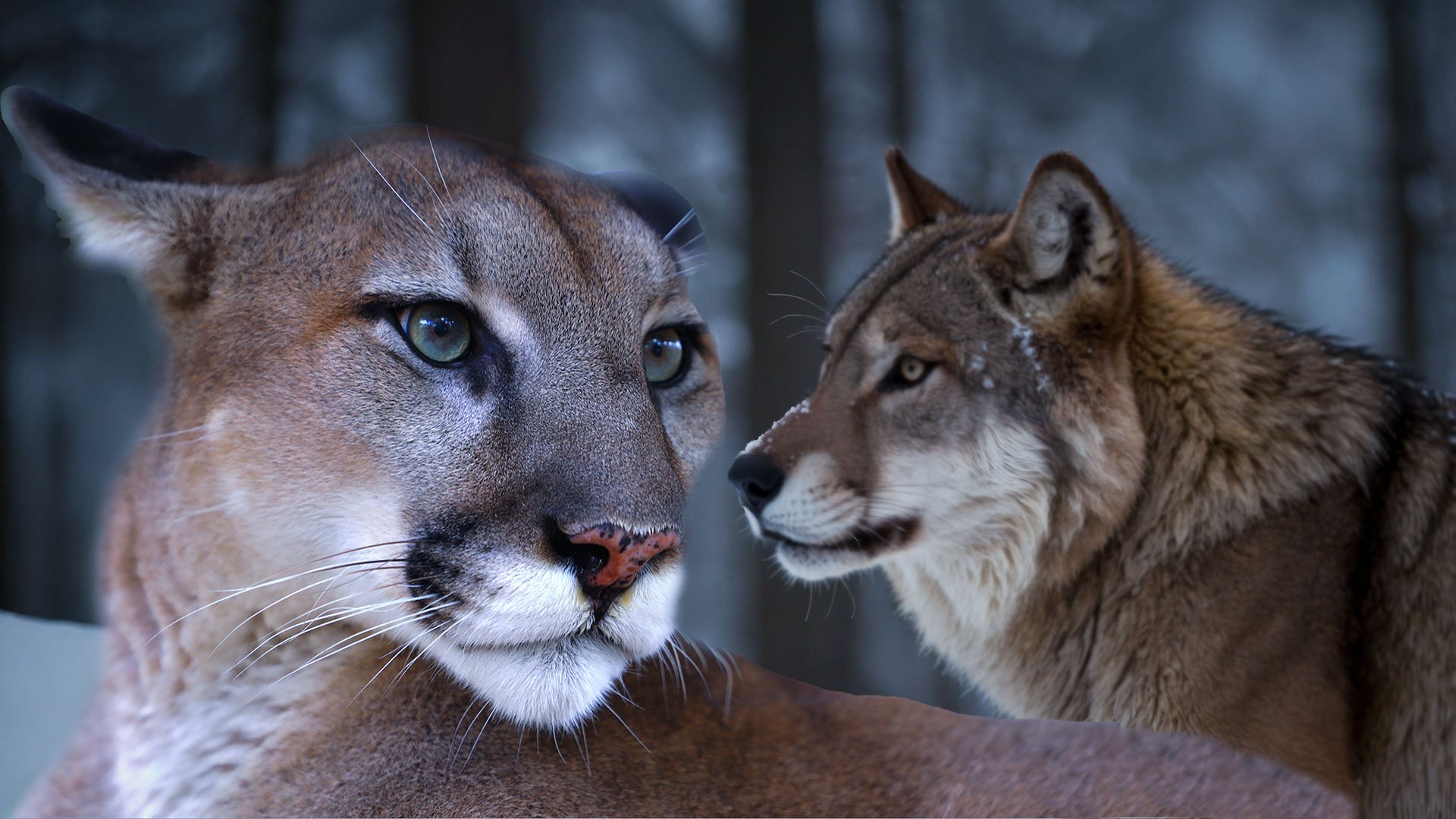
The cats also changed the smaller predators. When pumas were around more, coyotes and bobcats showed up less. They likely moved away or came out at different times to avoid the much larger cat. With fewer coyotes and bobcats, gray foxes appeared more often. And where foxes rose, their main prey, rabbits, dropped. One cat at the top, and the effect reached all the way down.
Small preserves matter
In the United States, most protected areas are small. About 82 percent are under 2 square miles. For a long time, places like Jasper Ridge were seen as too small to matter much. This study says otherwise. When a small preserve connects to large wild land, like the Santa Cruz Mountains, big natural events can still happen there.
That connection is the key. Mountain lions need a lot of room, from about 8 to 66 square miles of range. Jasper Ridge is far too small to hold its own lion population. The cats are only visitors. They pass through because the preserve links to wild country nearby.
Just visitors, and shy ones
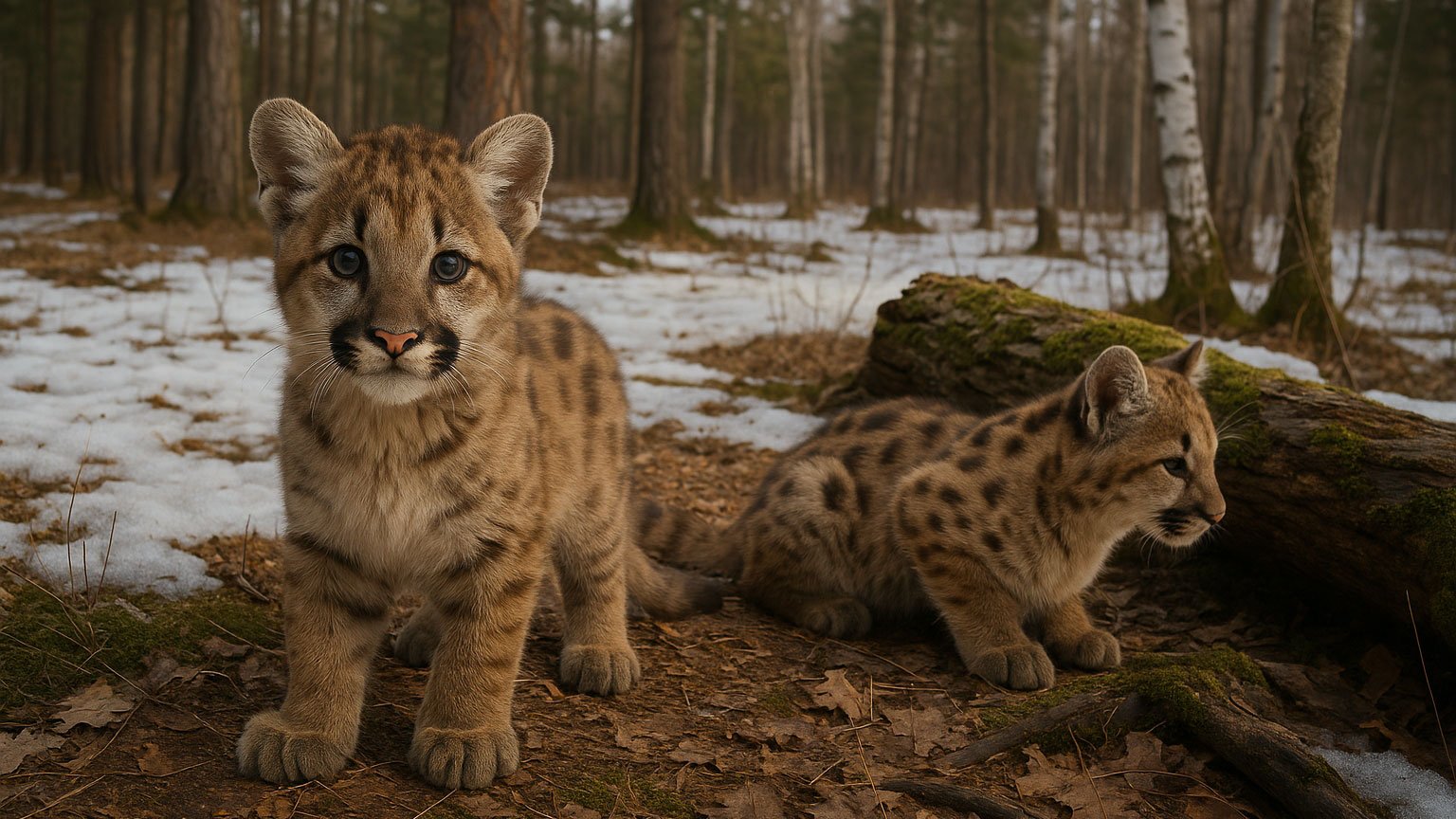
Why did the lions start coming? No one knows for sure. One idea is that mother lions found it a safe place to raise their young. A mom with kittens was caught on camera during the study.
Even so, mountain lions stay away from people. They are mostly active at night. They rely on smell, sound, and sight to avoid us. The researchers made one more point worth remembering. Humans are the number one cause of mountain lion deaths, through hunting and car strikes. We are the ultimate predator on almost every landscape.
The lesson is simple and hopeful. Protect the top predators, keep wild areas connected, and even a small patch of land can hold a full, living, working ecosystem.
Source: https://phys.org/news/2026-06-mountain-lions-major-ecological-impact.html

In Texas, about 95% of the land is privately owned, and mountain lions have had almost no legal protection for over a century. You might assume ranchers there would be the cats’ worst enemies. A new Texas A&M study of 1,069 Texans found the opposite.
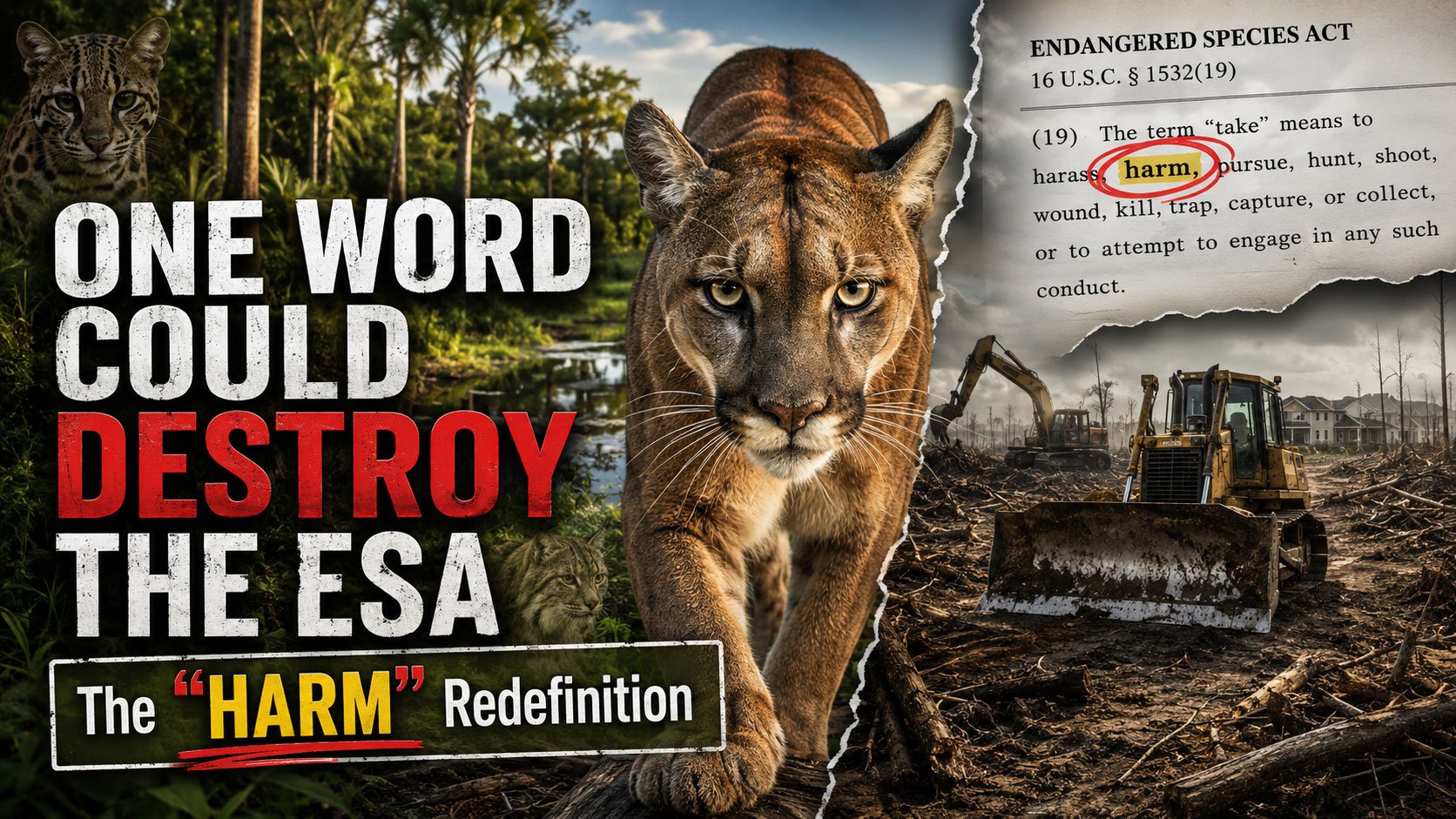
The One-Word Shift Gutting the Endangered Species Act: Why Habitat Protection is Under Fire
For over 50 years, the Endangered Species Act (ESA) has served as America’s most powerful shield against extinction, saving 99% of protected species from disappearing. However, a silent regulatory shift announced on July 10, 2026, seeks to dismantle this legacy by redefining a single word: "harm"

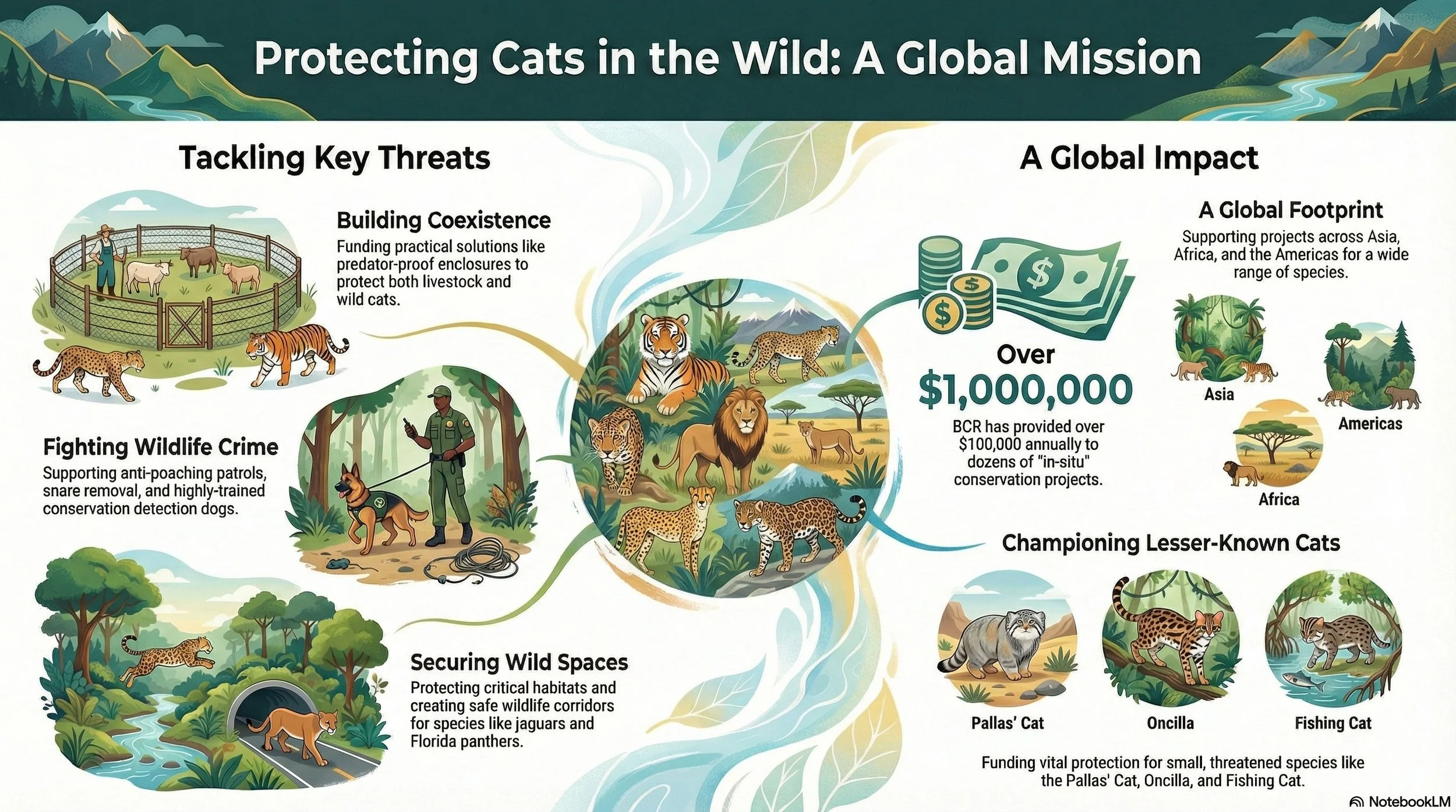
The June 2026 AdvoCat Newsletter from Big Cat Rescue covers the latest in wild cat conservation: Stanford research on mountain lions reshaping suburban ecosystems, Kyrgyzstan's new 2-million-acre snow leopard corridor, the first documented sand cats in Libya, Bengal tiger reintroduction plans for Cambodia, and the alarming pace of tiger poaching across Asia. Stay informed and take action for wild cats worldwide.
New research from Stanford shows that mountain lions can drive a trophic cascade even in a small suburban nature preserve. Over five years at Jasper Ridge near San Francisco, rising puma activity lowered deer activity and helped young oak trees and woody plants thrive. The cats also reshaped the smaller predators, with coyotes and bobcats declining, gray foxes rising, and rabbits falling. The findings, published in Ecology and Evolution, show that the ecology of fear is not only a Yellowstone phenomenon. Small preserves connected to large wild areas like the Santa Cruz Mountains can host magnificent ecological effects, which makes protecting top predators and keeping habitats connected more important than ever.
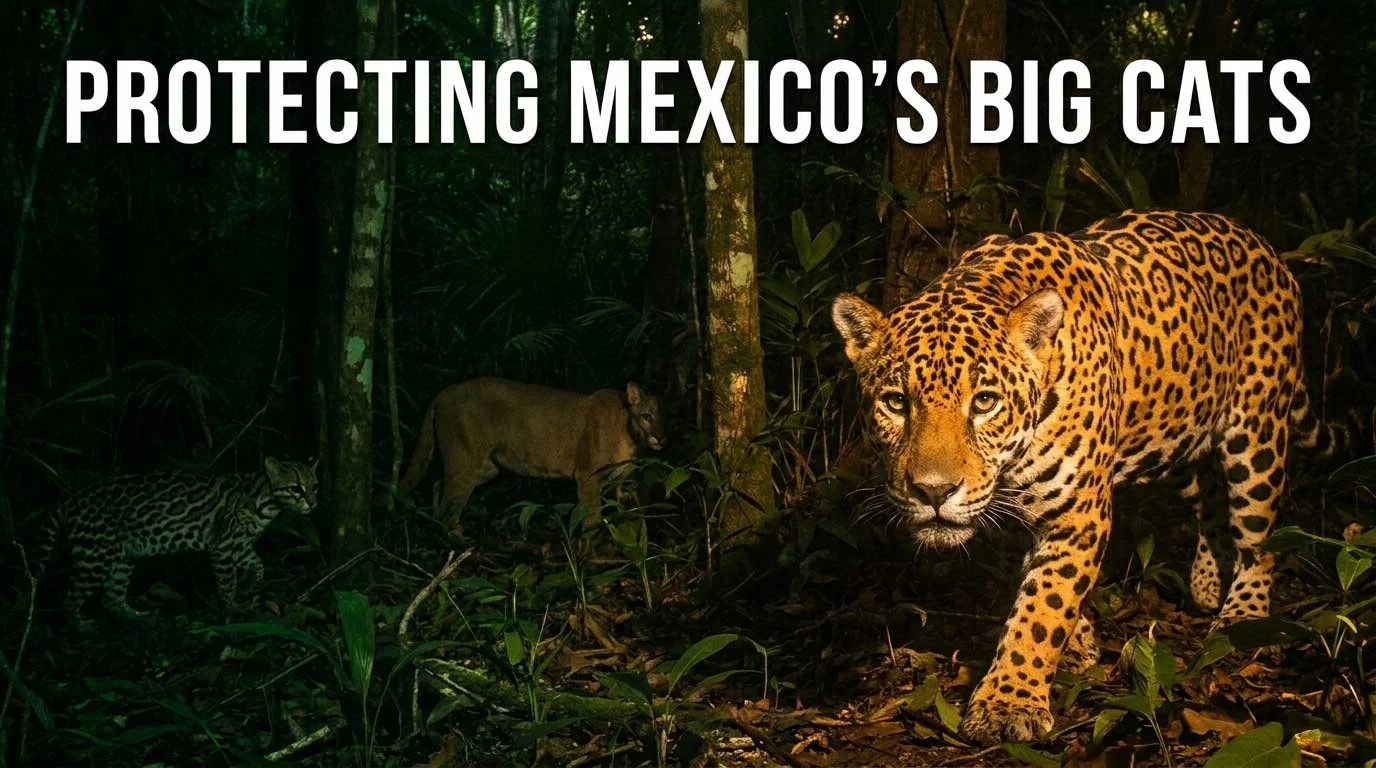
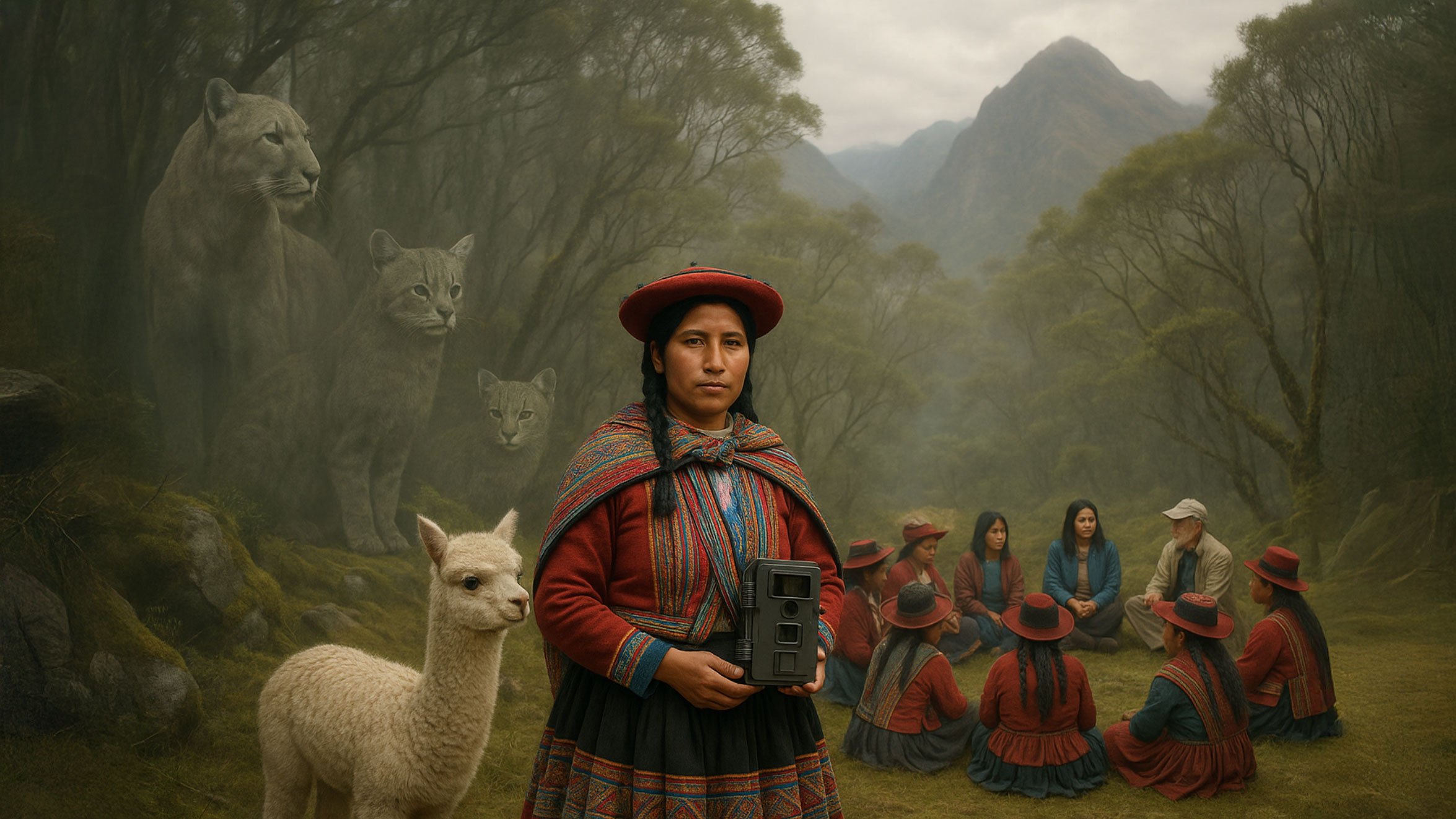
Discover how Big Cat Rescue is partnering with Proyecto AAk Mahahual to protect wild jaguars and ocelots through community coexistence. Read more!
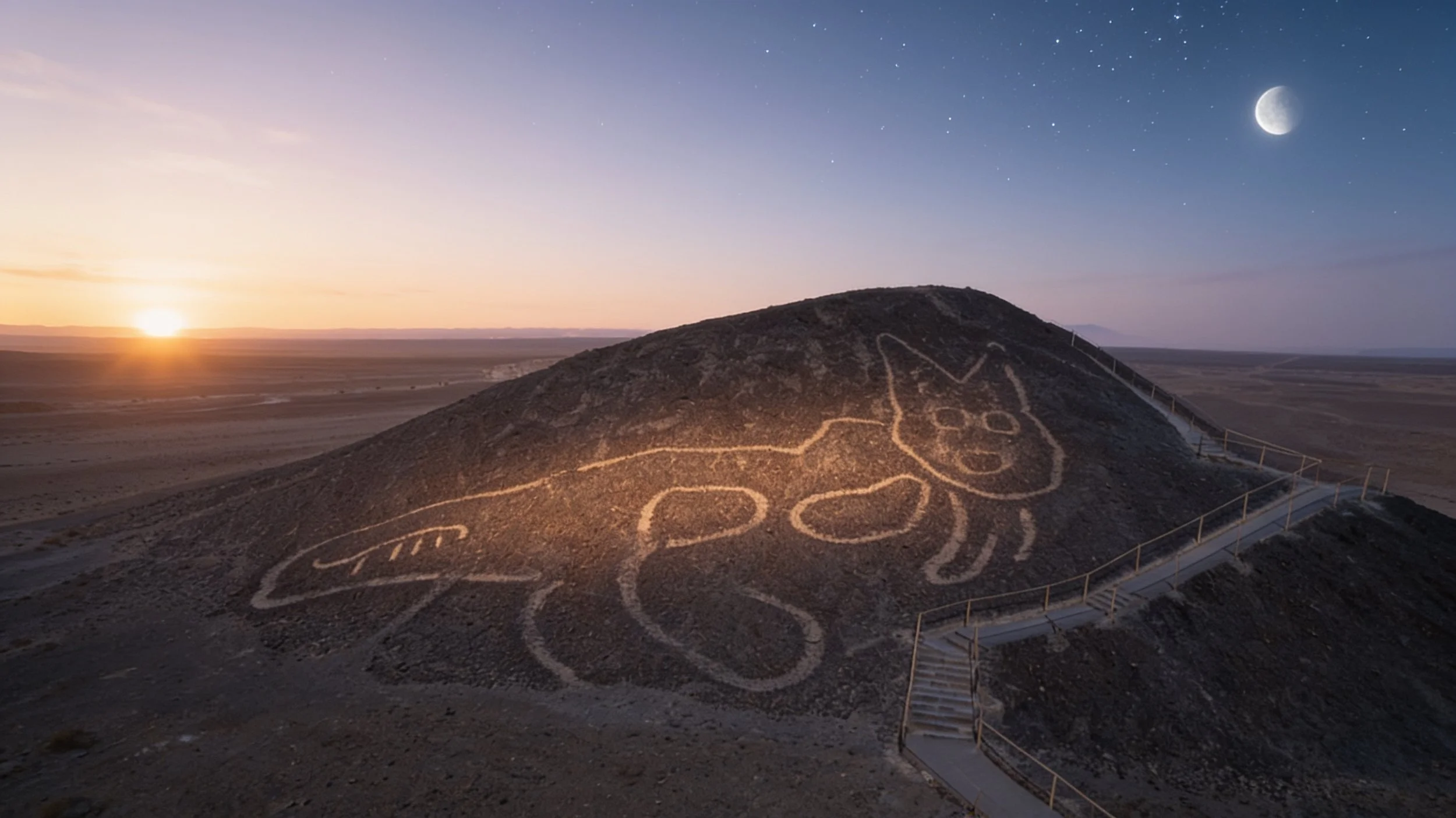
The Nazca cat geoglyph is one of the oldest known Nazca Lines, a 37 meter (120 foot) feline figure carved into a hillside in southern Peru between 200 and 300 BC. Discovered in October 2020 during work on a desert lookout point, the cat was nearly erased by natural erosion. Peru's Ministry of Culture cleared the faint lines by hand to reveal a reclining cat with a round head, pointed ears, and a long striped tail. This guide explains how the Nazca Lines were made, why the cat dates to the earlier Paracas period, and how cats shaped the art and culture of ancient Peru. A calm, educational look at one of the desert's most charming ancient drawings.

The Icarus satellite system, built by the Max Planck Institute of Animal Behavior, is creating an Internet of Animals. Tiny tags track location, movement, heart rate, and body temperature, then send the data to satellites in low Earth orbit. Scientists are training algorithms to recognize the panic patterns animals show when poachers approach, turning tagged herds into a live early warning network. For wild cats like cheetahs, leopards, tigers, lions, and Florida panthers and bobcats, this could mean protection across vast and remote landscapes that no single ranger could ever watch. Learn how Big Cat Rescue is following the Icarus project and how satellite tracking could change the future of wild cat conservation.
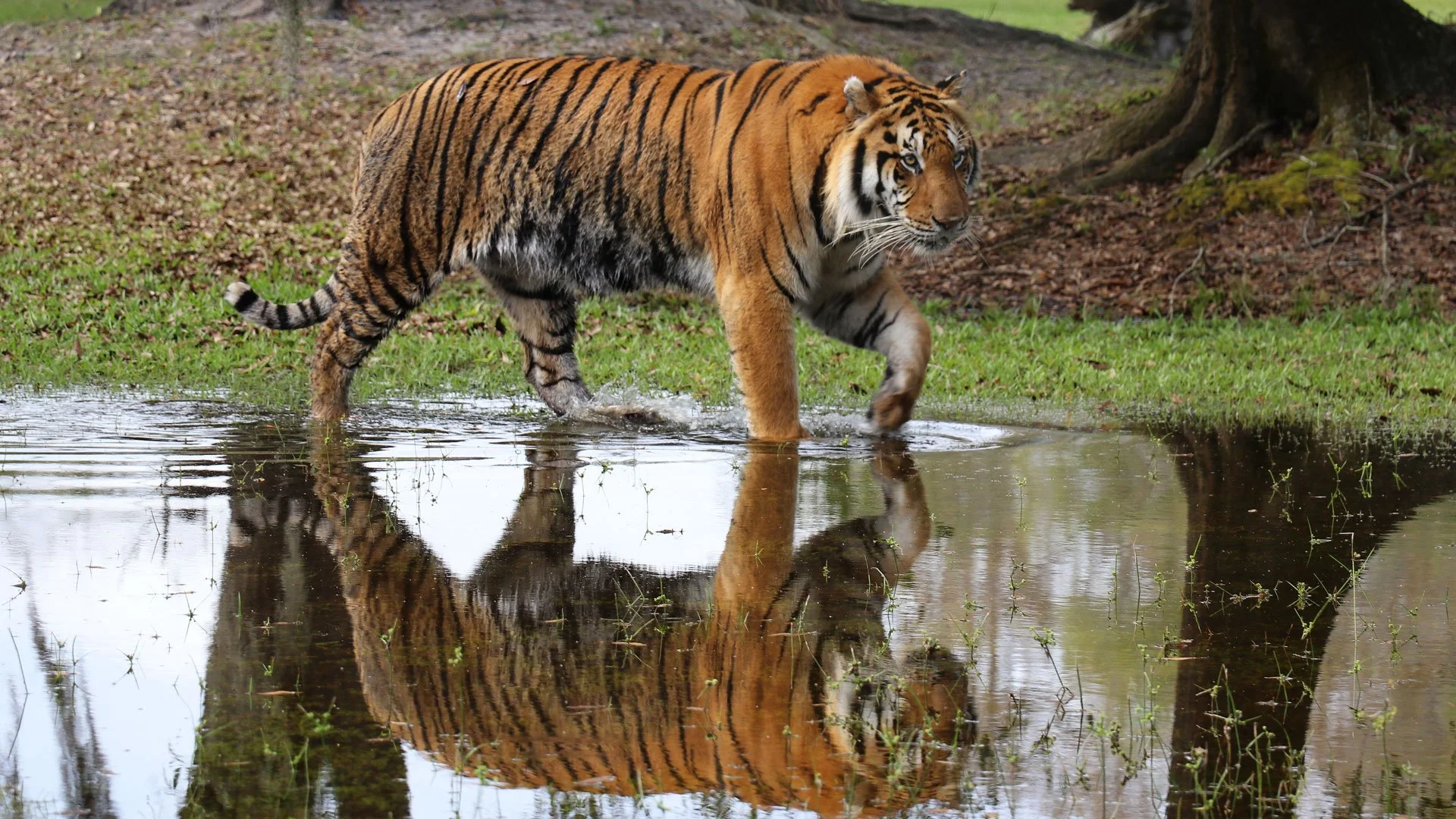
Meta Description: Discover inspiring wild cat conservation initiatives from the Small Wild Cat Conservation Foundation. Learn how organizations like Save Fishing Cats are implementing vital pet vaccination and neutering programs in Sri Lanka to protect local fishing cats and leopards from disease transmission. Plus, explore the incredible community-led success story from the Eastern Himalayas Marbled Cat Project in Meghalaya, India, where indigenous women are replacing traditional clouded leopard hunting rituals with sustainable crochet livelihoods and trail-camera monitoring.
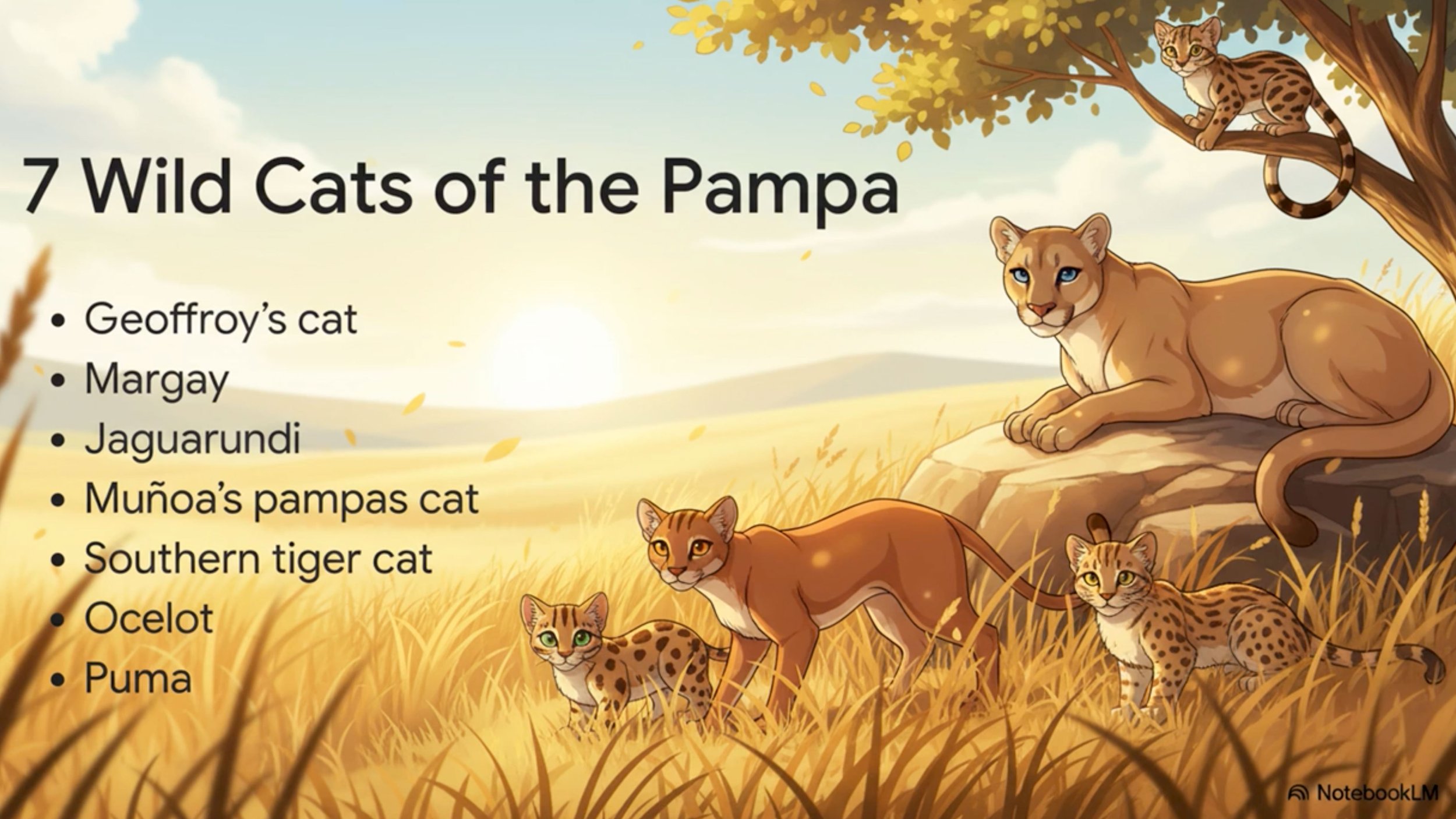
Felinos do Pampa: Conserving the Wild Cats of the Grasslands
The provided sources detail the mission and activities of the Felinos do Pampa Project, a conservation initiative dedicated to protecting wild cats in the Pampa biome of southern Brazil. This research group focuses on species like the Muñoa’s Pampas cat and the southern tiger cat, utilizing tools such as GPS collars and camera traps to monitor their survival in fragmented habitats. Beyond field research, the organization works to mitigate human-wildlife conflict by installing wildlife road signage and constructing predator-proof enclosures for livestock. The documentation also highlights recent viral media coverage and academic studies regarding how urban development and environmental changes affect feline migration routes. Ultimately, the project seeks to balance scientific research with community education to ensure these rare small felids can coexist with local human populations.
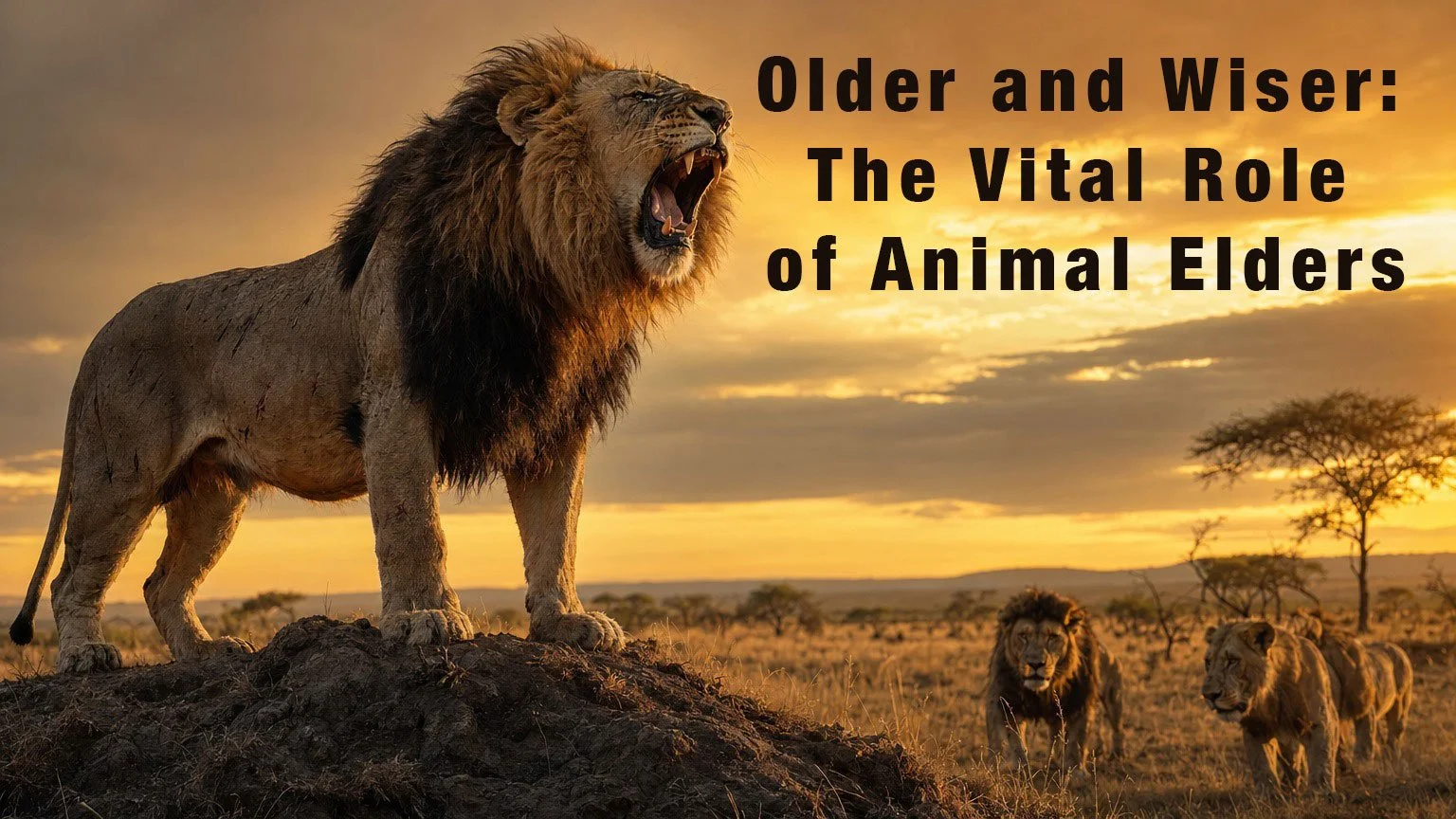
Older and Wiser: The Vital Role of Animal Elders
Recent research emphasizes that older animals are vital for the survival of wildlife populations because they possess accumulated knowledge and specialized skills. These elders serve as essential leaders who guide their groups toward resources and help maintain social stability among younger individuals. Beyond their wisdom, aging members often provide enhanced reproductive success and possess stronger immune systems developed over time. Traditional conservation efforts frequently focus on total population counts, yet this source argues that protecting the age structure is just as critical. The loss of these senior animals through human activities can result in a profound disappearance of survival strategies that simple numbers cannot replace.
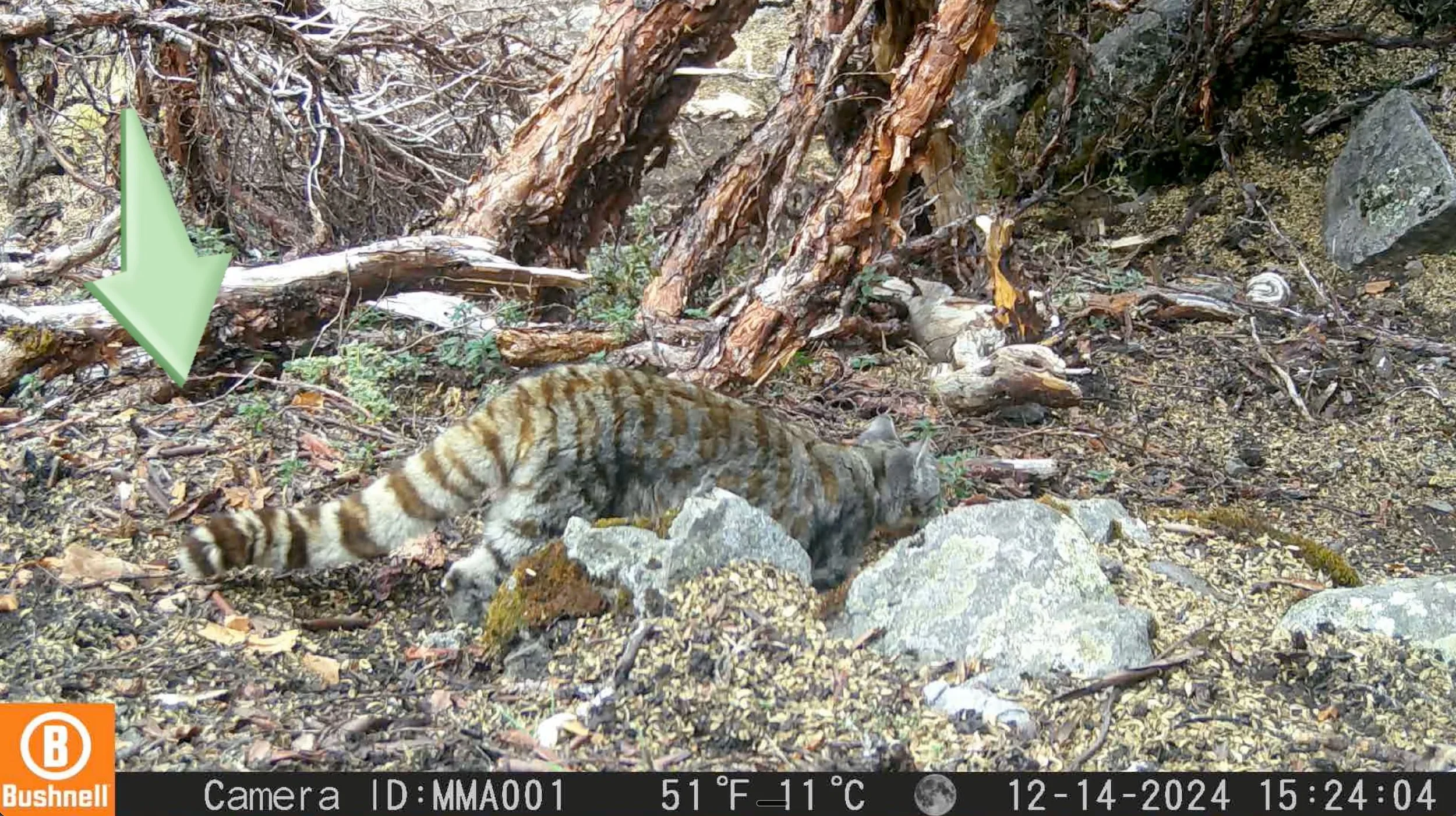
These sources examine the genetic crisis facing isolated wild cat populations, where human-driven habitat fragmentation forces inbreeding and triggers a decline in biological fitness. Researchers identify morphological abnormalities, such as kinked tails and thoracic cowlicks, as visible biomarkers of a deeper "extinction vortex" that includes heart defects and reproductive failure. While the Florida panther serves as a primary case study for these issues, the texts document similar patterns of genomic decay in California mountain lions, European wildcats, ocelots, jaguarundi, Andean cats, cheetahs and Asiatic lions. Conservationists highlight the 1995 genetic restoration project in Florida—which used Texas pumas to diversify the gene pool—as a successful model for reversing these trends. Ultimately, the literature advocates for wildlife crossings and habitat corridors to restore natural gene flow and ensure the long-term survival of apex predators.


Everywhere we work, we install traffic signs. We have traffic signs in Sri Lanka depicting the Fishing cat, in Mongolia depicting the Manul, in India featuring the Rusty-Spotted cat, and Mexico with several species including the Jaguar. The above traffic signs in Chile depict all seven wild cat species found in Chile, from the diminutive Guigna to the Puma.