SWCCF 2025 12
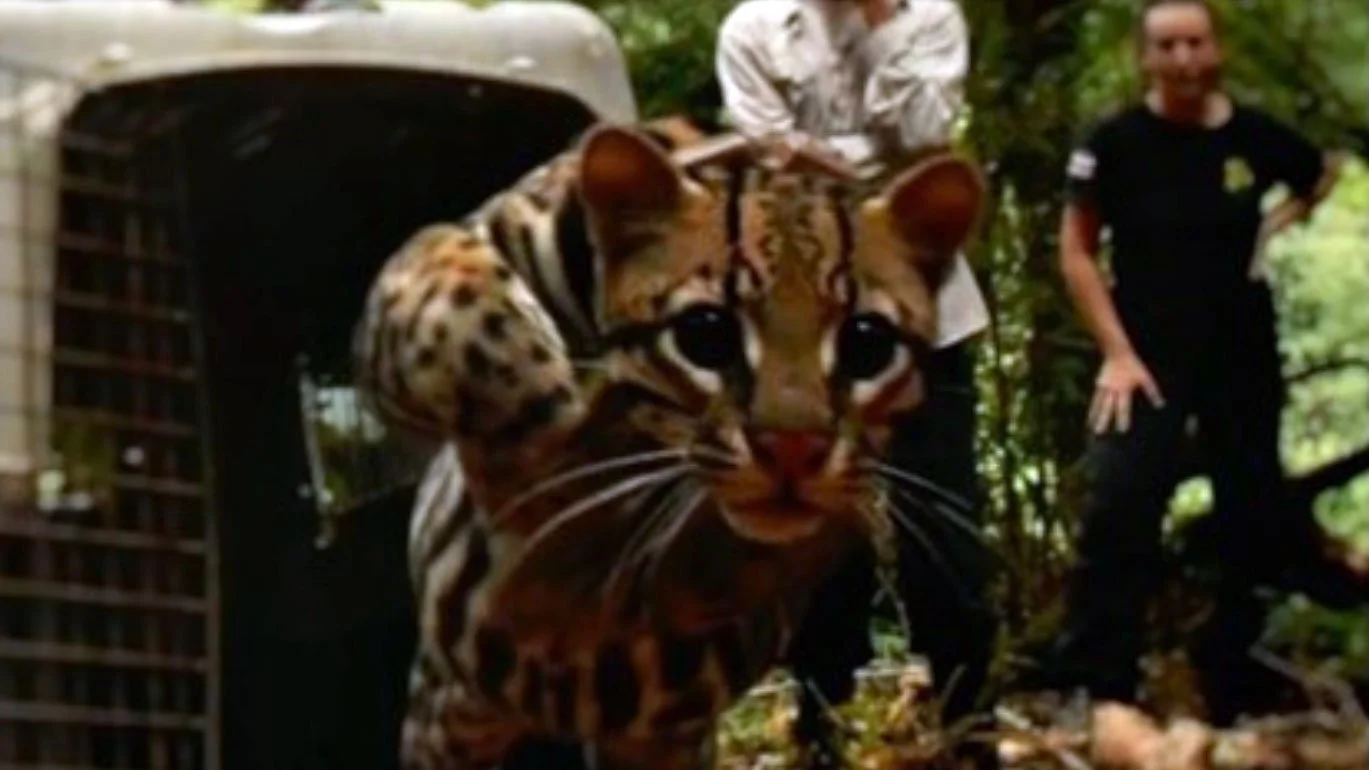
Christmas comes early for Neme the Ocelot
Christmas comes early for Neme the Ocelot
Claudia Comelato & José D. Ramírez-Fernández, Costa Rica, OneHealth Costa Rica Alliance
Earlier this year, Alturas Wildlife Sanctuary (AWS) received an urgent call. National park rangers found a male Ocelot kitten abandoned on the side of the road. Eyes glazed, limp, emaciated, dehydrated, and unable to eat solid food, the Ocelot had obviously been separated from his mother. The dedicated veterinary team at AWS did not hesitate. They knew exactly what to do. Precisely because the Ocelot was on death’s doorstep, the AWS team decided to name him Neme, a Boruca indigenous people's word meaning “hopefully.”
After nearly ten months of rehabilitation, carefully implementing specialized protocols for orphaned wild cats, Neme demonstrated all the behaviors required for release. It was time to find a new home for him. AWS team asked OneHealth Costa Rica Alliance (OHCRA) for advice on a suitable location to release Neme.
For several years, OHCRA has been working in the community of Herradura de Rivas. OHCRA ran an environmental education program on small wild cats and had worked with community members to repair chicken coops, thus mitigating negative interactions between felines and people. Herradura de Rivas was the right place to release Neme. Moreover, Reserva Aurora, a private reserve owned by the Mora family, who have a deep love for all living things, was the ideal location. The reserve’s extensive forest cover, minimal human presence, and healthy prey base offered the best possible chance for Neme’s survival.
We are thrilled to share the news that Neme was set free. Through cooperation and dedication, passionate conservation practitioners, the Mora family, and community members will never forget seeing Neme leap from his cage to freedom.
(Video created by BCR using OpenArt AI)
Meta Description: Discover inspiring wild cat conservation initiatives from the Small Wild Cat Conservation Foundation. Learn how organizations like Save Fishing Cats are implementing vital pet vaccination and neutering programs in Sri Lanka to protect local fishing cats and leopards from disease transmission. Plus, explore the incredible community-led success story from the Eastern Himalayas Marbled Cat Project in Meghalaya, India, where indigenous women are replacing traditional clouded leopard hunting rituals with sustainable crochet livelihoods and trail-camera monitoring.
Discover how the Small Wild Cat Conservation Foundation (SWCCF) is protecting Fishing cats in Nepal and African golden cats in Uganda — not through fines and patrols, but by solving the everyday problems of local communities. From Fish Banks to livestock seed programs, learn how practical, people-centered conservation makes saving small wild cats sustainable, scalable, and naturally embraced.
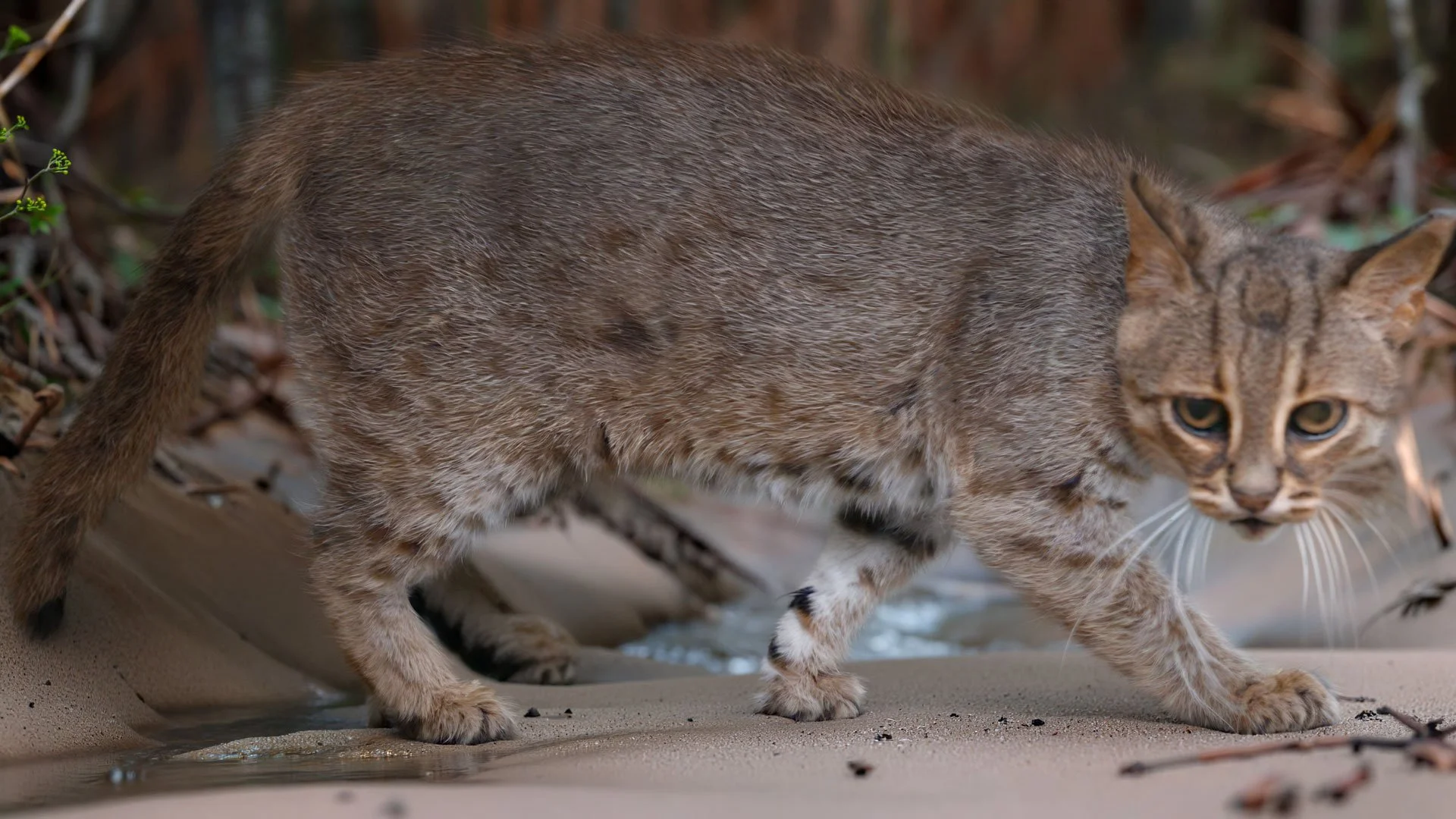
This report highlights several community-focused initiatives designed to protect endangered small wild cats by improving local livelihoods. In Uganda and India, conservation groups are helping residents transition from forest exploitation to sustainable beekeeping, organic gardening, and animal husbandry. Similar efforts in Nepal provide greenhouses to high-altitude villages, where residents protect clouded leopards in exchange for food security. The text also celebrates the creation of International Rusty-Spotted Cat Day to foster global awareness for the world's smallest feline. Finally, it recognizes the Fundación Con Garra in Chile for their successful campaign to reduce wildlife-vehicle collisions. Together, these accounts demonstrate that protecting biodiversity is most effective when it is paired with economic empowerment and cultural respect.
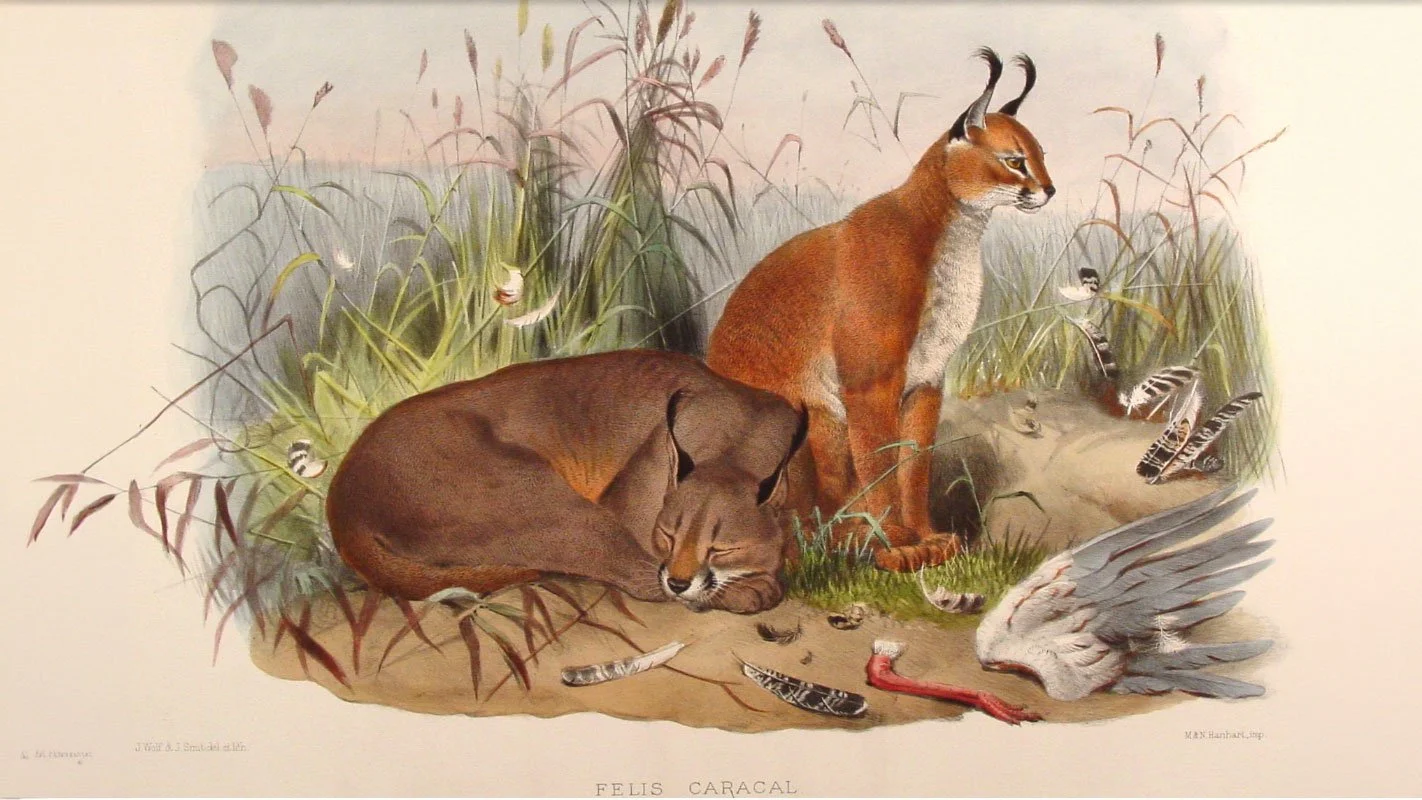
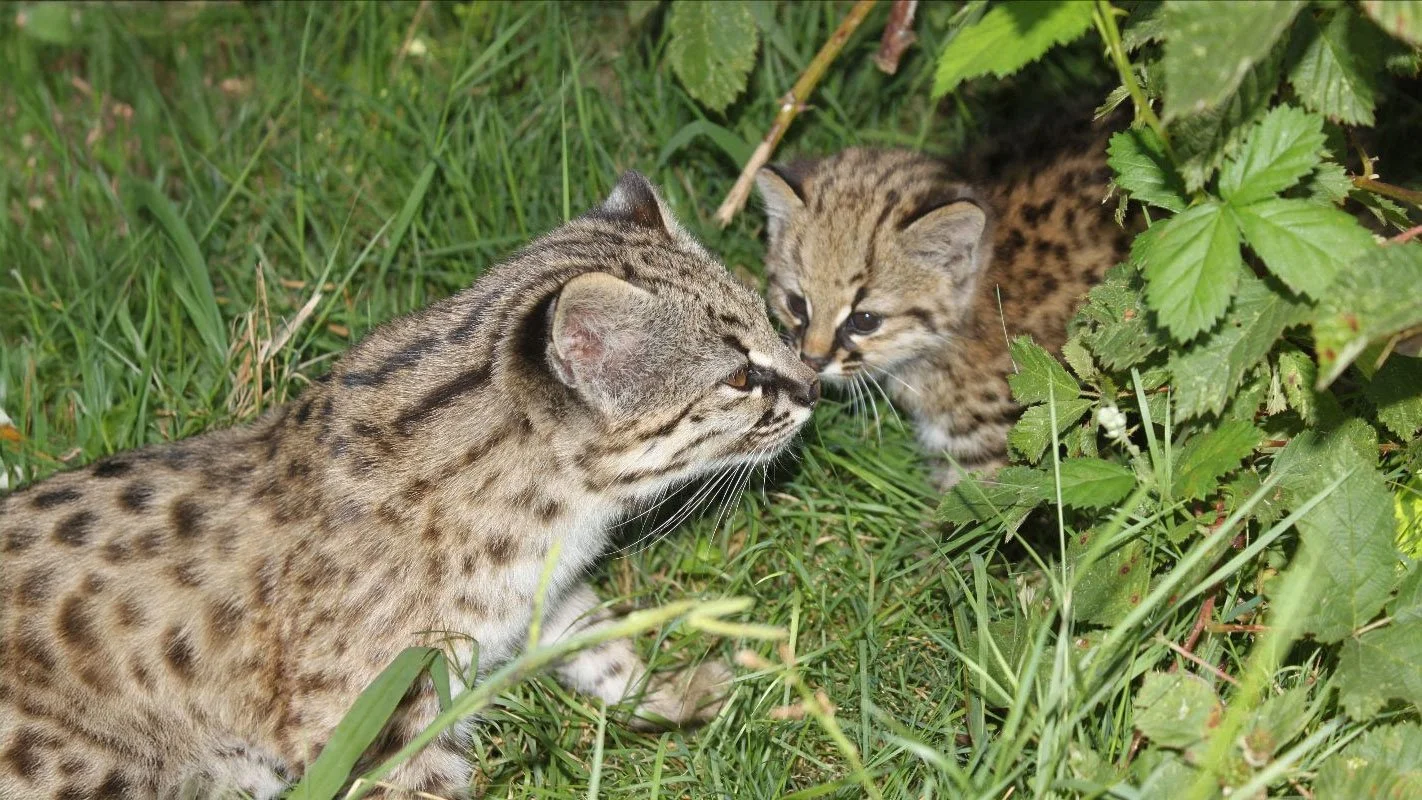

Explore three inspiring wild cat conservation stories: Jim Sanderson's encounter with the world's only captive Marbled cat in India, the creation of the first Community Conserved Area for Marbled Cats in Arunachal Pradesh, Uganda's new national park for African Golden Cats, and how young students are transforming Fishing cat conservation along India's Chilika lagoon. Community-led conservation is changing the future for rare and threatened wild cats.

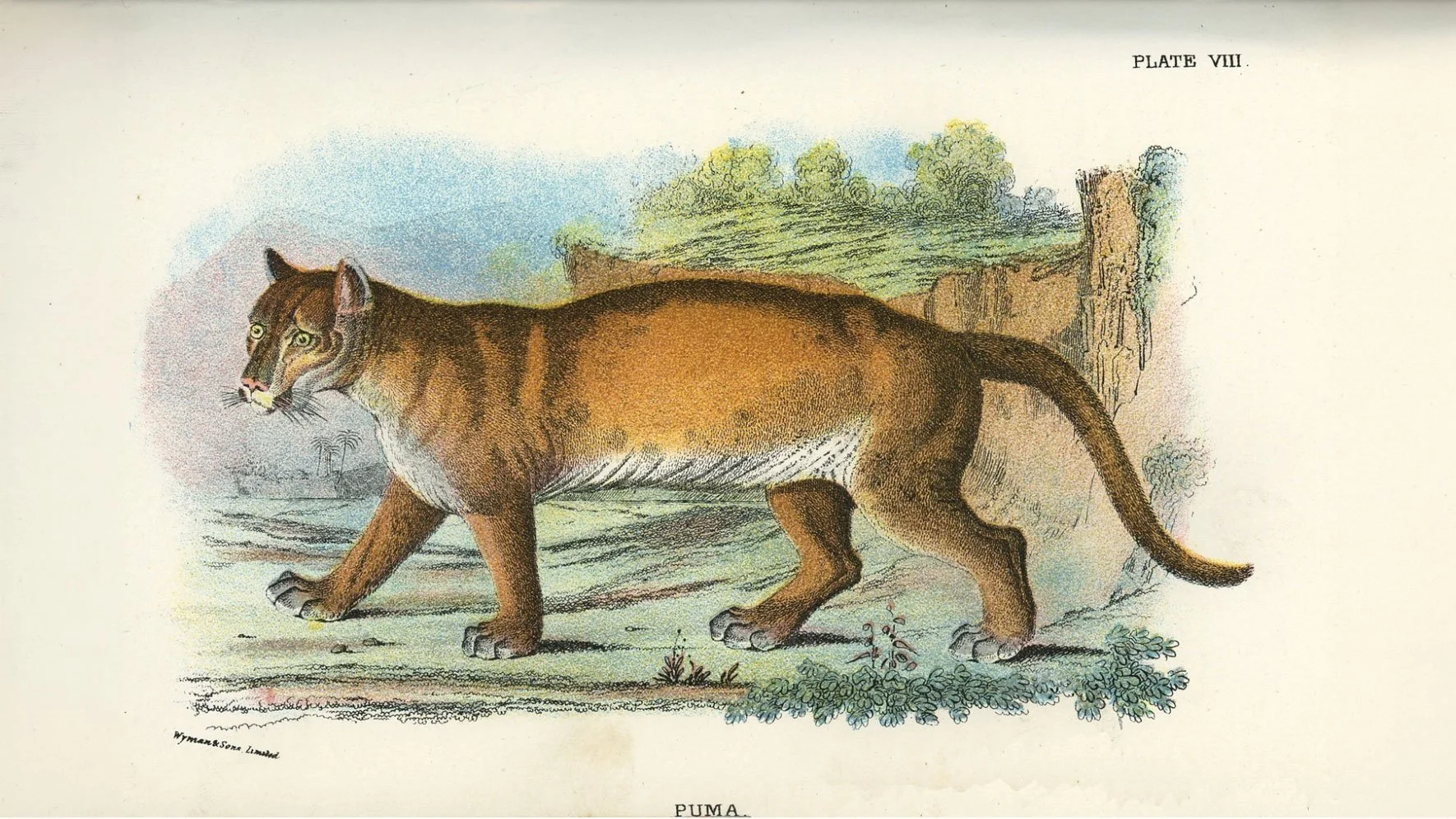
Everywhere we work, we install traffic signs. We have traffic signs in Sri Lanka depicting the Fishing cat, in Mongolia depicting the Manul, in India featuring the Rusty-Spotted cat, and Mexico with several species including the Jaguar. The above traffic signs in Chile depict all seven wild cat species found in Chile, from the diminutive Guigna to the Puma.




 Carole Baskin
Carole Baskin is the founder and CEO of Big Cat Rescue and author of this web page. Since 1992, she has worked to end the exploitation of exotic cats and now leads the non profit's efforts to protect wild cats in the wild by funding innovative threat mitigation programs that allow humans and wild cats to co-exist in peace.