SWCCF News 2026 09
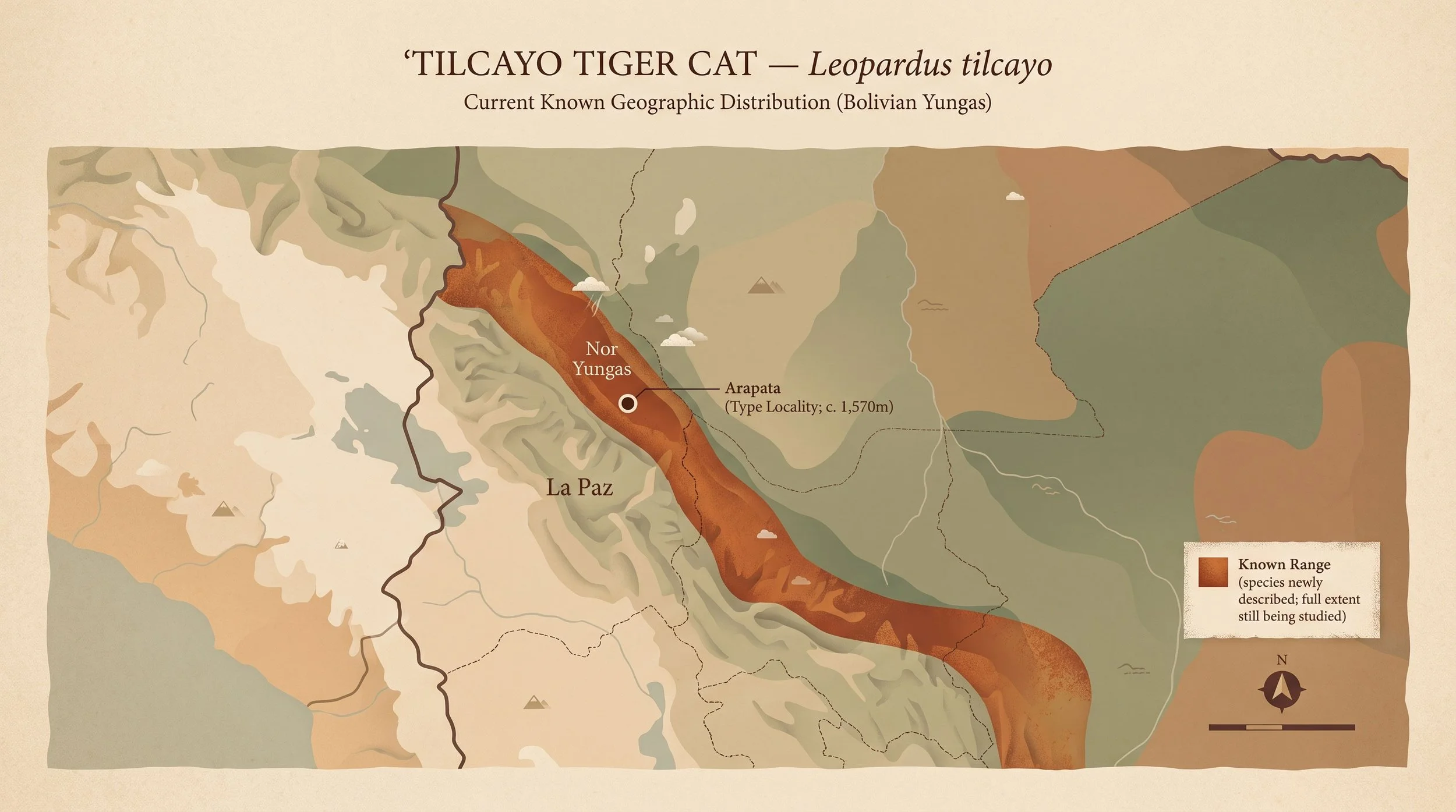
Tilcayo Tiger Cat Facts
Tilcayo Tiger Cat: First New Wild Cat Species in 100 Years Discover Leopardus tilcayo, the small cloud forest feline marking the first completely novel wild cat species described by science in over a century
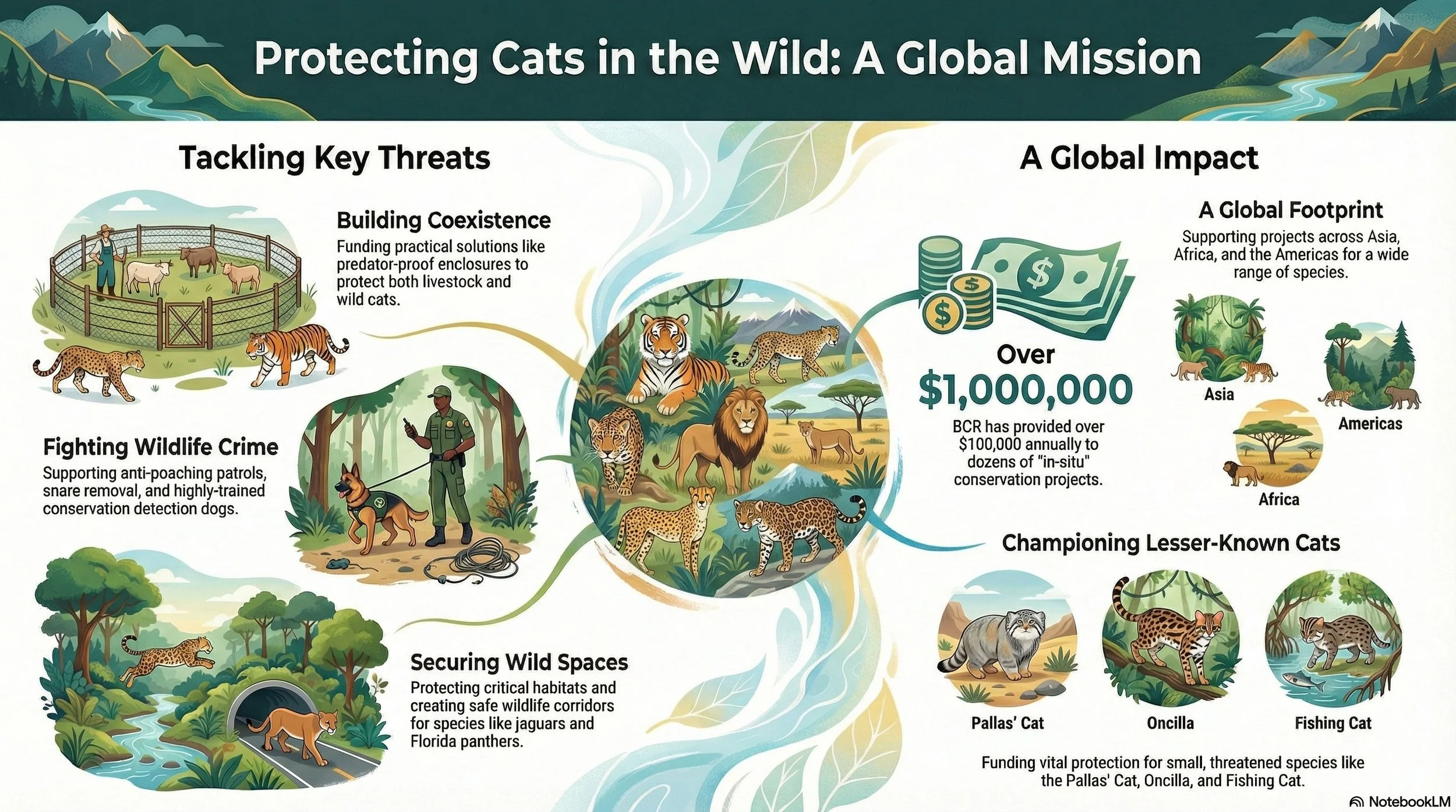
Insitu 2026
Invited to the IUCN Cat Specialist Group
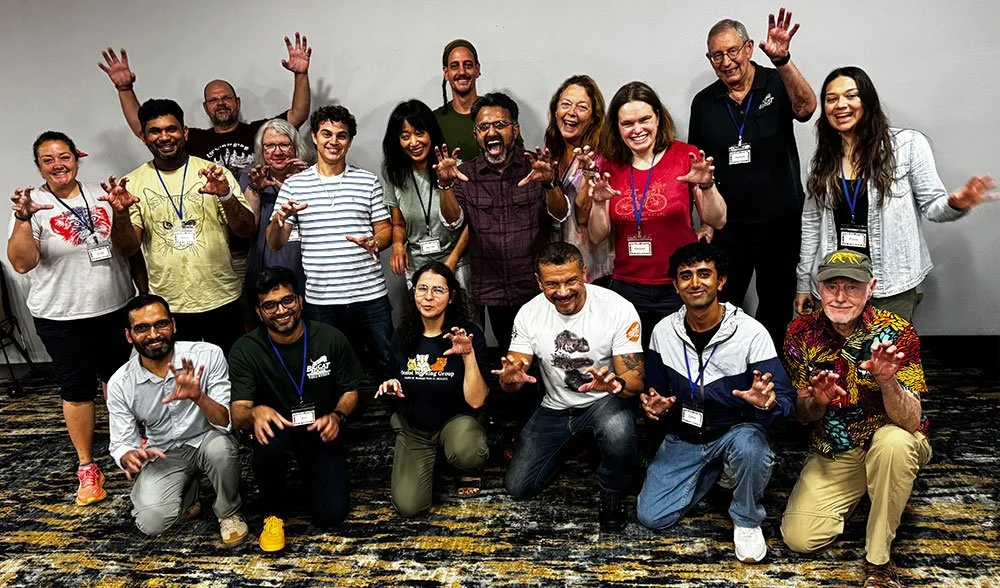
On July 27, 2026, I was invited into the IUCN SSC Cat Specialist Group, the body responsible for monitoring and conserving all 40 wild cat species on Earth. After three decades of pushing on that system from the outside, Big Cat Rescue finally has a seat inside it.
SWCCF News 2026 06
The Corbett Foundation
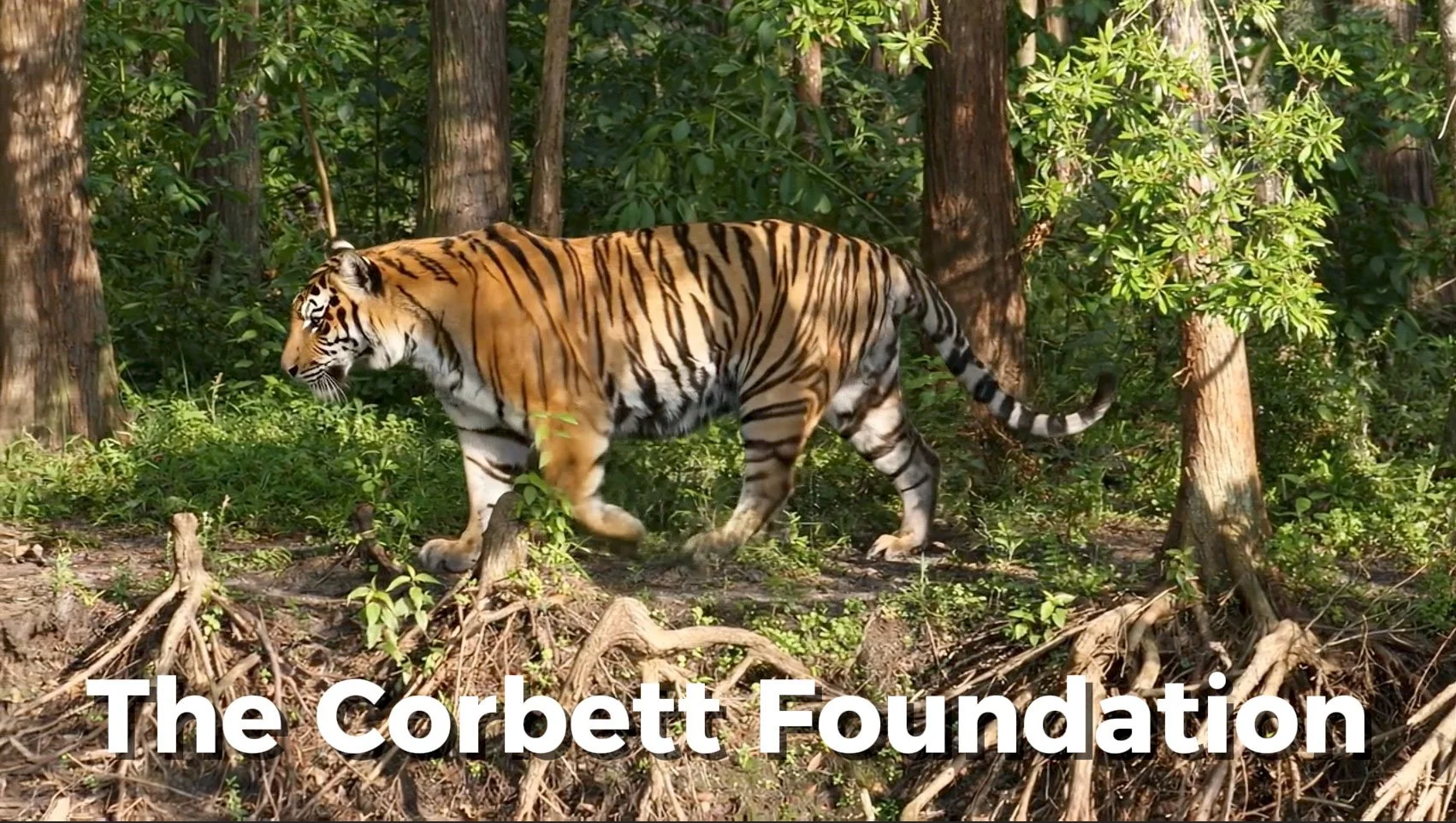
The 2024-25 Annual Report commemorates the 30th anniversary of The Corbett Foundation (TCF), an Indian non-profit established in 1994 to foster human-wildlife coexistence. The document highlights TCF’s expansion from its origins in Uttarakhand to nine distinct landscapes across seven states, focusing on the protection of threatened species like tigers, elephants, and vultures. Key initiatives detailed include the Livestock Compensation Programme, which prevents retaliatory killings, and extensive habitat restoration efforts that have revived thousands of hectares of forests and grasslands. Beyond ecology, the foundation integrates community well-being through rural medical outreach, sustainable livelihood training, and the distribution of green energy solutions. By combining scientific research with grassroots engagement, TCF aims to secure India’s natural heritage while improving the lives of people residing near protected wilderness areas. Collaborative partnerships with government agencies and international conservation bodies remain central to their mission of balancing environmental integrity with social development.