Carmen del Playa
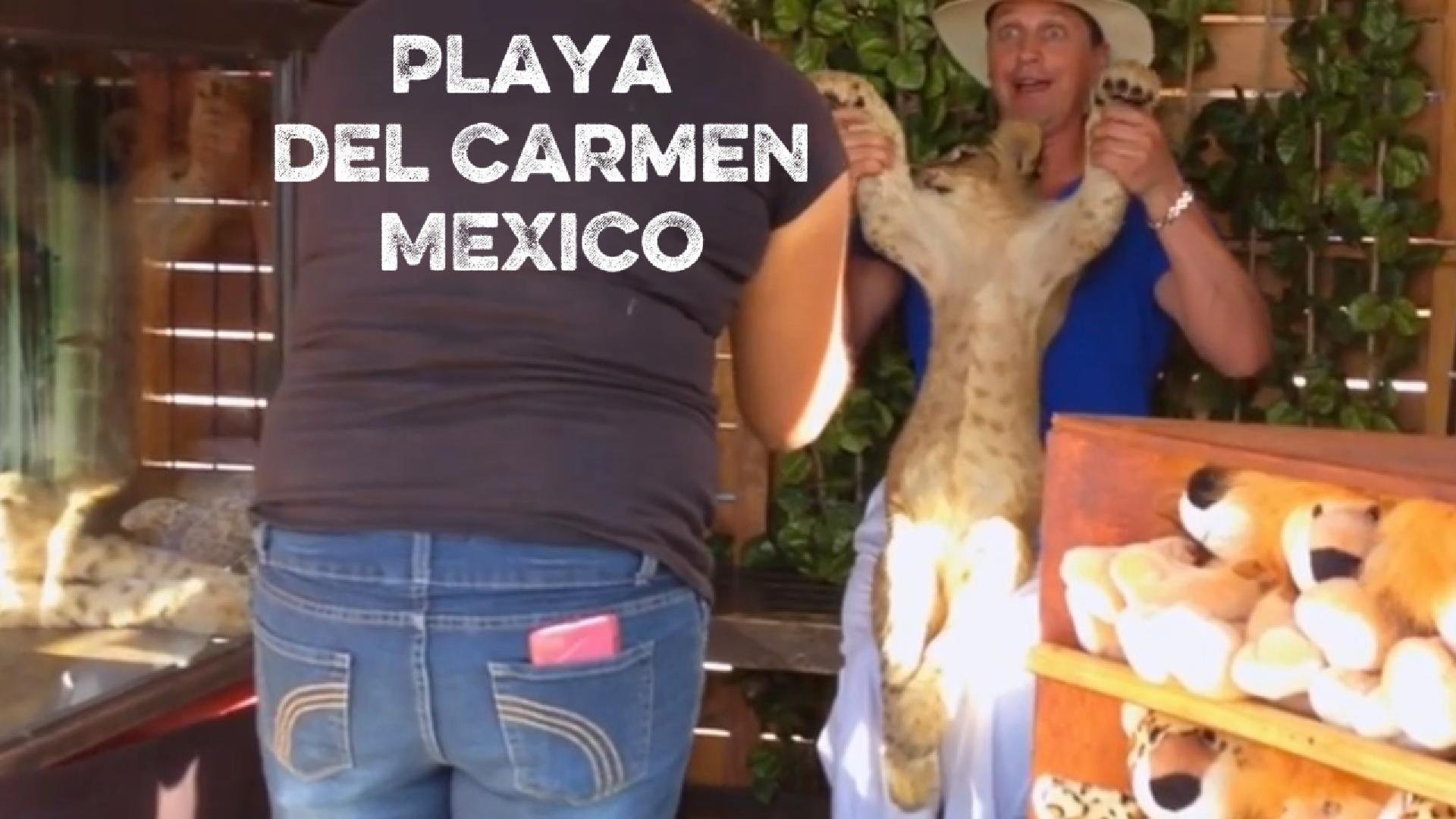
The Fall of Animalandia Maya: Playa del Carmen Shutdown In May 2026, Mexican law enforcement conducted a major raid on Animalandia Maya, a controversial tourist site in Playa del Carmen known for offering photos with exotic wildlife. The operation resulted in the arrest of the owner and several employees, as well as the seizure of tigers, lions, and monkeys that were allegedly being exploited. This intervention followed years of public outcry and pressure from animal welfare organizations regarding the suspected sedation and mistreatment of the animals. While the business has successfully used legal loopholes to reopen after past closures, the scale of this coordinated police action suggests a permanent shutdown. The incident highlights a significant victory for activists fighting against the commercial use of endangered species in the Riviera Maya.
The End of the Cub Selfie
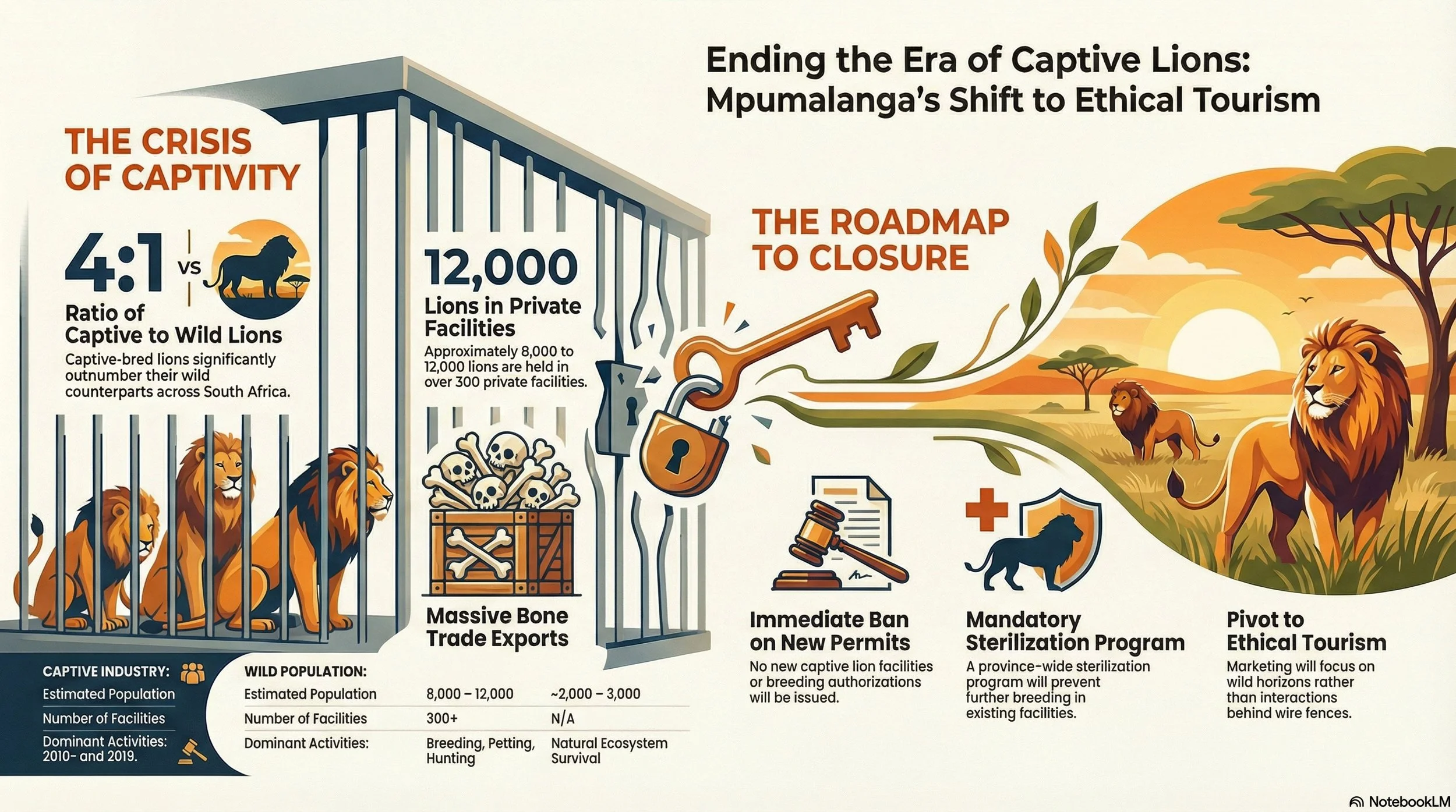
The provided sources detail a landmark decision by the Mpumalanga Tourism and Parks Agency to officially ban new permits for captive lion facilities in South Africa’s Mpumalanga province. This regulatory shift aims to phase out the controversial industry by prohibiting future breeding, stopping the importation of captive lions, and implementing a sterilization program. By aligning with national conservation mandates, provincial authorities are moving away from commercialized animal interactions, such as cub petting and canned hunting, to protect the country's international reputation. The transition focuses on fostering ethical, wild-based tourism and prioritizing the welfare of lions in their natural habitats. While existing facilities will not close immediately, they must adhere to strict welfare standards as the province redirects investment toward nature reserves and sustainable wildlife management. This policy represents a significant victory for animal rights advocates and marks a decisive pivot toward authentic African safari experiences.
Kitten VS Cub
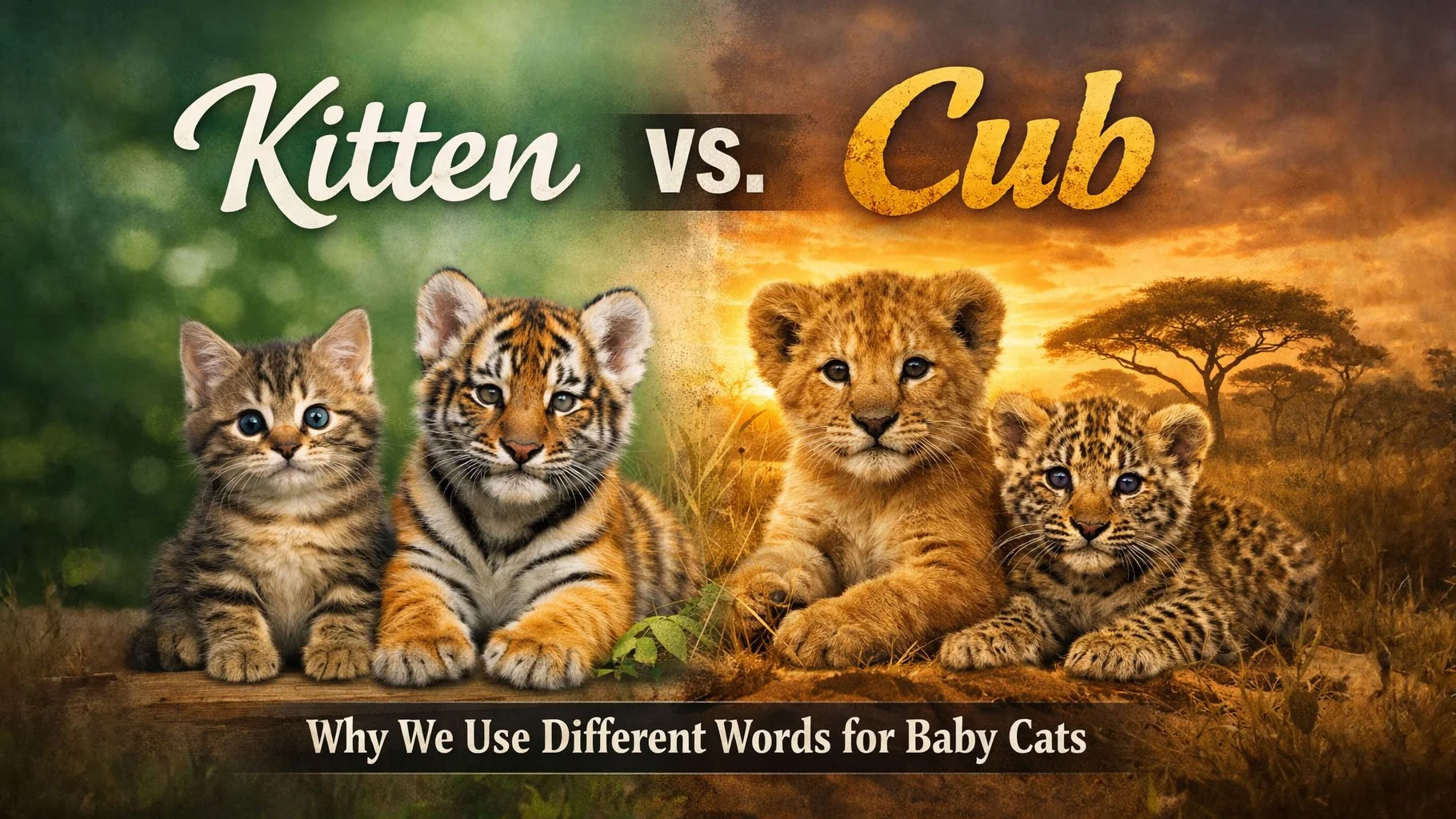
This text explores why humans distinguish between the terms kitten and cub despite all young felines belonging to the same biological family. While kitten is the scientifically accurate term for any juvenile cat, linguistic shifts have led society to reserve that label primarily for domestic and small species. Conversely, the word cub was borrowed from other predatory mammals to emphasize the strength and wild nature of large cats like lions and tigers. This distinction is largely driven by cultural perception and media influence rather than zoological requirements. Ultimately, the choice of terminology depends more on narrative tone and tradition than on strict biological definitions. Through this lens, the source illustrates how language evolves to help humans categorize the natural world based on size and temperament.

Born to Be Wild: Why Clouded Leopards Don’t Belong Behind Glass
Clouded leopards are too fragile for captivity. Learn why breeding them for display harms, not helps, and how to protect them where they belong—in the wild.
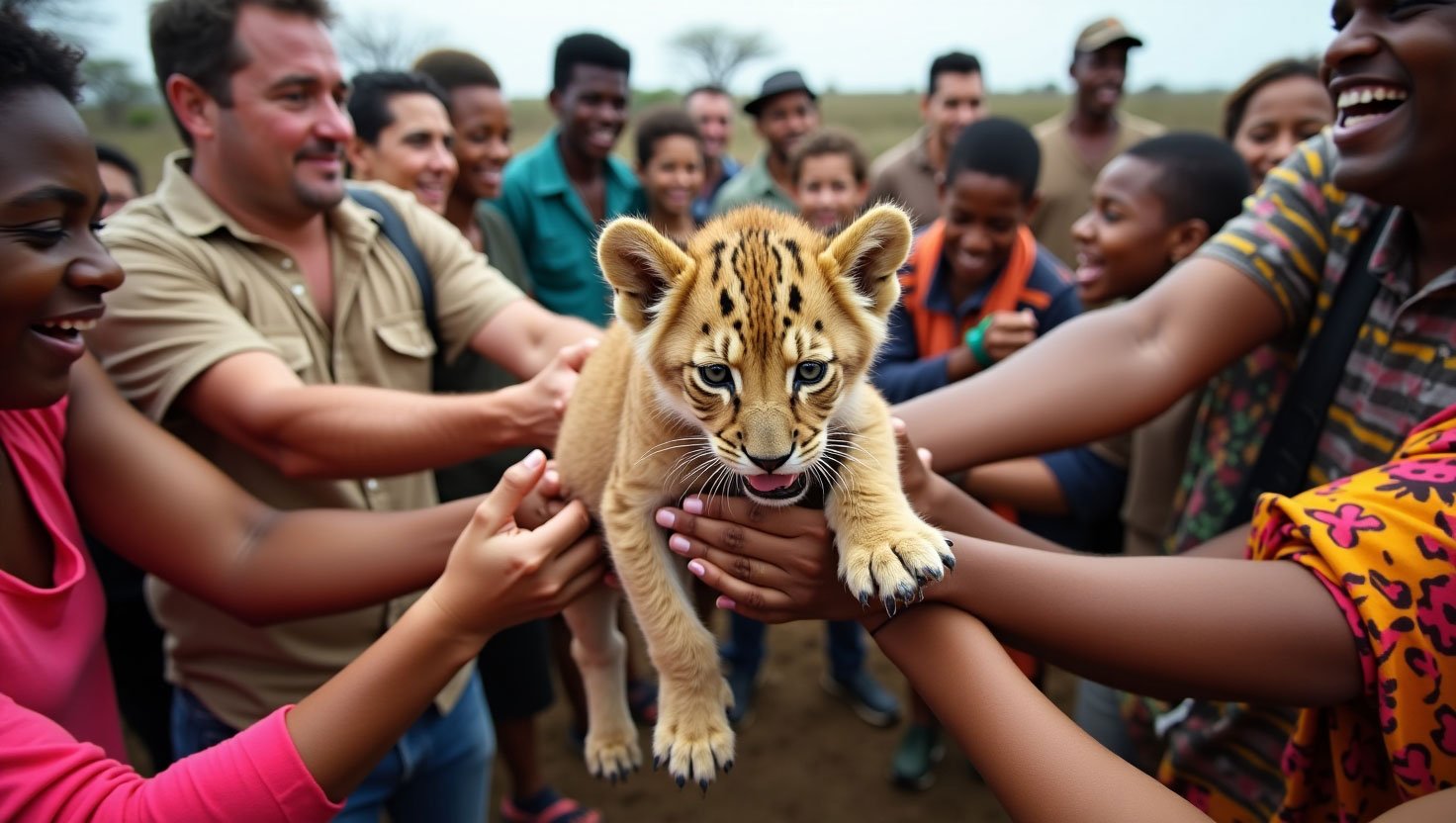
Lions Behind Bars: Why South Africa Must End the Captive Lion Industry Now
South Africa’s captive lion industry keeps 8,000 lions behind bars for profit. Ahead of World Lion Day, global advocates demand action to end breeding, cub petting, and exploitation—before it’s too late.

Cecil Lion