Carmen del Playa
The Shadow Behind the Selfie: The Surprising End of Playa del Carmen’s Notorious Big Cat Trade
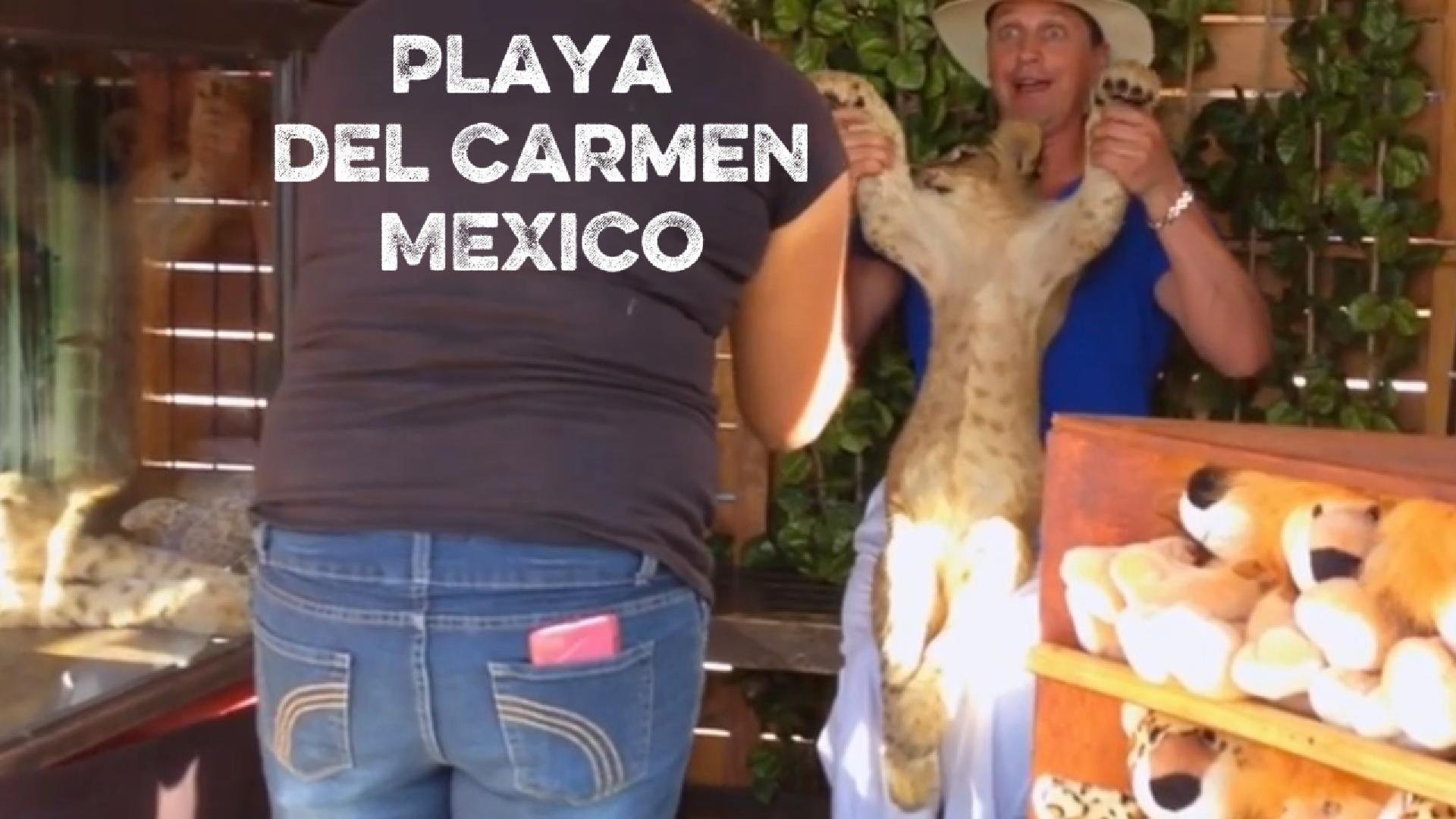
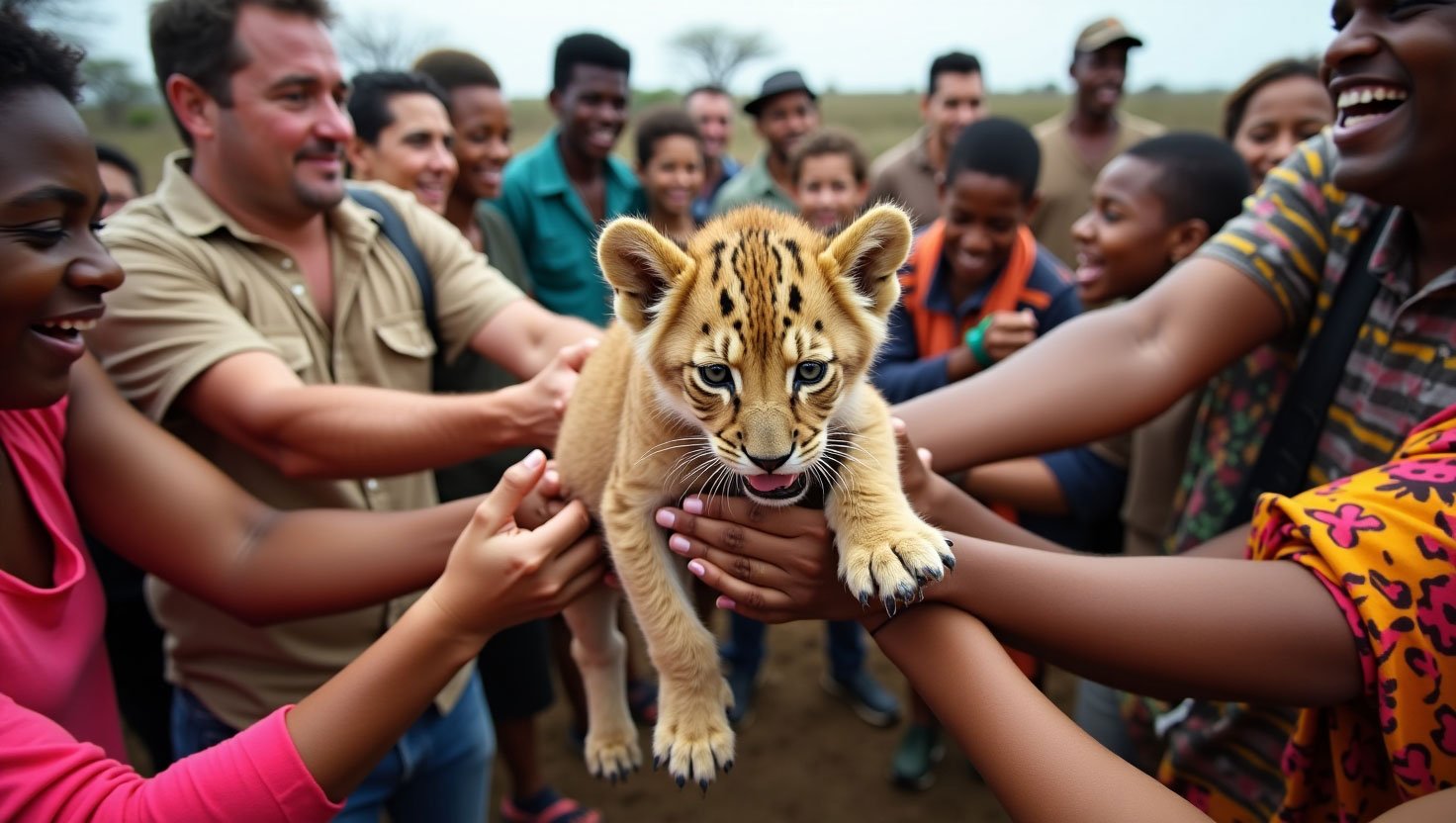
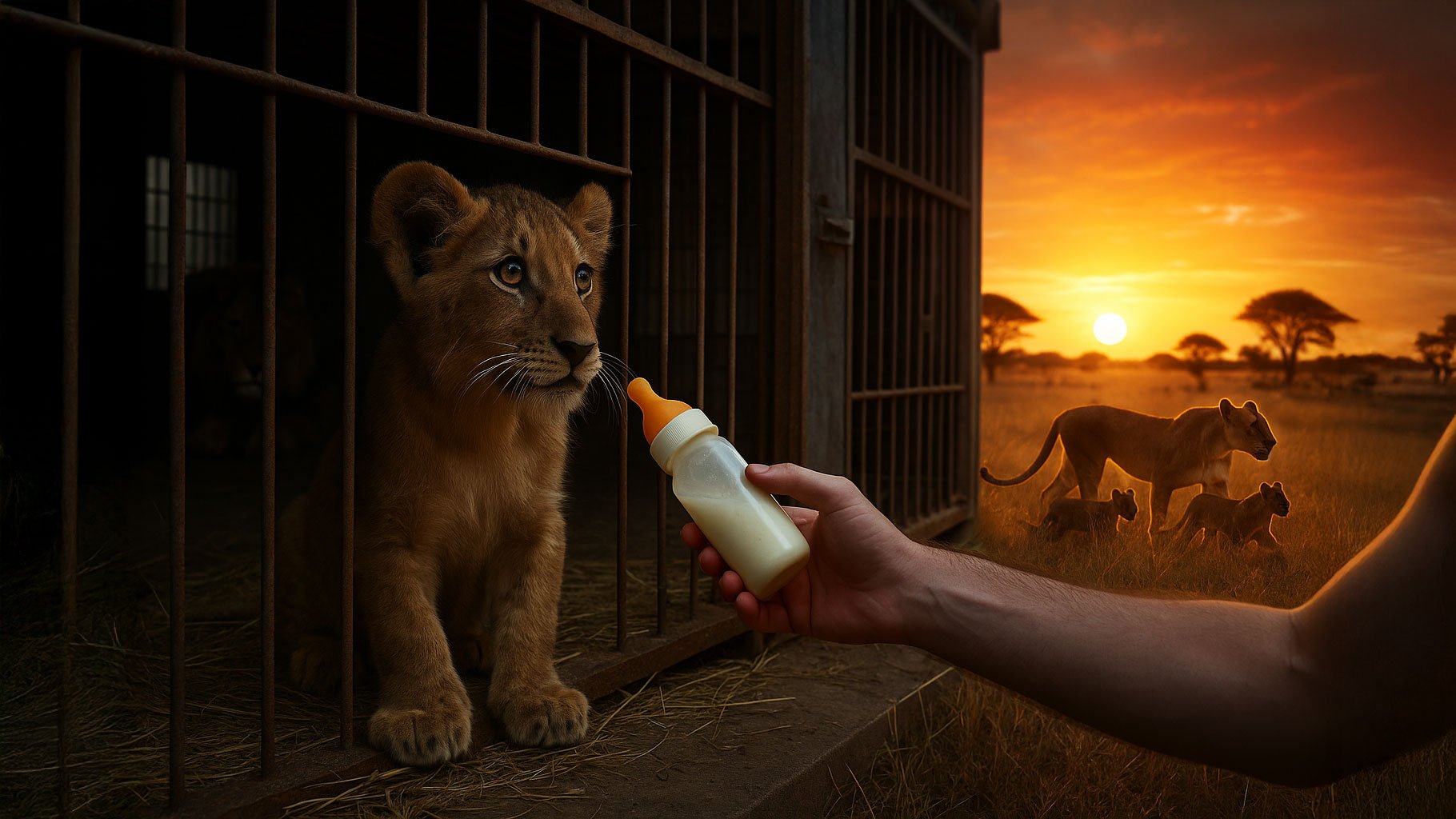
On a typical morning in Playa del Carmen, the sensory overload of 5th Avenue is an intoxicating mix of saltwater breeze, expensive sunscreen, and the sweet aroma of street-side churros. But for over a decade, at the intersection of Calle 14, this tropical idyll was punctured by a sharper, more clinical scent: the musk of caged predator cubs and the heavy, metallic tang of animal waste. Here, at "Animalandia Maya," tourists queued for the ultimate vacation trophy—a digital keepsake of themselves cradling a lion, tiger or jaguar cub.
On May 1, 2026, the shutter finally closed on this controversial spectacle. It wasn't the soft click of a tourist's camera that ended the era, but a surgical strike by more than 30 law enforcement agents. This raid was the climax of a fifteen-year battle against institutionalized apathy, revealing that the "wildlife selfie" was merely the glossy veneer for a deeper, darker ecosystem of systemic abuse and organized crime.
The Illusion of "Cute": Sedation and Survival
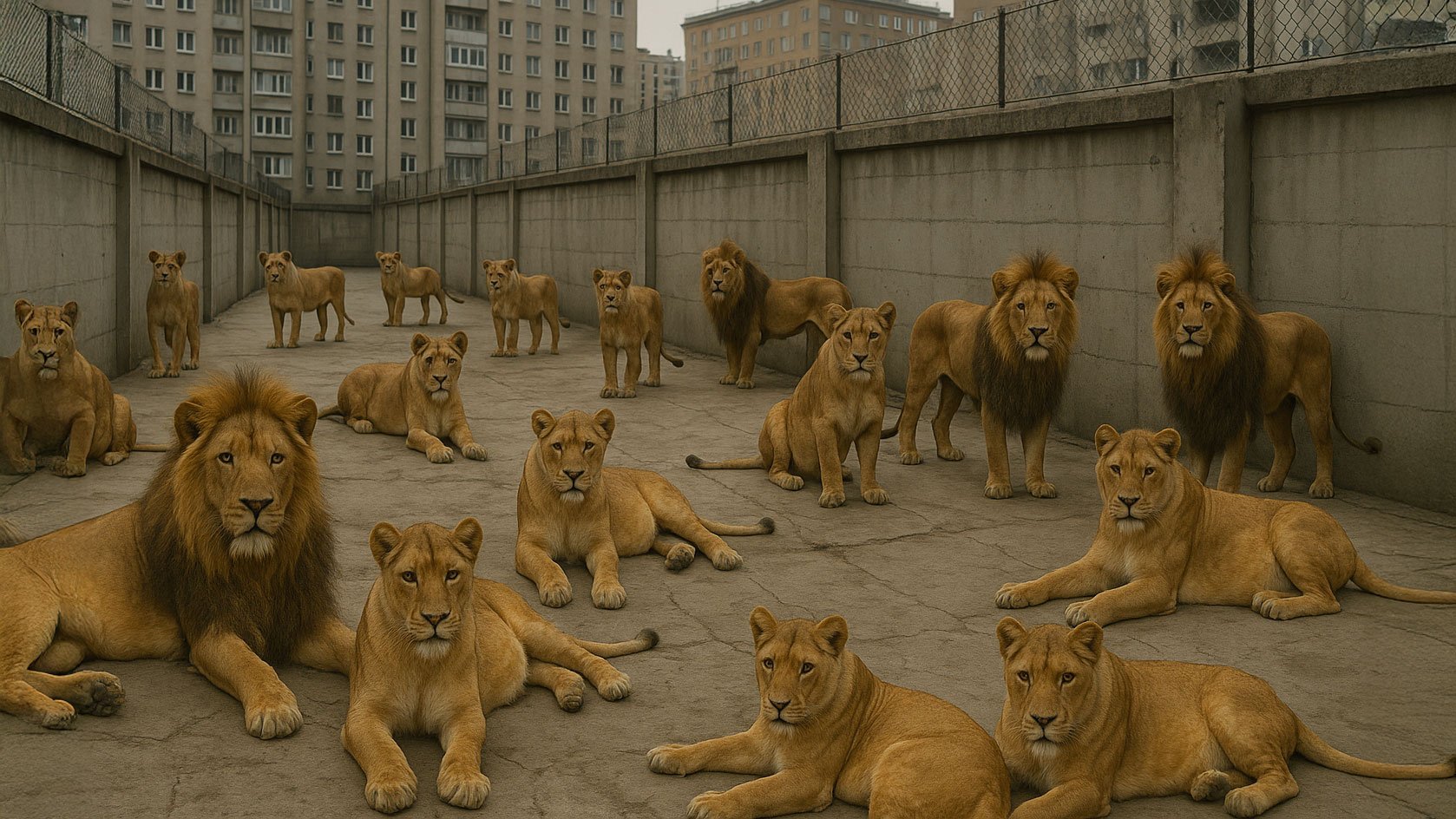
The raid, led by the State Attorney General’s Office (FGE) and environmental specialists, exposed the grim reality hidden behind the "cute" photo-ops. Investigators discovered 16 animals living in conditions that defined the crime of animal cruelty. The inhabitants—predators and primates built for vast territories—were crammed into cages insufficient for their size, surrounded by accumulated garbage and deprived of any specialized technical care.
Perhaps most damning was the evidence of nutritional and chemical manipulation. Authorities found that these apex predators were being fed human-grade milk—a product entirely unsuitable for their digestive systems. Furthermore, the "lethargic" and "passive" nature of the cubs, often noted by concerned visitors, was formally linked to suspected sedation. These animals weren't "tame"; they were chemically suppressed to endure thousands of human hands.
The rescue manifest included a tragic variety of species, many of them local wildlife caught in the crosshairs of the tourist trade:
3 Spider monkeys (Classified as an endangered species)
2 Martuchas (Kinkajous, a local species frequently exploited in the region)
1 White tiger cub & 1 Juvenile white tiger (Evidence of a continuous "pipeline" of animals)
1 Black jaguar cub
1 Bengal tiger
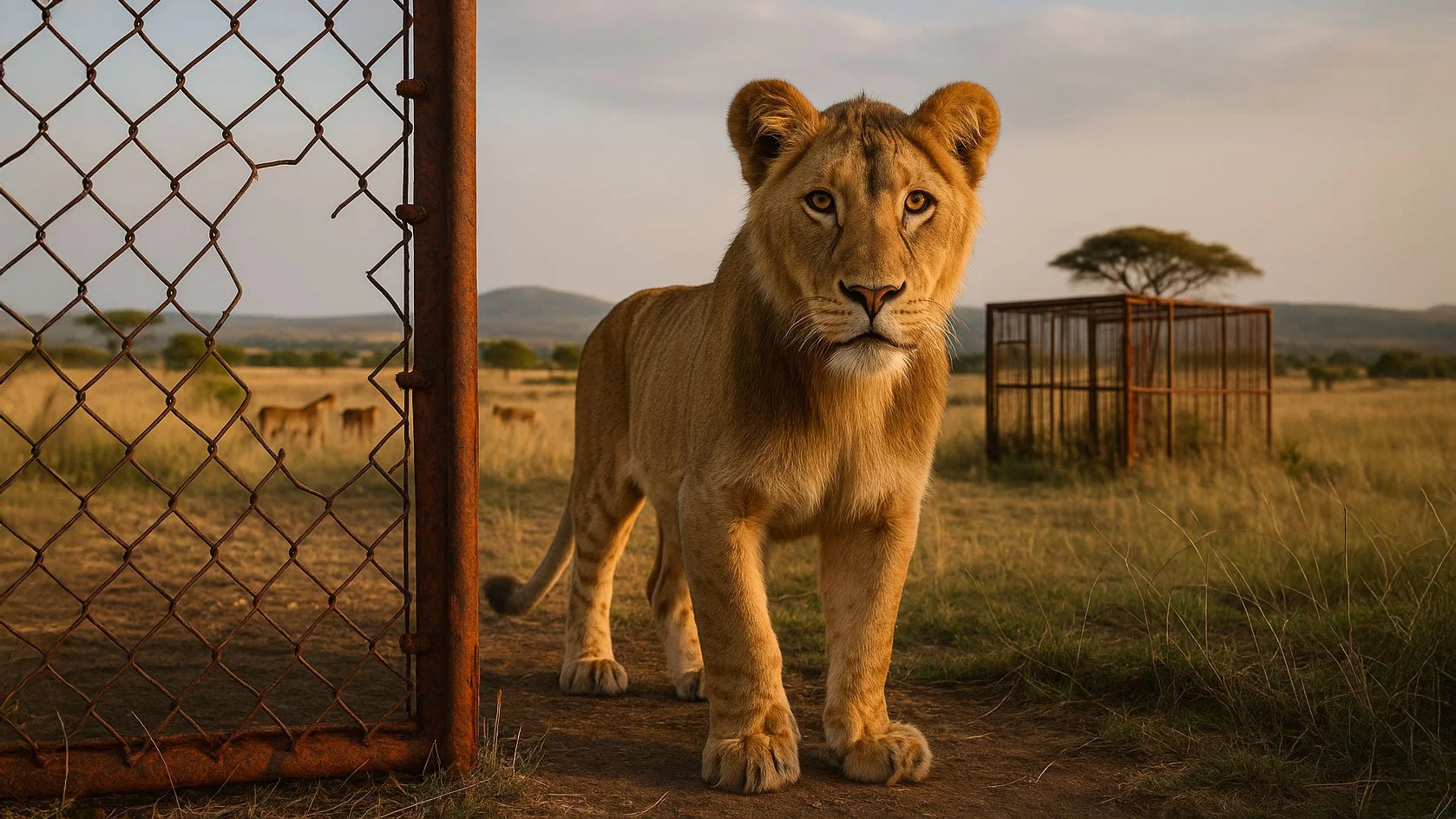
1 African lion
1 Tigrillo (Ocelot)
2 Capuchin monkeys
2 Squirrel monkeys
1 Cotton-eared marmoset
Óscar Alberto Rébora Aguilar, the Quintana Roo Secretary of the Environment, stood before enclosures containing 220 pound tigers and noted that the sheer scale of the confinement constituted an indisputable crime.
The "Amparo" Loophole: Why Justice Took a Decade
To the legal analyst, the most baffling aspect of Animalandia Maya was its resilience. The facility had been "closed" in 2019, 2022, and 2023, only to reopen weeks later. This survival was owed to a strategic perversion of the Juicio de Amparo—a Mexican legal injunction originally designed to protect individual human rights against state overreach.
In the hands of the facility’s owner, Félix Sandoval Jaime, the Amparo was used to freeze enforcement actions, treating the animals effectively as "property" whose seizure violated the owner’s commercial rights. Sandoval Jaime was no stranger to the levers of power; a former regidor suplente in 2018 and a 2019 precandidate for the state legislature, he possessed the political capital to navigate these loopholes with impunity. The May 2026 raid signaled a definitive shift: the arrest of Sandoval Jaime and four employees (Cristian “N”, Ever “N”, Martín “N”, and Johan “N”) suggests the state has finally moved past temporary closures toward permanent accountability.
The Dark Intersection: Wildlife and Narcotics
The investigation revealed that Animalandia Maya was far more than a poorly managed zoo. For years, the high-traffic "selfie" queue provided the perfect cover for a much more lucrative enterprise. Law enforcement actions in 2022 and 2023 had already hinted at this, but a March 2023 bust by K9 units laid the truth bare.
"Police located over 2,000 doses of narcotics that included marijuana, cocaine, ecstasy, crystal meth, LSD, crack and hashish... more than 1,300 of those bags were cocaine. They also reported locating one shotgun and 8,024 pesos in cash."
This facility wasn't just an animal attraction that "happened" to have drugs; it appears to have been a high-visibility distribution point where the exploitation of wildlife served as a structural front for narcotics trafficking. The "shadow behind the selfie" was, quite literally, the drug trade.
The "Big Cat Rescue" Effect: From Sanctuary to Legislation
The fall of the Playa del Carmen trade mirrors a global shift popularized by Big Cat Rescue. BCR’s evolution from a Florida-based physical sanctuary to a legislative powerhouse provided the international blueprint for this victory. With the passage of the Big Cat Public Safety Act in December 2022, the "cub-petting pipeline" in the United States was effectively choked off.
This legislation ended the cycle of breeding cubs for a few months of profit before discarding them. As the pipeline of new animals slowed, Big Cat Rescue transitioned its remaining cats to a sanctuary in Arkansas—noted for providing more space and better weather—and pivoted its mission entirely toward funding in-situ conservation. This global movement sent a clear message to Mexico: the only way to end the abuse is to dismantle the profit motive through federal law.
A Constitutional Shield: Mexico’s Ethical Revolution
Mexico is currently undergoing an ethical revolution that has placed a "double-lock" on the wildlife trade. First came the April 2022 Quintana Roo law that banned public exhibitions of primates and felines. But the true paradigm shift arrived in December 2024 with a historic constitutional reform.
By amending Articles 3, 4, and 73, Mexico enshrined animal protection as a "fundamental value." Most critically, the amendment to Article 73 granted the federal Congress the explicit power to legislate on animal welfare, paving the way for a General Animal Welfare Bill. This reform moved animals out of the legal category of "property"—the very defense used in the Amparo loops—and recognized them as sentient beings with constitutional standing.
This legal evolution, combined with a February 2026 Change.org petition from local residents and pressure from international NGOs like OIPA and Animal Heroes, left the owners of Animalandia Maya with no remaining shadows in which to hide.
Conclusion: A Forward-Looking Reflection
The 16 animals rescued from 5th Avenue are currently being transferred to Environmental Management Units for rehabilitation. Their departure marks a landmark victory for the global animal welfare movement, proving that grassroots activism, when paired with rigorous constitutional reform, can topple even the most entrenched systems of exploitation.
However, as we celebrate the end of this dark chapter in Playa del Carmen, we are left with an uncomfortable question: Why did we, as a global tourism community, allow the "wildlife selfie" to thrive for so long? The bars have been cut and the cages are empty, but the victory only remains permanent if we recognize that a moment’s vanity is never worth a lifetime of sedation. The "Shadow Behind the Selfie" has been exposed; now, we must ensure it never returns.