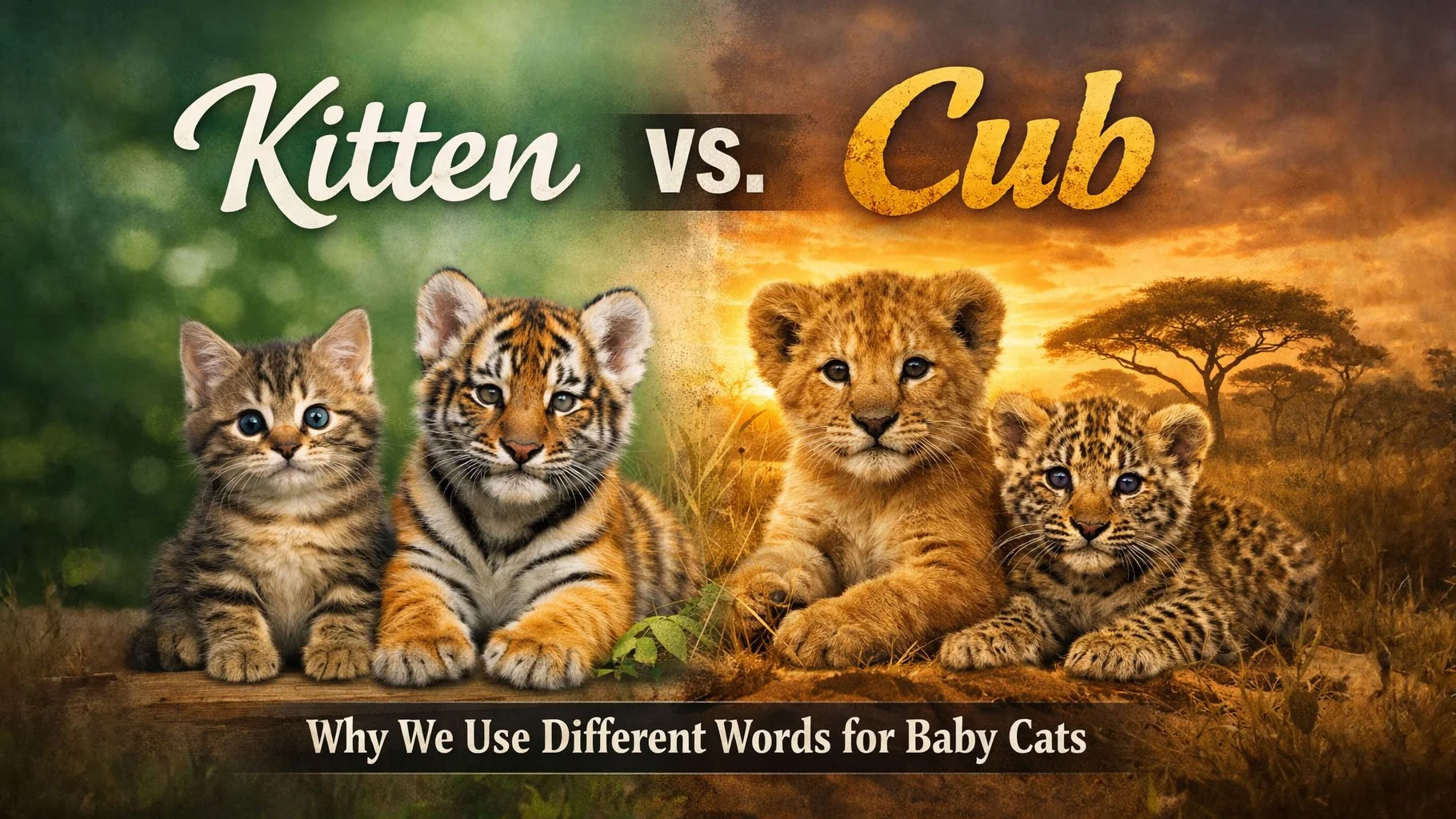
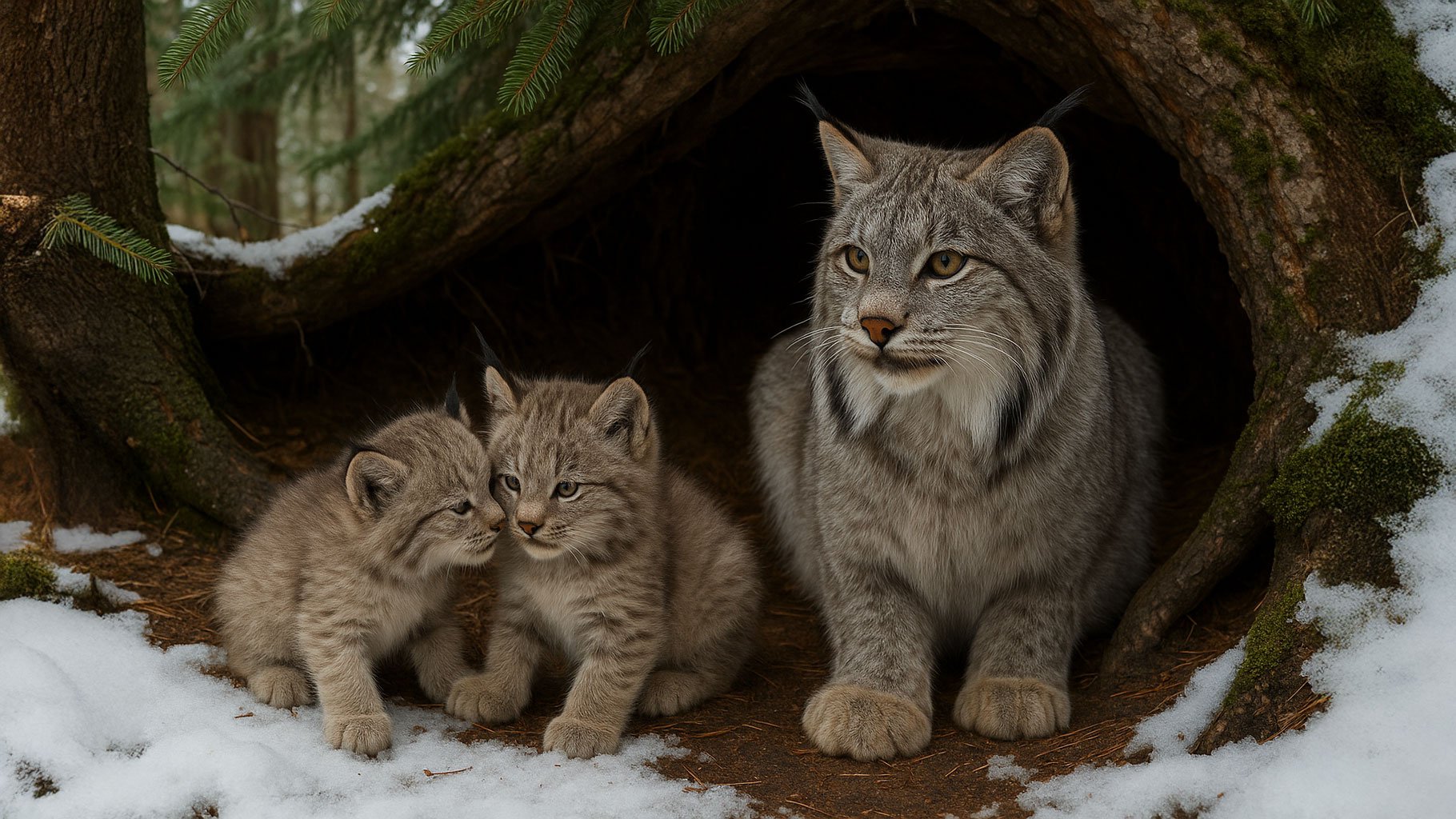
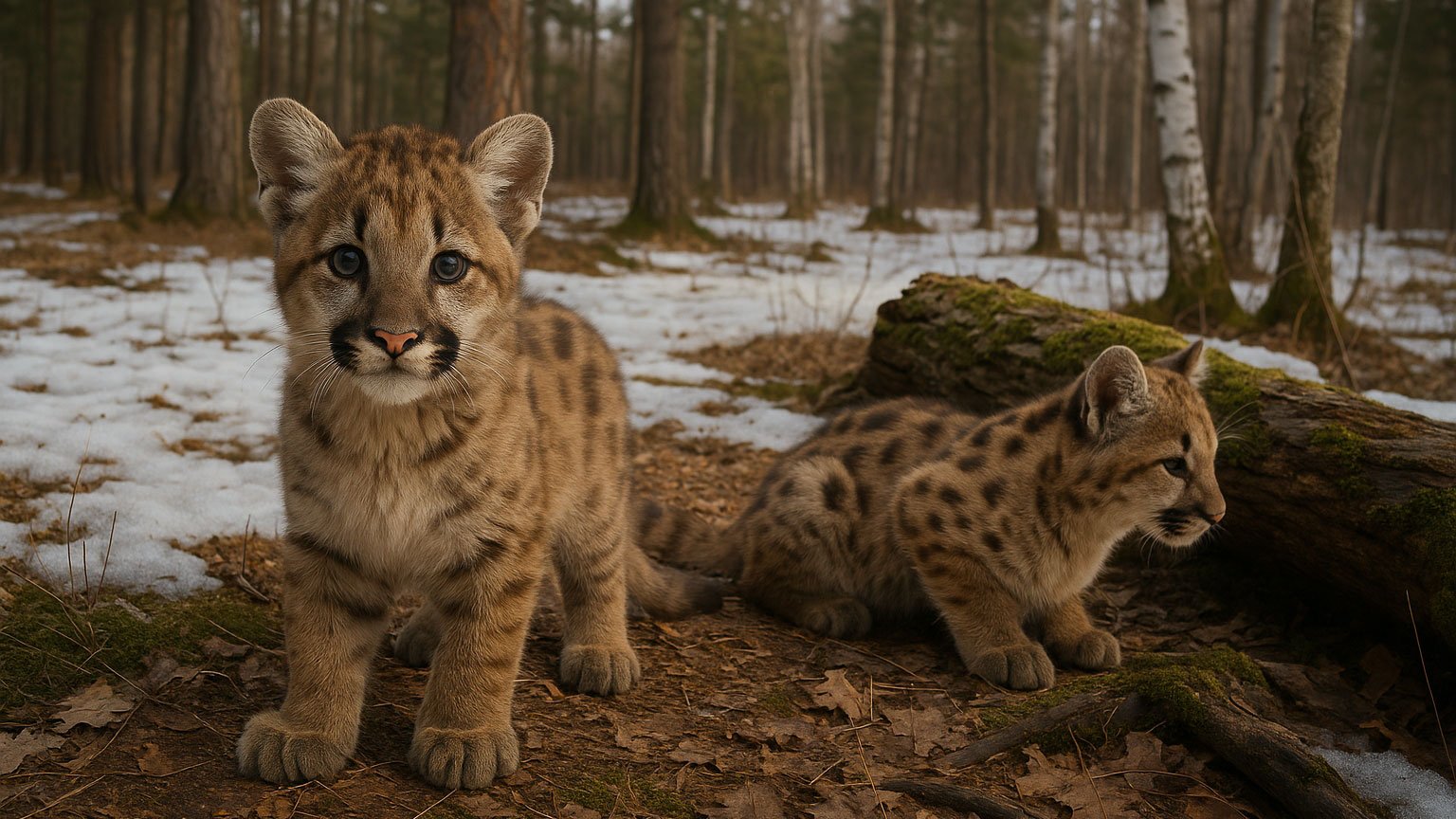
Why Your Favorite Big Cat is Actually a Kitten: The Surprising Science of Feline Names
1. The Hook: A Tale of Two Names
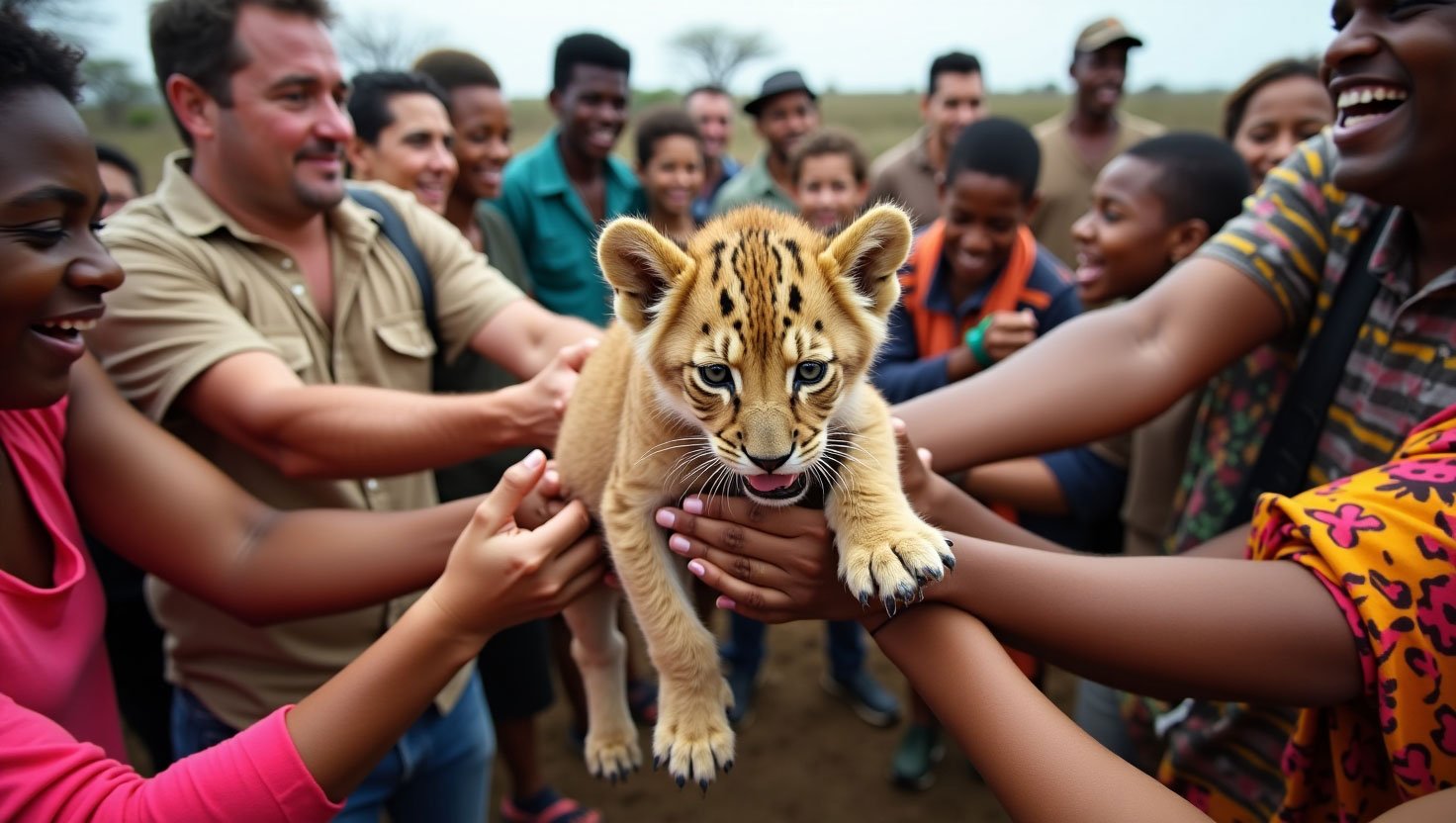
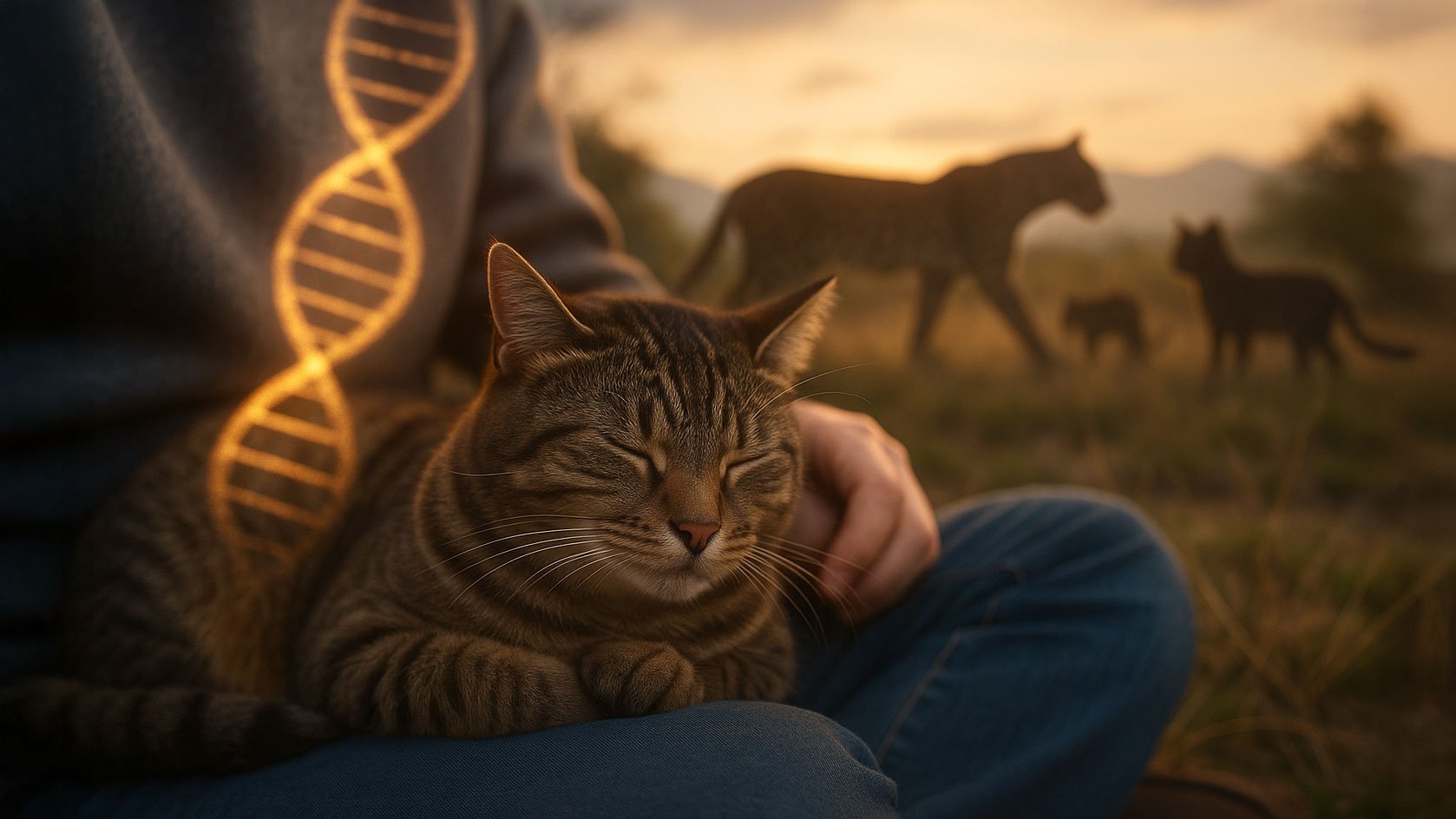
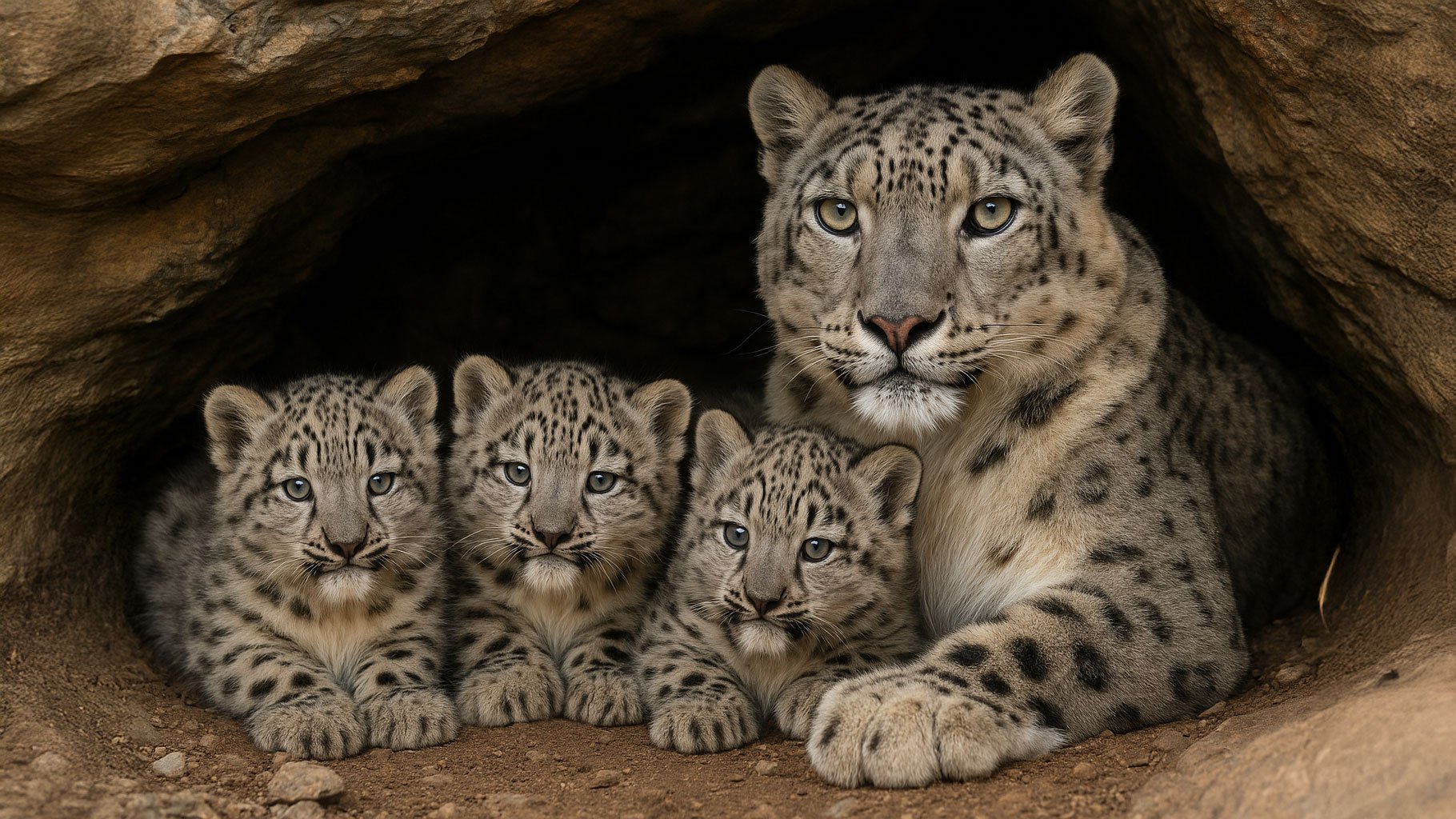
Imagine a sprawling savanna where a lioness meticulously grooms her playful offspring. In common parlance, we instinctively label these fuzzy predators "cubs." Now, pivot to a sunlit living room where a tabby nurses her litter; these, we call "kittens." While our ears perceive a vast chasm between the two terms, the biological reality tells a much more unified story. Both animals belong to the family Felidae, yet our lexicon has fractured their identities. This linguistic divide invites a fascinating inquiry: why does human language insist on distinguishing what biology treats as one and the same?
2. Takeaway 1: Biologically, "Cub" Doesn’t Exist for Cats
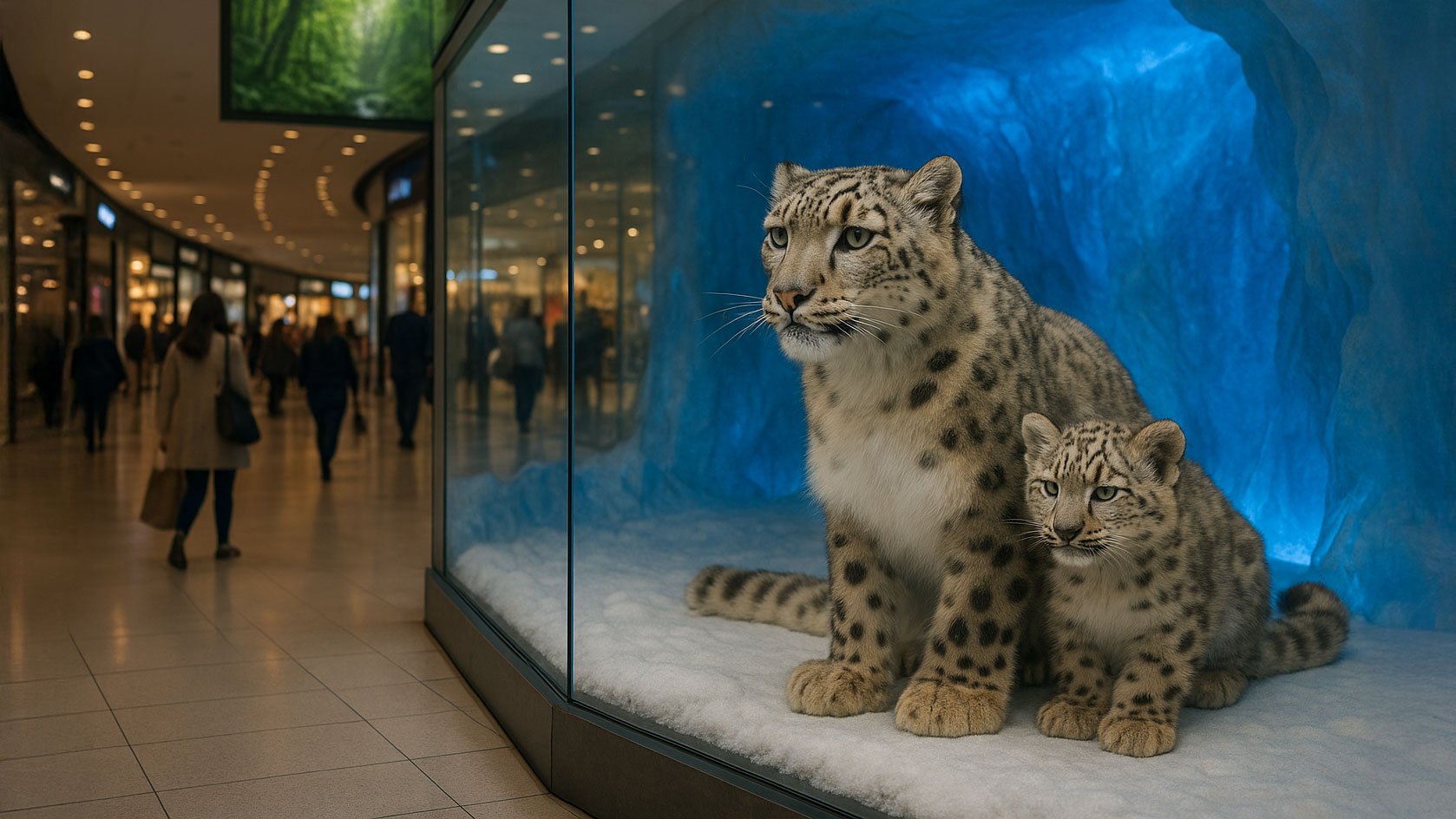
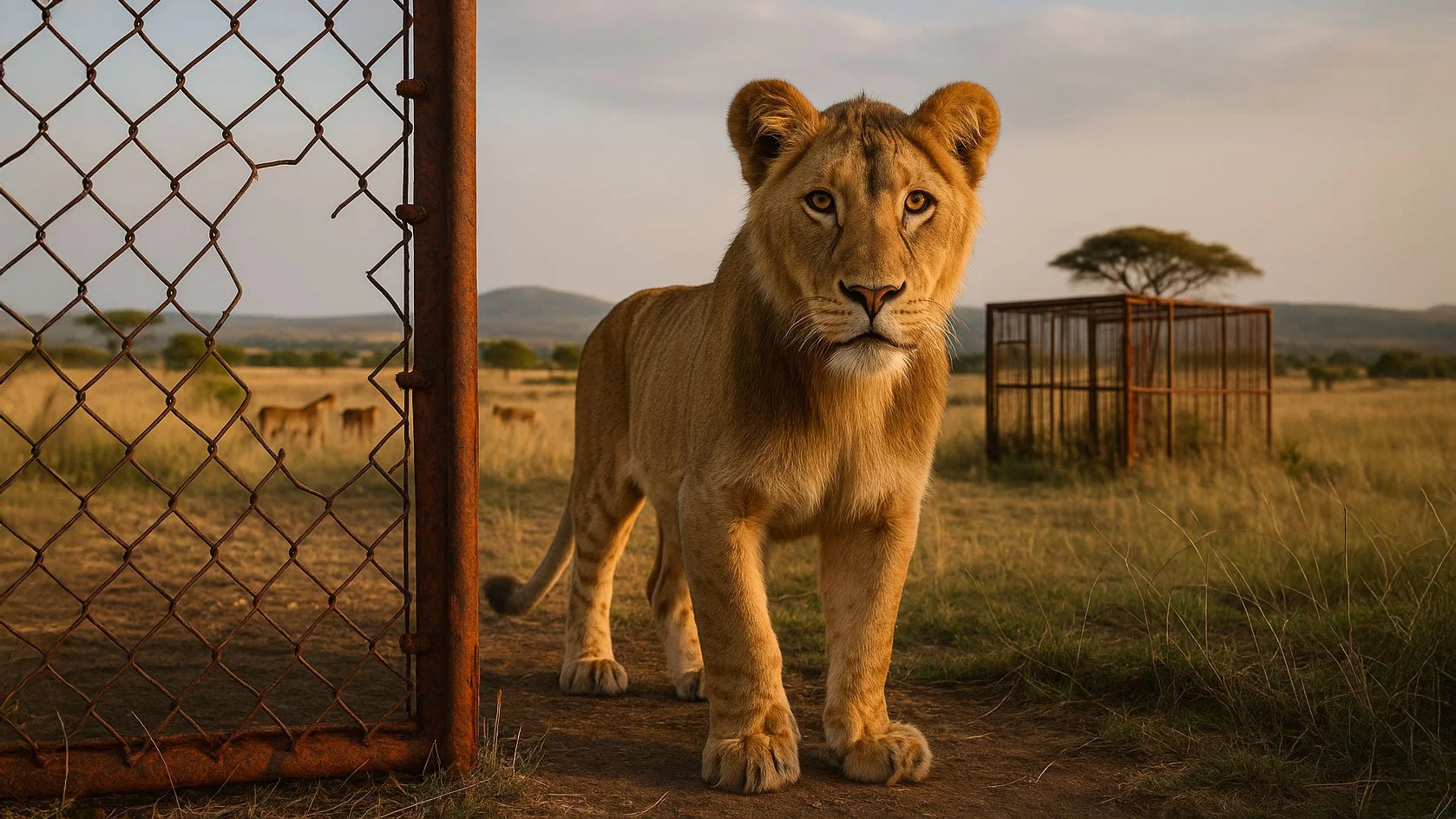
While the public consciousness draws a hard line between "big cats" and their domestic cousins, taxonomic science is far more inclusive. From the perspective of a zoologist, the label "kitten" is not a diminutive reserved for the hearth; it is a precise biological designation for the juvenile stage of any member of the cat family, regardless of its eventual status as an apex predator.
"In zoology, ‘kitten’ is technically correct for the young of any cat species. The term simply means ‘young feline.’"
Analysis/Reflection: This creates a striking tension between scientific precision and cultural utility. Scientists maintain the term "kitten" because it honors the evolutionary continuity of the Felidae branch, yet the public has largely rejected it for larger species. This suggests that for the layperson, biological lineage is often secondary to the functional "role" an animal plays in our world—a pet is a kitten, but a predator demands a different tier of respect.
3. Takeaway 2: The Word "Cub" is a Borrowed Identity
The history of our feline vocabulary reveals a significant etymological migration. Historically, "kitten"—rooted in Middle English and Old French—was the universal standard for all young felines. The word "cub" was a later interloper, a term humans "borrowed" from the nurseries of entirely different mammalian families. Originally, "cub" was the exclusive domain of young bears, foxes, and wolves.
Analysis/Reflection: The decision to reassign "cub" to large cats reflects a deep-seated human desire to categorize nature by its "vibe" rather than its DNA. As the era of early natural history journals flourished, writers likely found the word "kitten" too dainty for the offspring of a beast that could fell a gazelle. By borrowing from the lexicon of bears and wolves, we linguistically "rebranded" the big cats to align them with the formidable wild rather than the domestic kitchen.
4. Takeaway 3: Language is About Perception, Not Just Species
The shift from "kitten" to "cub" serves as a primary example of how human psychology overrides taxonomic accuracy. The two words carry distinct visceral signatures that dictate how we interact with the concept of the animal:
Kitten: Evokes qualities of being small, soft, vulnerable, and domestic.
Cub: Suggests an animal that is sturdy, wild, potentially dangerous, and strong.
Analysis/Reflection: This represents a form of linguistic cognitive dissonance. To the human ear, calling a 300-pound tiger a "kitten" feels like a category error. We struggle to reconcile the softness associated with "kitten" with the raw power of a panther. By using "cub," we resolve this discomfort, creating a psychological barrier between the animals we cuddle and the ones we fear.
5. Takeaway 4: Media and Storytelling Cemented the Divide
The standardization of "cub" was not a decree from a laboratory but a product of the modern media landscape. Throughout the 20th century, wildlife documentaries, magazines like National Geographic, and zoo educational programs worked in tandem to stabilize these terms. By consistently referring to "lion cubs" and "tiger cubs," these institutions effectively codified a cultural dialect.
Analysis/Reflection: These terms act as a practical storytelling shortcut. Media outlets are in the business of narrative, and "cub" functions as a "wildness" brand. It helps the audience immediately distinguish between a household companion and a majestic predator of the wild, proving that in public communication, a clear narrative often carries more weight than biological technicality.
6. Takeaway 5: The Lines are Blurrier Than You Think
Despite our attempts to keep these categories separate, the linguistic borders remain porous. Scientific and veterinary literature—as well as older, more traditional texts—still occasionally employ the technically accurate "tiger kitten." Conversely, when writers wish to emphasize the wild ferocity of smaller species like the Bobcat or Lynx, they often reach for the term "cub."
✅ Big cats sometimes called “kittens”
In scientific writing, veterinary literature, and older texts, you may still see:
“Tiger kittens”
“Lion kittens”
This is technically precise, though less common in popular media.
✅ Small wild cats called “cubs”
Occasionally used when emphasizing wildness or strength:
“Bobcat cub”
“Lynx cub”
This is stylistic rather than scientific.
✅ Species with mixed usage
Some animals sit in a gray zone:
Cheetah Mostly cub, sometimes kitten
Lynx Both appear
Caracal Both appear
Usage often depends on region, publication style, or narrative tone.
Analysis/Reflection: This overlap proves that context and narrative tone often trump scientific precision. The fact that a Lynx can be either a kitten or a cub depending on the "strength" of the story being told reveals that our natural world is, in many ways, a linguistic construct.
7. Conclusion: Tradition vs. Taxonomy
The choice between "kitten" and "cub" illustrates the eternal tug-of-war between biological truth and cultural tradition. While "kitten" is the objective taxonomic reality for all young members of the Felidae family, "cub" has become the indispensable cultural currency for the wild. We choose our words to reflect the awe, fear, and affection we feel toward the natural world, often prioritizing the "feel" of a word over the precision of its definition.
If we are willing to rebrand a biological "kitten" as a "cub" simply to satisfy our psychological need for a more formidable narrative, what other parts of the natural world are we misnaming to fit our own stories?
Sources:
Oxford English Dictionary (OED) – Etymology and historical usage of “kitten” and “cub.”
Merriam-Webster Dictionary – Definitions and notes on modern usage distinctions.
Encyclopaedia Britannica – Zoological context for Felidae and terminology conventions.
International Union for Conservation of Nature (IUCN) – Scientific classification of cat species (Felidae).
Chicago Manual of Style / Associated Press (AP) Stylebook – Common media and publishing language conventions.