Canada Lynx Facts
Canada Lynx

Canada Lynx
Quick Facts
Scientific Name:Lynx canadensis
Common Name: Canada Lynx, American Lynx
Conservation Status: Least Concern (Global); Threatened (Contiguous United States)
Kingdom: Animalia
Phylum: Chordata
Class: Mammalia
Order: Carnivora
Family: Felidae
Genus:Lynx
Appearance
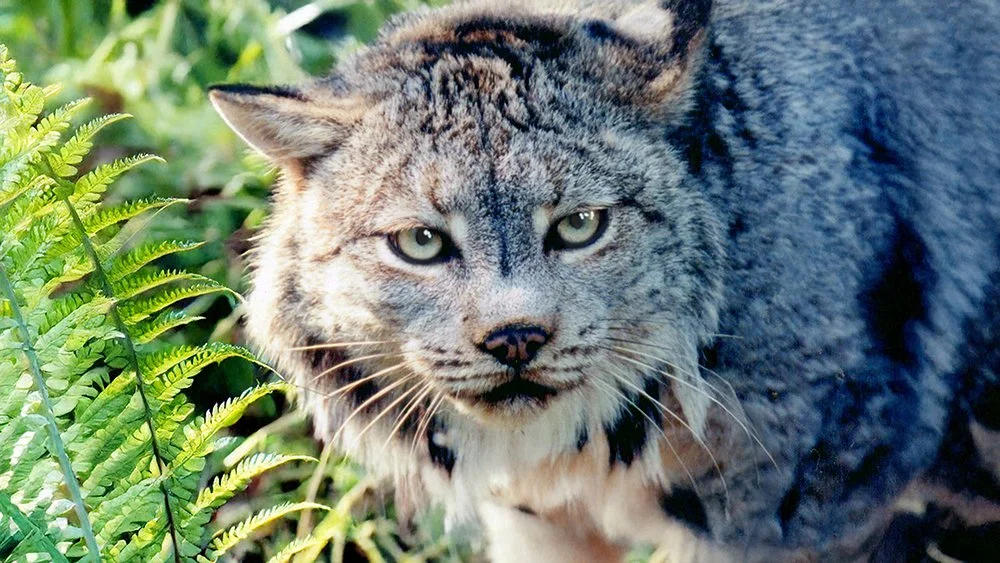
The Canada Lynx is a medium-sized wild cat perfectly adapted for life in the harsh, snowy climates of the north. Its thick, luxurious fur ranges in color from reddish-brown to silvery-gray, often featuring a "frosted" appearance due to white-tipped hairs. While most individuals have indistinct spotting, a rare genetic mutation sometimes produces a striking "blue-lynx" coloration.
Distinguishing features include long, black ear tufts, a flared facial ruff, and a short tail with a tip that is completely black—a key difference from the Bobcat, whose tail is white on the underside. Most notable are its oversized, fur-covered paws, which act as natural snowshoes, allowing the lynx to stay buoyant while hunting in deep snow.
See a playlist of this species at https://bigcatrescue.org/videos
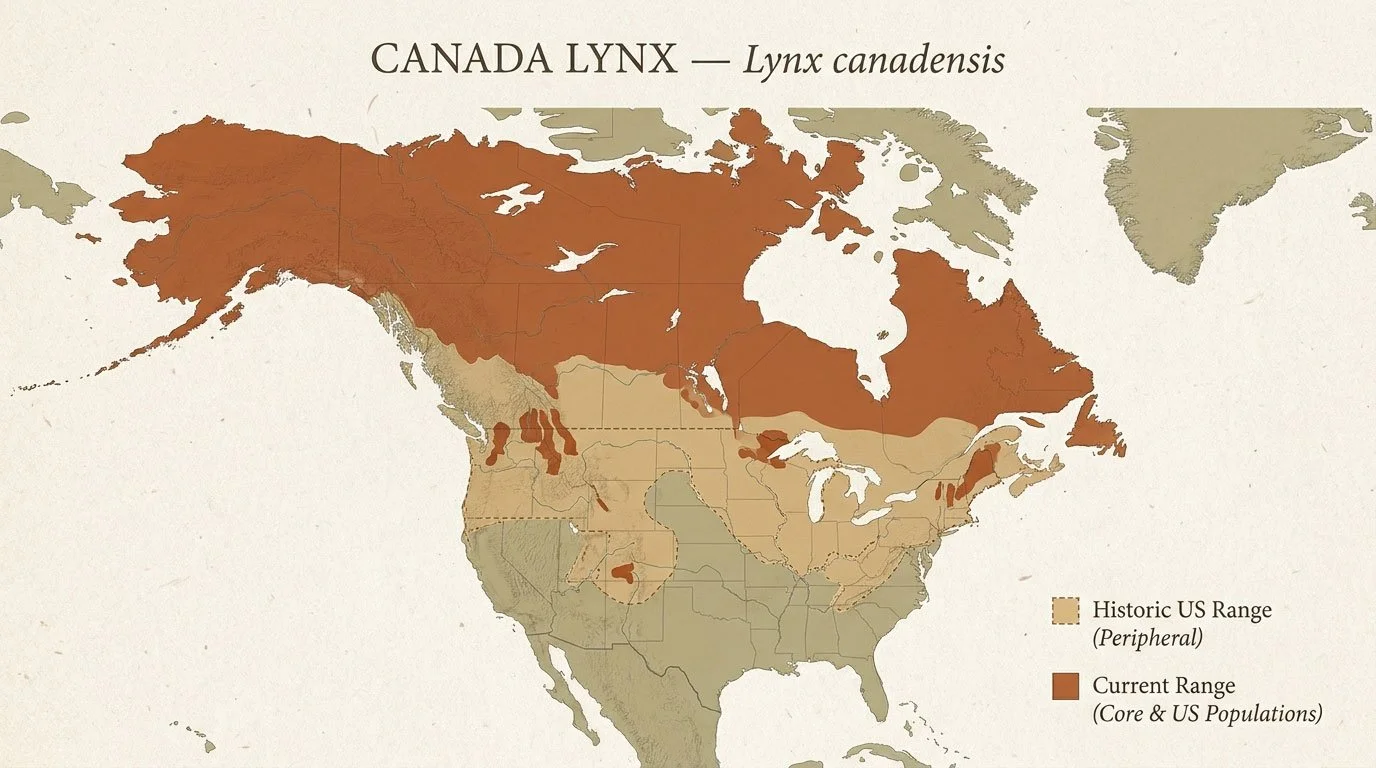
Canada-Lynx-Range-Map
Habitat and Range
This species is primarily found throughout the boreal and mixed-deciduous forest belts of North America. Its range is vast, spanning from Alaska across most of Canada to Newfoundland. In the contiguous United States, the lynx occupies about 10% of its total range, with core breeding populations in northern Maine, New Hampshire, northeastern Minnesota, northwestern Montana, northern Idaho, and the Washington Cascades.
A successful reintroduction program has also established a population in the southern Rocky Mountains of Colorado. However, the species is facing a northward recession of its southern boundary due to changing forest structures and climate conditions.
Diet and Behavior

The Canada Lynx is a highly specialized predator with a life cycle famously tied to the snowshoe hare (Lepus americanus). In the northern parts of its range, lynx populations undergo dramatic fluctuations every 9 to 11 years, mirroring the population cycles of the hares. While a lynx typically consumes one hare every one to two days, they are opportunistic hunters.
When hare numbers are low, or in southern regions where they are less abundant, lynx diversify their diet to include red squirrels, ground squirrels, birds, and occasionally ungulate carrion. Primarily solitary and nocturnal, these cats maintain home ranges that vary significantly based on prey density, with southern ranges often being much larger than those in the prey-rich north.
Reproduction
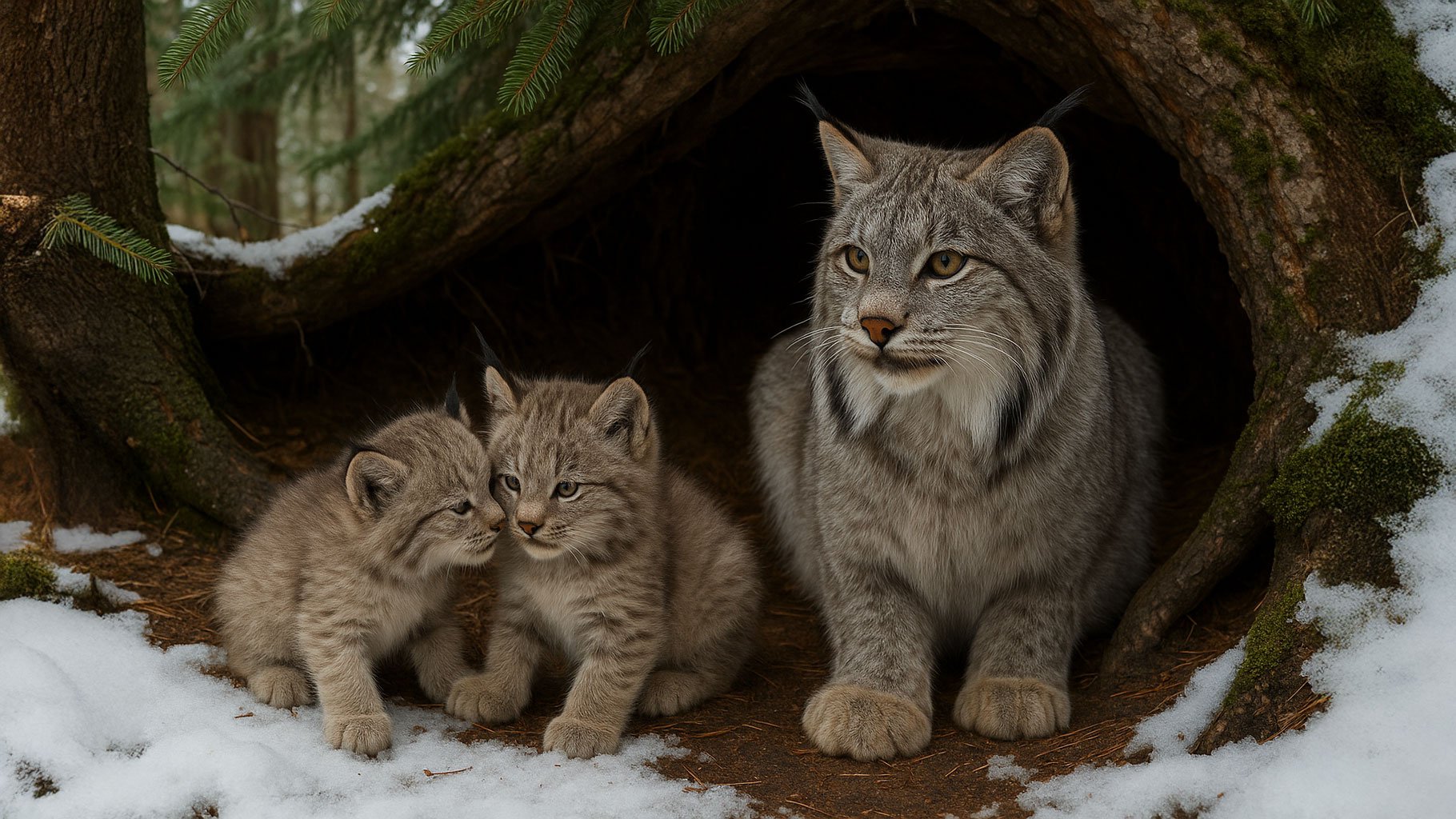
Lynx reproduction is intimately linked to food availability. After a gestation period of approximately 63 to 70 days, females typically give birth to a litter of one to eight kittens. In years when snowshoe hares are scarce, females may not breed at all, or litter sizes may be very small. Conversely, during hare population peaks, lynx may reach sexual maturity as early as 10 months old.
Kittens are born weighing roughly 7 ounces and open their eyes within two weeks. They begin walking by one month and are weaned by three to five months. While they stay with their mother through their first winter, siblings may travel and hunt together for a short period after becoming independent.
Threats
Despite being globally widespread, the Canada Lynx faces significant challenges, particularly at the southern edge of its range:
Climate Change: Rising temperatures and declining snow cover directly impact snowshoe hare populations and reduce the competitive advantage lynx have over other predators.
Habitat Fragmentation: Logging, development, and high-traffic roads break up the large tracts of forest lynx need for movement and breeding.
Interspecific Competition: As snow depth decreases, more generalist predators like coyotes, bobcats, and fishers can move into lynx territory and compete for food.
Natural Disasters: Increased frequency and intensity of forest fires can destroy critical multi-layered winter habitats.
Incidental Mortality: While regulated in the north, lynx are sometimes caught accidentally in traps intended for other species or killed in vehicle collisions.
Question: Can I keep a Canada lynx as a pet?
Conservation Efforts

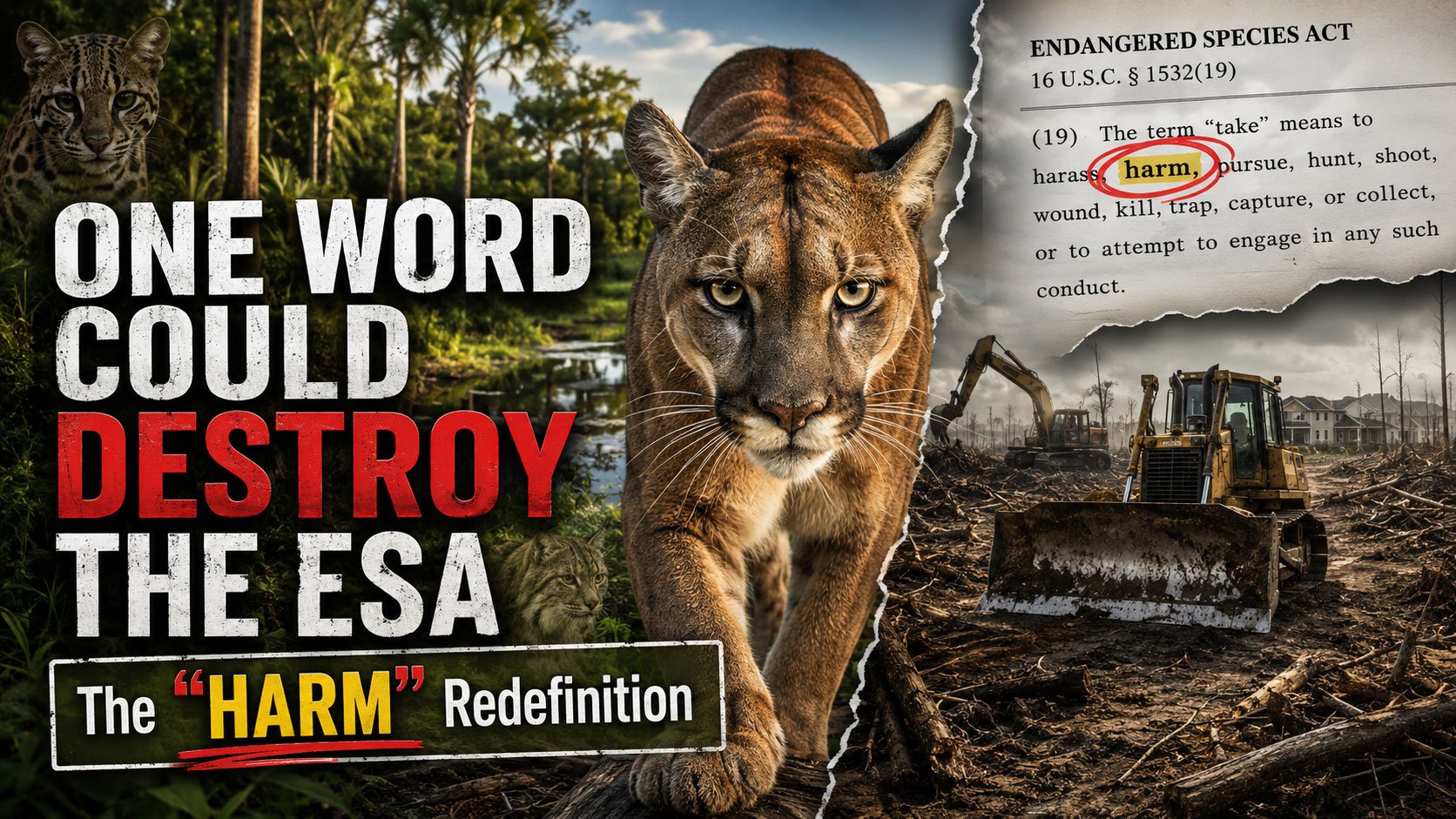
The Canada Lynx is protected under CITES Appendix II, which regulates international trade in their fur. In the United States, the species was listed as "Threatened" in 2000, leading to the designation of roughly 39,000 square miles of critical habitat across several states.
Conservationists are currently focused on several key strategies:
Connectivity: Establishing and protecting trans-boundary corridors to ensure genetic flow between northern and southern populations.
Habitat Management: Implementing forestry practices that encourage the dense understory growth favored by snowshoe hares.
Recovery Planning: Ongoing federal and provincial recovery plans in regions like Maine, Nova Scotia, and Washington aim to stabilize declining numbers through intensive monitoring and site protection.
Incidental Take Mitigation: Implementing new trapping regulations and educational programs to help trappers avoid accidental captures in areas where lynx are protected.
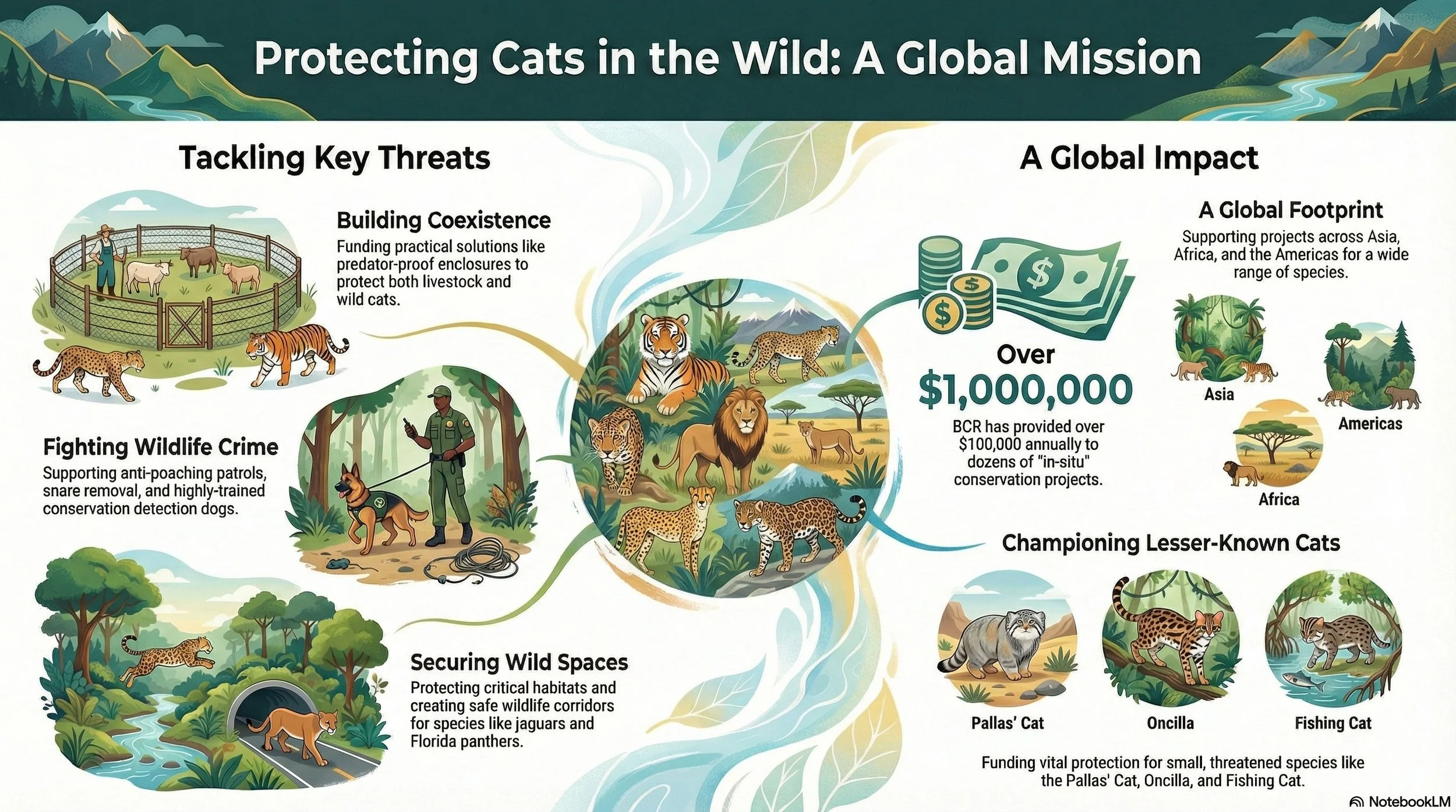
See Conservation Work Funded By Big Cat Rescue here:
All conservation insitu work: https://bigcatrescue.org/insitu/




Canada Lynx Facts: Habitat, Population, Threats and Conservation. Learn where Canada lynxes live, what threatens them, how many remain, and which conservation efforts are protecting wild Canada lynxes.