1. The Glass Box in the Wilderness
Step out of the furnace-like heat of the AlUla desert and into the cool, reflective sanctuary of the Maraya cultural center, and you are immediately struck by a profound temporal whiplash. This "shimmering mirror-covered" structure—the world’s largest mirrored building—literally vanishes into the rugged red sandstone landscape, a feat of ultra-modern architecture reflecting a landscape that has stood still for millennia.
In February of 2026 this glass box became a hive of intellectual electricity as several hundred archaeologists from every corner of the globe converged for the inaugural World Archaeological Summit. As a correspondent on the ground, Nic Robertson, a journalist for CNN, witnessed a rare synthesis of past and future. Within these mirrored walls, the traditional quietude of academia was replaced by a vibrant, almost urgent energy, as experts began to piece together a new narrative for the Arabian Peninsula—one that moves beyond the "empty" desert myth and into a reality of sophisticated, interconnected empires.
2. The Astral Alignment of the Nabatean Tombs
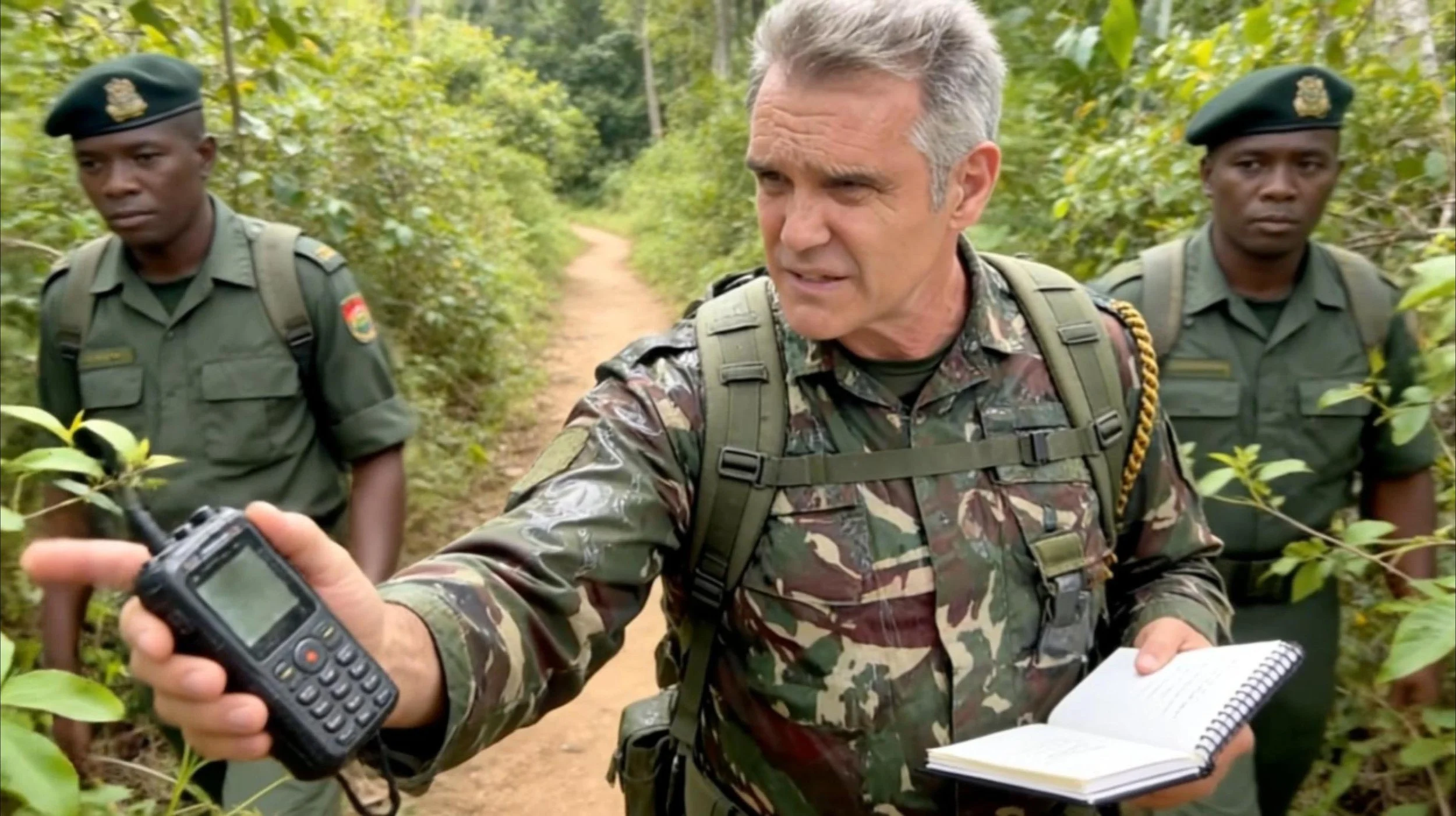
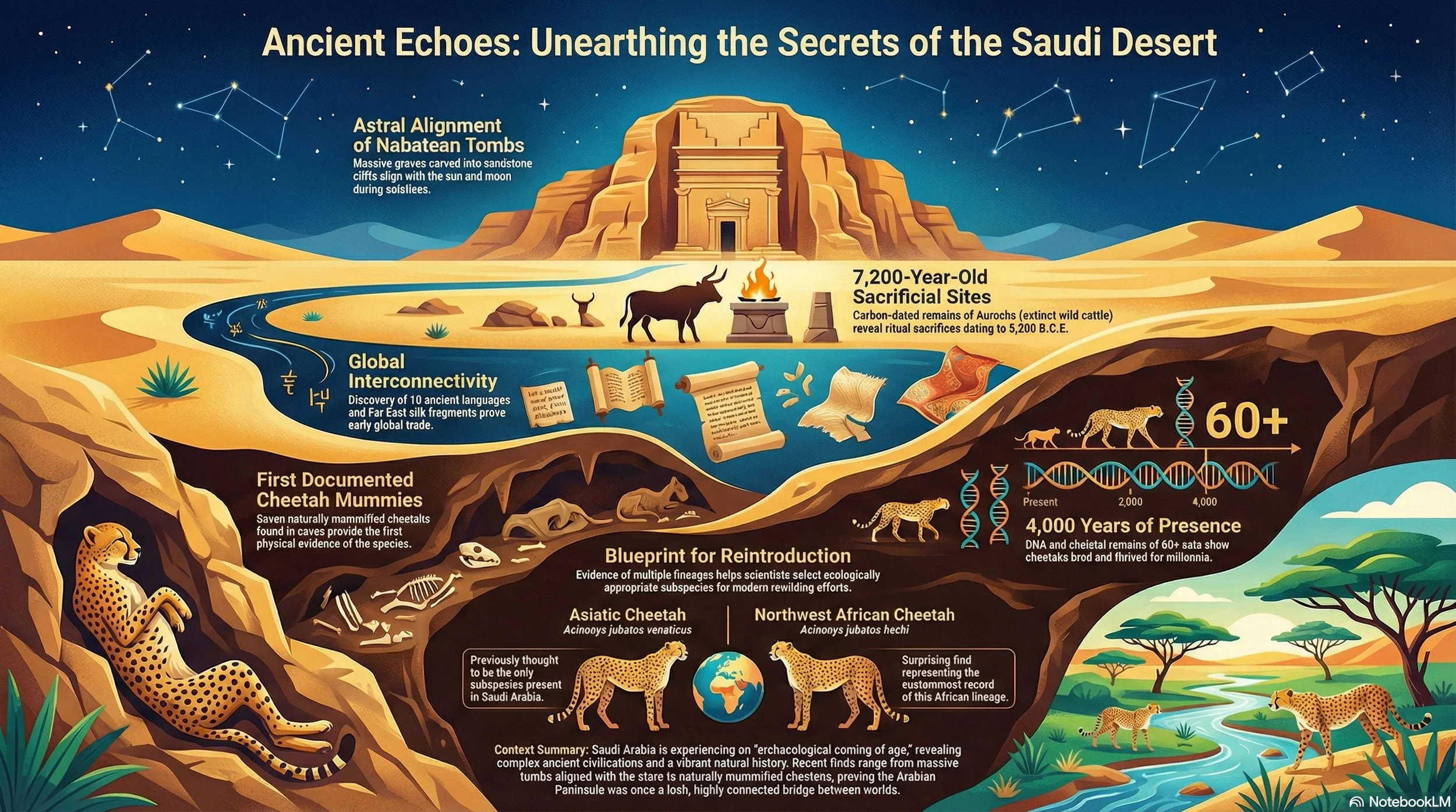
Walking through the ancient site of Hegra alongside Adam Ford, an archaeologist for the Royal Commission for AlUla (RCU), the history becomes tactile. Ford, who possesses the weathered, sun-etched looks of a veteran field researcher tempered by the patient manner of a friendly teacher, points toward the massive graves carved into the sheer sandstone cliffs. These aren't just silent monuments to the dead; they appear to be intricate celestial instruments.
"They (the graves) appear to be aligned with the rising and setting of the sun and moon," Ford explains, "at times of solstice, perhaps to tell the seasons."
However, in the spirit of true scientific inquiry, Ford is quick to note that this discovery is still a work in progress. A researcher recently arrived from the Canary Islands to analyze the planetary data, and while the early findings are tantalizing, the data remains "pretty raw." This current investigation suggests the Nabateans were not just master masons, but perhaps advanced stargazers who integrated the very movements of the heavens into their funerary architecture.
"The graves appear to be aligned with the rising and setting of the sun and moon... perhaps to tell the seasons." — Adam Ford
3. The World’s Oldest Animal Sacrifices and the Mystery of the Aurochs
Deep within the refurbished AlUla Museum, Jonathan Wilson, the RCU’s collection and knowledge manager, slides open a heavy drawer to reveal a "huge yellowing horn." It belonged to an Aurochs—the massive, now-extinct ancestor of modern cattle. This horn is a relic of a ritualistic practice dated to 5,200 B.C.E., making it one of the oldest animal sacrifice sites ever discovered.
The mystery here is twofold. First, there is the chilling selectivity of the rite: while thousands of beasts were slaughtered, archaeologists found only the upper skulls and the horns. The rest of the massive carcasses were simply discarded. Second, there is the environmental puzzle. These gargantuan cattle required a lush, rain-fed environment to thrive. We know the landscape was significantly greener 7,000 years ago, but the ultimate question remains: Why? The cause of this dramatic climate shift from a verdant paradise to a parched desert remains one of the region's most persistent secrets.
4. The Cheetah Mummy DNA Bombshell
Perhaps the most startling "bombshell" to emerge from the desert isn't made of stone, but of fur and bone. Recently, in hyper-arid caves near the northern city of Arar, scientists discovered seven naturally mummified cheetahs. While some of these remains are 4,000 years old, the real shocker is that others died as recently as a century ago. This proves that cheetahs were a thriving part of the Saudi ecosystem until their local extinction in the 1970s.
The DNA analysis provided a geographic revelation. Researchers found Northwest African cheetah DNA (Acinonyx jubatus hecki)—representing the easternmost record of this subspecies—alongside expected Asiatic traits. This physical evidence shatters the idea of the peninsula as a dead end. Instead, it was a thriving "natural bridge" where multiple lineages met and bred.
"This tells us the Arabian Peninsula was once an important natural bridge for cheetahs, not an ecological dead end." — Adrian Tordiffe, Veterinary Wildlife Specialist
According to Tordiffe, this isn't just a history lesson; it's a blueprint. By identifying the exact lineages that successfully bred here in the very recent past, conservationists can move from hopeful speculation to an evidence-based plan for rewilding the desert with ecologically appropriate predators.
5. The Ancient World Was More "Joined Up" Than We Thought
Old assumptions that ancient desert civilizations were isolated or unrefined are being "ripped apart." We now have evidence of a "joined up" world of staggering complexity. Archaeologists have recovered ancient silk fragments that point to trade routes stretching as far as India or the Far East, along with evidence of up to 10 ancient languages from as far as North Africa being spoken in the region.
The narrative of power is also being rewritten. We now know that the Dadenites ran the lucrative incense and spice routes before the Nabateans "grabbed power" from them in a series of events we are still trying to understand. This era of political drama left behind haunting clues, like the dark ochre-colored figurines—six-inch human forms—that were ceremonially taken to a mountain, smashed, and abandoned.
Furthermore, the Dadenites demonstrated a keen sense of global economics; they were found to have forged Greek coins because they held higher value in international trade than their own currency. These details portray a society that was economically savvy, linguistically diverse, and deeply integrated into the global community.
6. Conclusion: A Coming of Age for the Desert
We are witnessing a true archaeological coming of age for Saudi Arabia. The scale of the task is immense: each season, researchers receive approximately 700 crates of artifacts, and with each crate holding up to 600 individual items, the volume of history being unearthed is nearly overwhelming.
This rapid expansion of knowledge brings a heavy weight of responsibility. At the Maraya summit, the atmosphere was frequently "feisty" as scientists and officials debated the role of archaeology in shaping modern identity. There was a shared, firm consensus: governments and scientists must reflect these discoveries with absolute accuracy, resisting any temptation to distort the ancient past to fit modern narratives.
As we continue to decipher the raw data of the stars and the broken faces of ochre figurines, we are forced to ask: What other "conundrums" are waiting just inches beneath the sand, ready to turn everything we think we know about history upside down?