Don't They Miss Being Petted?
Why the "Lion Whisperer" is a Myth: The Surprising Reality of Big Cat Conservation
Introduction: The Siren Song of the Wild

There is a profound human desire to connect with the majestic, a "siren song" that draws us toward the world’s most formidable predators. When we see a tiger lounging in the sun or a lion looking calmly at a camera, our instinct is to project human emotions onto them—to touch, to bond, and to "whisper." This desire is fueled by media that curates a "sweet and cute" image of big cats, suggesting they are merely oversized versions of our domestic companions.
The reality, however, is far more volatile. Behind the "cute" facade lies an apex predator with a "cattitude" that is anything but domestic. The transition from a calm exterior to a lethal strike is punctuated by the sharp hiss of an ocelot, the guttural growls of a leopard, and the bone-shaking roar of a lion. We see the disconnect clearly in the interactions between keepers and animals; a human may say, "But I love you, Joseph!" only to be met by a lion’s warning growl. At Big Cat Rescue, the "No Contact" philosophy is the bedrock of our operations. It is not born from a lack of affection, but from an uncompromising respect for the wild nature of these animals.
Takeaway 1: That Rub Against the Cage Isn’t a Hug
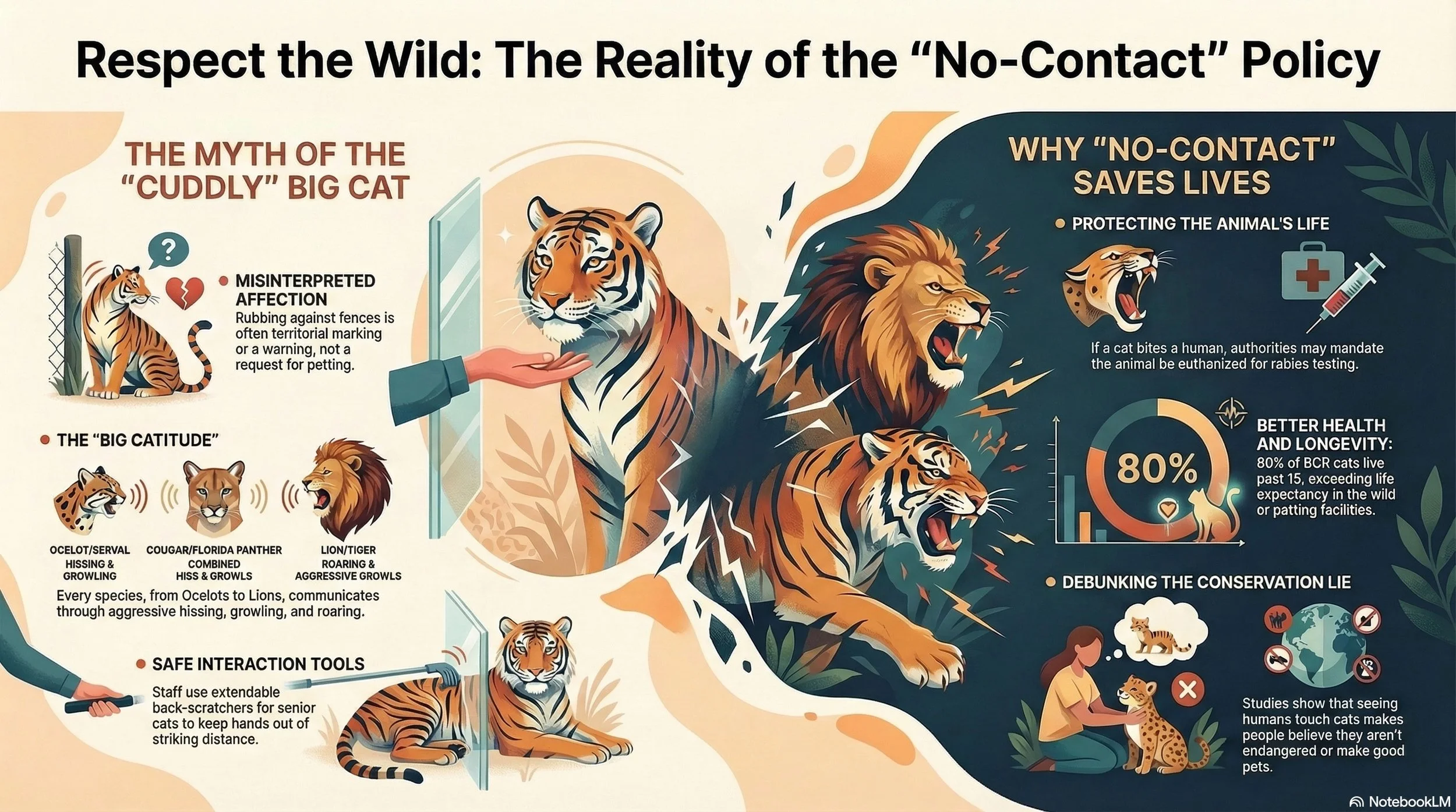
The most dangerous error a person can make is anthropomorphism—interpreting animal behavior through a human lens. When a big cat rubs its cheek against the enclosure mesh, the average observer sees a request for a chin scratch. In reality, this is a territorial "ploy" and a tactical maneuver.
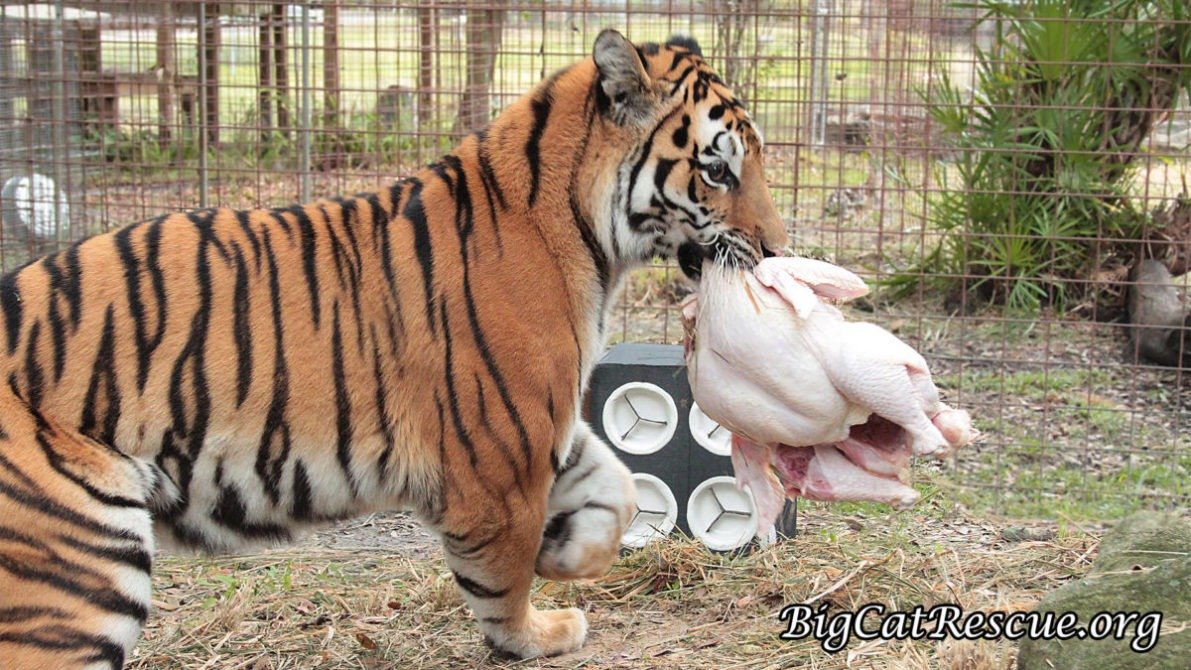
Take the tiger Arthur, for example. When Arthur rubs his cheek against the wall of the cage, he is not seeking affection; he is marking his territory and daring anyone to cross the line. This behavior is often used as a displacement tactic. In videos of Arthur and his sibling Amanda, Arthur uses this rub to strategically move Amanda away from the wall so he can attack her from behind. To a "lion whisperer," this looks like love; to a science communicator, it is a calculated predatory warning.
Takeaway 2: The "Bed Bath & Beyond" Senior Care Hack
A "No Contact" policy presents unique logistical challenges for animal welfare, particularly regarding geriatric care. Approximately 80% of the cats at our sanctuary are over the age of 15—significantly older than their natural lifespan in the wild. As these cats age, they often lose the flexibility required to groom themselves, leading to painful mats in their thick winter coats, especially around the neck and back.
To maintain physical hygiene without compromising safety, we utilize a surprisingly low-tech tool: an extendable back scratcher purchased from Bed Bath & Beyond. This device, which looks like a car’s radio antenna with rounded fingers, allows Senior Keepers to reach through the mesh and scratch loose the mats of fur. This tool keeps the handler’s hands well out of striking distance while providing essential care. It is a testament to the fact that we can meet an animal's needs without ever needing to cross the safety barrier.
Takeaway 3: Petting is an Act of Human Ego, Not Animal Welfare
The concept of the "lion whisperer" is a mask for human vanity. Facilities that allow the public to pet big cats rely on a series of ethical fallacies to justify the practice, claiming the cats get "depressed" without touch or that it "helps them deal with captivity."
Science tells a different story. Big cats in "No Contact" facilities live longer, healthier lives. If an animal is stressed, the solution is environmental enrichment and more space, not human contact. Furthermore, petting poses a lethal risk to the cat itself. If a cat bites a human—even if the person was at fault and does not wish to press charges—state authorities can insist the cat be killed and its head cut off to test for rabies. As we often say:
"There is only one reason that people post pictures of themselves touching big cats. It is to show off."
Takeaway 4: The Hidden Danger of the "Endangered" Image
The psychological impact of human-cat proximity is devastating to conservation. Research has shown that when the public sees a human in a frame with an endangered animal, they subconsciously conclude that the species must not be truly endangered, or such contact would not be permitted. This presence of a human invalidates the animal’s status as a wild entity in the mind of the viewer.
This feeds the "cub petting" cycle—a business model that lacks basic common sense. Operators claim they must breed cubs to raise money to feed the adults, but this simply creates "more big mouths to feed" in a never-ending loop of exploitation. Once these cubs reach adulthood and begin to "spray and bite," they are often discarded. True conservation is about protecting the species, not creating props for Instagram feeds.
Takeaway 5: Even "Friends" Are Potential Foes
Big cats are, by their biological nature, solitary. While some siblings—like the tigers Arthur and Amanda—have lived together for two decades, their relationship is managed with extreme caution. Despite being neutered and spayed, which removes reproductive drives, the biological drive for territorial dominance remains.
Even after 20 years, these siblings must be separated during feeding to prevent them from killing each other. Once a tiger fight begins, there is no safe way to break it up. If the sanctuary cannot safely intervene in a fight between two animals, it follows logically that a human would be utterly defenseless if they became the target of that same aggression.
Takeaway 6: The "Non-BCR Shirt" Protocol: A Grim Necessity
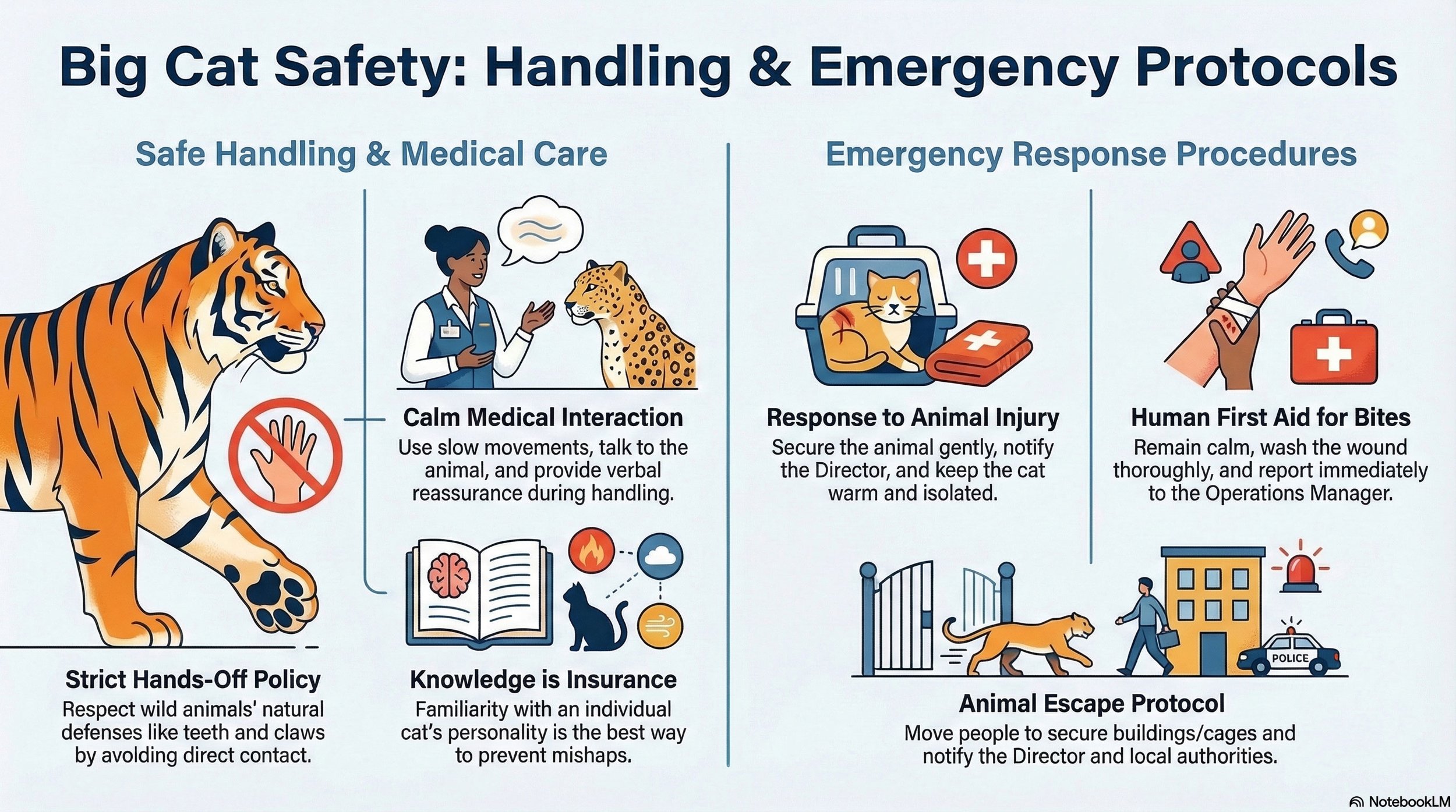
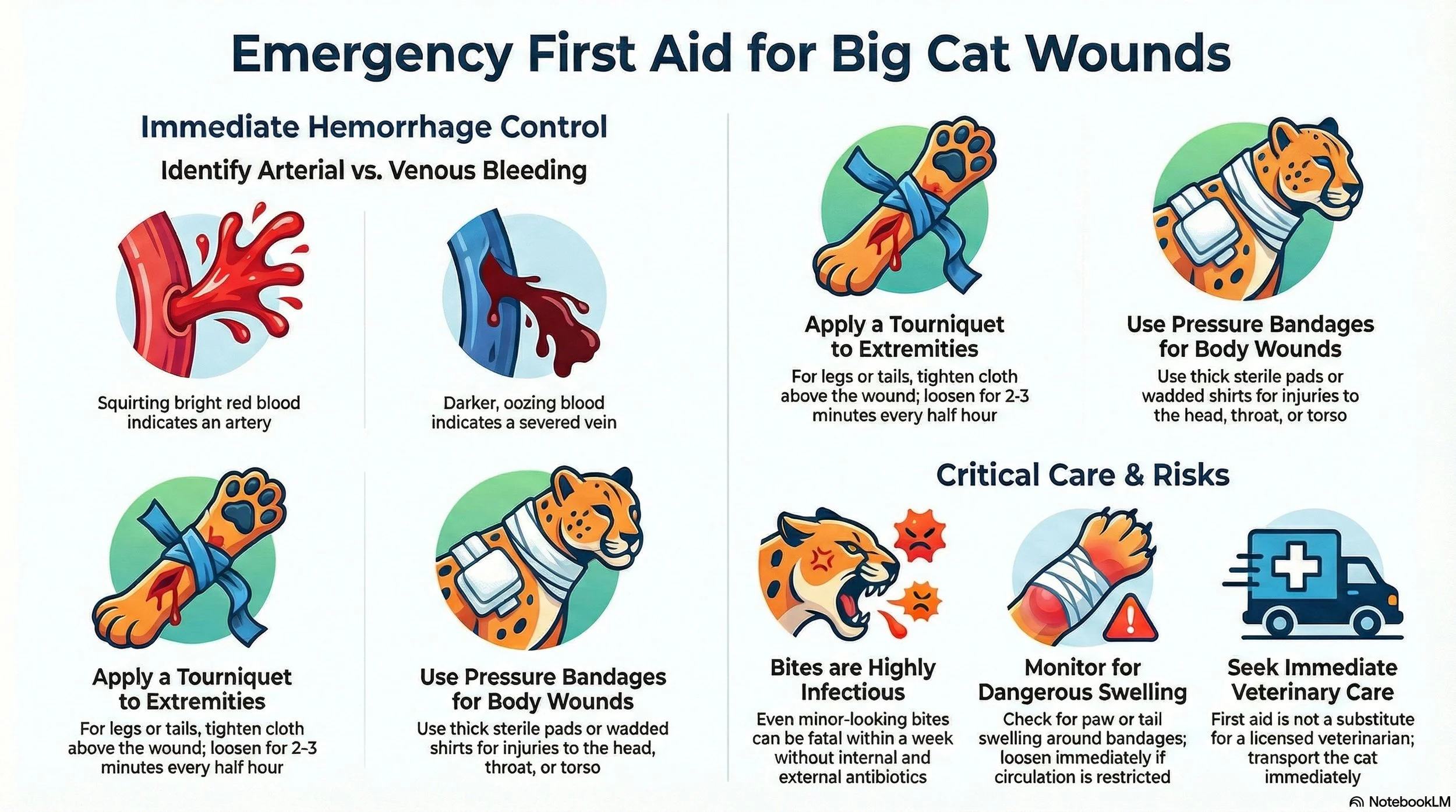
The stakes of big cat care are measured in "severed body parts," "loss of limb," and "uncontrollable hemorrhage." Our first aid training is not sterile; it is a visceral reminder of the risks involved. We prepare for catastrophic "major wounds" and the necessity of managing a "hemorrhage" until an ambulance arrives.
One of the most telling protocols at the sanctuary is the requirement that any staff member or volunteer needing an Emergency Room visit must first change into a non-branded shirt. This is a strategic defense of our mission. It ensures the public and the media do not conflate a professional, calculated risk with the tragic "pet" accidents that happen when people treat wild animals as domestic companions. This rule exists to protect the reputation of professional conservation from the "pet" narrative that kills these animals. We operate under a singular, final warning:
"So just remember, these cats are wild animals and do not make good pets!"
Conclusion: Respect vs. Possession
The myth of the "lion whisperer" suggests that our connection to nature is defined by our ability to touch or control it. However, the science of conservation suggests the opposite. True respect for the wild is found in our willingness to maintain the fence—to provide care, space, and protection without the need for possession.
Ultimately, we must ask: Is our love for these animals measured by how close we can get to them, or by our willingness to let them be wild and untouched? To protect the big cat is to respect the distance between us.
What About Keith Richardson or Other Internet Show Offs?
This is the best article I've read about why these "lion whisperers" or self proclaimed "big cat experts", are doing more harm than good. It's well documented with statistics, studies and common sense; and a great read as well: Respect Nature. Don’t Pet It. Step Away From the Problematic Instagram Feeds. https://www.slate.com/articles/health_and_science/science/2017/01/animal_whisperers_present_a_problematic_way_of_seeing_animals.html
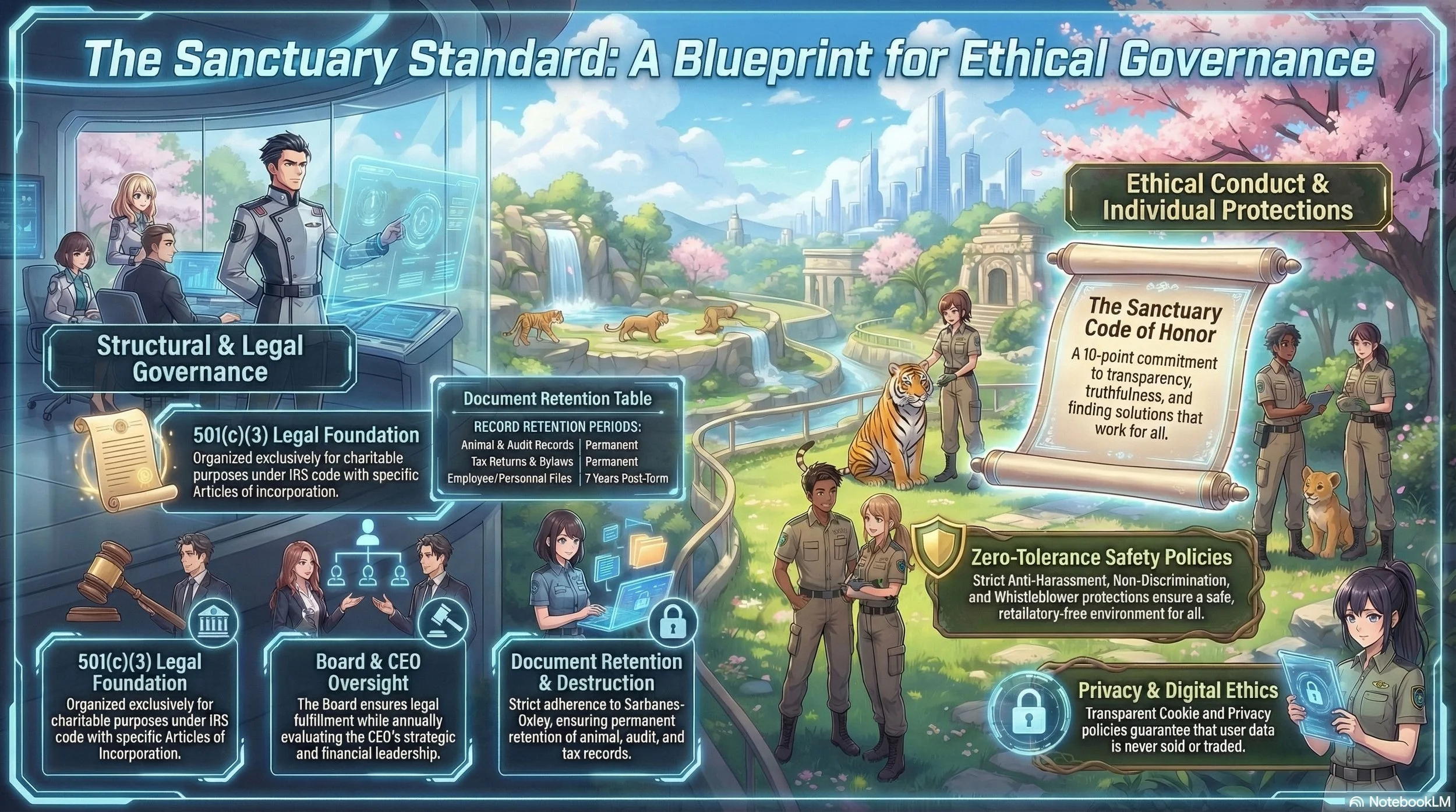
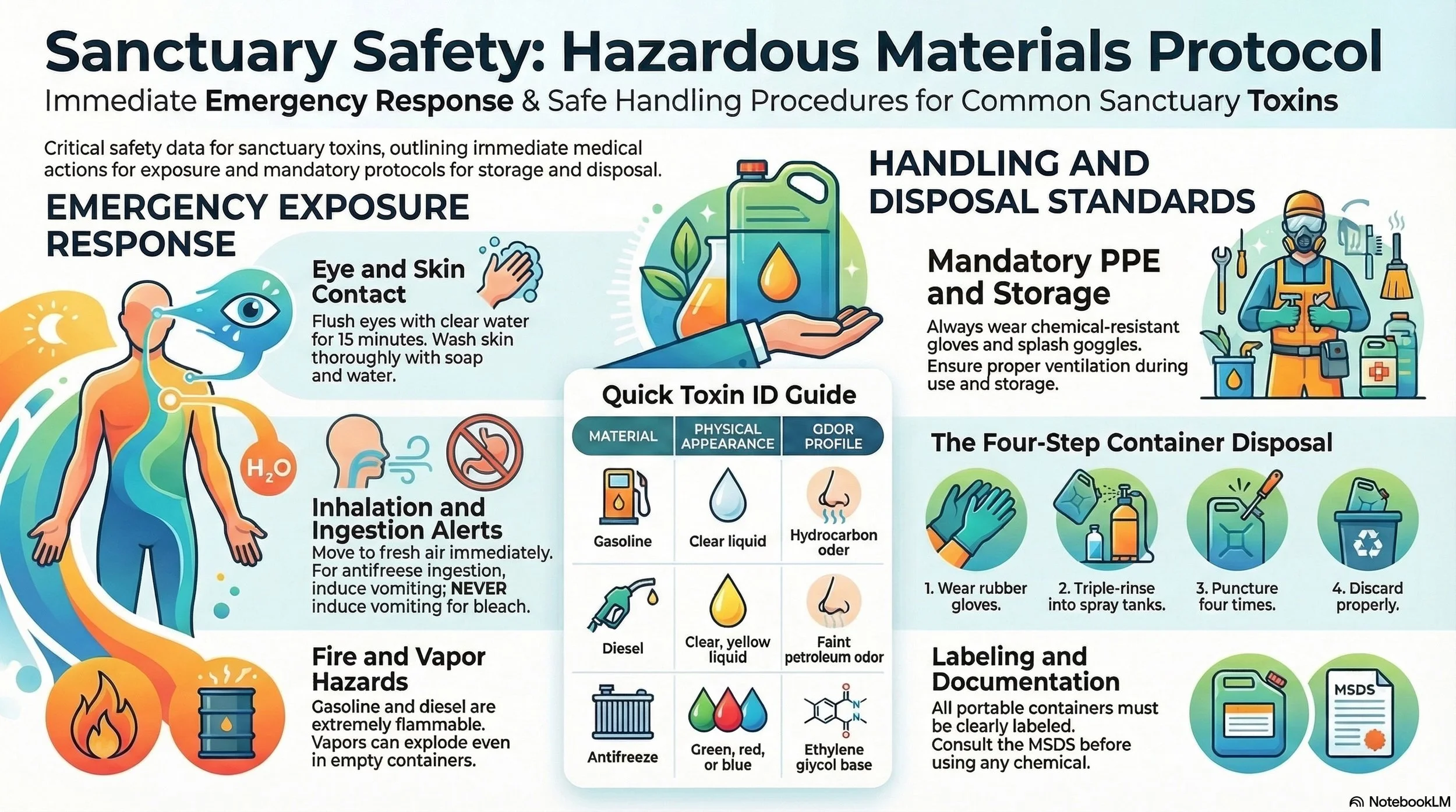


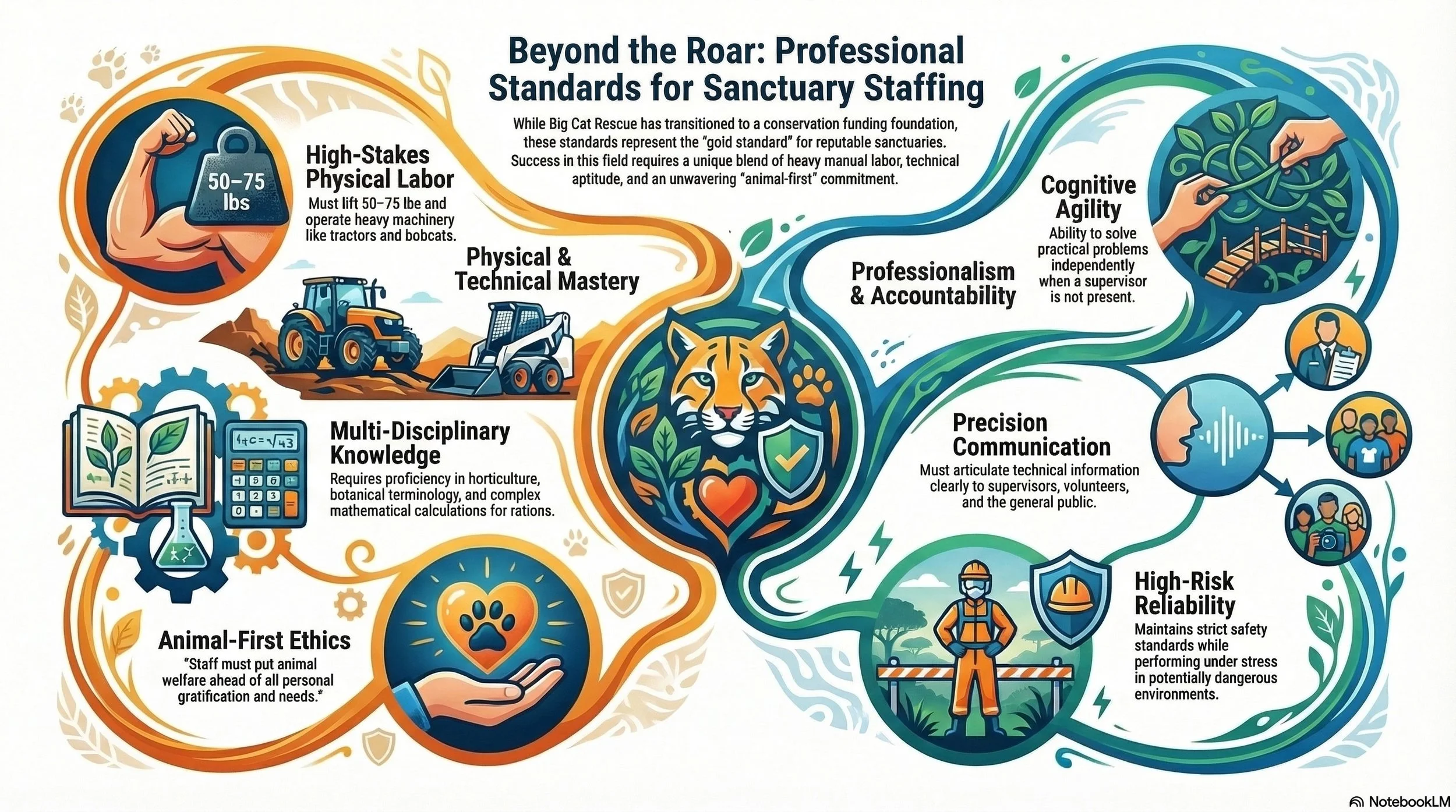
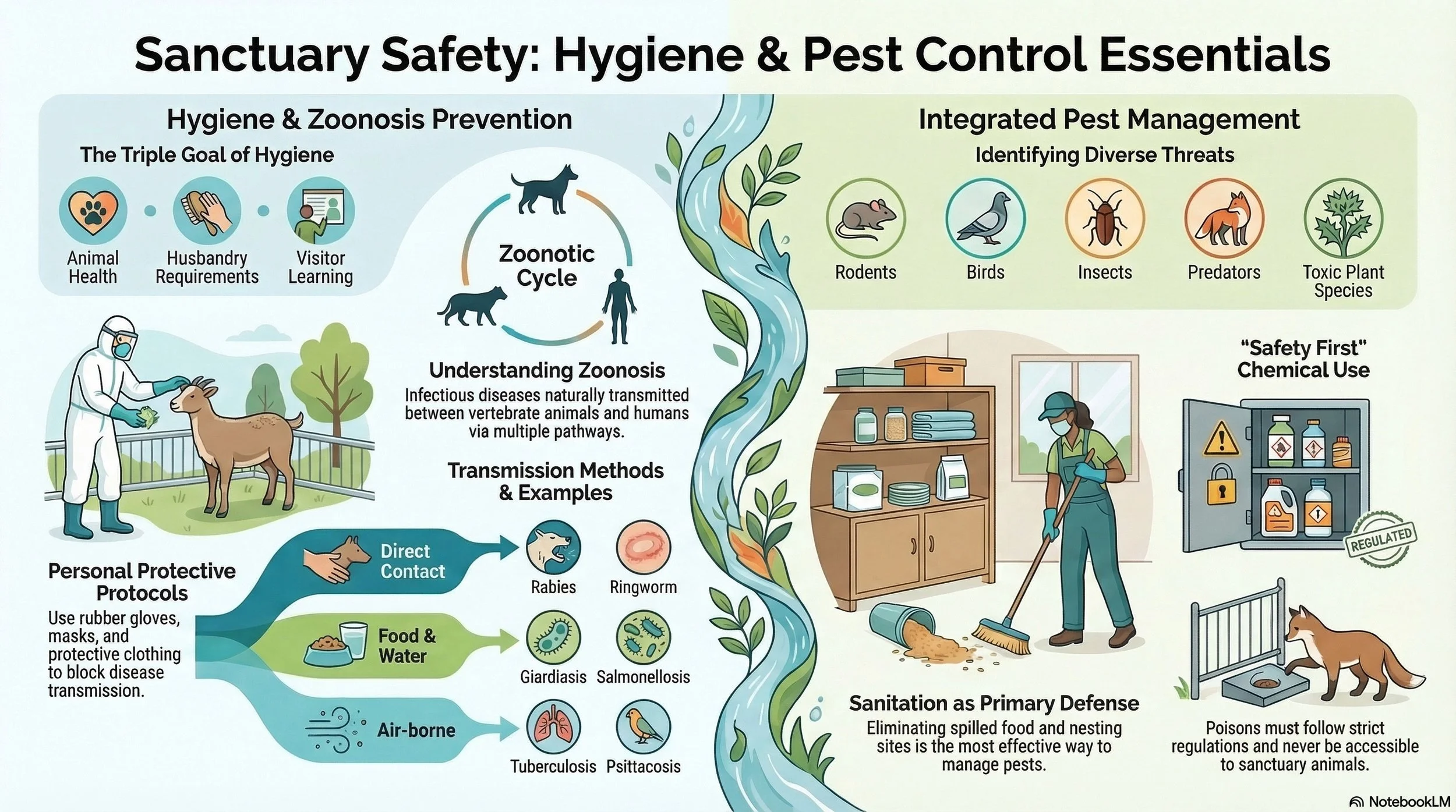
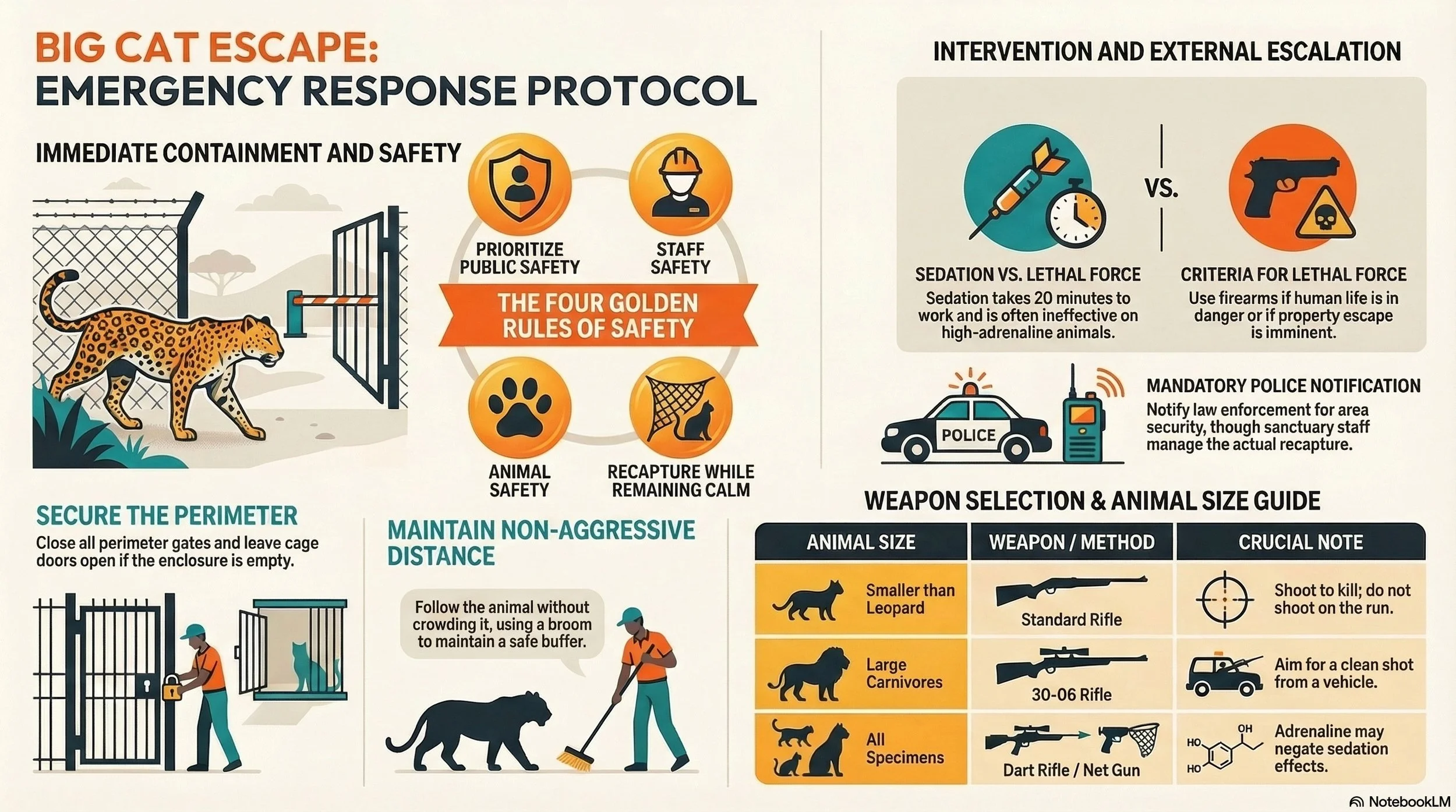
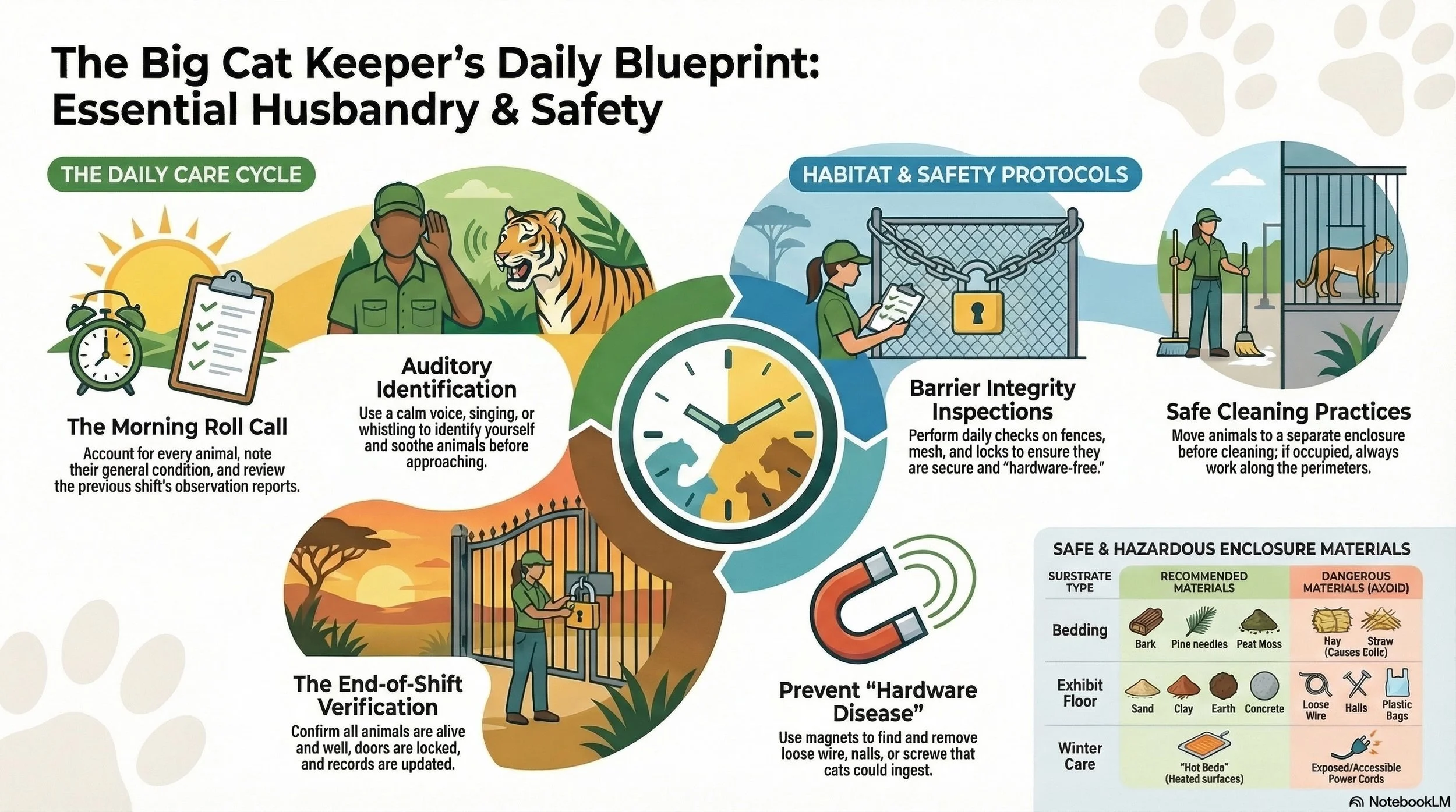
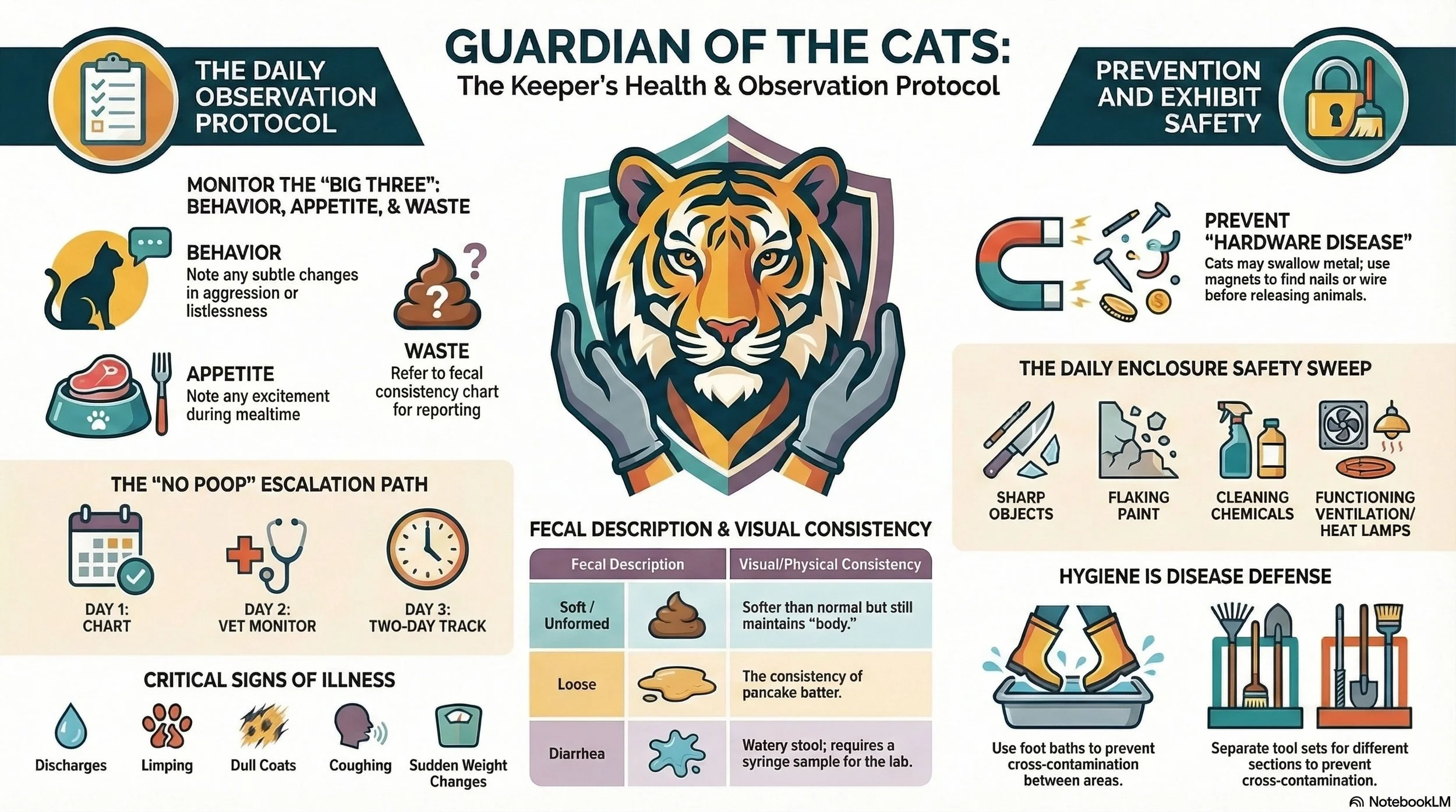

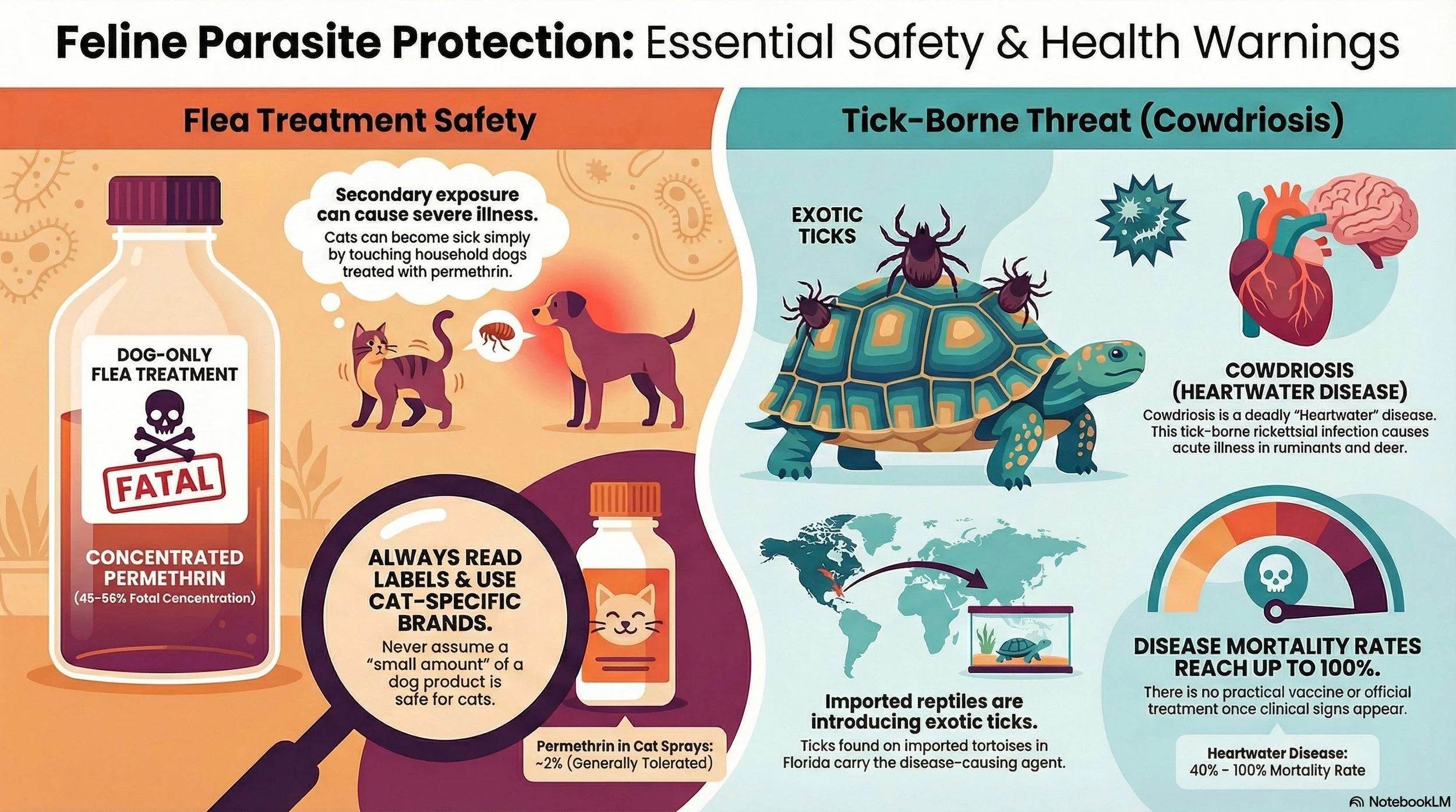
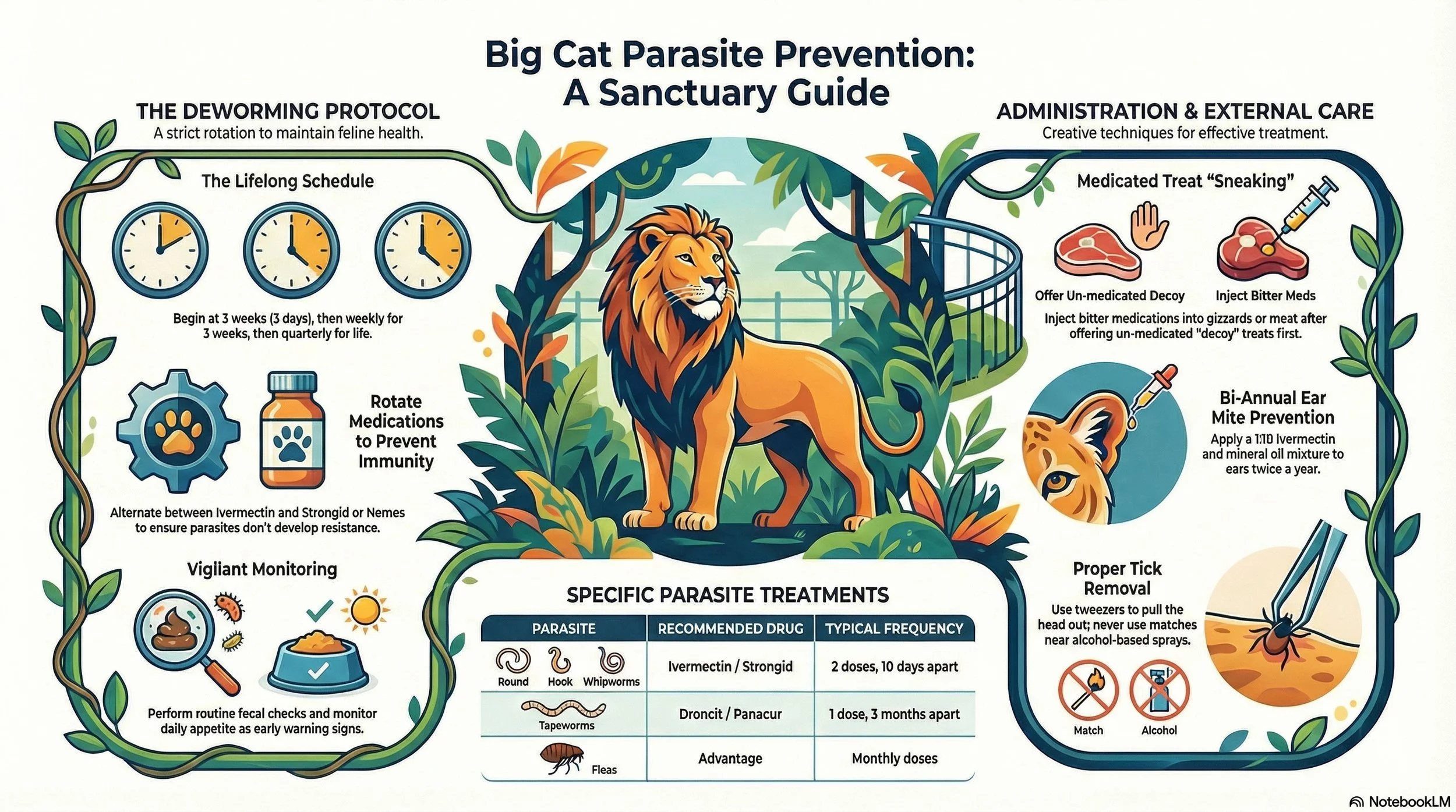
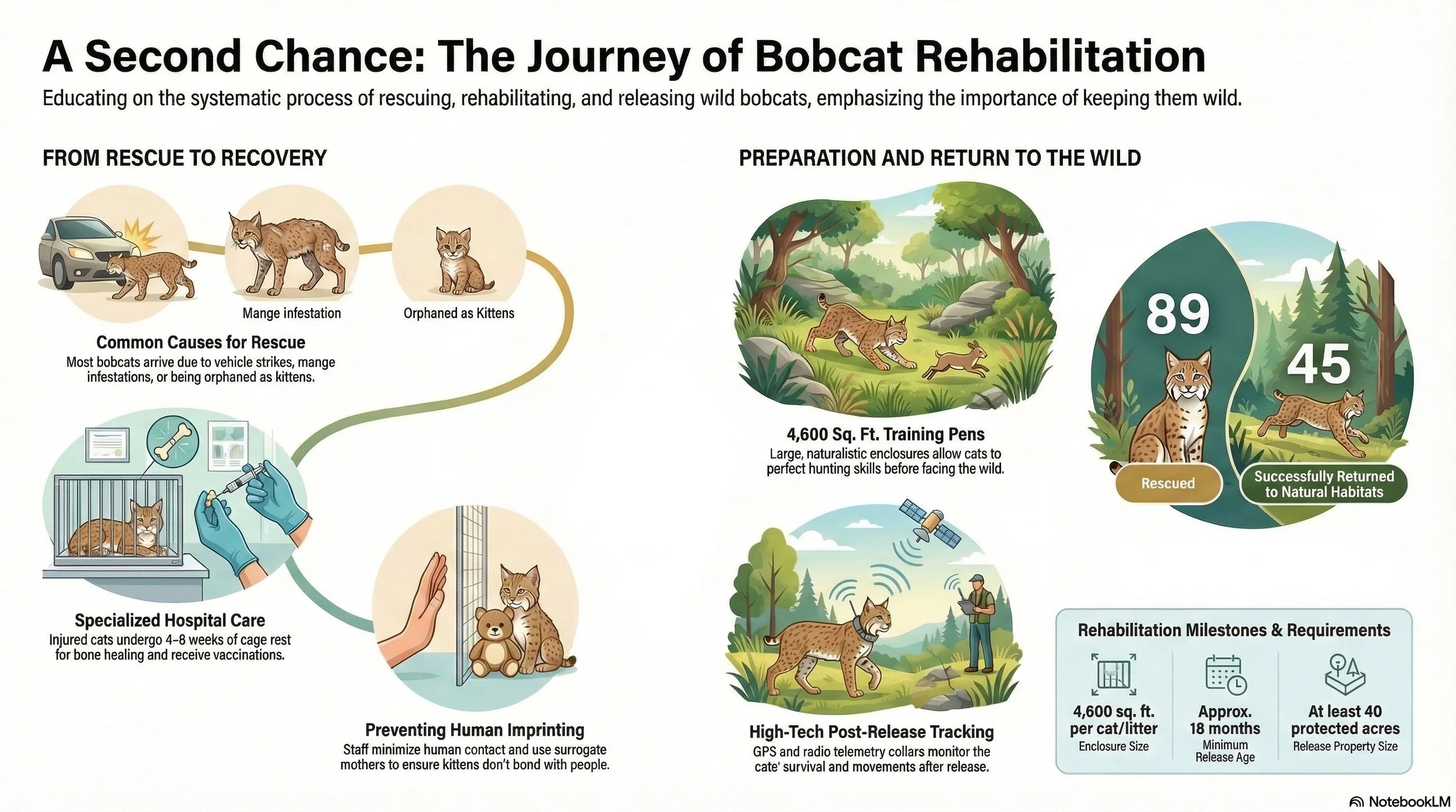
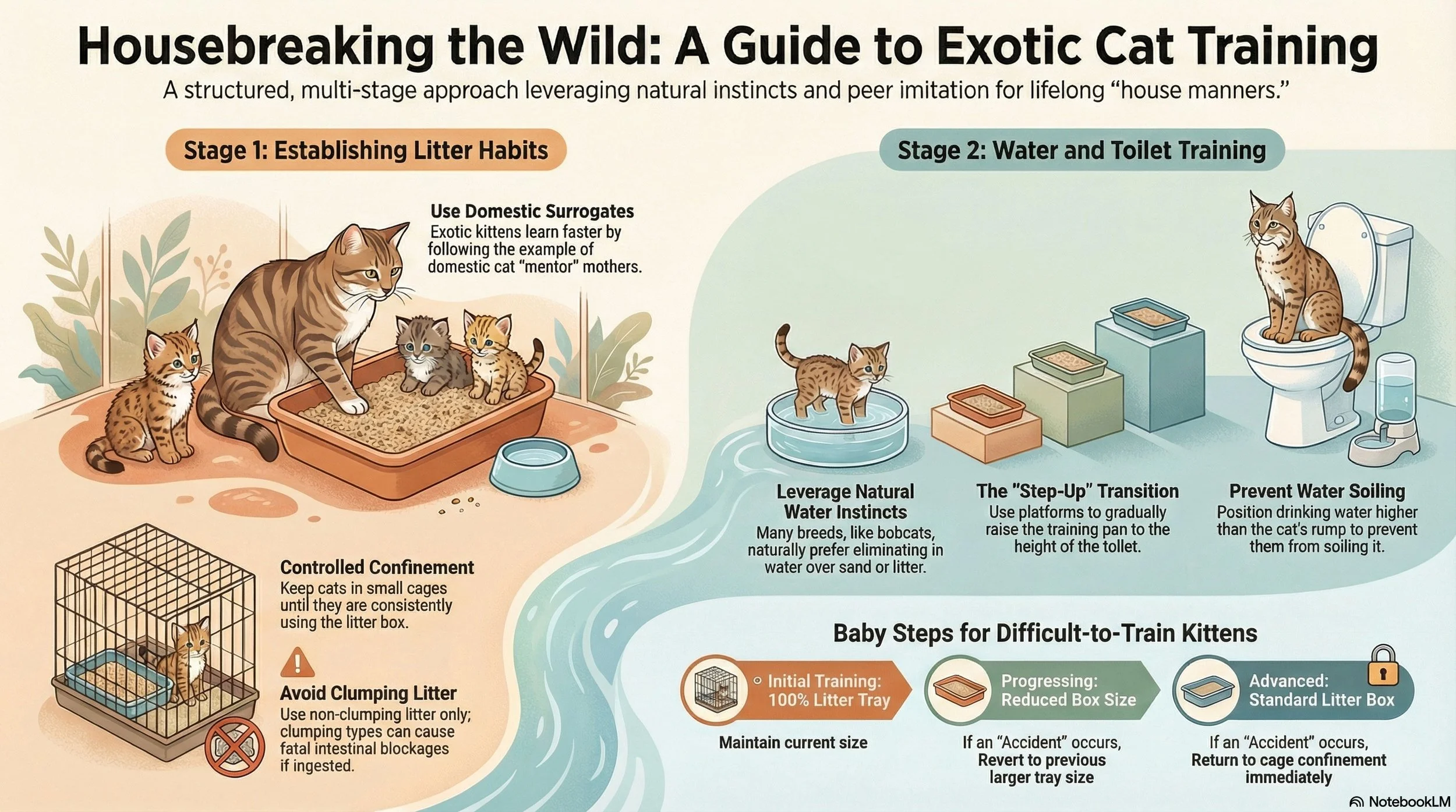
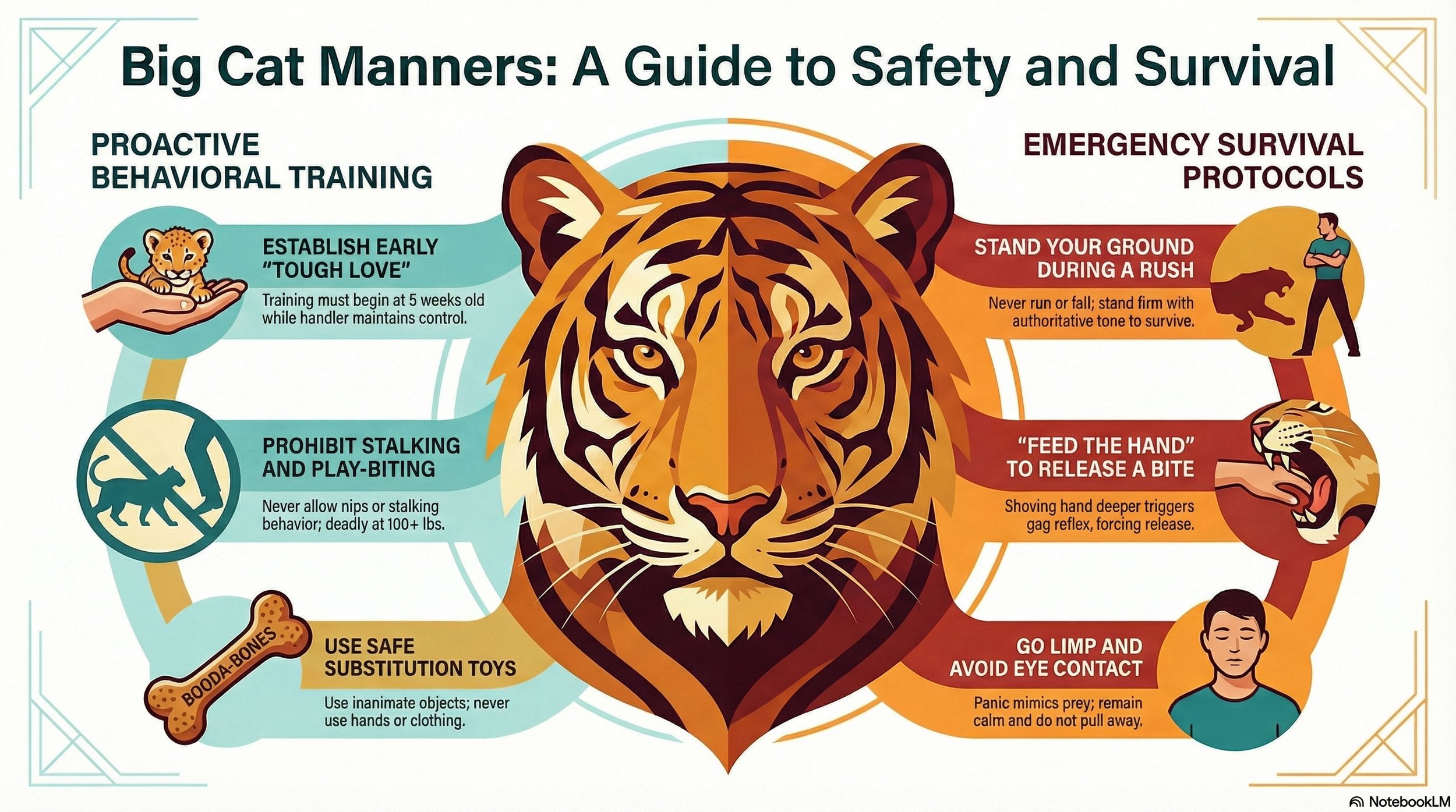
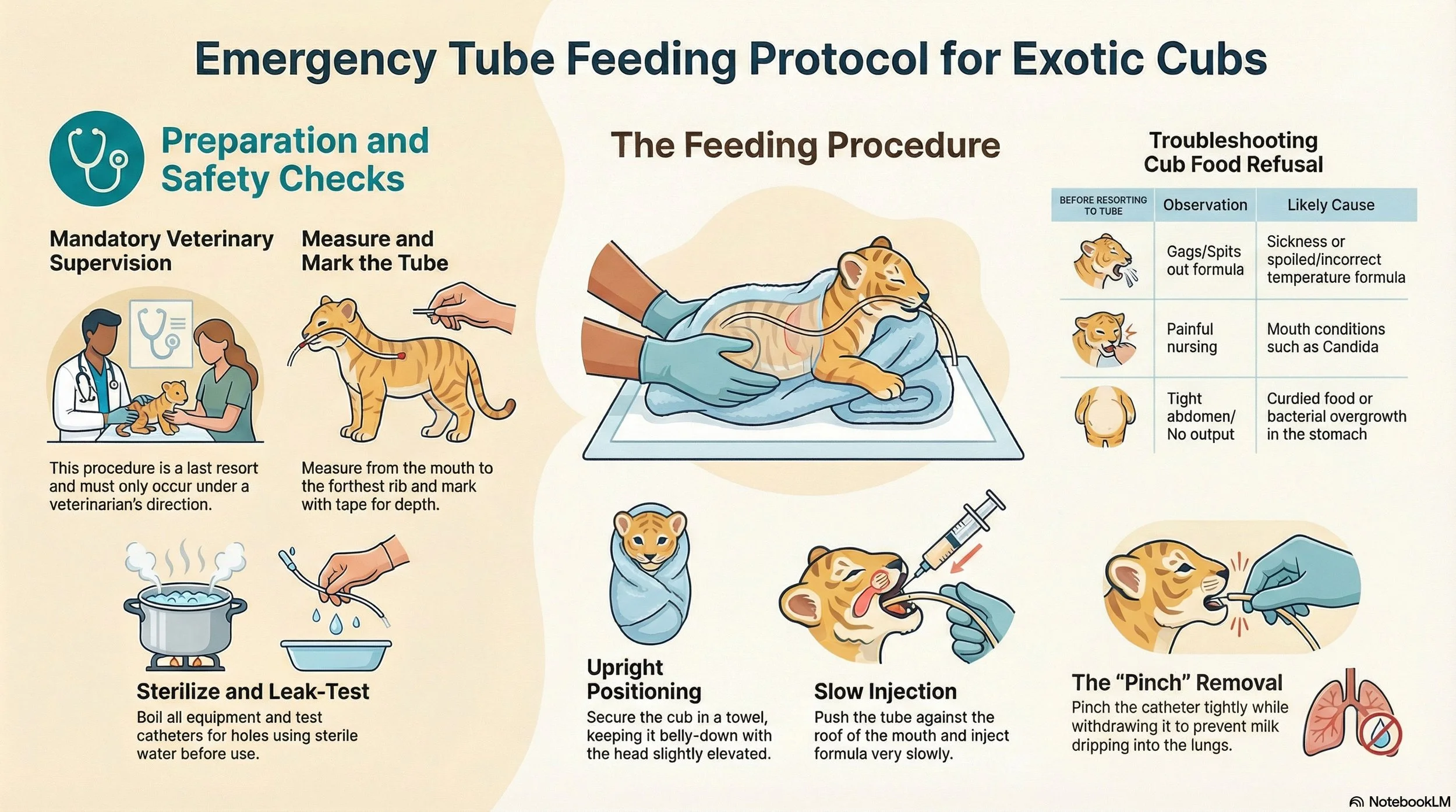
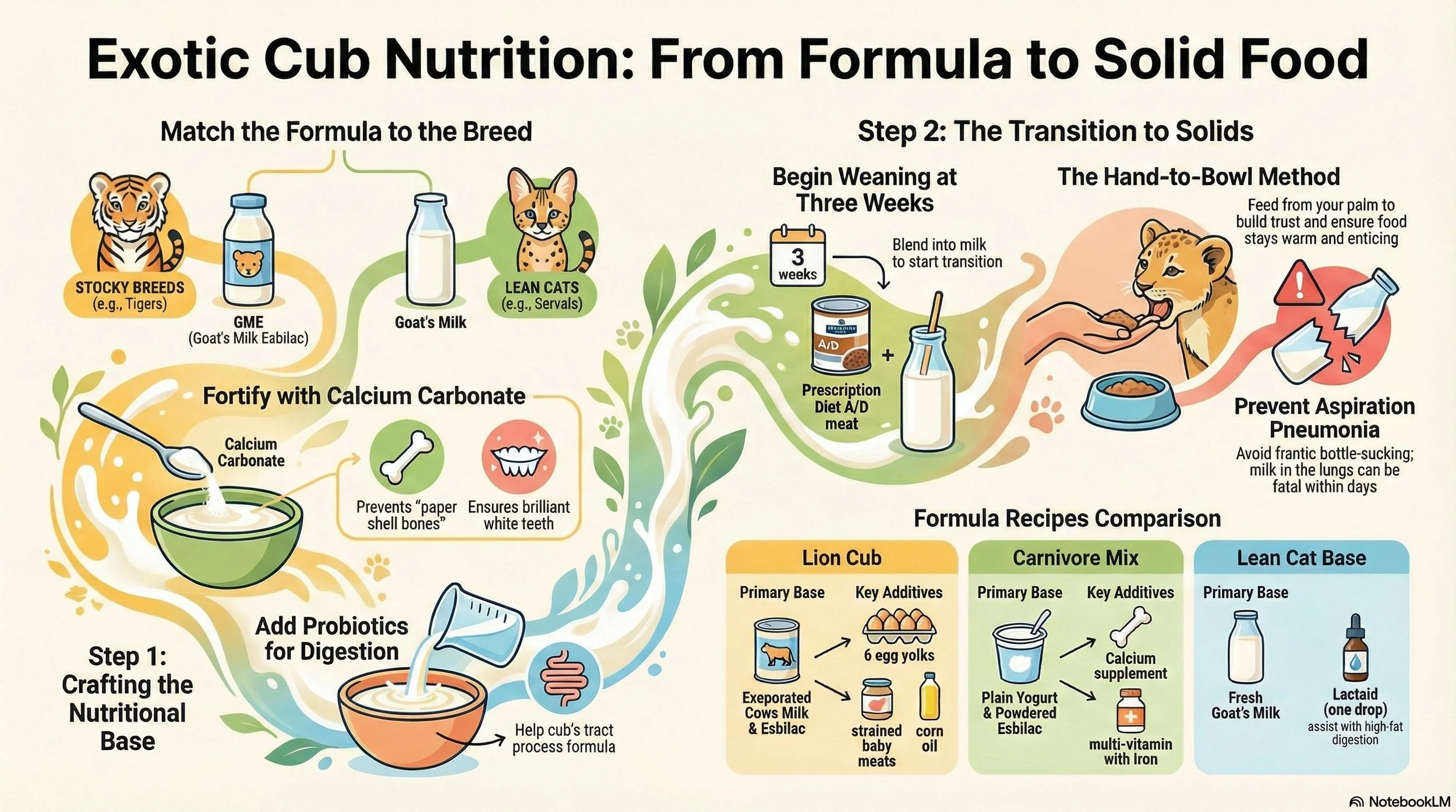
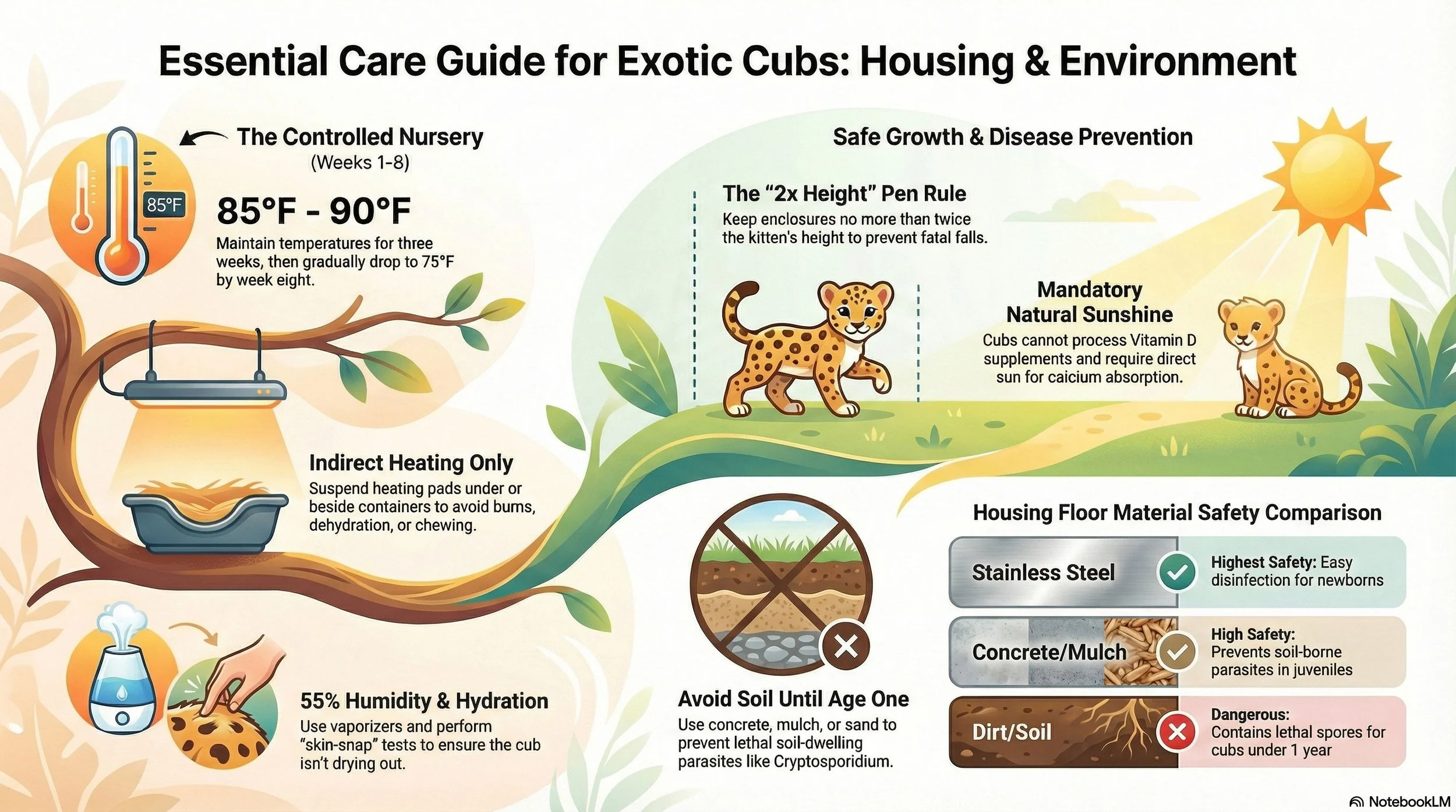
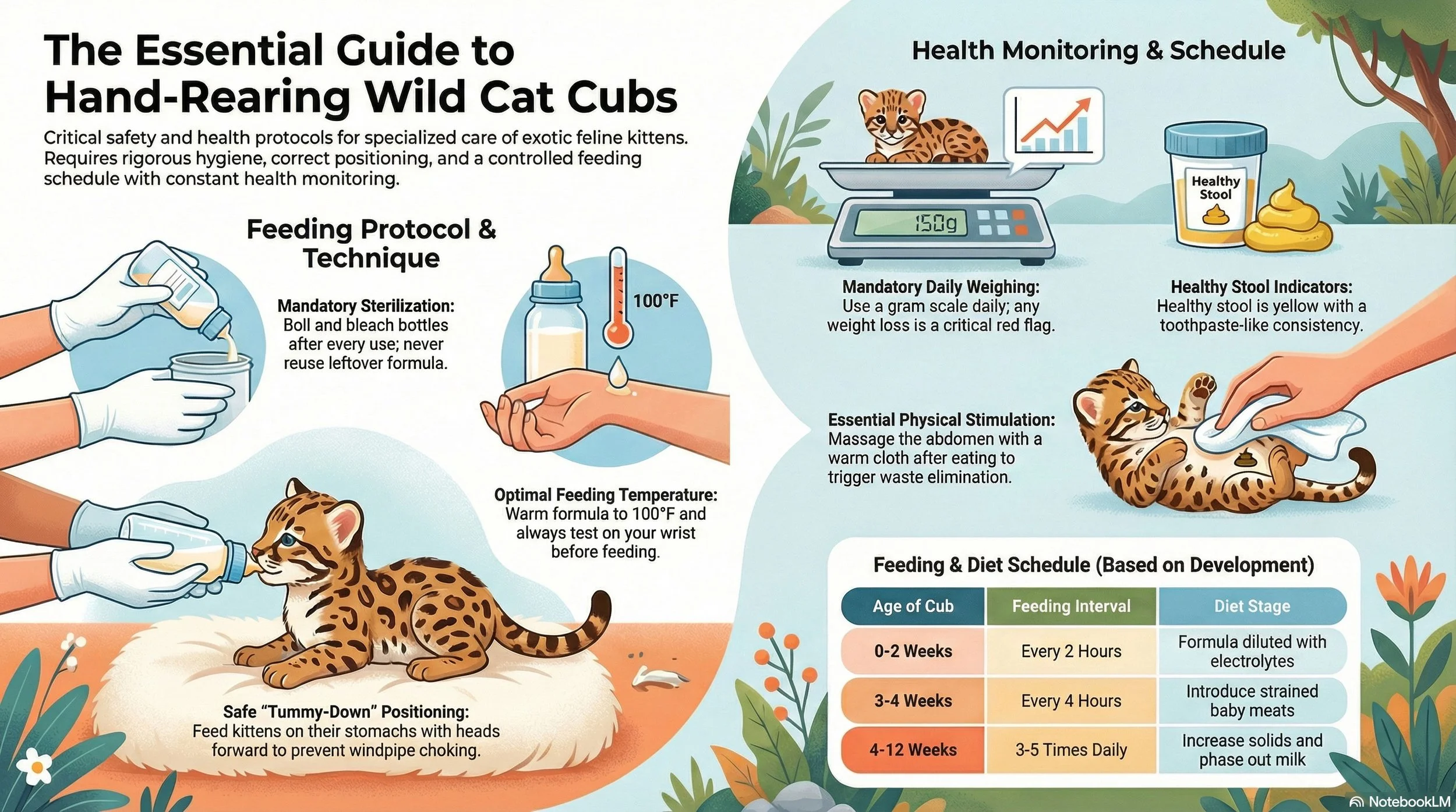
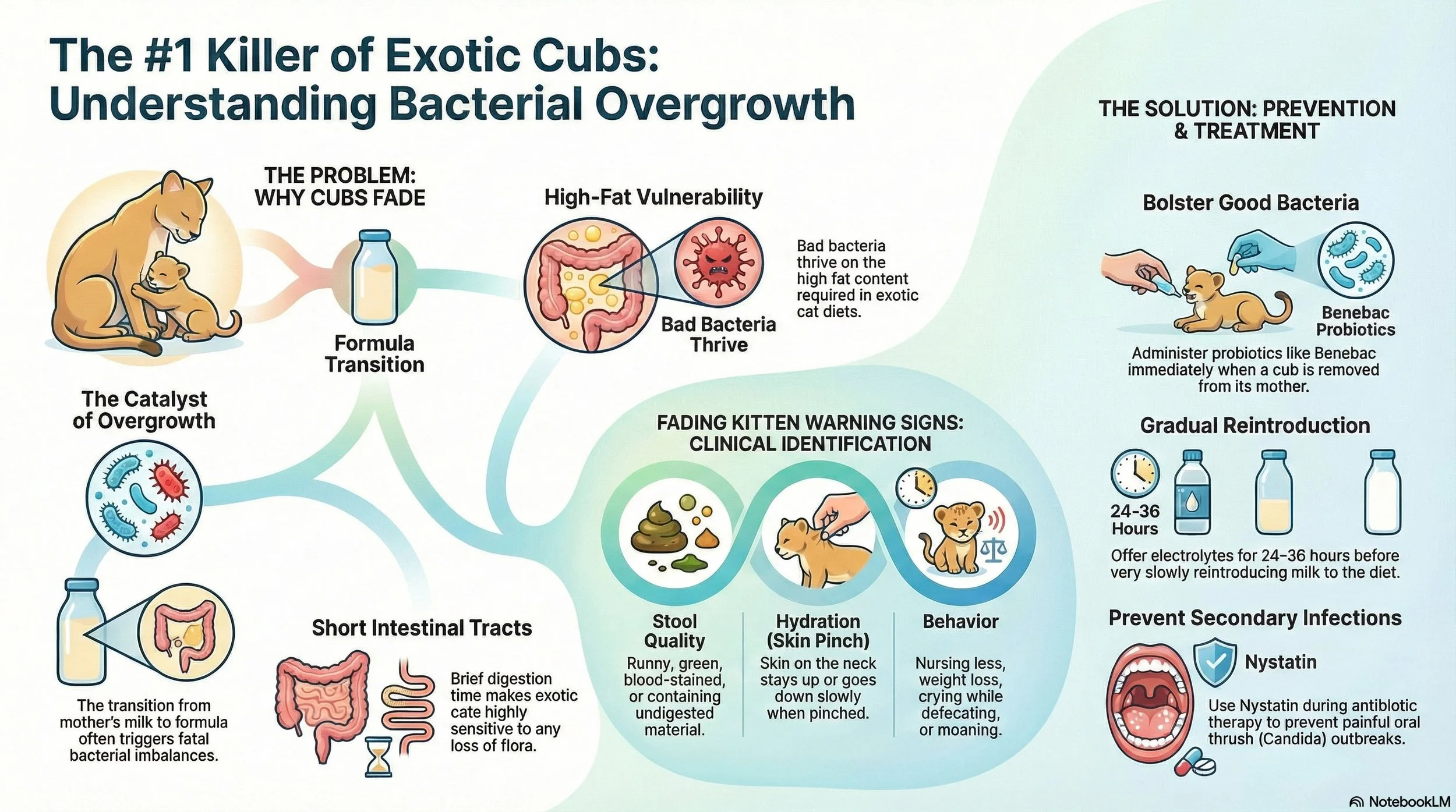
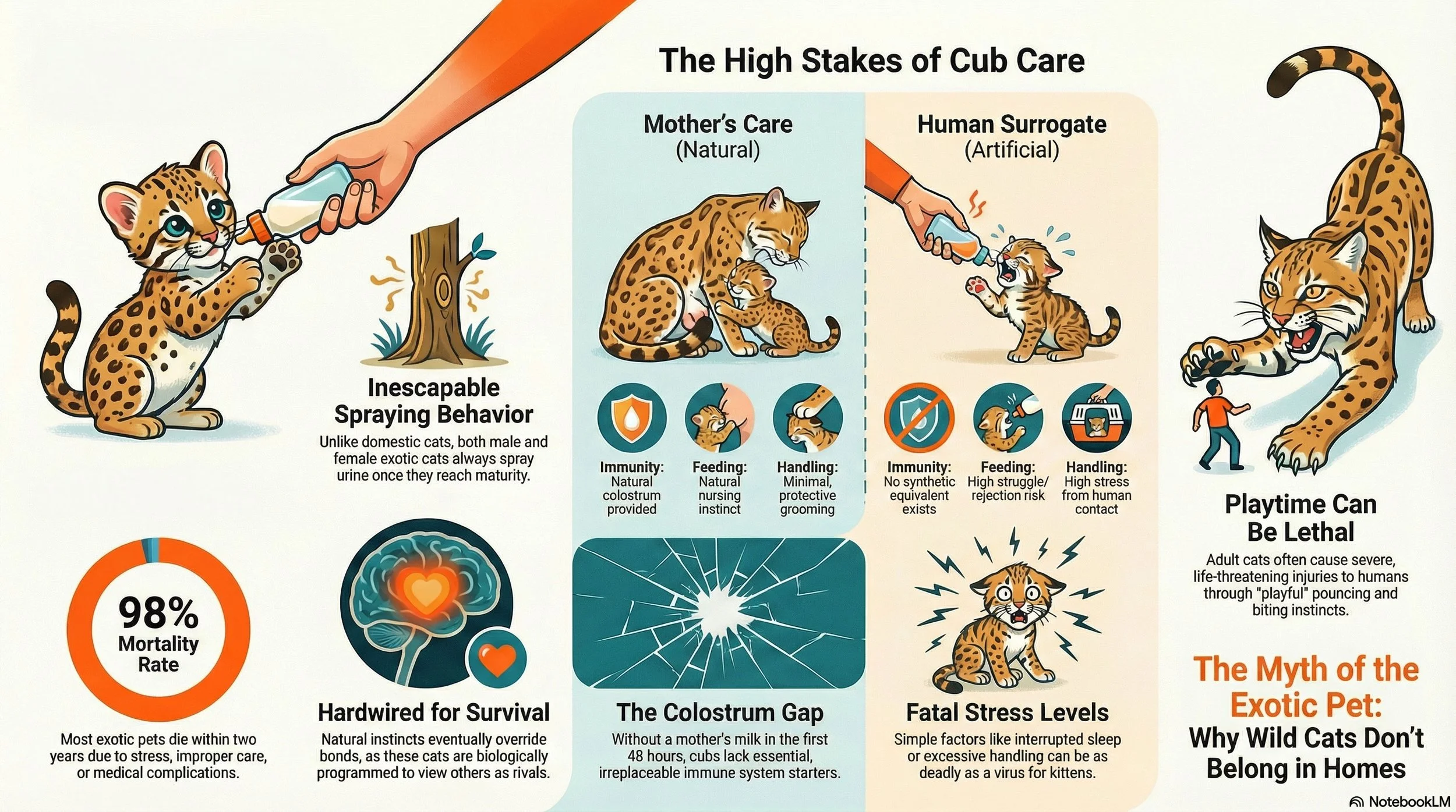

These materials provide a comprehensive framework for establishing and maintaining a successful animal sanctuary, drawing on the long-term experience of Big Cat Rescue. The sources highlight the importance of meticulous planning, suggesting that operators should draft multi-year goals and establish a disciplined organizational culture with strictly enforced rules. Financial sustainability is emphasized through the practice of setting aside monetary reserves and focusing on broad conservation impact rather than just immediate rescue needs. Additionally, the text underscores the vital role of volunteer management, noting that a large, dedicated workforce can provide labor equivalent to dozens of full-time employees. Finally, the guides advocate for a strong social media presence that utilizes storytelling and transparency to build donor trust and engage the public.