Housing
Why Saving a Wild Kitten Is More Science Than Cuddles: 5 Surprising Realities of Exotic Rescue
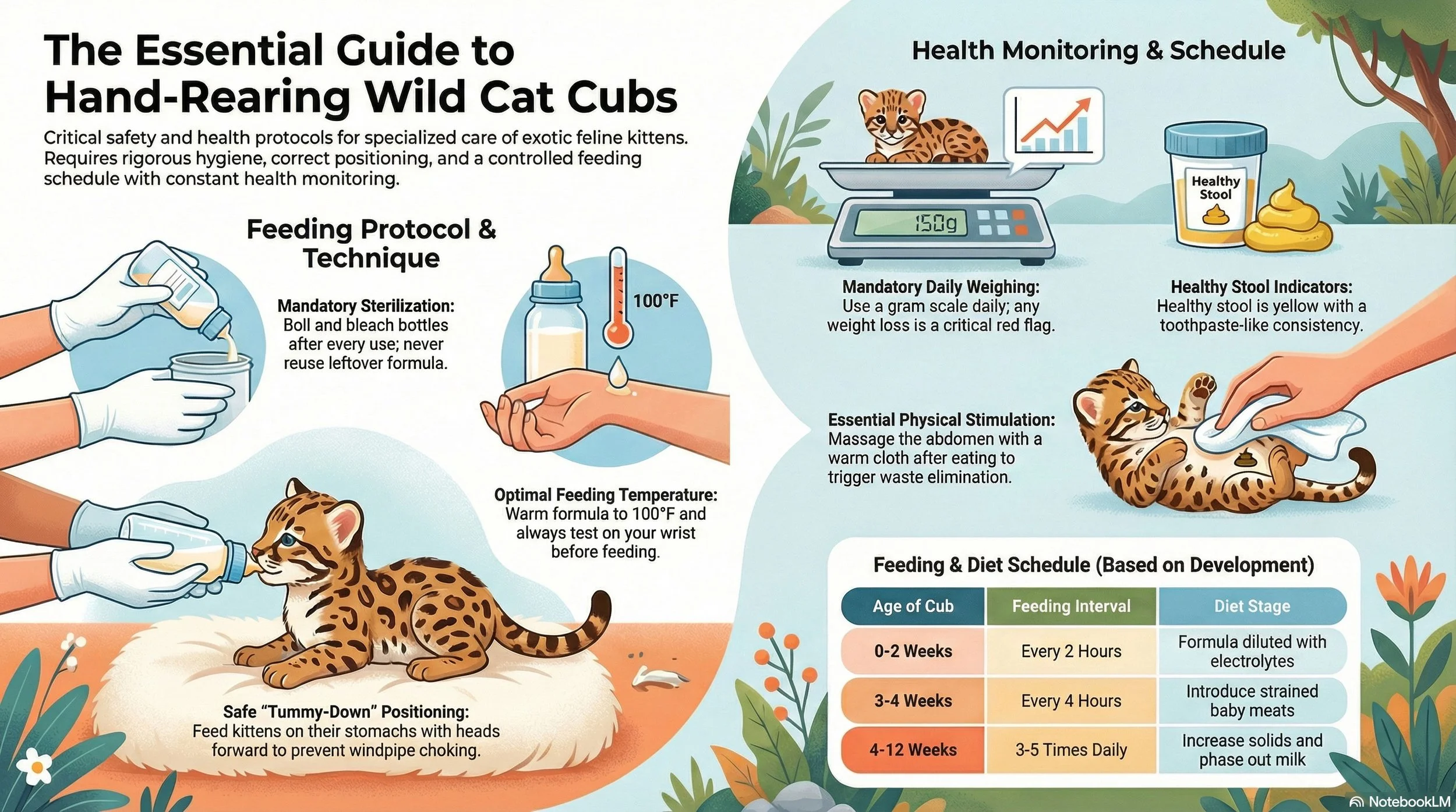
When a displaced wild kitten is discovered, the human instinct is to provide what we find comforting: a soft blanket, a quiet room at a pleasant 72 degrees, and tactile affection. In the specialized world of exotic feline rehabilitation, however, these "kindnesses" are often death sentences. Rescuing an exotic cat is a rigorous, science-based discipline that frequently demands we act against our most basic nurturing impulses to ensure the animal’s survival.
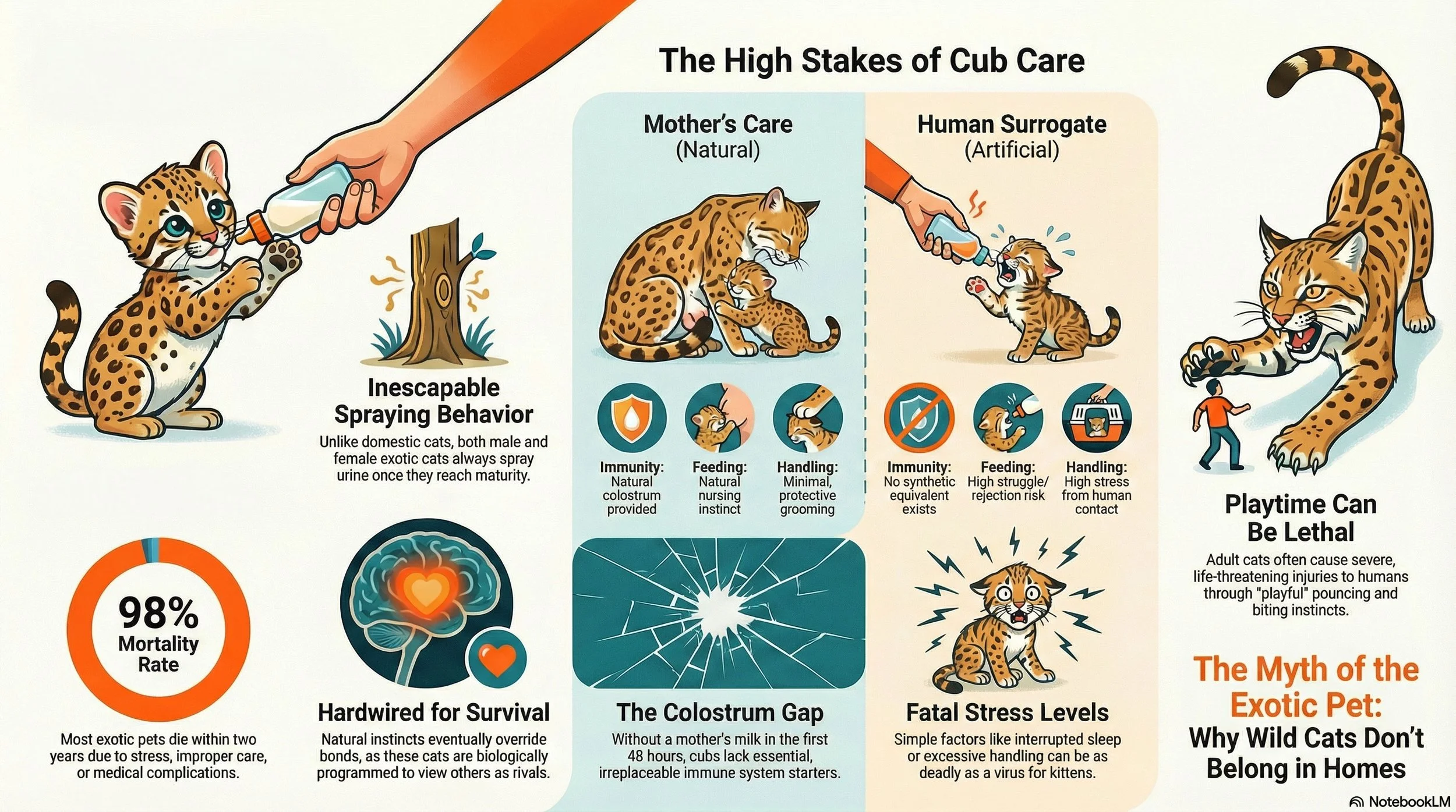
Document Directive: The protocols detailed here are intended exclusively for authorized rescue and rehabilitation efforts aimed at the eventual release of wildlife into their natural habitats. This information is not an endorsement of the exotic pet trade. Keeping wild cats as pets is a primary driver of species decline and animal suffering—realities that professional sanctuaries work to rectify every day.
To successfully bridge the gap between a rescued cub and a self-sufficient adult, a rehabilitator must look past the "cute" factor and embrace a set of demanding, often counter-intuitive biological requirements. Here are five surprising realities of exotic rescue.
--------------------------------------------------------------------------------
1. The 101-Degree Baseline: Why Human "Warmth" Is Dangerously Cold
To a human, an 86-degree room feels sweltering. To a neonatal exotic kitten, it is a cooling environment that could lead to hypovolemia. Because these kittens are biologically incapable of maintaining their own body heat for more than a few hours, the nursery must be strictly climatically controlled.
The science behind this is a matter of thermal gradients. The normal body temperature for an exotic cat is 100–101°F. When a kitten is in a room that humans find comfortable (68–72°F), the kitten is constantly losing heat to its surroundings. In the wild, mothers provide this vital warmth through constant contact. This is so metabolically expensive that nature has hard-wired a ruthless survival strategy: if a mother has only one surviving kitten, she may abandon it because the energy required to keep a single offspring warm is an inefficient "waste" of her own survival resources.
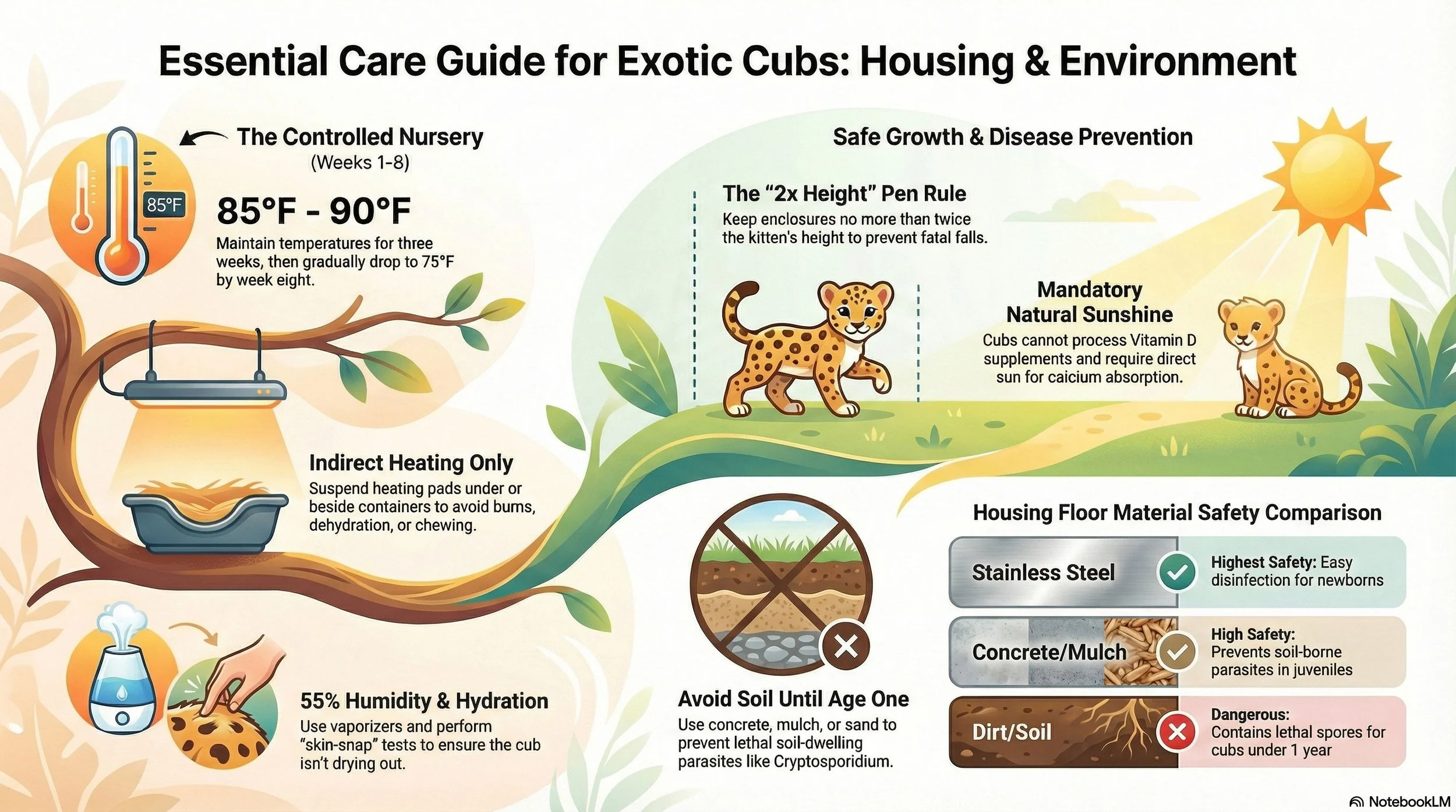
In a professional rescue setting, we must replicate the mother's heat with clinical precision. For the first three weeks, the ambient air must stay between 85 and 90 degrees, only gradually dropping to 75 degrees by the eighth week. Even the heat sources themselves—such as heating pads—must be managed with extreme caution. We never allow direct contact; pads are suspended an inch below a grate or attached to the side of a container. This ensures the kitten can move toward or away from the heat, preventing the burns or dehydration that occur when a weak cub lacks the strength to move.
2. The Isolation Protocol: The Lethal Risk of "Group Snuggles"
While it seems compassionate to house a litter together for companionship, the "group heat therapy" provided by siblings often carries a lethal psychological risk. Exotic kittens possess an instinctual drive to nurse that far exceeds their nutritional requirements.
In a natural setting, a kitten might spend hours at the teat, receiving only a trickle of milk. When humans bottle-feed a kitten in a matter of minutes, the stomach is satisfied, but the psychological drive to suckle remains. As noted in Big Cat Rescue’s husbandry data:
"Very often... they will suckle on each other. It is usually not as a result of needing food, but more often it is a psychological need... they still feel that need to nurse and will suck on each others’ ears, tails and genitals."
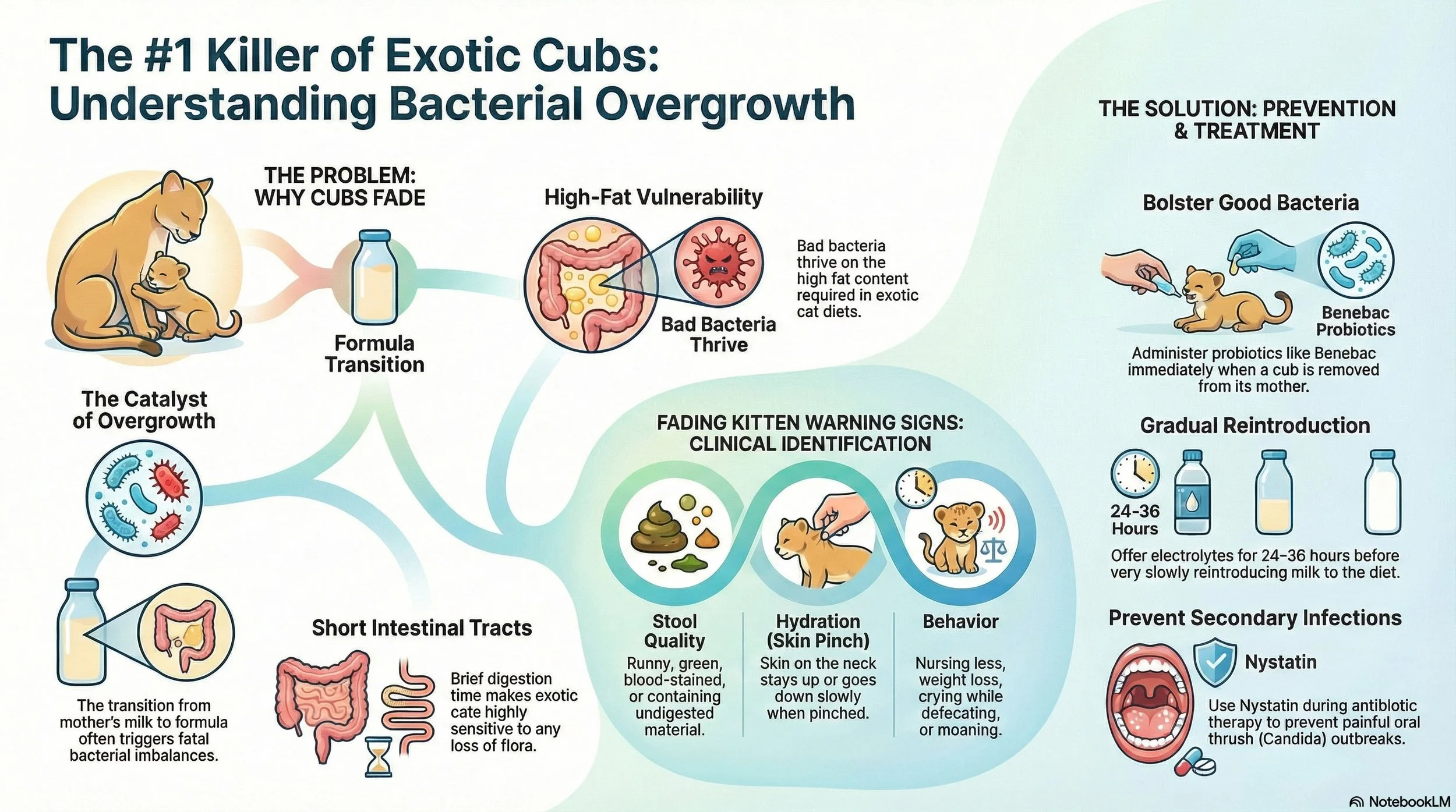
This behavior leads to the accidental ingestion of siblings' urine. This urine contains toxins and germs that trigger a rapid, catastrophic overgrowth of bacteria in the cub’s system. Within 48 hours, a kitten can become septiceamic and die with almost no clinical warning. Consequently, the rehabilitator faces a difficult ethical and clinical choice: sacrifice the comfort of companionship for the safety of isolation. We often substitute siblings with soft toys or rags to satisfy the tactile need for snuggling without the risk of septicemia.
3. The "Two-Times Height" Physics of a Den
One of the most critical safety rules in exotic husbandry involves the specific dimensions of the cub’s enclosure. A pen or "makeshift den" should never be more than twice as tall as the kitten.
This rule exists because of a physiological baseline: exotic kittens lack the refined agility and landing coordination of domestic cats. Their instinct drives them to climb to the highest possible point of any structure, yet once they reach the summit, they lack the coordination to climb back down. They simply let go. Because of their lack of mid-air corrective skills, even a fall from a height humans consider "short" can result in broken ribs or a punctured lung.
The housing must evolve as the cat grows. We begin with stainless steel compartments—the gold standard for sanitation—featuring raised mesh floors. The mesh must be precisely sized; it must be small enough to prevent a toe or foot from catching in the wire, yet open enough to allow waste to fall through. As the cub matures, we graduate them to larger wire pens, but the height restriction remains the primary safety metric until their skeletal and muscular coordination is fully developed.
4. Sunshine: The Only Path to Skeletal Integrity
In the world of exotic feline health, supplements are not a replacement for the sun. A hard biological reality of these species is that exotic cats cannot process Vitamin D in supplemental form.
Without the natural form of Vitamin D provided by direct UV rays, a kitten’s body cannot utilize the calcium in its diet. This creates a high-stakes husbandry challenge. To prevent permanent skeletal deformity or metabolic bone disease, kittens must have access to "yard pens" for direct sun exposure.
However, this exposure must be carefully timed. In high-heat climates like Florida, we only place kittens outside during the early morning or evening. This timing is a strategic balance: it provides the necessary UV exposure for calcium processing while avoiding the high-noon temperatures that lead to rapid heatstroke. Without this precise window of natural light, a kitten's bones will never develop the density required to support its adult weight.
5. The Invisible Enemy in the "Natural" Soil
The ultimate irony of wildlife rescue is that the "natural" earth is often the most dangerous environment for a young cat. Soil-dwelling parasites, specifically Cryptosporidium, pose a near-lethal threat to exotic kittens that lack the natural immunities of their wild-raised counterparts.
Cryptosporidium is a protozoan parasite that can persist in the soil for decades. While adult cats may carry the oocysts without symptoms, in a kitten, the spores are licked from the paws during grooming and proceed to destroy the intestinal tract. This leads to chronic diarrhea, mal-absorption, and a failure to thrive. Treatment is notoriously difficult and often experimental; while drugs like Tylan or Antirobe have shown some success, the infection remains a leading cause of mortality in rescue settings.
Because these oocysts are resistant to most commercial cleaners and surface through mud and rain, we keep rescue cats on concrete, wood, or specific hygienic mulches (like white sand or forest bark) until they are at least a year old. Only once their immune systems have matured can they safely touch the natural soil of the world they were born to inhabit.
--------------------------------------------------------------------------------
Conclusion: The Clinical Path to Freedom
The protocols of exotic rescue—the sweltering 86-degree rooms, the clinical isolation, and the strict avoidance of "natural" dirt—can seem detached or even cold. However, this technical rigor is the highest form of empathy.
The goal of wildlife rehabilitation is not to create a pet, but to navigate a complex biological minefield to ensure a wild animal survives its own fragility. Every strict rule is a stepping stone toward a future where the animal does not depend on a cage or a human hand. As we witness the immense scientific and emotional resources required to save a single displaced cub, we are forced to confront a larger ethical question: What is our responsibility to protect the habitats and ecosystems we have commercialized, so that these animals can be raised by their own kind, in the wild, as nature intended?

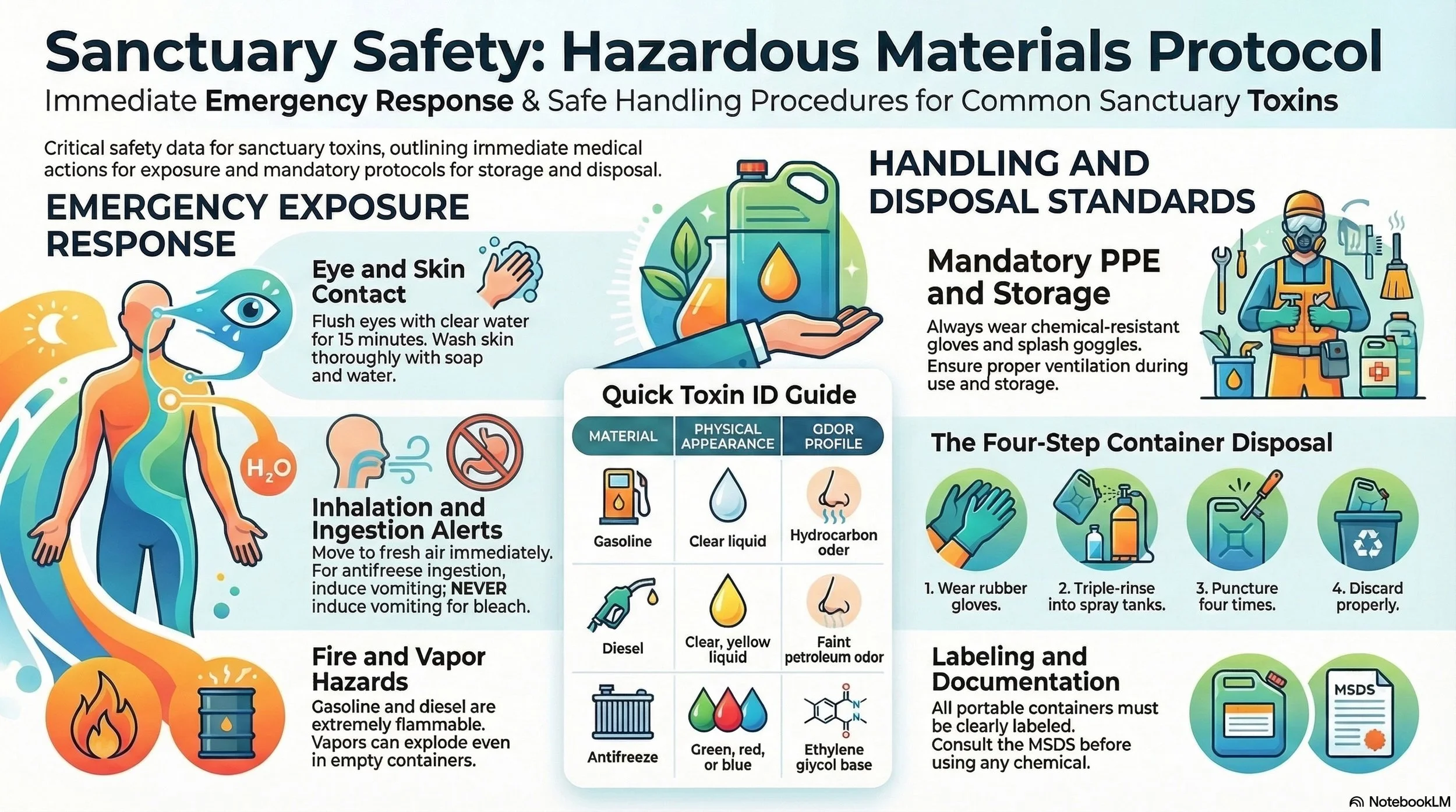


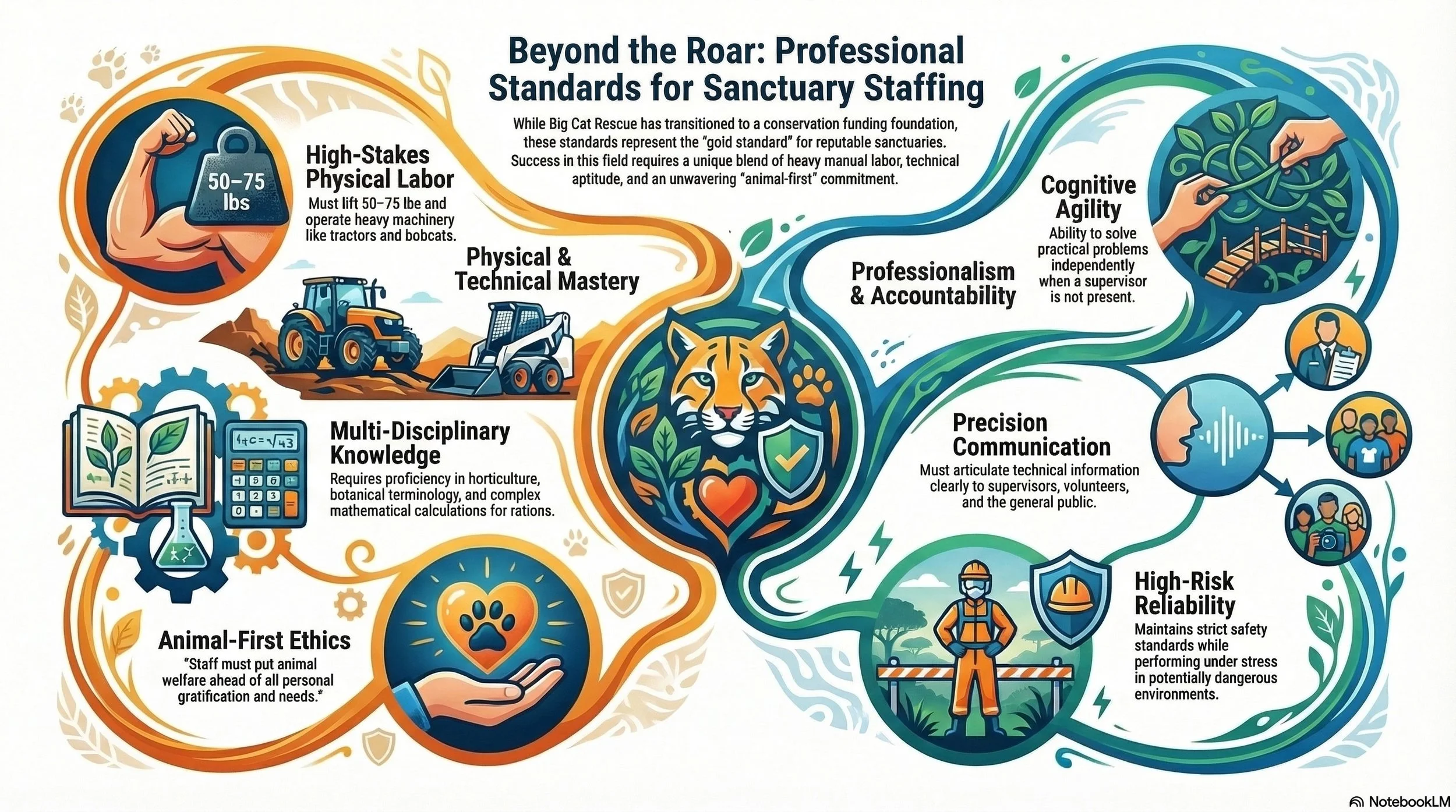
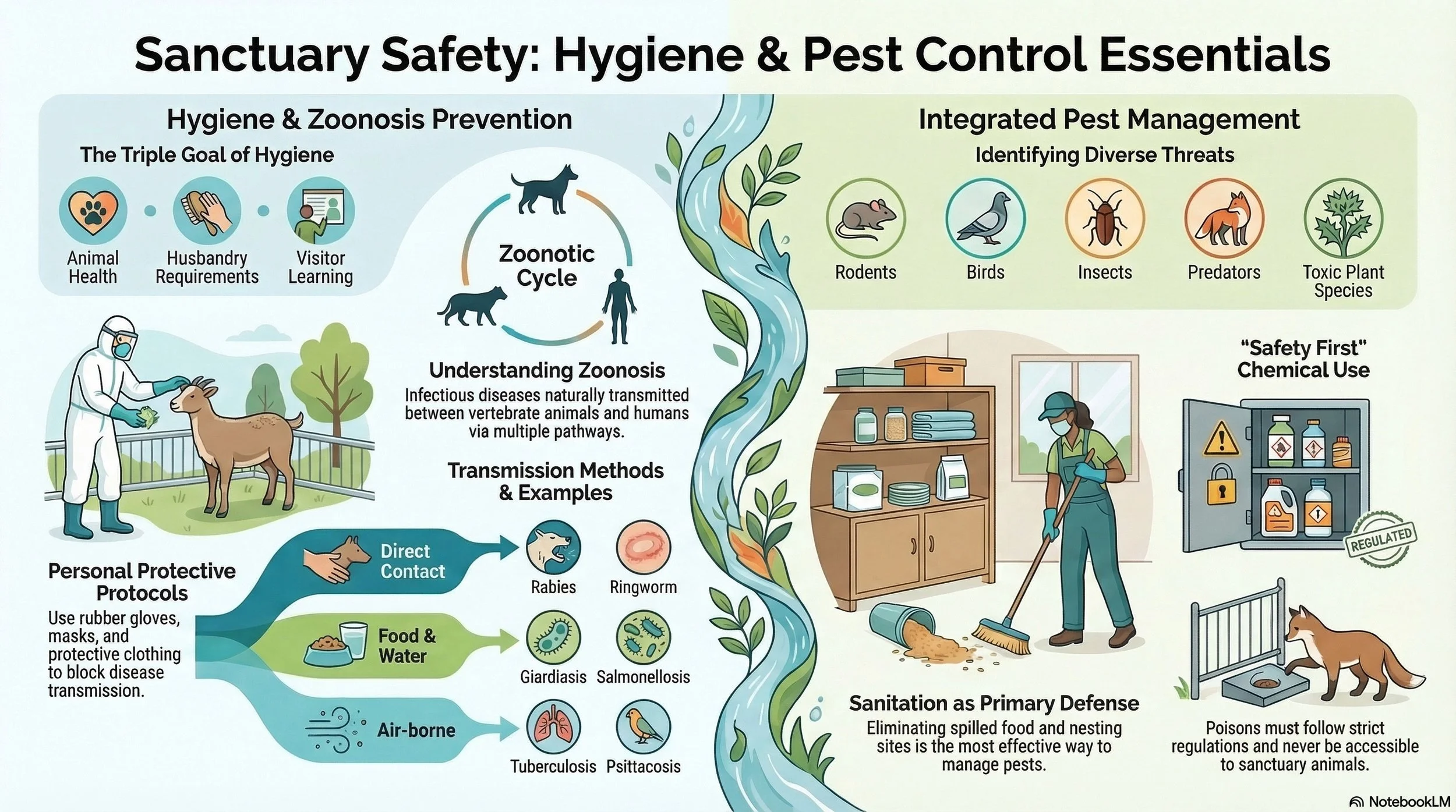
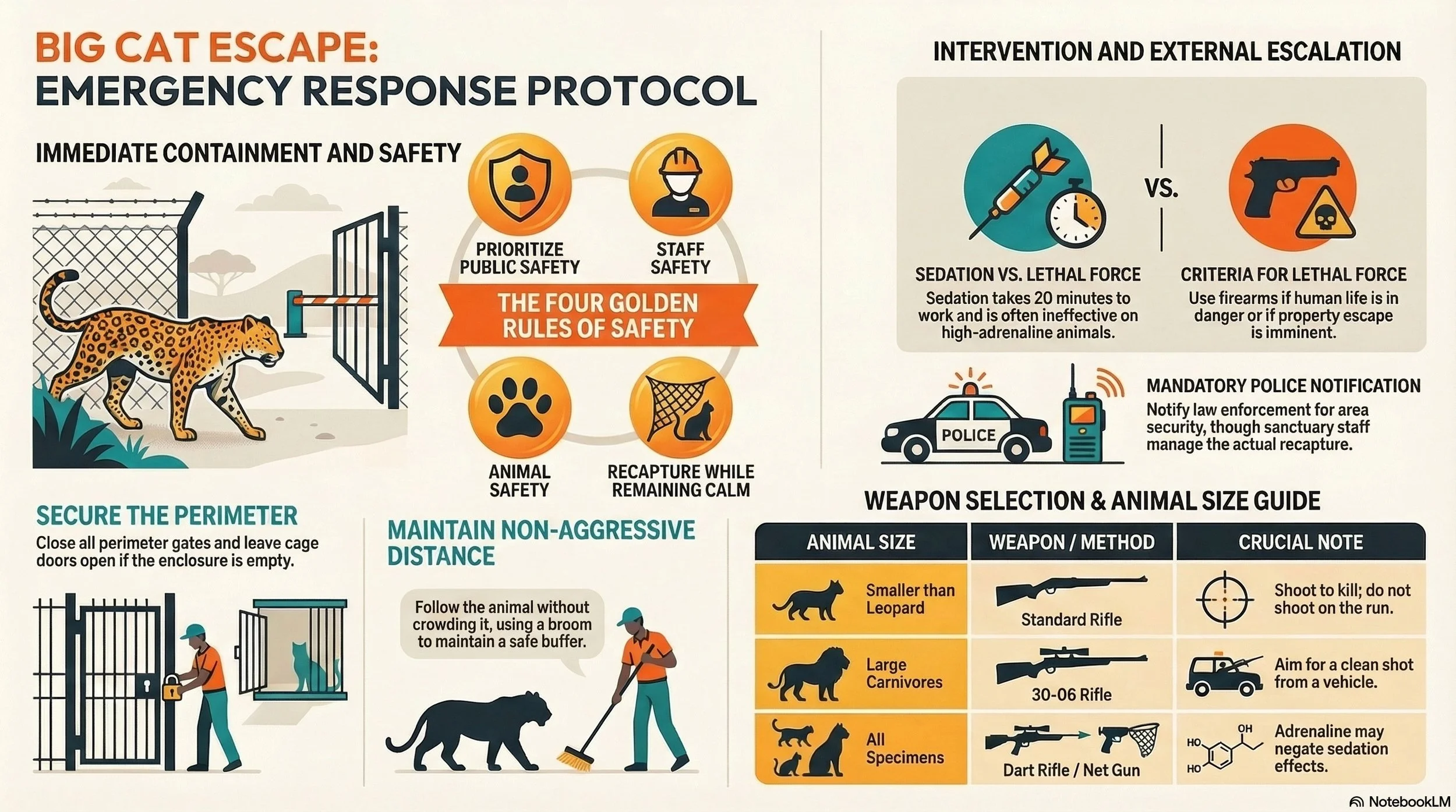
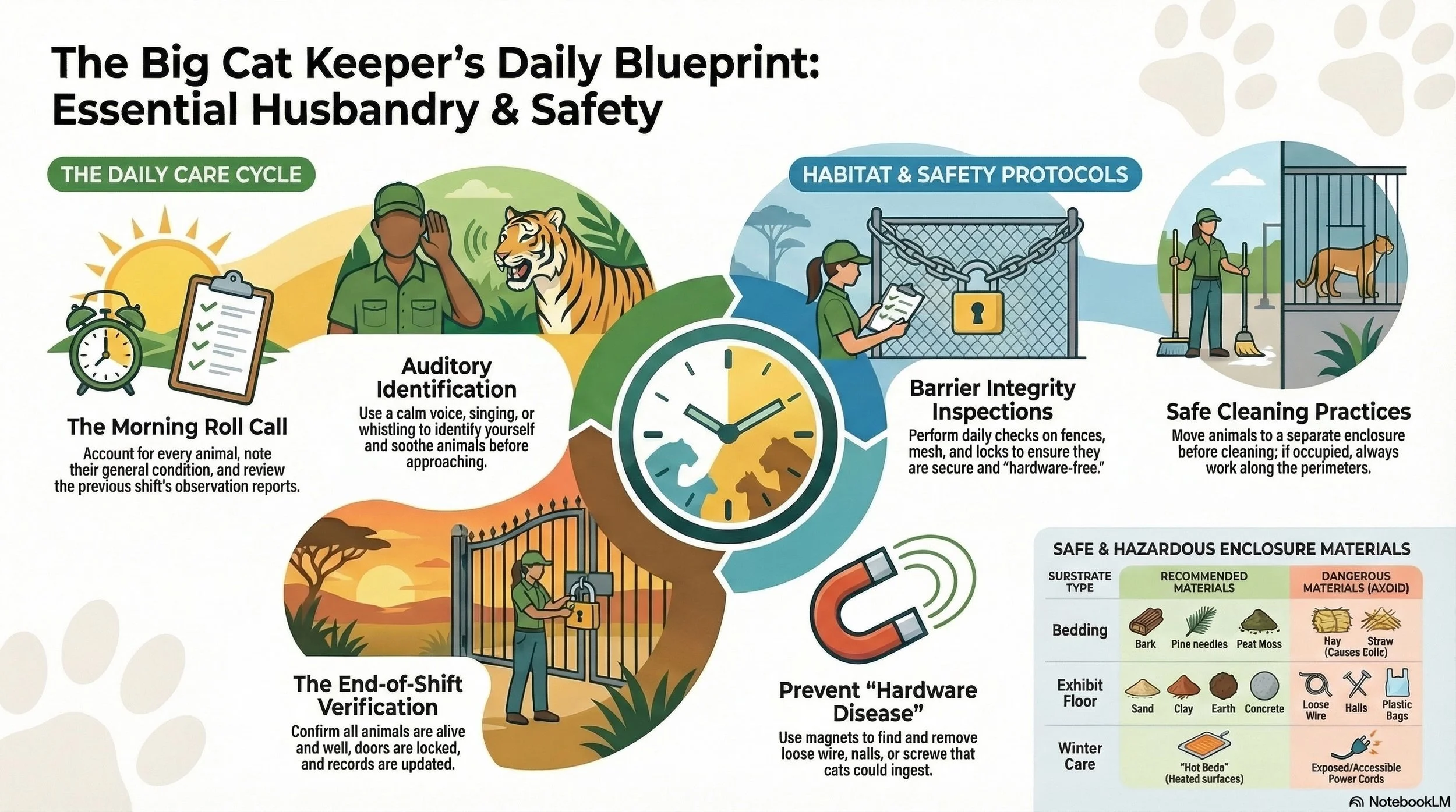
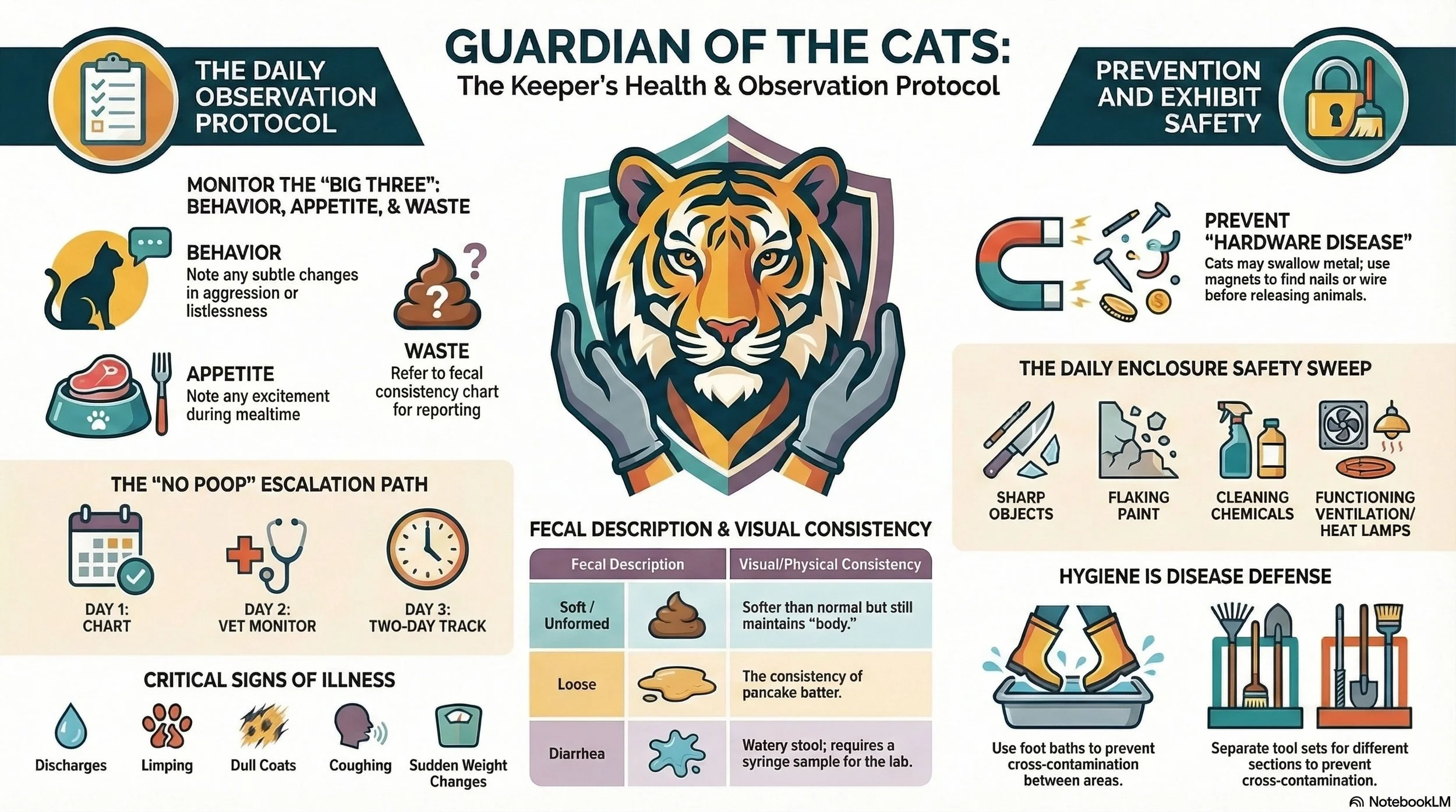

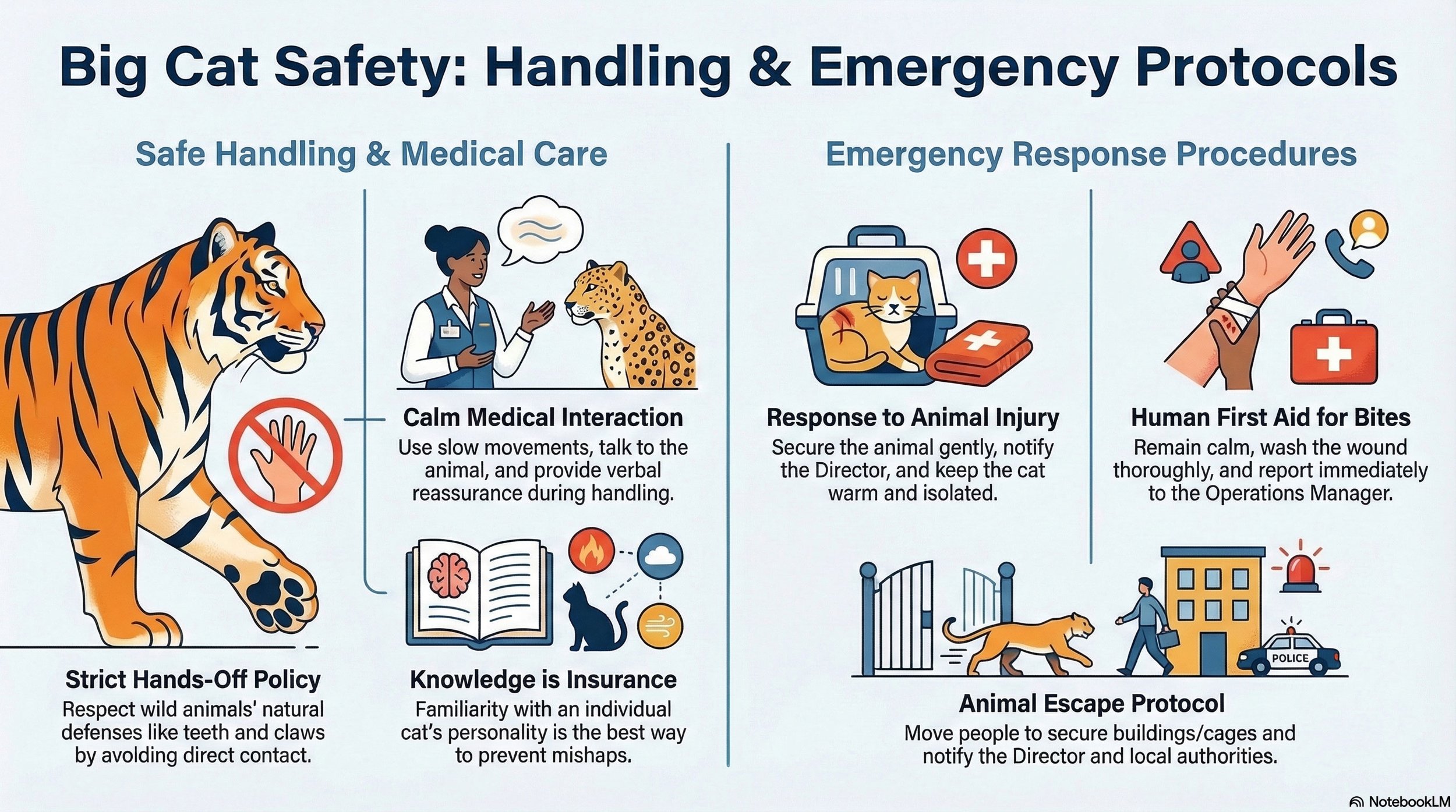
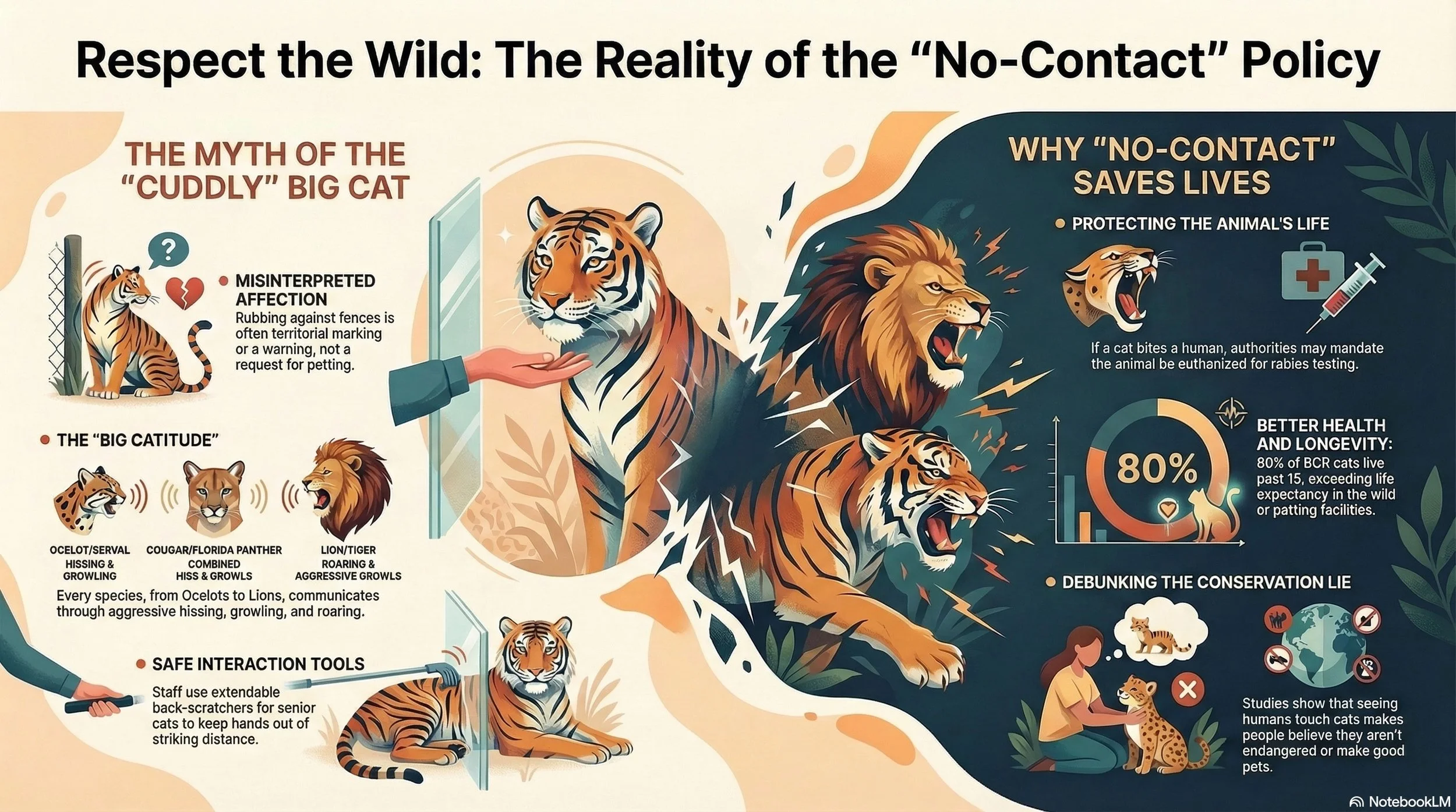
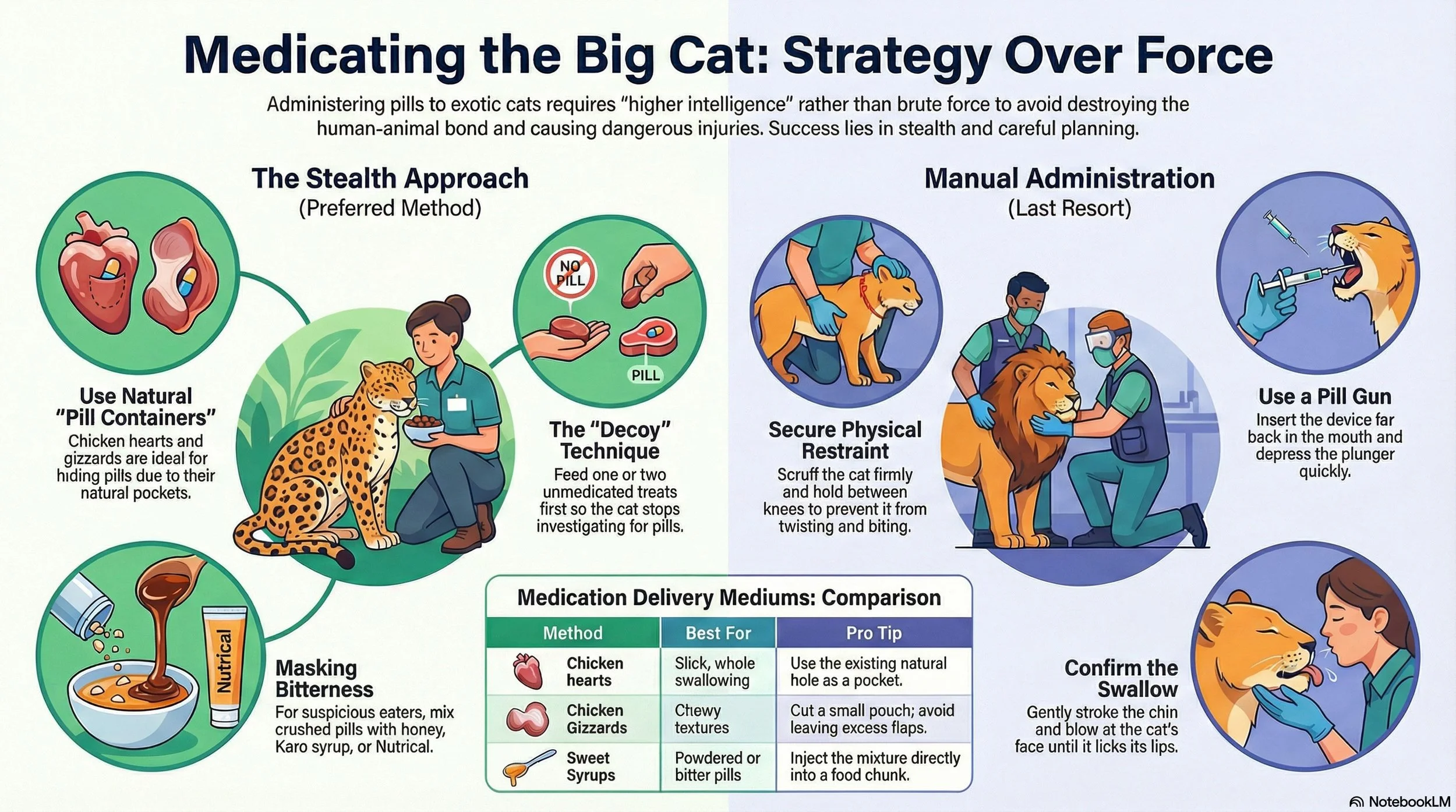
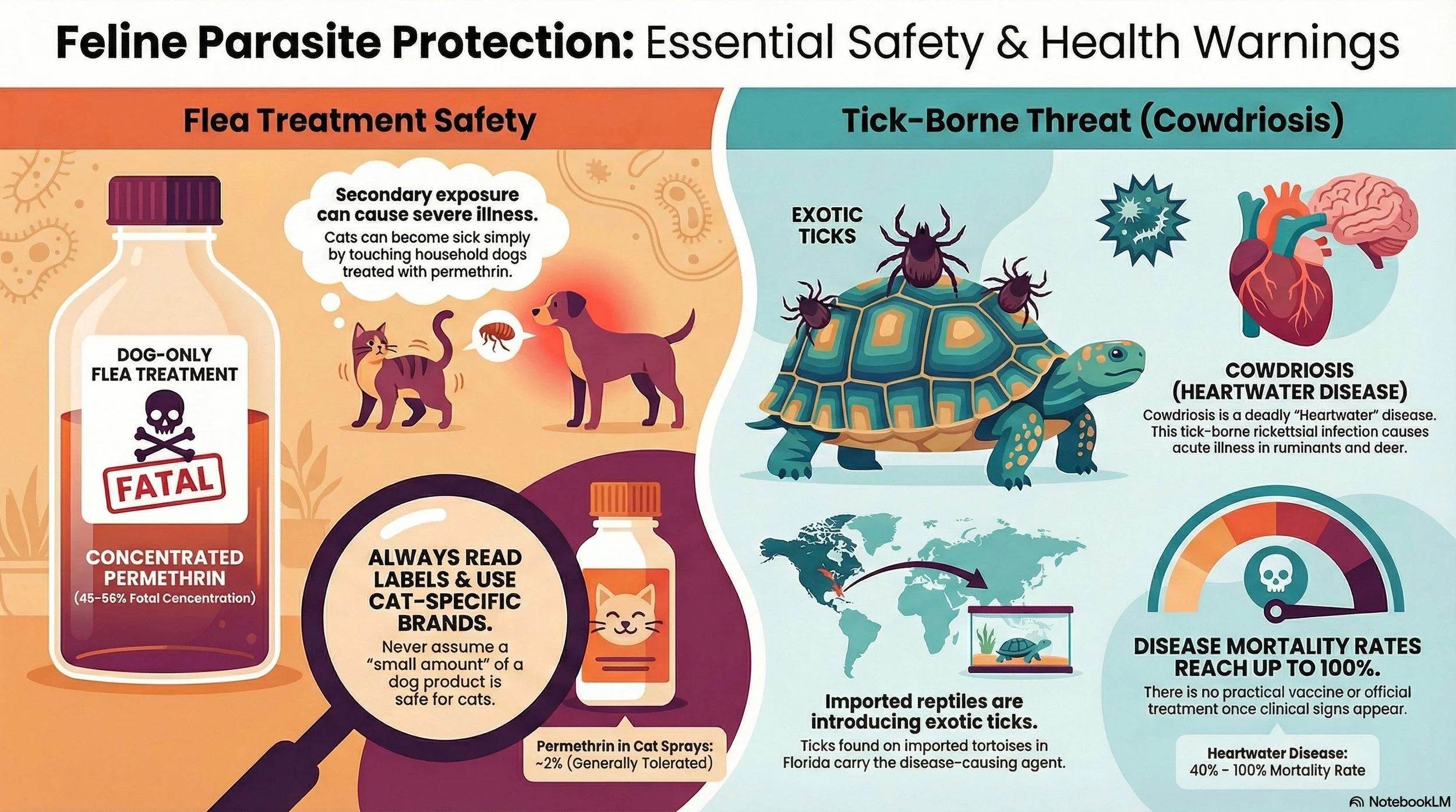
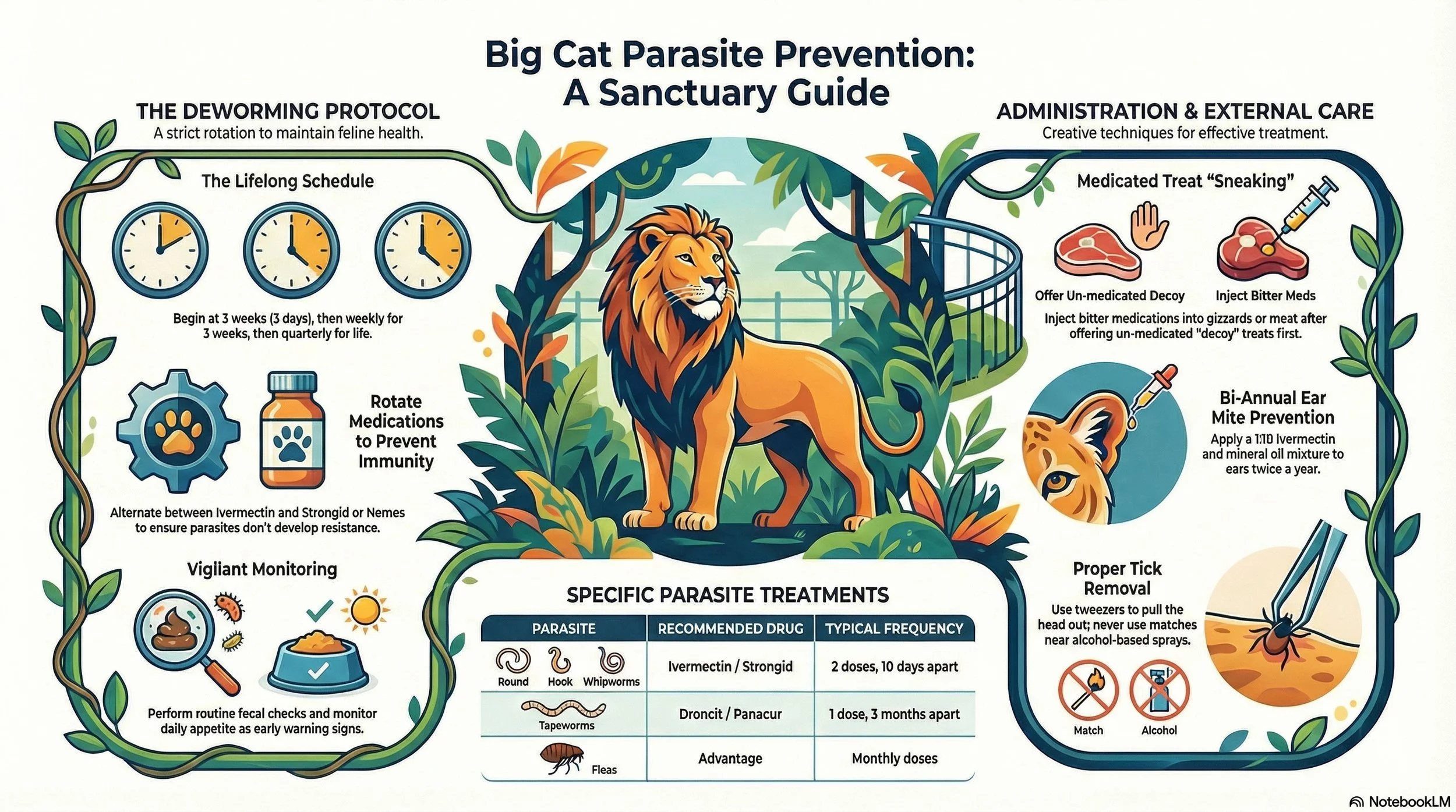
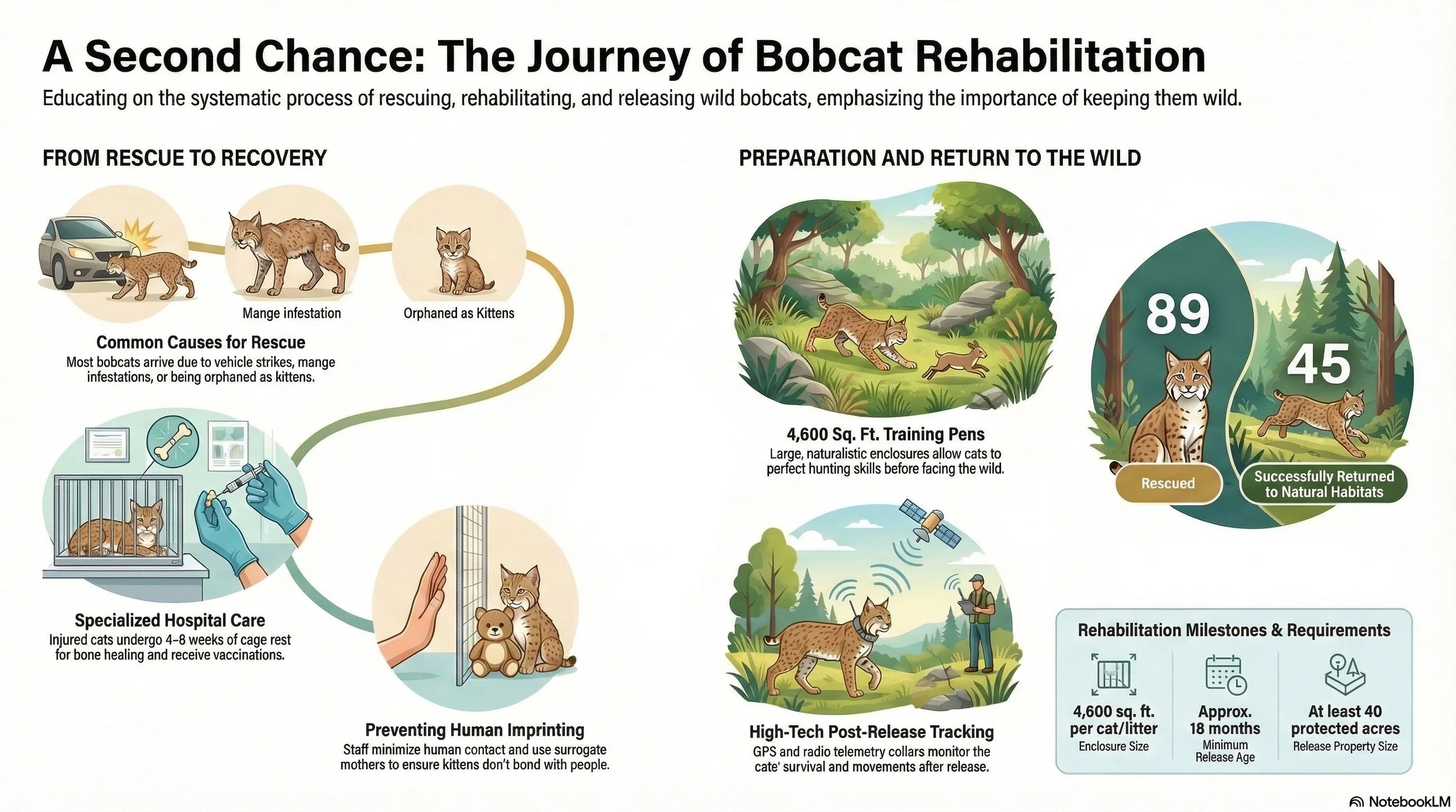
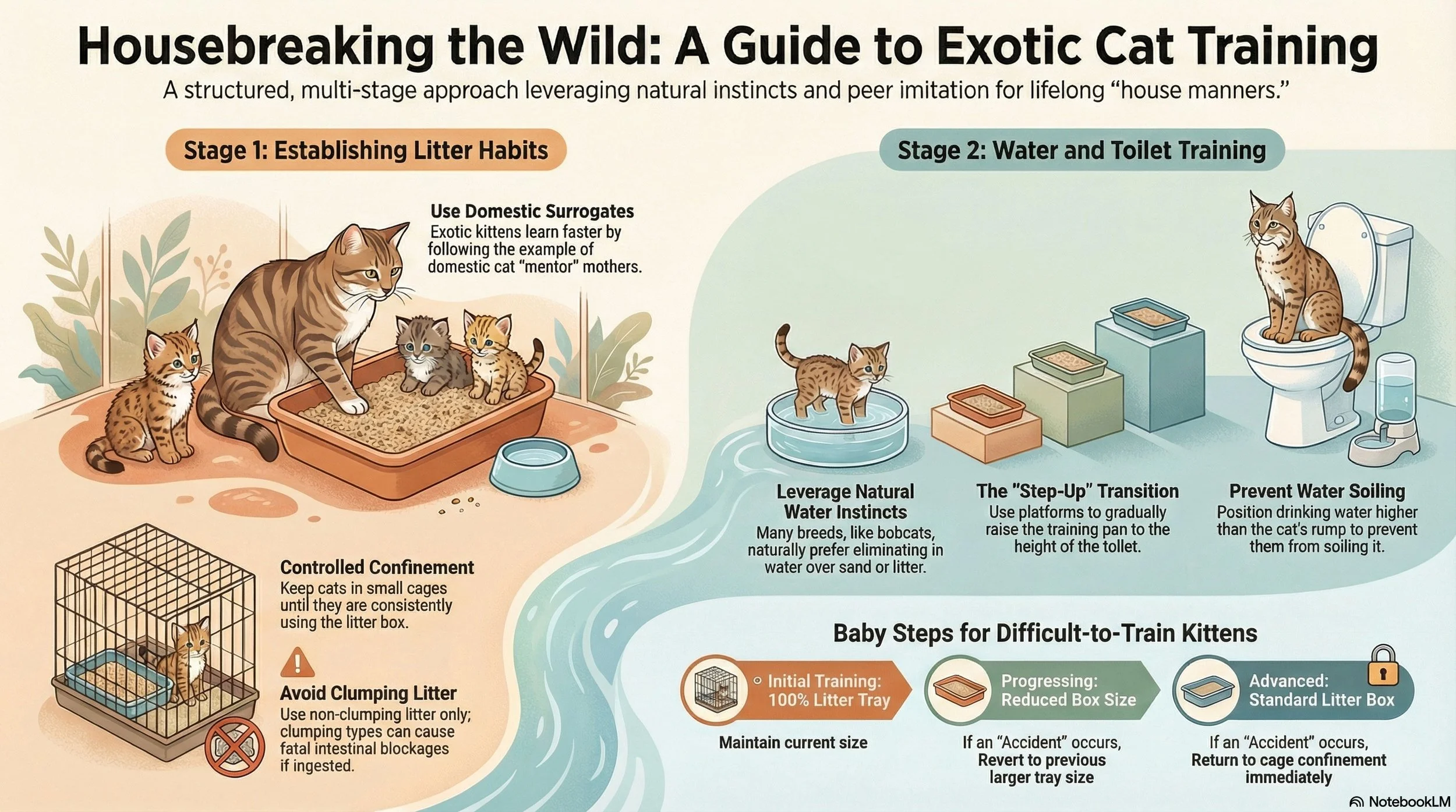
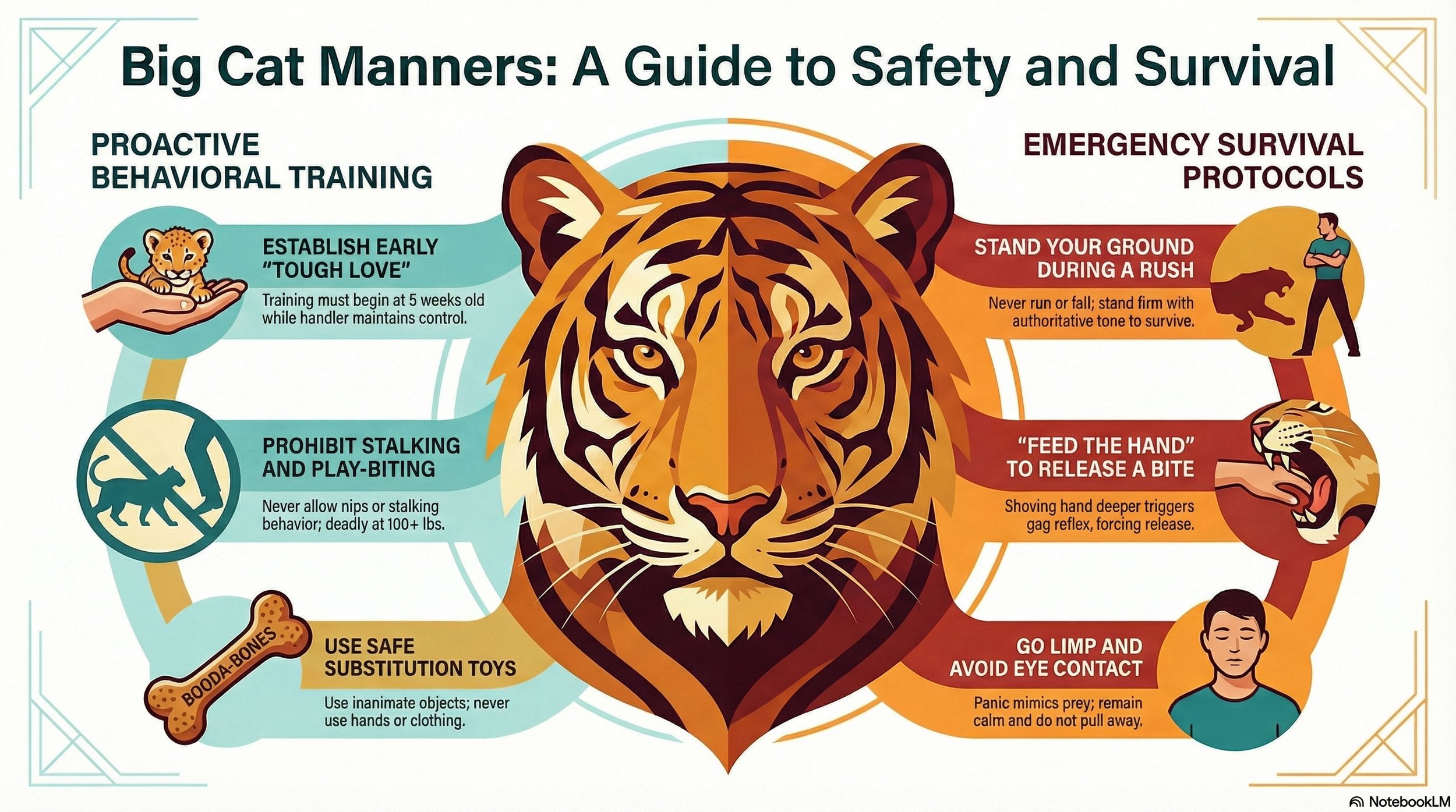

These materials provide a comprehensive framework for establishing and maintaining a successful animal sanctuary, drawing on the long-term experience of Big Cat Rescue. The sources highlight the importance of meticulous planning, suggesting that operators should draft multi-year goals and establish a disciplined organizational culture with strictly enforced rules. Financial sustainability is emphasized through the practice of setting aside monetary reserves and focusing on broad conservation impact rather than just immediate rescue needs. Additionally, the text underscores the vital role of volunteer management, noting that a large, dedicated workforce can provide labor equivalent to dozens of full-time employees. Finally, the guides advocate for a strong social media presence that utilizes storytelling and transparency to build donor trust and engage the public.