Emergencies
4 Surprising Truths About Life with Big Cats: Lessons from 40 Years in the Wild
The "Tiger King" era has left the public with a dangerously distorted fantasy of what it means to live alongside apex predators. People see a cub on a leash and imagine a life of majestic companionship, but as someone who has spent over four decades in the trenches of big cat conservation, I can tell you the reality is far grittier. Behind the gates of a legitimate sanctuary, life isn't about "owning" a cat; it’s about managing the tragic fallout of the exotic pet trade. From designing secure "Cat-A-Tats" to mastering the art of chemical restraint and sedation, the work is demanding, dangerous, and requires a level of professional detachment that most people simply don't possess.
Medical Disclaimer
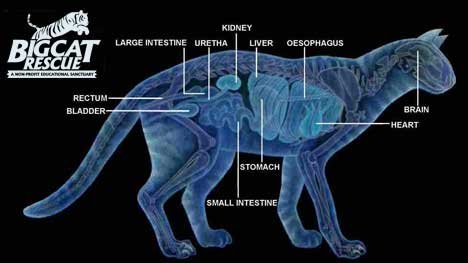
This article is written by a conservationist with over 40 years of experience in the sanctuary field. However, the author is not a veterinarian. The information provided here is for educational and informational purposes only and does not constitute medical advice. Anyone responsible for the care of big cats must consult with a qualified big cat veterinarian regarding any health or medical procedures. Never attempt to administer medical aid, such as oxygen or injections, without professional veterinary guidance, as improper application can cause significant harm or death.
----------------------------------------------------------------
The Domestication Myth: Why Your Living Room is No Place for a Lion
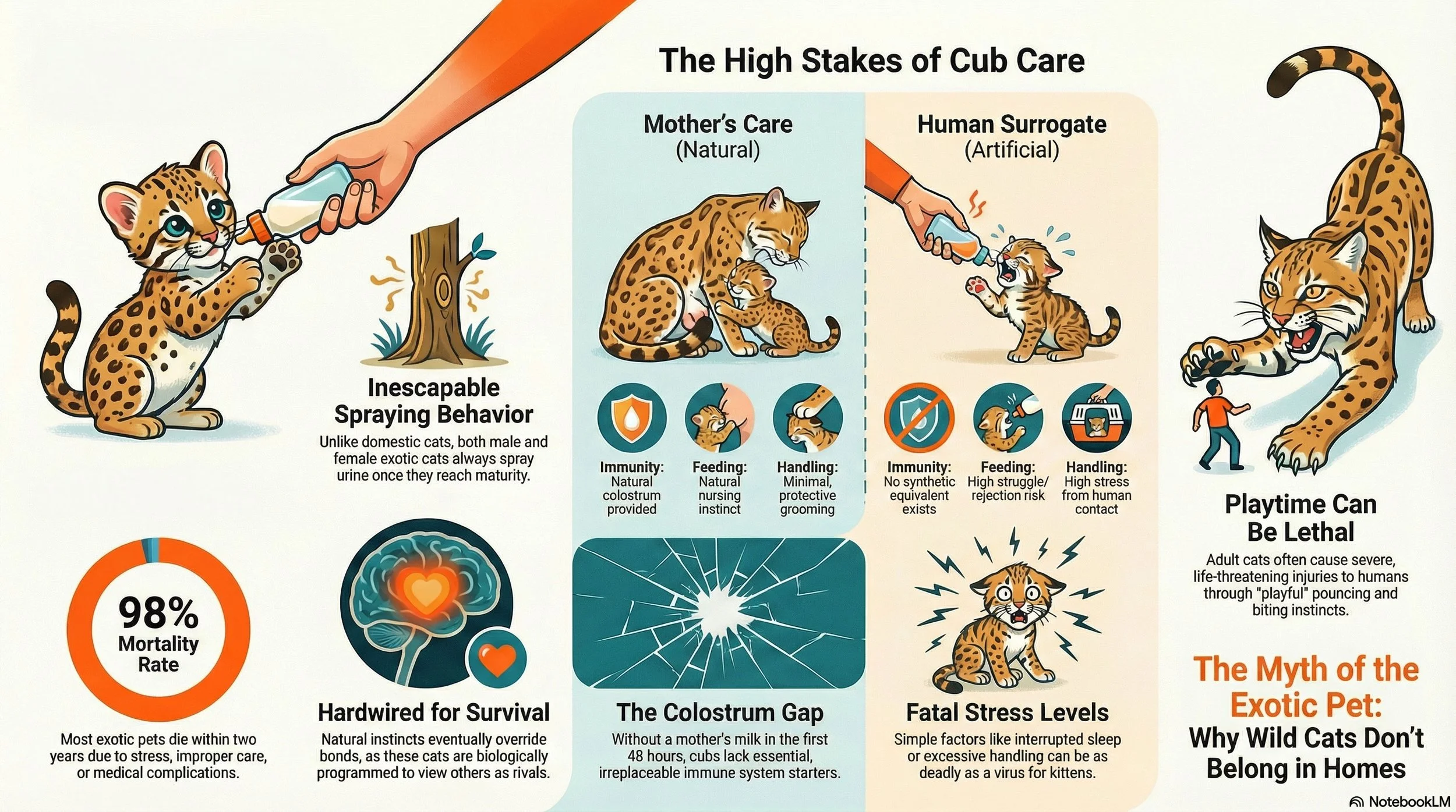
The most persistent lie in the exotic pet trade is that a wild cat can be raised to be a house pet if you just "start them young enough." This is a predatory sales tactic. Cubs are ripped from their mothers to make them more dependent on humans, creating a temporary window of docility that slams shut the moment hormones kick in.
No matter how you raise them, wild instincts cannot be "loved" out of an animal. One of the most undeniable proofs of this is "spraying." To a big cat, your sofa is just another territory marker. Whether it is a male or a female, and no matter how young you neuter or spay them, they ALWAYS spray when they reach adulthood. It is a biological certainty that makes domestic life impossible.
"With more than 30 years experience, with every sort of exotic cat, I can assure you that there is nothing you can do to raise up an exotic cat to be a house pet. It just isn't possible."
--------------------------------------------------------------------------------
The 98% Failure Rate: The Lethal Learning Curve of Sanctuaries
Well-intentioned people often try to "rescue" their way out of the problem, but good intentions don't keep animals alive. Statistics show that 98% of people who start a sanctuary end up killing their animals within the first two years. This staggering mortality rate stems from a lack of technical knowledge and the fundamental mistake of supporting the pet trade through breeding.
My own perspective underwent a painful evolution between 1992 and 1997. By 1997, I had seen enough of the abuse and abandonment caused by the trade to realize that there was no justification for breeding exotic animals for lives in cages. We realized we were part of the problem. That pivot led us to stop breeding, begin a rigorous program of spaying and neutering, and shift our mission toward education and legislation. True sanctuary isn't about creating more animals to "save"; it's about ending the trade that necessitates their rescue.
--------------------------------------------------------------------------------
Rule #1 of Emergencies: The "Hired Professional" Mindset
In a high-stakes emergency—whether a cat is in shock or an accidental escape occurs—your psychological state is the most critical tool in the kit. Your brain is more complex and more easily accessible than any computer, containing everything you have ever learned about restraint, wound care, and sedation. However, stress blocks that "computer."
Running in circles or causing a commotion does nothing for the animal. When the adrenaline hits, you must force yourself to think. The emphasis must be on the word THINK.
"Detach yourself from the drama and become the hired professional brought in to remedy the situation."
By adopting this mindset, you bypass the emotional panic and access the information recall necessary to save a life. You are no longer the "owner"; you are the technician brought in to remedy a crisis.
--------------------------------------------------------------------------------
The High-Tech, Low-Budget Infirmary: The Art of the Sanctuary Hack
A professional-grade Cat Hospital is a requirement for long-term survival, but you don’t need a multi-million dollar grant to build one. Resourcefulness is the hallmark of a seasoned consultant. We have equipped our facility by scouring human hospital surplus, auctions, and classifieds. We’ve acquired laboratory cages that cost the government $30,000 for a mere $300, and we found a $15,000 high-powered microscope for $500.
A functional infirmary must be ready for 24/7 isolation and recovery. Essential features include:
Climatic Control: Injured or ill cats often lose the ability to maintain their 101-degree body heat. Warmth is a life-saving necessity.
Infrastructure: A well-insulated building with vinyl flooring, washable walls, a range, refrigerator, microwave, and a blender for preparing specialized diets or medications.
Restraint & Handling: Squeeze cages (stainless steel) and tables that fold flat against the walls to maximize workspace.
Medical Inventory: A permanent medicine chest and a portable "go-case" stocked with:
Lactated Ringers and IV fluids.
18, 20, and 22-gauge needles.
3 cc and 10 cc hypodermic syringes.
Stethoscopes, pen lights, and thermometers.
Advanced Equipment: Oxygen tanks and regulators, incubators, and surgical supplies like sterile gowns and drapes.
Note: As emphasized in the disclaimer, never attempt to use oxygen or administer injections without prior guidance from your veterinarian. Doing so can easily do more harm than good.
--------------------------------------------------------------------------------
Conclusion: A Mission Beyond the Cage
Building a better cage—even a state-of-the-art "Cat-A-Tat"—is only a temporary fix. The ultimate goal of any true conservationist is to put themselves out of business. This requires moving beyond individual husbandry and focusing on the legislation required to stop the trade at its source.
As we work toward a future where wild cats are left in the wild, we must confront the ethics of our current reality. We must ask ourselves: Is the fleeting, five-minute entertainment of seeing a majestic predator behind bars worth the 20-year sentence of confinement that animal is forced to endure?
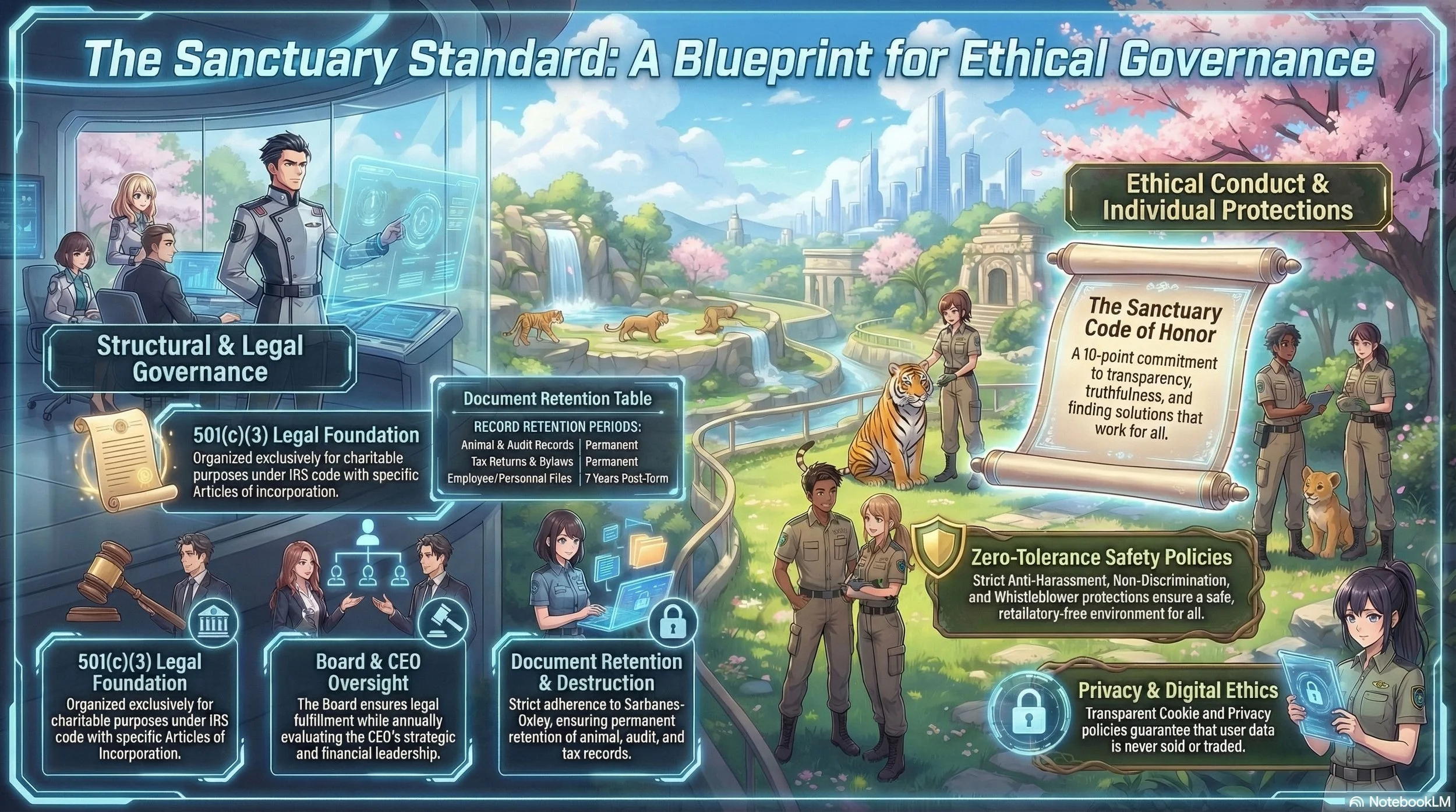
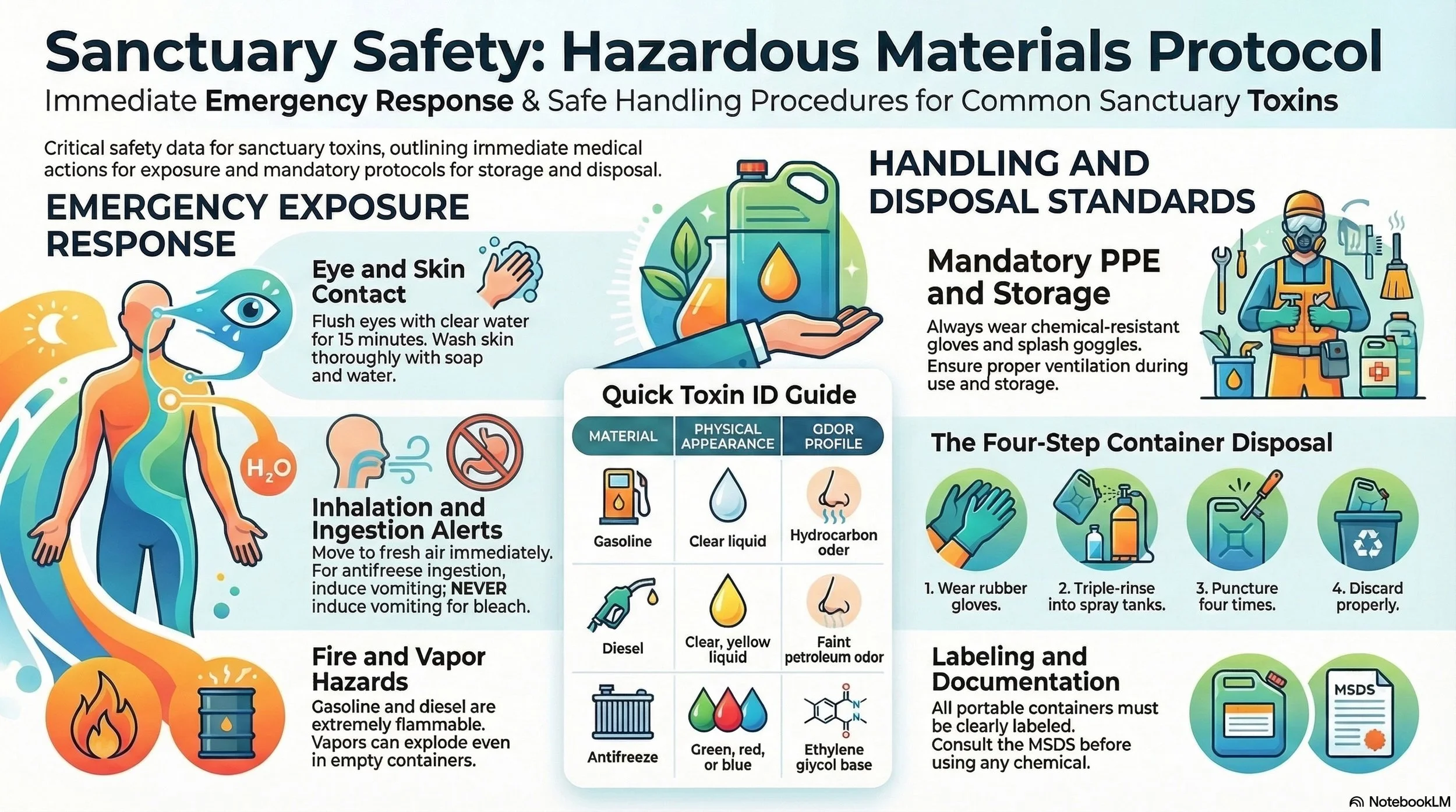


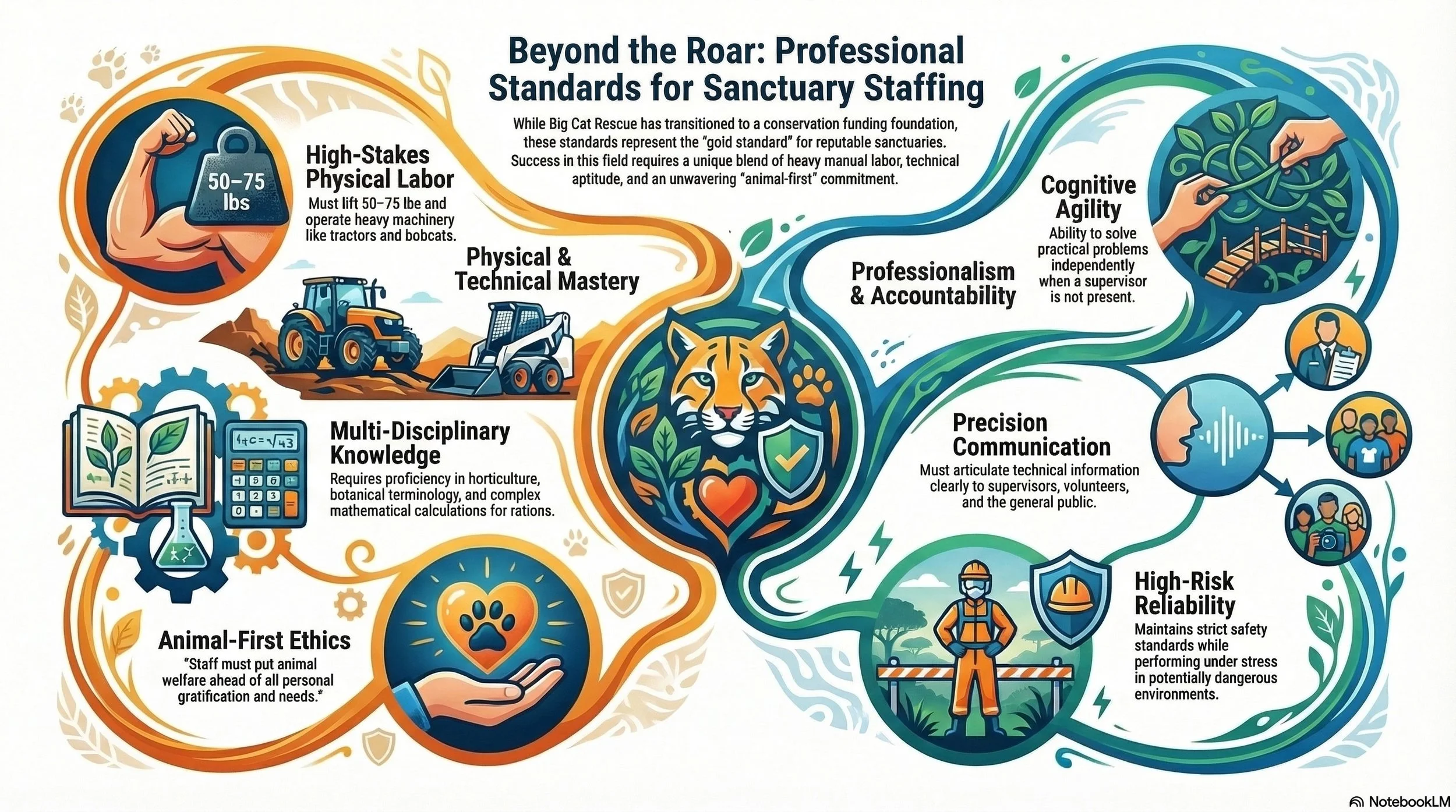
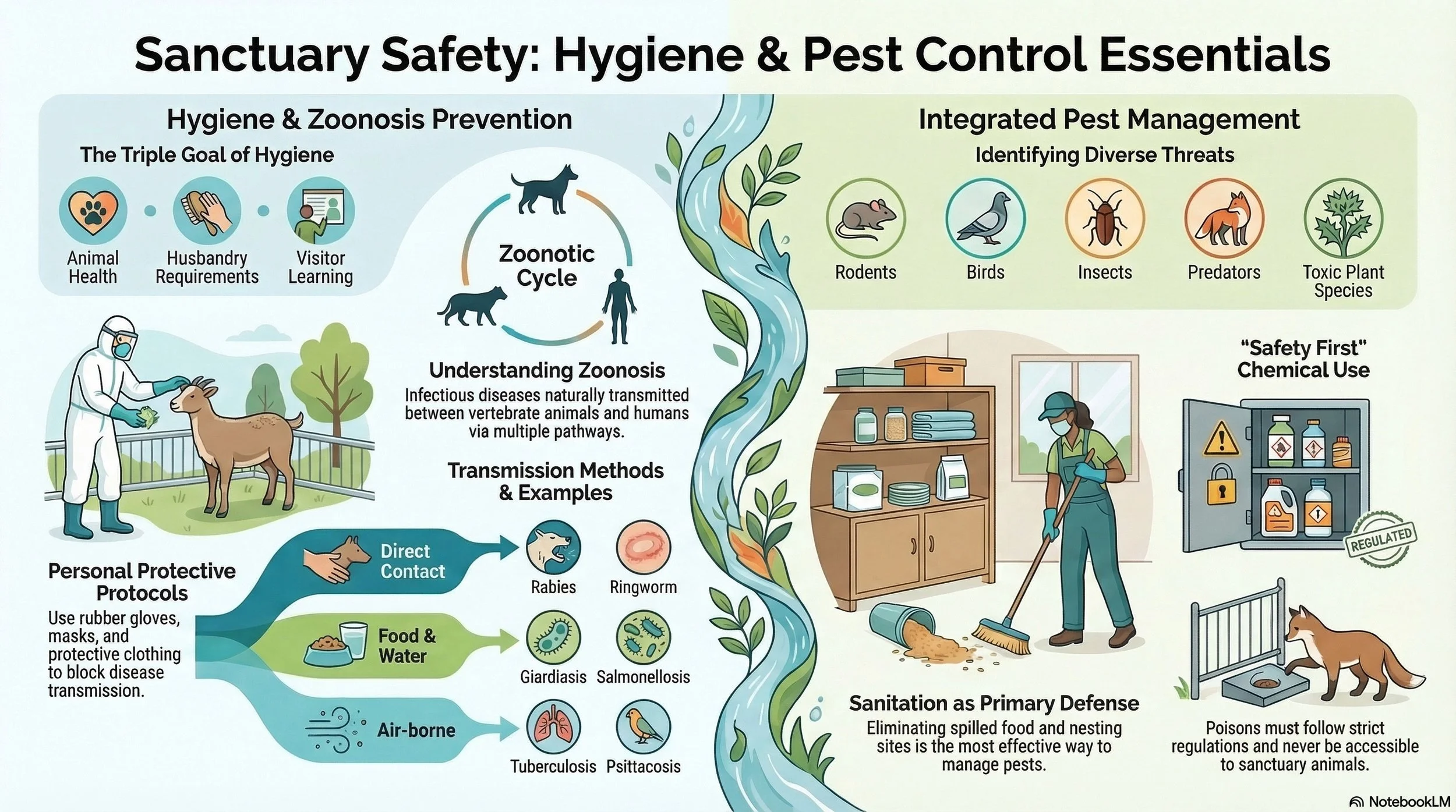
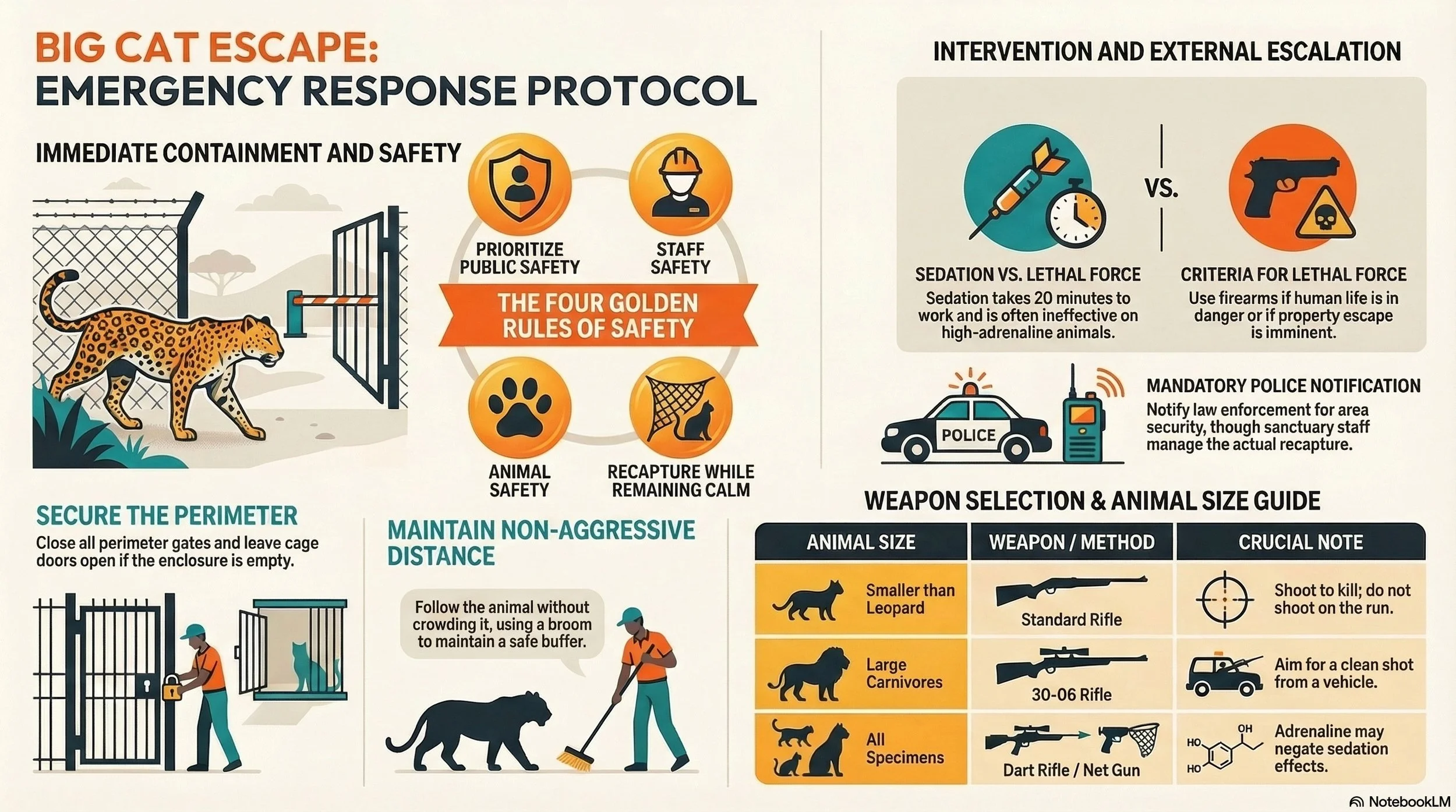
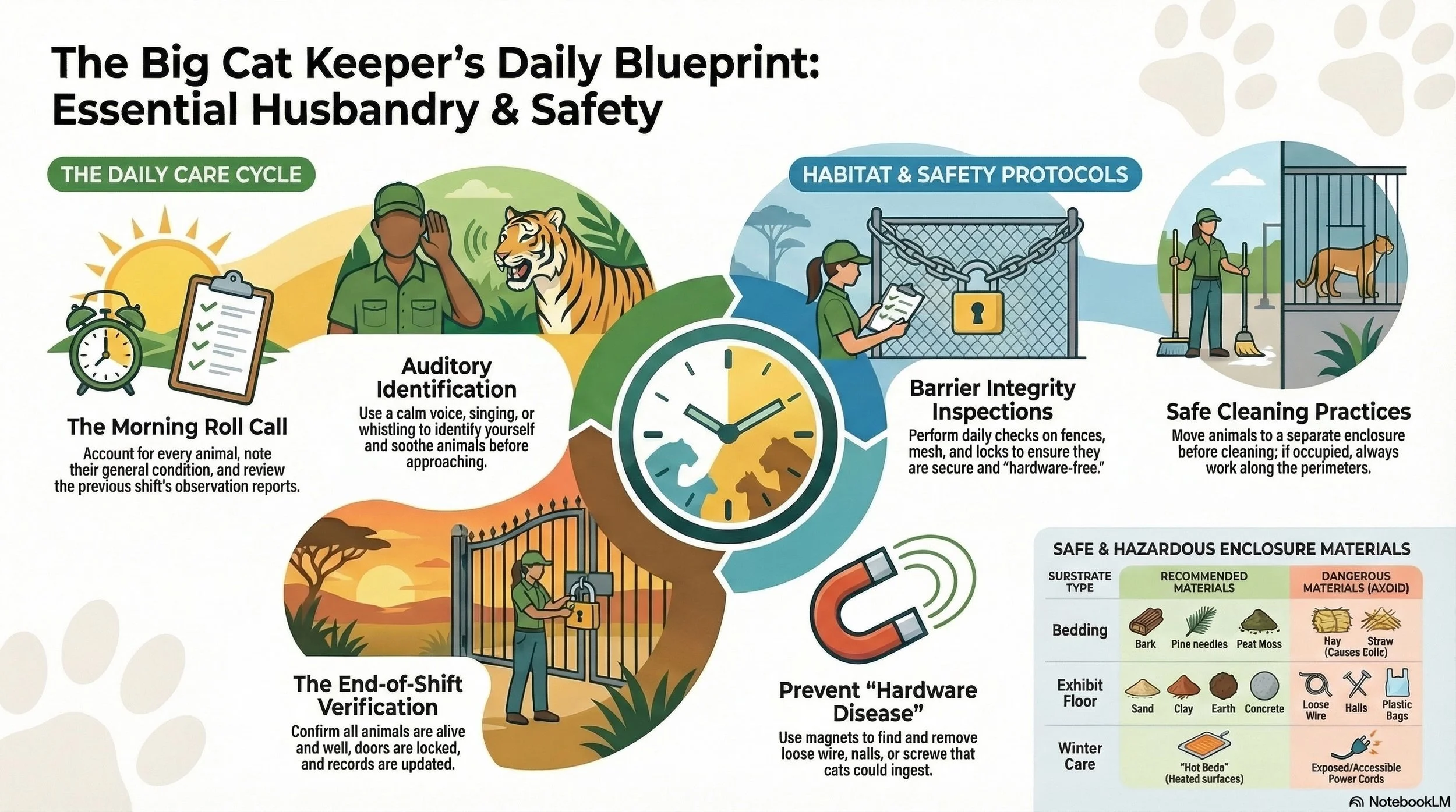
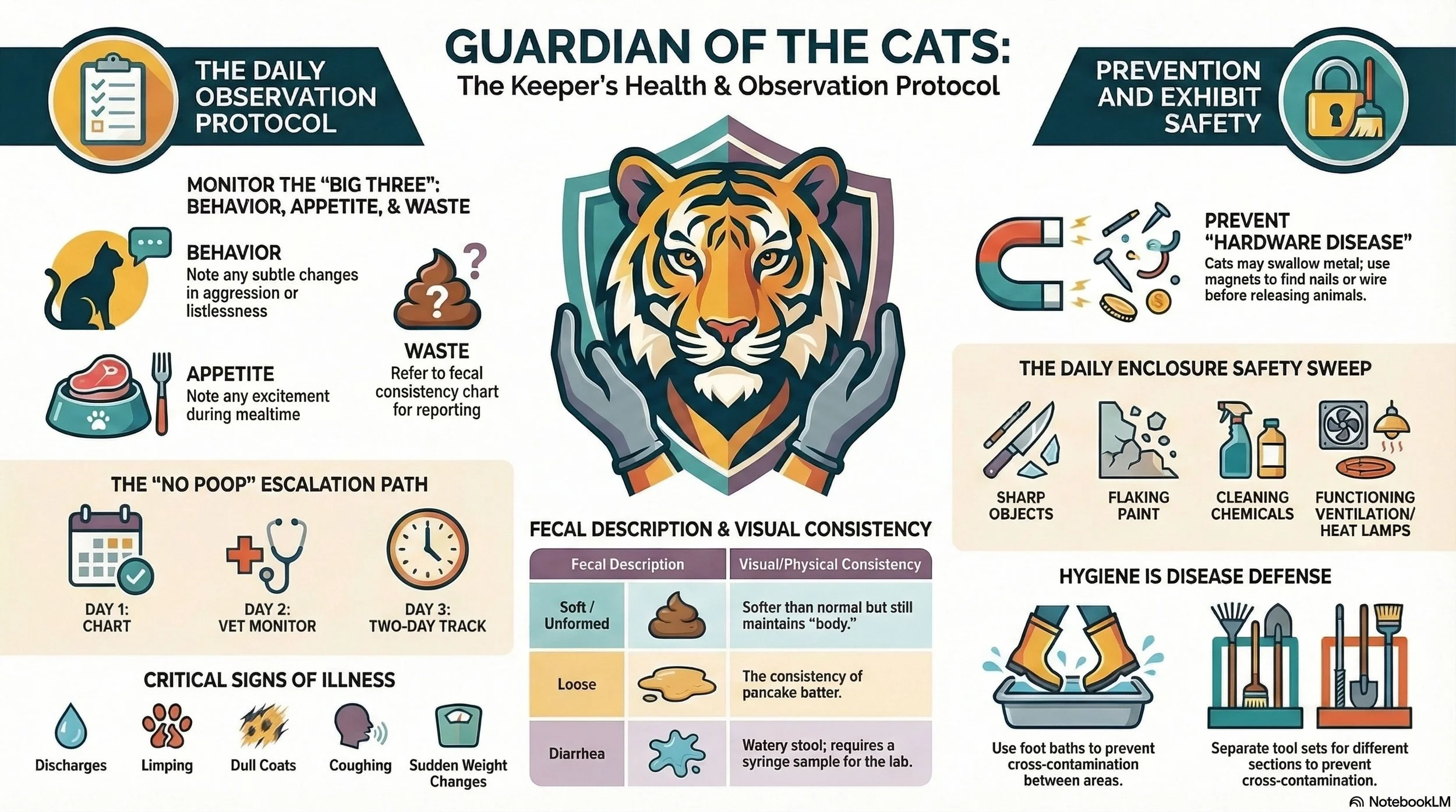

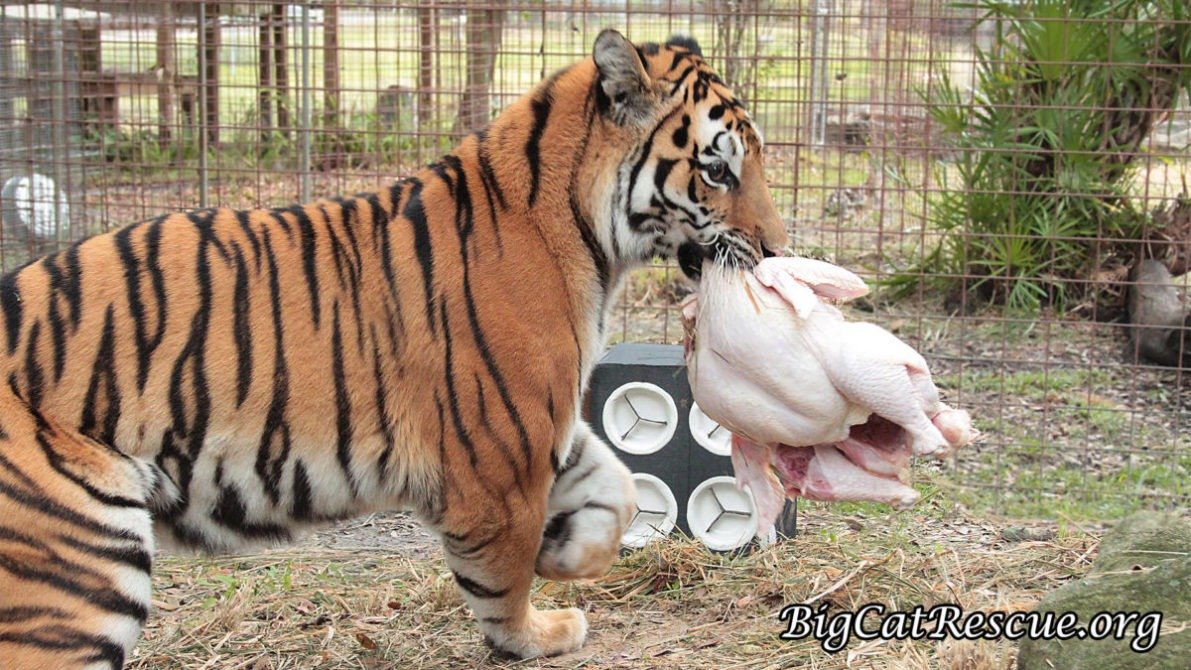
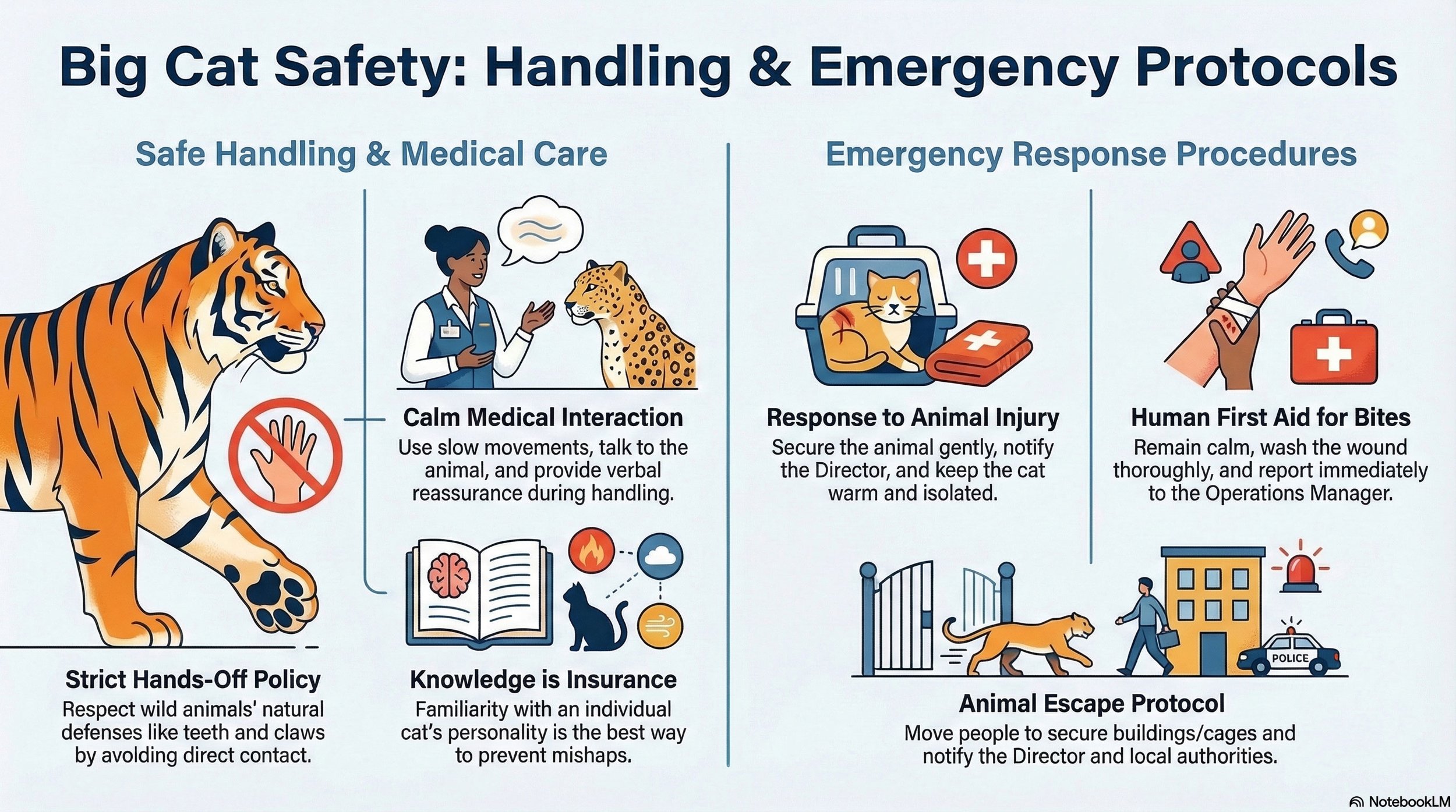
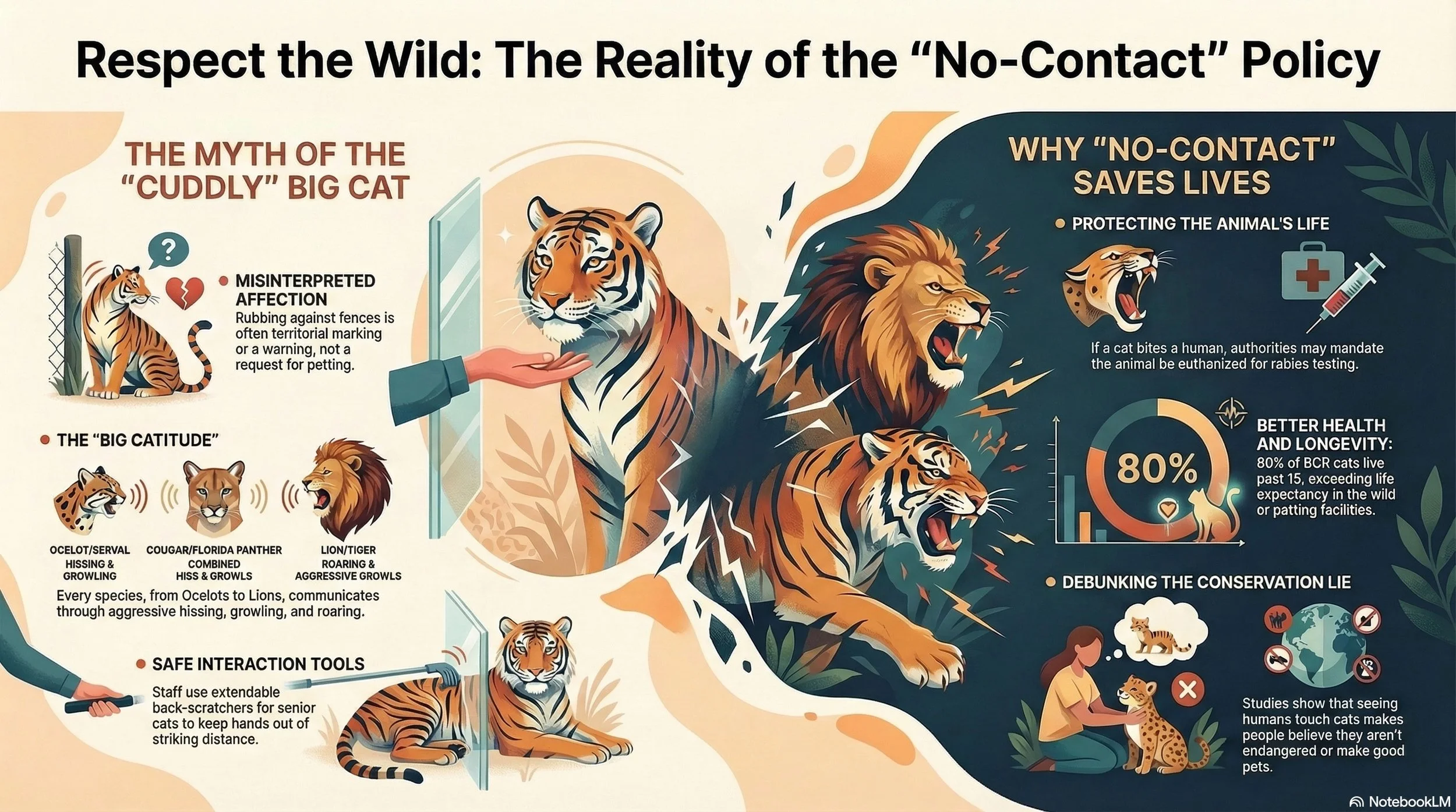
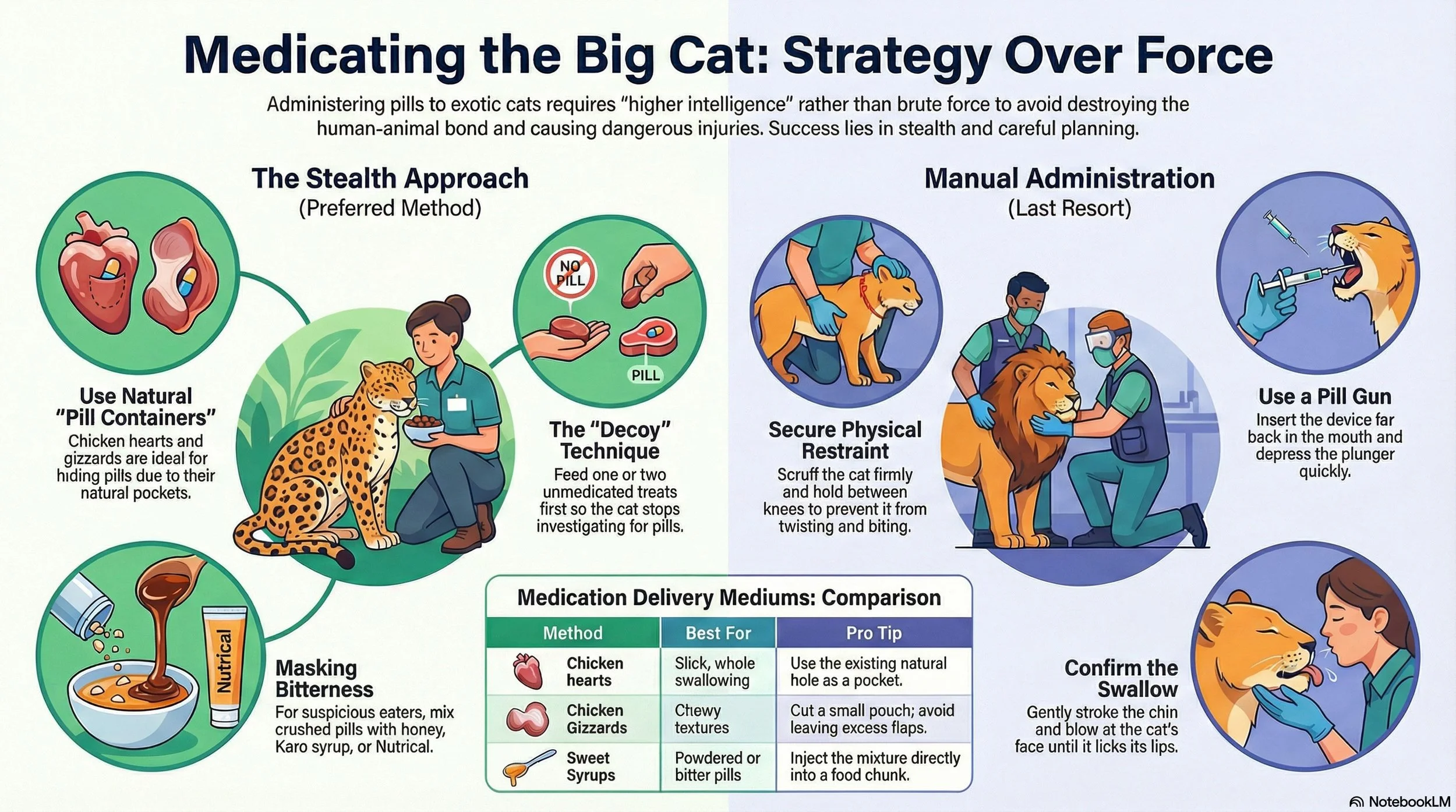
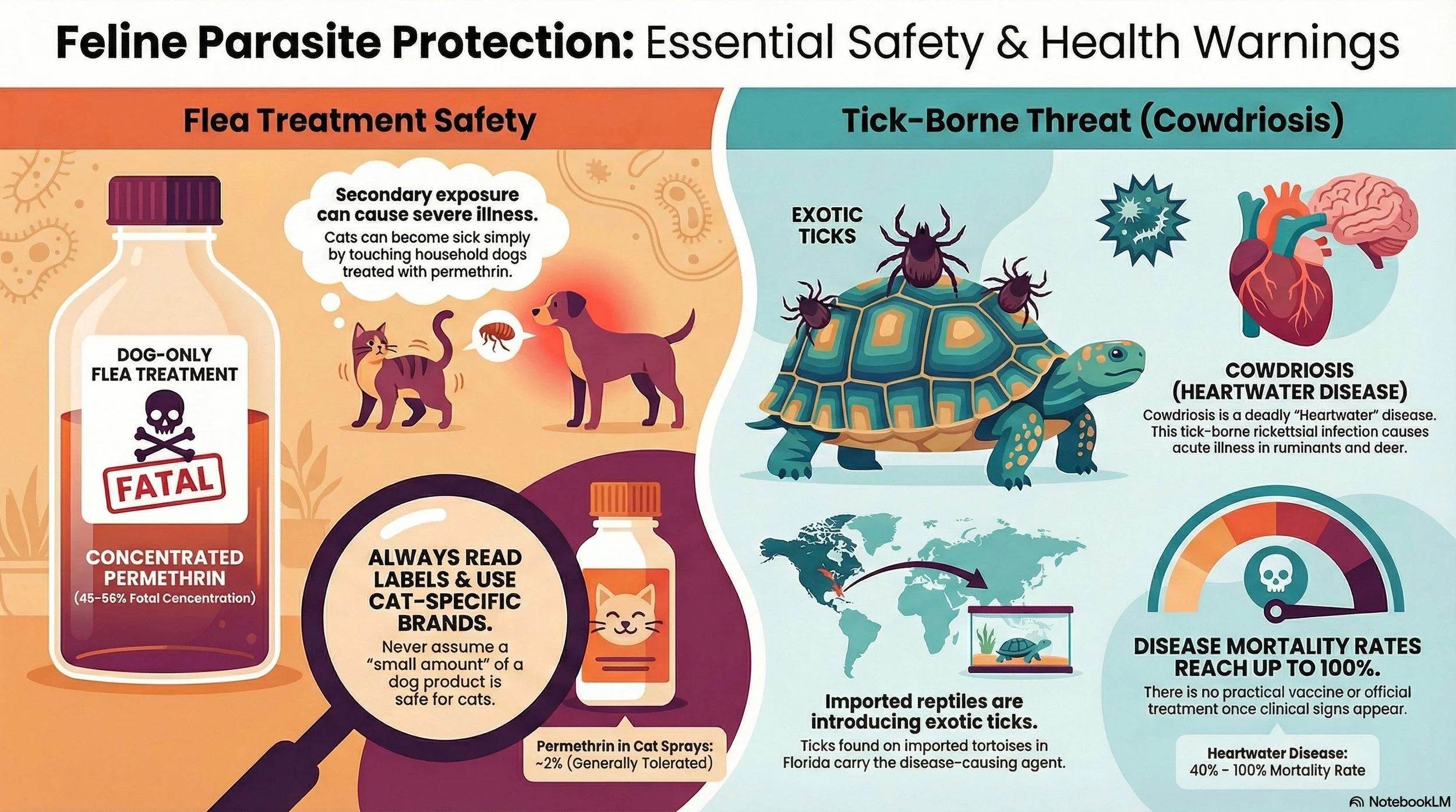
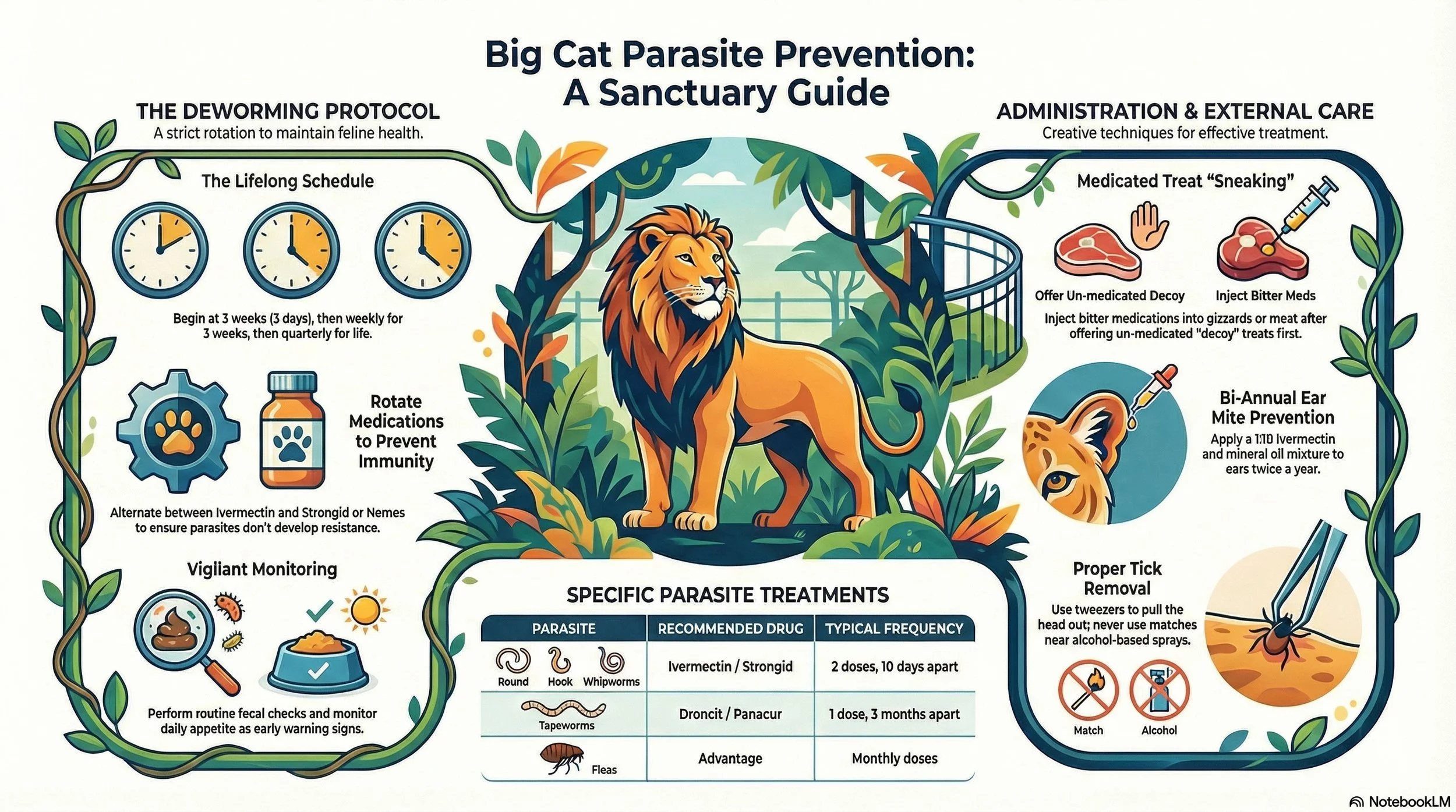

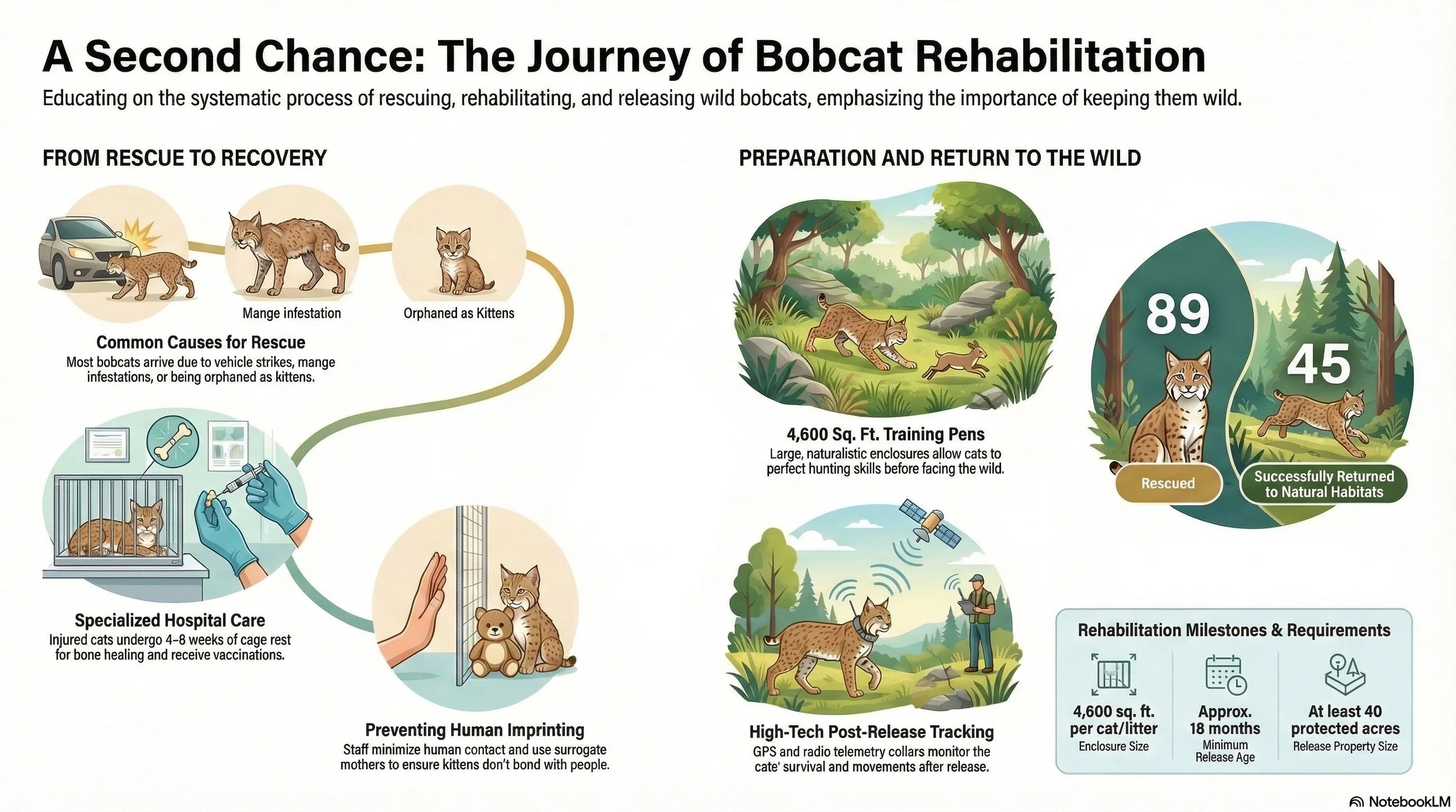

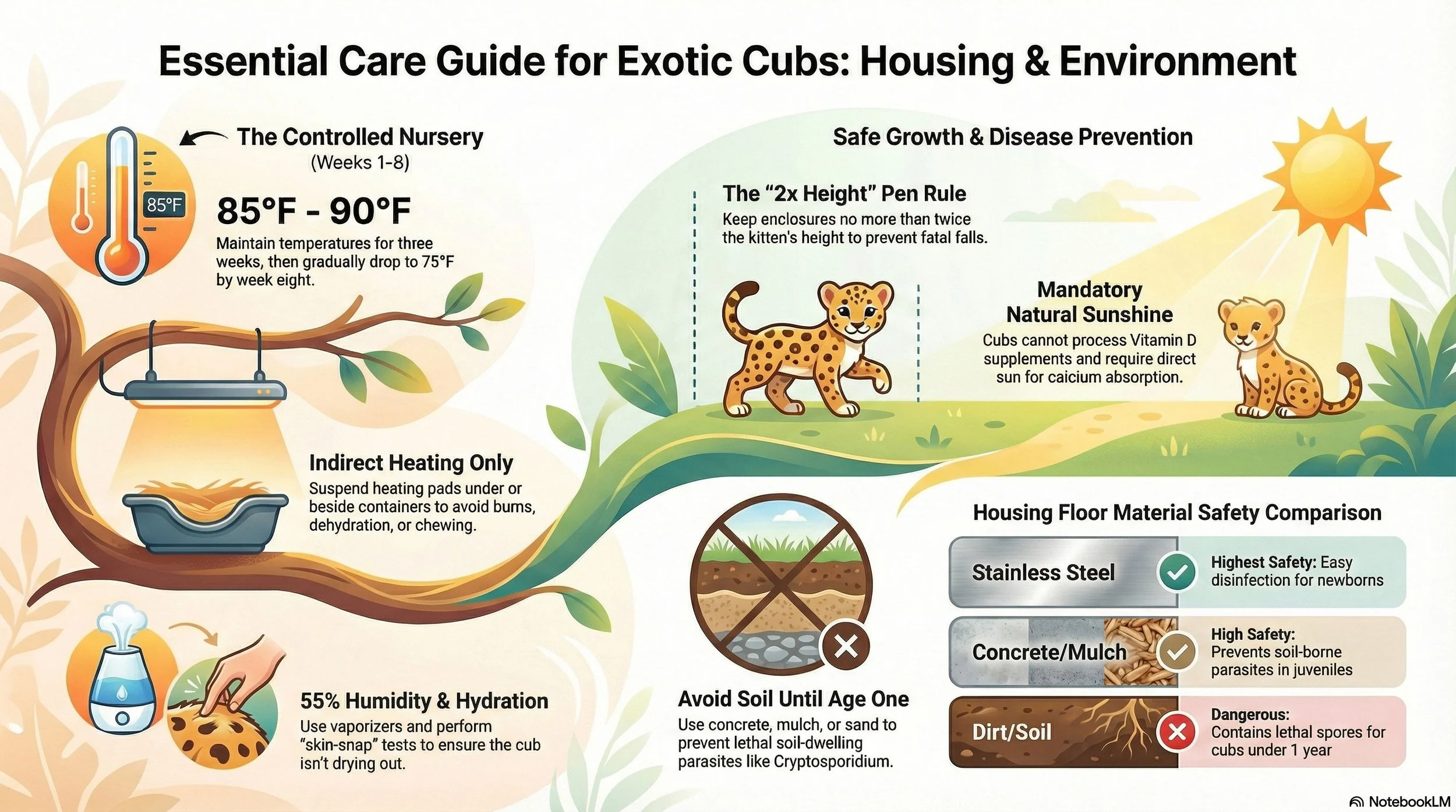
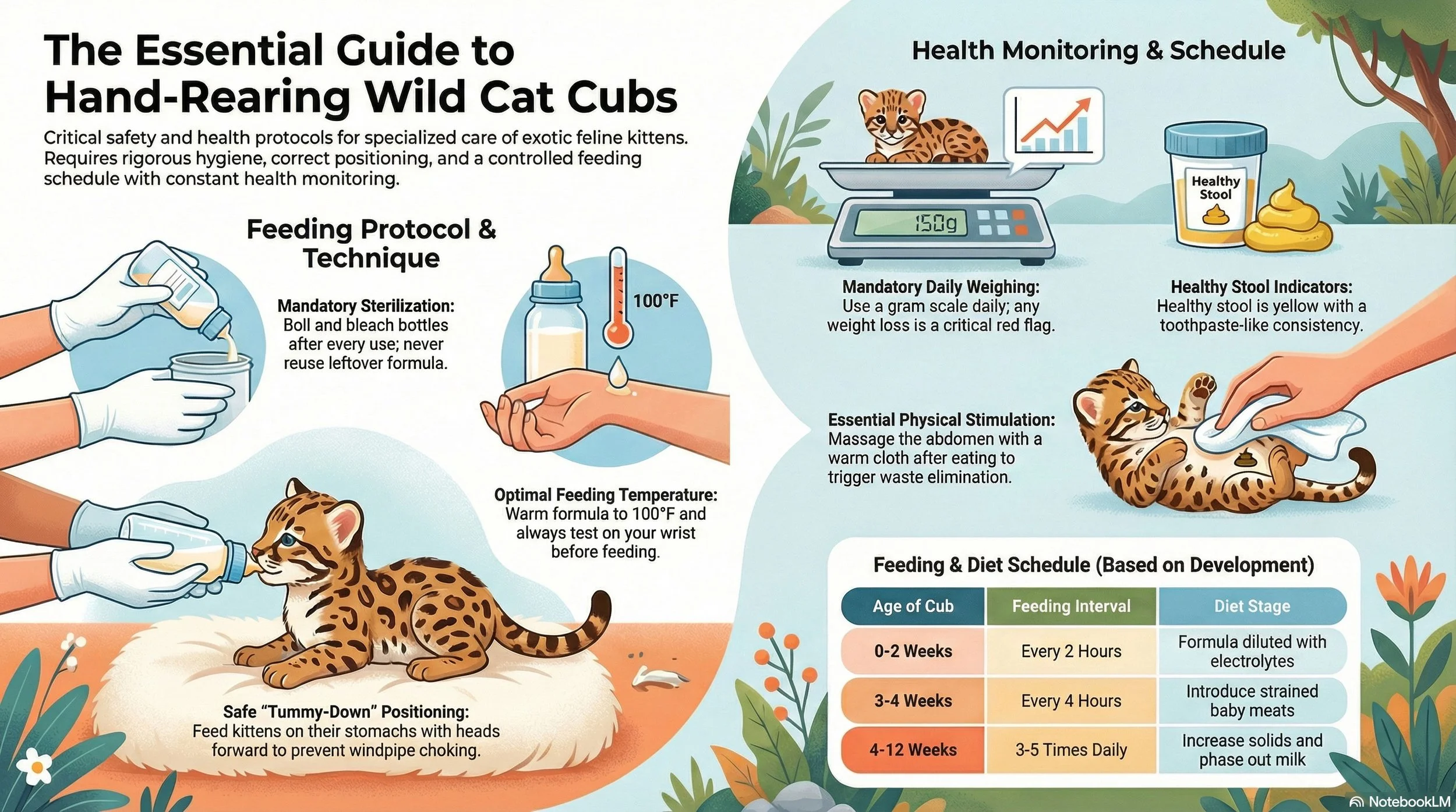
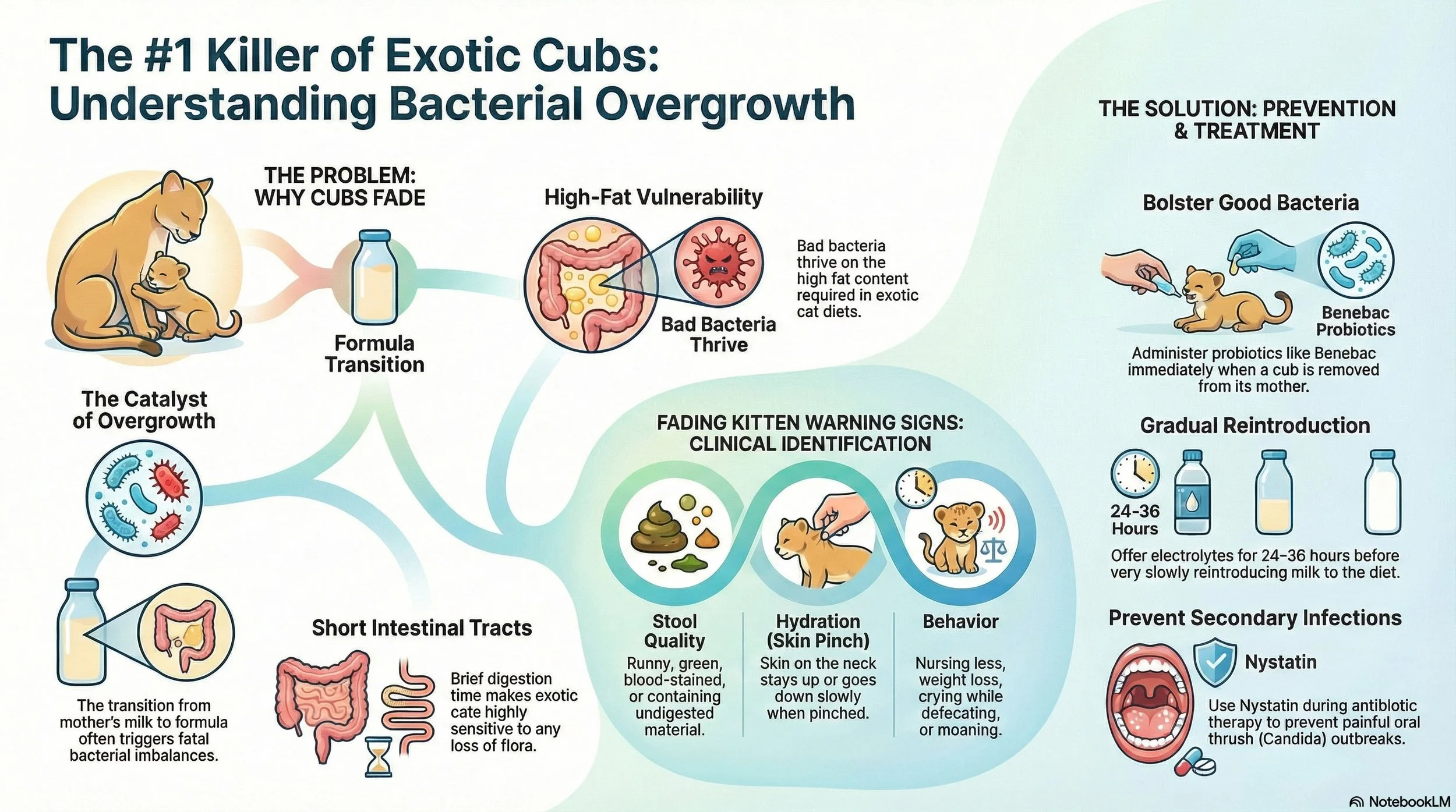

These materials provide a comprehensive framework for establishing and maintaining a successful animal sanctuary, drawing on the long-term experience of Big Cat Rescue. The sources highlight the importance of meticulous planning, suggesting that operators should draft multi-year goals and establish a disciplined organizational culture with strictly enforced rules. Financial sustainability is emphasized through the practice of setting aside monetary reserves and focusing on broad conservation impact rather than just immediate rescue needs. Additionally, the text underscores the vital role of volunteer management, noting that a large, dedicated workforce can provide labor equivalent to dozens of full-time employees. Finally, the guides advocate for a strong social media presence that utilizes storytelling and transparency to build donor trust and engage the public.