Kyrgyzstan Builds a Climate-Ready Highway for Snow Leopards
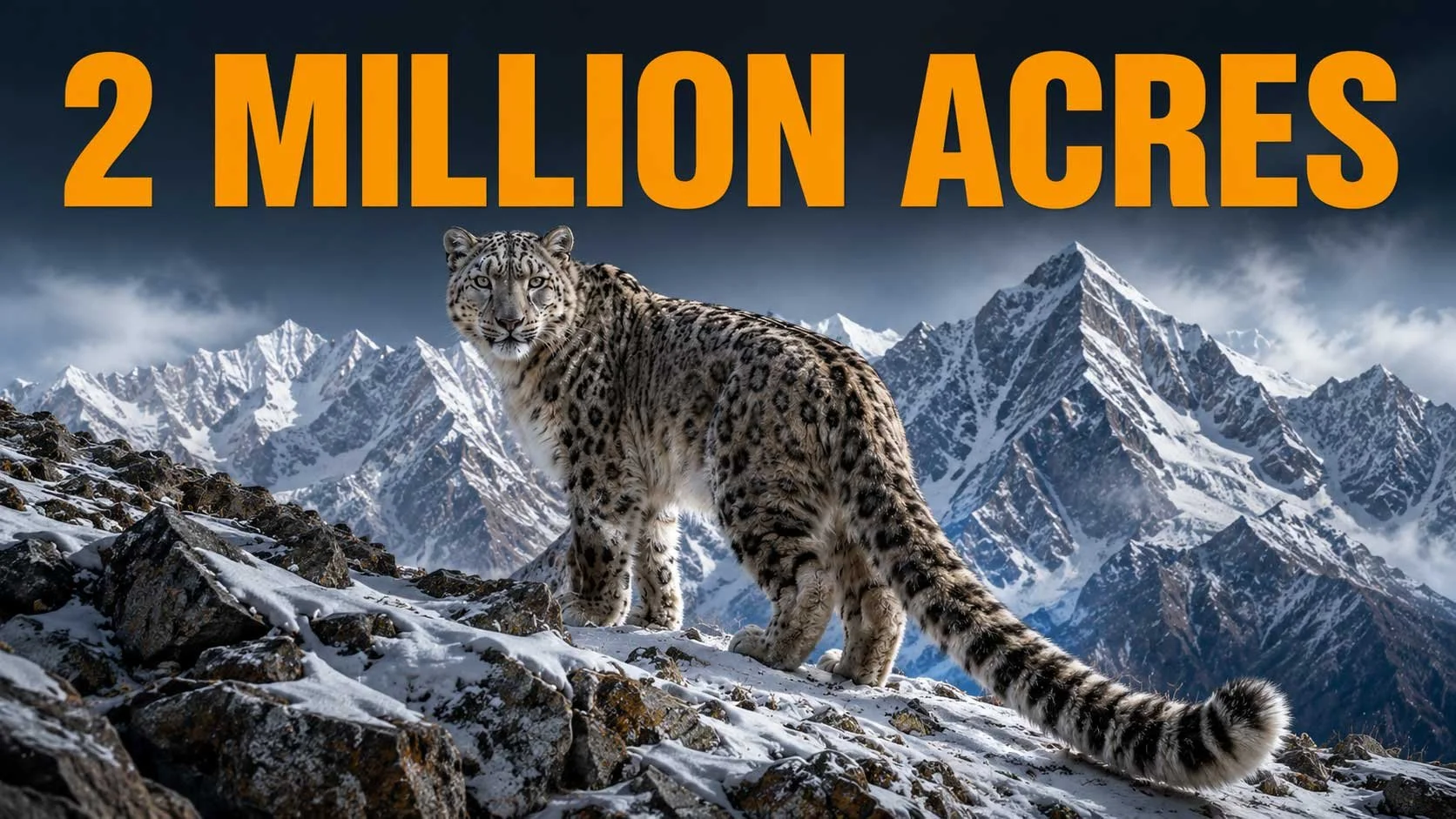
Kyrgyzstan Built a 2 Million Acre Highway for Snow Leopards - AI Generated
Snow leopards need room to roam. In the high mountains of Central Asia, that room is getting harder to find. Kyrgyzstan just took a big step to fix that.
The country has set aside a huge stretch of its mountain land as a protected corridor. It is called the Ak Ilbirs ecological corridor. It became official in 2025. It covers almost 800,000 hectares, which is about 2 million acres. That is a lot of space for wildlife to move through.
What makes this corridor special
Most protected areas lock land away and ban activity inside their borders. This one works in a different way. It connects several parks and wild areas that already exist. It also links pastureland and forest across 14 rural towns. The goal is to let animals travel freely between safe places.
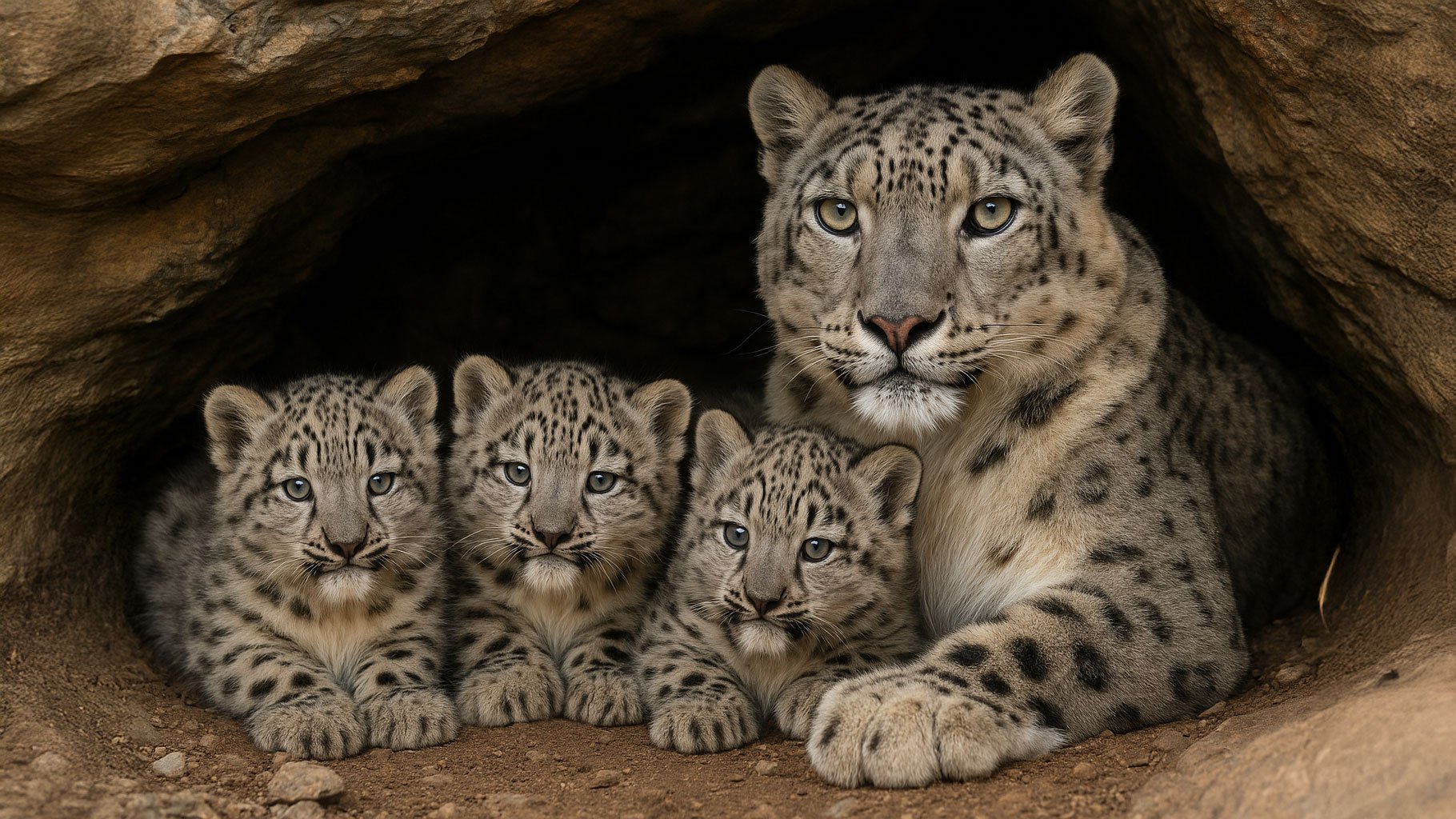
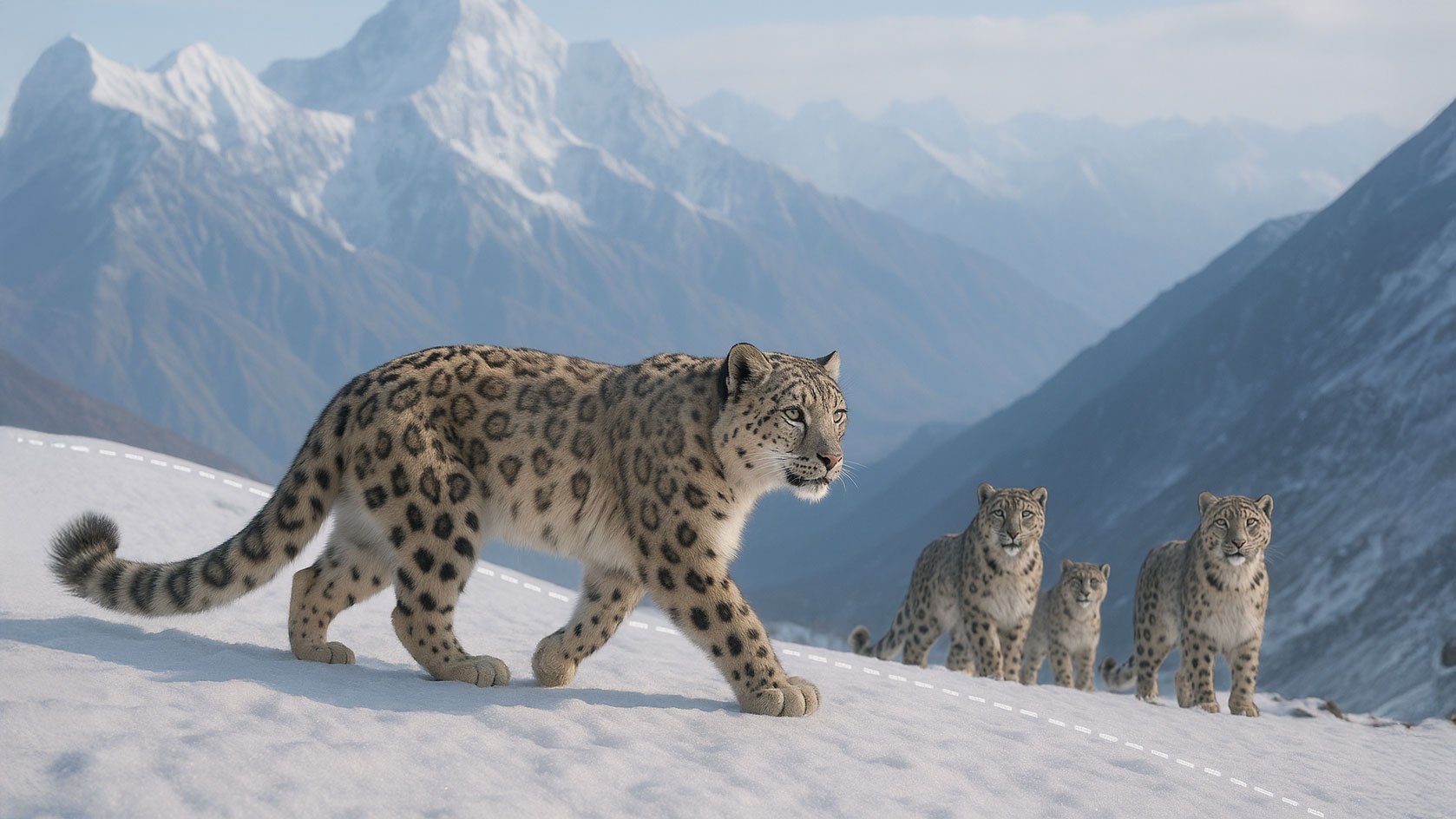
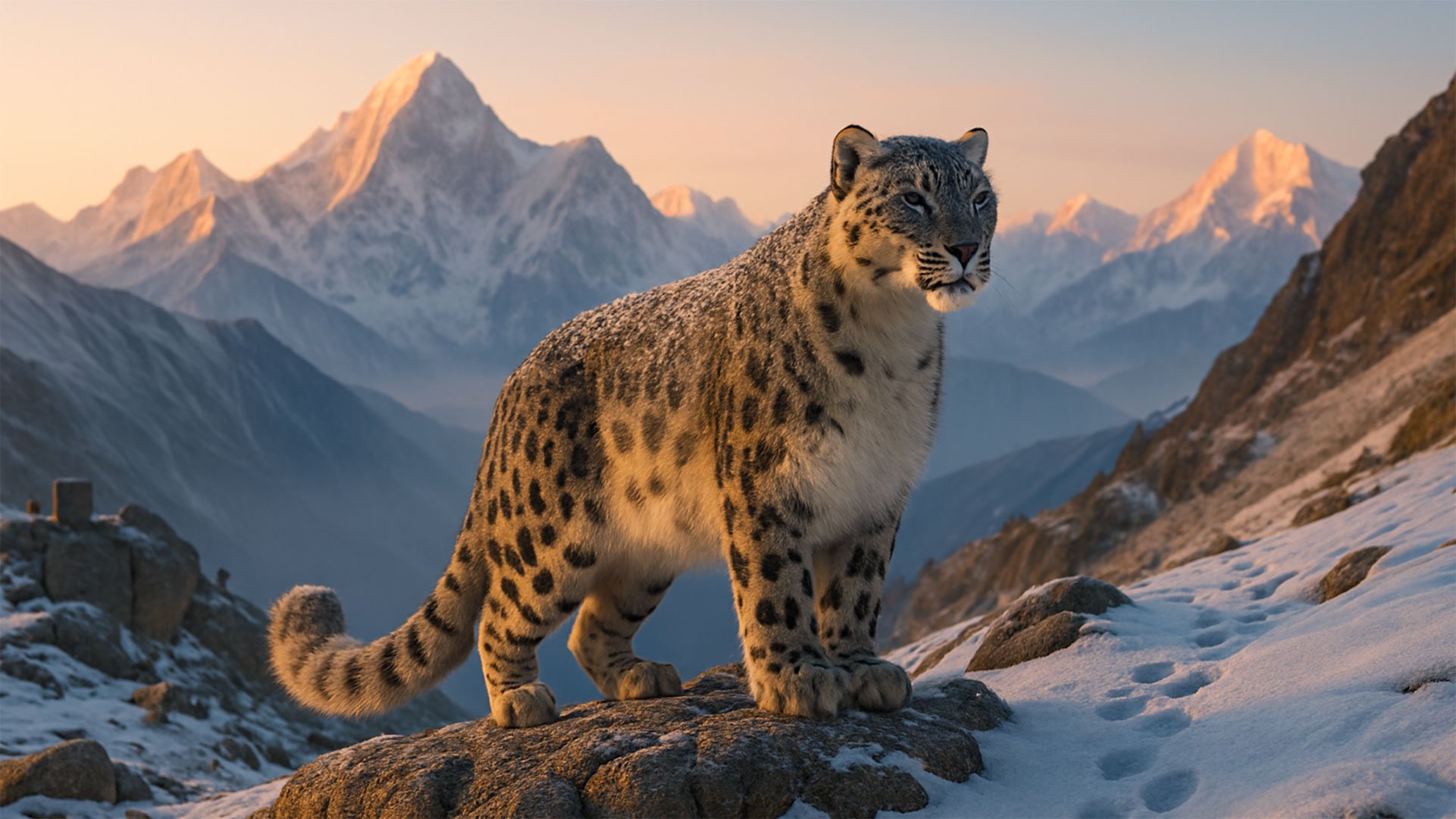
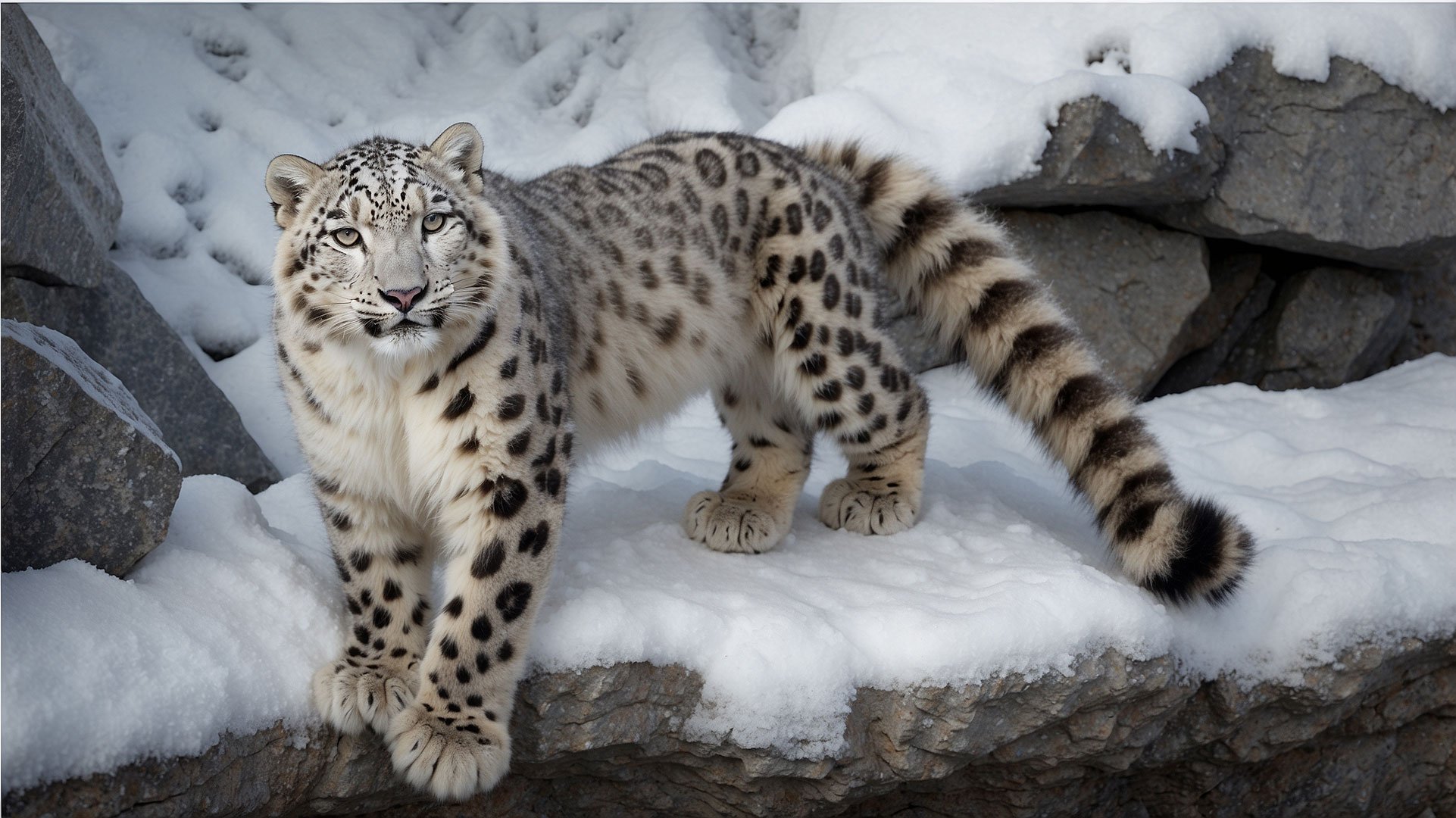
Snow leopards, known by their scientific name Panthera uncia, live across these mountains. As the climate warms, their habitat is shifting. Animals that cannot move with it get trapped in shrinking pockets of land. A connected corridor gives them a path to follow.
Built for the future, not just today
Scientists from Humboldt University of Berlin helped design the corridor. They mixed local knowledge with climate predictions. They mapped where snow leopards and their prey will likely need to live in the years ahead.
Their findings were striking. Under future climate scenarios, more than 60 percent of the good habitat for snow leopards and their main prey falls inside the new corridor. That prey includes argali sheep and Asiatic ibex. Protect the prey and the land, and you protect the cat at the top.
People and cats sharing the land
The corridor was led by an effort called the Central Asian Mammals and Climate Adaptation initiative, or CAMCA. The U.N. Environment Programme leads it, working with the Kyrgyz government, the university, and local groups like CAMP Alatoo and the Ilbirs Foundation.
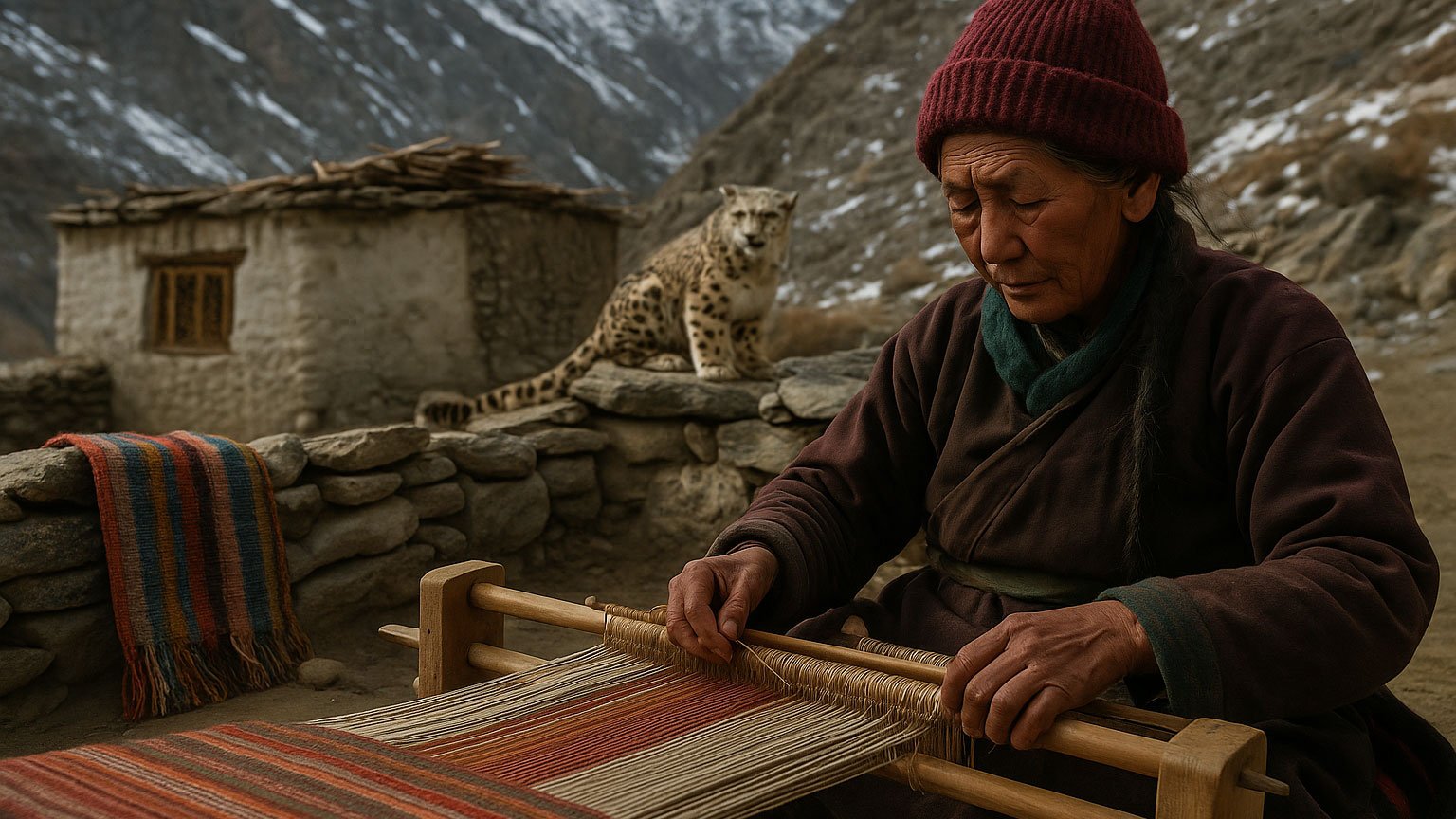
Climate change is squeezing herders too. Glaciers are shrinking. Rain is less predictable. Pastures are wearing down. So herders are moving higher into the mountains. That brings their livestock into the same ground that wild sheep and ibex need.
To ease that pressure, the corridor sets simple rules. Some zones allow no grazing. Some seasons, like early spring, have grazing bans. Herders must also leave at least 40 percent of the plant cover for wild animals to eat.
There is help for people, not just limits. The project trains local families in new ways to earn a living. Beekeeping, growing orchards, and ecotourism all reduce the need for large herds.
Why it matters
Snow leopards are a sign of a healthy mountain. They sit at the top of the food chain. They depend on strong prey numbers, and prey depend on healthy land. When the cat is doing well, the whole mountain usually is too.
This corridor shows what hope looks like in action. It changes policy on paper, and it changes how people think on the ground. Both have to move together for wild cats to have a future.