The 120-Foot Cat in the Desert
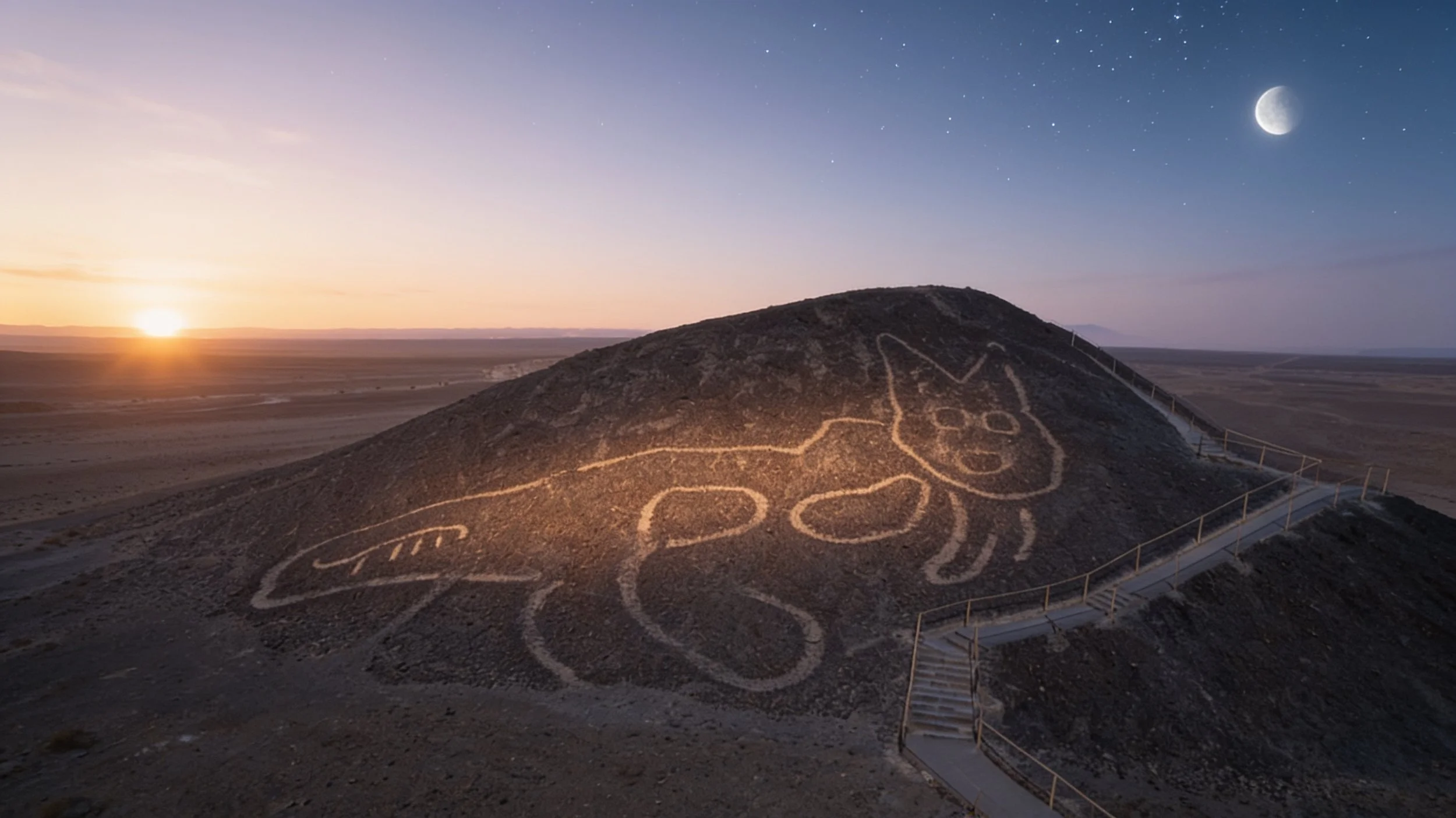
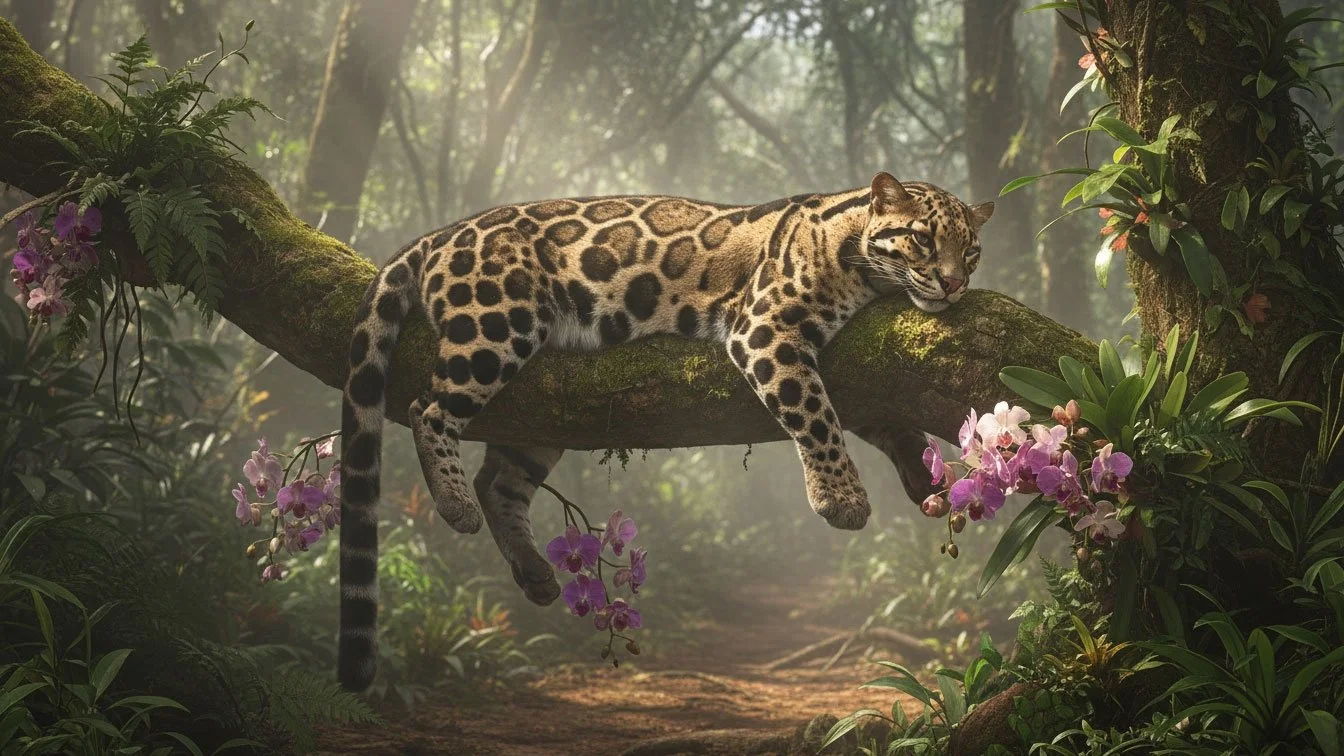
Feline Geoglyph AI Generated
Ancient Peru’s Newly Uncovered Wild Feline Geoglyph
At Big Cat Rescue, we know that the bond between humans and felines is as old as civilization itself. But every now and then, history unearths a reminder that leaves even us completely awestruck.
In late 2020, while workers were remodeling a popular tourist lookout point at the famous Nazca Lines in southern Peru, they noticed something intriguing on a steep, erosion-prone hillside. After careful cleaning and conservation by archaeologists, a massive, hidden masterpiece emerged: a giant, lounging wildcat measuring 36.5 meters (121 feet) long.
Dating back to between 200 BCE and 100 BCE, this ancient feline had been quietly sunning itself on the hillside, undetected by the modern world, for over 2,200 years.
An Older Breed of Desert Art
While the site is a protected UNESCO World Heritage Site famous for the "Nazca Lines," archaeologists quickly realized this cat wasn't actually made by the Nazca culture. Instead, it belongs to the late Paracas period.
This makes the giant cat older than most of the famous monkey, spider, and hummingbird geoglyphs in the area by a few hundred years!
Unlike the later Nazca drawings, which are perfectly geometric and best viewed from an airplane, Paracas geoglyphs were carved directly onto hillsides. They were meant to be looked up at by everyday people walking through the valley. The ancient artists created it by scraping away the dark, sun-baked desert pebbles to reveal the lighter-colored, sand-and-limestone subsoil beneath.
The Divine Status of Ancient Wildcats
Why go through the monumental effort of etching a football-field-sized cat into a mountain? To ancient Andean cultures, wild felines weren't just animals—they were deities.
According to Johny Isla, Peru's chief archaeologist for the lines, felines held a primary spot in Paracas religious cosmology. While the condor ruled the skies and the killer whale ruled the oceans, the wildcat represented absolute dominion over the earth and fertility. Feline iconography is everywhere in Peruvian history. The round, alert eyes and pointed ears seen on the hillside geoglyph perfectly match ancient, intricately woven Paracas textiles and painted Nazca ceramic vessels. These people lived alongside wild cats, revered their unmatched hunting prowess, and integrated them into the very fabric of their spiritual world.
Meet the Real "Nazca Cats": The Wild Felines of the Peruvian Hills
While the geoglyph looks a bit like a stylized doodle, it was directly inspired by the real, resilient wildcats that have called this arid Peruvian landscape home for millennia. If you were to visit the coastal deserts and nearby Andean foothills of Peru, you might cross paths with these incredible species:
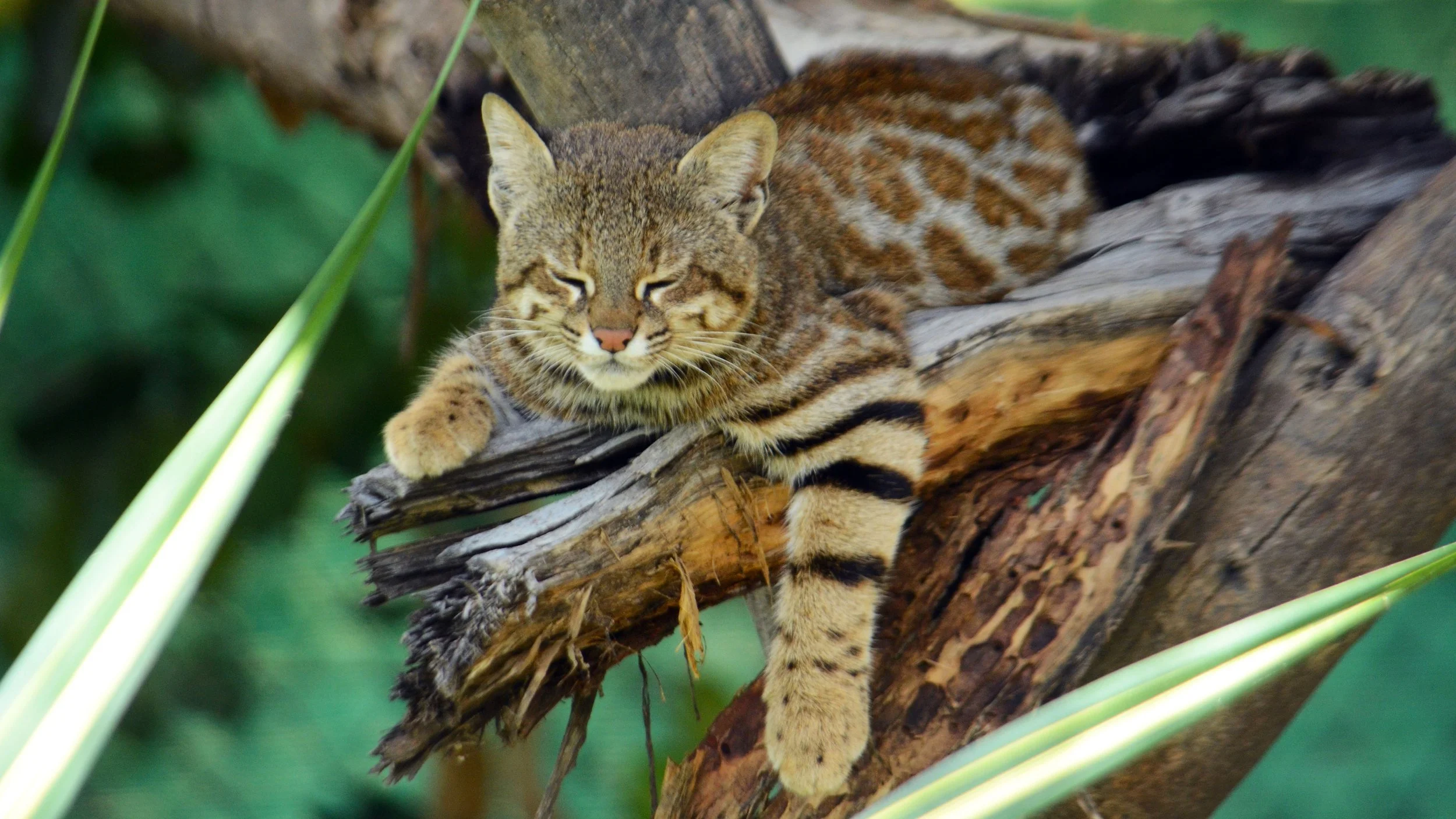
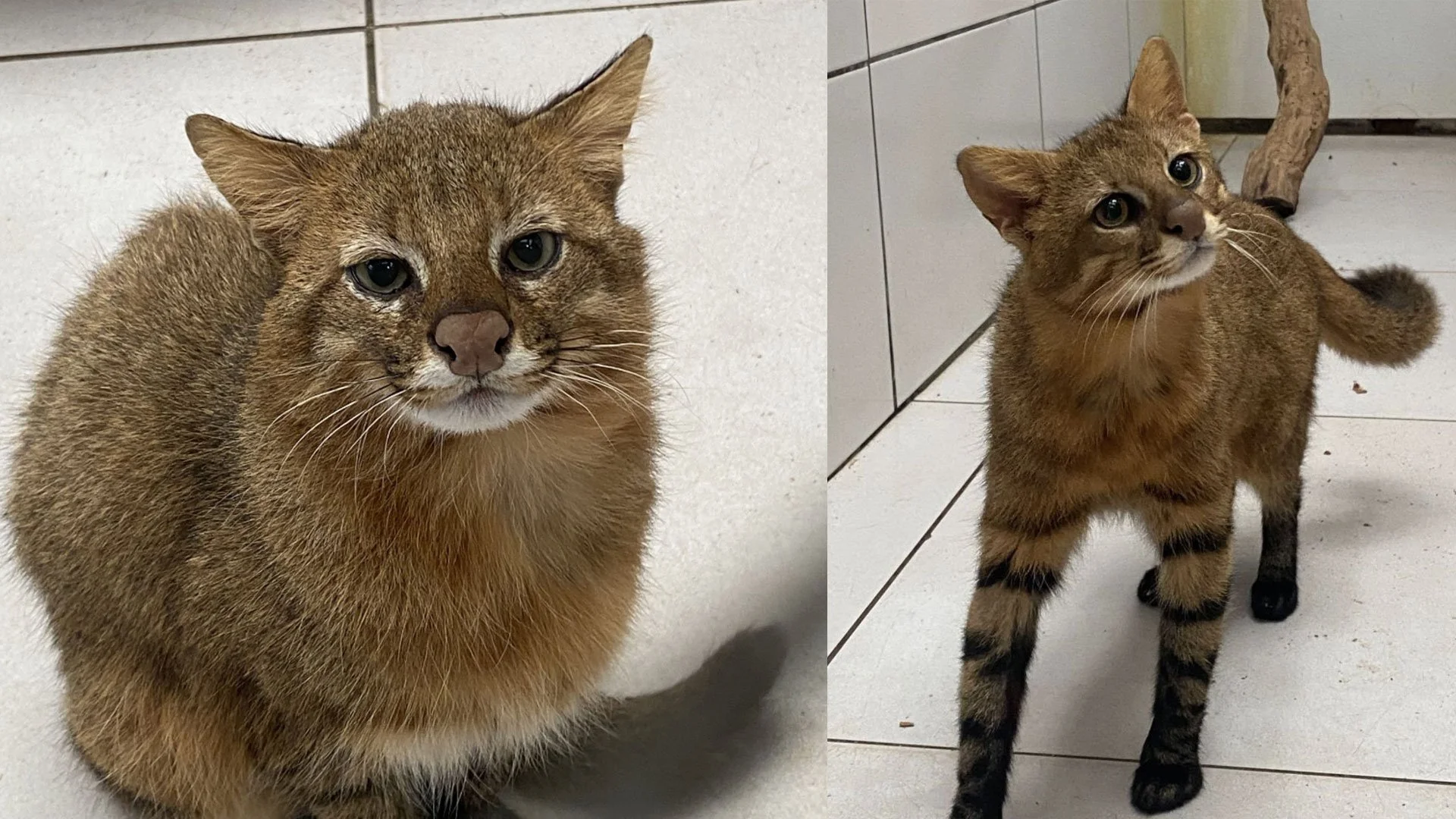
The Pampas Cat (Leopardus garleppi): Often cited by historians as the direct inspiration for coastal Peruvian cat art, the Pampas cat is a master of adaptation. Found from the high Andes all the way down to sea-level deserts, this small wildcat looks like a rugged, heavy-furred domestic cat. They have strikingly expressive faces, rings on their tails, and a fierce, solitary nature.
The Andean Cat (Leopardus jacobita): One of the most endangered and elusive felines in the world. Living in the rugged, rocky terrains of the high Andes, this small cat sports a beautiful, thick, ash-grey coat with dark rosettes and a long, bushy tail used for balance. To this day, local indigenous traditions consider the Andean cat a sacred symbol of mountain spirits and good fortune.
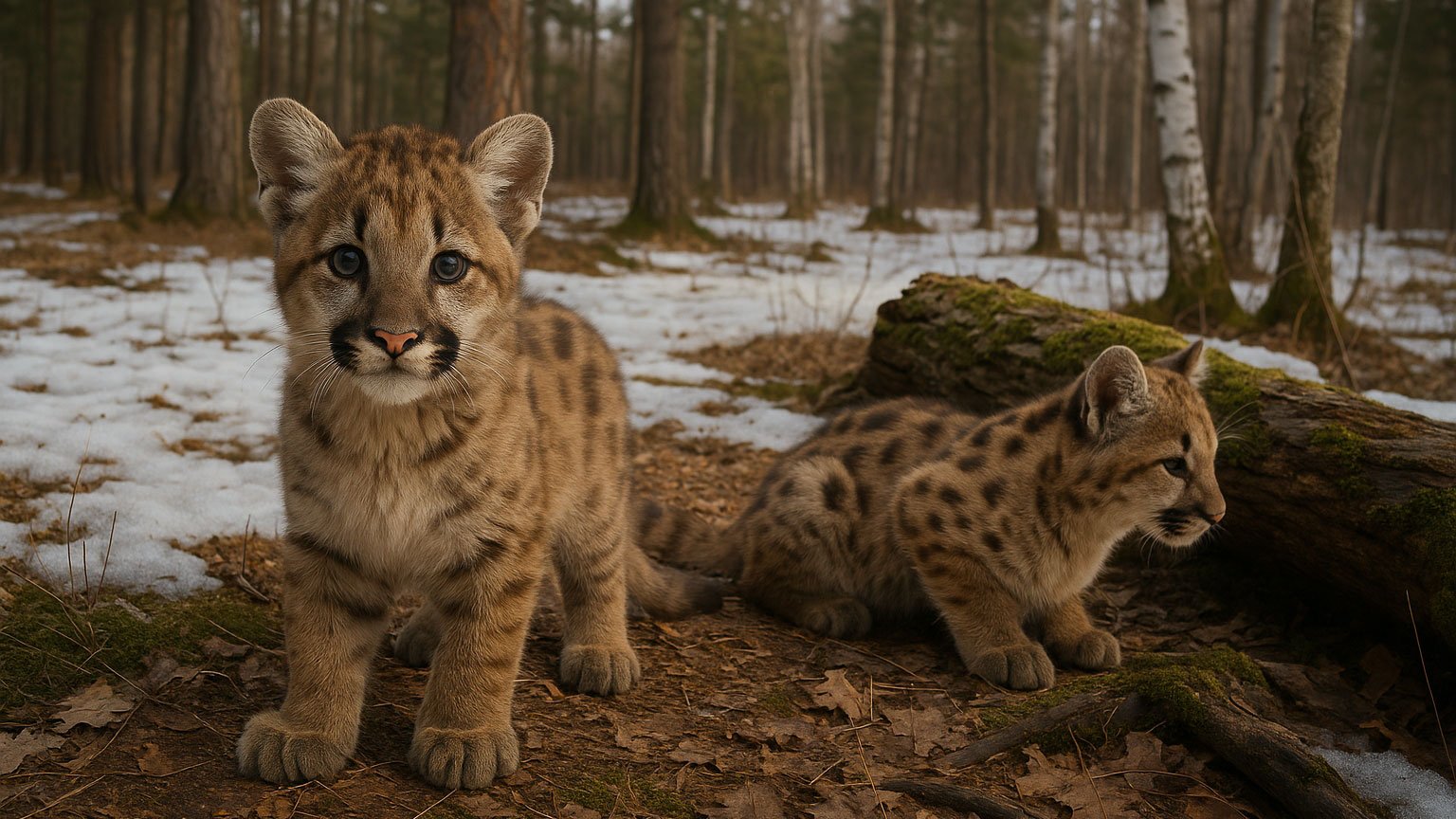
The Puma (Puma concolor): The undisputed heavyweight of the region. Pumas are incredibly adaptable and can survive in almost any ecosystem, including the hyper-arid foothills flanking the Nazca desert. To ancient civilizations, the puma symbolized power, strength, and the physical world.
Protecting the Cats of the Past and Present
The discovery of this 2,200-year-old geoglyph is a powerful reminder of our enduring fascination with felines. For thousands of years, humans have looked at the grace, power, and mystery of wildcats and chosen to honor them—whether by weaving them into sacred blankets, carving them into mountainsides, or, in our case, fighting to protect them from extinction.
The hillside cat was almost lost forever to natural wind and rain erosion before archaeologists stepped in to save it. Today, Peru’s living, breathing wildcats face an even tougher threat: habitat loss and human encroachment.
By looking back at how ancient cultures revered these beautiful predators, we can find inspiration to keep fighting for the protection of their modern descendants.
Source: https://www.smithsonianmag.com/smart-news/2000-year-old-cat-etching-found-peru-180976085/
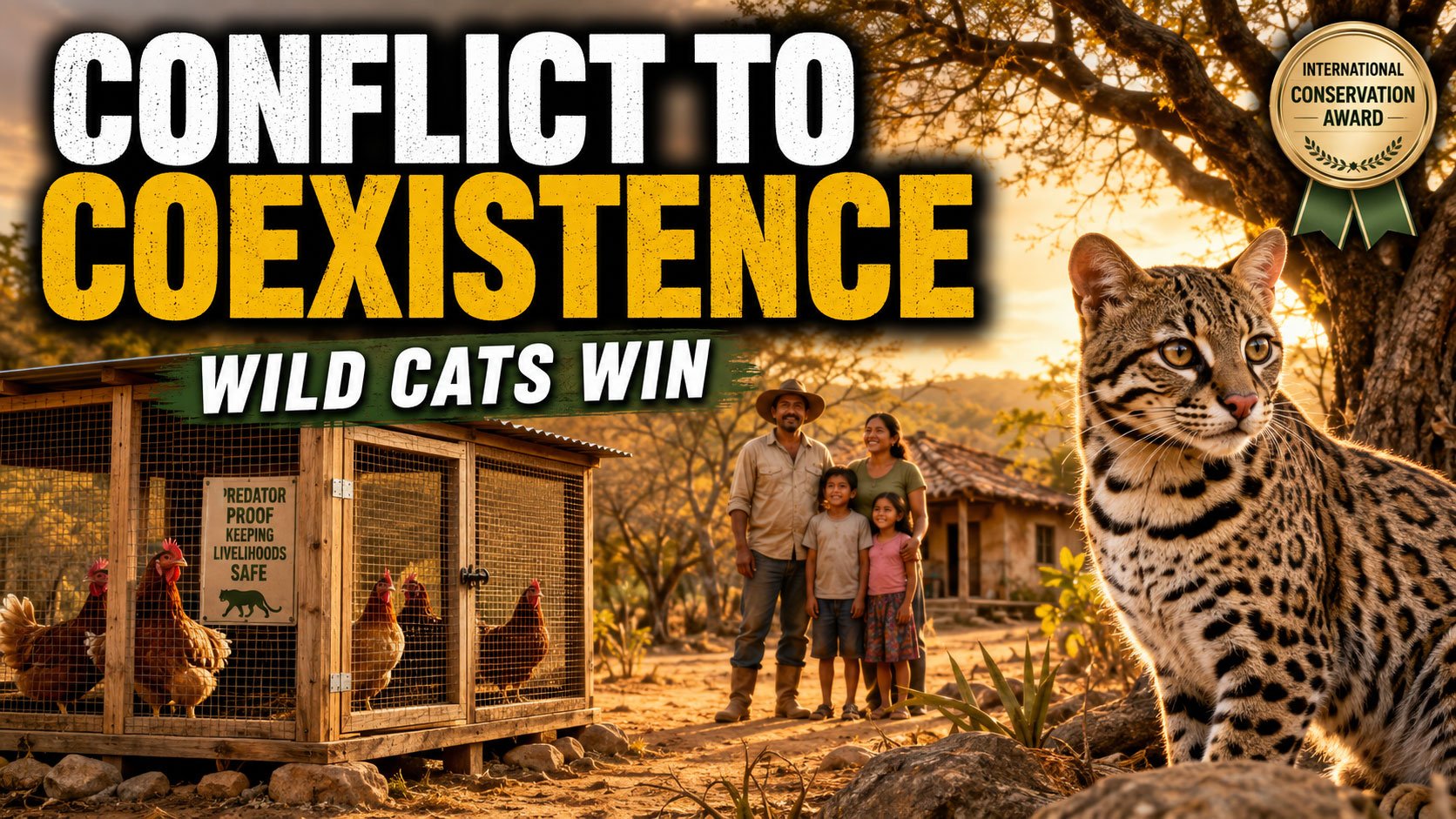
In Ecuador’s dry forest, a small community is proving that coexistence with wild cats is possible. Through predator-proof poultry coops, education, and local conservation leadership, El Mamey is turning conflict into hope for families, chickens, and native wild cats.
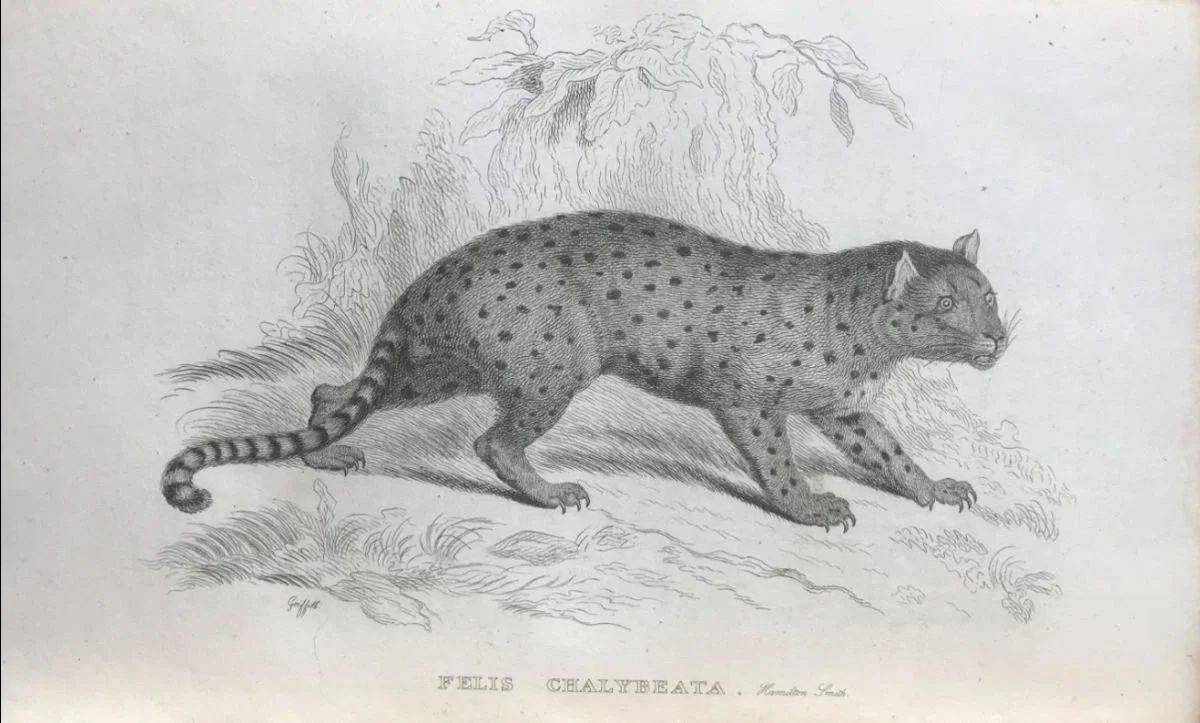

The June 2026 AdvoCat Newsletter from Big Cat Rescue covers the latest in wild cat conservation: Stanford research on mountain lions reshaping suburban ecosystems, Kyrgyzstan's new 2-million-acre snow leopard corridor, the first documented sand cats in Libya, Bengal tiger reintroduction plans for Cambodia, and the alarming pace of tiger poaching across Asia. Stay informed and take action for wild cats worldwide.
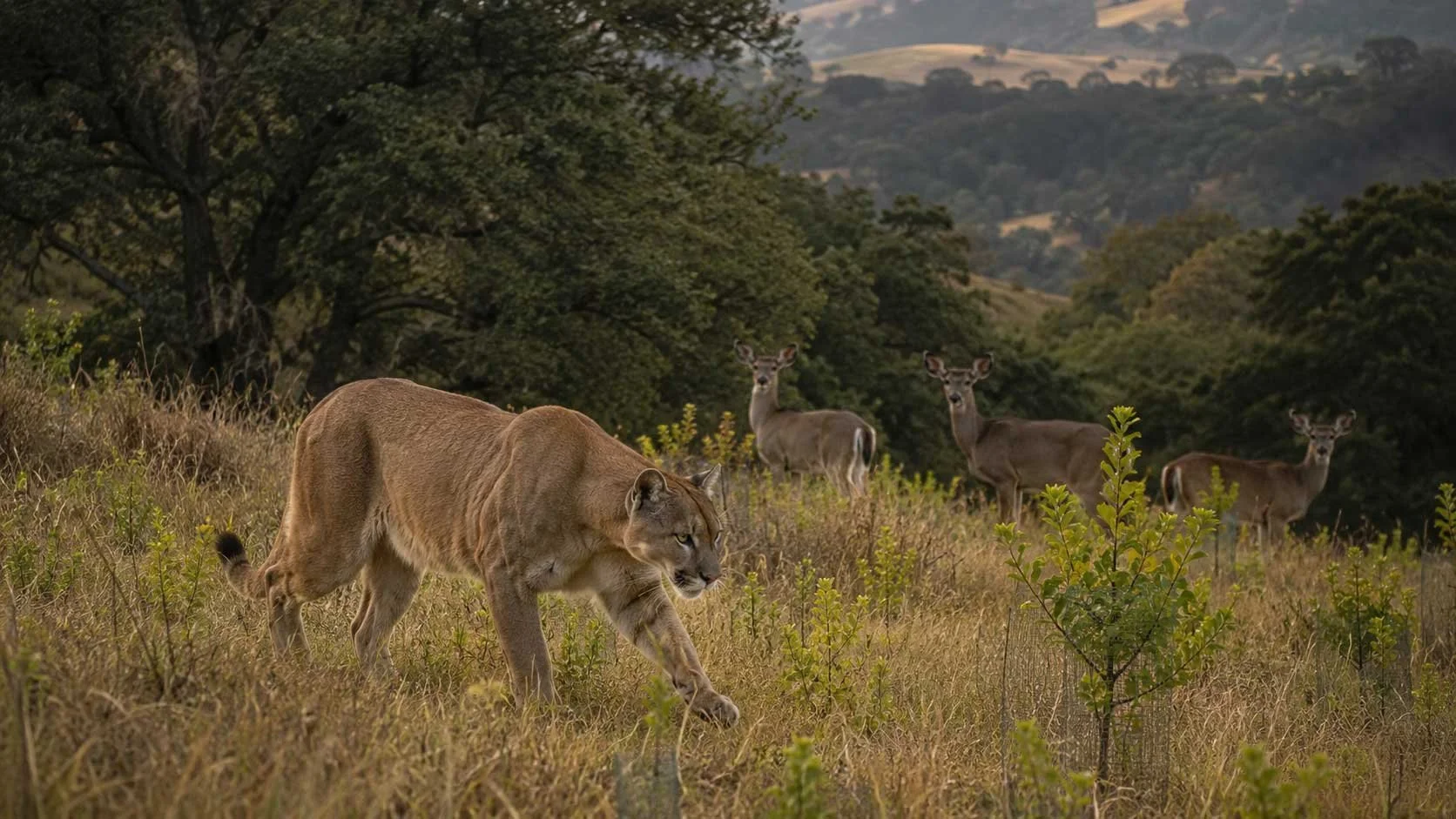
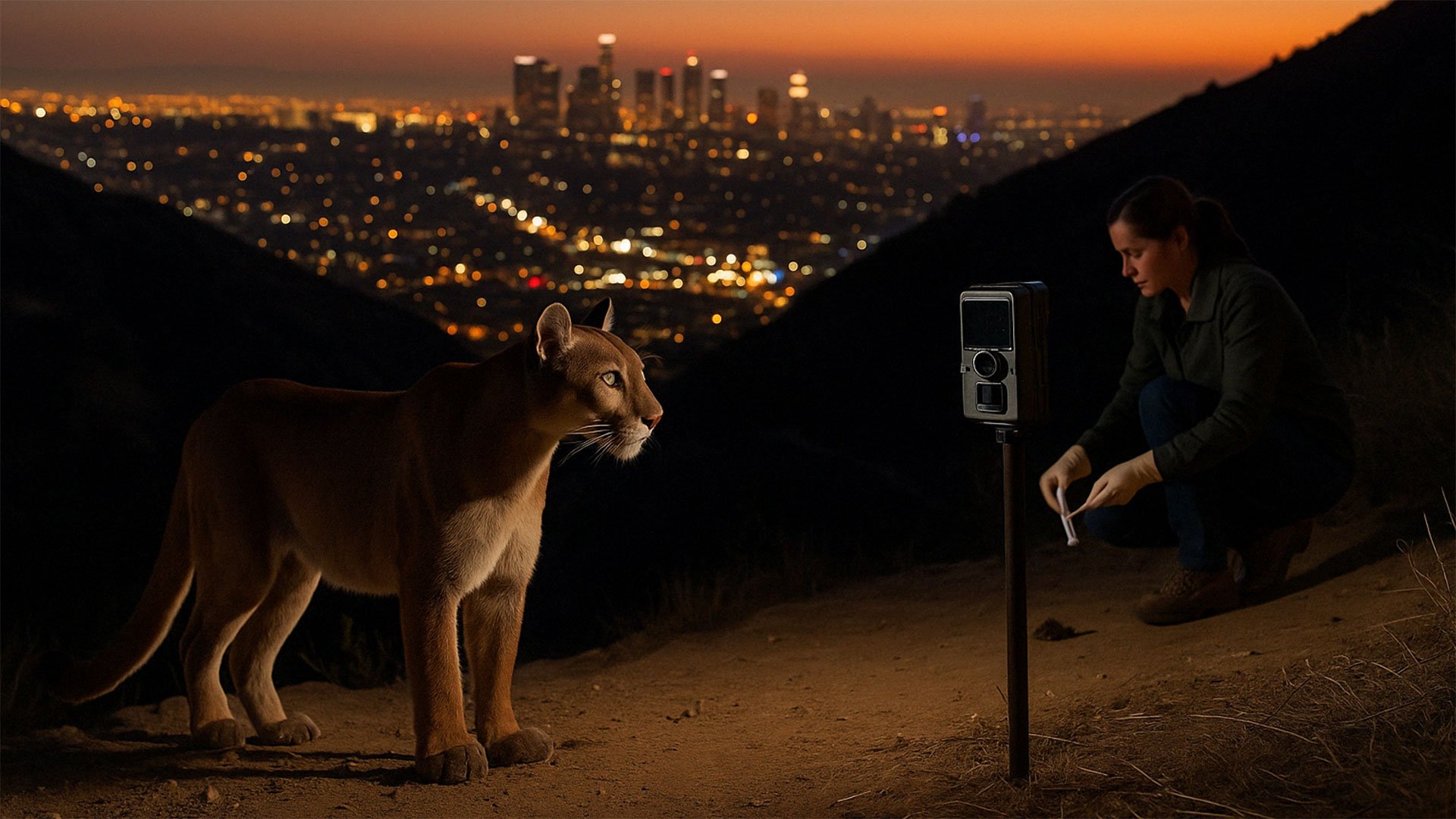
New research from Stanford shows that mountain lions can drive a trophic cascade even in a small suburban nature preserve. Over five years at Jasper Ridge near San Francisco, rising puma activity lowered deer activity and helped young oak trees and woody plants thrive. The cats also reshaped the smaller predators, with coyotes and bobcats declining, gray foxes rising, and rabbits falling. The findings, published in Ecology and Evolution, show that the ecology of fear is not only a Yellowstone phenomenon. Small preserves connected to large wild areas like the Santa Cruz Mountains can host magnificent ecological effects, which makes protecting top predators and keeping habitats connected more important than ever.
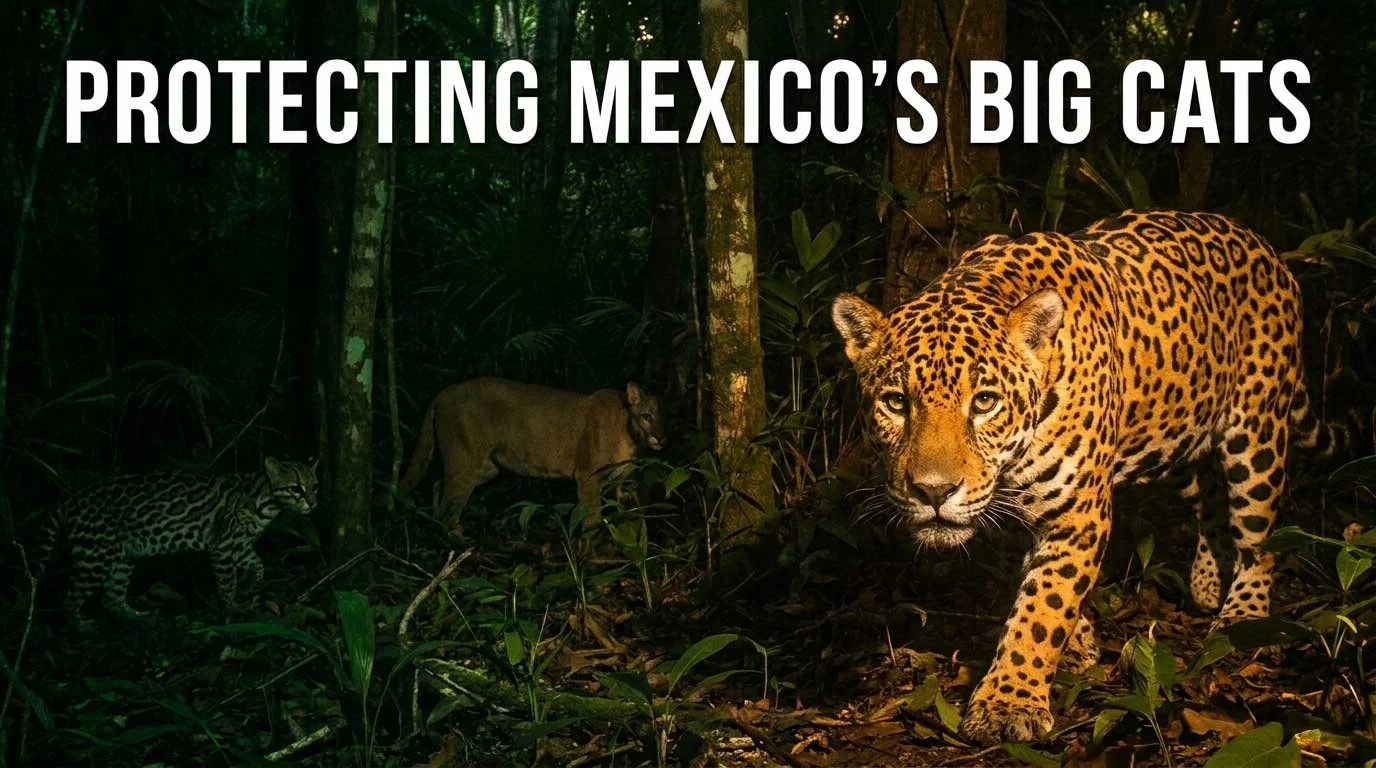
Discover how Big Cat Rescue is partnering with Proyecto AAk Mahahual to protect wild jaguars and ocelots through community coexistence. Read more!
The Nazca cat geoglyph is one of the oldest known Nazca Lines, a 37 meter (120 foot) feline figure carved into a hillside in southern Peru between 200 and 300 BC. Discovered in October 2020 during work on a desert lookout point, the cat was nearly erased by natural erosion. Peru's Ministry of Culture cleared the faint lines by hand to reveal a reclining cat with a round head, pointed ears, and a long striped tail. This guide explains how the Nazca Lines were made, why the cat dates to the earlier Paracas period, and how cats shaped the art and culture of ancient Peru. A calm, educational look at one of the desert's most charming ancient drawings.
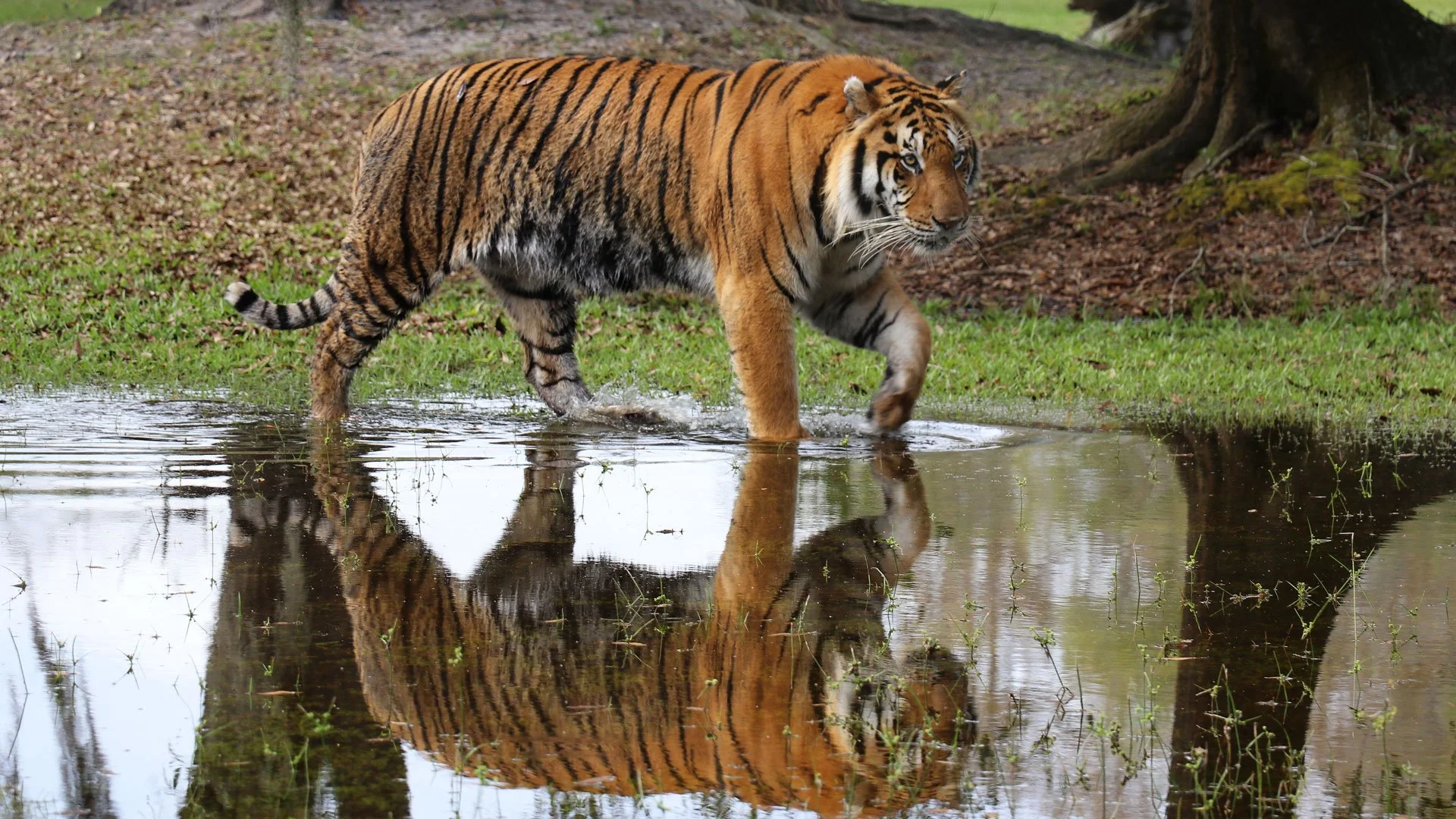
Meta Description: Discover inspiring wild cat conservation initiatives from the Small Wild Cat Conservation Foundation. Learn how organizations like Save Fishing Cats are implementing vital pet vaccination and neutering programs in Sri Lanka to protect local fishing cats and leopards from disease transmission. Plus, explore the incredible community-led success story from the Eastern Himalayas Marbled Cat Project in Meghalaya, India, where indigenous women are replacing traditional clouded leopard hunting rituals with sustainable crochet livelihoods and trail-camera monitoring.

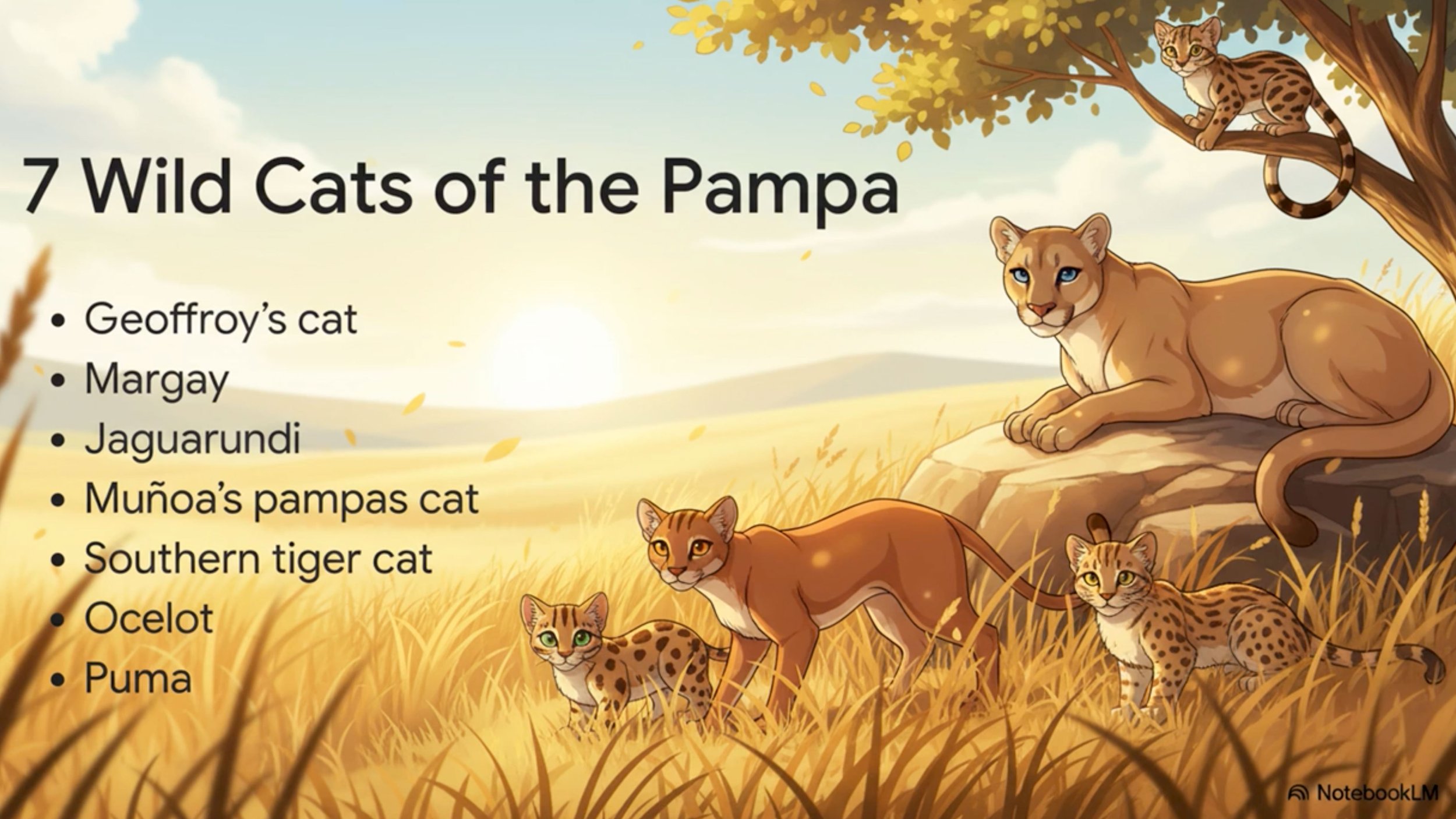
Felinos do Pampa: Conserving the Wild Cats of the Grasslands
The provided sources detail the mission and activities of the Felinos do Pampa Project, a conservation initiative dedicated to protecting wild cats in the Pampa biome of southern Brazil. This research group focuses on species like the Muñoa’s Pampas cat and the southern tiger cat, utilizing tools such as GPS collars and camera traps to monitor their survival in fragmented habitats. Beyond field research, the organization works to mitigate human-wildlife conflict by installing wildlife road signage and constructing predator-proof enclosures for livestock. The documentation also highlights recent viral media coverage and academic studies regarding how urban development and environmental changes affect feline migration routes. Ultimately, the project seeks to balance scientific research with community education to ensure these rare small felids can coexist with local human populations.
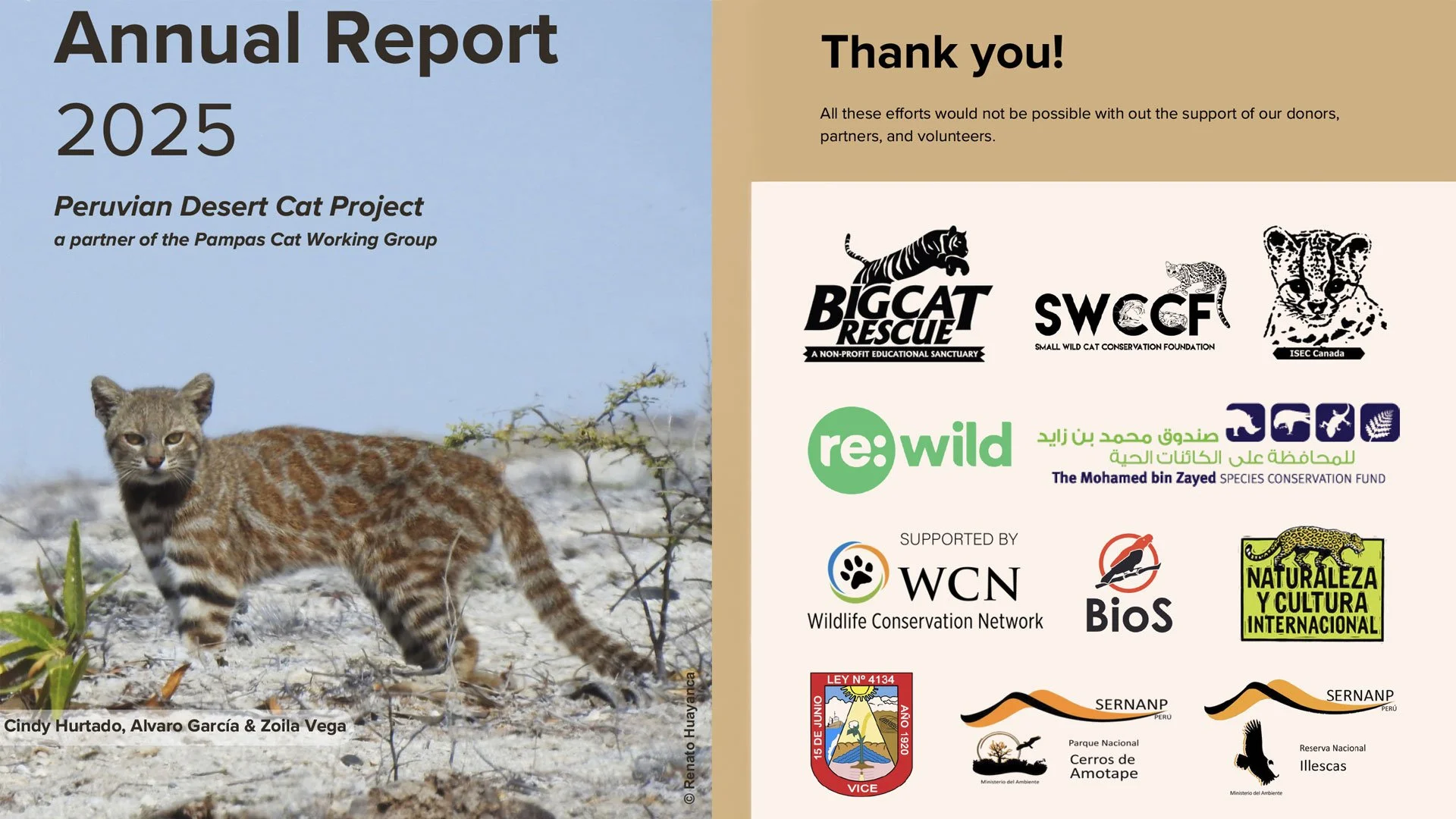
The Peruvian Desert Cat Project’s 2025 Annual Report details a comprehensive strategy to protect the endangered Desert Pampas Cat through community-based and scientific initiatives. To mitigate human-wildlife conflict, the organization helps rural families build predator-proof coops and offers veterinary training, reducing the need for retaliatory killings. The project also addresses road mortality through driver education and seeks legal land protection for thousands of hectares of vital dry forest habitat. Beyond physical safeguards, the report emphasizes youth education and local outreach to foster long-term environmental stewardship. Finally, the sources highlight a critical genetic study revealing that even seemingly stable populations in mangroves are suffering from low diversity, necessitating new efforts to restore habitat connectivity.
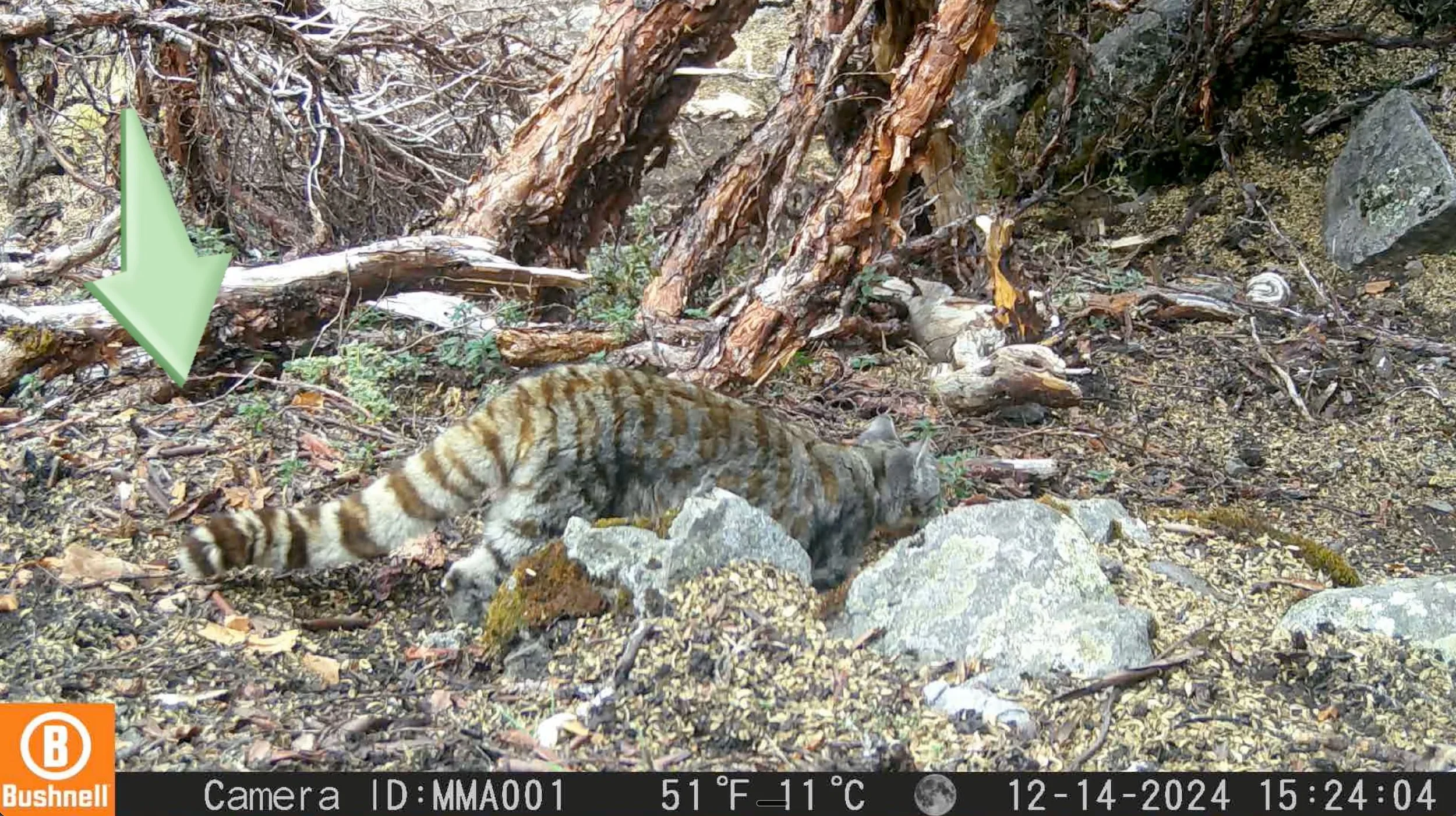
These sources examine the genetic crisis facing isolated wild cat populations, where human-driven habitat fragmentation forces inbreeding and triggers a decline in biological fitness. Researchers identify morphological abnormalities, such as kinked tails and thoracic cowlicks, as visible biomarkers of a deeper "extinction vortex" that includes heart defects and reproductive failure. While the Florida panther serves as a primary case study for these issues, the texts document similar patterns of genomic decay in California mountain lions, European wildcats, ocelots, jaguarundi, Andean cats, cheetahs and Asiatic lions. Conservationists highlight the 1995 genetic restoration project in Florida—which used Texas pumas to diversify the gene pool—as a successful model for reversing these trends. Ultimately, the literature advocates for wildlife crossings and habitat corridors to restore natural gene flow and ensure the long-term survival of apex predators.
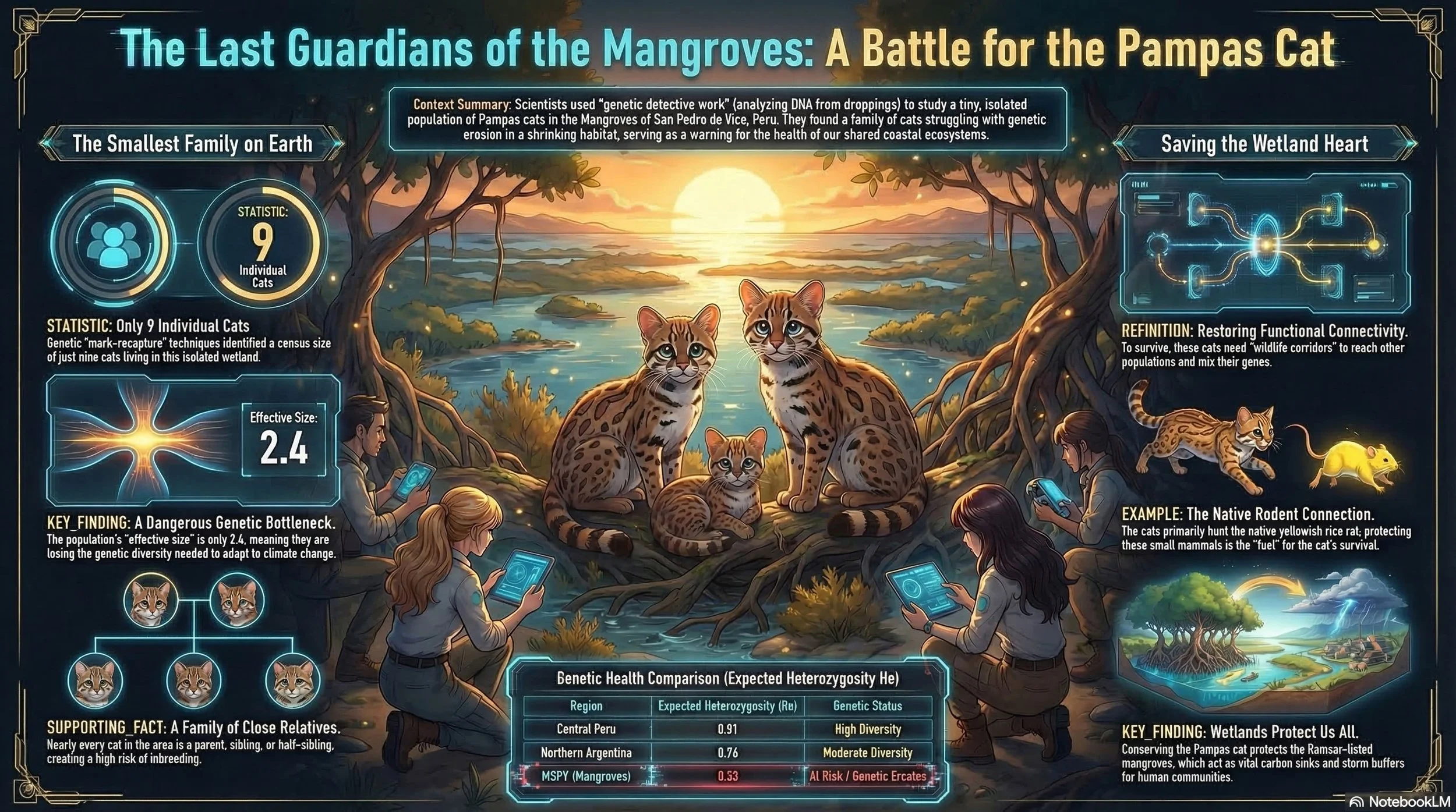
This research investigates the Pampas cat (Leopardus garleppi) population residing in the Mangroves San Pedro de Vice, a Ramsar-listed wetland in northwestern Peru. Scientists used noninvasive fecal DNA sampling between 2019 and 2021 to examine the species' genetic diversity, demographic trends, and trophic ecology. The findings reveal a critically small, kin-structured population of only nine identified individuals suffering from a recent genetic bottleneck and low effective population size. DNA metabarcoding of the samples indicates a diet primarily composed of the native yellowish rice rat, with no major dietary differences found between males and females. Ultimately, the study emphasizes that habitat restoration and functional connectivity are essential to prevent the extinction of this isolated, coastal felid population.


Everywhere we work, we install traffic signs. We have traffic signs in Sri Lanka depicting the Fishing cat, in Mongolia depicting the Manul, in India featuring the Rusty-Spotted cat, and Mexico with several species including the Jaguar. The above traffic signs in Chile depict all seven wild cat species found in Chile, from the diminutive Guigna to the Puma.

Near-infrared tech inspired by grocery store scanners is helping Amazon researchers identify species faster, aiding conservation and the fight against wildlife trafficking.


 Carole Baskin
Carole Baskin is the founder and CEO of Big Cat Rescue and author of this web page. Since 1992, she has worked to end the exploitation of exotic cats and now leads the non profit's efforts to protect wild cats in the wild by funding innovative threat mitigation programs that allow humans and wild cats to co-exist in peace.