Shadows in the Jungle: The Battle to Save Bolivia's Jaguars

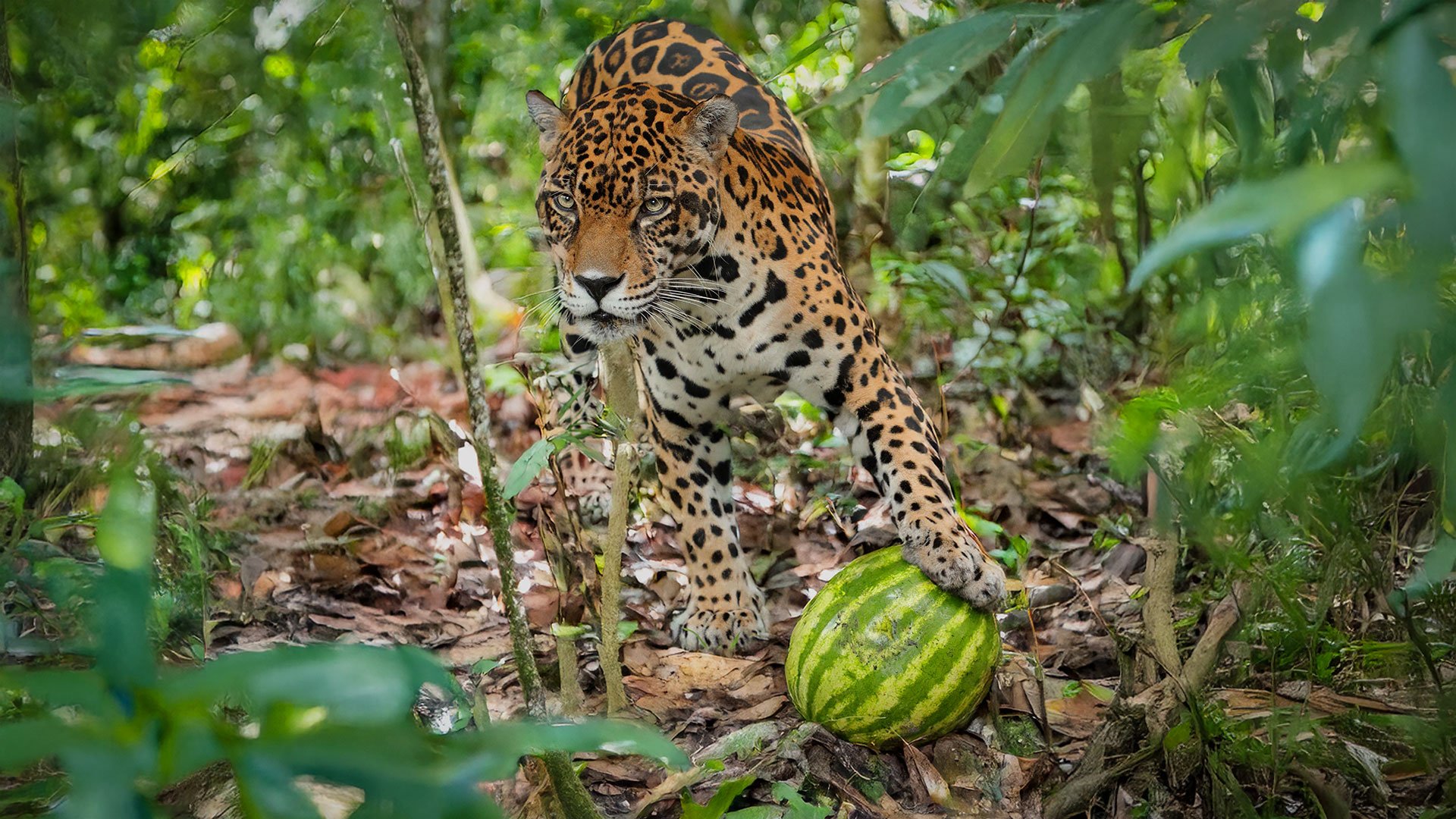
Jaguar in Bolivian Rain Forest
In the heart of Bolivia's dense jungles, the jaguar—majestic, elusive, and revered—prowls its ancestral territory. For centuries, this apex predator has embodied strength and mystique, holding a sacred place in indigenous cultures. Yet, today, the jaguar faces a peril that transcends natural threats: the insidious grip of illegal hunting driven by international demand.
The Lure of the Coveted Trophy
Jorge Néstor Noya, an Argentine veterinarian, capitalized on this demand. Through platforms like Online Hunting and African Hunting, he lured affluent hunters, particularly from Europe and Asia, with the promise of bagging the ultimate prize: the jaguar. His hunting packages, reaching up to €48,000, starkly contrasted with those for other species, underscoring the jaguar's high value in the black market.
One such client, Spanish businessman Luis Villalba, was enticed by Noya's assurances of the jaguar's dominance over local fauna, including horses. Their communications, later intercepted by authorities, revealed a network operating with audacity and impunity. Villalba and Noya now face charges in Bolivia, including biocide and illegal wildlife trafficking, highlighting the international scope of this illicit trade.
A Global Demand with Devastating Local Impact
Bolivia has emerged as a hotspot for jaguar poaching, with approximately 60 individuals killed annually—the highest rate in Latin America. This surge is largely fueled by demand from Asia, where jaguar fangs are coveted as amulets believed to ward off evil spirits, and other body parts are utilized in traditional medicine. Between 2013 and 2018, a Chinese-led syndicate exported hundreds of thousands of jaguar fangs from Bolivia, exploiting local communities with offers of $250 per fang—a fraction of their $2,500 market value in Asia.
Challenges in Enforcement and Conservation
Bolivia's efforts to combat this illegal trade are hampered by limited resources and training. The nation's prosecutor's office, tasked with investigating these crimes, often lacks the necessary expertise, as exemplified by a recent appointment who previously focused on anti-drug trafficking. This gap in capacity allows poaching networks to operate with relative freedom, further endangering the jaguar population.
The Role of Big Cat Rescue in Global Conservation
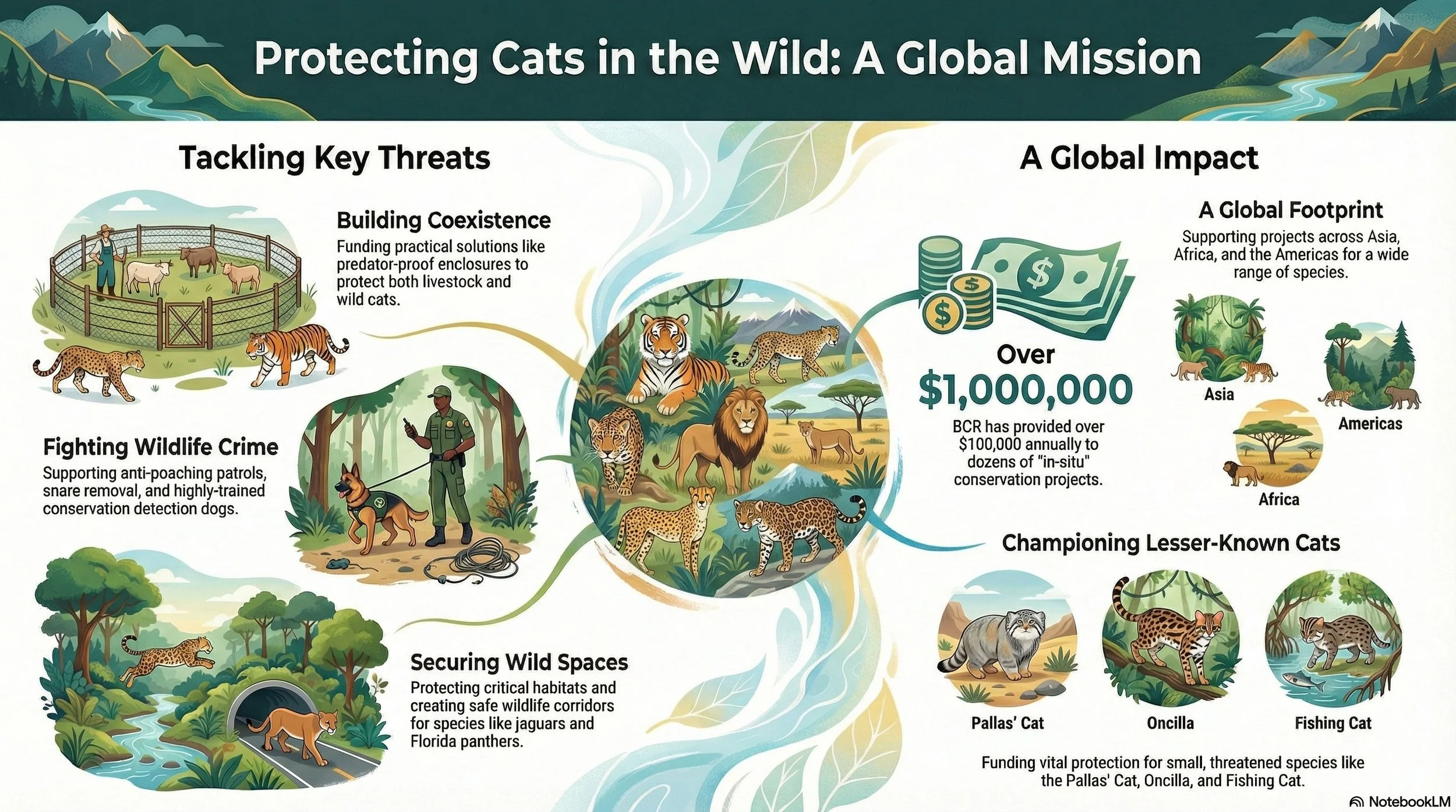
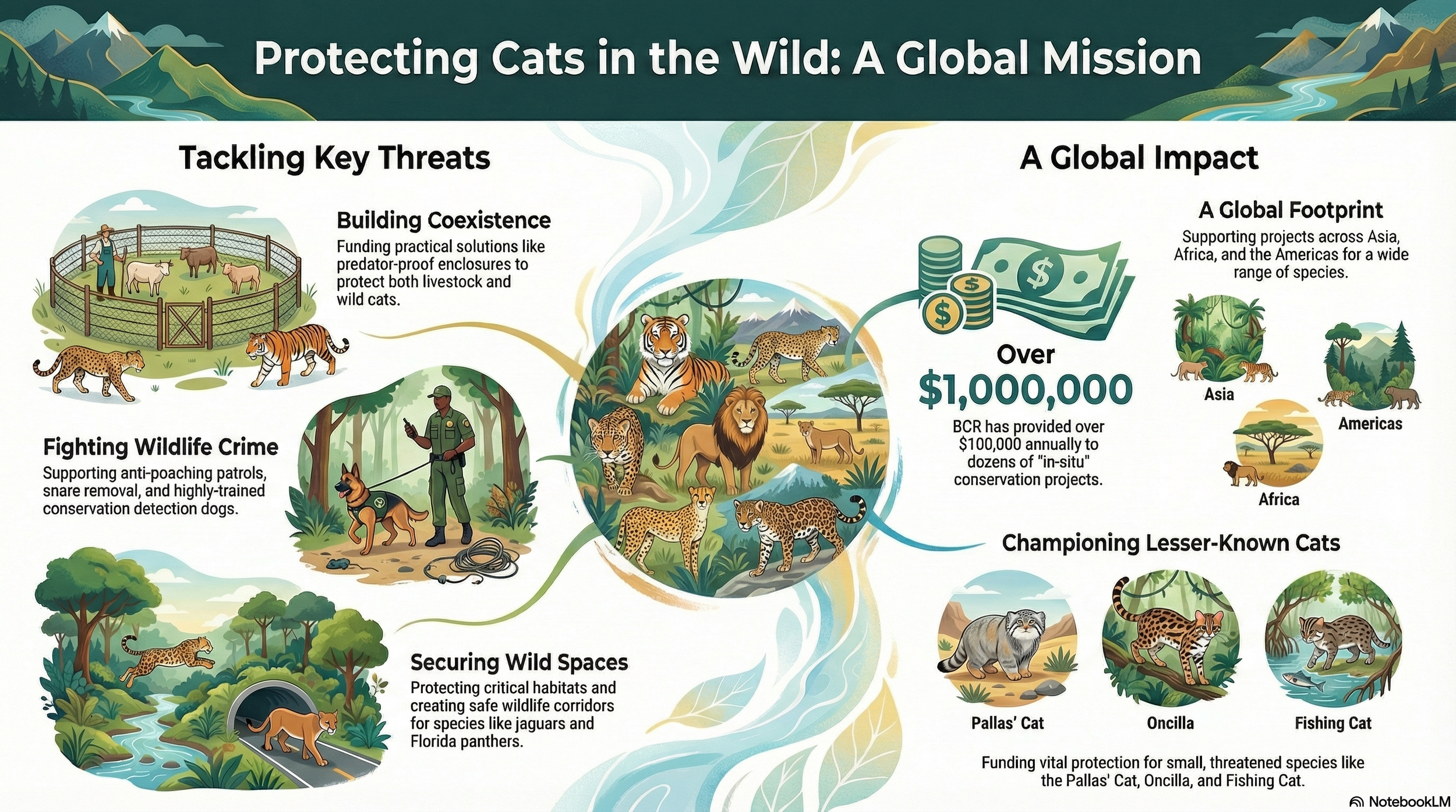
Amid these challenges, organizations like Big Cat Rescue (BCR) play a pivotal role in safeguarding wild cats worldwide. Founded in 1992, BCR has evolved from rescuing captive big cats to focusing on in-situ conservation projects. From 2018 to 2022, BCR allocated $100,000 annually to support global wildcat conservation initiatives. In 2023, despite facing operational challenges, BCR continued its commitment, funding critical projects aimed at preserving these majestic creatures in their natural habitats. Now, with the sale of the sanctuary grounds, Big Cat Rescue will be able to greatly increase the investment into protecting the planet’s precious wild cats.
A Call to Action
The plight of the jaguar is emblematic of broader environmental and ethical issues. As apex predators, jaguars play a crucial role in maintaining ecological balance. Their decline signals not just a loss of biodiversity but also the erosion of cultural heritage and natural beauty.
To counter this, we must:
Support Conservation Organizations: Donating to reputable groups like Big Cat Rescue amplifies efforts to protect wild cats globally.
Promote Sustainable Practices: Encouraging responsible tourism and opposing illegal wildlife products can reduce demand and pressure on these species.
Advocate for Stronger Policies: Pushing for stringent enforcement of wildlife protection laws ensures that poachers and traffickers face appropriate consequences.
By uniting in these efforts, we can ensure that future generations inherit a world where jaguars and other wild cats thrive, embodying the untamed spirit of our planet.
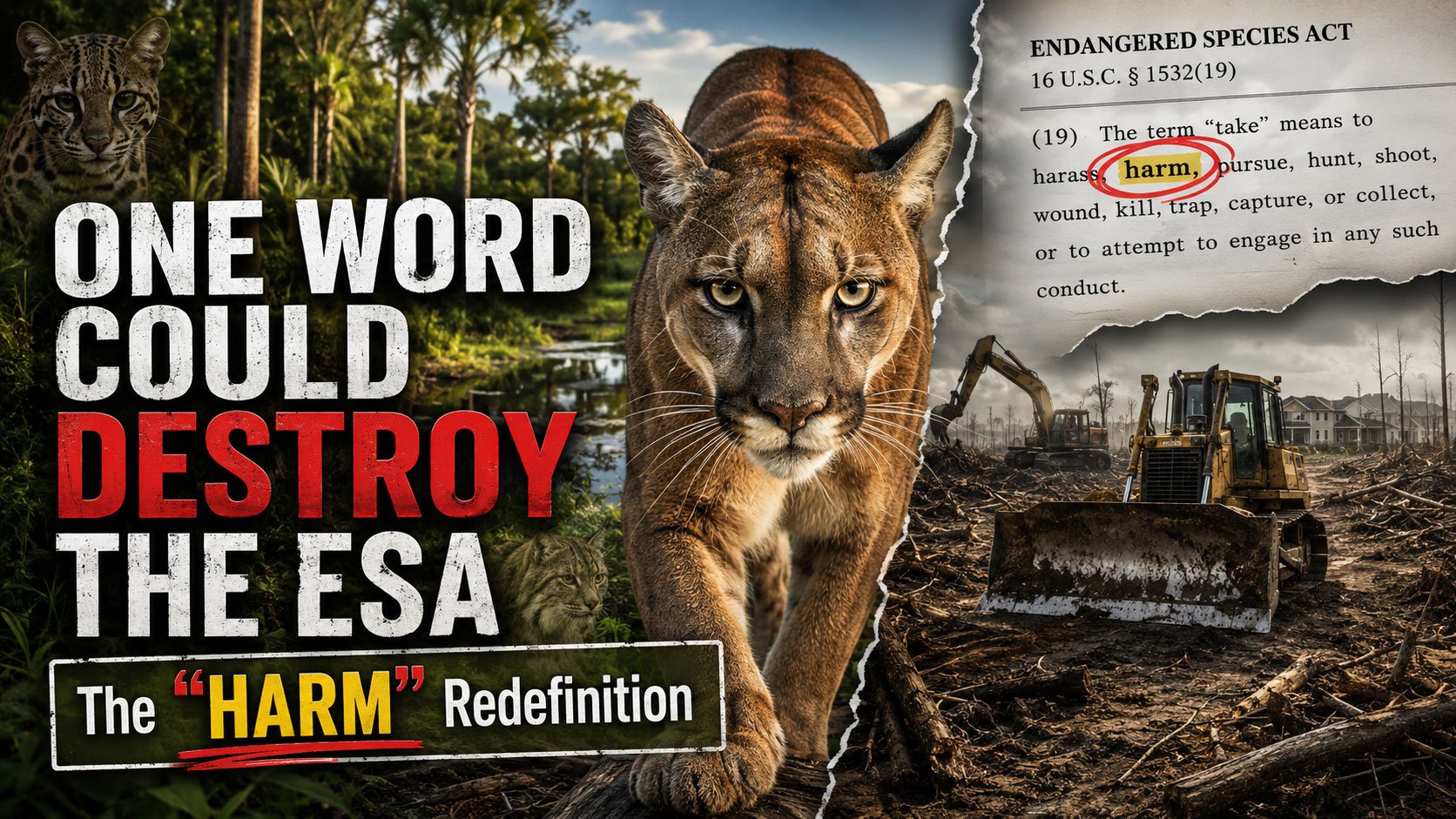
The One-Word Shift Gutting the Endangered Species Act: Why Habitat Protection is Under Fire
For over 50 years, the Endangered Species Act (ESA) has served as America’s most powerful shield against extinction, saving 99% of protected species from disappearing. However, a silent regulatory shift announced on July 10, 2026, seeks to dismantle this legacy by redefining a single word: "harm"
The June 2026 AdvoCat Newsletter from Big Cat Rescue covers the latest in wild cat conservation: Stanford research on mountain lions reshaping suburban ecosystems, Kyrgyzstan's new 2-million-acre snow leopard corridor, the first documented sand cats in Libya, Bengal tiger reintroduction plans for Cambodia, and the alarming pace of tiger poaching across Asia. Stay informed and take action for wild cats worldwide.
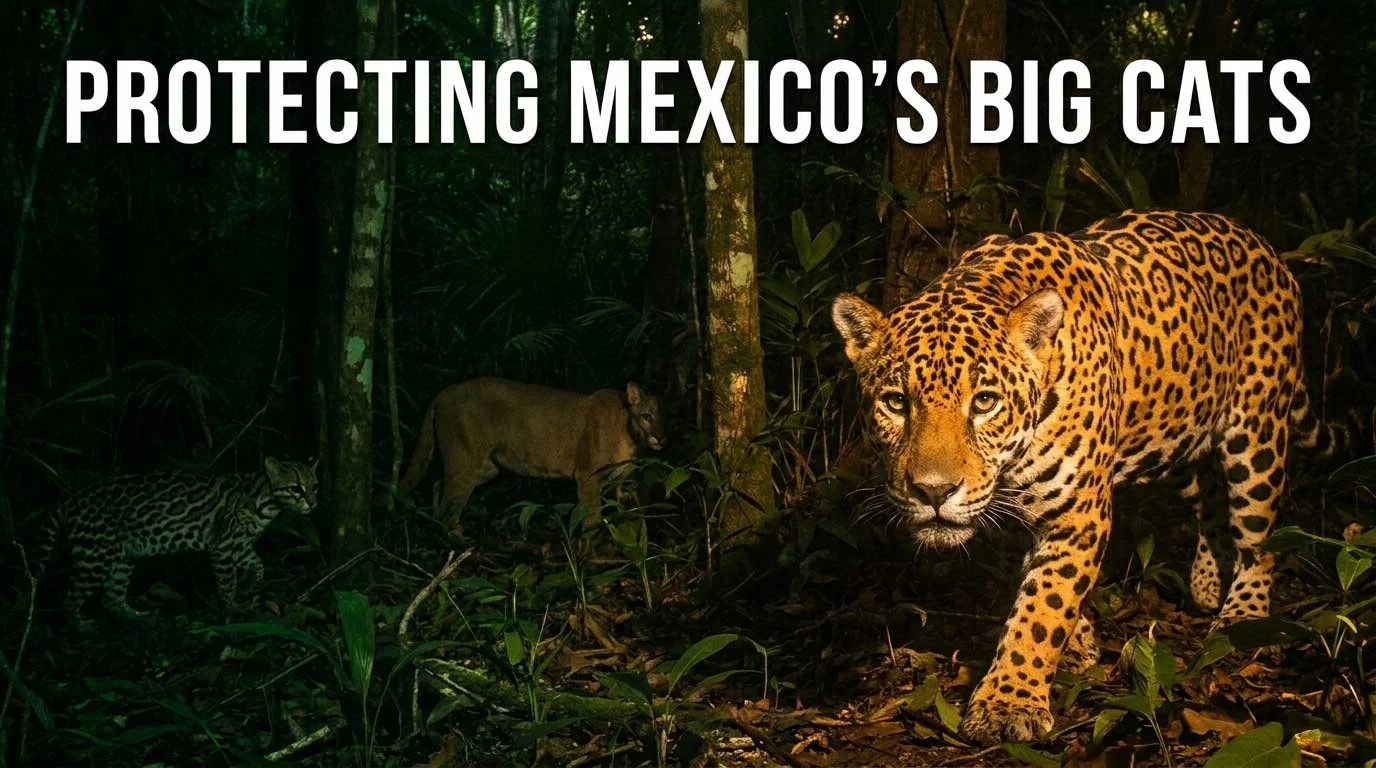
Discover how Big Cat Rescue is partnering with Proyecto AAk Mahahual to protect wild jaguars and ocelots through community coexistence. Read more!
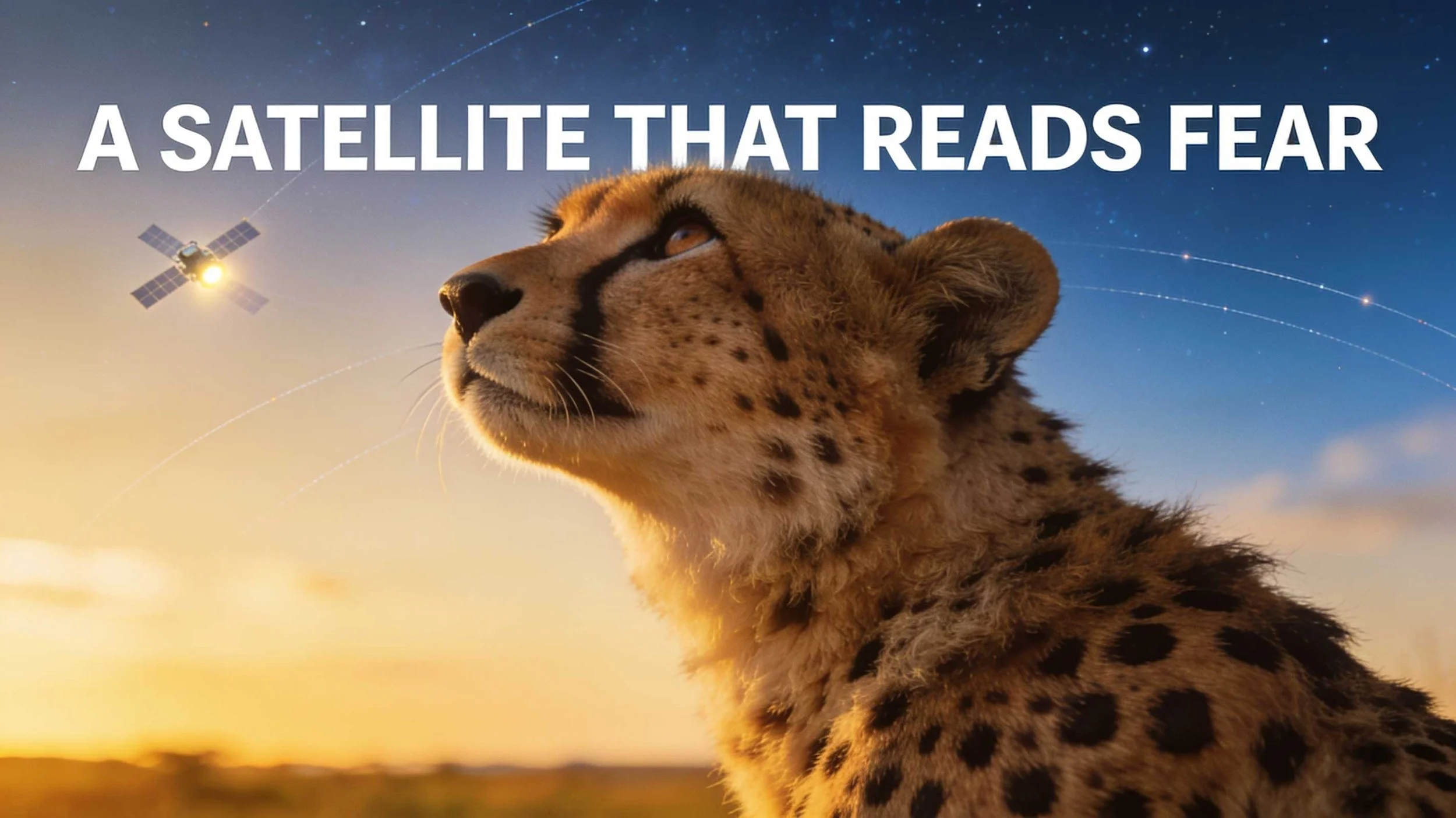
The Icarus satellite system, built by the Max Planck Institute of Animal Behavior, is creating an Internet of Animals. Tiny tags track location, movement, heart rate, and body temperature, then send the data to satellites in low Earth orbit. Scientists are training algorithms to recognize the panic patterns animals show when poachers approach, turning tagged herds into a live early warning network. For wild cats like cheetahs, leopards, tigers, lions, and Florida panthers and bobcats, this could mean protection across vast and remote landscapes that no single ranger could ever watch. Learn how Big Cat Rescue is following the Icarus project and how satellite tracking could change the future of wild cat conservation.

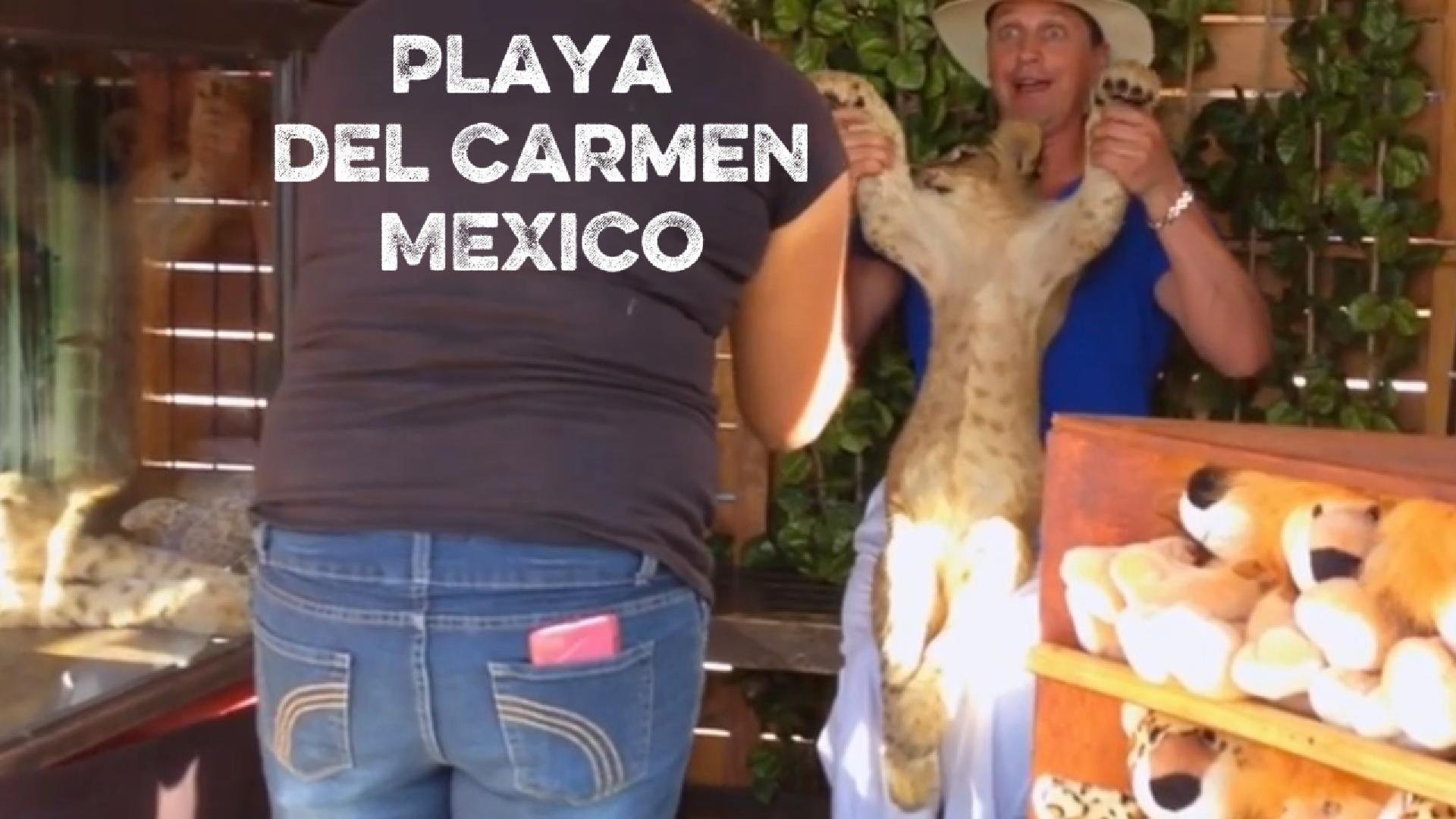
The Fall of Animalandia Maya: Playa del Carmen Shutdown In May 2026, Mexican law enforcement conducted a major raid on Animalandia Maya, a controversial tourist site in Playa del Carmen known for offering photos with exotic wildlife. The operation resulted in the arrest of the owner and several employees, as well as the seizure of tigers, lions, and monkeys that were allegedly being exploited. This intervention followed years of public outcry and pressure from animal welfare organizations regarding the suspected sedation and mistreatment of the animals. While the business has successfully used legal loopholes to reopen after past closures, the scale of this coordinated police action suggests a permanent shutdown. The incident highlights a significant victory for activists fighting against the commercial use of endangered species in the Riviera Maya.

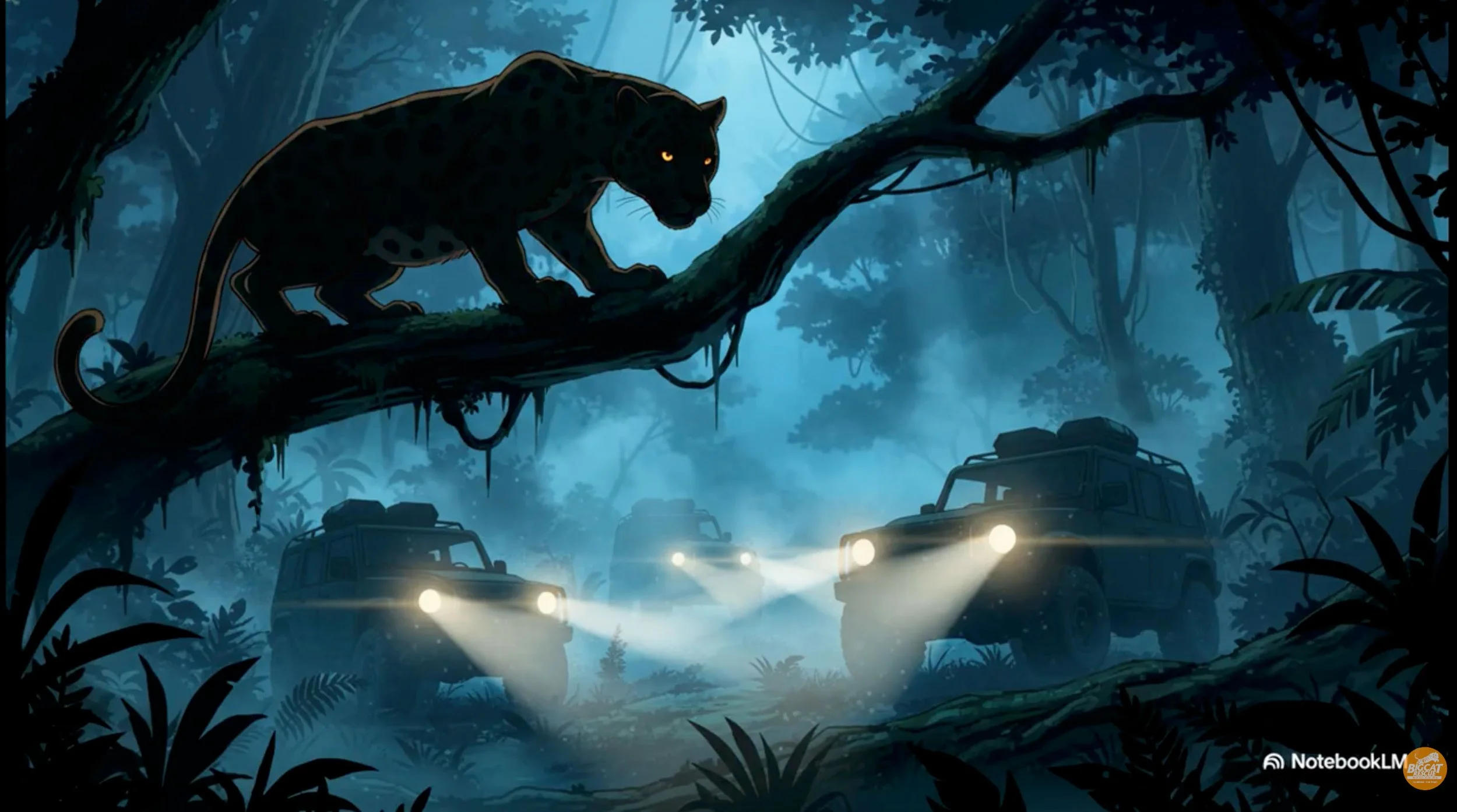
A recent camera trap sighting of a male jaguar at an elevation of 2,200 meters in Honduras has sparked optimism among conservationists. This rare encounter in the Sierra del Merendón mountains is significant because these big cats typically reside in lower habitats, suggesting they are using high-altitude corridors to travel between fragmented landscapes. While the species faces ongoing threats from deforestation, poaching, and climate change, this discovery indicates that protected areas and anti-poaching efforts may be facilitating their return to historical territories. Global and local initiatives like the Jaguar 2030 Roadmap aim to further secure these vital migratory paths to ensure the predator's long-term survival. Ultimately, the presence of this "cloud jaguar" reaffirms the resilience of the species and the importance of maintaining ecological connectivity across Central America.
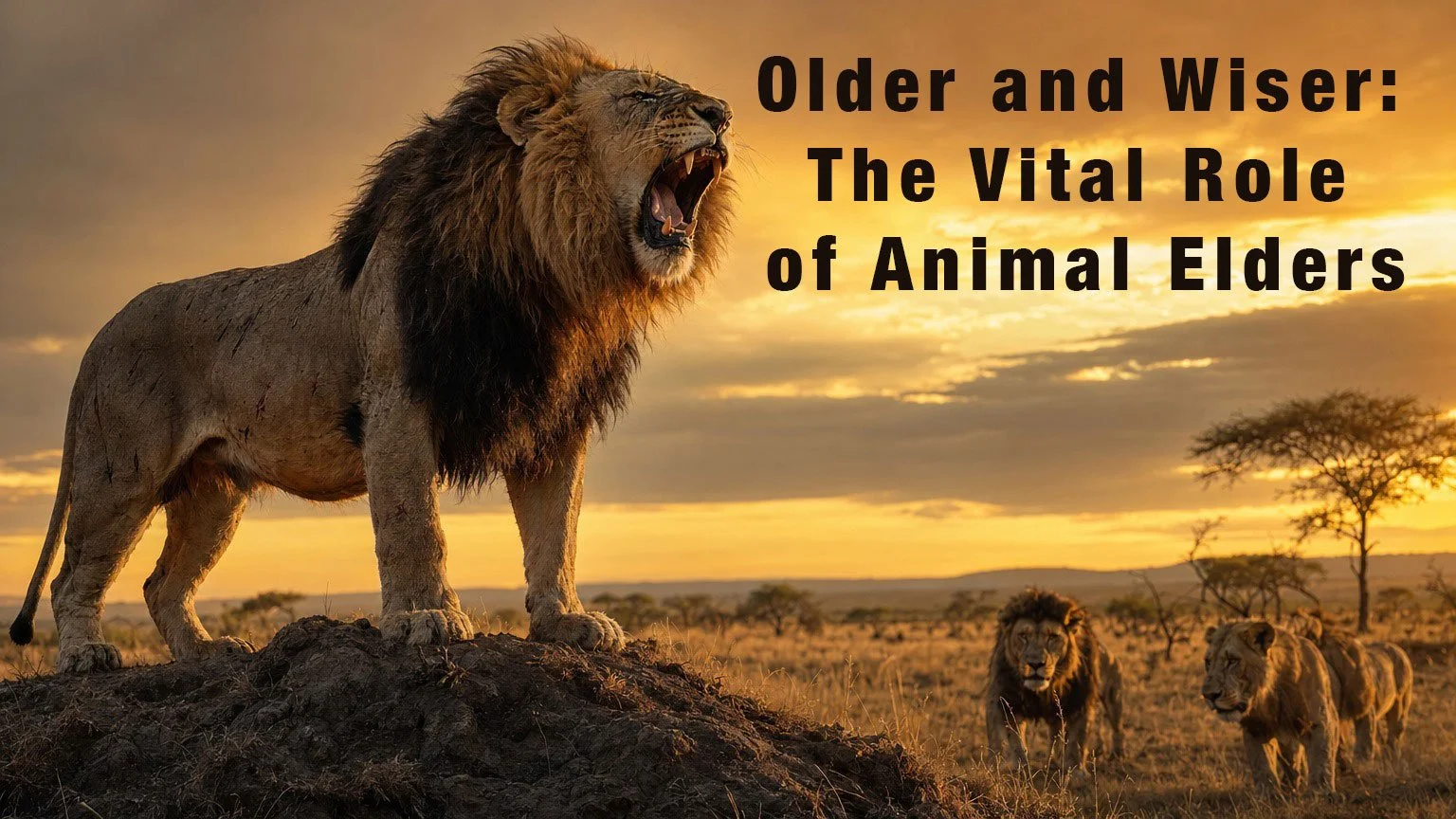
Older and Wiser: The Vital Role of Animal Elders
Recent research emphasizes that older animals are vital for the survival of wildlife populations because they possess accumulated knowledge and specialized skills. These elders serve as essential leaders who guide their groups toward resources and help maintain social stability among younger individuals. Beyond their wisdom, aging members often provide enhanced reproductive success and possess stronger immune systems developed over time. Traditional conservation efforts frequently focus on total population counts, yet this source argues that protecting the age structure is just as critical. The loss of these senior animals through human activities can result in a profound disappearance of survival strategies that simple numbers cannot replace.

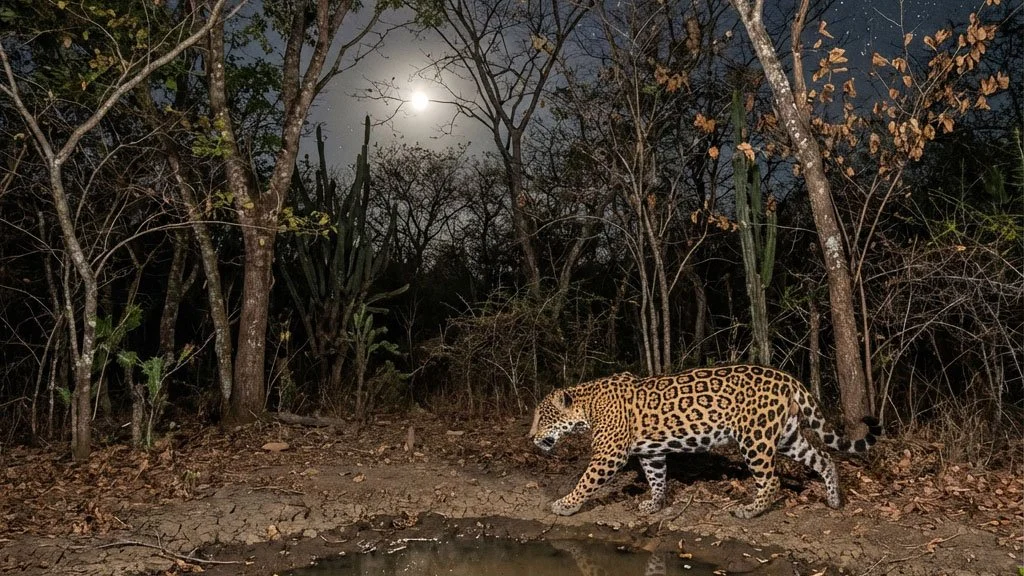
A rare camera‑trap video of female jaguar GWM‑H2 in Costa Rica’s Guanacaste dry forest reveals how protecting wild cats safeguards entire ecosystems we all share.


Everywhere we work, we install traffic signs. We have traffic signs in Sri Lanka depicting the Fishing cat, in Mongolia depicting the Manul, in India featuring the Rusty-Spotted cat, and Mexico with several species including the Jaguar. The above traffic signs in Chile depict all seven wild cat species found in Chile, from the diminutive Guigna to the Puma.
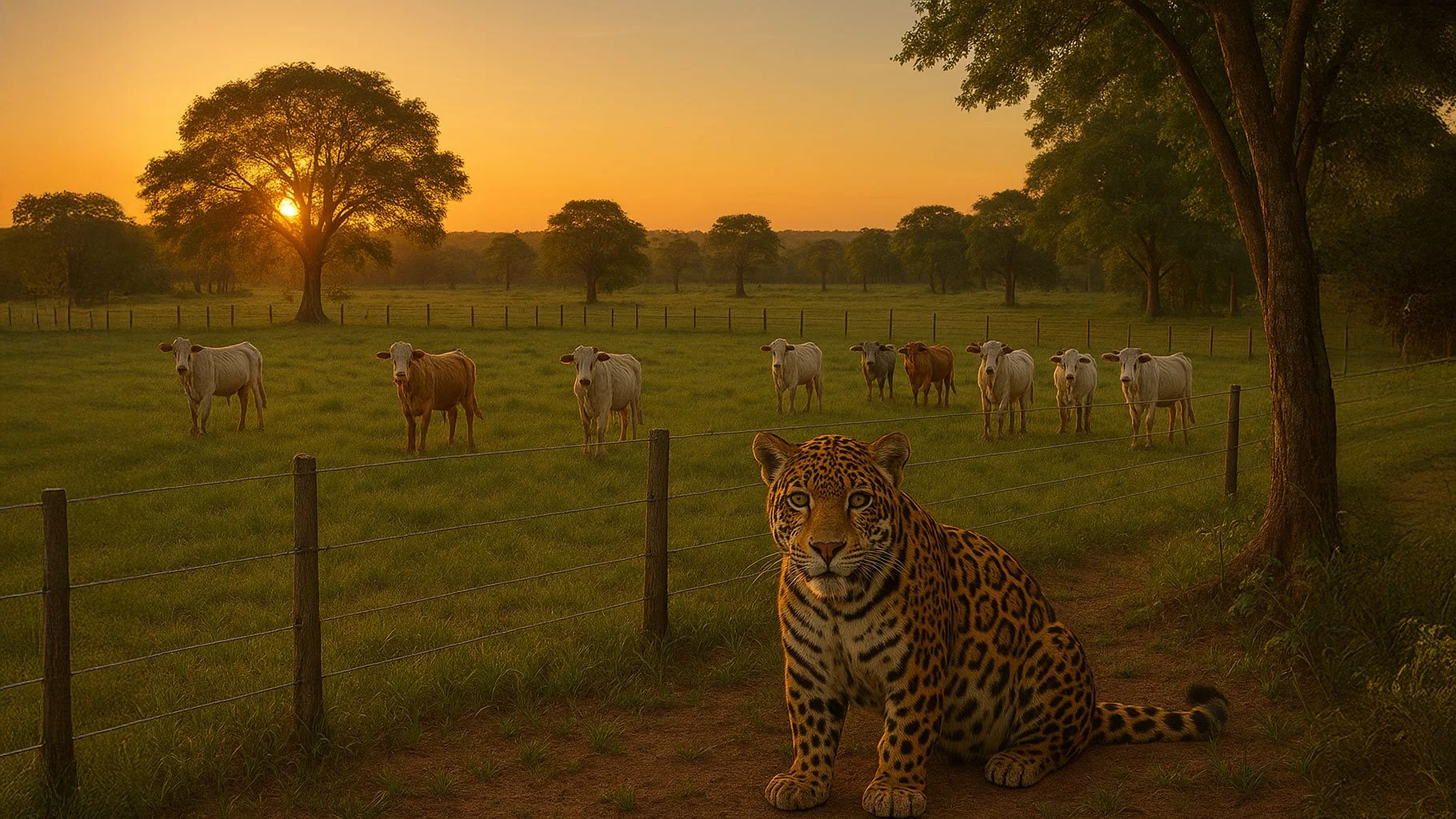

A low-cost, humane way to collect jaguar hair in the Amazon is empowering local conservation groups and protecting these apex predators.

Trail-cam reappears Jaguar Number Four in southern Arizona—threatened by new border wall. Discover conservation efforts and ways to help.




Learn more: https://english.elpais.com/international/2025-02-25/the-most-coveted-trophy-europeans-and-asians-embrace-illegal-jaguar-hunting-in-bolivia.html
 Carole Baskin
Carole Baskin is the founder and CEO of Big Cat Rescue and author of this web page. Since 1992, she has worked to end the exploitation of exotic cats and now leads the non profit's efforts to protect wild cats in the wild by funding innovative threat mitigation programs that allow humans and wild cats to co-exist in peace.