Whispers of the Rainforest: Unveiling the Secret Lives of Congo's Wild Cats
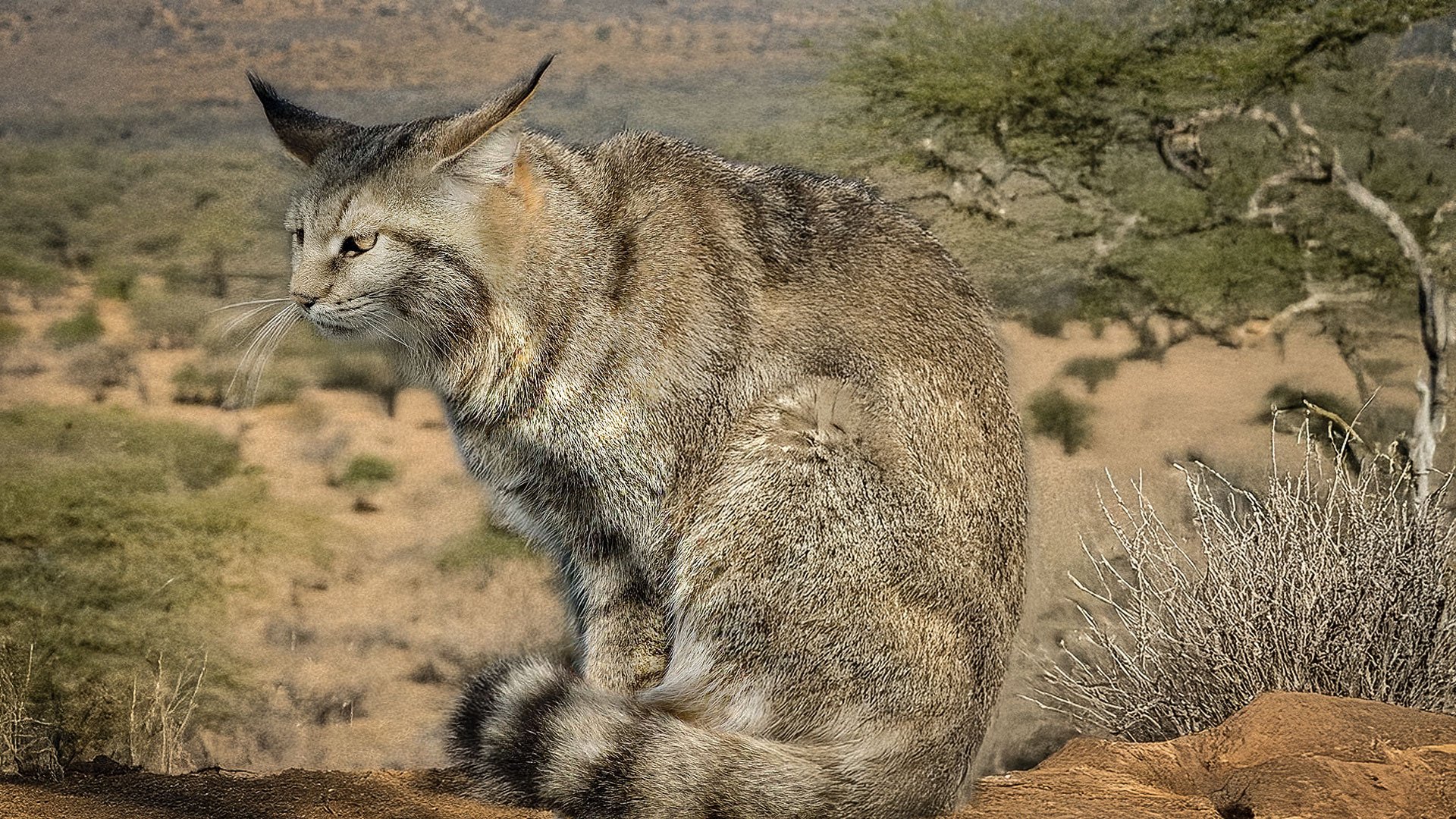
African Wildcat AI
Deep within the heart of Africa lies the Nouabalé-Ndoki National Park, a sprawling 4,000-square-kilometer expanse of untouched lowland rainforest in the Republic of Congo. This pristine wilderness, managed by the Wildlife Conservation Society (WCS), is a sanctuary for some of the planet's most elusive and endangered species. Among its dense foliage and shadowed understories, the secretive African golden cat and the majestic leopard silently roam, their lives largely hidden from human eyes.
A Glimpse into the Unknown
In 2023, renowned British photographer Will Burrard-Lucas embarked on a mission to unveil the mysteries of Nouabalé-Ndoki's inhabitants. Equipped with high-definition camera traps, he meticulously selected four strategic locations within the park, hoping to capture the unseen moments of its wildlife. The results were nothing short of extraordinary. Among the myriad of creatures photographed, the African golden cat—a species so elusive that even seasoned researchers seldom encounter it—made a rare appearance.
The Enigmatic African Golden Cat
The African golden cat (Caracal aurata) is a medium-sized feline endemic to the rainforests of West and Central Africa. Its fur varies from reddish-brown to dark slaty, with some individuals adorned with spots. Despite being a close relative of the caracal and serval, the African golden cat remains shrouded in mystery due to its reclusive nature. It primarily hunts rodents, birds, and small primates, playing a crucial role in maintaining the ecological balance of its habitat. However, deforestation and bushmeat hunting have led to its classification as Vulnerable on the IUCN Red List.
Leopards: The Phantom Predators
Leopards (Panthera pardus) are synonymous with stealth and adaptability. In the dense rainforests of Central Africa, these big cats have evolved to navigate the labyrinth of trees and underbrush with unparalleled agility. Their spotted coats provide perfect camouflage, rendering them nearly invisible in dappled light. Despite their adaptability, leopards face significant threats from habitat loss and human-wildlife conflict. In regions like the Congo Basin, they often compete with bushmeat hunters, leading to a decline in their prey base and, consequently, their populations.
The Silent Crisis: Bushmeat Hunting
Bushmeat hunting poses a severe threat to wildlife across Africa. In the Congo Basin, species like the African golden cat and leopard are not only victims of direct hunting but also suffer from the depletion of their prey. The widespread practice of hunting for bushmeat has led to a cascade of ecological imbalances, affecting seed dispersal and forest regeneration. For instance, duikers—small forest antelopes—play a pivotal role in seed dispersal. Their decline due to overhunting has far-reaching consequences on forest dynamics.
Conservation: A Collective Responsibility
The revelations from Burrard-Lucas's camera traps serve as a poignant reminder of the delicate balance within Nouabalé-Ndoki National Park. They underscore the urgency for concerted conservation efforts to protect these enigmatic felines and their habitats. Organizations like the Wildlife Conservation Society are at the forefront, implementing strategies to mitigate poaching, promote sustainable livelihoods, and engage local communities in conservation initiatives.
Your Role in Preserving the Wild
As global citizens, our actions ripple across continents. Supporting conservation organizations, spreading awareness, and making sustainable choices contribute to the preservation of these majestic creatures. By recognizing the intrinsic value of wild cats and their role in ecosystem health, we take a step toward ensuring that future generations inherit a world rich in biodiversity.
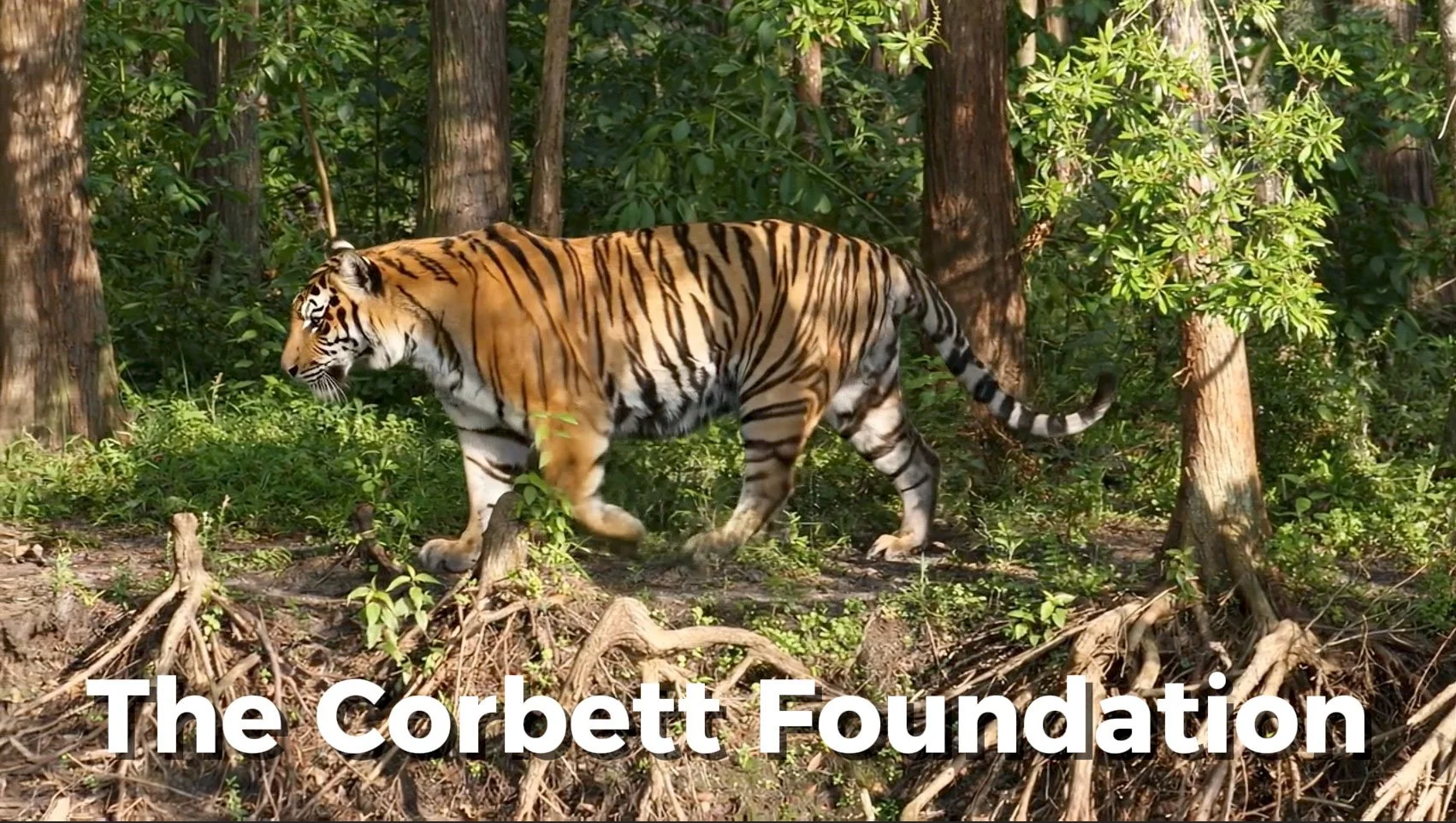
The 2024-25 Annual Report commemorates the 30th anniversary of The Corbett Foundation (TCF), an Indian non-profit established in 1994 to foster human-wildlife coexistence. The document highlights TCF’s expansion from its origins in Uttarakhand to nine distinct landscapes across seven states, focusing on the protection of threatened species like tigers, elephants, and vultures. Key initiatives detailed include the Livestock Compensation Programme, which prevents retaliatory killings, and extensive habitat restoration efforts that have revived thousands of hectares of forests and grasslands. Beyond ecology, the foundation integrates community well-being through rural medical outreach, sustainable livelihood training, and the distribution of green energy solutions. By combining scientific research with grassroots engagement, TCF aims to secure India’s natural heritage while improving the lives of people residing near protected wilderness areas. Collaborative partnerships with government agencies and international conservation bodies remain central to their mission of balancing environmental integrity with social development.

The provided text outlines the organizational goals and operations of Freeland, a non-profit entity dedicated to ending the illegal trade of humans and wildlife. By utilizing a specialized team of law enforcement and technical experts, the group actively disrupts criminal networks while assisting governments and businesses in creating prevention strategies. Their comprehensive approach includes training officers, conducting community patrols, and fostering behavioral changes through public education and awareness campaigns. Beyond enforcement, the organization focuses on environmental restoration and the rehabilitation of animals to ensure the long-term health of global ecosystems. Ultimately, the source serves as an overview of Freeland’s global impact and its ongoing mission to build a world free from exploitation and slavery.
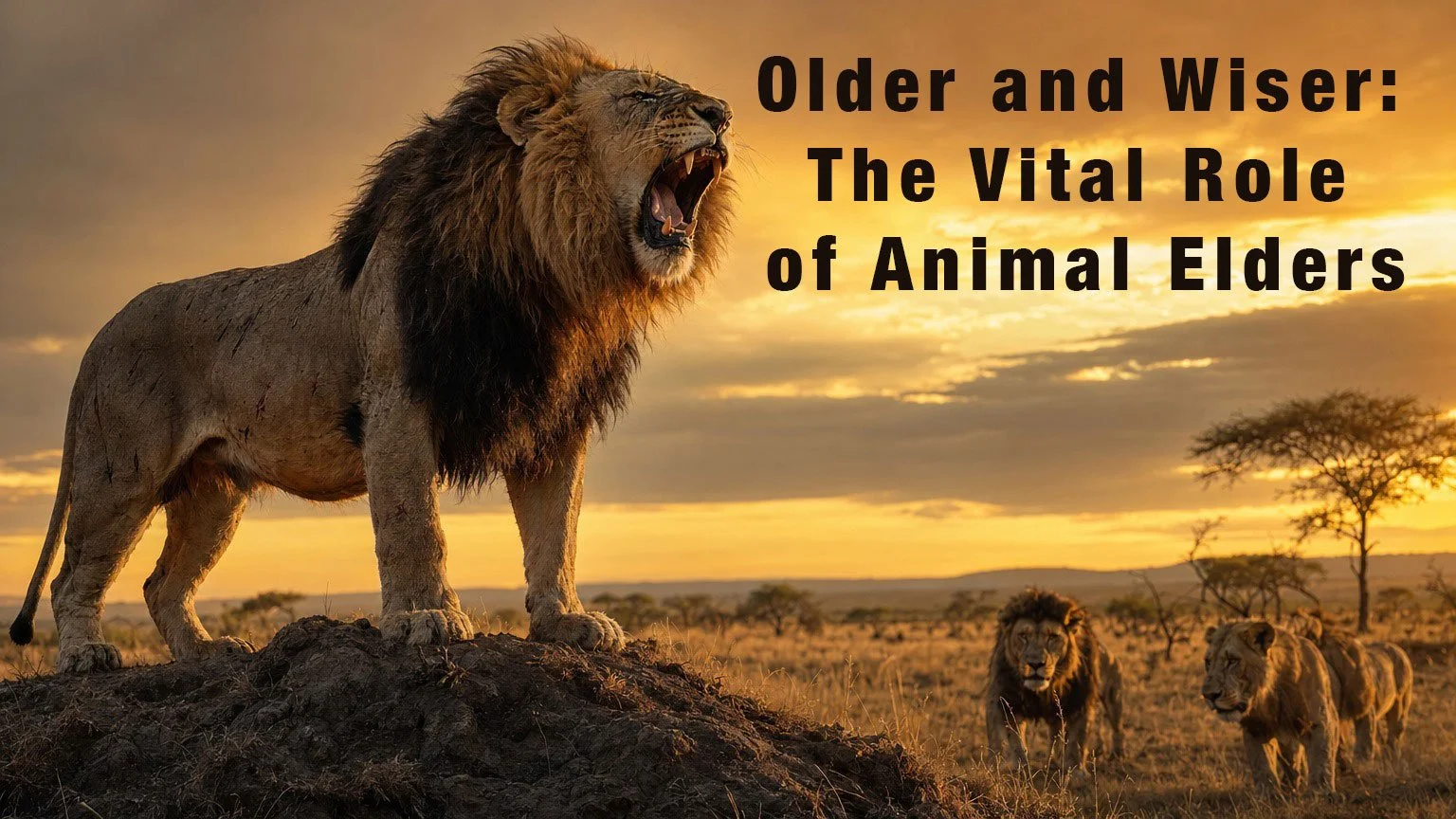
Older and Wiser: The Vital Role of Animal Elders
Recent research emphasizes that older animals are vital for the survival of wildlife populations because they possess accumulated knowledge and specialized skills. These elders serve as essential leaders who guide their groups toward resources and help maintain social stability among younger individuals. Beyond their wisdom, aging members often provide enhanced reproductive success and possess stronger immune systems developed over time. Traditional conservation efforts frequently focus on total population counts, yet this source argues that protecting the age structure is just as critical. The loss of these senior animals through human activities can result in a profound disappearance of survival strategies that simple numbers cannot replace.
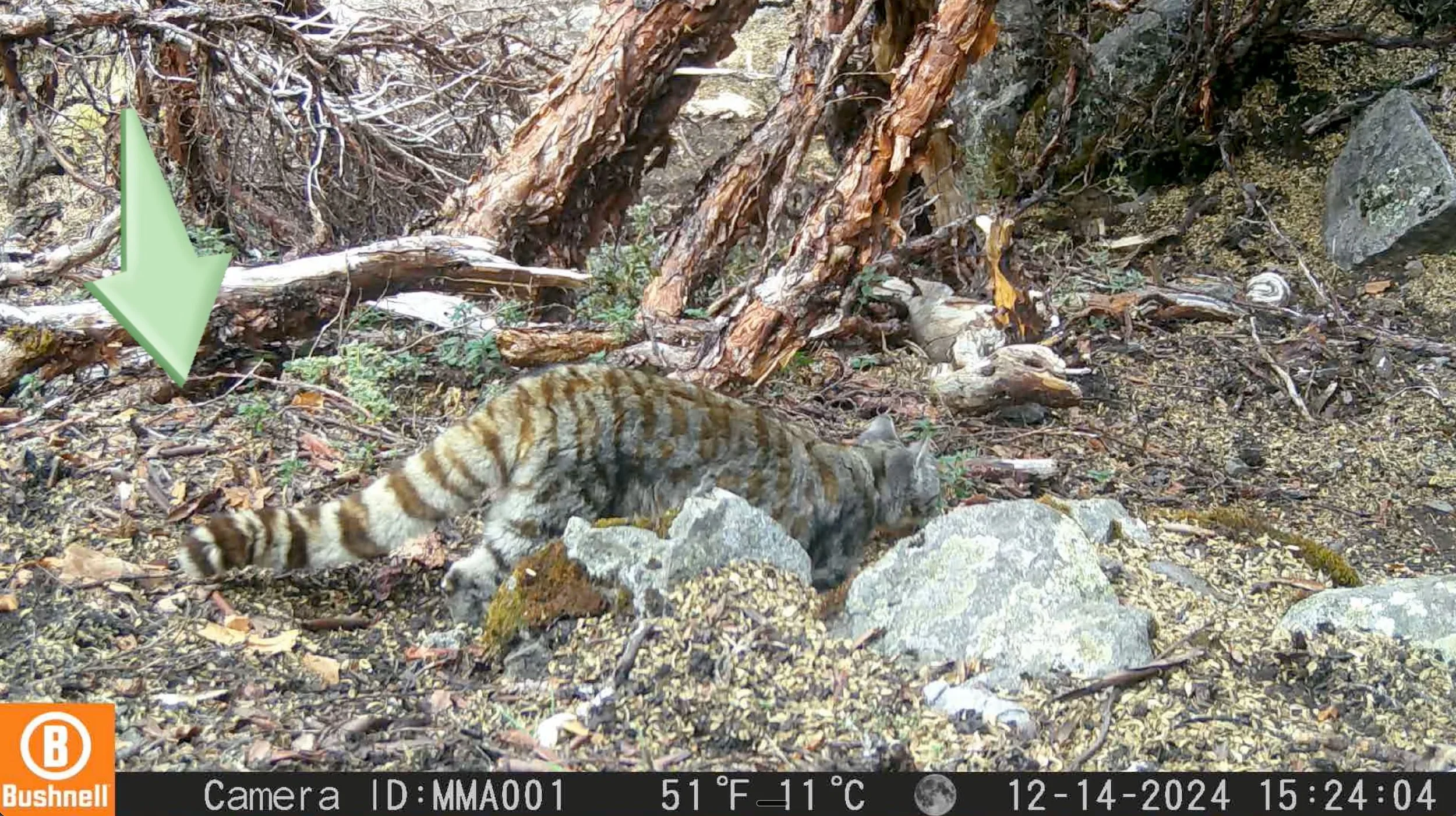
These sources examine the genetic crisis facing isolated wild cat populations, where human-driven habitat fragmentation forces inbreeding and triggers a decline in biological fitness. Researchers identify morphological abnormalities, such as kinked tails and thoracic cowlicks, as visible biomarkers of a deeper "extinction vortex" that includes heart defects and reproductive failure. While the Florida panther serves as a primary case study for these issues, the texts document similar patterns of genomic decay in California mountain lions, European wildcats, ocelots, jaguarundi, Andean cats, cheetahs and Asiatic lions. Conservationists highlight the 1995 genetic restoration project in Florida—which used Texas pumas to diversify the gene pool—as a successful model for reversing these trends. Ultimately, the literature advocates for wildlife crossings and habitat corridors to restore natural gene flow and ensure the long-term survival of apex predators.
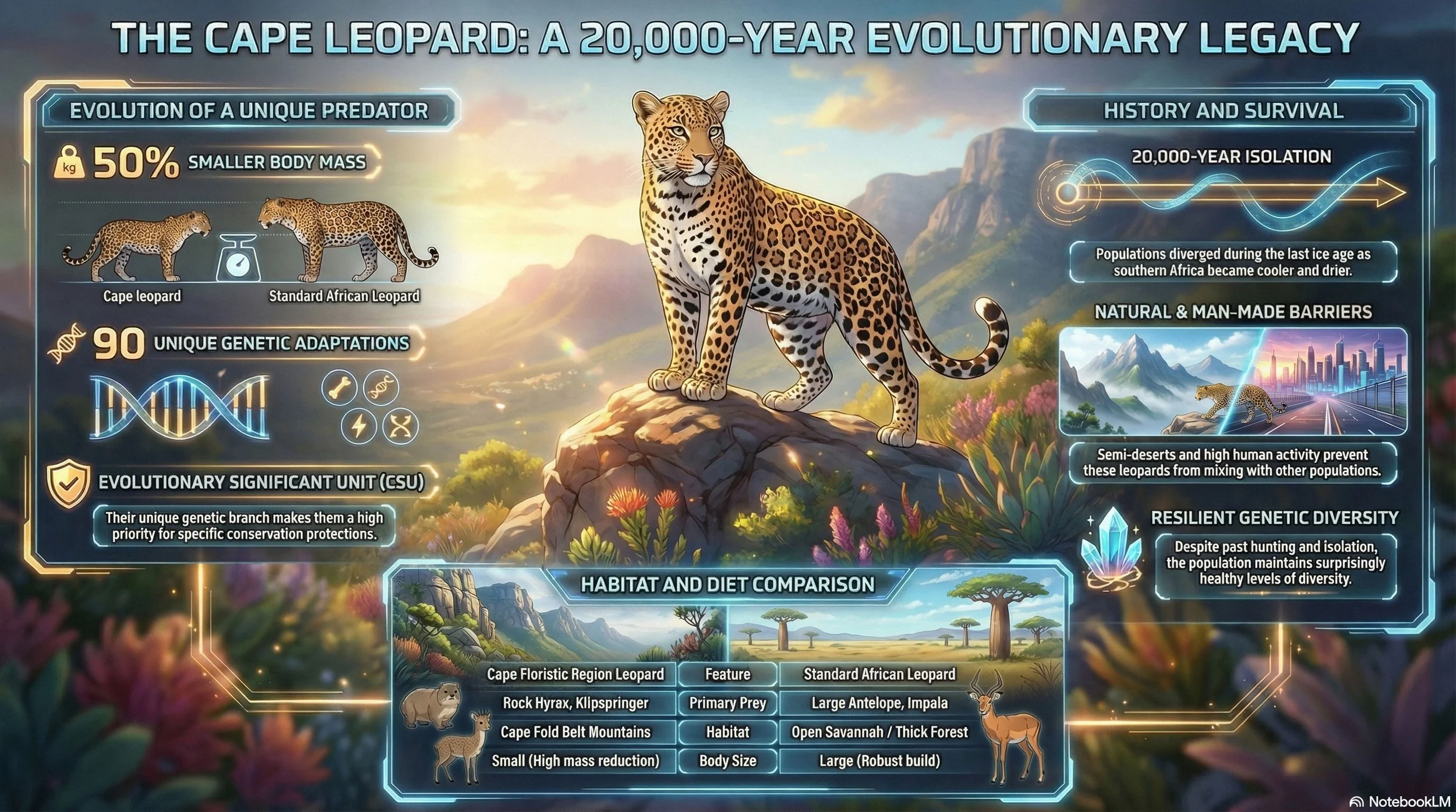
Researchers have discovered that leopards inhabiting South Africa’s Cape Floristic Region are a genetically distinct population that has evolved separately from other African leopards for over 20,000 years. These cats are significantly smaller in size, an physical trait driven by specific genetic adaptations to a unique environment with limited prey rather than mere isolation. While their numbers were previously decimated by human hunting and habitat loss, genomic analysis reveals surprisingly healthy levels of genetic diversity within the remaining population. This scientific breakthrough identifies the Cape leopard as an evolutionarily significant unit, highlighting an urgent need for specialized conservation strategies to protect their mountain corridors. Preserving these predators requires mitigating human conflict and ensuring landscape connectivity to safeguard a unique evolutionary legacy.
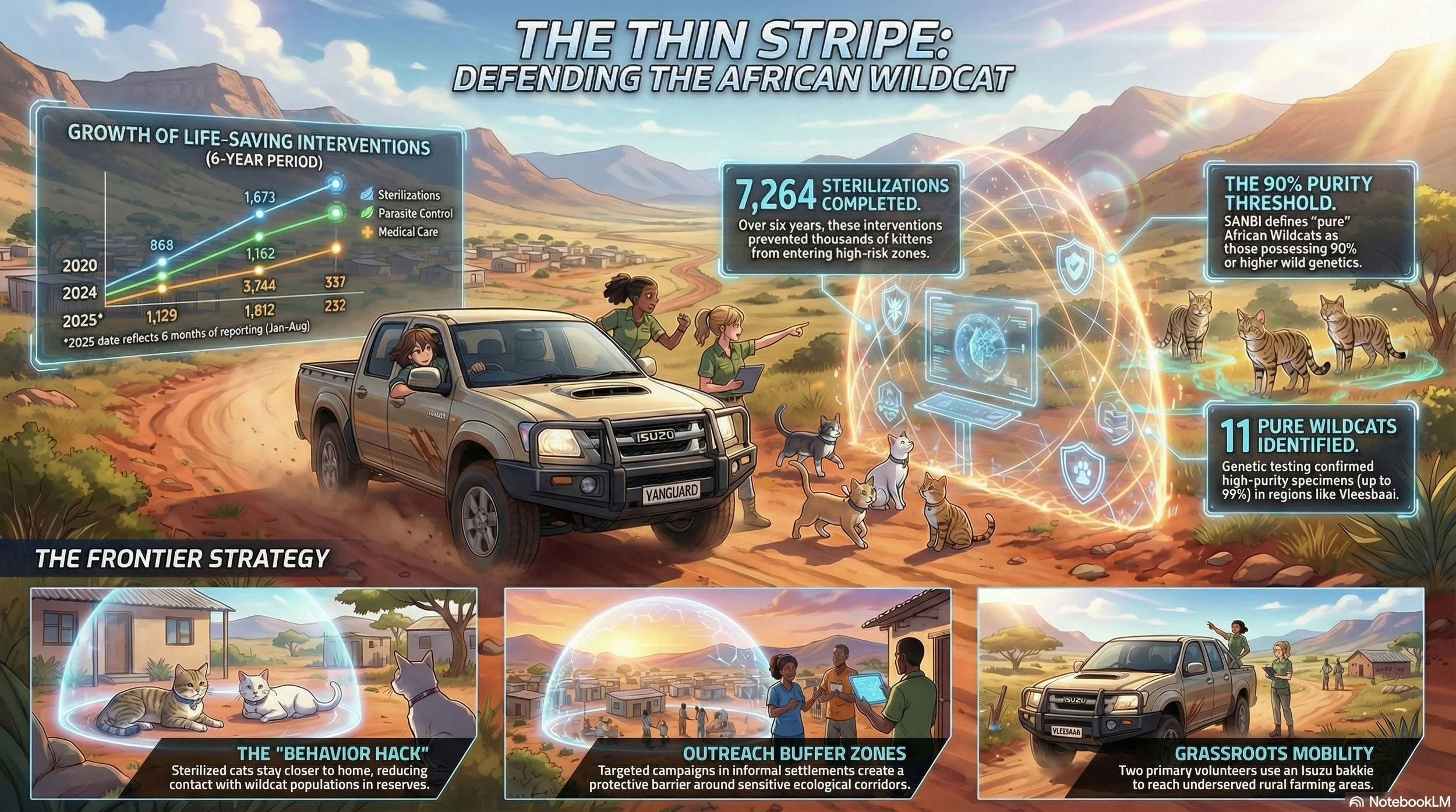
The provided reports detail the extensive operations of the Cat Assistance Team (C.A.T) across South Africa’s Garden Route from 2020 through mid-2025. This organization focuses on humane population control through mass sterilisations, medical care, and parasite treatments for feral and loosely owned cats. A primary conservation objective is protecting the endangered African Wildcat by preventing interbreeding with domestic felines in rural and urban fringes. To ensure the genetic purity of wild species, the team conducts DNA testing and focuses on trapping efforts in high-risk buffer zones. Despite facing operational capacity limits and logistical hurdles in remote areas, C.A.T. collaborates with various veterinary partners to improve community animal health. Their strategy combines direct veterinary intervention with educational outreach to stabilize cat populations and foster better animal welfare in marginalized settlements.

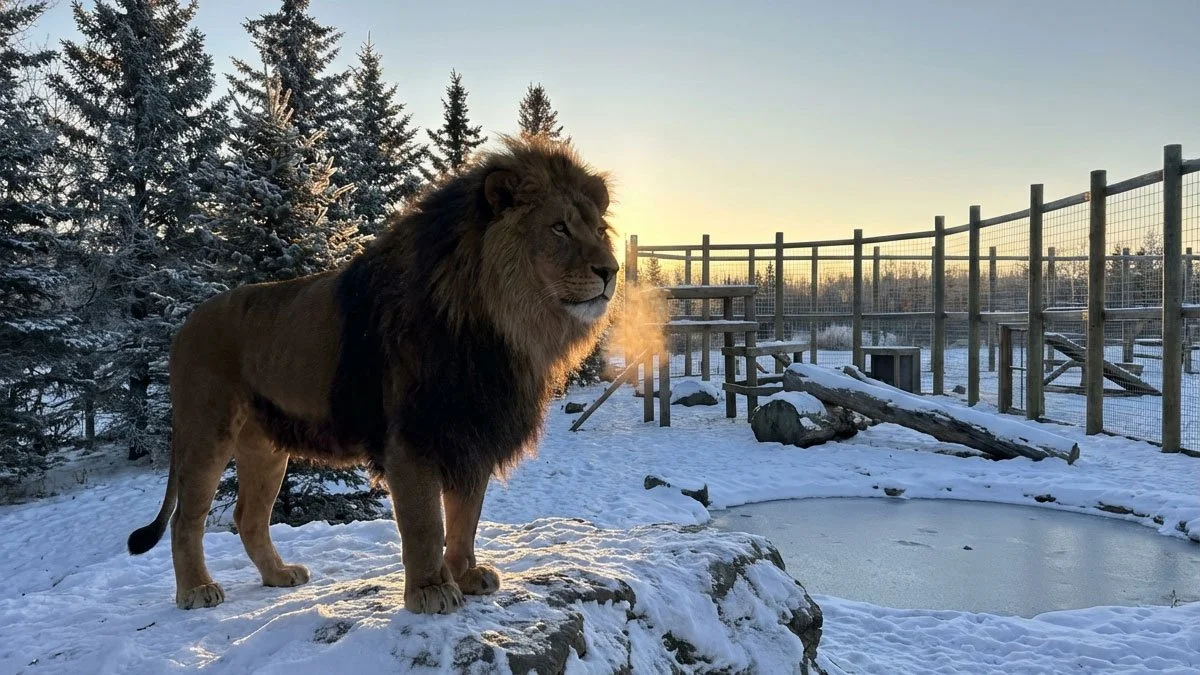
Muskoka facility becomes Canada's first big cat sanctuary as CTV investigation exposes roadside zoo abuses. New law ends private ownership of lions and tigers.
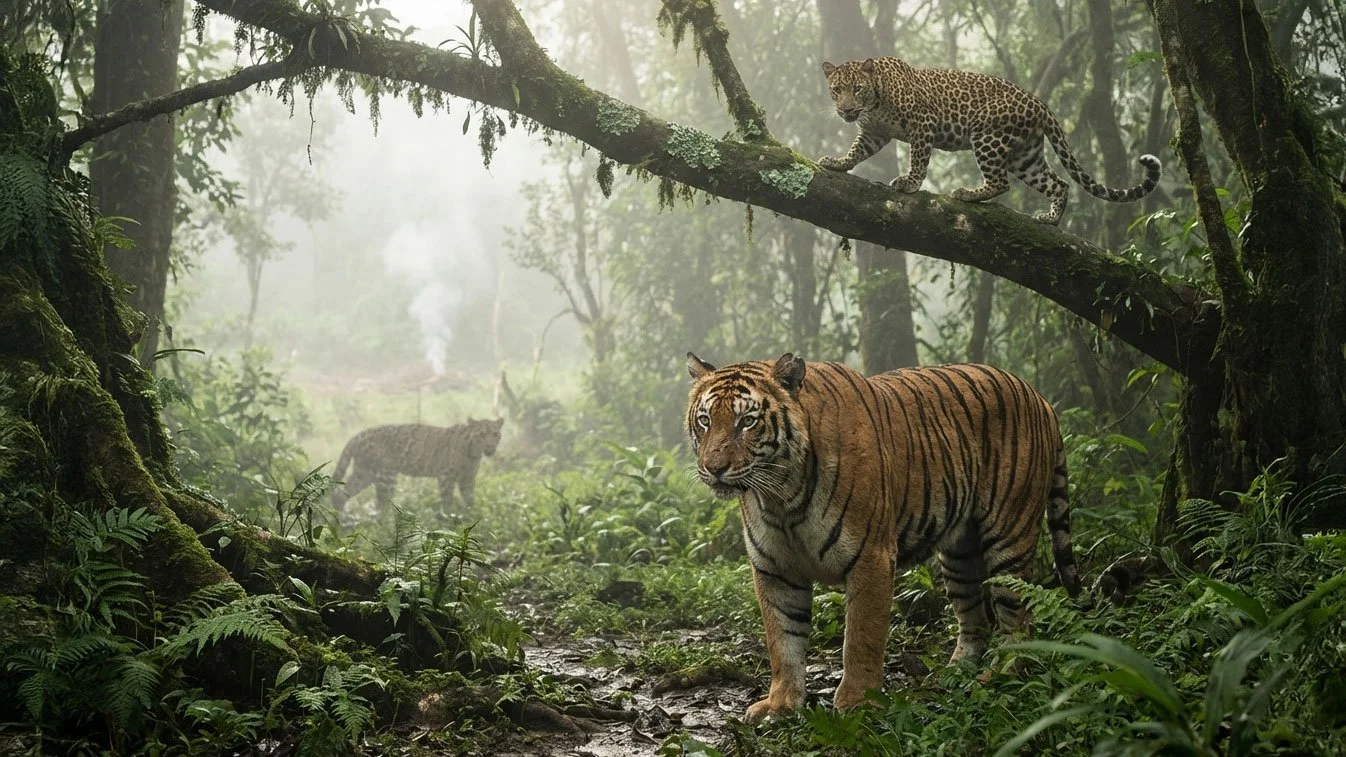
Myanmar's Big Cats Face Extinction: Only 22 Tigers Remain in Survey. Only 22 tigers remain in Myanmar protected areas. UMass research reveals urgent need to save Bengal tigers, Indochinese leopards, and clouded leopards from extinction.

The removal of South Africa's progressive Environment Minister Dion George marks a dangerous setback for big cat conservation and wildlife protection worldwide.

Explore three inspiring wild cat conservation stories: Jim Sanderson's encounter with the world's only captive Marbled cat in India, the creation of the first Community Conserved Area for Marbled Cats in Arunachal Pradesh, Uganda's new national park for African Golden Cats, and how young students are transforming Fishing cat conservation along India's Chilika lagoon. Community-led conservation is changing the future for rare and threatened wild cats.
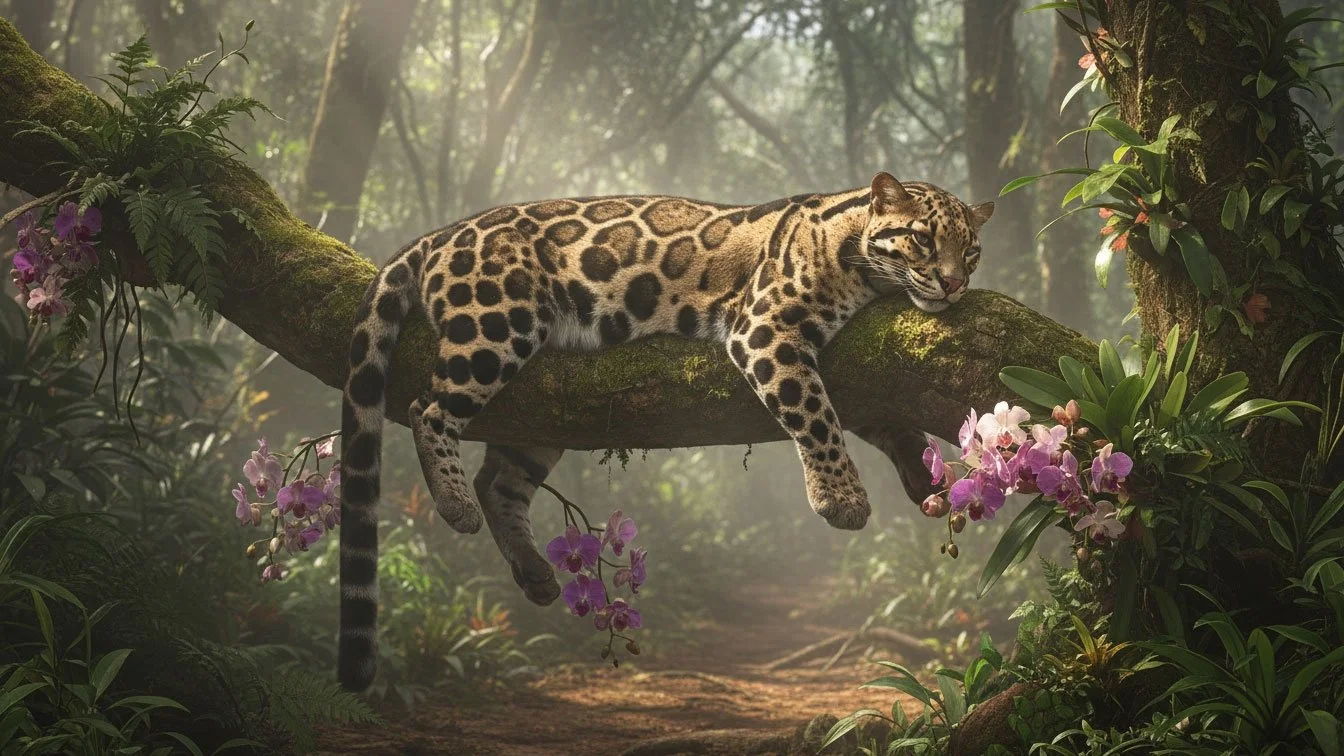

An investigation into African Parks reveals the darker side of conservation—community exclusion, militarization, and human rights concerns. Discover how to support ethical, inclusive wildlife protection.
See Burrard-Lucas's trail cam images: https://news.mongabay.com/2025/02/elusive-wildlife-shows-up-for-photographers-camera-traps-in-congo/
 Carole Baskin
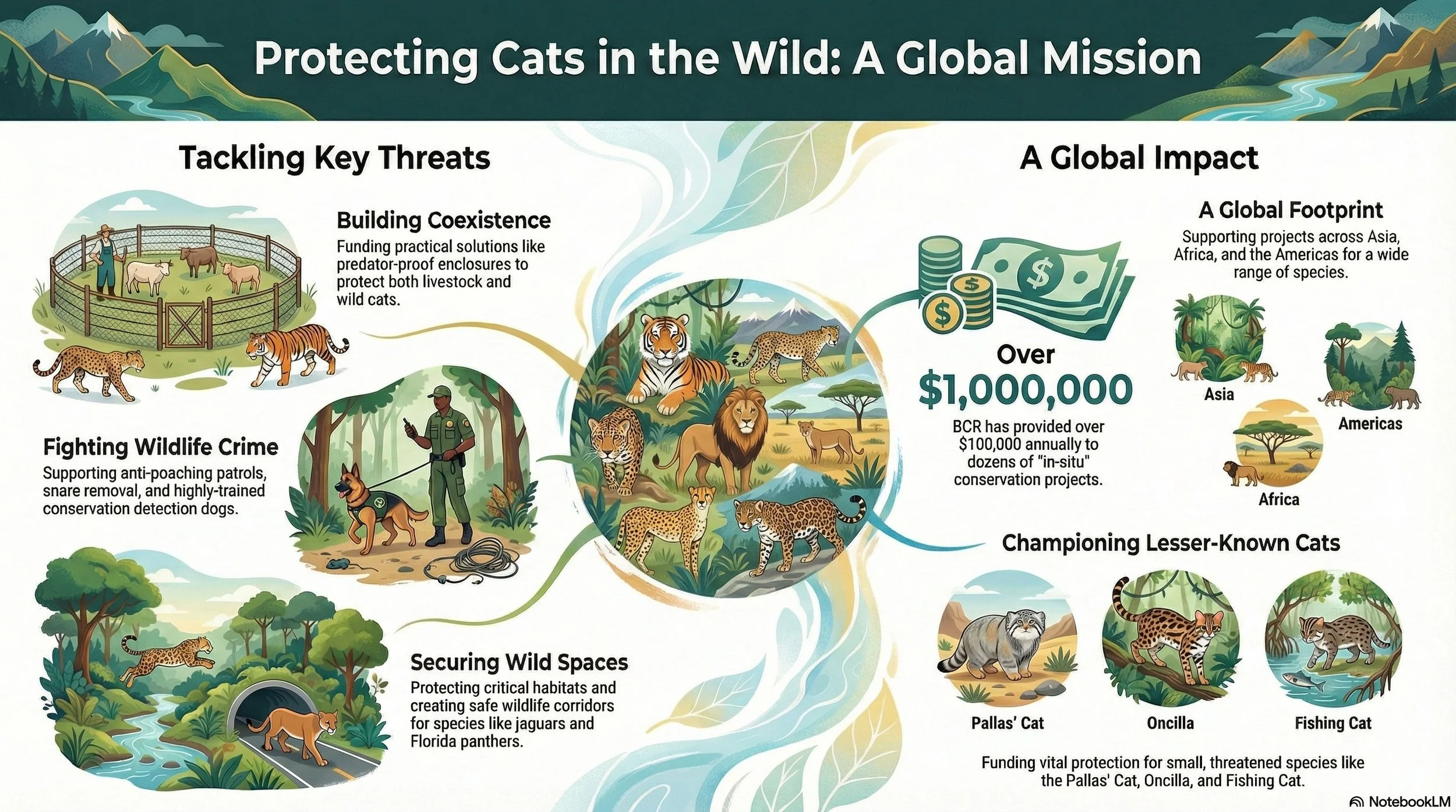
Carole Baskin is the founder and CEO of Big Cat Rescue and author of this web page. Since 1992, she has worked to end the exploitation of exotic cats and now leads the non profit's efforts to protect wild cats in the wild by funding innovative threat mitigation programs that allow humans and wild cats to co-exist in peace.