World Wildlife Day

Jaguar Gargoyle
World Wildlife Day March 3, 2025
The annual High-Level World Wildlife Day United Nations celebration in Geneva this year will shine a spotlight on the critical role of innovative finance in transforming global conservation efforts. World Wildlife Day 2025 (WWD2025) will focus on unlocking new financial mechanisms that not only protect wildlife but also contribute to sustainable development goals. The event will showcase successful case studies and global initiatives in wildlife conservation finance, fostering collaboration among governments, financial institutions, businesses, and civil society. A key objective is to explore actionable pathways for mobilizing financial resources to support the Kunming-Montreal Global Biodiversity Framework (KMGBF) and the 2030 Sustainable Development Agenda. Experts from around the world, alongside leaders in International Geneva, will present cutting-edge solutions and strategies to ensure that investing in wildlife is seen not as a cost, but as a vital investment in the future of our planet.
Echoes of the Wild: The Unseen Guardians of Our Planet
In the heart of Africa's vast savannas, a solitary cheetah named Kijana prowled under the relentless sun. His lean frame moved with a grace that belied the challenges he faced daily. The encroachment of human settlements had diminished his hunting grounds, and the once-abundant prey had become scarce. Yet, Kijana's spirit remained unbroken, embodying the resilience of wild cats worldwide.
Thousands of miles away, in the dense jungles of Southeast Asia, a Malayan tiger named Dara navigated the shadows. Her kind had been reduced to a mere 150 individuals in Malaysia, victims of poaching and habitat loss. Dara's every step was a testament to survival against overwhelming odds.
These stories, though set in different continents, share a common thread: the plight of wild cats and the urgent need for conservation efforts.
The Silent Crisis
Wild cats, from the majestic lions of Africa to the elusive snow leopards of the Himalayas, play a pivotal role in maintaining ecological balance. They are apex predators, ensuring the health of ecosystems by controlling prey populations. However, their existence is under siege. Factors such as illegal wildlife trade, habitat destruction, and human-wildlife conflict have pushed many species to the brink of extinction.
For instance, the Amur leopard, native to the Russian Far East and northern China, saw its population dwindle to fewer than 30 in the 1970s. Although conservation efforts have increased their numbers to around 100, they remain critically endangered, highlighting the fragility of their recovery.
Big Cat Rescue: Champions of the Wild
Amidst these challenges, organizations like Big Cat Rescue have emerged as beacons of hope. Founded in 1992, Big Cat Rescue has been unwavering in its mission to protect and conserve wild cats. Initially established as a sanctuary for abused and abandoned big cats, Big Cat Rescue evolved to address the root causes threatening these majestic creatures.
One of their monumental achievements was championing the Big Cat Public Safety Act, signed into law in December 2022. This legislation bans private ownership of big cats in the U.S., targeting the exploitative practices of cub petting and unregulated breeding. By closing loopholes that allowed such activities, Big Cat Rescue has significantly curbed the domestic threats to big cats.
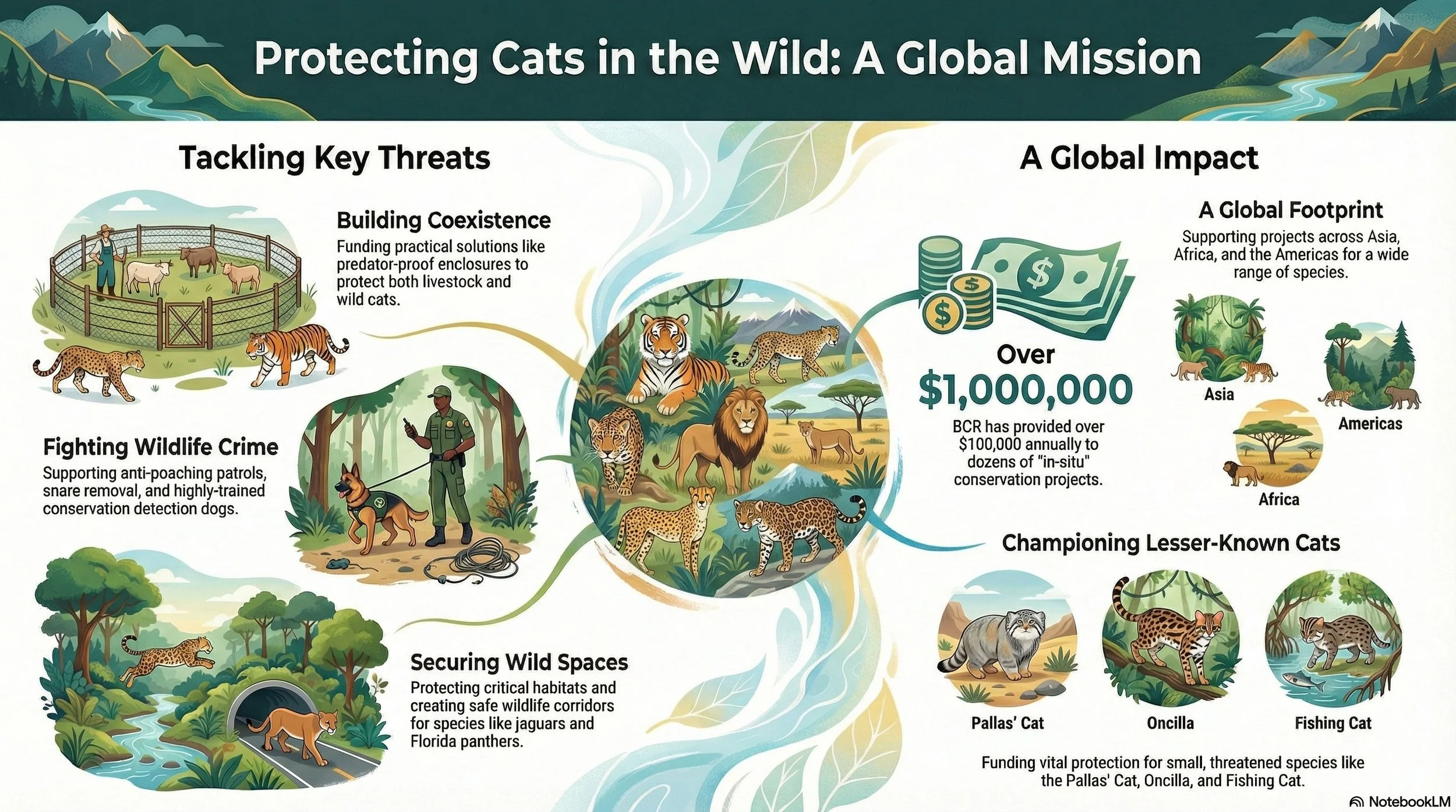
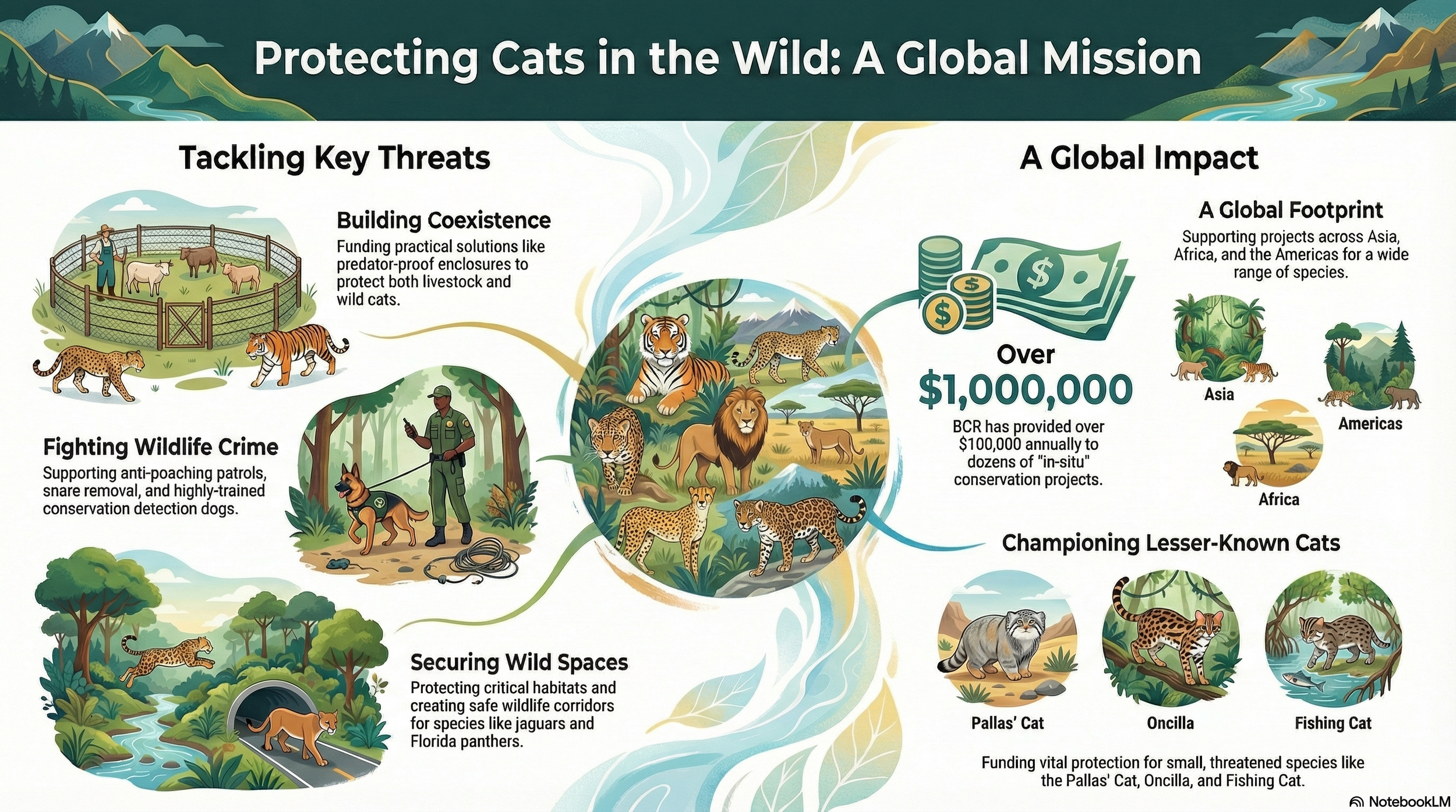
However, recognizing that true conservation extends beyond borders, Big Cat Rescue shifted its focus to in-situ conservation—protecting wild cats in their natural habitats. From 2018 to 2022, they provided $100,000 annually to global conservation projects. Despite challenges like the COVID-19 pandemic, Big Cat Rescue increased its funding to $131,000 in 2023, underscoring their commitment to the cause.
Stories from the Field
Big Cat Rescue's impact is best understood through the stories of the cats and communities they've touched:
Tsavo's Cheetahs: In Kenya's Tsavo region, human-cheetah conflicts were escalating, leading to retaliatory killings. Big Cat Rescue funded workshops bringing together local communities, ranch staff, and wildlife authorities to develop strategies for coexistence. These initiatives have reduced conflicts and fostered a sense of shared responsibility for wildlife conservation.
Suriname's Jaguars: The dense rainforests of Suriname are home to the elusive jaguar. However, illegal hunting and deforestation threatened their survival. Big Cat Rescue's support enabled local conservationists to implement anti-poaching patrols and community education programs, leading to a decline in poaching incidents and a renewed appreciation for the jaguar's role in the ecosystem.
Urban Cougars in the USA: In the United States, urban expansion has led to frequent encounters between cougars and humans. Big Cat Rescue collaborated with local organizations to develop safe corridors for cougars, reducing road fatalities and promoting peaceful coexistence.
A Call to Action
The survival of wild cats is intricately linked to the health of our planet. As apex predators, they maintain the balance of ecosystems, ensuring biodiversity thrives. Their decline signals deeper environmental issues that ultimately affect human well-being.
Supporting organizations like Big Cat Rescue is a tangible way to contribute to conservation efforts. Donations fund critical projects, from anti-poaching initiatives to community education programs. Moreover, adopting sustainable practices in our daily lives—such as reducing deforestation, supporting ethical tourism, and advocating for wildlife protection laws—can make a significant difference.
Conclusion
The tales of Kijana, Dara, and countless other wild cats are not just stories of survival but also of hope and resilience. They remind us of the delicate balance of nature and our role as stewards of the Earth. By supporting conservation efforts and making conscious choices, we can ensure that these magnificent creatures continue to roam the wild, embodying the spirit of freedom and the essence of our planet's biodiversity.
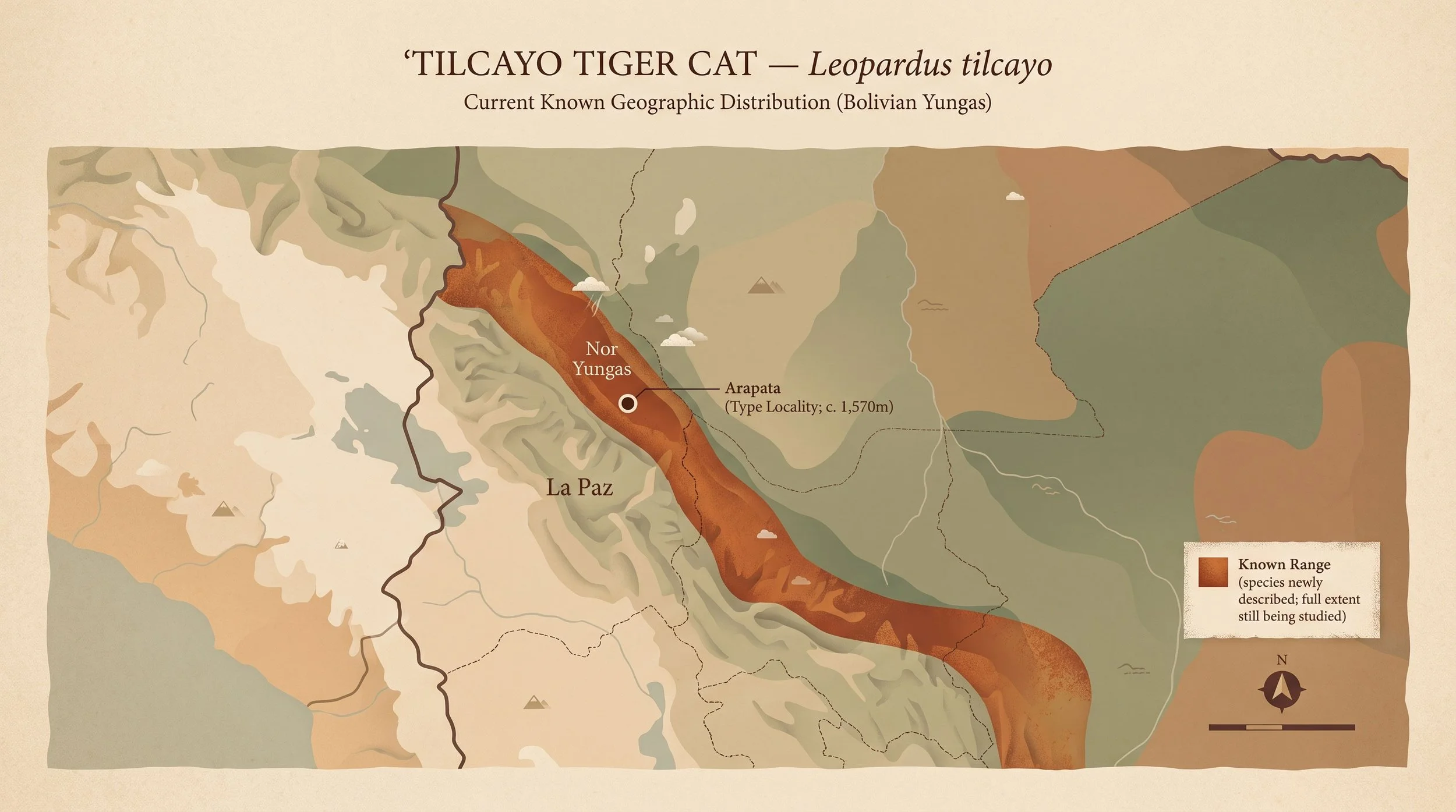
Tilcayo Tiger Cat: First New Wild Cat Species in 100 Years Discover Leopardus tilcayo, the small cloud forest feline marking the first completely novel wild cat species described by science in over a century
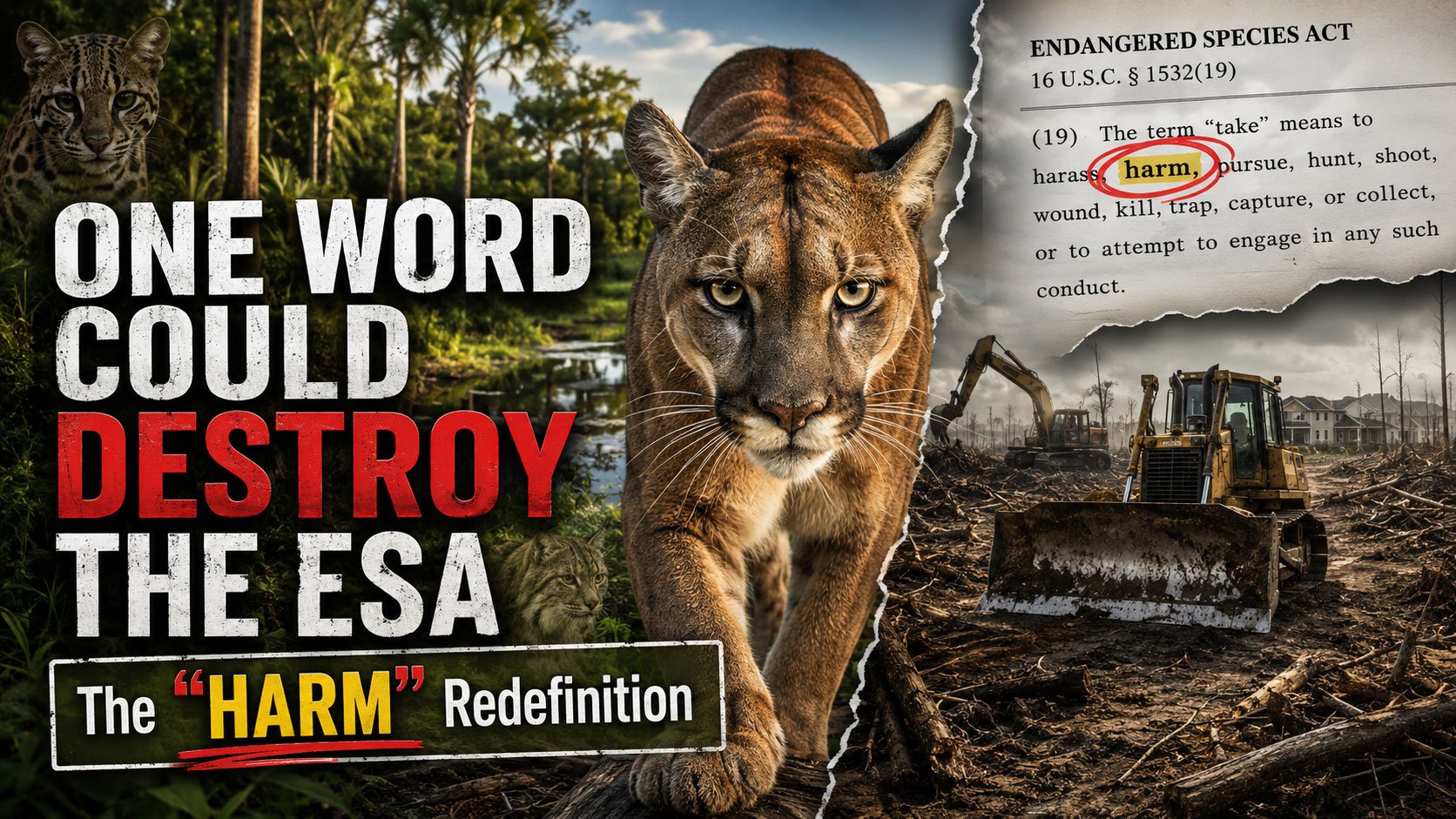
The One-Word Shift Gutting the Endangered Species Act: Why Habitat Protection is Under Fire
For over 50 years, the Endangered Species Act (ESA) has served as America’s most powerful shield against extinction, saving 99% of protected species from disappearing. However, a silent regulatory shift announced on July 10, 2026, seeks to dismantle this legacy by redefining a single word: "harm"
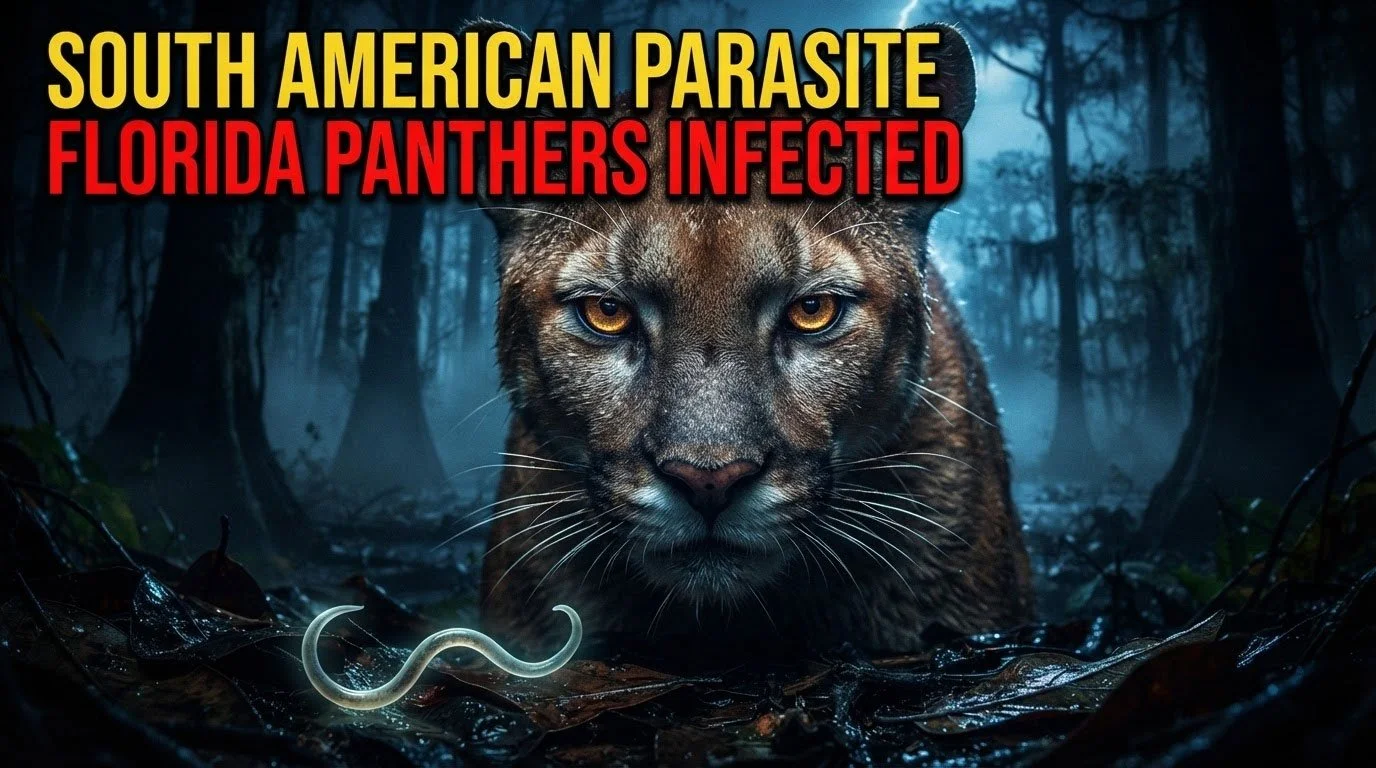
A new CDC study identifies a South American parasite, Dracunculus sp. PantanalBR, currently infecting Florida panthers and bobcats. Genetic analysis reveals a 98-99% match to specimens from Brazil, suggesting the worms may have been introduced through historical puma releases in the Everglades. Learn about the health risks these Brazilian worms pose to the survival of Florida's endangered big cat population.
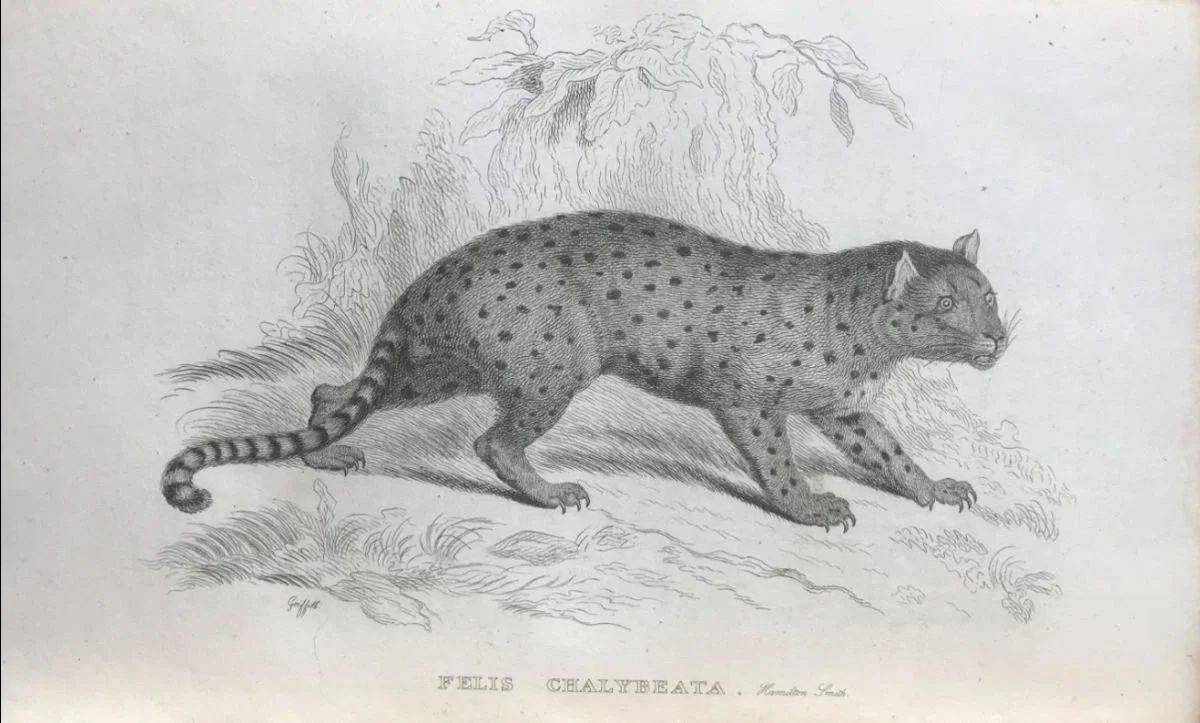

The June 2026 AdvoCat Newsletter from Big Cat Rescue covers the latest in wild cat conservation: Stanford research on mountain lions reshaping suburban ecosystems, Kyrgyzstan's new 2-million-acre snow leopard corridor, the first documented sand cats in Libya, Bengal tiger reintroduction plans for Cambodia, and the alarming pace of tiger poaching across Asia. Stay informed and take action for wild cats worldwide.
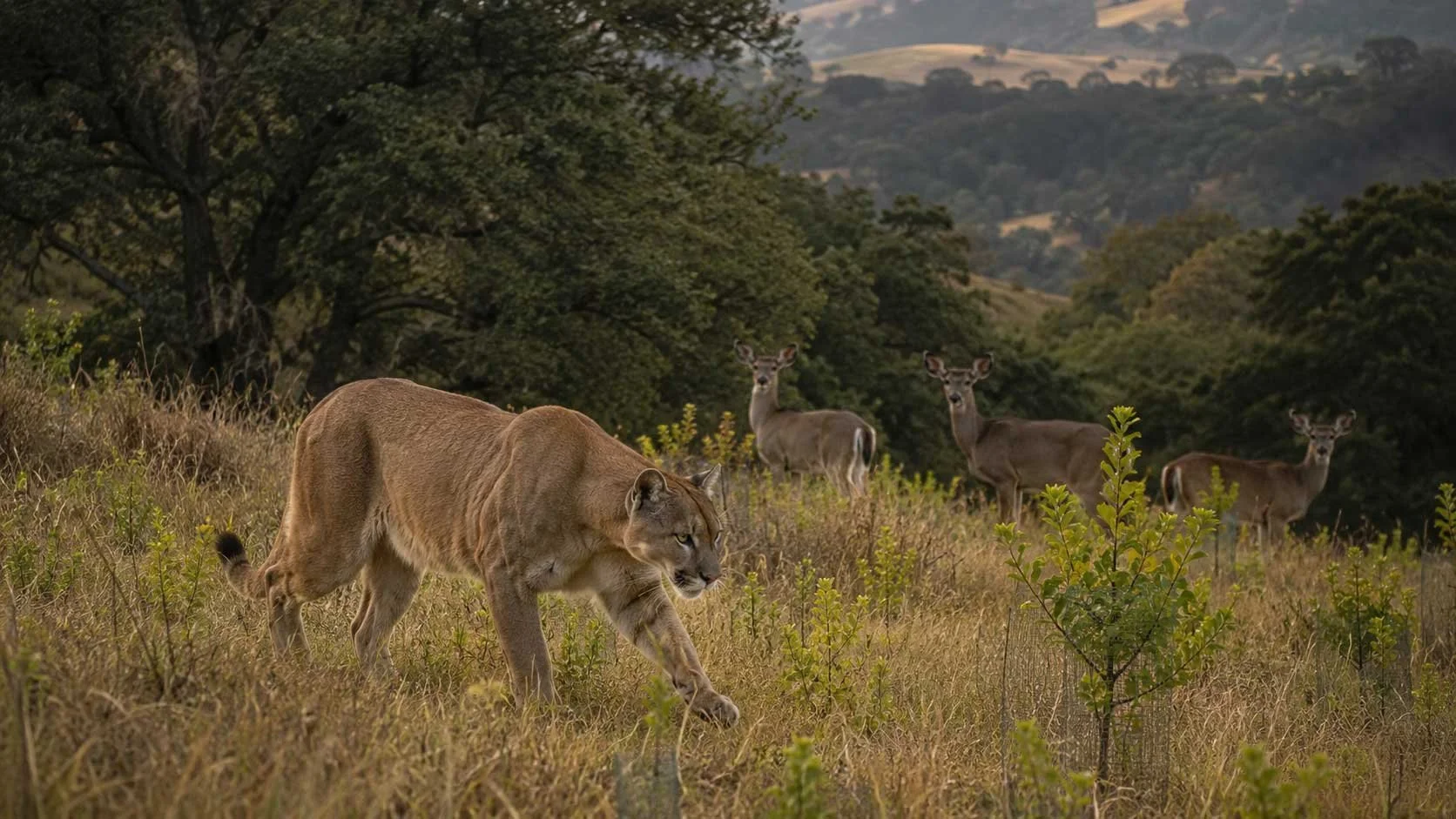
New research from Stanford shows that mountain lions can drive a trophic cascade even in a small suburban nature preserve. Over five years at Jasper Ridge near San Francisco, rising puma activity lowered deer activity and helped young oak trees and woody plants thrive. The cats also reshaped the smaller predators, with coyotes and bobcats declining, gray foxes rising, and rabbits falling. The findings, published in Ecology and Evolution, show that the ecology of fear is not only a Yellowstone phenomenon. Small preserves connected to large wild areas like the Santa Cruz Mountains can host magnificent ecological effects, which makes protecting top predators and keeping habitats connected more important than ever.
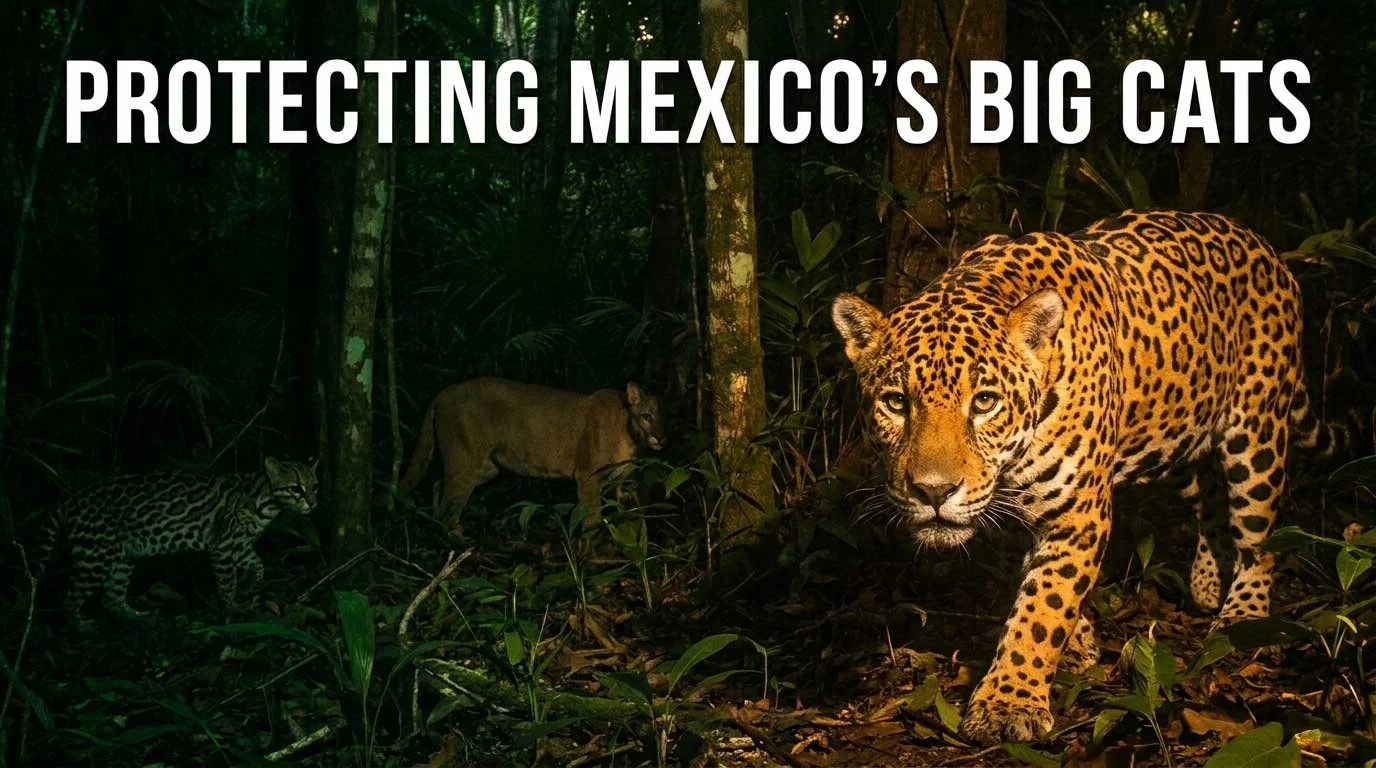
Discover how Big Cat Rescue is partnering with Proyecto AAk Mahahual to protect wild jaguars and ocelots through community coexistence. Read more!

The Nazca cat geoglyph is one of the oldest known Nazca Lines, a 37 meter (120 foot) feline figure carved into a hillside in southern Peru between 200 and 300 BC. Discovered in October 2020 during work on a desert lookout point, the cat was nearly erased by natural erosion. Peru's Ministry of Culture cleared the faint lines by hand to reveal a reclining cat with a round head, pointed ears, and a long striped tail. This guide explains how the Nazca Lines were made, why the cat dates to the earlier Paracas period, and how cats shaped the art and culture of ancient Peru. A calm, educational look at one of the desert's most charming ancient drawings.

The Icarus satellite system, built by the Max Planck Institute of Animal Behavior, is creating an Internet of Animals. Tiny tags track location, movement, heart rate, and body temperature, then send the data to satellites in low Earth orbit. Scientists are training algorithms to recognize the panic patterns animals show when poachers approach, turning tagged herds into a live early warning network. For wild cats like cheetahs, leopards, tigers, lions, and Florida panthers and bobcats, this could mean protection across vast and remote landscapes that no single ranger could ever watch. Learn how Big Cat Rescue is following the Icarus project and how satellite tracking could change the future of wild cat conservation.


The provided text outlines the organizational goals and operations of Freeland, a non-profit entity dedicated to ending the illegal trade of humans and wildlife. By utilizing a specialized team of law enforcement and technical experts, the group actively disrupts criminal networks while assisting governments and businesses in creating prevention strategies. Their comprehensive approach includes training officers, conducting community patrols, and fostering behavioral changes through public education and awareness campaigns. Beyond enforcement, the organization focuses on environmental restoration and the rehabilitation of animals to ensure the long-term health of global ecosystems. Ultimately, the source serves as an overview of Freeland’s global impact and its ongoing mission to build a world free from exploitation and slavery.
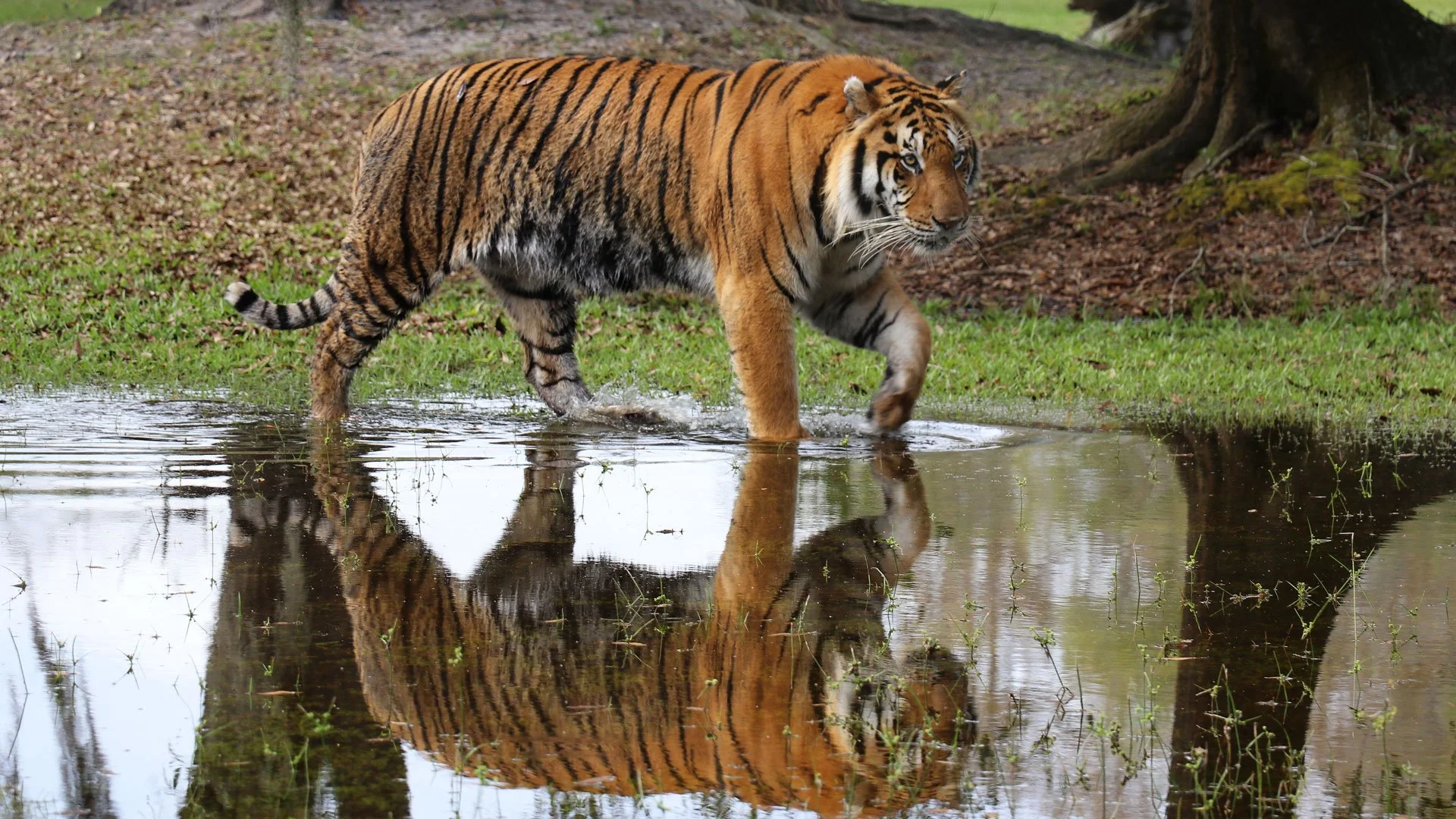
Meta Description: Discover inspiring wild cat conservation initiatives from the Small Wild Cat Conservation Foundation. Learn how organizations like Save Fishing Cats are implementing vital pet vaccination and neutering programs in Sri Lanka to protect local fishing cats and leopards from disease transmission. Plus, explore the incredible community-led success story from the Eastern Himalayas Marbled Cat Project in Meghalaya, India, where indigenous women are replacing traditional clouded leopard hunting rituals with sustainable crochet livelihoods and trail-camera monitoring.
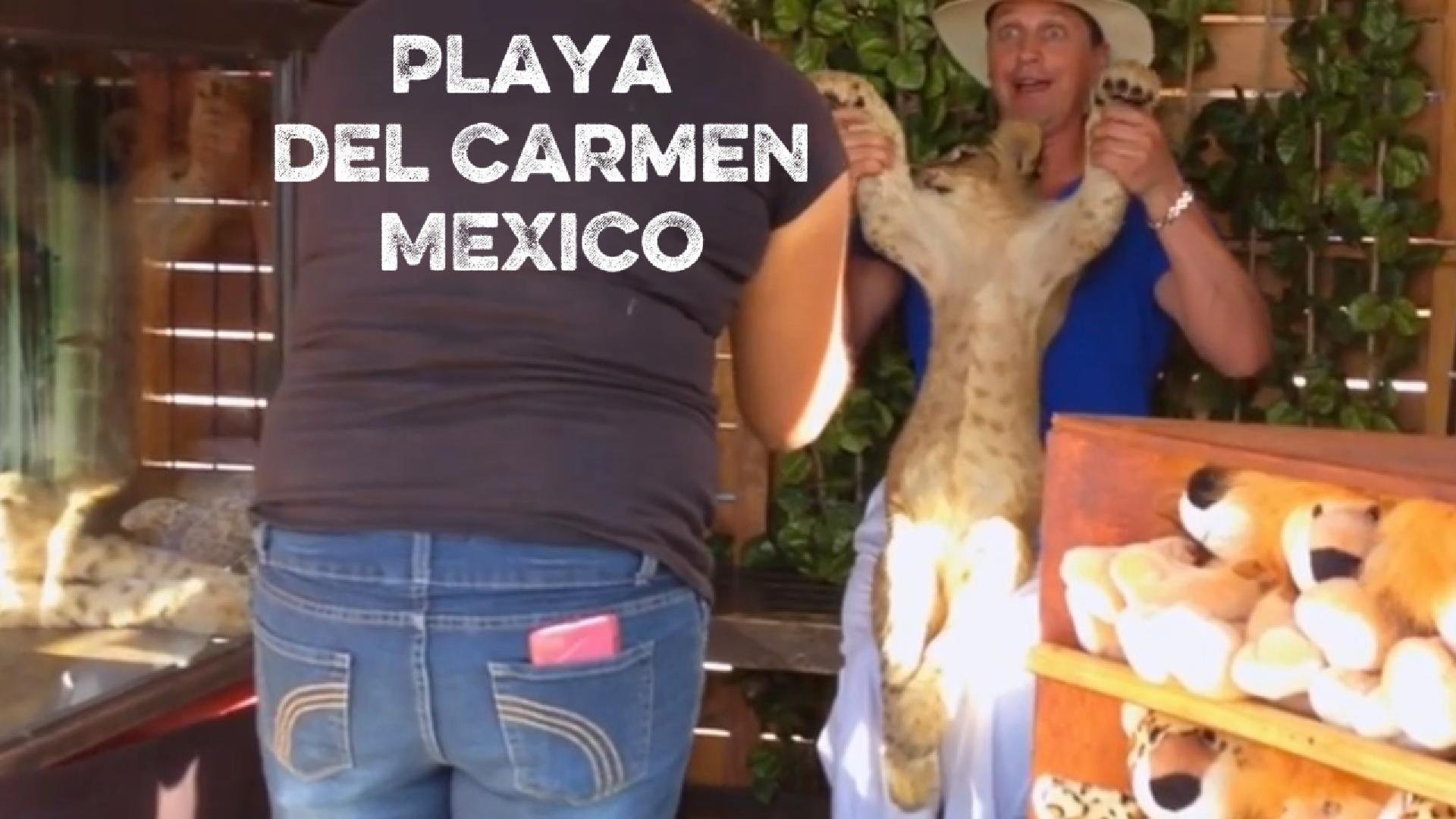
The Fall of Animalandia Maya: Playa del Carmen Shutdown In May 2026, Mexican law enforcement conducted a major raid on Animalandia Maya, a controversial tourist site in Playa del Carmen known for offering photos with exotic wildlife. The operation resulted in the arrest of the owner and several employees, as well as the seizure of tigers, lions, and monkeys that were allegedly being exploited. This intervention followed years of public outcry and pressure from animal welfare organizations regarding the suspected sedation and mistreatment of the animals. While the business has successfully used legal loopholes to reopen after past closures, the scale of this coordinated police action suggests a permanent shutdown. The incident highlights a significant victory for activists fighting against the commercial use of endangered species in the Riviera Maya.


A recent camera trap sighting of a male jaguar at an elevation of 2,200 meters in Honduras has sparked optimism among conservationists. This rare encounter in the Sierra del Merendón mountains is significant because these big cats typically reside in lower habitats, suggesting they are using high-altitude corridors to travel between fragmented landscapes. While the species faces ongoing threats from deforestation, poaching, and climate change, this discovery indicates that protected areas and anti-poaching efforts may be facilitating their return to historical territories. Global and local initiatives like the Jaguar 2030 Roadmap aim to further secure these vital migratory paths to ensure the predator's long-term survival. Ultimately, the presence of this "cloud jaguar" reaffirms the resilience of the species and the importance of maintaining ecological connectivity across Central America.
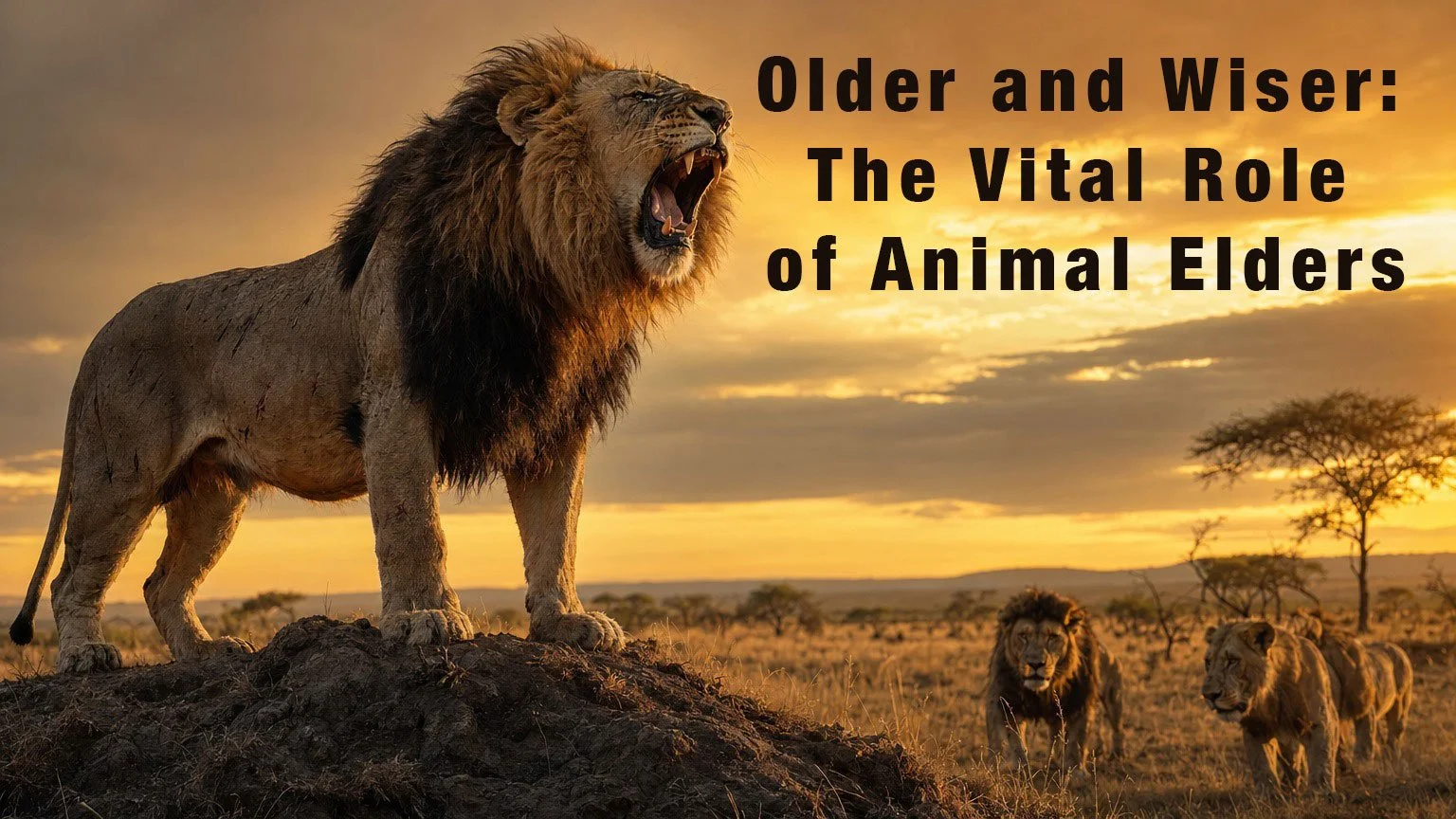
Older and Wiser: The Vital Role of Animal Elders
Recent research emphasizes that older animals are vital for the survival of wildlife populations because they possess accumulated knowledge and specialized skills. These elders serve as essential leaders who guide their groups toward resources and help maintain social stability among younger individuals. Beyond their wisdom, aging members often provide enhanced reproductive success and possess stronger immune systems developed over time. Traditional conservation efforts frequently focus on total population counts, yet this source argues that protecting the age structure is just as critical. The loss of these senior animals through human activities can result in a profound disappearance of survival strategies that simple numbers cannot replace.
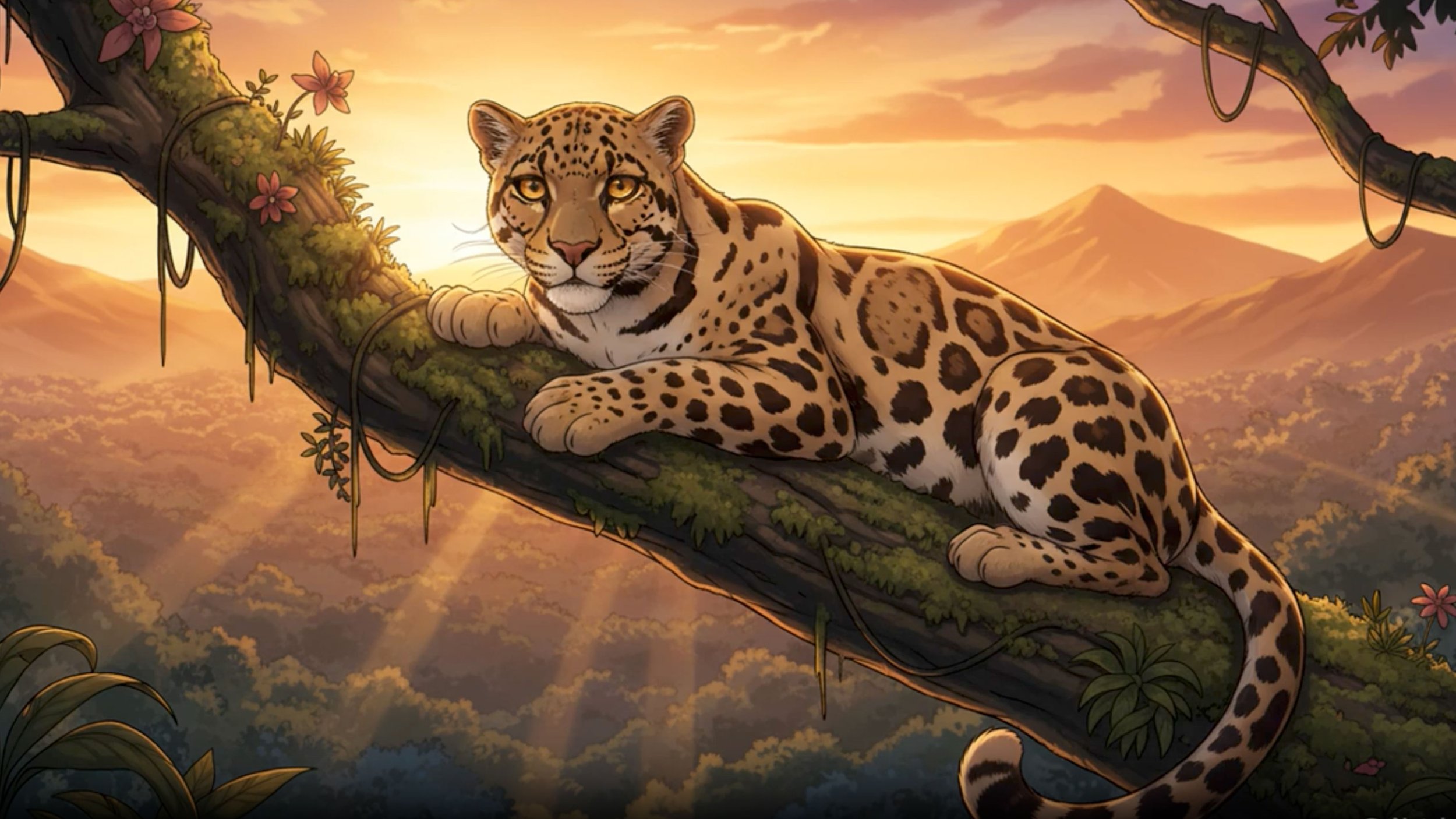
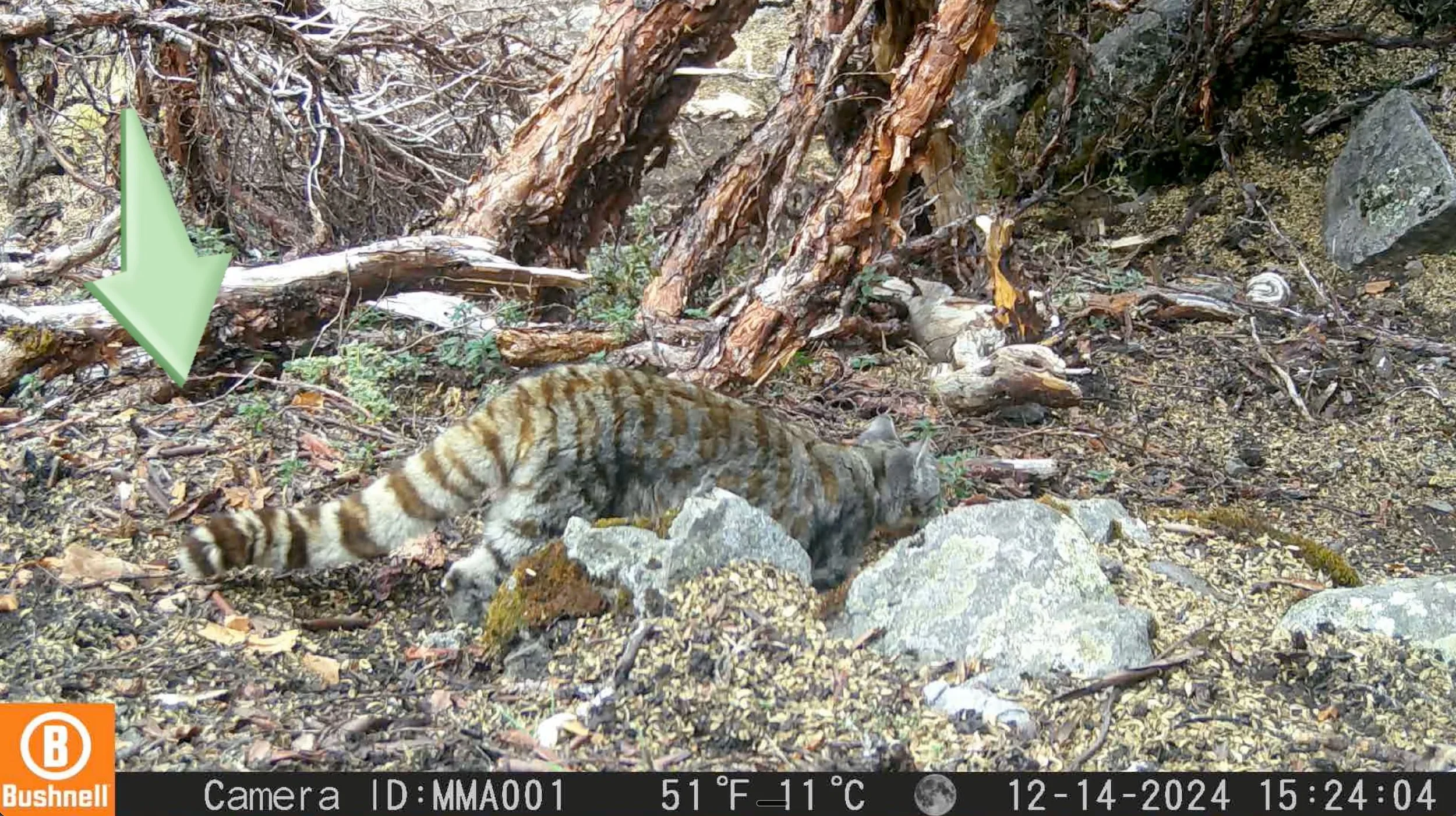
These sources examine the genetic crisis facing isolated wild cat populations, where human-driven habitat fragmentation forces inbreeding and triggers a decline in biological fitness. Researchers identify morphological abnormalities, such as kinked tails and thoracic cowlicks, as visible biomarkers of a deeper "extinction vortex" that includes heart defects and reproductive failure. While the Florida panther serves as a primary case study for these issues, the texts document similar patterns of genomic decay in California mountain lions, European wildcats, ocelots, jaguarundi, Andean cats, cheetahs and Asiatic lions. Conservationists highlight the 1995 genetic restoration project in Florida—which used Texas pumas to diversify the gene pool—as a successful model for reversing these trends. Ultimately, the literature advocates for wildlife crossings and habitat corridors to restore natural gene flow and ensure the long-term survival of apex predators.
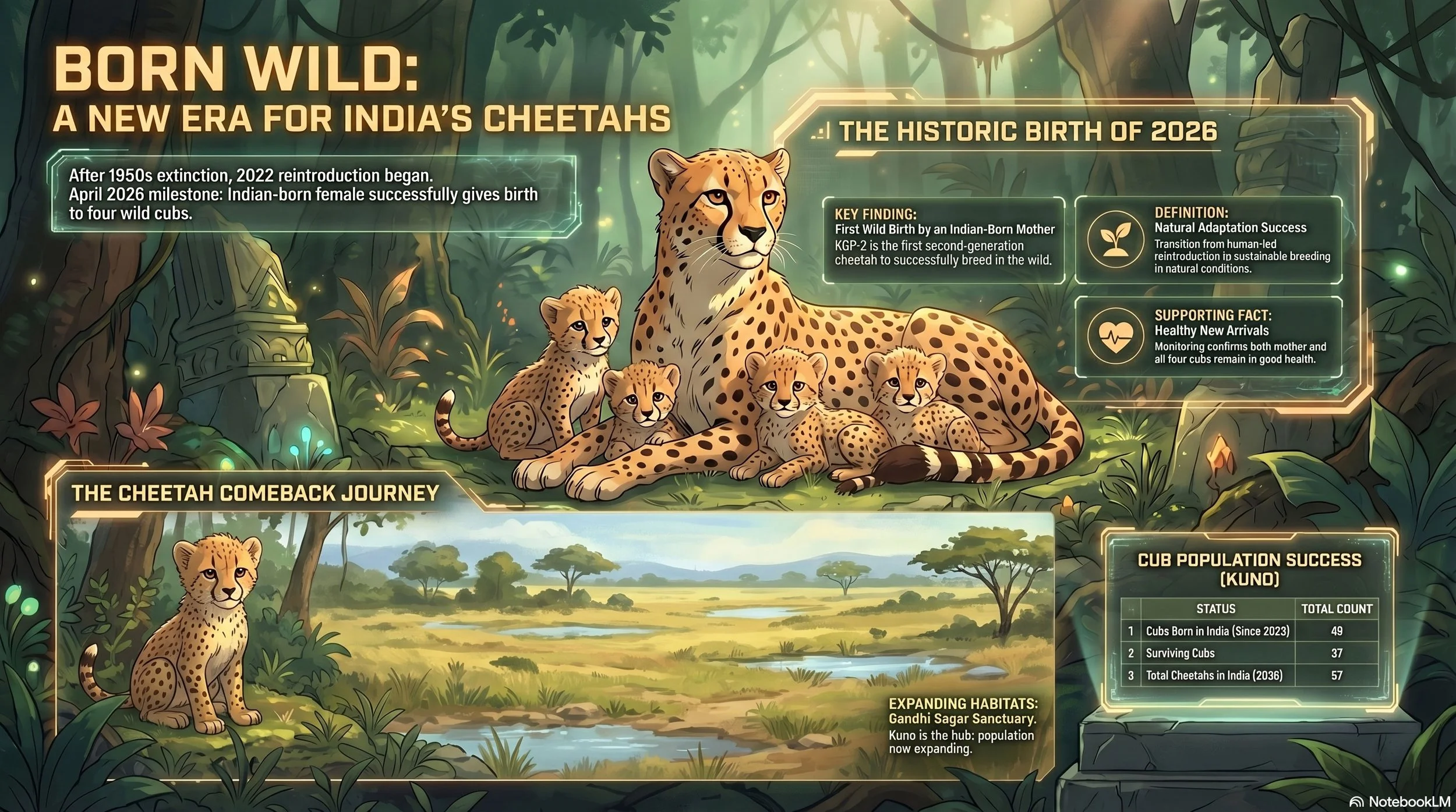
A female cheetah named KGP-2 has successfully delivered four cubs at Kuno National Park, marking a major achievement for India's wildlife restoration efforts. This event is particularly notable because the mother is a second-generation resident born in India, proving that the species can thrive and reproduce naturally in its new environment. With these new arrivals, the country’s total population of these big cats has climbed to 57 individuals across different sanctuaries. Government officials and conservationists view this milestone as evidence that the local ecosystem is capable of supporting the long-term sustainability of the species. This growth follows other recent births, signaling a transition from mere relocation to a self-sustaining biological success. Environmental leaders believe these developments solidify the region's status as a premier global hub for cheetah conservation.
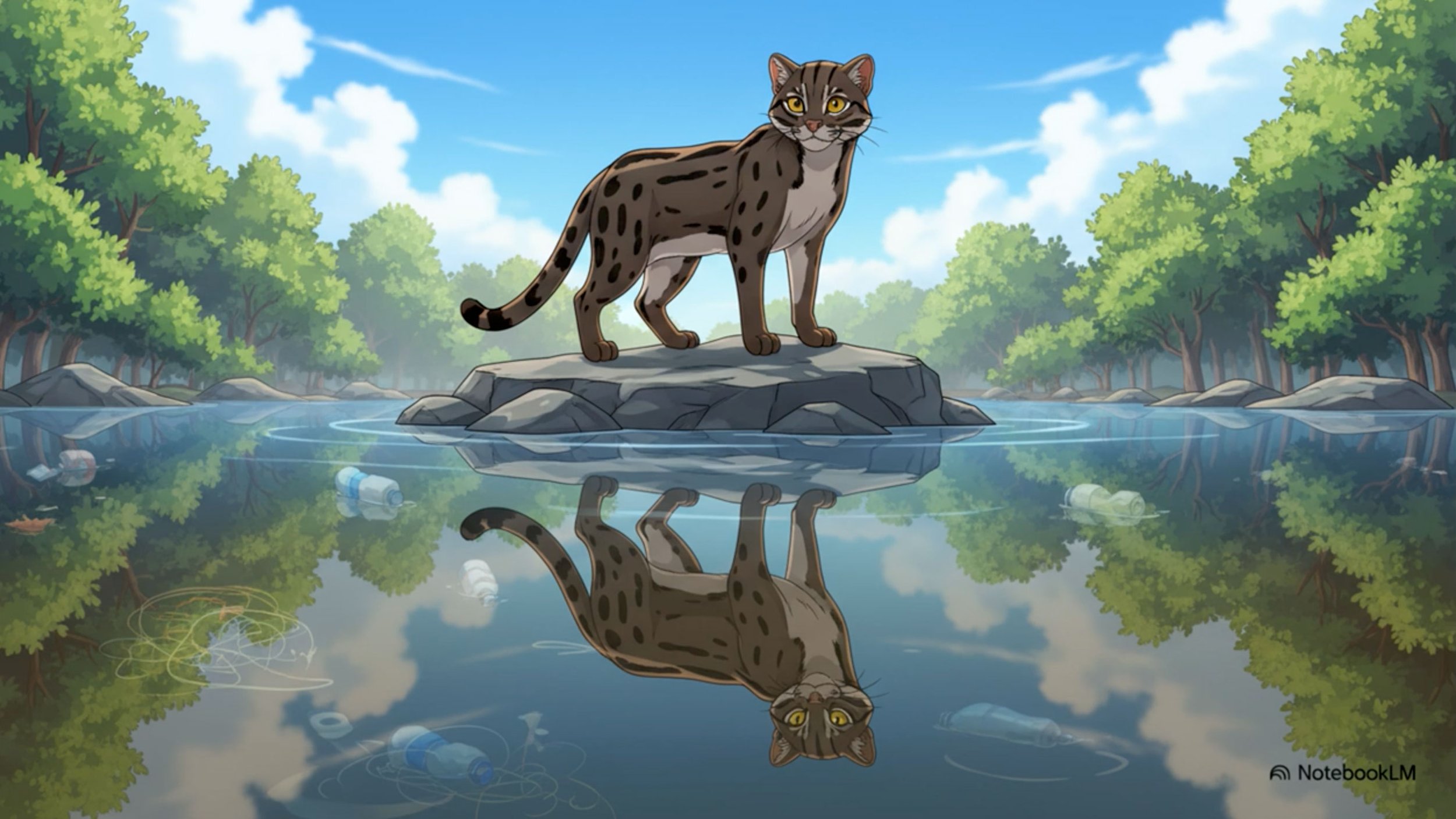
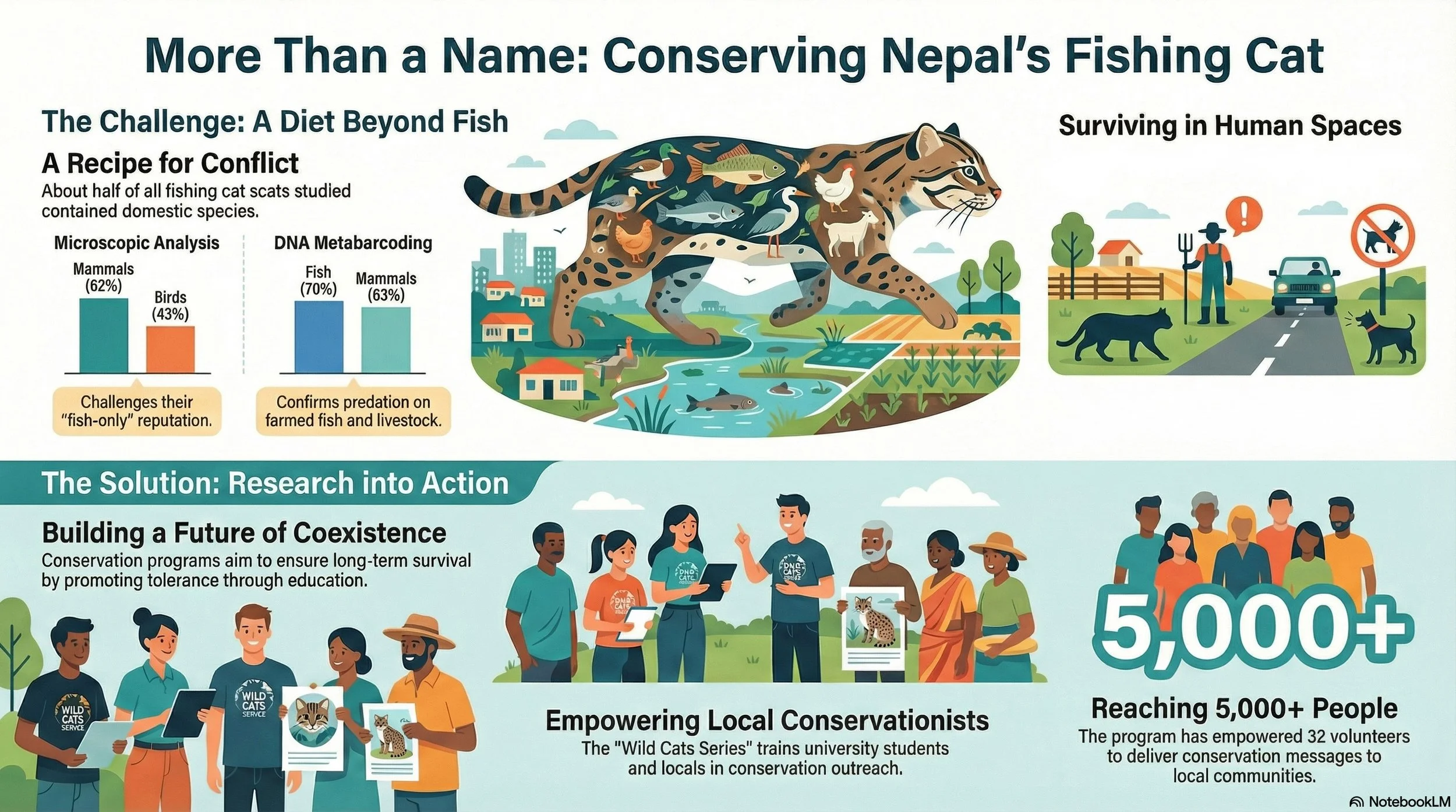
A recent study led by the University of Calcutta has uncovered alarming levels of microplastics and heavy metals in the waste of fishing cats living in India’s West Bengal region. These apex predators are ingesting toxins like lead and chromium by eating contaminated prey, a process known as bioaccumulation that originates from industrial runoff and poor waste management. Scientists warn that these pollutants threaten the survival and reproductive success of the species while also serving as a grim indicator of the environmental risks facing local human populations who share the same food sources. To combat this ecological crisis, experts advocate for stricter industrial regulations and significant improvements to sewage infrastructure to prevent untreated waste from entering vital waterways. This discovery highlights the pervasive reach of human-generated pollution within delicate wetland ecosystems.
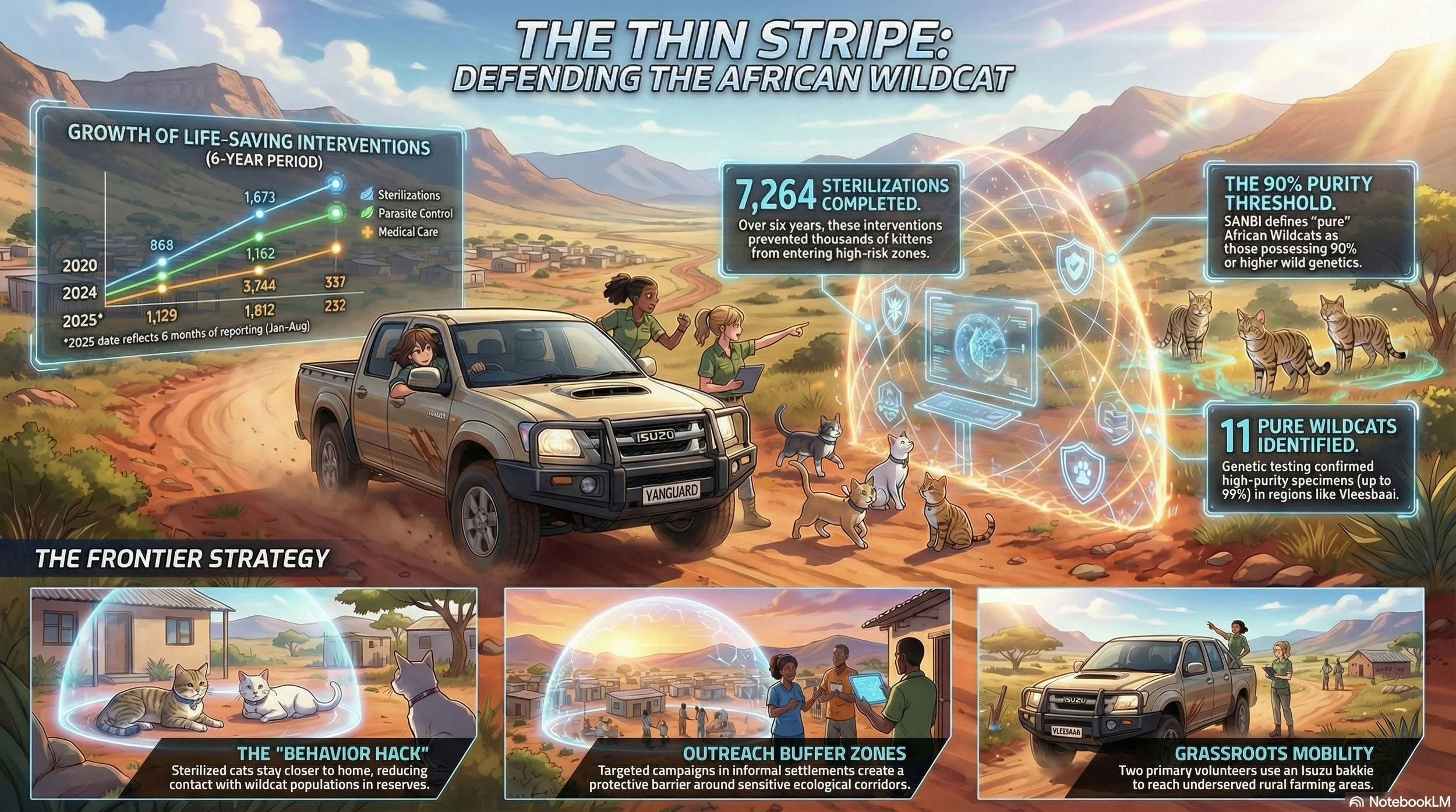
The provided reports detail the extensive operations of the Cat Assistance Team (C.A.T) across South Africa’s Garden Route from 2020 through mid-2025. This organization focuses on humane population control through mass sterilisations, medical care, and parasite treatments for feral and loosely owned cats. A primary conservation objective is protecting the endangered African Wildcat by preventing interbreeding with domestic felines in rural and urban fringes. To ensure the genetic purity of wild species, the team conducts DNA testing and focuses on trapping efforts in high-risk buffer zones. Despite facing operational capacity limits and logistical hurdles in remote areas, C.A.T. collaborates with various veterinary partners to improve community animal health. Their strategy combines direct veterinary intervention with educational outreach to stabilize cat populations and foster better animal welfare in marginalized settlements.
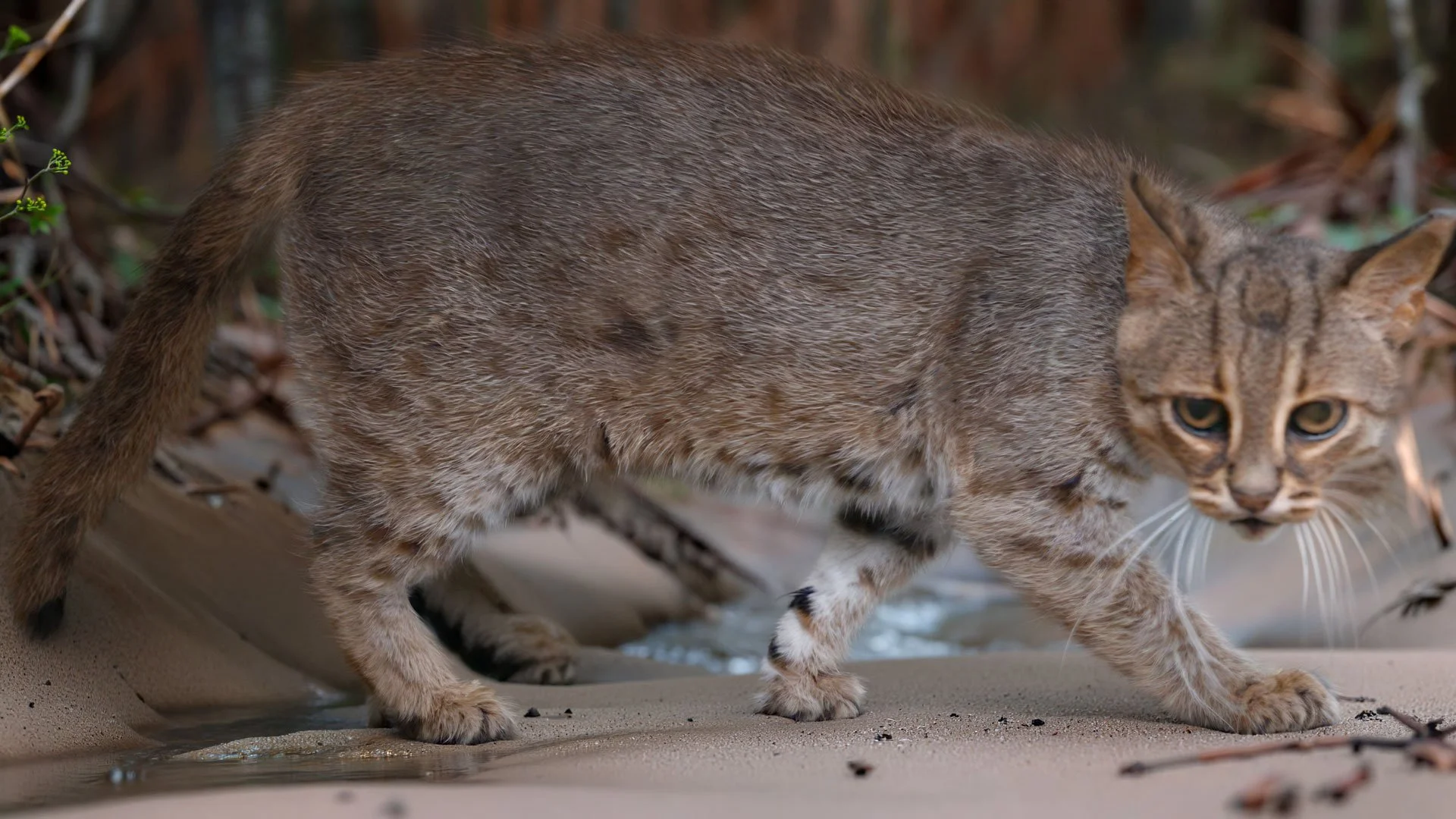
This report highlights several community-focused initiatives designed to protect endangered small wild cats by improving local livelihoods. In Uganda and India, conservation groups are helping residents transition from forest exploitation to sustainable beekeeping, organic gardening, and animal husbandry. Similar efforts in Nepal provide greenhouses to high-altitude villages, where residents protect clouded leopards in exchange for food security. The text also celebrates the creation of International Rusty-Spotted Cat Day to foster global awareness for the world's smallest feline. Finally, it recognizes the Fundación Con Garra in Chile for their successful campaign to reduce wildlife-vehicle collisions. Together, these accounts demonstrate that protecting biodiversity is most effective when it is paired with economic empowerment and cultural respect.
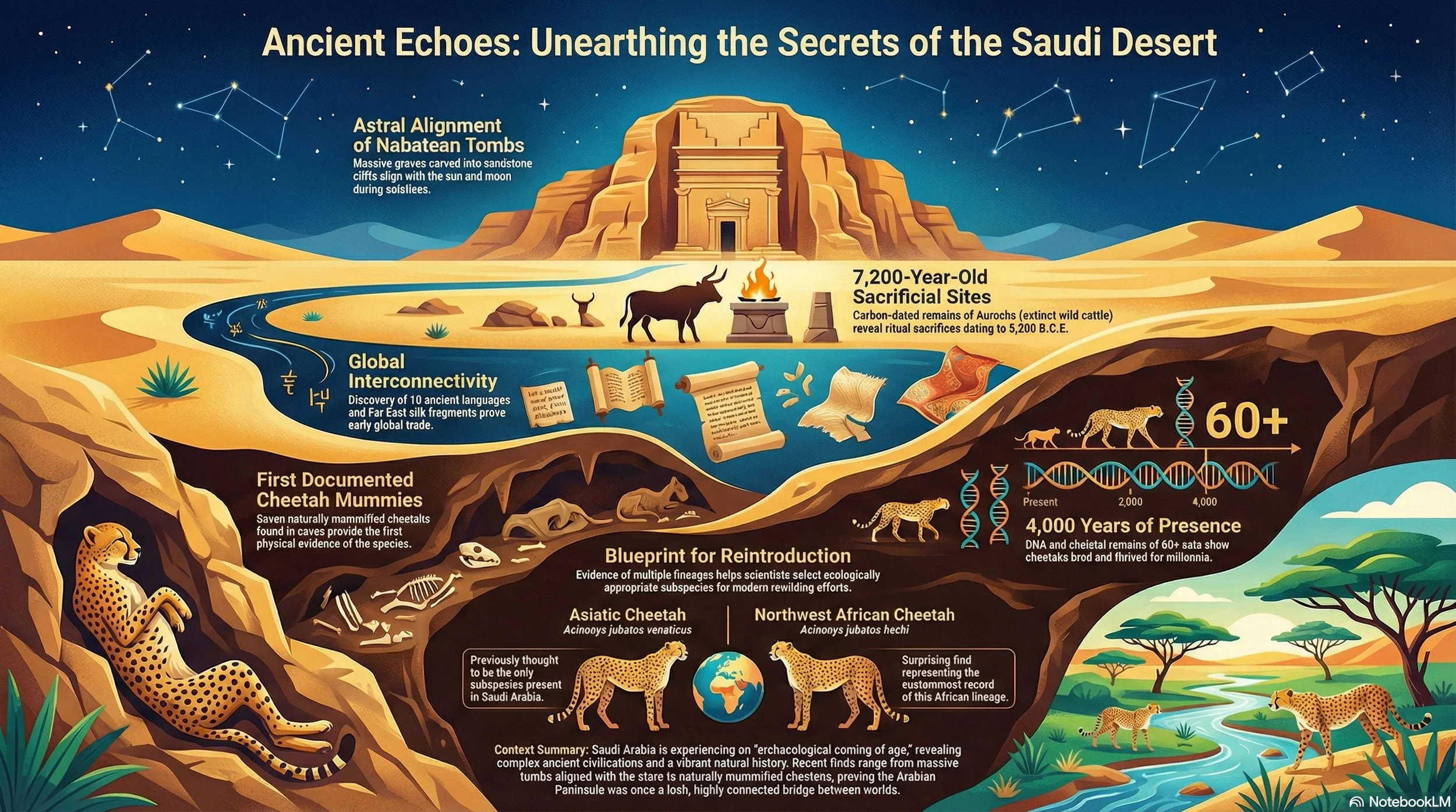

Get involved with World Wildlife Day 2025 https://www.genevaenvironmentnetwork.org/events/world-wildlife-celebration-2025/
 Carole Baskin
Carole Baskin is the founder and CEO of Big Cat Rescue and author of this web page. Since 1992, she has worked to end the exploitation of exotic cats and now leads the non profit's efforts to protect wild cats in the wild by funding innovative threat mitigation programs that allow humans and wild cats to co-exist in peace.