Kinked Tails in Wild Cats
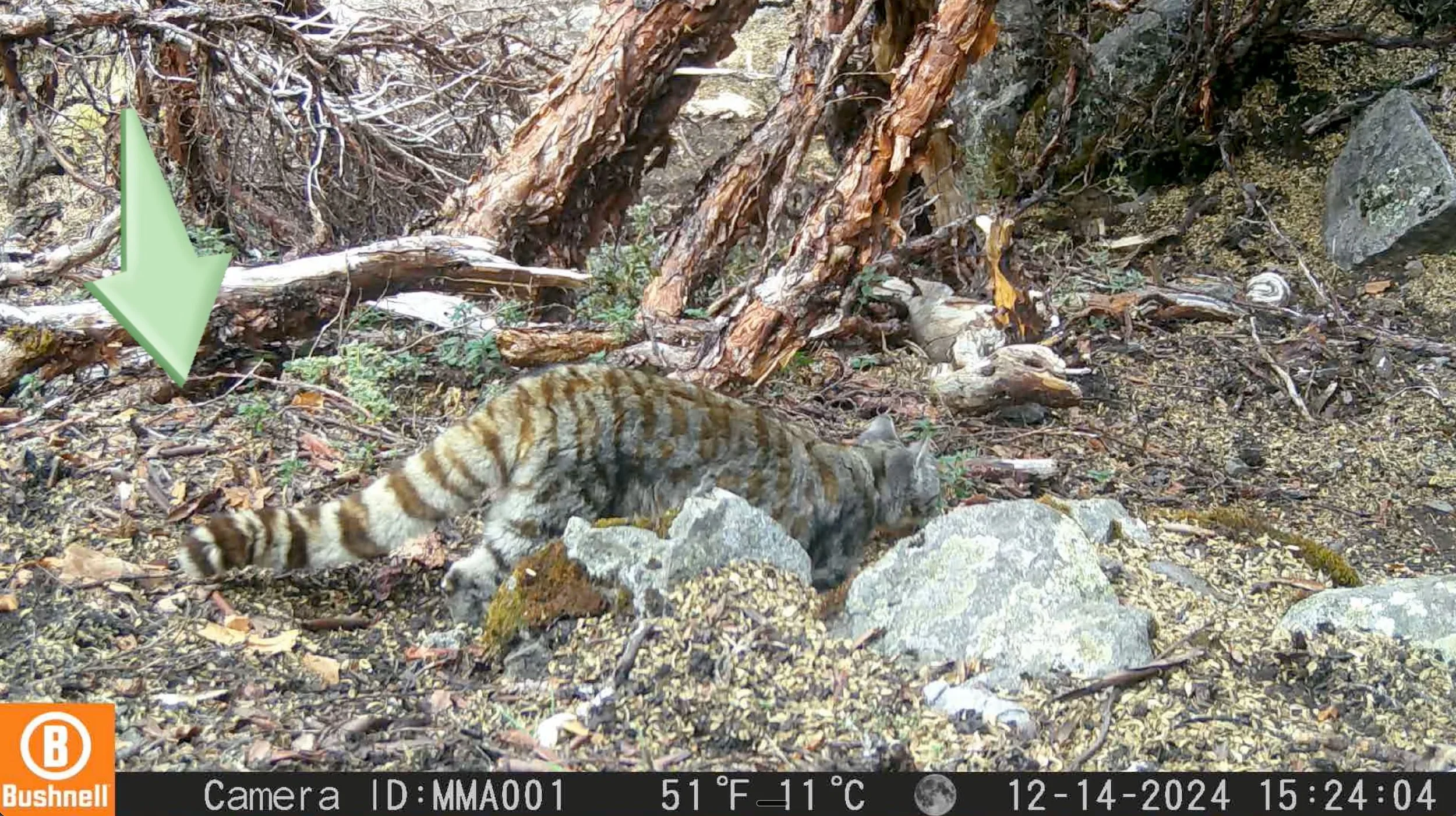
These sources examine the genetic crisis facing isolated wild cat populations, where human-driven habitat fragmentation forces inbreeding and triggers a decline in biological fitness. Researchers identify morphological abnormalities, such as kinked tails and thoracic cowlicks, as visible biomarkers of a deeper "extinction vortex" that includes heart defects and reproductive failure. While the Florida panther serves as a primary case study for these issues, the texts document similar patterns of genomic decay in California mountain lions, European wildcats, ocelots, jaguarundi, Andean cats, cheetahs and Asiatic lions. Conservationists highlight the 1995 genetic restoration project in Florida—which used Texas pumas to diversify the gene pool—as a successful model for reversing these trends. Ultimately, the literature advocates for wildlife crossings and habitat corridors to restore natural gene flow and ensure the long-term survival of apex predators.
The Second Generation Rises
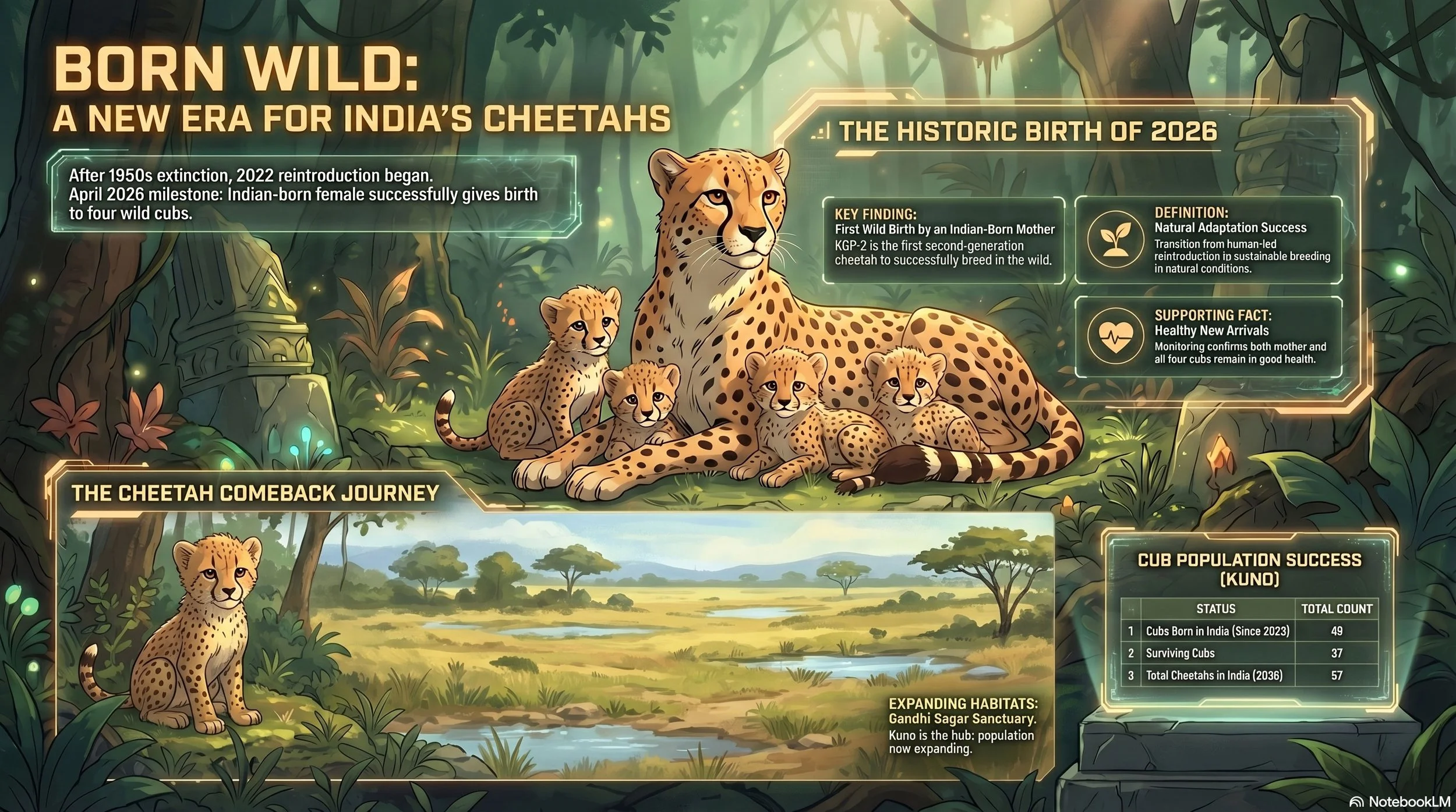
A female cheetah named KGP-2 has successfully delivered four cubs at Kuno National Park, marking a major achievement for India's wildlife restoration efforts. This event is particularly notable because the mother is a second-generation resident born in India, proving that the species can thrive and reproduce naturally in its new environment. With these new arrivals, the country’s total population of these big cats has climbed to 57 individuals across different sanctuaries. Government officials and conservationists view this milestone as evidence that the local ecosystem is capable of supporting the long-term sustainability of the species. This growth follows other recent births, signaling a transition from mere relocation to a self-sustaining biological success. Environmental leaders believe these developments solidify the region's status as a premier global hub for cheetah conservation.
African Golden Cat Conservation Alliance
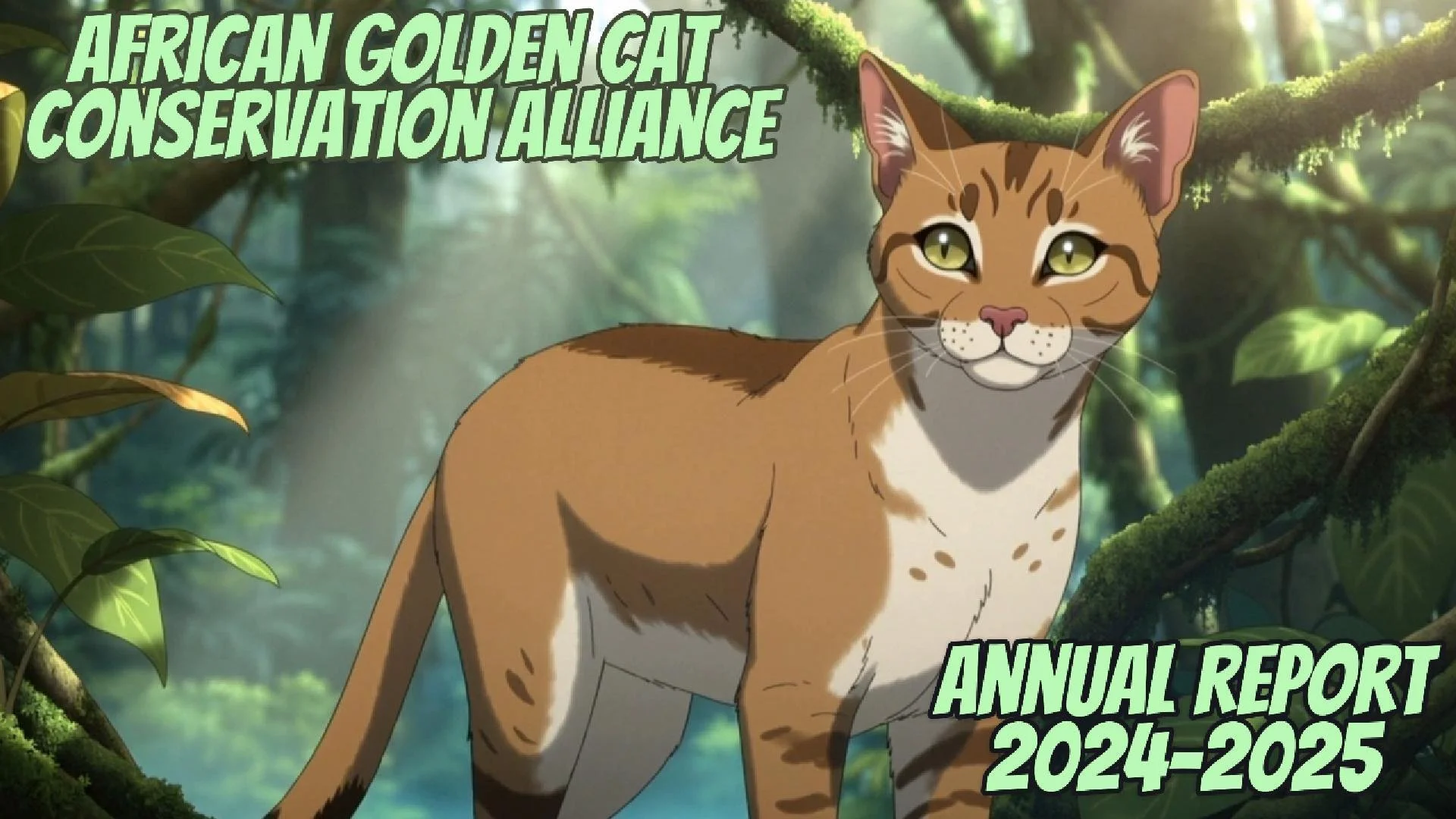
The African Golden Cat Conservation Alliance (AGCCA) 2024-2025 annual report details a comprehensive strategy to protect the vulnerable African golden cat across its tropical rainforest habitat. Spanning 19 countries, the organization utilizes a community-led approach that addresses the root causes of illegal hunting and habitat loss, such as poverty and a lack of resources. To discourage bushmeat consumption, the alliance provides local families with alternative livelihoods, including small-holder livestock farms, credit programs, and essential services like dental care. Conservation efforts also involve scientific monitoring through standardized camera trap systems to track population health and evaluate project impacts. Educational outreach to thousands of schoolchildren further fosters a culture of stewardship for this rare species. Ultimately, the report highlights how strategic partnerships and local engagement are essential for securing a future for the African golden cat.
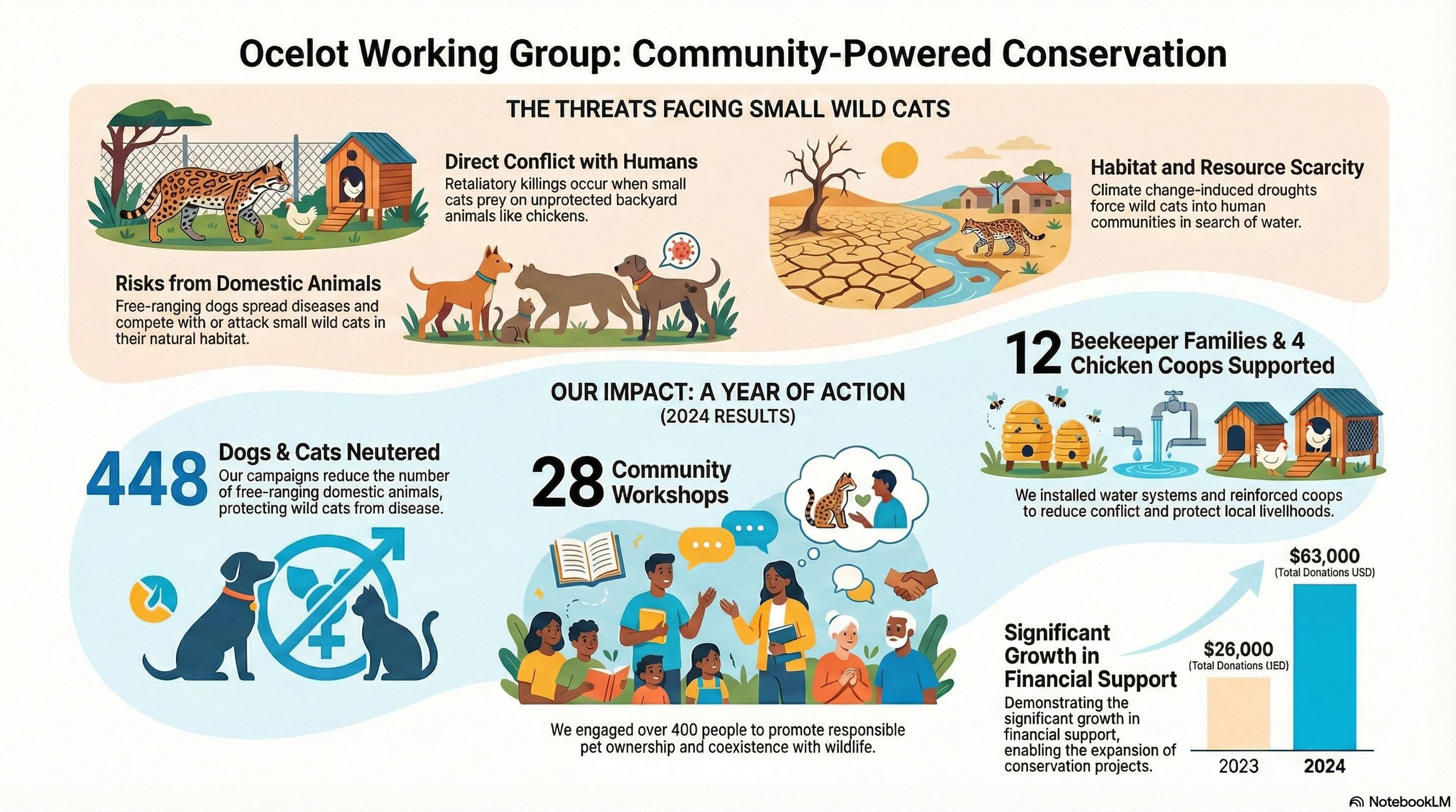
Ocelot Working Group
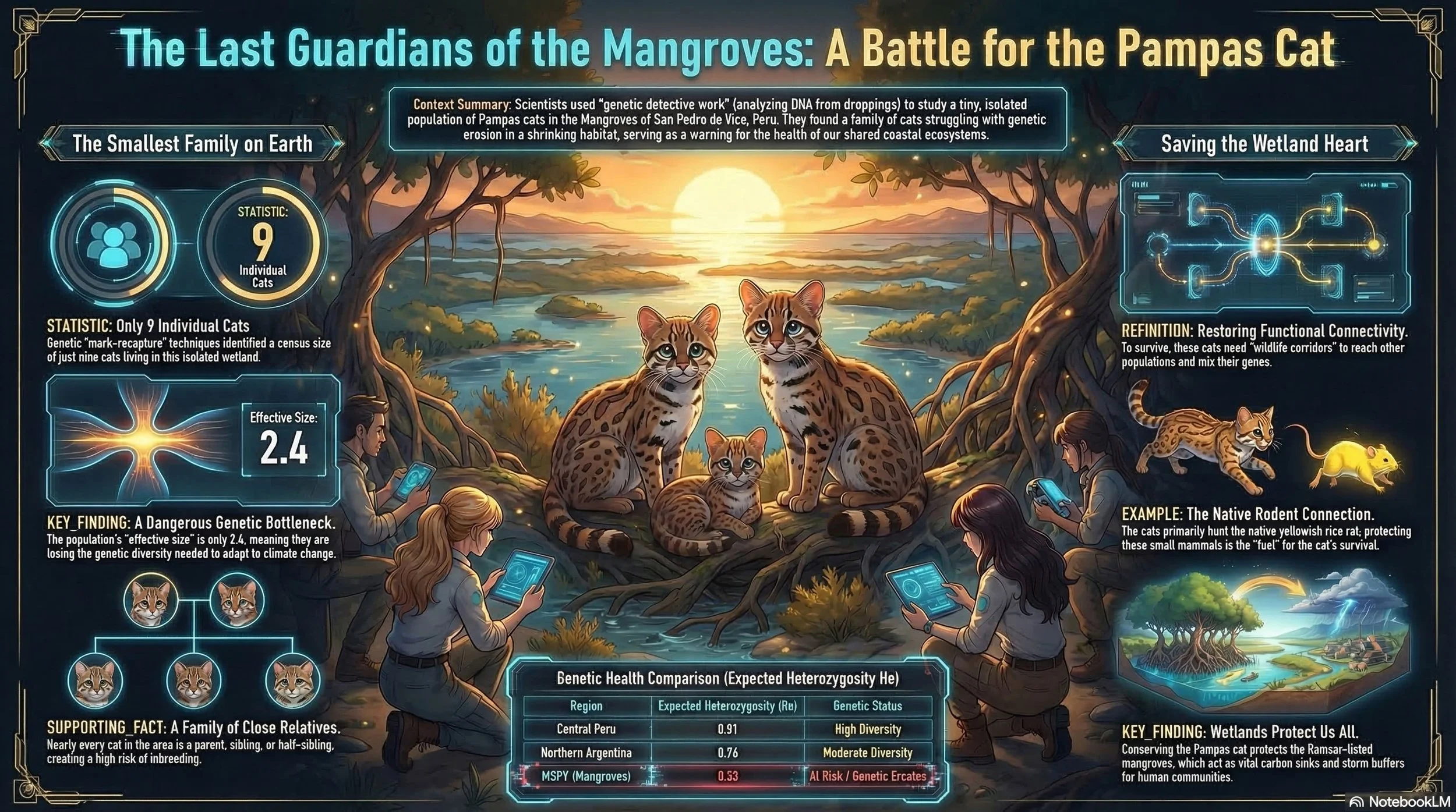
Peruvian Pampas Cat Leopardus garleppi
This research investigates the Pampas cat (Leopardus garleppi) population residing in the Mangroves San Pedro de Vice, a Ramsar-listed wetland in northwestern Peru. Scientists used noninvasive fecal DNA sampling between 2019 and 2021 to examine the species' genetic diversity, demographic trends, and trophic ecology. The findings reveal a critically small, kin-structured population of only nine identified individuals suffering from a recent genetic bottleneck and low effective population size. DNA metabarcoding of the samples indicates a diet primarily composed of the native yellowish rice rat, with no major dietary differences found between males and females. Ultimately, the study emphasizes that habitat restoration and functional connectivity are essential to prevent the extinction of this isolated, coastal felid population.
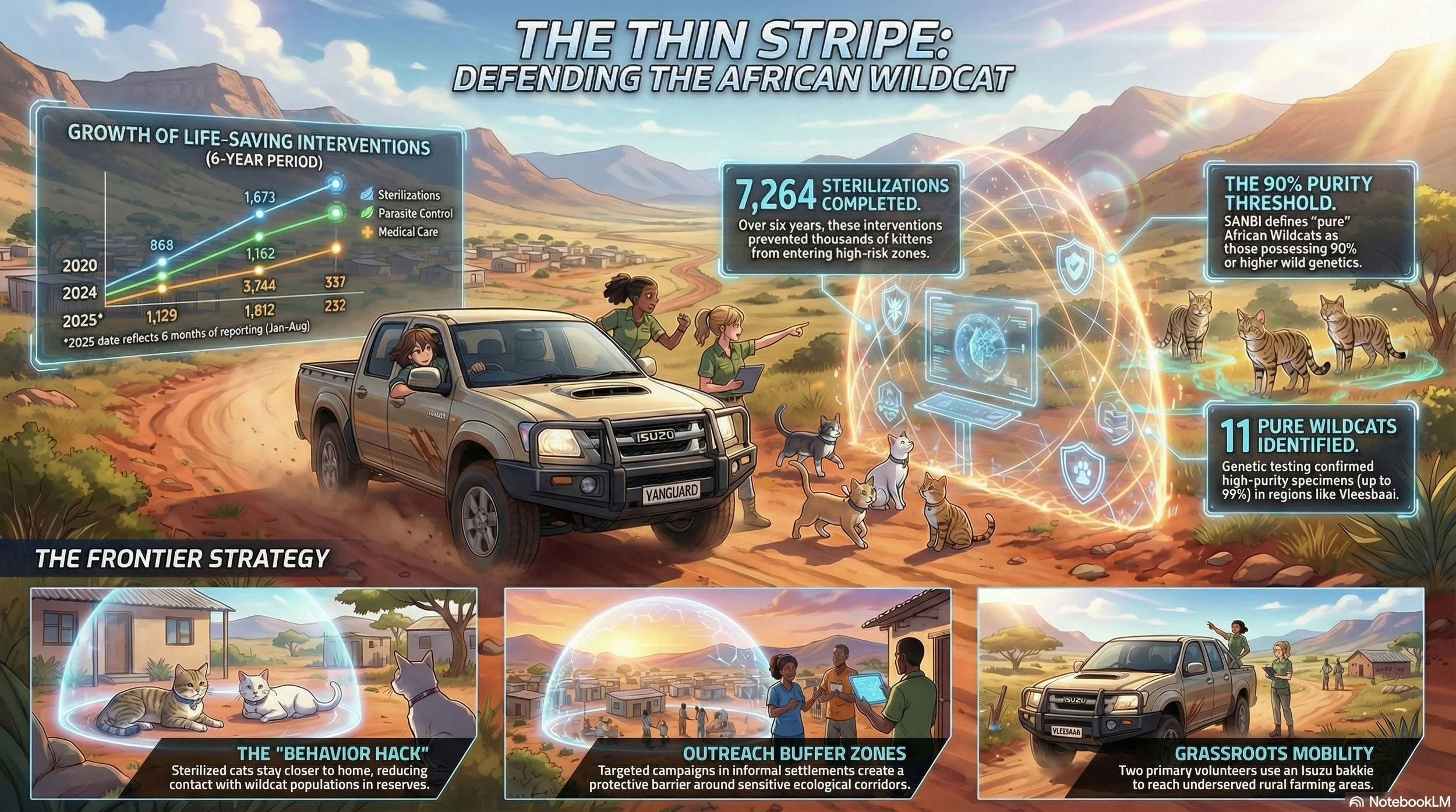
CAT Garden Route
The provided reports detail the extensive operations of the Cat Assistance Team (C.A.T) across South Africa’s Garden Route from 2020 through mid-2025. This organization focuses on humane population control through mass sterilisations, medical care, and parasite treatments for feral and loosely owned cats. A primary conservation objective is protecting the endangered African Wildcat by preventing interbreeding with domestic felines in rural and urban fringes. To ensure the genetic purity of wild species, the team conducts DNA testing and focuses on trapping efforts in high-risk buffer zones. Despite facing operational capacity limits and logistical hurdles in remote areas, C.A.T. collaborates with various veterinary partners to improve community animal health. Their strategy combines direct veterinary intervention with educational outreach to stabilize cat populations and foster better animal welfare in marginalized settlements.