Ocelot Working Group
Thirst, Honey, and the Hidden Cats of the Mayan Jungle: A Lesson in Coexistence
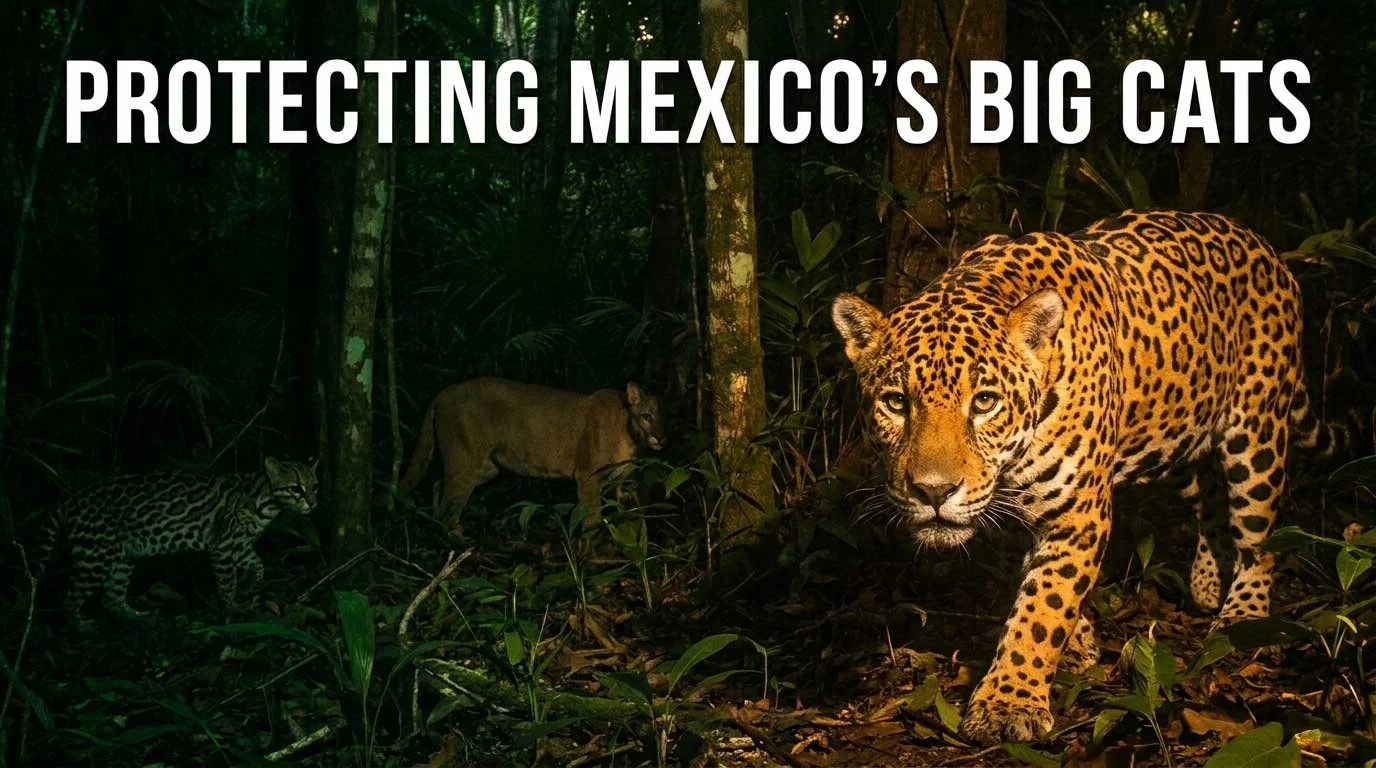
The canopy of Calakmul, usually a vibrant green lung stretching across southern Mexico, is gasping under the weight of an intensifying drought. As climate change tightens its grip on the Mayan jungle, the shimmering heat has turned the search for water into a desperate mission for every living thing beneath the trees. This environmental crisis has set the stage for a high-stakes collision between human livelihoods—specifically the region’s ancient tradition of beekeeping—and the survival of the forest’s top predators. In a landscape where every drop counts, a vital question emerges: Can we share life-sustaining water with wildcats without losing our way of life?
The Rainwater Bar: Engineering Peace in the Parched Forest
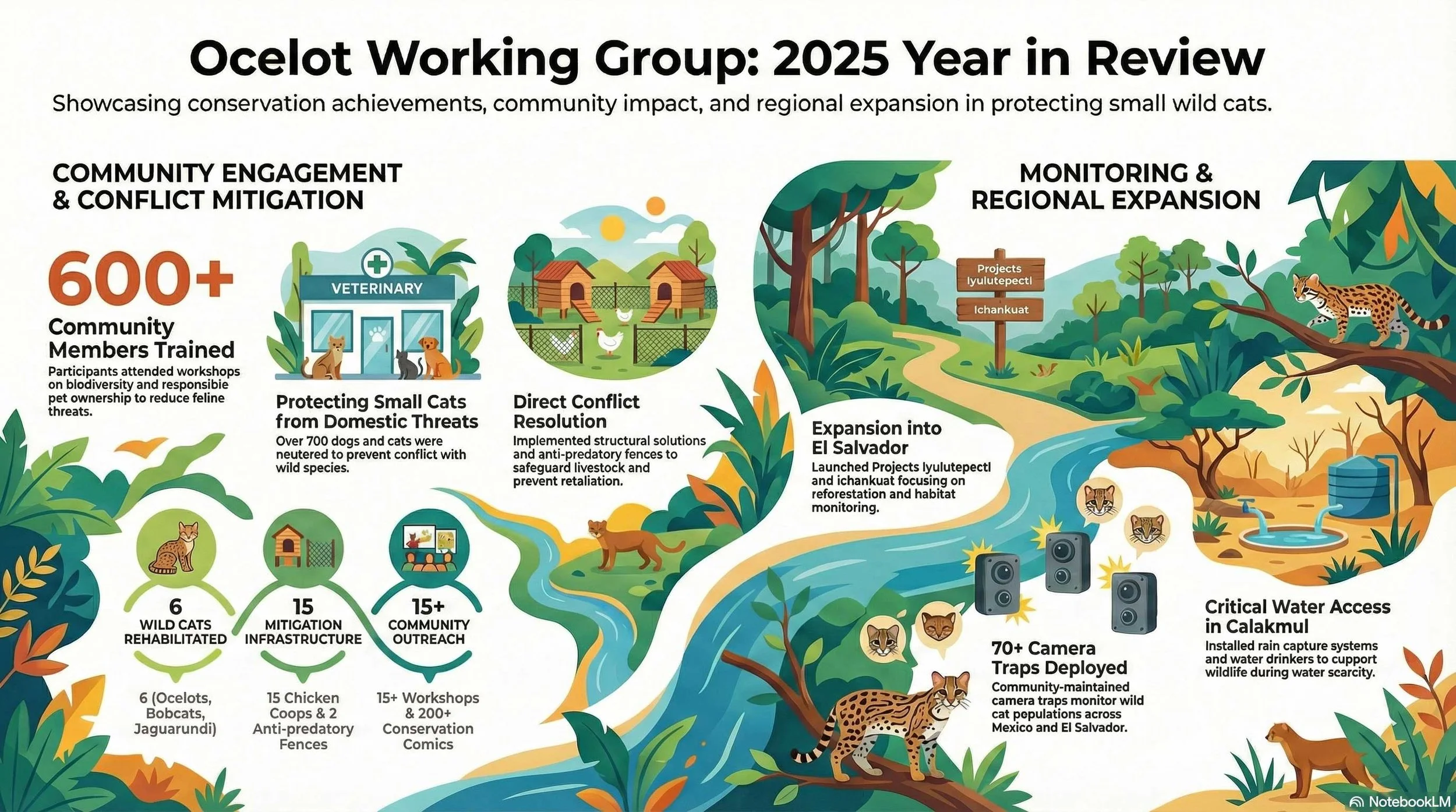
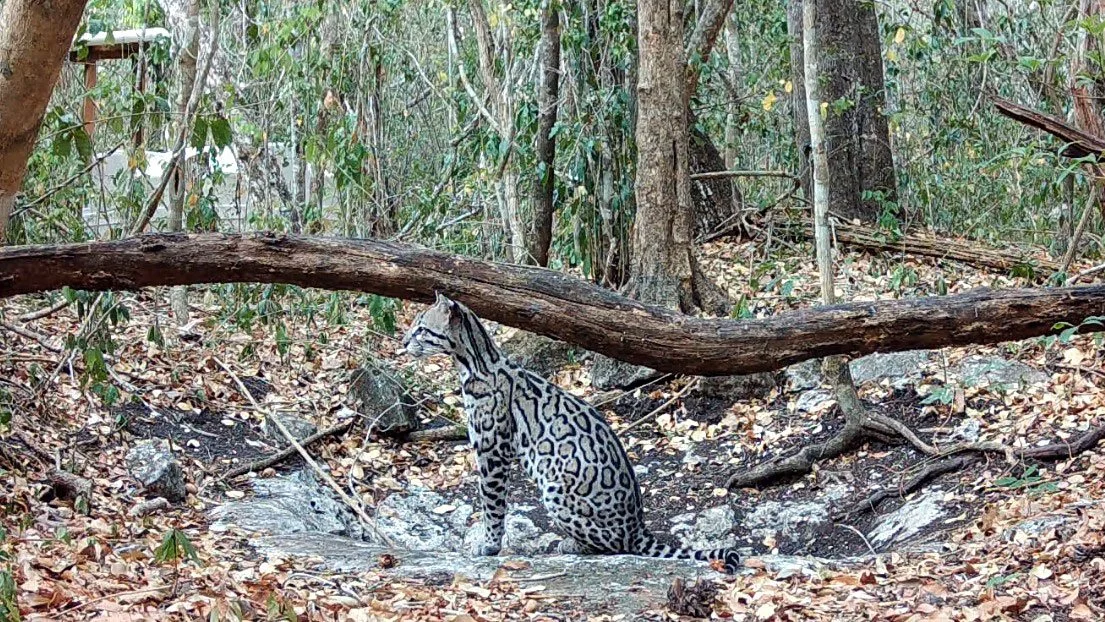
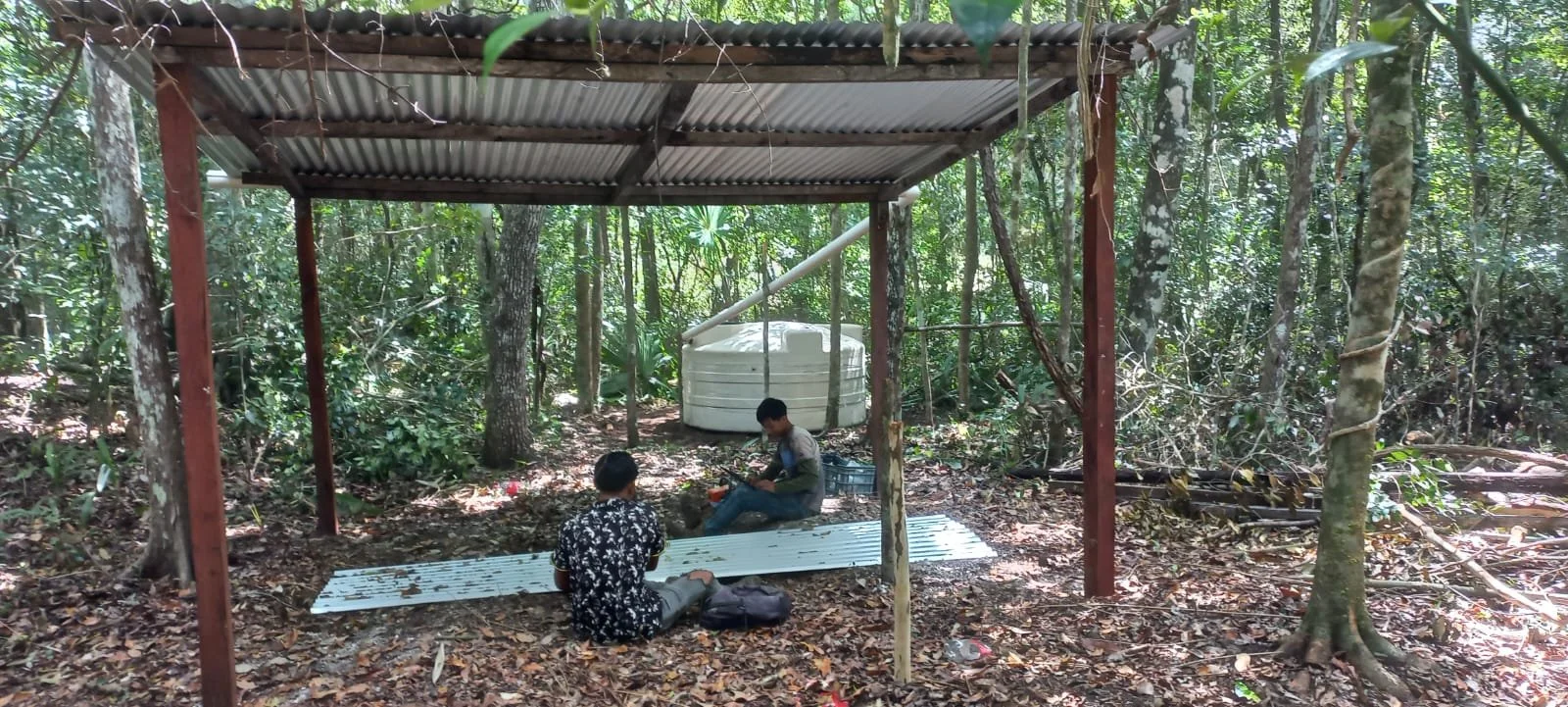
To break the cycle of conflict, the Ocelot Working Group has pioneered a technical intervention that operates on a simple, dual-purpose logic: rainwater harvesting. In the community of Nueva Vida, more than 15 of these specialized systems are now operational. The design is ingenious in its spatial separation: a large collection tank stores the water required for local honey production, while a series of specially designed drinking points are positioned to offer a reliable, safe water source for wildlife.
This approach intentionally embraces a counter-intuitive philosophy. While traditional agriculture usually seeks to drive predators away from places of business, these "rainwater bars" welcome them. By providing a dedicated, accessible resource for animals to drink, the project reduces the desperation that drives wildlife into conflict with human activities. It transforms a potential flashpoint of competition into a managed sanctuary, proving that engineering can facilitate peace.
Honey over Hides: The Economic Pivot Saving the Canopy
A profound strategic shift is taking root in Calakmul, one that may dictate the survival of the jungle itself. Many residents are actively transitioning away from livestock production—a practice that historically demands the clearing of vast swaths of forest for pasture—and moving toward beekeeping. This isn't just an economic change; it is a tactical ecological defense. Unlike cattle ranching, honey production requires a standing, healthy forest to provide the nectar and pollen necessary for the bees to thrive.
By prioritizing honey over hides, these beekeepers have become the frontline guardians of the ecosystem. Their work ensures the canopy remains intact, preserving the habitat that supports the entire food chain. As the project monitoring notes:
"Beekeepers are key allies in this region... allowing the jungle to thrive."
100% Attendance: Every Wildcat Species is Checking In
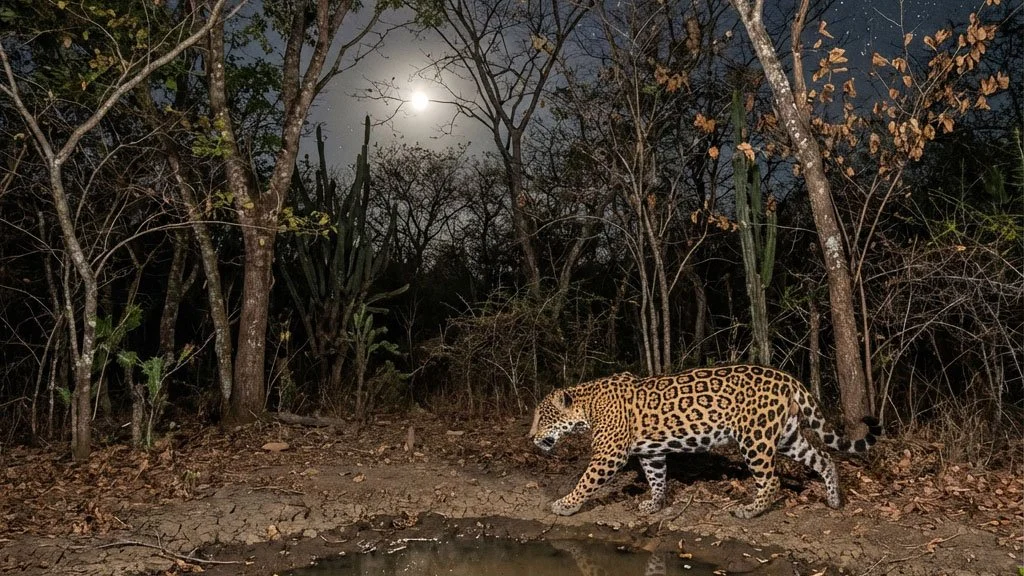
The success of these water stations is being written in the data. Monitoring efforts by the Ocelot Working Group have documented a remarkable phenomenon: every wildcat species present in the Mayan jungle has been recorded using and revisiting these drinkers.
This is more than just a wildlife sighting; it is a definitive "proof of concept" for peaceful coexistence. The frequent presence of these top predators at the water stations has neither hindered honey production nor increased the risk to the beekeepers. It demonstrates that when essential resources are managed thoughtfully, humans and wildcats can successfully navigate the same landscape. The drinkers act as a neutral ground where the most basic biological need—thirst—is met for all species without incident.
Legacy in the Leaves: Conservation as a Multi-Generational Dialogue
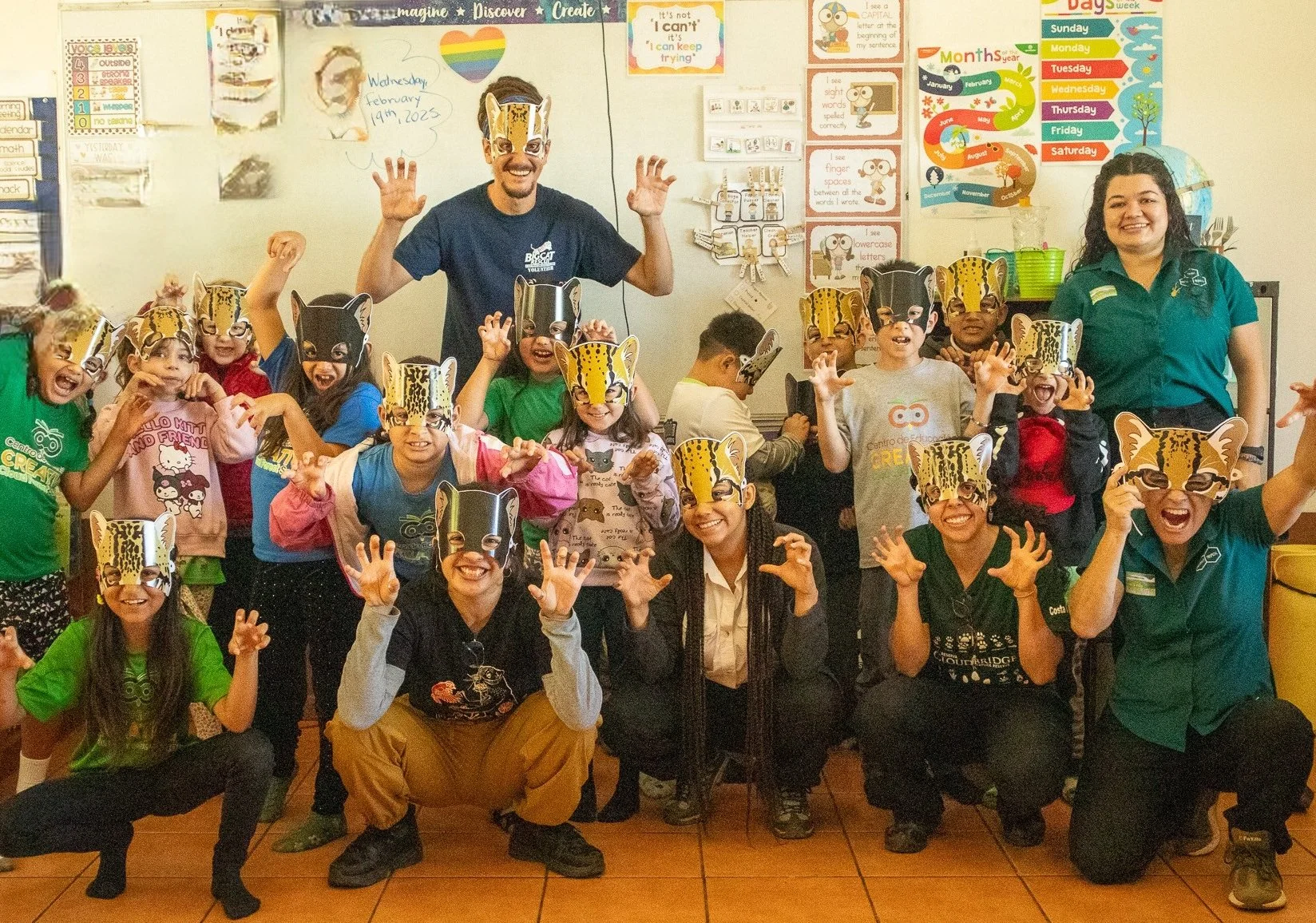
Technical infrastructure is only as resilient as the community that maintains it. Recognizing this, the project moved beyond tanks and pipes in December 2025 to focus on the human heart of Calakmul. A series of workshops held with the children of Nueva Vida saw an overwhelmingly positive response, indicating that the value of wildlife conservation is taking root in the next generation.
This community "buy-in" is the most critical metric for long-term success. While equipment can weather over time, a cultural commitment to protecting natural heritage provides a permanent foundation. Because the residents of Nueva Vida have seen the benefits of this model, the project is poised for significant growth, with five additional rainwater harvesting systems planned for installation in the coming year.
A Future Built on Shared Resources
The success in Calakmul offers a blueprint for a "New Life"—a fitting evolution for a project centered in the community of Nueva Vida. By providing for the needs of both the beekeeper and the wildcat, the initiative has transformed a struggle for survival into a model of cooperation.
As the project expands into new communities this year, it carries with it a fundamental lesson for a warming world: in an era of shrinking resources, the most effective path to survival is to stop viewing our wild neighbors as competitors and start seeing them as partners in a shared landscape.
Shadows Returning to the Light: The Secret Wild Cats of La Huasteca Potosina
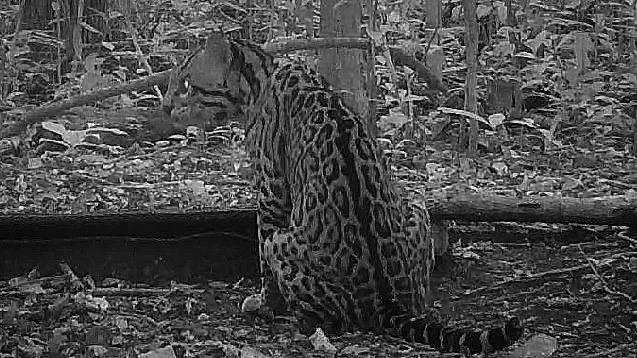
In the emerald heart of La Huasteca Potosina, the air is often heavy with humidity and the scent of damp earth and crushed leaves. It is a landscape defined by its density—a vertical labyrinth of tangled vines and towering canopies where life thrives in the shadows. For the families who have called this region home for generations, the forest has always harbored secrets. They live alongside some of Mexico’s most enigmatic predators, yet these small wild cats are rarely more than a rustle in the undergrowth or a fleeting shape at the edge of a flashlight’s beam.
This "invisibility" has historically defined the relationship between the people of the Huasteca and their wild neighbors. When an animal is never seen, it is easily transformed into a phantom or a threat to livestock. However, a transformative partnership between the Ocelot Working Group and Selva Teneek, a local wildlife rehabilitation center, is bringing these hidden predators back into the light. Together, they are proving that the return of these cats is not just a victory for a few individual animals, but a milestone for the entire ecoregion.
By focusing on rehabilitation and community-led reintegration, this initiative is filling a critical gap in regional conservation. In an area where small felines have often been overlooked, the sight of a healthy cat returning to the brush serves as a pulse-check for the environment. It is a signal that the wild heart of the Huasteca is still beating, and that the community is ready to become its primary guardian.
More Than Just Ocelots—A Multi-Species Rescue Mission
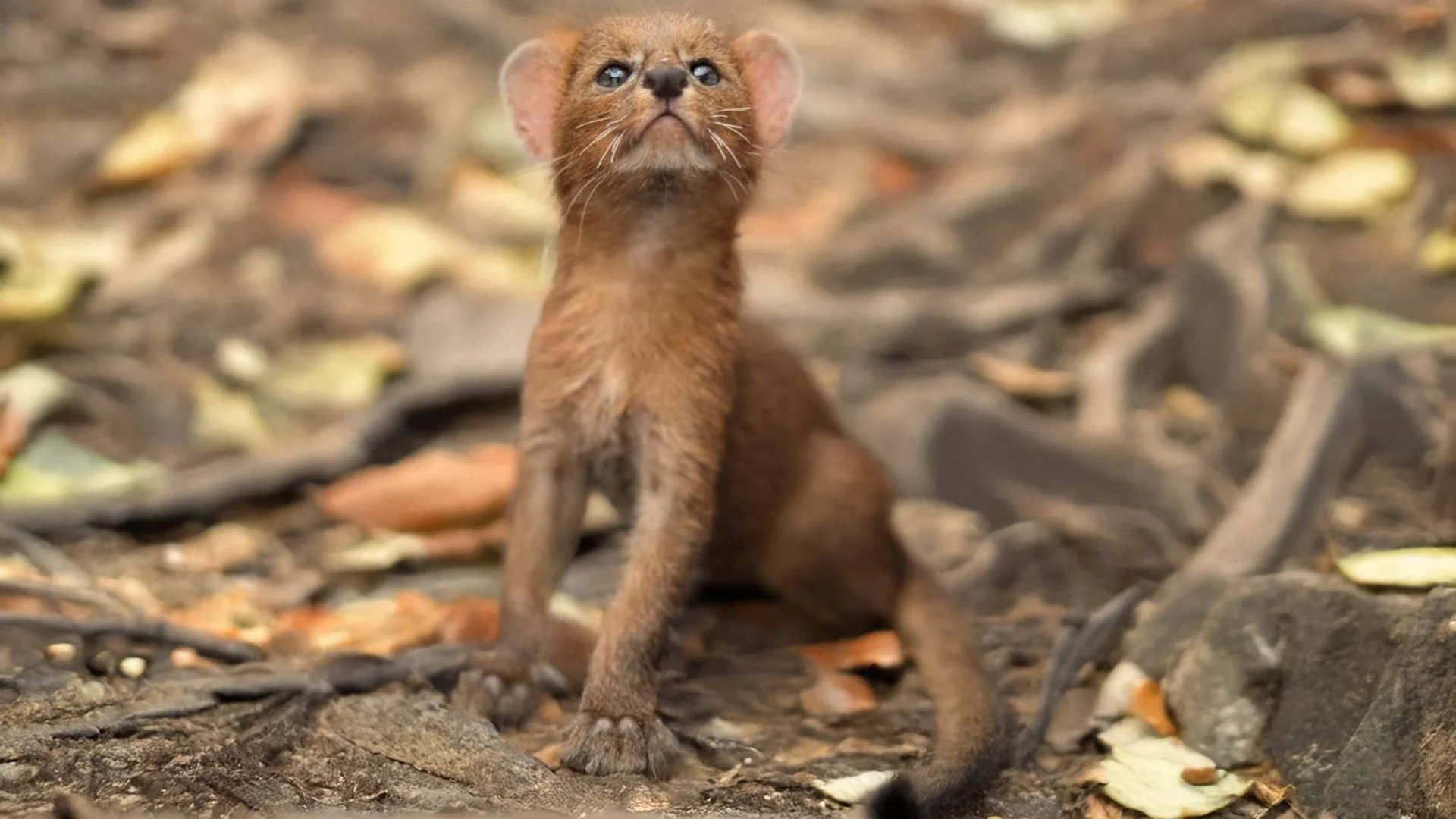
Conservation often rallies around a single "flagship" species, but the work in La Huasteca Potosina recognizes that a forest is only as healthy as the diversity of its predators. Last year, the partnership successfully supported the rehabilitation of six individual wild cats, representing a remarkable cross-section of the region’s biodiversity: bobcats, ocelots, margays, and jaguarundis.
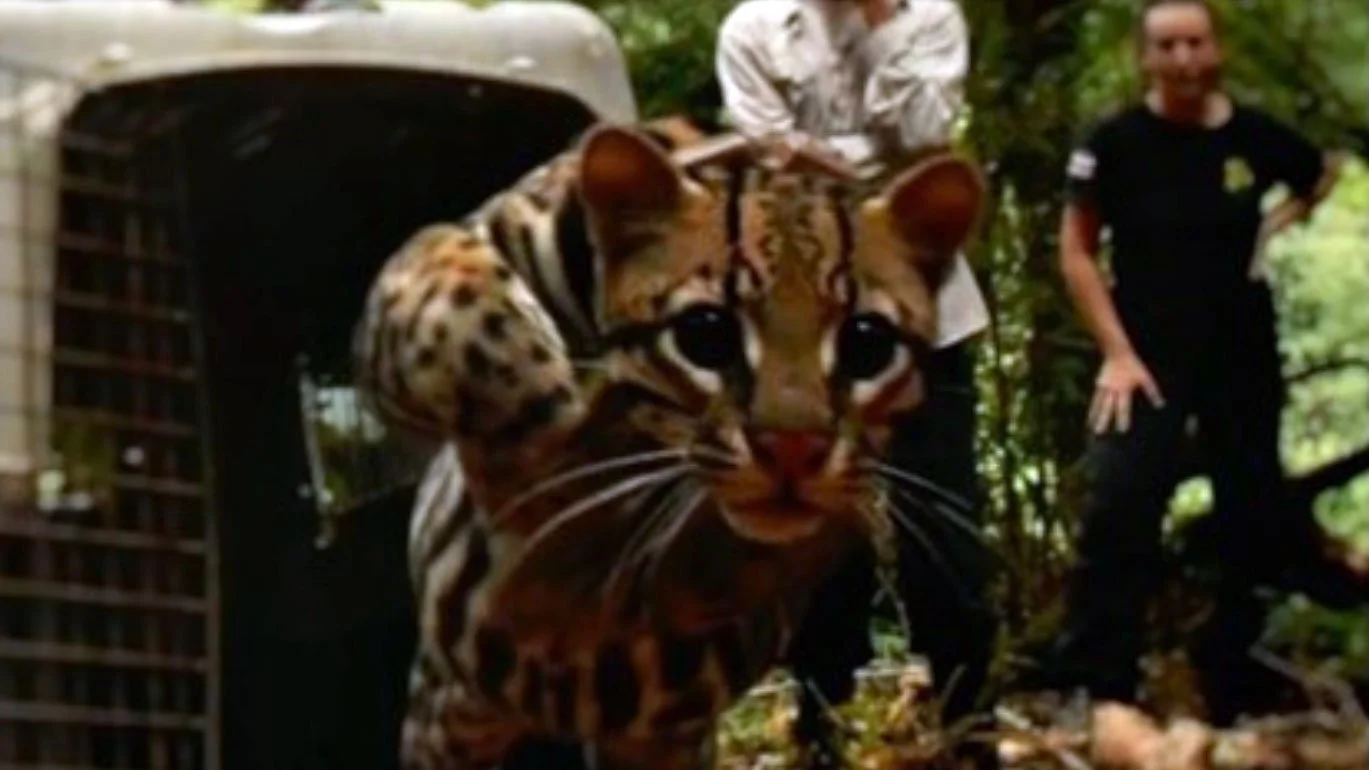
A particularly poignant success occurred this past January with the release of two brother ocelots. These young males had been rescued from the tragedy of the illegal wildlife trade, a journey that took them from captivity back to the freedom of their ancestral range. Their release, conducted in close coordination with local residents, served as a powerful reminder of what is at stake when these animals are removed from the ecosystem.
The rehabilitation of such a varied group—from the canopy-dwelling margay to the ground-prowling jaguarundi—is a vital indicator of habitat recovery. When multiple species are reintroduced, it suggests that the ecosystem is robust enough to provide for different ecological roles. It means the food web is mending at every level, ensuring that the forest remains a functional, self-sustaining landscape rather than a silent collection of trees.
Seeing is Believing—The Psychological Shift of the Release
The most significant barrier to conservation is often fear, rooted in the unknown. In the Huasteca, the "ghostly" nature of these cats meant that encounters were often limited to the aftermath of a raided chicken coop. To change the future of these species, the program realized it had to change how the community felt about them.
By allowing families and children to observe the animals in the controlled environment of the rehabilitation center before they are returned to protected areas, the project has bridged a generational gap. Seeing the golden hue of an ocelot’s coat or the intense, focused gaze of a bobcat in person replaces a terrifying myth with a breathtaking reality.
"For children and families, being able to observe these animals before their release creates a strong sense of connection, pride, and responsibility to help protect them."
This visual connection triggers a profound psychological shift. The animal is no longer a "pest" to be managed; it becomes a piece of local patrimony. When a child watches a cat they have come to know step back into the wild, that animal carries the community’s collective pride with it. This emotional investment is the foundation upon which all lasting stewardship is built.
The Architecture of Coexistence: Moving Beyond Good Intentions
While an emotional connection wins hearts, practical solutions are required to protect livelihoods. The program understands that a farmer’s "willingness to coexist" depends on their ability to sleep soundly without worrying about their livestock. This is where the partnership’s "coexistence toolkit" turns sentiment into action, providing the physical infrastructure necessary for a shared landscape.
The transition from the heart to the hand is made through three strategic tools:
Predator-Proof Chicken Coops: The installation and repair of secure, reinforced enclosures that physically prevent conflict before it begins.
Community-Based Monitoring: Placing camera traps that allow residents to "see" the secret life of the forest on their own land, turning them into citizen scientists.
Educational Workshops: Creating spaces for dialogue where traditional knowledge meets modern conservation techniques to reduce conflict.
The result has been a surprising and welcome shift in community dynamics. Rather than resisting the return of rehabilitated cats, there is now a growing demand for these improved coops. This demand reveals a fundamental truth in conservation: when people are given the physical means to protect their assets, their inherent desire to protect nature flourishes. By providing a secure coop, the program isn't just protecting chickens—it is providing the psychological peace of mind that makes coexistence possible.
Conclusion: A Future Shared with the Small and Wild
The partnership between the Ocelot Working Group and Selva Teneek is more than a rehabilitation program; it is a blueprint for how humans and predators can thrive in the same territory. The increasing willingness of the Huasteca’s residents to welcome these cats home suggests that the era of conflict is giving way to an era of cooperation.
As these six cats—and many more after them—melt back into the humid shadows of the forest, they no longer go as ghosts. They go as neighbors, recognized and respected by the people who share their home. The success of this initiative proves that the "secret" predators of the Huasteca don't have to stay hidden to be safe.
How might our own perception of the "dangerous" wild change if we stopped viewing wildlife through the lens of what we might lose, and started seeing them as a part of our shared heritage worth the effort of protection? In the vibrant woods of La Huasteca Potosina, the answer is already being written in the tracks left in the mud.
The GPS Collars on Mexico’s Village Dogs are Saving the Margay
1. Introduction: The Unseen Border
Have you ever wondered exactly where your pets go when they slip out of your sight and into the brush? In the rugged, sun-drenched landscapes of the Sierra de Huautla Biosphere Reserve in southern Morelos, the answer is often much farther than anyone imagined. Here, the Ocelot Working Group has embarked on a vital mission to protect the elusive margay, uncovering a hidden link between our domestic lives and the survival of the forest’s most vulnerable residents. By tracking the secret movements of local dogs, researchers are proving that the boundary between human settlements and the wild is far more porous than it appears.
2. Takeaway 1: Your Dog is a Secret Explorer
To map the interaction between domestic animals and wildlife, researchers equipped community-owned free-ranging dogs in the village of La Tigra with GPS collars. The data revealed that these animals are far more adventurous than their owners realized, frequently traversing the "invisible bridges" that lead deep into the heart of the protected reserve. By overlaying this GPS data with footage from forest camera traps, the team visualized a startling amount of spatial overlap, showing that the domestic and the wild are sharing the same paths more often than once thought.
"When we showed the tracking maps to the families in La Tigra, there was a collective sense of disbelief," noted one project researcher. "People who thought their dogs never left the porch were suddenly seeing digital tracks winding deep into the margay’s primary hunting grounds."
3. Takeaway 2: Vaccination as a Shield for the Wild
One of the most effective ways to protect a wild margay is to treat the dog sleeping on a local doorstep. The project recently successfully vaccinated 50 dogs in the community to mitigate the risk of cross-species disease transmission. Because free-ranging dogs can carry pathogens—such as canine distemper or parvovirus—that are devastating to small wild cat populations, these medical interventions act as a biological shield. It is a powerful reminder that pet health is synonymous with ecosystem health; a single needle in a village dog serves as a life-saving measure for a margay miles away in the canopy.
4. Takeaway 3: The Power of 50 (Spay and Neuter)
Beyond immediate health screenings, the initiative has neutered over 50 dogs within the La Tigra community. This effort is strategically designed to limit the expansion of free-ranging dog populations that would otherwise inevitably encroach upon the reserve. Population control represents a more sustainable and far less intrusive conservation method than traditional "exclusion" tactics like fencing or removal. By managing the domestic population size at the source, the project reduces the long-term competitive and predatory pressure on the reserve’s natural inhabitants.
5. Takeaway 4: The Margay’s Last Stronghold
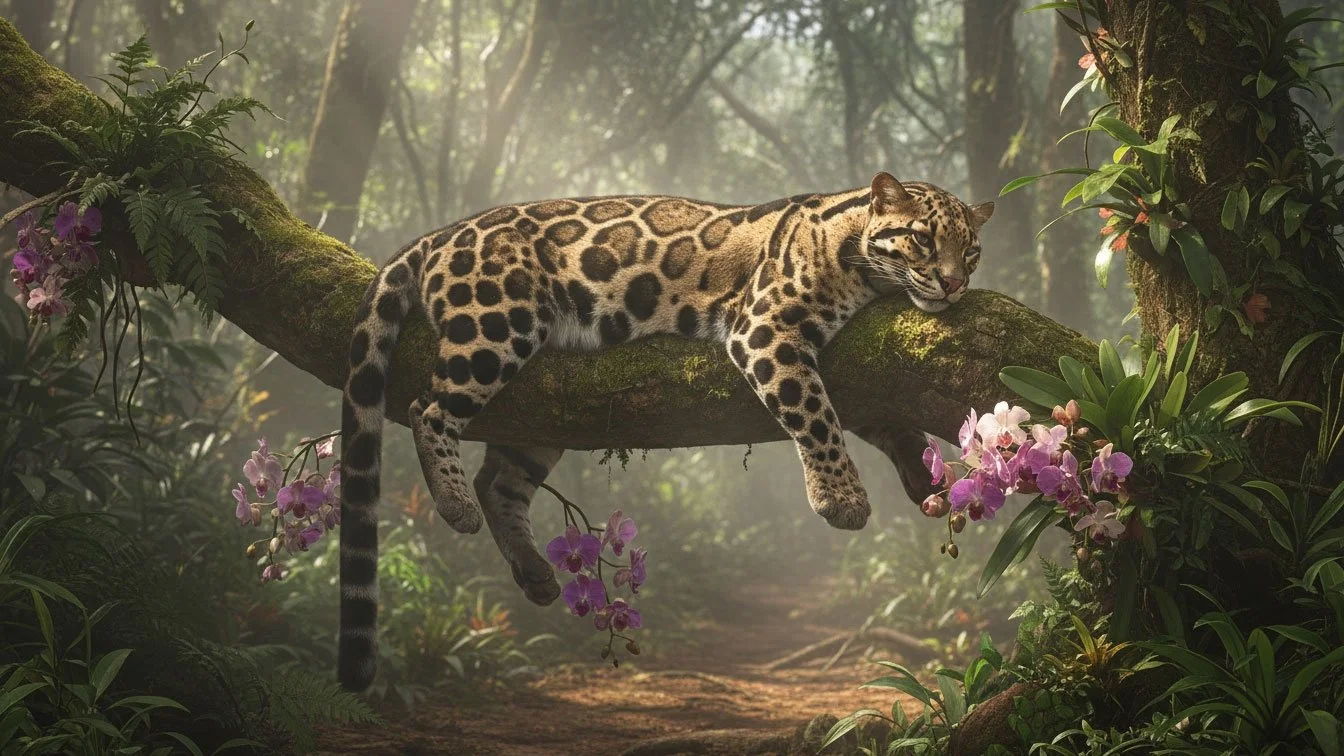
The community of La Tigra (fittingly named "The Tiger") is the frontline of this effort because the Sierra de Huautla Biosphere Reserve holds one of the most significant populations of margays in the state of Morelos. The stakes are incredibly high: the margay is a specialized, tree-dwelling hunter that is particularly vulnerable to habitat disturbance and disease. This critical environment has fostered a unique collaboration between the Ocelot Working Group, the Autonomous University of the State of Morelos, and local students. This partnership transforms the reserve into a living laboratory where scientific rigor meets community-led conservation.
6. Takeaway 5: Turning Residents into Guardians
Effective conservation is as much about human psychology as it is about animal biology. Through local workshops and the radical transparency of sharing GPS tracking data, the project has successfully shifted community perspectives. When residents see the literal tracks of their dogs overlapping with the habitats of rare wild cats, the concept of "responsible ownership" is no longer an abstract rule—it becomes a core value. This data-sharing approach has been instrumental in gaining community trust, turning pet owners into the primary guardians of the margay’s habitat.
7. Conclusion: A Shared Future
The progress in Morelos is a testament to the power of local partnership. This year, the Ocelot Working Group plans to expand its reach through continued community workshops and ongoing free vaccination and neutering campaigns. By focusing on the health and management of the animals that live alongside us, the project is securing a future where the residents of La Tigra and the margays of the Sierra de Huautla can coexist in a balanced ecosystem.
As we look at the pets curled up in our own homes, we must ask ourselves: what role do our domestic choices play in the survival of the world's most elusive wild species?
Upate March 22, 2026
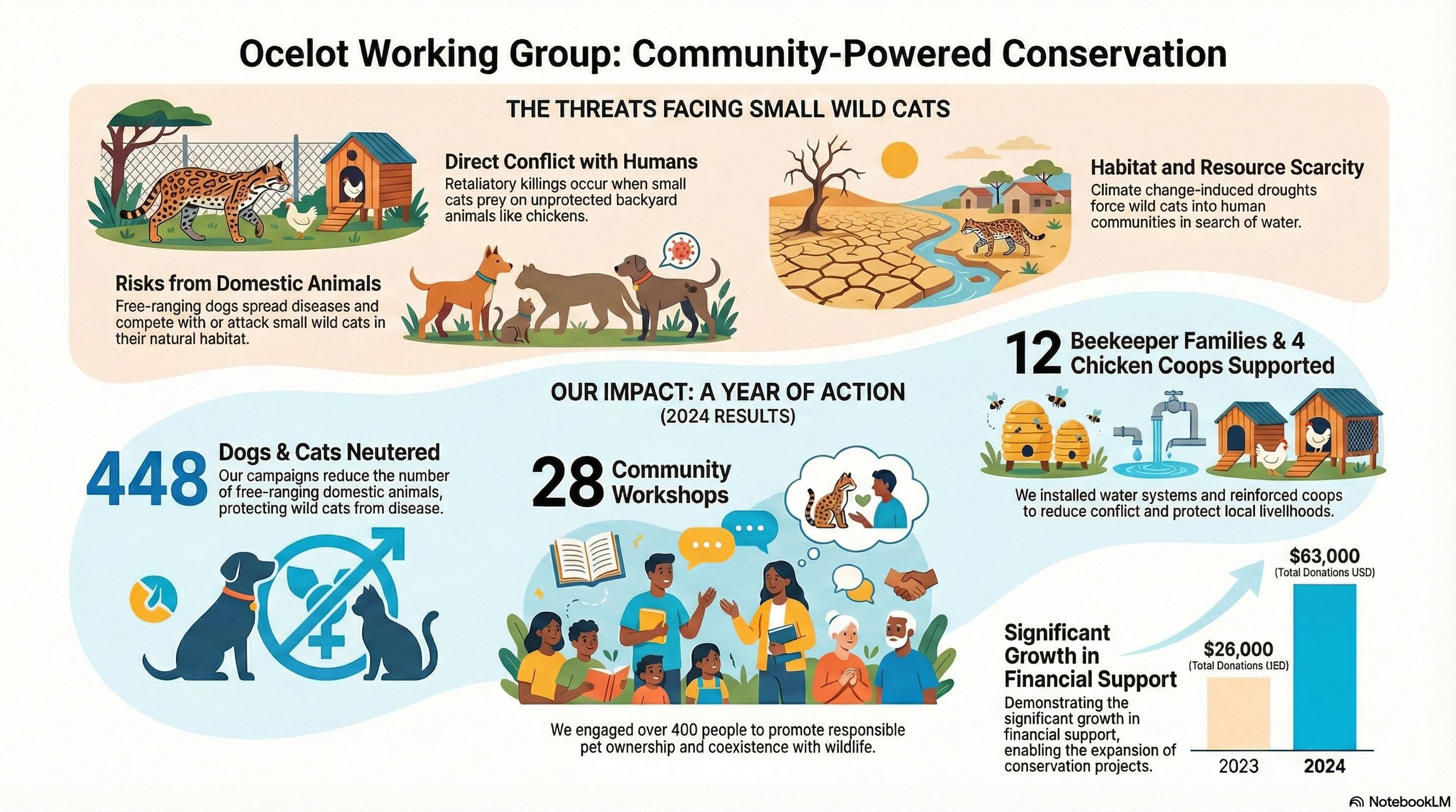
The video details the ongoing conservation initiatives and administrative operations of the Ocelot Working Group (OWG). Communication between Mariam Weston and the Big Cat Rescue team highlights efforts to protect small wild cats through community education, scientific monitoring, and habitat management. Key project achievements include conducting vaccination and sterilization clinics for domestic animals to prevent disease transmission, as well as installing artificial water sources to reduce human-wildlife conflict. Financial reports and budget adjustments from 2023 to 2025 demonstrate the organization’s economic growth and reliance on international grants. Additionally, the sources showcase public outreach successes, such as a national drawing contest and school workshops aimed at fostering environmental stewardship. Consistent collaboration among global partners remains central to their mission of preserving species like ocelots and margays across Mexico and Central America.
Website: https://ocelotworkinggroup.wixsite.com/website
https://storymaps.arcgis.com/stories/f52d244ec129493fab5e0699c5e60d00
Instagram: https://www.instagram.com/ocelot_wg/
Facebook: https://www.facebook.com/profile.php?id=100081565150979