The Thin Stripe: Why Your Local "Feral" Might Be the Key to Saving a Species
The Hook: The Vanishing Frontier
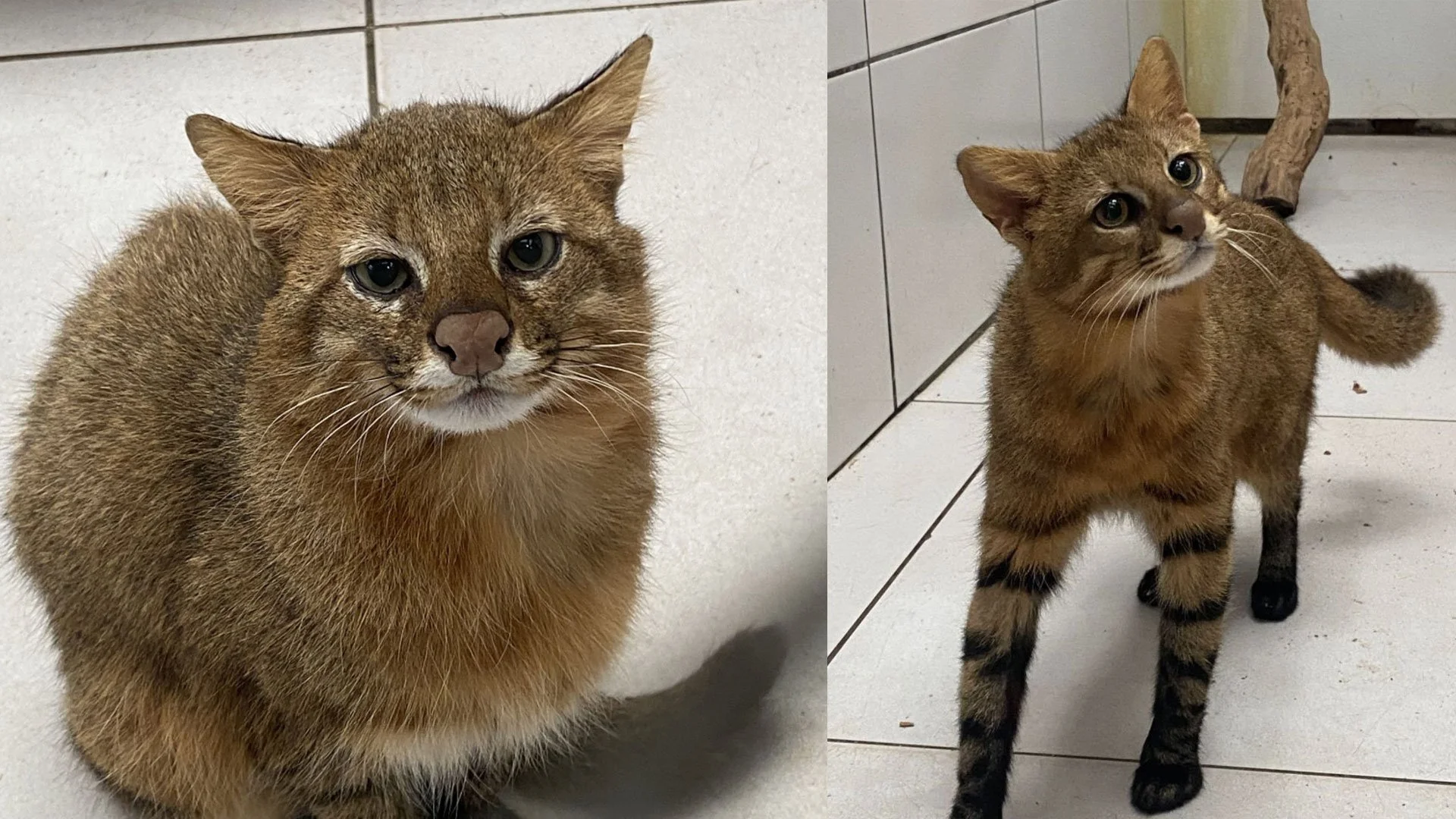
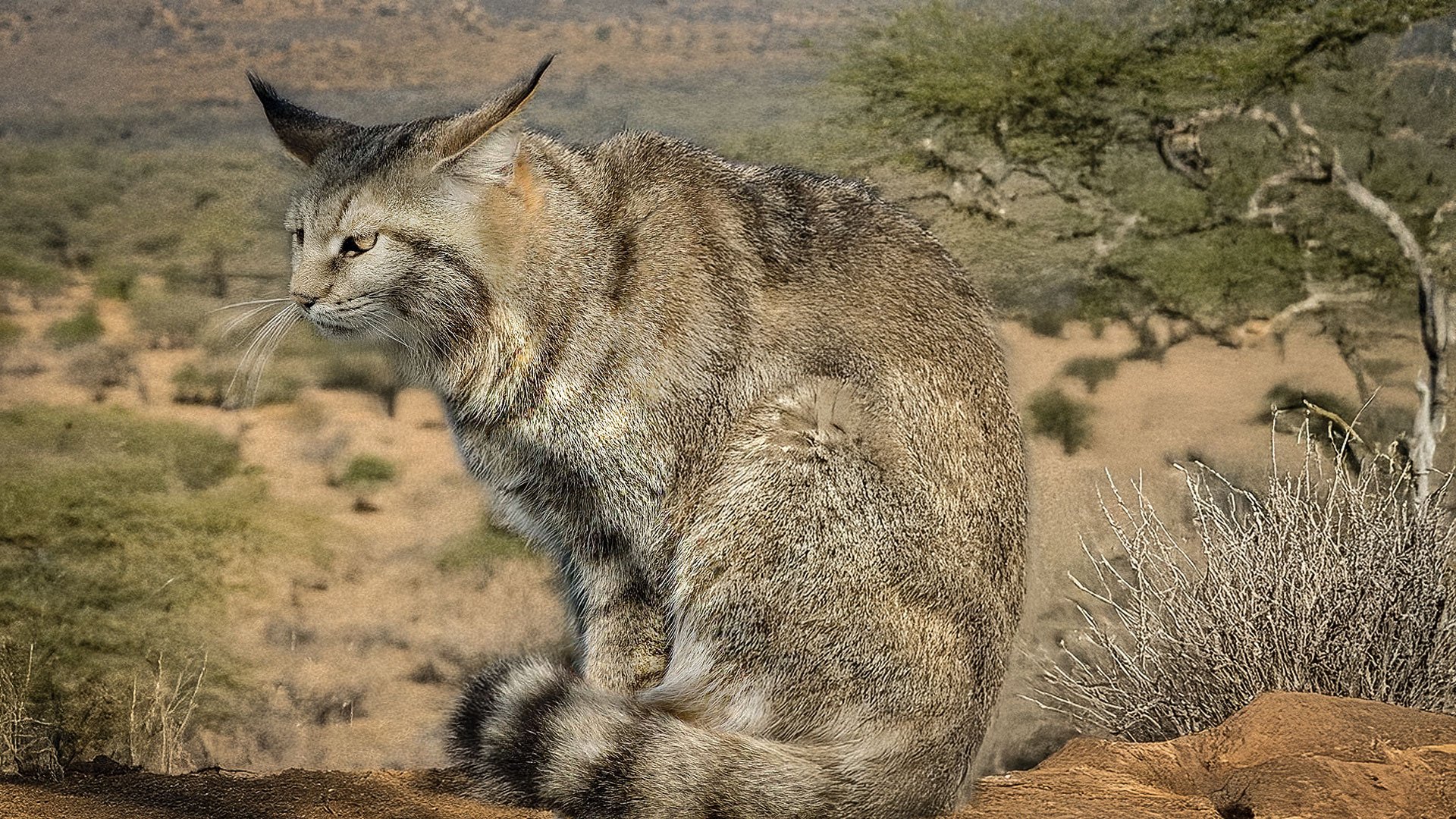
In the sun-drenched stretches of South Africa’s Garden Route, the wild does not end where the pavement begins. Instead, the two worlds collide in a haze of corrugated iron, red dust, and encroaching scrub. As urban expansion and informal settlements sprawl into the ancient corridors of the Cape, a silent crisis is unfolding at the doorstep of the African Wildcat (AWC). One of the continent’s most elusive predators, the wildcat is being erased—not by the gun or the snare, but by the domestic "feral" cat living in the shadows of our townships.
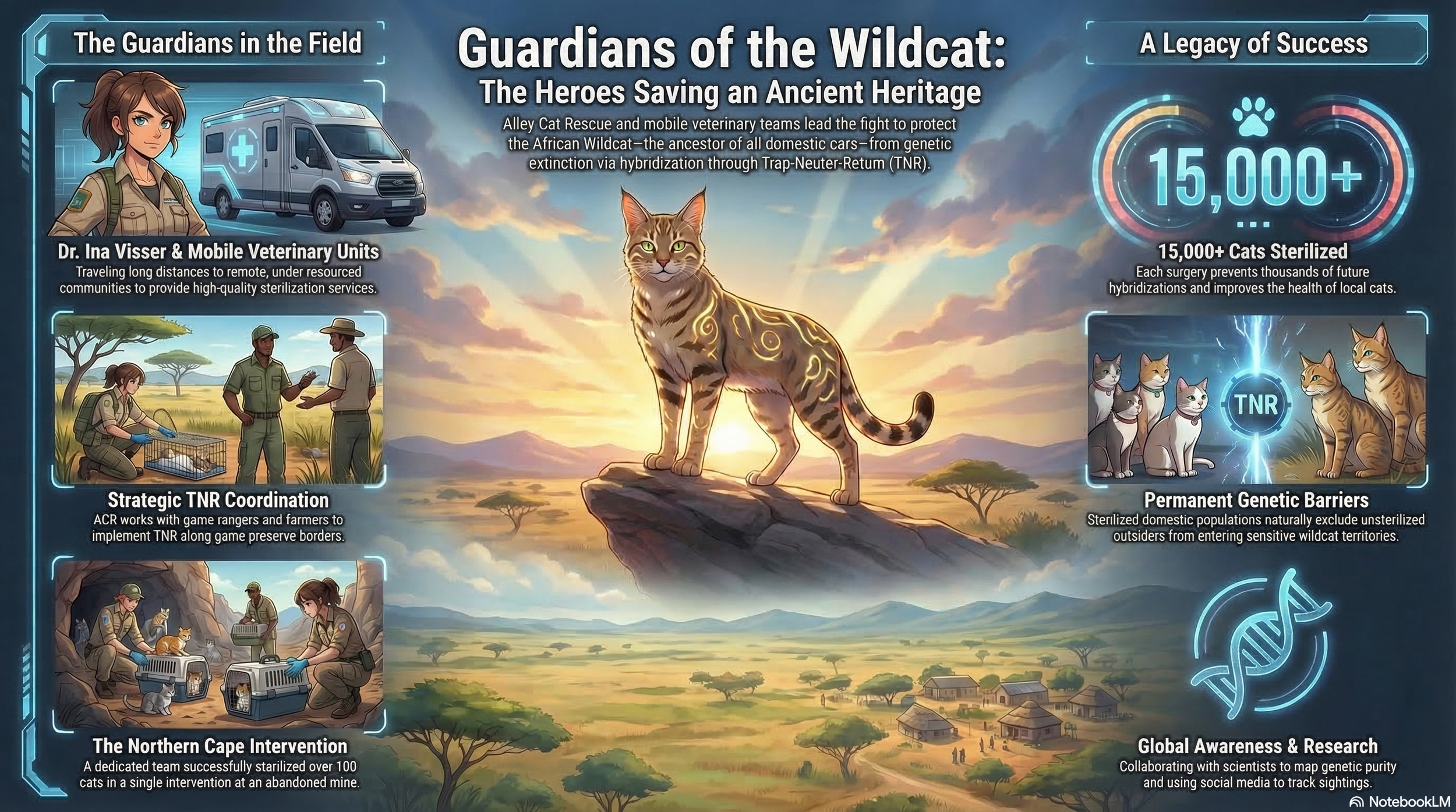
The irony is profound. In these "blurred boundaries," our domestic pets have become the greatest threat to a wild ancestor’s survival. Yet, Rita Brock, leading a small team of volunteers from the Cat Assistance Team (C.A.T.) Garden Route is turning a humble tool of urban animal welfare—the sterilization trap—into a frontline defense for genetic purity. Their mission is a quiet, mechanical heroism, played out from the back of a dust-covered bakkie on the fringes of the bush.
Takeaway 1: The Genetic "Ticking Clock" (The 90% Rule)
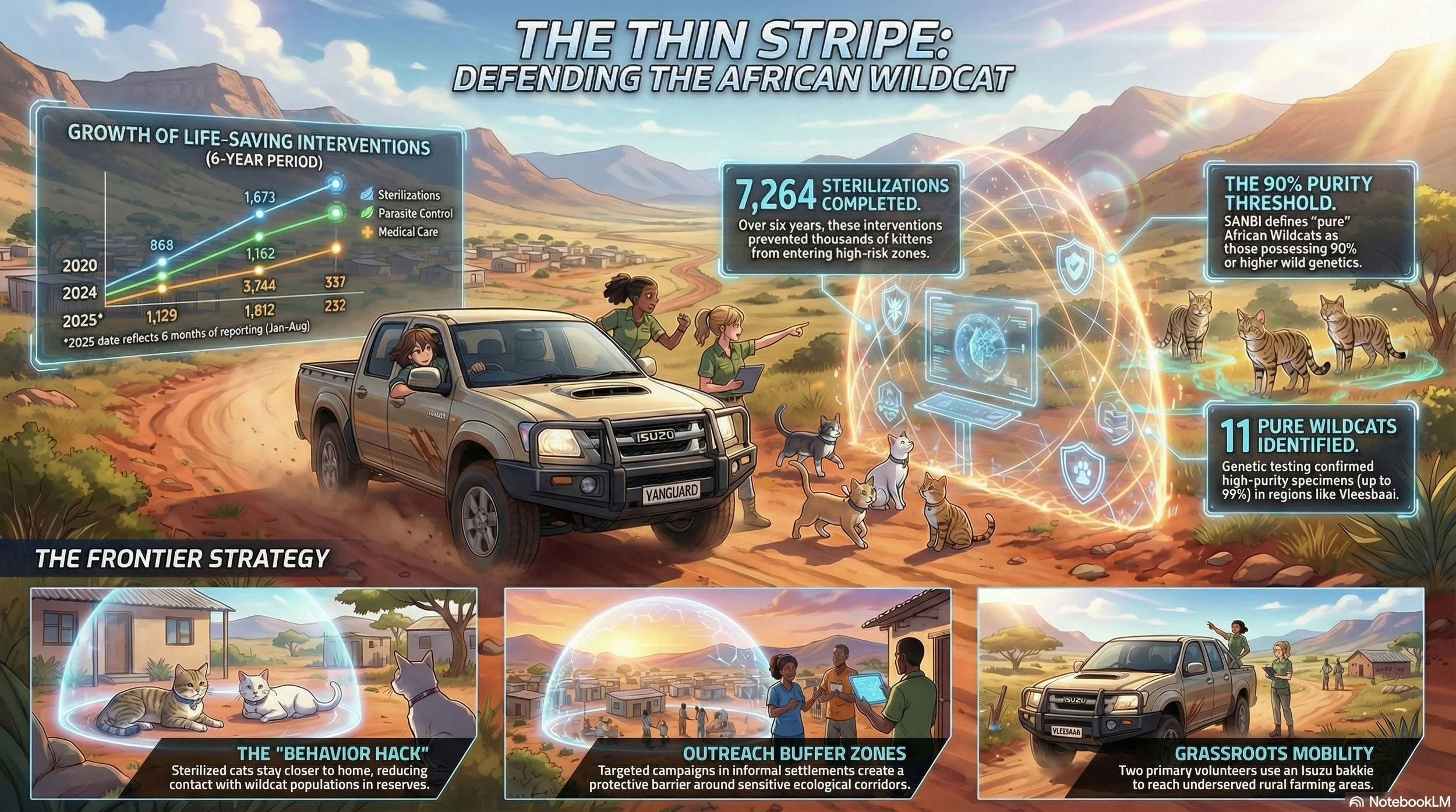
For the African Wildcat, extinction isn't always a matter of dwindling numbers; it is a matter of vanishing identity. When domestic cats interbreed with their wild cousins, the distinct genetic heritage of the AWC is diluted through hybridization. The South African National Biodiversity Institute (SANBI) sets the bar high: a cat must possess 90% or higher African Wildcat genetics to qualify as "pure."
The data from the field reveals a precarious spectrum of survival. In Vleesbaai, the team celebrated a male testing at 99% purity; in Oudtshoorn, a 97% specimen was confirmed. But the "ticking clock" is loudest in the hybrid cases, such as the 84% result found in Herold. Perhaps most haunting is the case from Struisbaai: a semi-feral male testing at 93%. By the letter of the law, he is "pure," yet his status as a hybrid in the 2025 report underscores a terrifying reality—even those who meet the threshold are showing the genetic fingerprints of domestic contact.
"With urban expansion and new informal settlements increasingly encroaching into wild habitats, our sterilisation efforts now play a critical conservation role... confirming just how blurred the boundaries have become." — C.A.T. Garden Route 2025 Report
Genetic purity is the bedrock of ecosystem resilience. If the AWC loses its distinct traits—its specialized hunting behaviors and environmental adaptations—it ceases to be a wildcat, becoming merely a ghost of its former self.
Takeaway 2: Conservation Happens in the Township, Not Just the Bush
The traditional image of conservation involves rangers in khaki deep in the bush, but for C.A.T., the frontier is the informal settlement. In these marginalized communities, the struggle for human survival and animal welfare are inextricably linked.
Led by volunteers like Coriza and Uschi who navigate settlements that were untouched wild terrain only years ago, the team manages a delicate "Rodent Control" paradox. In areas where poverty is a daily weight and infrastructure like waste management is non-existent, rodents are a genuine threat to food supplies and public health. Residents rely on cats as a vital survival tool for pest control, yet they lack the Rands or the transport to access veterinary care.
This is where the work becomes "human-interest" in the deepest sense. The team provides sterilization, food, and medical care free of charge, transforming a potential "cycle of suffering" into a partnership. There is a shift in the air: owners who once saw cats merely as utility now refer to them as family, and children are learning the quiet language of care. In 2024, the team sterilized 1,149 of these "loosely owned" cats, creating a buffer that protects both the domestic pet and the wild predator next door.
Takeaway 3: The Behavior Hack (Why Sterilized Cats Stay Home)
The secret weapon in this conservation strategy is a simple behavioral shift. It is a biological reality that an intact cat is a roaming cat, driven by the instinct to seek mates across miles of treacherous terrain.
Field observations from the team confirm that once sterilized, the domestic cat’s world shrinks in a way that benefits everyone. Sterilized cats "stay closer to home" and are "not ranging as far." They become calm, centered around their human-provided food sources rather than the call of the wild. This behavioral change creates a physical "buffer zone." By keeping domestic cats away from the riverbanks and nature reserves where pure African Wildcats hunt, the team effectively walls off the wild gene pool from domestic dilution.
Takeaway 4: The Heroes On Their Own Dime
The scale of the operation is an exercise in grit. Between 2020 and 2024, the team’s annual sterilization count surged from 868 to a peak of 1,673. This massive output is the work of just two primary volunteers on the ground, Coriza and Uschi, supported by local heroes like El-Anne and the expert veterinary teams of Vetsol, the National Sterilisation Project (NSP), and the PDSA.
The mechanical heart of this operation are a second-hand Isuzu. Coriza has a regular mention on our Facebook page regarding her ongoing vehicle issues with her little Toyota Yaris. Both vehicles are personally owned. They serve as a mobile clinic, a transport hub, and a lifeline, bumping over dirt tracks to reach communities hundreds of kilometers from the nearest vet. The 2024 report noted a "slight dip" in numbers, but this was a mark of honor: the team had finally reached their absolute "operational capacity limits."
"Rural and remote farming areas... [require] trapping and sterilising cats which is time-consuming and labour-intensive."
Trapping a feral cat is a test of patience and nerves, requiring hours of waiting in the heat and cold to ensure each animal is documented, recovered, and returned safely.
Takeaway 5: The "Biliary" Obstacle: More Than Just Surgery
The path to a sterilized colony is often blocked by medical tragedy. Many cats brought in for surgery are found to be suffering from Babesiosis, commonly known as "biliary." This tick-borne parasite is a death sentence if left untreated, and it makes surgery impossible for a compromised feline.
This is where the emotional and logistical weight of the work is heaviest. Treatment requires repeated oral dosing—a harrowing task when dealing with a semi-feral cat that has never known a human hand. Recovery can take weeks of "daily monitoring and ongoing care." The volunteers must nurse these wild-natured animals back to health, providing a quiet space to heal, just to reach the point where sterilization is finally safe. It is a labor of love that goes far beyond simple population control.
Conclusion: A Future for the Felines
The cumulative impact of this grassroots effort is staggering. Over the last six years, (through the first half of 2025) the team has performed 7,264 sterilisations. This represents thousands of kittens who will never know a life of hunger and disease, and a wild species that has been given a fighting chance to remain pure.
Looking toward the horizon, C.A.T. Garden Route aims to establish a dedicated Animal Care Facility on a local farm. This sanctuary would provide a stable environment for recovery and, crucially, a safe facility to house African Wildcats while awaiting their genetic results.
As our sprawling world continues to press against the silence of the Cape's wild spaces, we must confront a haunting question: If the boundary between our world and the wild is disappearing, are we brave enough to be the buffer? By tending to the cats in our own backyards, we may just be saving the soul of the wilderness itself.
Note from Rita Brock: “We are grateful for funding by Outreach partners such as NSP (National Sterilization Project) and veterinary teams like VETSOL. Local hero’s, El-Anne from WAIN, ARK and PDSA.”
Get Involved!
Join CAT Garden Route at https://www.catgardenroute.com/
https://www.facebook.com/catgardenroute/