When the Jungle Keeps a Secret
Deep in the jungles of southern Mexico, archaeologists just found a city no one had seen in over a thousand years. They named it Minanbé — Maya for "there is no path." To reach it, they cut five kilometers through forest so dense it had hidden an entire city, with temples, plazas, and carved monuments, completely intact. No looting. Untouched.
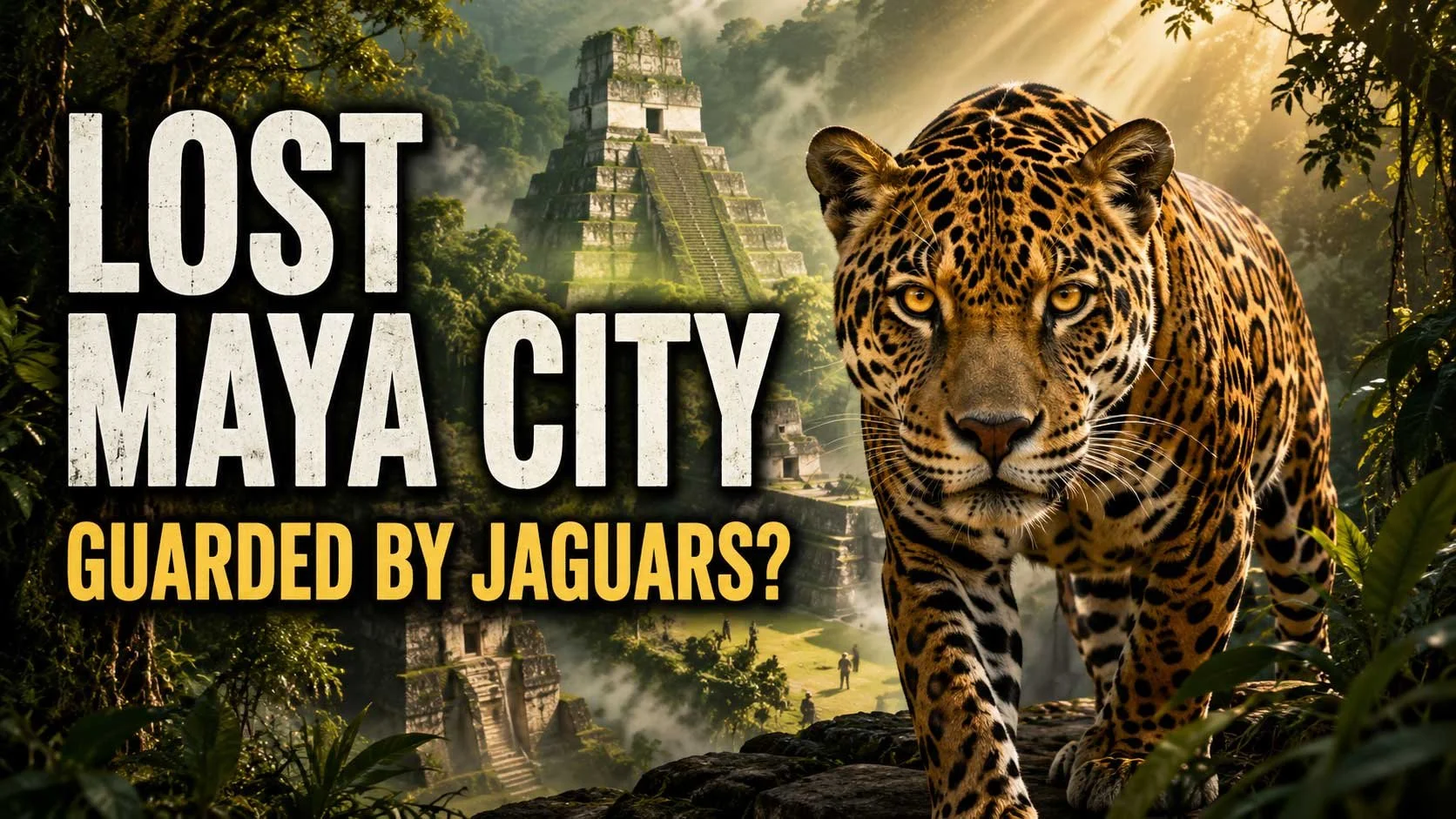
But here's what moves me. That same forest — Calakmul — is the last great stronghold of the jaguar in Mexico. Around five hundred of them still walk there, through the second-largest rainforest in the Americas. Five of Mexico's six wild cat species still hunt these ruins.
The Maya worshipped the jaguar as a god — a spirit that walked between worlds. Their kings are dust now. Their cities fell silent. But the jaguar? The jaguar endured. In a way, the wild cats have carried the Maya forward in their spirits.
The forest that protected this city for a thousand years is being cleared right now. So protect the habitat, and you protect them both — the ancient and the living.
The Corbett Foundation
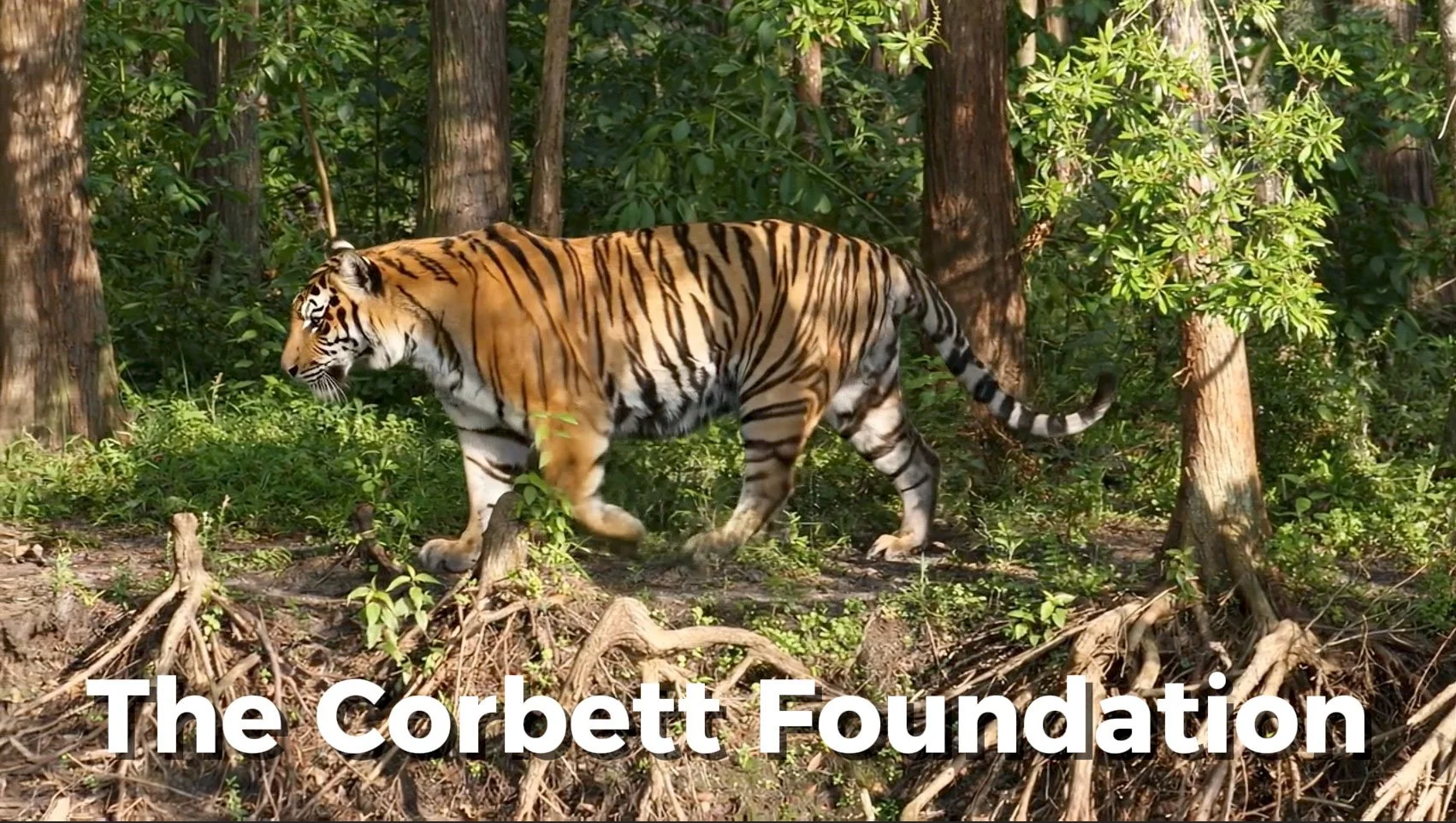
The 2024-25 Annual Report commemorates the 30th anniversary of The Corbett Foundation (TCF), an Indian non-profit established in 1994 to foster human-wildlife coexistence. The document highlights TCF’s expansion from its origins in Uttarakhand to nine distinct landscapes across seven states, focusing on the protection of threatened species like tigers, elephants, and vultures. Key initiatives detailed include the Livestock Compensation Programme, which prevents retaliatory killings, and extensive habitat restoration efforts that have revived thousands of hectares of forests and grasslands. Beyond ecology, the foundation integrates community well-being through rural medical outreach, sustainable livelihood training, and the distribution of green energy solutions. By combining scientific research with grassroots engagement, TCF aims to secure India’s natural heritage while improving the lives of people residing near protected wilderness areas. Collaborative partnerships with government agencies and international conservation bodies remain central to their mission of balancing environmental integrity with social development.

Big Cat Bans Enacted
Proyecto AAk Mahahual AC
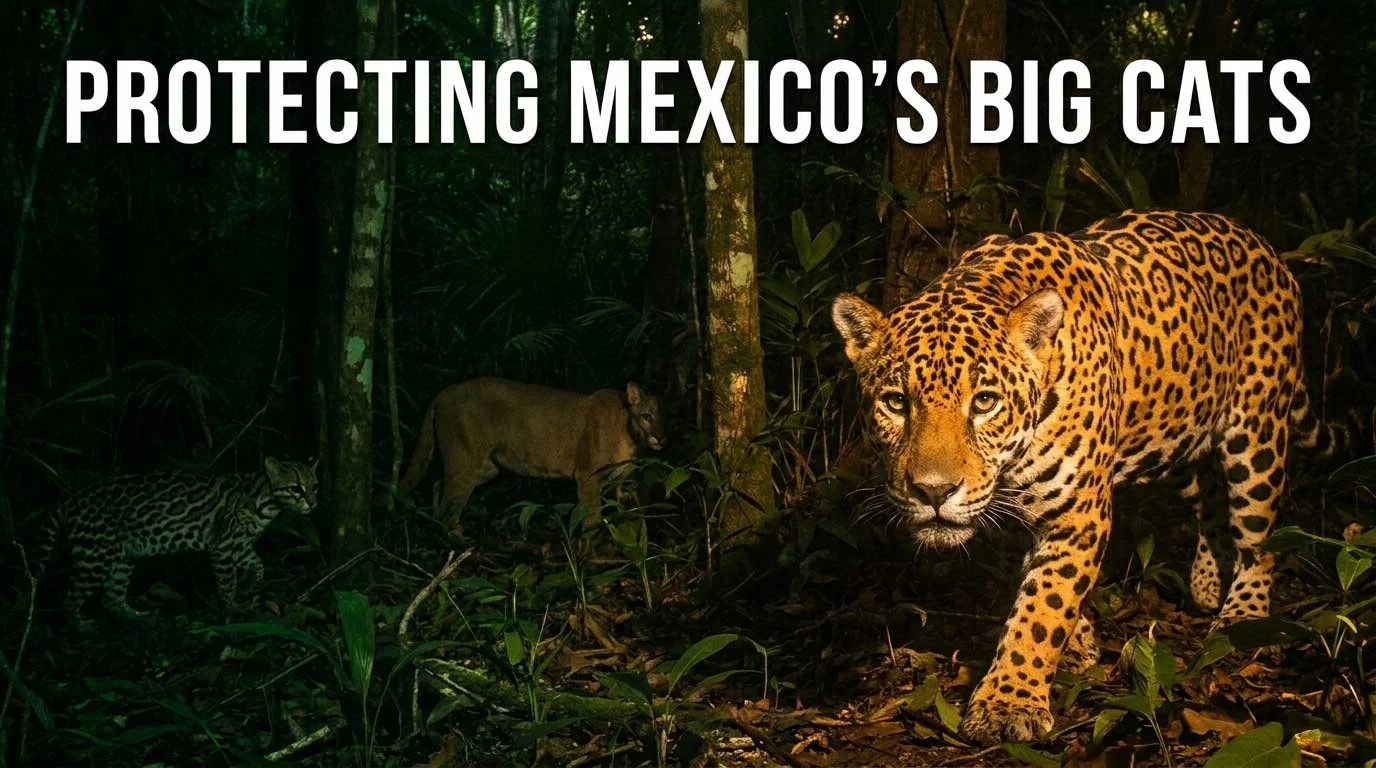
Discover how Big Cat Rescue is partnering with Proyecto AAk Mahahual to protect wild jaguars and ocelots through community coexistence. Read more!
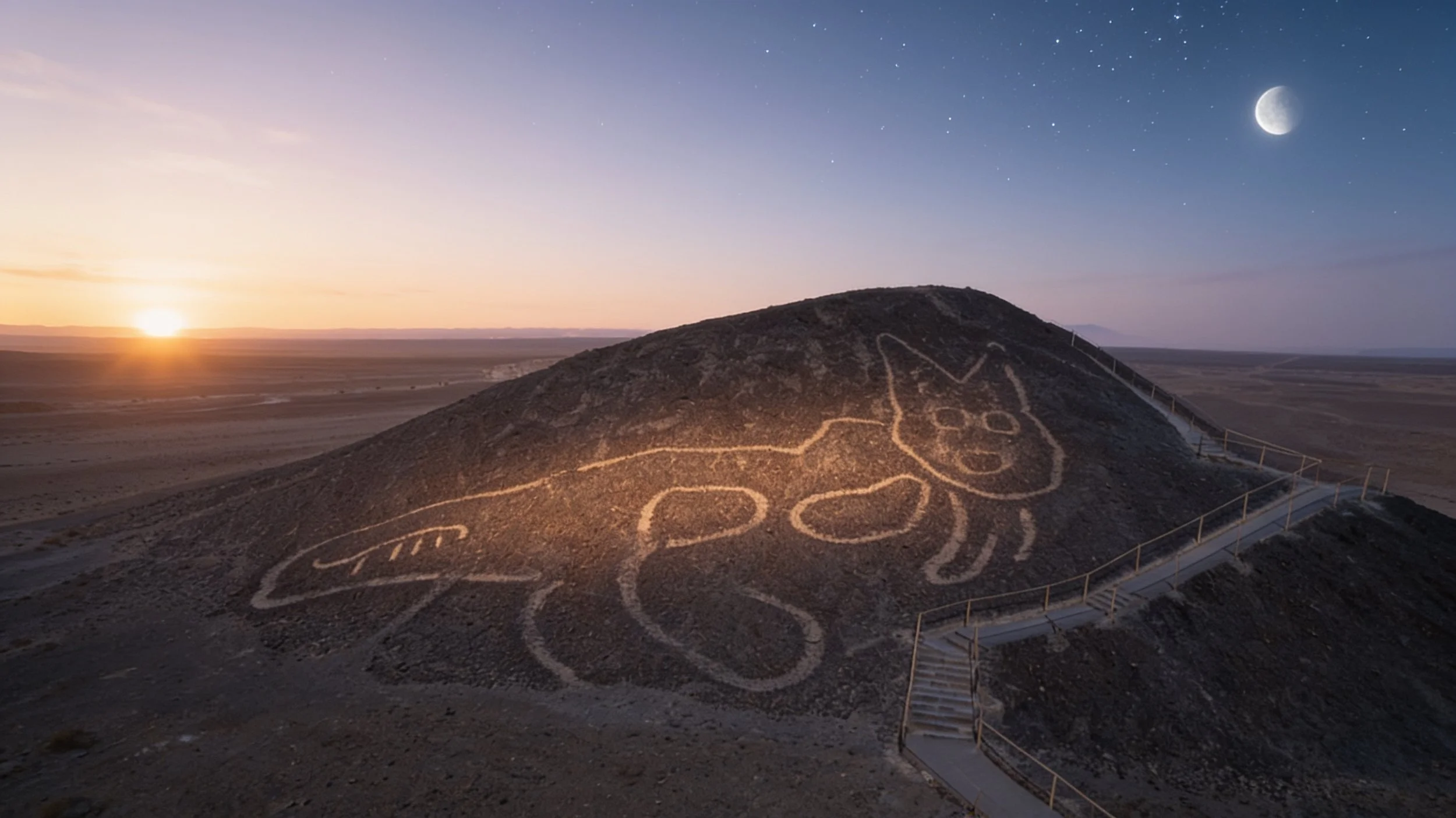
The 120-Foot Cat in the Desert
The Nazca cat geoglyph is one of the oldest known Nazca Lines, a 37 meter (120 foot) feline figure carved into a hillside in southern Peru between 200 and 300 BC. Discovered in October 2020 during work on a desert lookout point, the cat was nearly erased by natural erosion. Peru's Ministry of Culture cleared the faint lines by hand to reveal a reclining cat with a round head, pointed ears, and a long striped tail. This guide explains how the Nazca Lines were made, why the cat dates to the earlier Paracas period, and how cats shaped the art and culture of ancient Peru. A calm, educational look at one of the desert's most charming ancient drawings.

Kyrgyzstan Builds a Climate-Ready Highway for Snow Leopards
Kyrgyzstan has officially designated the Ak Ilbirs ecological corridor, a climate-ready protected area covering nearly 800,000 hectares of high-altitude habitat for snow leopards (Panthera uncia) and other mountain wildlife. Formalized in 2025, the corridor connects existing protected areas, pastureland, and forest across 14 rural municipalities so that snow leopards, argali sheep, and Asiatic ibex can move freely as climate change reshapes their range. Designed by scientists using climate modeling, the corridor captures more than 60 percent of future suitable snow leopard habitat. It also supports herders through grazing rules and alternative livelihoods like beekeeping, orchards, and ecotourism. Learn what this conservation milestone means for big cats, mountain ecosystems, and the future of wildlife in Central Asia.