The Corbett Foundation
Lights in the Dark: How Solar Power Is Protecting People and Tigers in India
Something as simple as a solar street light can save a life. It can also save a tiger.
That is the request from The Corbett Foundation, a wildlife nonprofit working in some of India's most important wild tiger habitat. On June 22, 2026, The Corbett Foundation reported that $46,750 would fund 110 solar lights in villages bordering Bandhavgarh Tiger Reserve in Madhya Pradesh, India.
Here is why it matters.
The Place
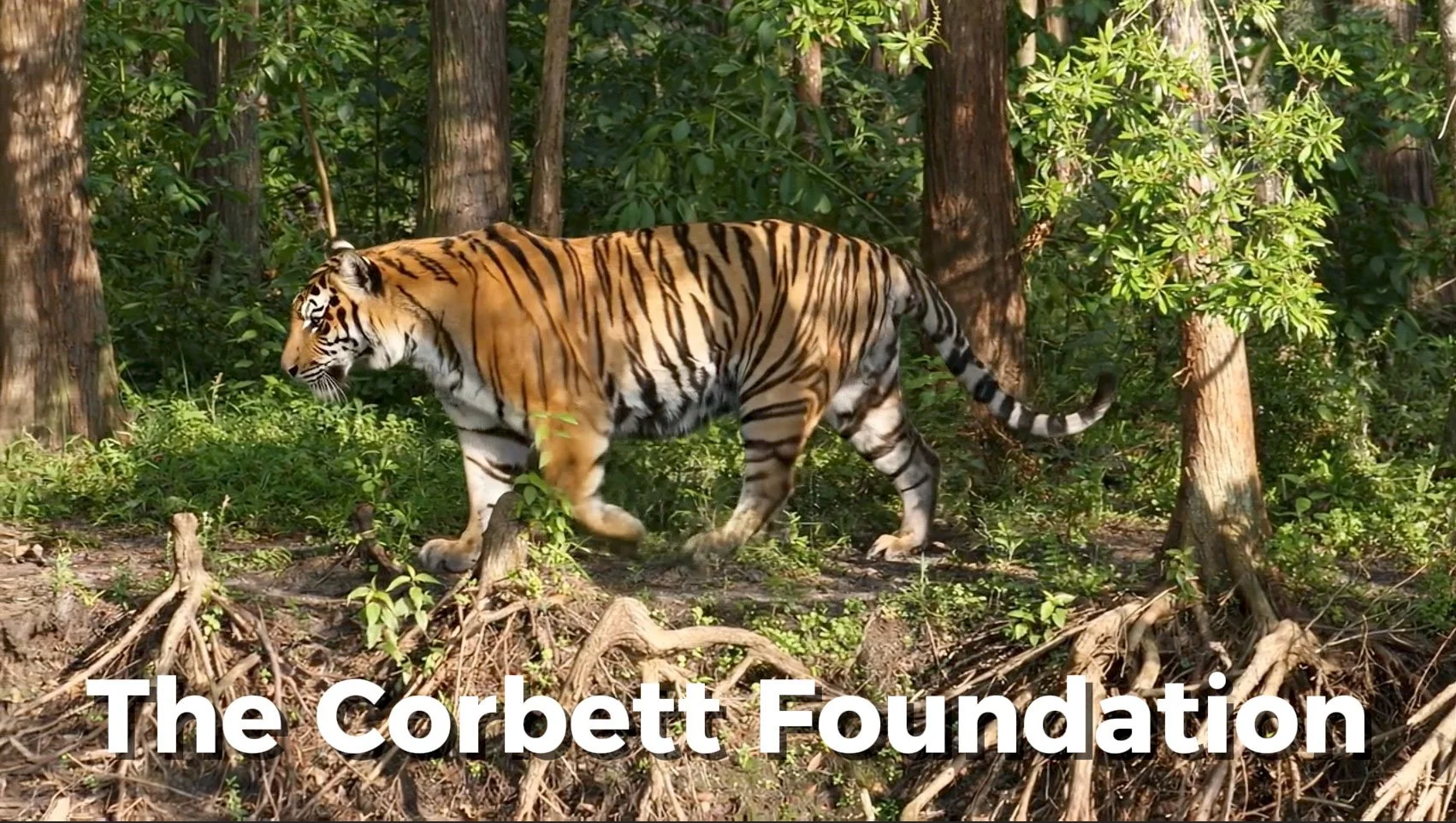
Bandhavgarh Tiger Reserve covers nearly 600 square miles of dry deciduous forest. It is one of the best places in the world to see a wild Bengal tiger. The forest is dense. The trees are tall. The undergrowth is thick and green.
It is also a place where tigers and people share the same landscape. Villages sit at the edges of the forest. Residents walk forest paths at dawn and dusk to gather Mahua flowers and Tendu leaves, plants that are a source of income for local families. People and tigers have coexisted here for generations.
But that coexistence is fragile.
What Happened
Over the past few months, six people lost their lives in tiger encounters in the Panpatha Range of Bandhavgarh. One attack happened while a woman was sleeping outside her home. Others occurred along forest paths in low light, when neither the person nor the tiger could see the other clearly until it was too late.
These incidents put enormous pressure on the tigers. When people feel unsafe, calls to capture or remove tigers grow loud. That is a dangerous moment for wild tiger conservation.
The Solution
The Corbett Foundation, led by Director Kedar Gore, identified a practical answer: solar street lights.
Bright lights along village paths and around homes help people see wildlife from a distance. When someone on a forest path at night can spot a tiger far ahead, they can calmly step back. The tiger, suddenly visible in the glow, often moves away on its own. Light creates the early warning that changes a collision into a close call.
Well-lit streets also protect livestock. Tigers that would otherwise approach cattle sheds are deterred by light. Less livestock loss means less tension between communities and conservation.
With 110 solar lights, The Corbett Foundation can cover the most vulnerable areas of the villages bordering the reserve.
International Tiger Day
The Corbett Foundation reached out with this urgent request. Big Cat Rescue is making this the plea for our International Tiger Day fundraiser on July 29, 2026.
We believe that protecting the people who share land with tigers is one of the most important things we can do for tigers. Wild tigers need wild places. Wild places need communities that value them. And communities cannot value tigers if they feel unprotected.
What This Means for Tigers
Tiger attacks on people are almost always a last resort. They happen in the dark, in low visibility, when a tiger and a human surprise each other at close range. Give both a chance to see each other in time, and most encounters end without harm.
More light means fewer surprises. Fewer surprises mean fewer tragedies. And when the people who live alongside tigers feel safer, tigers are safer too.
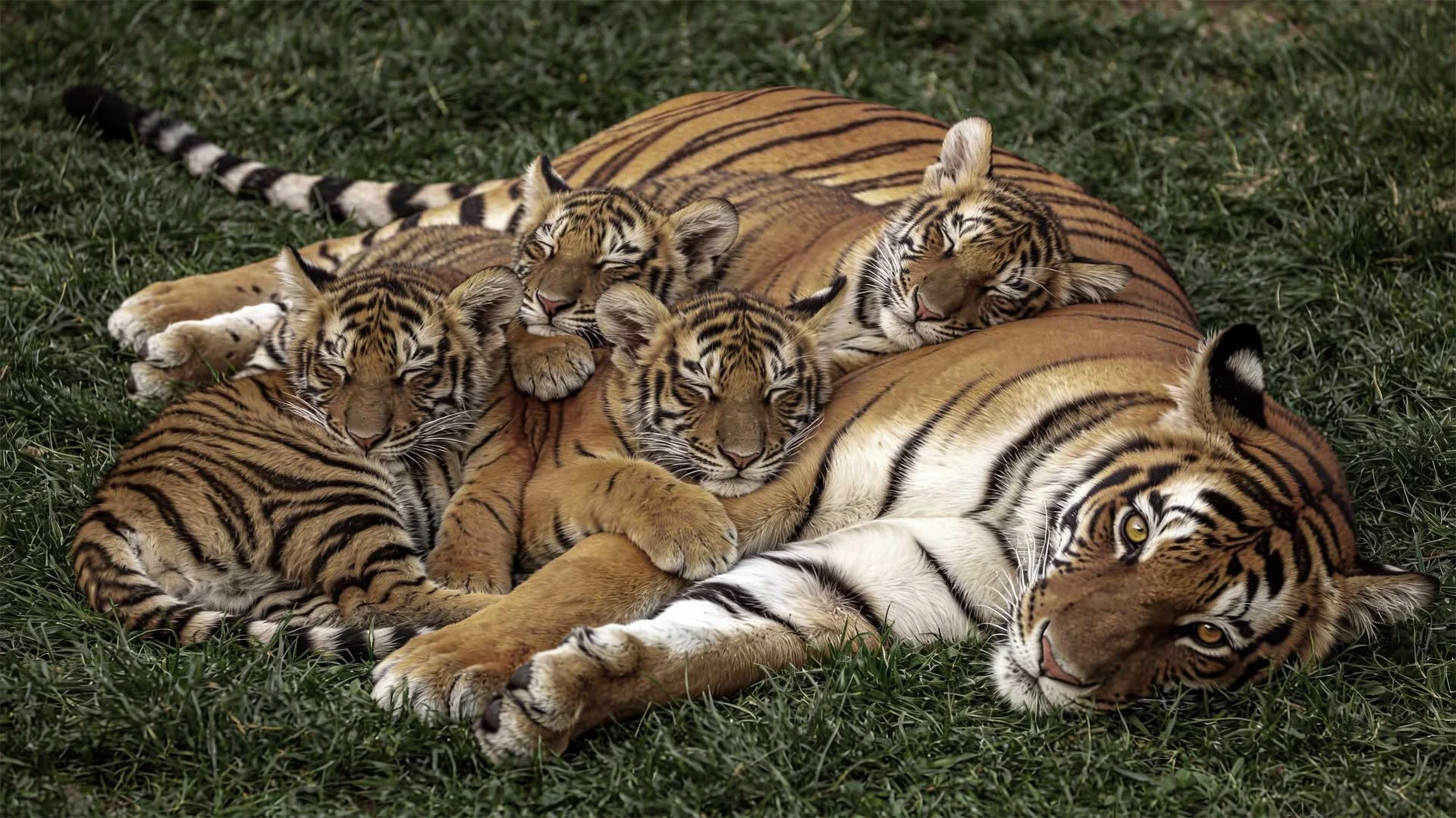
Bengal tigers are still endangered. There are fewer than three thousand left in the wild. Every single tiger matters. Protecting the places where they live, and protecting the people who share those places, is not a compromise. It is the same mission.
Wild cats belong in the wild. That is their future. And these 110 solar lights are one more step toward making that future real.
Beyond Fences: Why India’s Most Successful Predator Protection Strategy Starts with a Stethoscope and a Sapling
1. Introduction
In 1994, the landscape of Indian conservation was a different world. The survival of the tiger was often framed as a zero-sum game: a binary choice between the prosperity of human communities and the existence of the wild. Thirty years later, that tension has reached a critical flashpoint as growing populations squeeze into the remaining forest fringes. Yet, the story of The Corbett Foundation (TCF) proves that this "human vs. wild" narrative is a strategic failure.
Founded by Dilip and Rina Khatau, TCF has spent three decades demonstrating that conservation is not about building higher walls, but about fostering deeper dependencies. Evolving from a single site in Uttarakhand to a powerhouse operating across nine conservation landscapes in seven states, TCF has redefined the "coexistence" philosophy. Here is how a 30-year legacy is rewriting the manual on wild cat protection through radical, community-first interventions.
2. The "Cows for Cats" Strategy: Stopping Conflict Before It Starts
For a marginalized farmer on the edge of the Corbett or Kanha Tiger Reserves, a single livestock kill by a predator is an economic death sentence. Historically, this desperation led to the "Interim Relief Scheme"—now known as the Livestock Compensation Programme (LCP). Launched in 1998 in partnership with WWF-India, the LCP provides immediate financial relief to families while they navigate the slow gears of government compensation.
The strategic brilliance lies in the immediacy. By providing rapid verification and ex gratia support, TCF prevents the initial spark of anger from turning into a retaliatory fire. The data is staggering: across more than 20,000 cases of livestock loss, there have been zero recorded instances of retaliatory killings. In these landscapes, trust has proven more effective than any fence.
"These efforts reflect our belief that long-term conservation outcomes are achievable only when ecological integrity and community well-being are addressed together." — Rina Dilip Khatau, Chairperson, TCF
3. Healing the Scars: Why Saving Tigers Starts with Pulling Weeds
A predator cannot thrive in a biological desert. In the Bandhavgarh landscape, TCF has spearheaded a shift from "species-centric" to "landscape-centric" conservation. This strategy acknowledges that a tiger needs a healthy forest, which in turn needs native grass and water.
Since 2018, TCF has reclaimed over 450 hectares of degraded forest. This is not passive protection; it is active ecological warfare against invasive species like Neltuma juliflora, which chokes out native biodiversity. By removing these "weeds" and planting over 3.3 lakh native saplings, TCF has restored the base of the food chain. The restoration of waterbodies further ensures groundwater recharge, supporting the entire ecosystem and reducing the need for wildlife to venture into human settlements in search of water.
4. A Bridge Across Continents: The Big Cat Rescue Connection
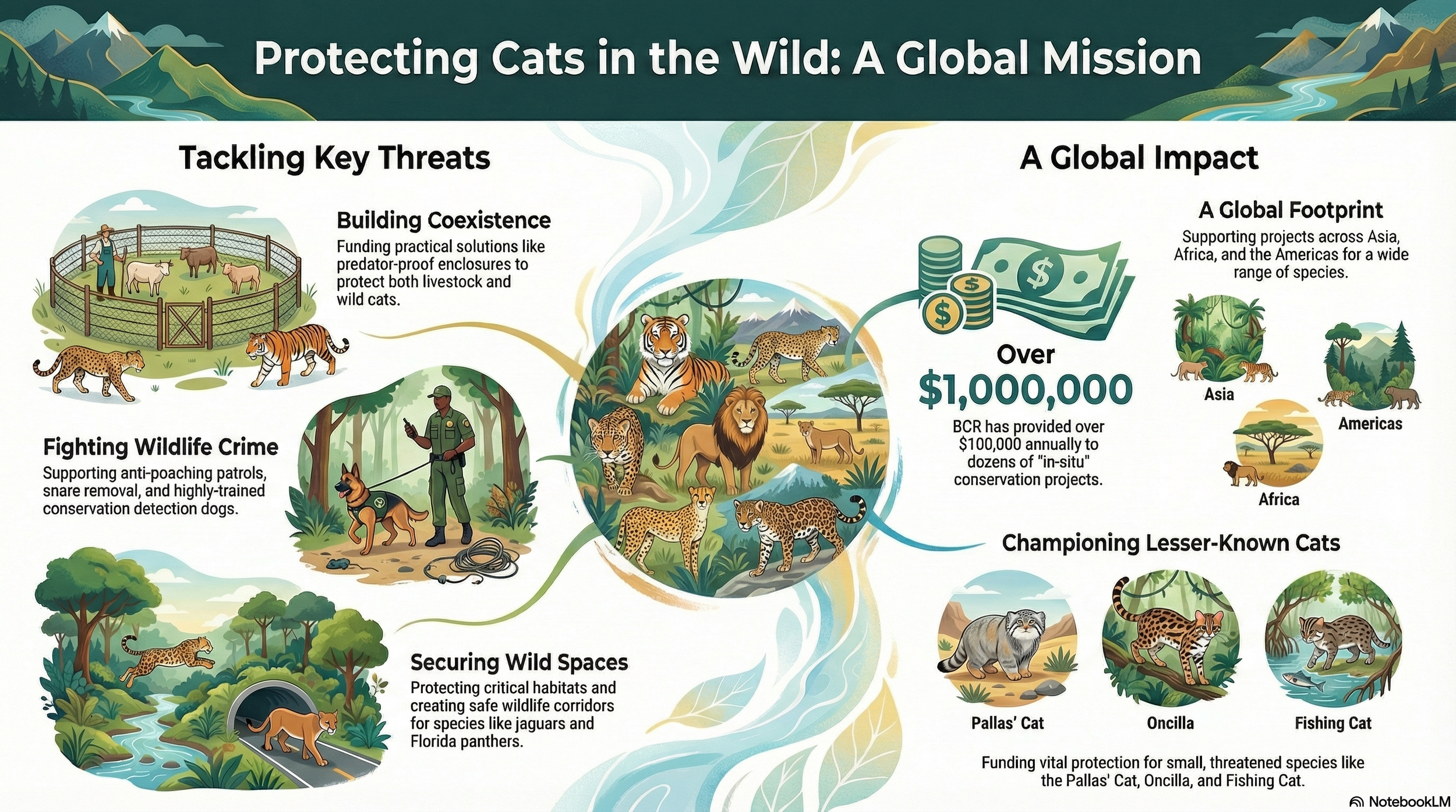
Conservation is local, but the resources must be global. A critical pillar of TCF’s habitat restoration work in the Bandhavgarh and Kanha landscapes is its long-term partnership with Big Cat Rescue (USA). This international alliance serves as a model for global solidarity, where funds raised during International Tiger Day in the United States are converted into boots on the ground in Central India.
This support is not just a donation; it is a strategic investment in corridor protection. By grounding international funding into specific, high-priority corridors, TCF ensures that wild cats have the safe passage necessary to maintain genetic diversity and territorial health across fragmented landscapes.
5. The Trust Factor: Why Rural Medicine is a Conservation Tool
To a conservation strategist, a stethoscope is as vital as a camera trap. The Rural Medical Outreach Programme (RMOP)—treating over 8,000 people annually—is a primary wildlife protection tool. By providing primary healthcare to underserved forest-fringe communities, TCF builds the "social capital" needed to implement harder conservation measures.
This is further amplified by the "One Health" strategy. TCF vaccinates and treats approximately 30,000 livestock animals every year. This is not merely an act of charity; it is a defensive wall against disease spillover. By ensuring domestic cattle are healthy, TCF prevents the transmission of deadly pathogens to wild ungulates—the tiger’s primary prey. When the community sees the Foundation as a partner in health, their "wrath" toward large cats is replaced by a willingness to coexist.
6. From Conflict to Coexistence: The 30-Year Evolution
Since 1994, TCF has evolved from a forest-centric protector into an adaptive force across grasslands, agro-pastoral landscapes, and corridors. While big cats remain a focus, their work now encompasses a vast array of taxa, from the Great Indian Bustard and Lesser Florican in the semi-arid reaches of Kutch to the Greater One-horned Rhinoceros and vultures in Kaziranga.
The Foundation's work is aligned with the Bonn Challenge and the UN’s Sustainable Development Goals, proving that conservation is a science-based, scalable endeavor. TCF’s journey over the last 30 years shows that the future of wildlife is inextricably linked to the dignity of the people living beside them.
"The Corbett Foundation consists of a group of dedicated men and women who are committed to the conservation of wildlife and nature and to fulfilling the ambition that man and nature must live together in harmony." — TCF Vision Statement
As we look toward the next three decades of environmental pressure, we must ask: Are we willing to stop building fences and start building the trust necessary for a shared future?
Learn more at http://www.corbettfoundation.org/