Proyecto AAk Mahahual AC
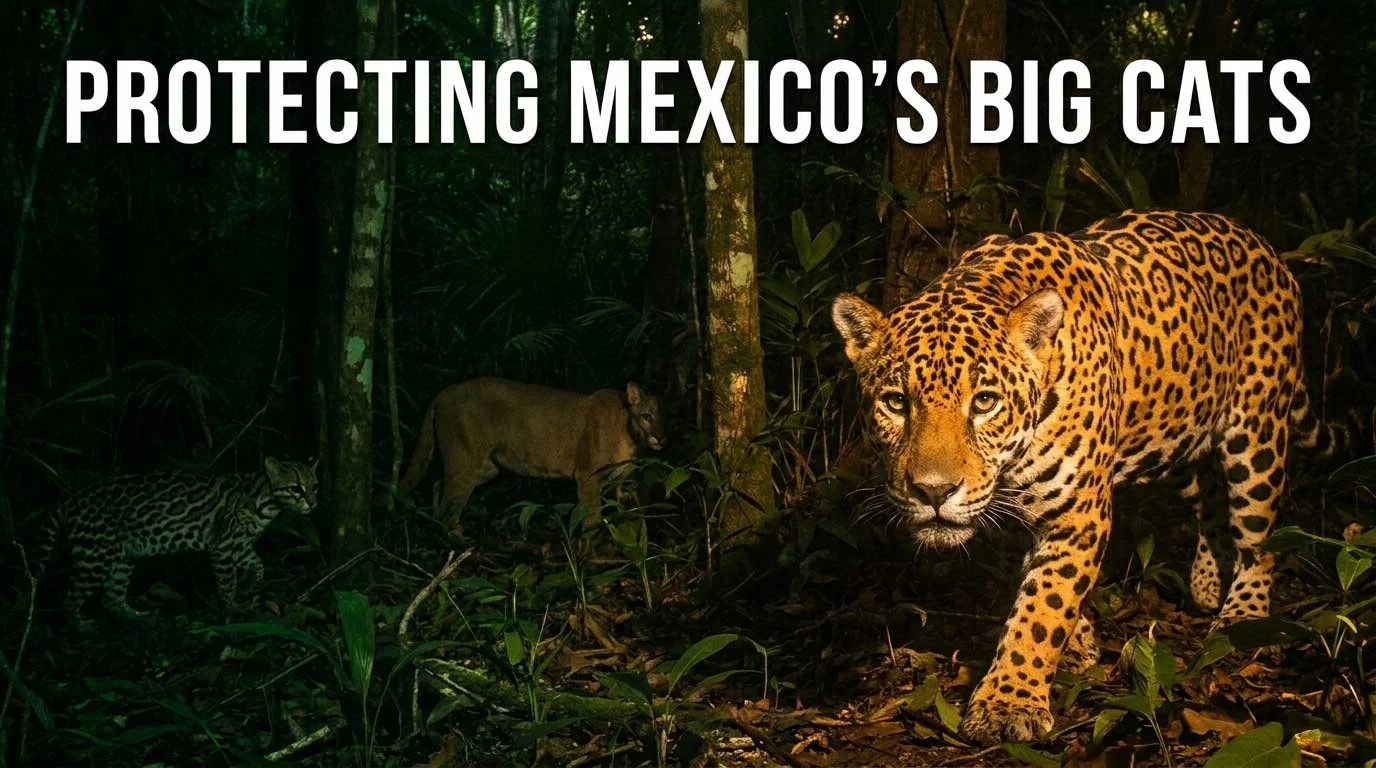
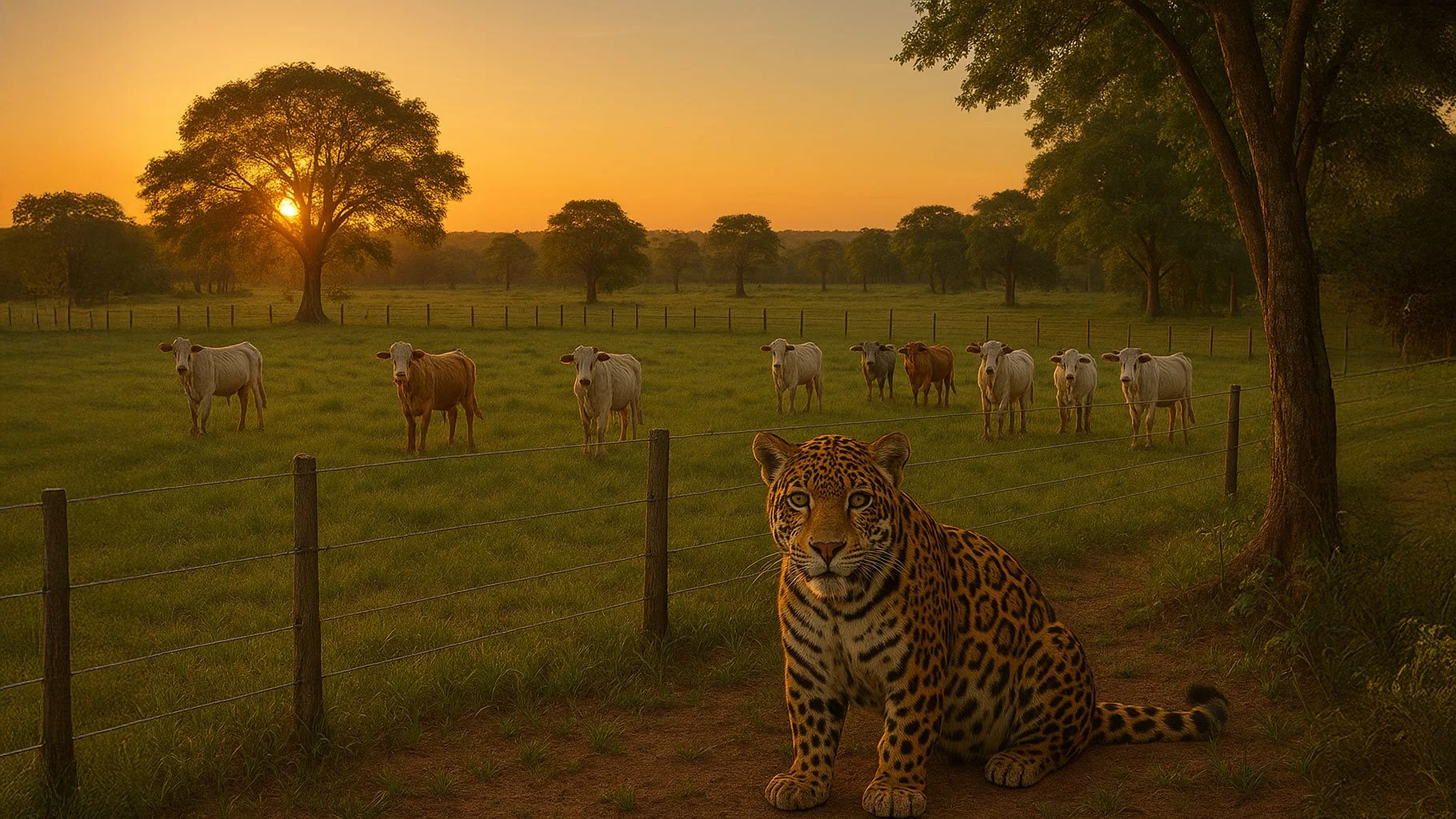
Protecting Mexicos Big Cats - AI Generated
Coexistence in the Costa Maya: How Your Support is Protecting Mexico’s Wild Cats
At Big Cat Rescue, our mission has always extended far beyond the gates of our sanctuary. True conservation means protecting wild cats where they belong: roaming free in their natural habitats.
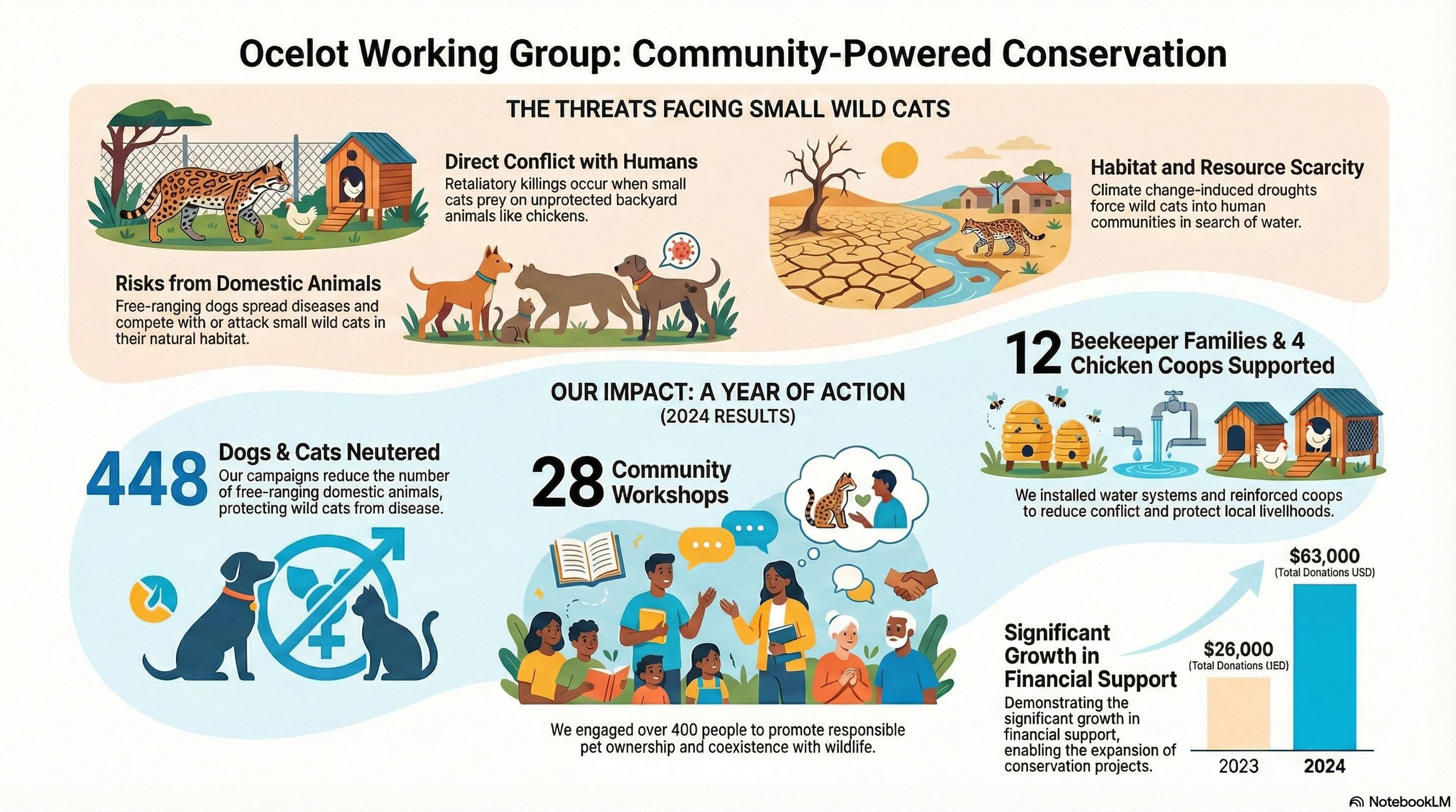
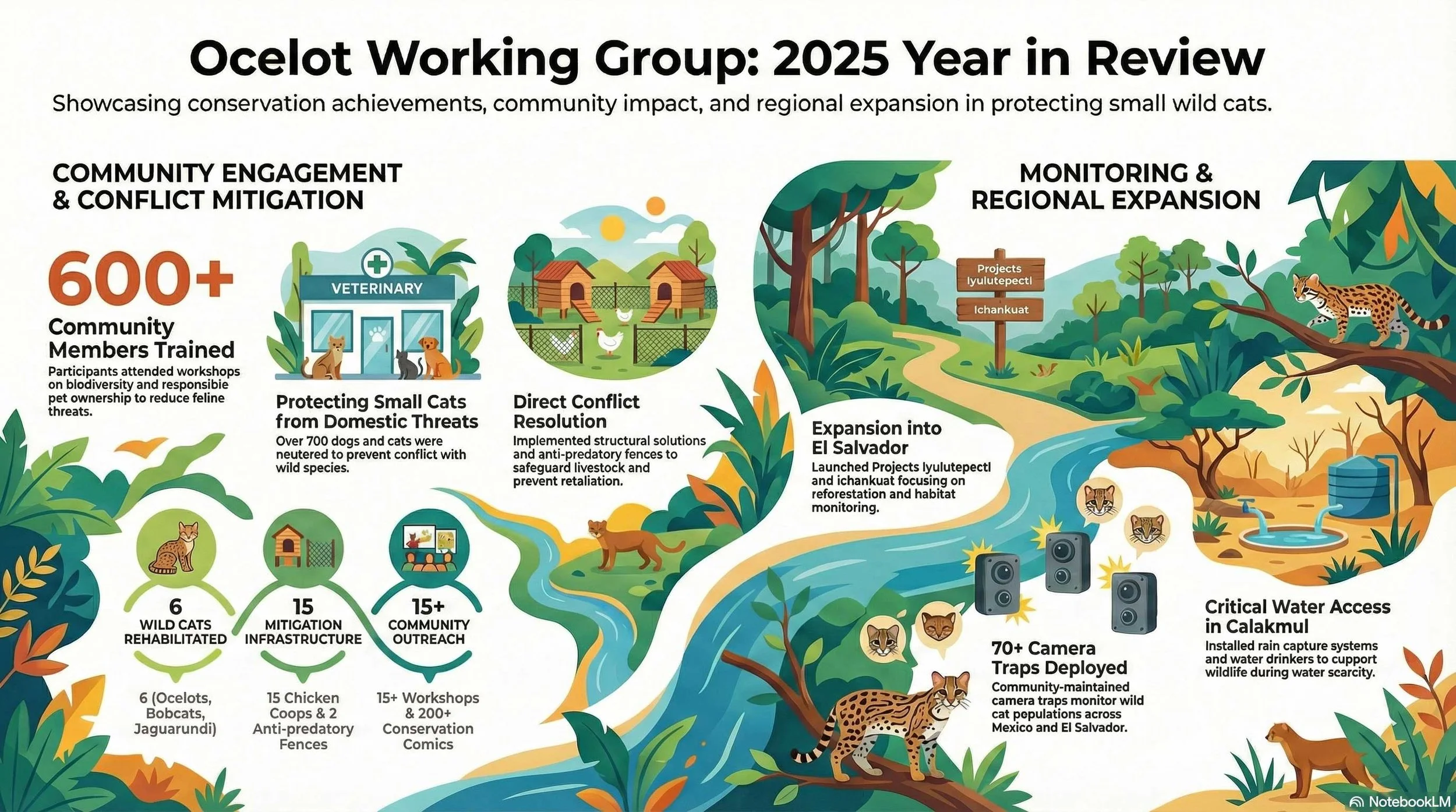
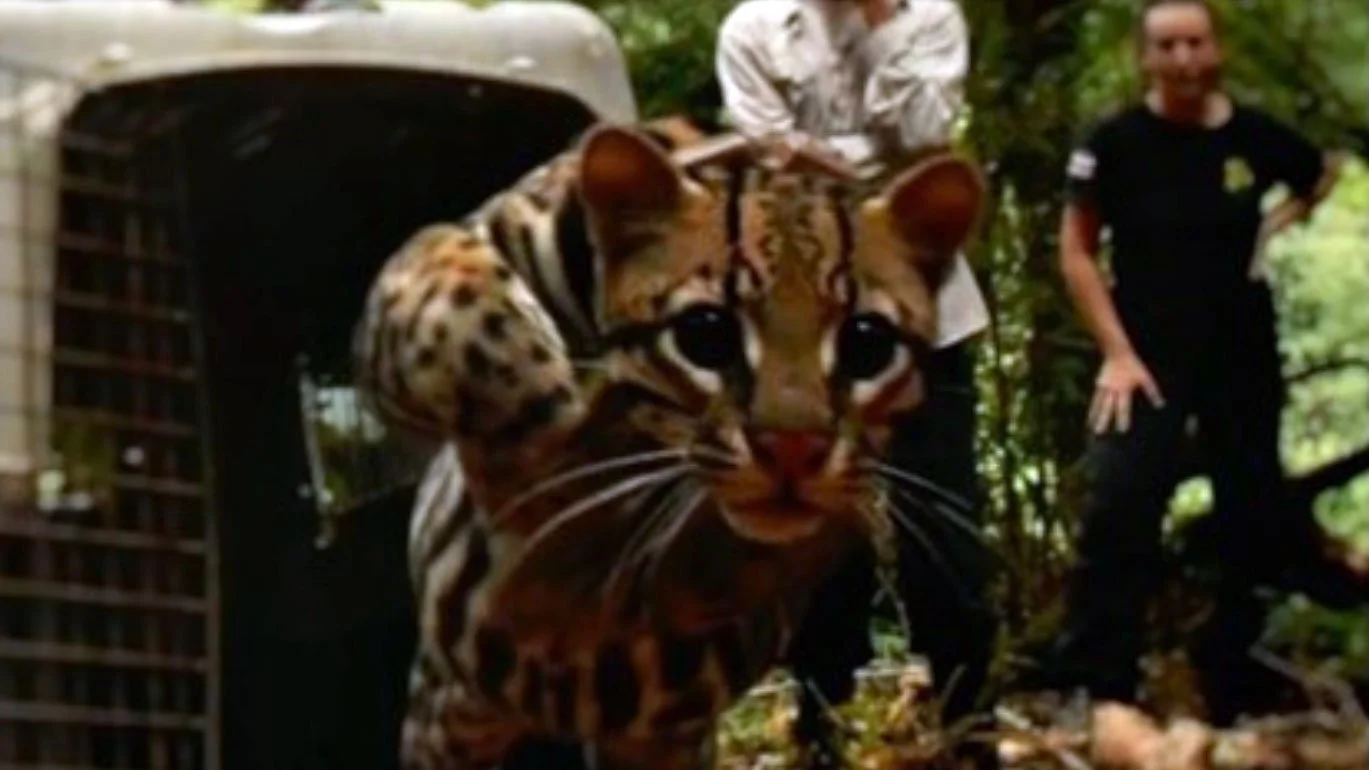
Today, we are thrilled to spotlight a phenomenal organization on the frontlines of wildlife conservation in Mexico: Proyecto AAk Mahahual A.C. Through vital collaboration with international partners, including the Small Wild Cat Conservation Foundation, the Ocelot Working Group, and your support right here at Big Cat Rescue, Proyecto AAk is proving that humans and wild cats can share a landscape and thrive together.
Check out their inspiring work in action in this recent video update!
Guarding the Jungles of Mahahual
The beautiful Costa Maya region is home to some of the world’s most iconic and elusive felines, from the majestic jaguar and puma to smaller, vulnerable species like the ocelot. But as human development expands, these cats face shrinking habitats and rising conflicts with local communities.
That is where Proyecto AAk Mahahual A.C. steps in. Working hand-in-hand with local residents, international organizations, and Mexican government agencies like CONANP (National Commission for Protected Natural Areas) and Profepa (Federal Prosecutor’s Office for Environmental Protection), they are creating a safer world for these cats through three critical pillars:
Wildlife Camera Traps: By strategically placing hidden cameras throughout the surroundings of Mahahual, the team can monitor wild cat populations, track their health, and study their movements without disturbing them.
Community Coexistence: Instead of viewing wild cats as a threat, Proyecto AAk works directly with local communities and farmers to implement predator-proof measures, fostering a culture of peaceful coexistence.
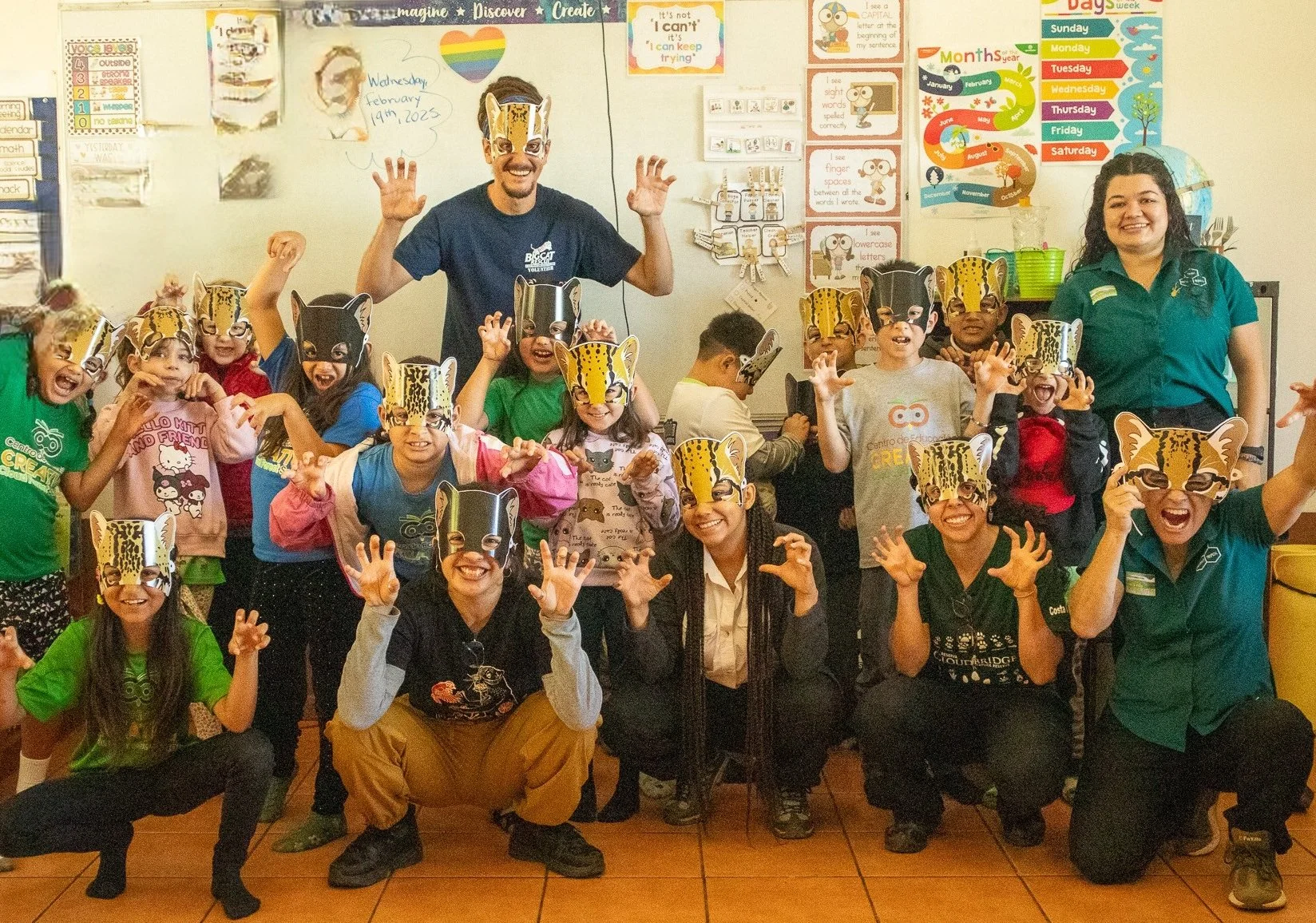
Environmental Education: By teaching the next generation about the vital role apex predators and small wild cats play in keeping the ecosystem healthy, they are inspiring a lifetime of conservation.
"Their actions include monitoring wildlife through trap cameras, promoting coexistence between communities and wildlife, as well as environmental education and protection of ecosystems of Costa Maya."
It Takes a Village (and a Global Network)
Conservation doesn’t happen in a vacuum. It takes a dedicated network of passionate people, local grit, and global funding. Proyecto AAk recently extended a heartfelt thank you to the organizations keeping their boots-on-the-ground efforts alive, and we are incredibly proud to see Big Cat Rescue named alongside the incredible Small Wild Cat Conservation Foundation and Ocelot Working Group.
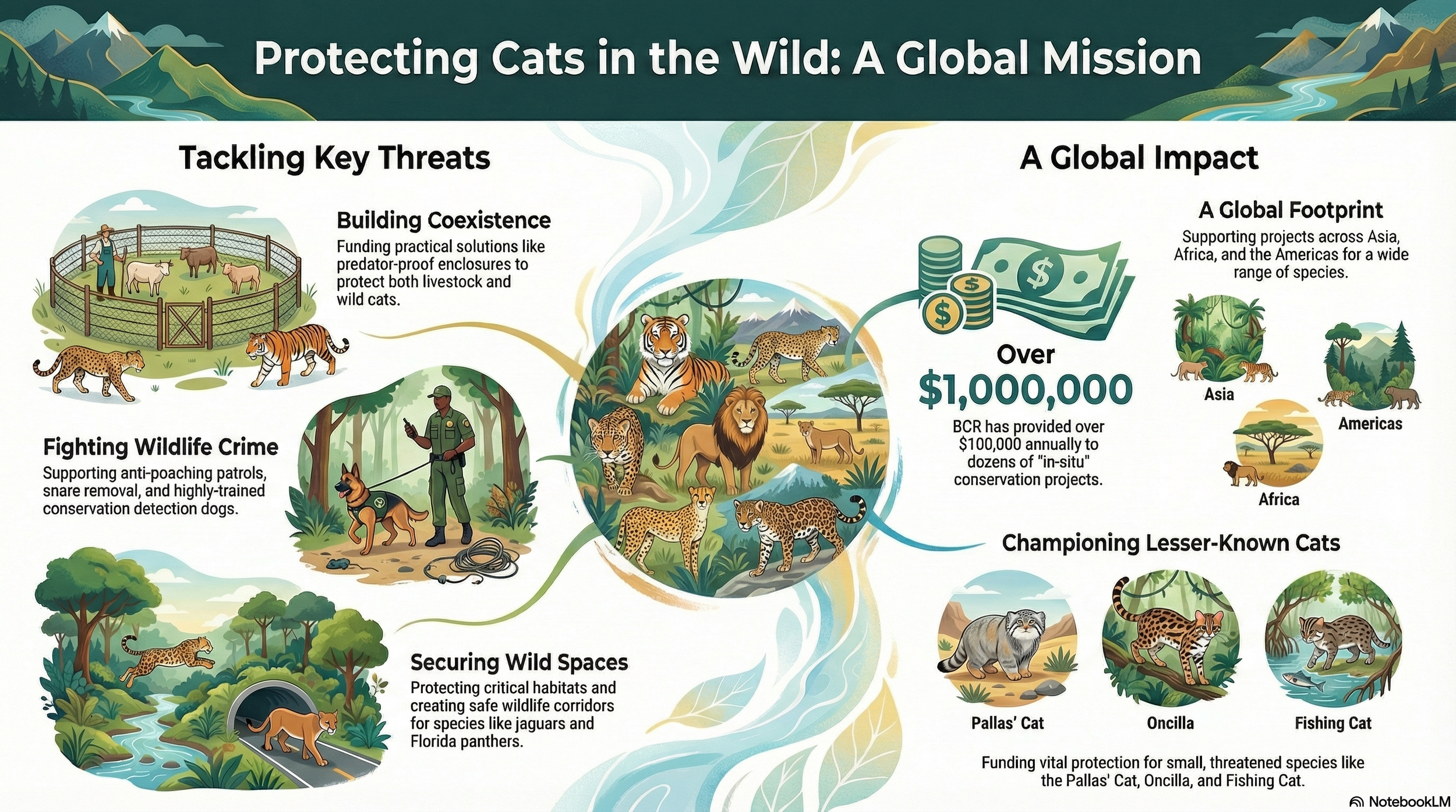
When you support Big Cat Rescue, you aren’t just helping us advocate for captive big cats—you are actively funding the survival of wild jaguars, ocelots, and margays in the dense, beautiful forests of Mexico.
How You Can Help
The fight to protect the Costa Maya ecosystem is ongoing, and these wild cats rely on our continued voices and resources.
Spread the Word: Share the Spanish version of Proyecto AAk’s Facebook Reel or the English version HERE to help bring global awareness to their local efforts.
Stay Educated: Keep following our blog for updates on international field projects and the wild cats your donations are directly saving.
Together, we can ensure that the roar of the jaguar and the stealthy steps of the ocelot remain a permanent part of the Mexican wild. Help us help and conserve!
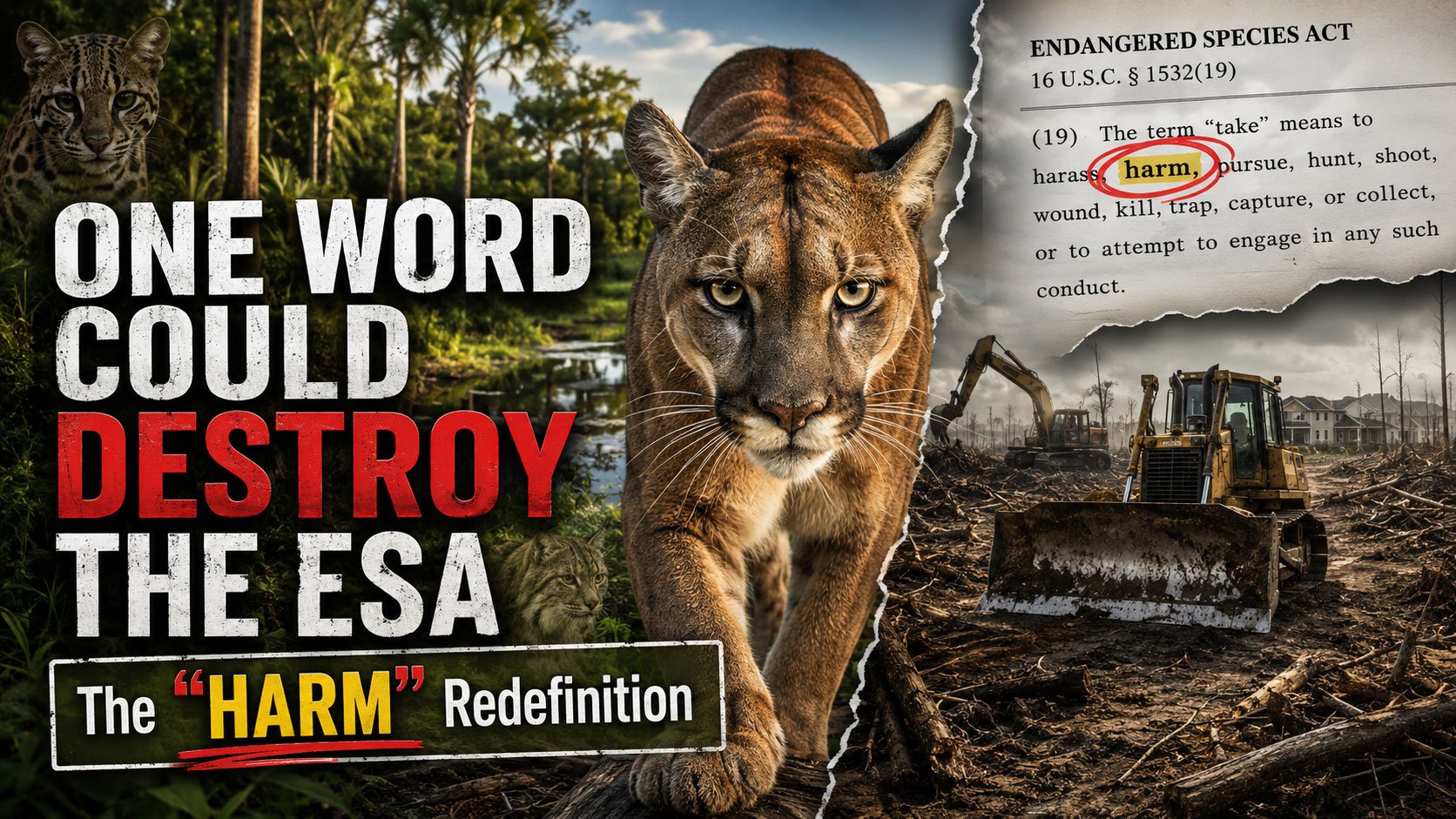
The One-Word Shift Gutting the Endangered Species Act: Why Habitat Protection is Under Fire
For over 50 years, the Endangered Species Act (ESA) has served as America’s most powerful shield against extinction, saving 99% of protected species from disappearing. However, a silent regulatory shift announced on July 10, 2026, seeks to dismantle this legacy by redefining a single word: "harm"
The June 2026 AdvoCat Newsletter from Big Cat Rescue covers the latest in wild cat conservation: Stanford research on mountain lions reshaping suburban ecosystems, Kyrgyzstan's new 2-million-acre snow leopard corridor, the first documented sand cats in Libya, Bengal tiger reintroduction plans for Cambodia, and the alarming pace of tiger poaching across Asia. Stay informed and take action for wild cats worldwide.
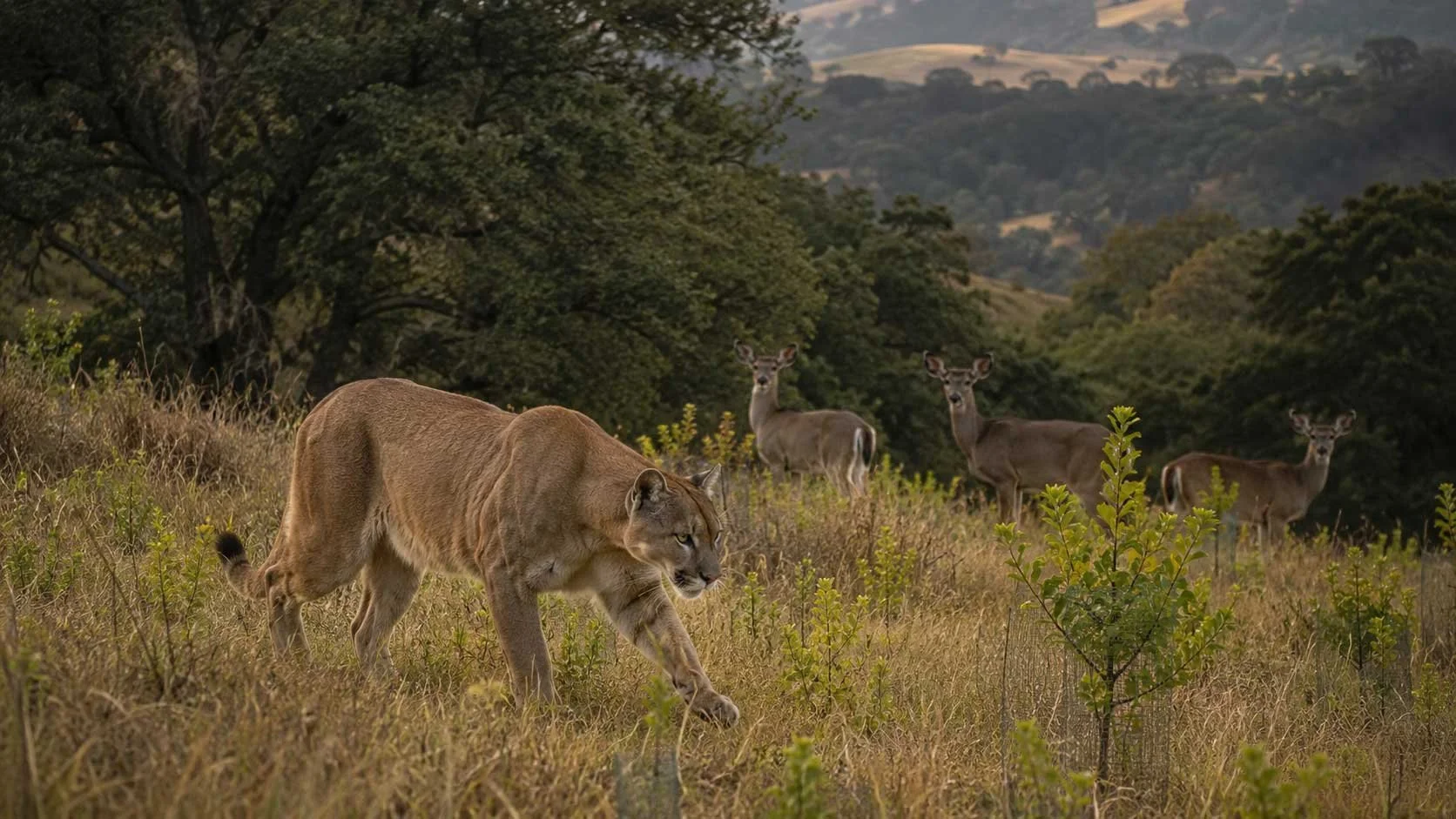
New research from Stanford shows that mountain lions can drive a trophic cascade even in a small suburban nature preserve. Over five years at Jasper Ridge near San Francisco, rising puma activity lowered deer activity and helped young oak trees and woody plants thrive. The cats also reshaped the smaller predators, with coyotes and bobcats declining, gray foxes rising, and rabbits falling. The findings, published in Ecology and Evolution, show that the ecology of fear is not only a Yellowstone phenomenon. Small preserves connected to large wild areas like the Santa Cruz Mountains can host magnificent ecological effects, which makes protecting top predators and keeping habitats connected more important than ever.
Discover how Big Cat Rescue is partnering with Proyecto AAk Mahahual to protect wild jaguars and ocelots through community coexistence. Read more!
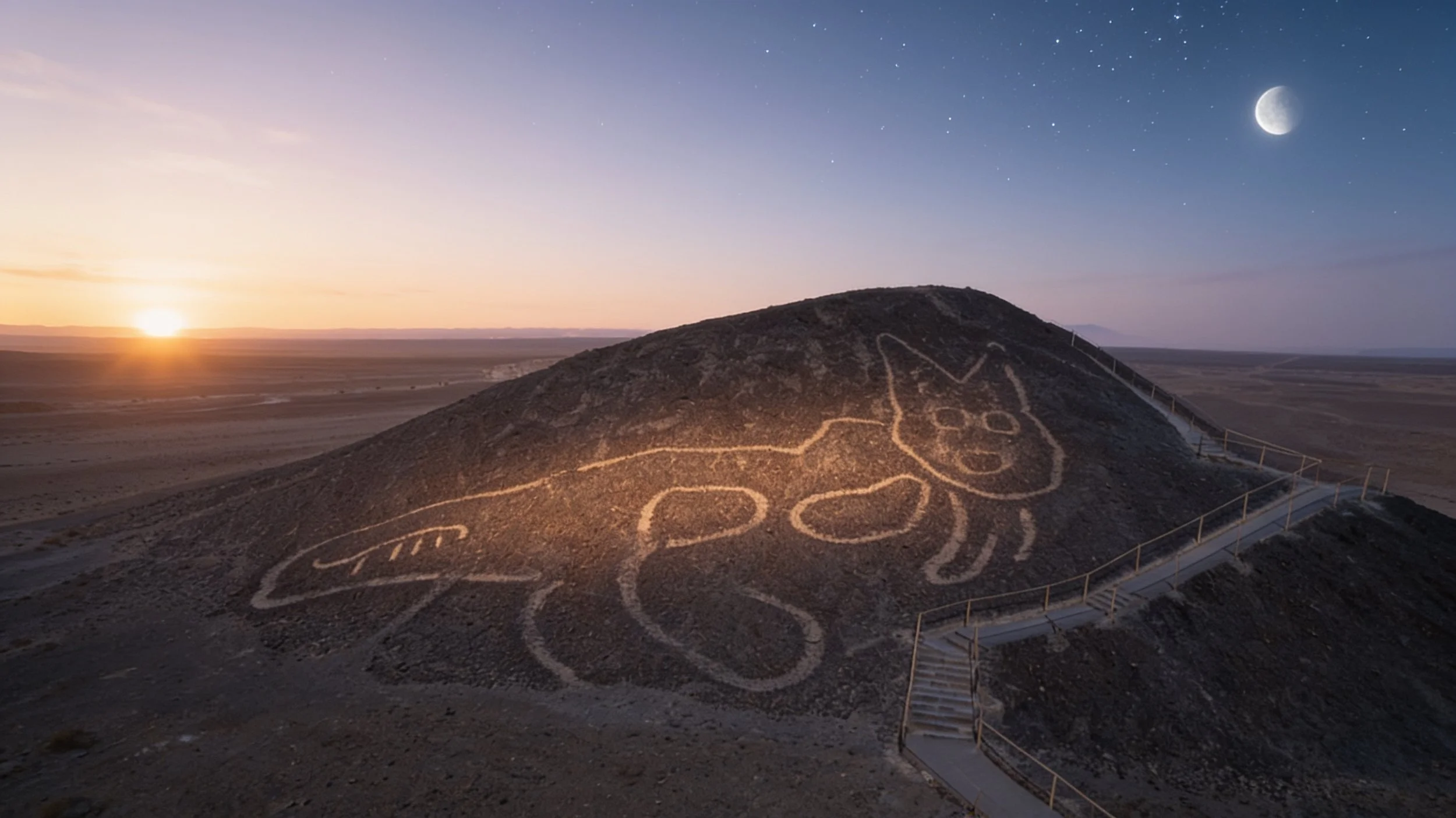
The Nazca cat geoglyph is one of the oldest known Nazca Lines, a 37 meter (120 foot) feline figure carved into a hillside in southern Peru between 200 and 300 BC. Discovered in October 2020 during work on a desert lookout point, the cat was nearly erased by natural erosion. Peru's Ministry of Culture cleared the faint lines by hand to reveal a reclining cat with a round head, pointed ears, and a long striped tail. This guide explains how the Nazca Lines were made, why the cat dates to the earlier Paracas period, and how cats shaped the art and culture of ancient Peru. A calm, educational look at one of the desert's most charming ancient drawings.

The Icarus satellite system, built by the Max Planck Institute of Animal Behavior, is creating an Internet of Animals. Tiny tags track location, movement, heart rate, and body temperature, then send the data to satellites in low Earth orbit. Scientists are training algorithms to recognize the panic patterns animals show when poachers approach, turning tagged herds into a live early warning network. For wild cats like cheetahs, leopards, tigers, lions, and Florida panthers and bobcats, this could mean protection across vast and remote landscapes that no single ranger could ever watch. Learn how Big Cat Rescue is following the Icarus project and how satellite tracking could change the future of wild cat conservation.
Meta Description: Discover inspiring wild cat conservation initiatives from the Small Wild Cat Conservation Foundation. Learn how organizations like Save Fishing Cats are implementing vital pet vaccination and neutering programs in Sri Lanka to protect local fishing cats and leopards from disease transmission. Plus, explore the incredible community-led success story from the Eastern Himalayas Marbled Cat Project in Meghalaya, India, where indigenous women are replacing traditional clouded leopard hunting rituals with sustainable crochet livelihoods and trail-camera monitoring.
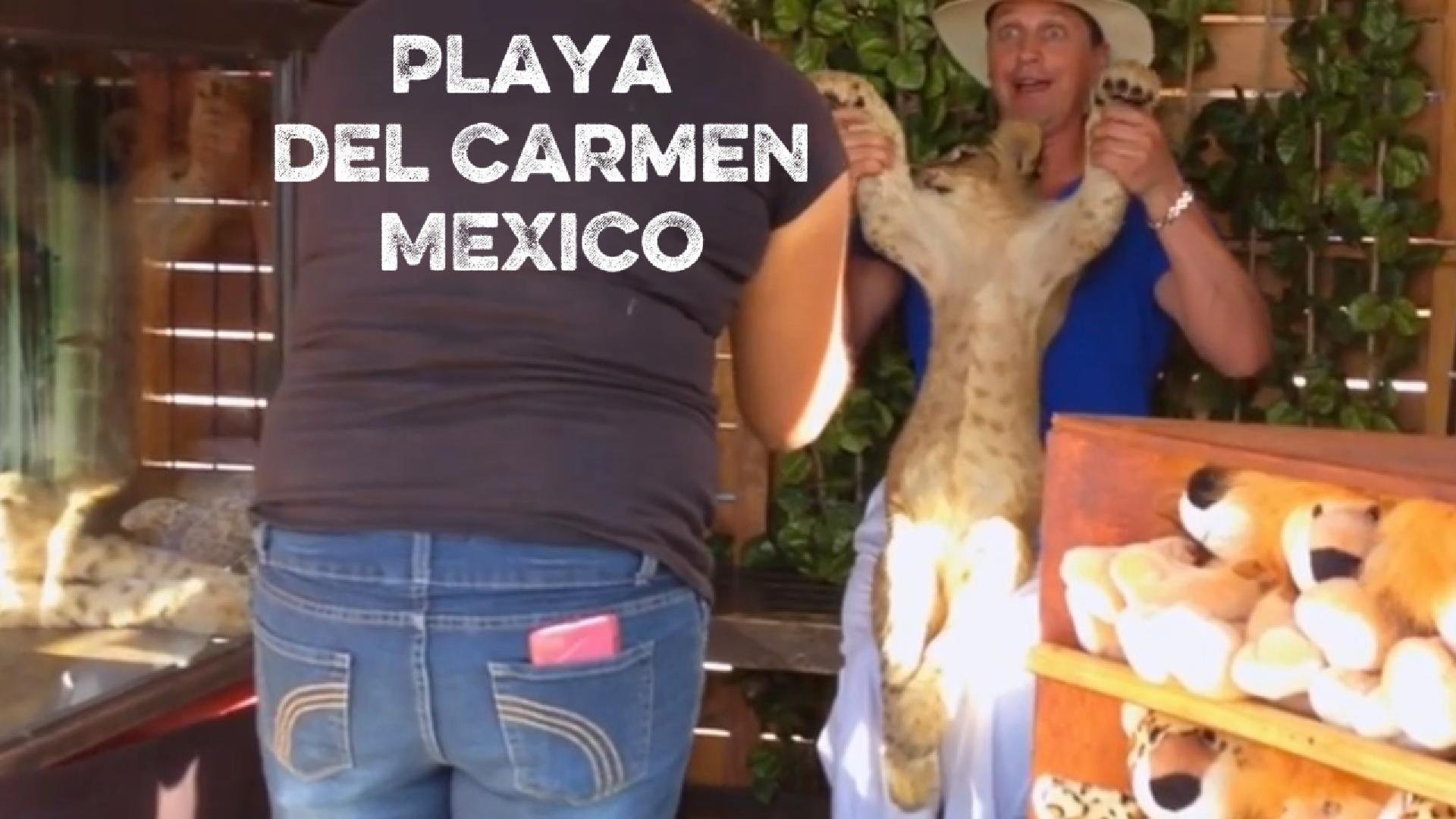
The Fall of Animalandia Maya: Playa del Carmen Shutdown In May 2026, Mexican law enforcement conducted a major raid on Animalandia Maya, a controversial tourist site in Playa del Carmen known for offering photos with exotic wildlife. The operation resulted in the arrest of the owner and several employees, as well as the seizure of tigers, lions, and monkeys that were allegedly being exploited. This intervention followed years of public outcry and pressure from animal welfare organizations regarding the suspected sedation and mistreatment of the animals. While the business has successfully used legal loopholes to reopen after past closures, the scale of this coordinated police action suggests a permanent shutdown. The incident highlights a significant victory for activists fighting against the commercial use of endangered species in the Riviera Maya.
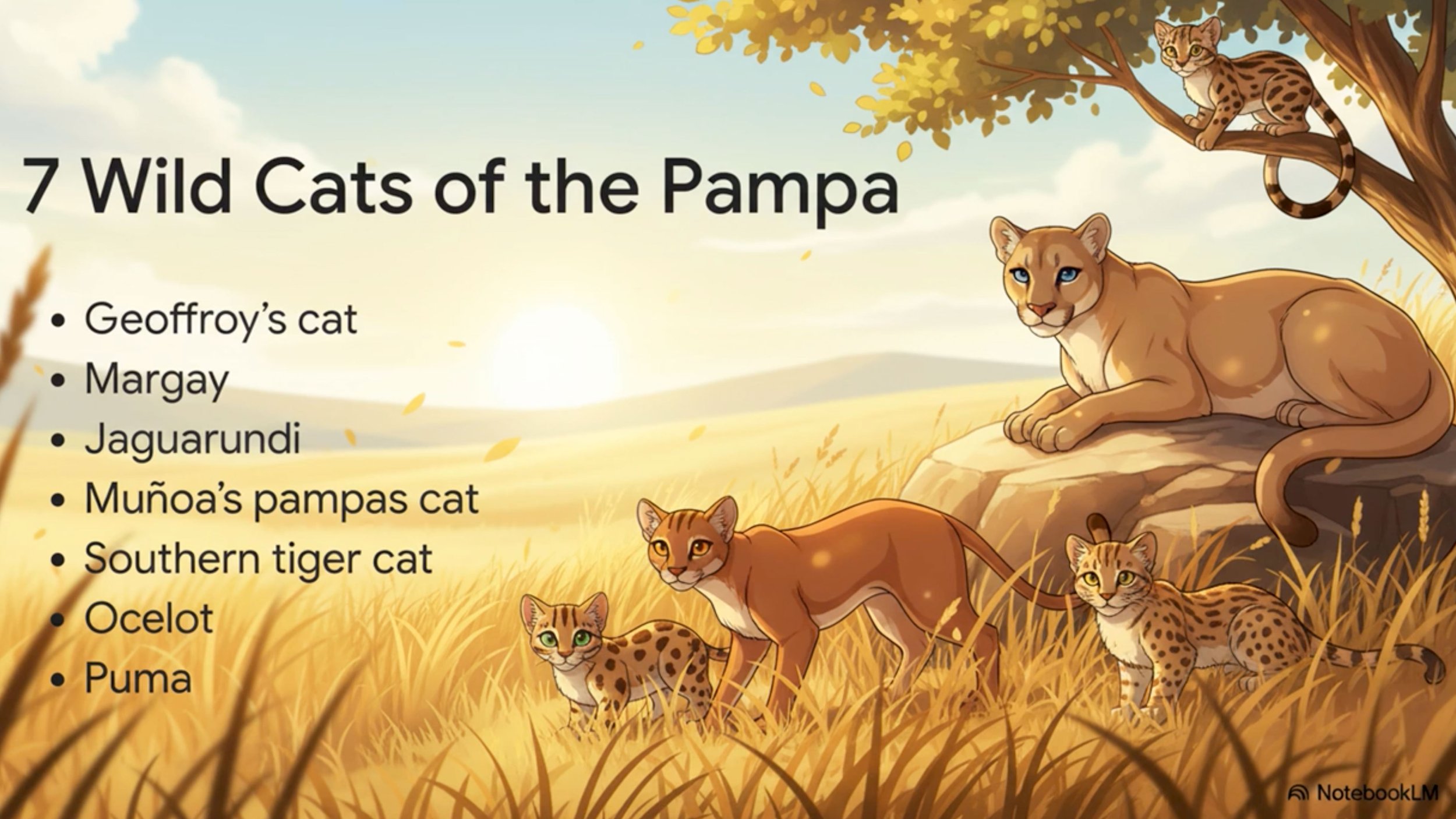
Felinos do Pampa: Conserving the Wild Cats of the Grasslands
The provided sources detail the mission and activities of the Felinos do Pampa Project, a conservation initiative dedicated to protecting wild cats in the Pampa biome of southern Brazil. This research group focuses on species like the Muñoa’s Pampas cat and the southern tiger cat, utilizing tools such as GPS collars and camera traps to monitor their survival in fragmented habitats. Beyond field research, the organization works to mitigate human-wildlife conflict by installing wildlife road signage and constructing predator-proof enclosures for livestock. The documentation also highlights recent viral media coverage and academic studies regarding how urban development and environmental changes affect feline migration routes. Ultimately, the project seeks to balance scientific research with community education to ensure these rare small felids can coexist with local human populations.

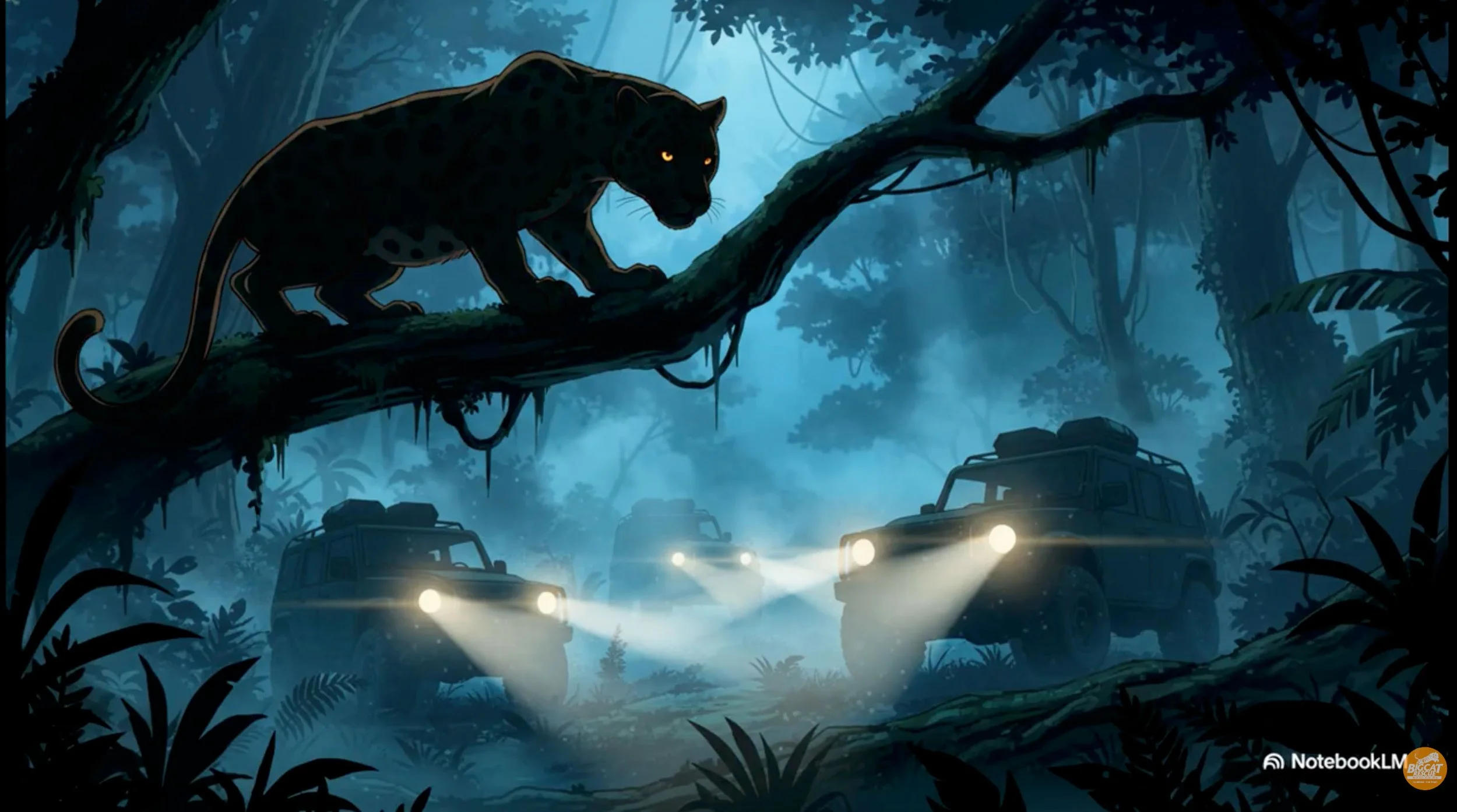
A recent camera trap sighting of a male jaguar at an elevation of 2,200 meters in Honduras has sparked optimism among conservationists. This rare encounter in the Sierra del Merendón mountains is significant because these big cats typically reside in lower habitats, suggesting they are using high-altitude corridors to travel between fragmented landscapes. While the species faces ongoing threats from deforestation, poaching, and climate change, this discovery indicates that protected areas and anti-poaching efforts may be facilitating their return to historical territories. Global and local initiatives like the Jaguar 2030 Roadmap aim to further secure these vital migratory paths to ensure the predator's long-term survival. Ultimately, the presence of this "cloud jaguar" reaffirms the resilience of the species and the importance of maintaining ecological connectivity across Central America.
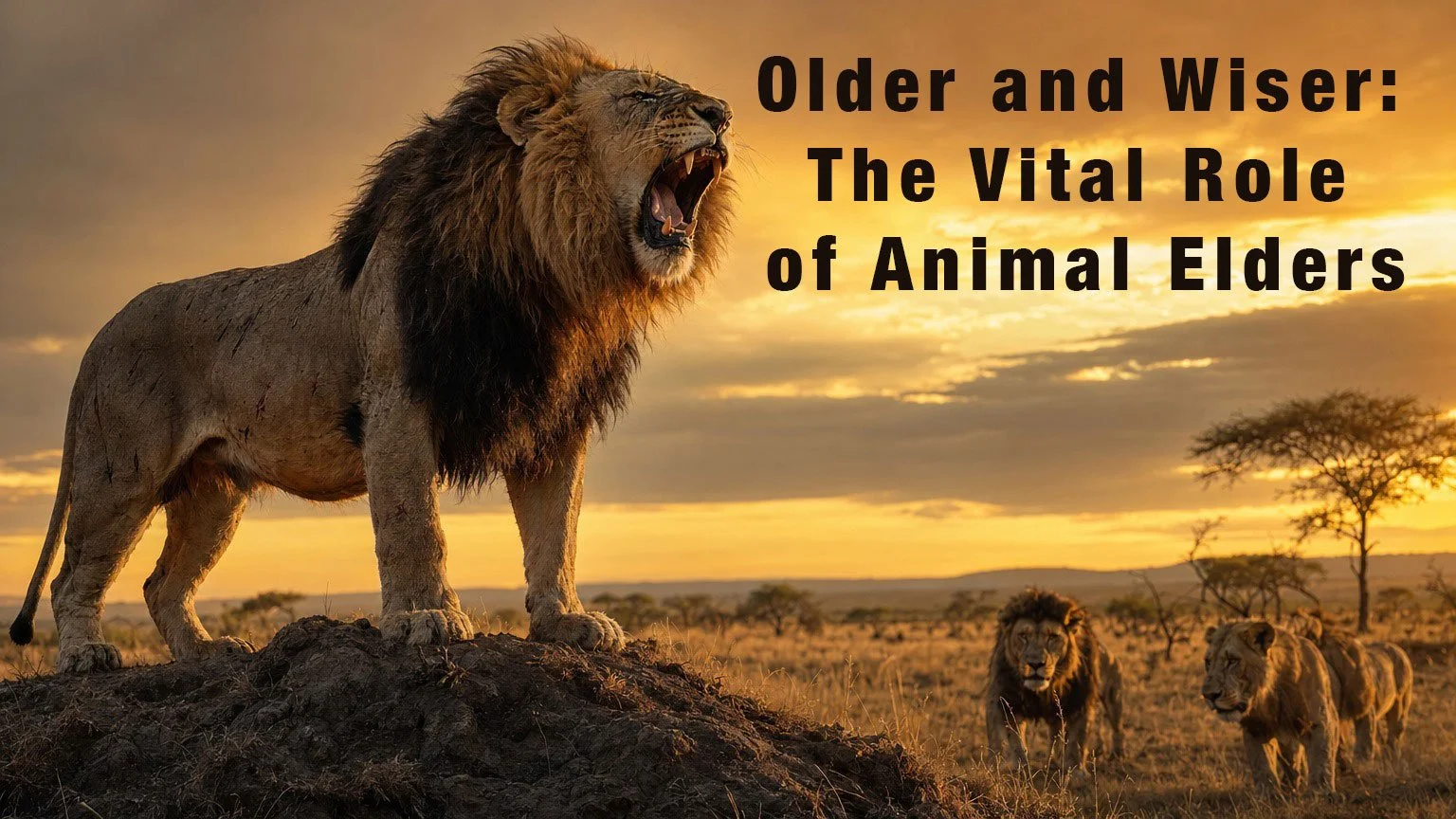
Older and Wiser: The Vital Role of Animal Elders
Recent research emphasizes that older animals are vital for the survival of wildlife populations because they possess accumulated knowledge and specialized skills. These elders serve as essential leaders who guide their groups toward resources and help maintain social stability among younger individuals. Beyond their wisdom, aging members often provide enhanced reproductive success and possess stronger immune systems developed over time. Traditional conservation efforts frequently focus on total population counts, yet this source argues that protecting the age structure is just as critical. The loss of these senior animals through human activities can result in a profound disappearance of survival strategies that simple numbers cannot replace.
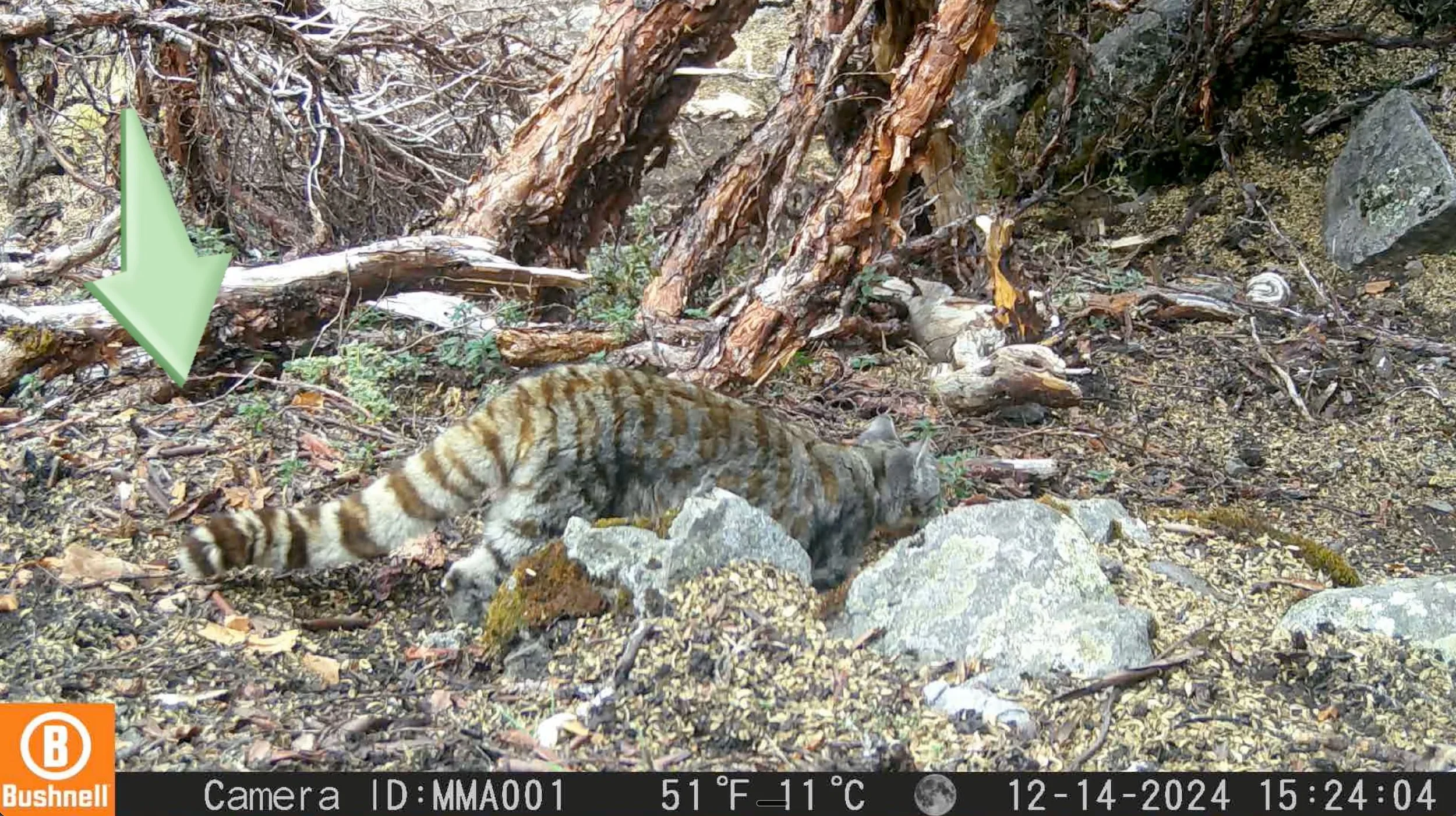
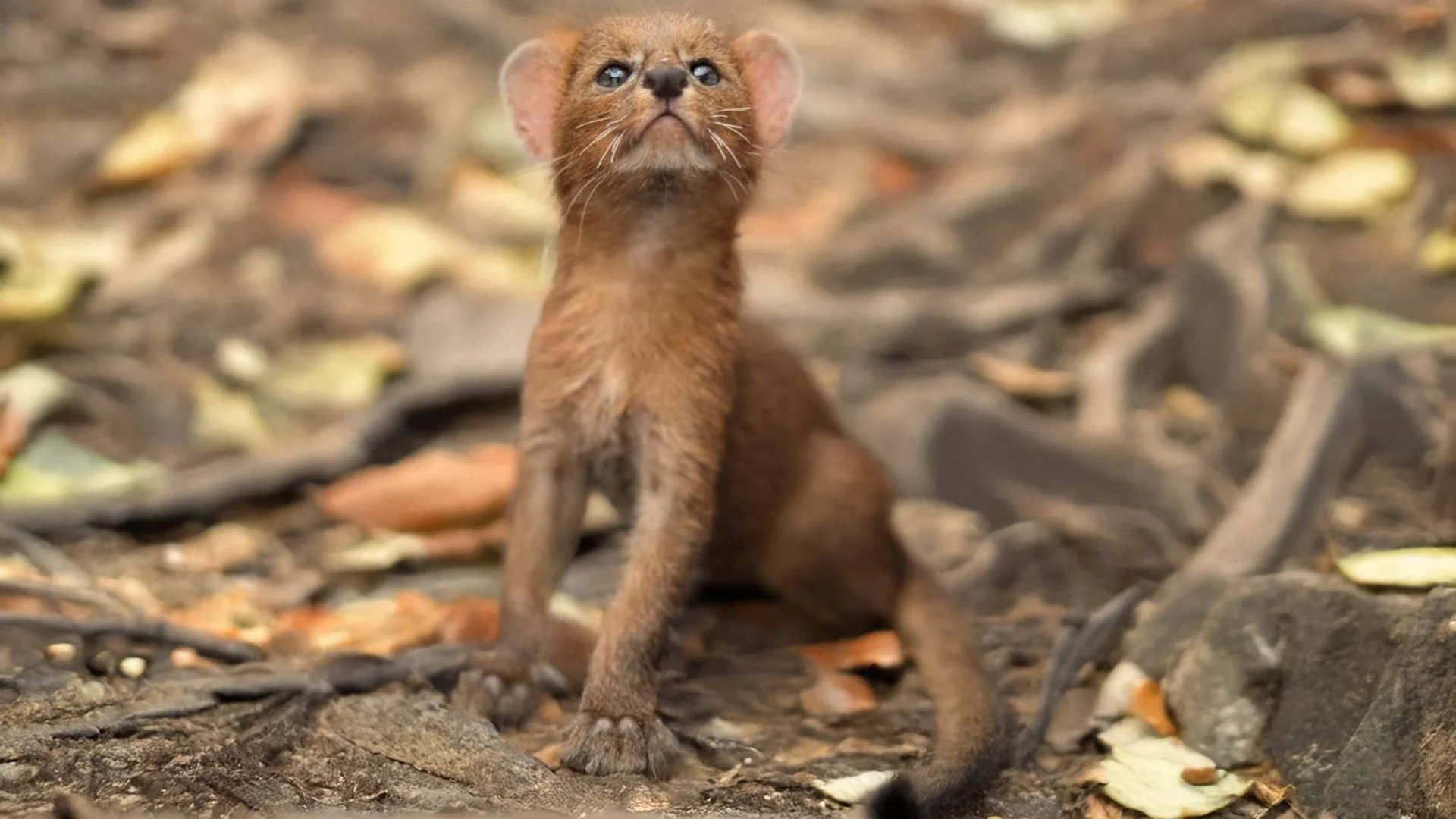
These sources examine the genetic crisis facing isolated wild cat populations, where human-driven habitat fragmentation forces inbreeding and triggers a decline in biological fitness. Researchers identify morphological abnormalities, such as kinked tails and thoracic cowlicks, as visible biomarkers of a deeper "extinction vortex" that includes heart defects and reproductive failure. While the Florida panther serves as a primary case study for these issues, the texts document similar patterns of genomic decay in California mountain lions, European wildcats, ocelots, jaguarundi, Andean cats, cheetahs and Asiatic lions. Conservationists highlight the 1995 genetic restoration project in Florida—which used Texas pumas to diversify the gene pool—as a successful model for reversing these trends. Ultimately, the literature advocates for wildlife crossings and habitat corridors to restore natural gene flow and ensure the long-term survival of apex predators.
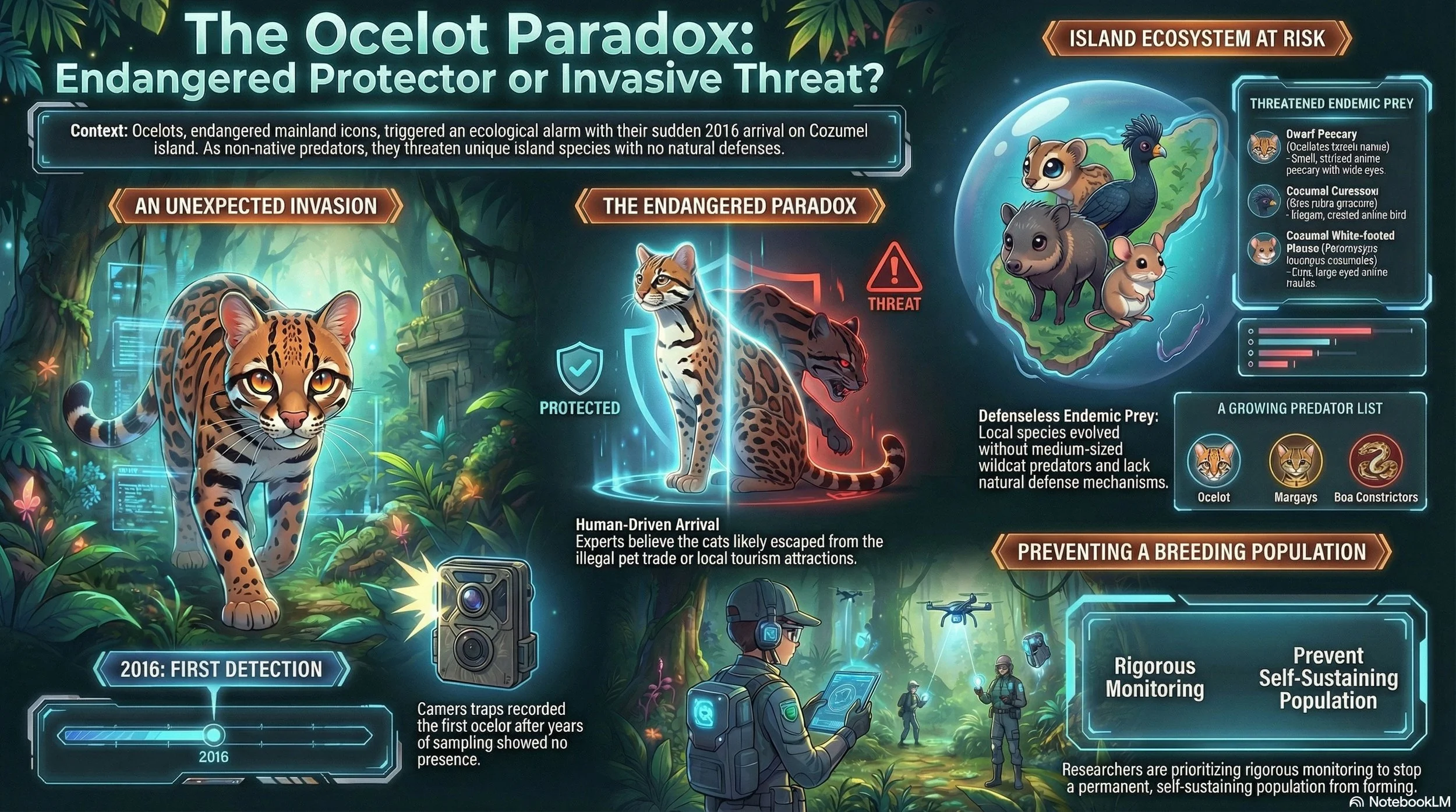
The provided text reports on the discovery of an ocelot on Cozumel Island, a wildcat that is nationally endangered but considered a dangerous invasive species in this specific environment. Researchers first identified the predator via camera traps in 2016, sparking fears for the safety of endemic wildlife such as the dwarf peccary and various unique rodents. Experts believe the cat was likely released from captivity or escaped from the illegal pet trade, as there is no historical record of the species on the island. This situation presents a complex conservation paradox where a protected animal threatens a delicate ecosystem with few natural defenses. To prevent a breeding population from establishing, scientists emphasize the need for rigorous wildlife monitoring and stricter controls on introduced species.

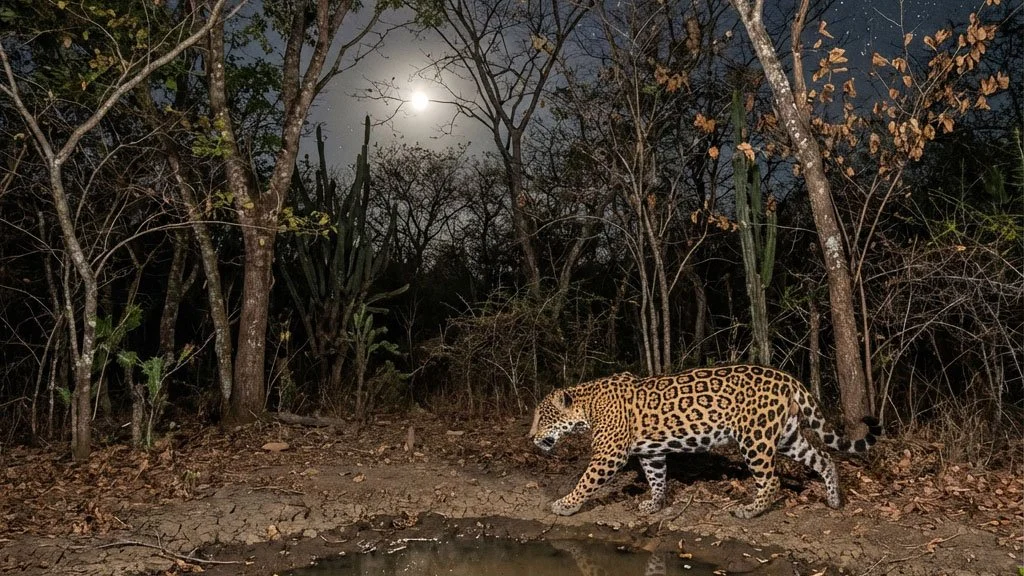
A rare camera‑trap video of female jaguar GWM‑H2 in Costa Rica’s Guanacaste dry forest reveals how protecting wild cats safeguards entire ecosystems we all share.

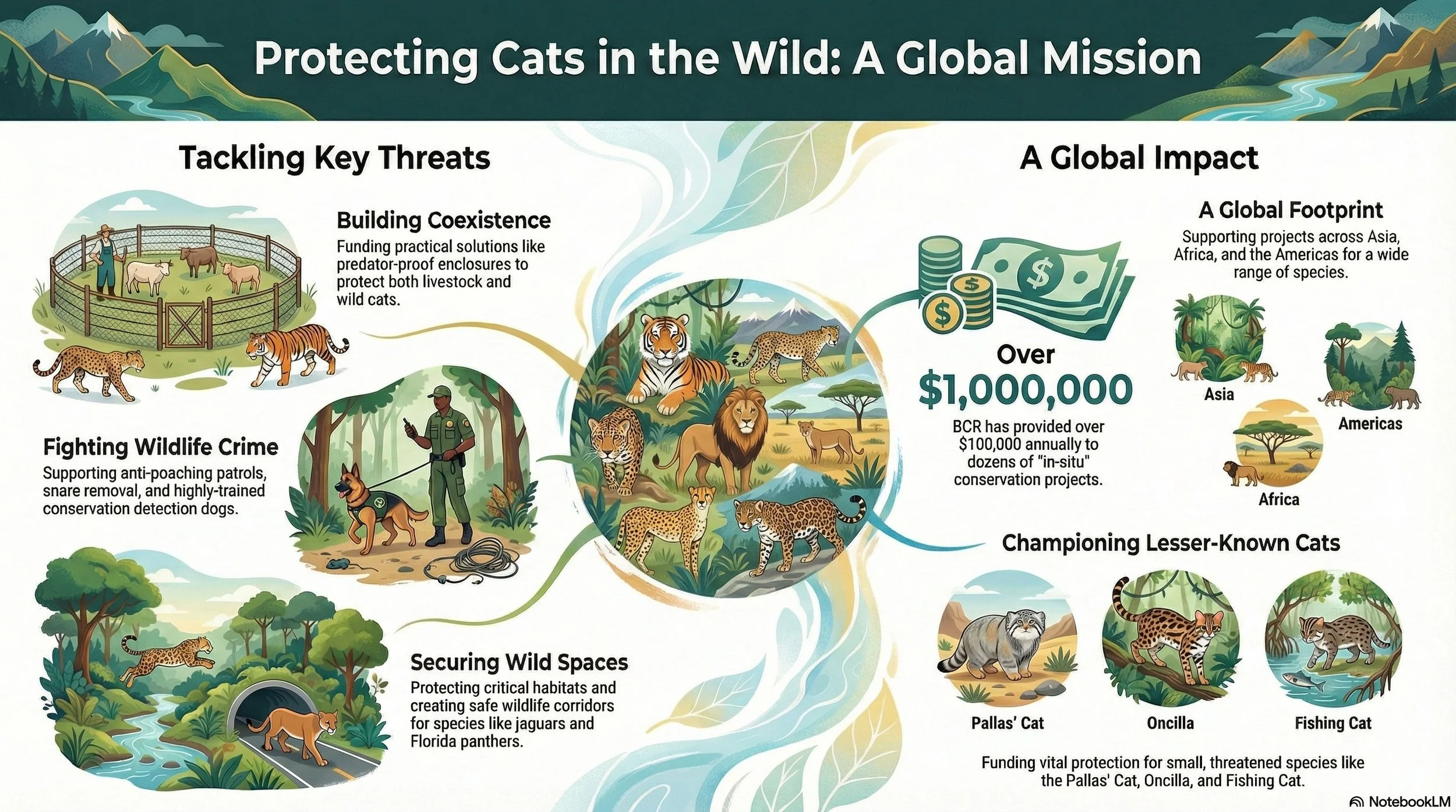
Everywhere we work, we install traffic signs. We have traffic signs in Sri Lanka depicting the Fishing cat, in Mongolia depicting the Manul, in India featuring the Rusty-Spotted cat, and Mexico with several species including the Jaguar. The above traffic signs in Chile depict all seven wild cat species found in Chile, from the diminutive Guigna to the Puma.
 Carole Baskin
Carole Baskin is the founder and CEO of Big Cat Rescue and author of this web page. Since 1992, she has worked to end the exploitation of exotic cats and now leads the non profit's efforts to protect wild cats in the wild by funding innovative threat mitigation programs that allow humans and wild cats to co-exist in peace.