Cougar Facts
The Resilient Cougar: King of the Americas
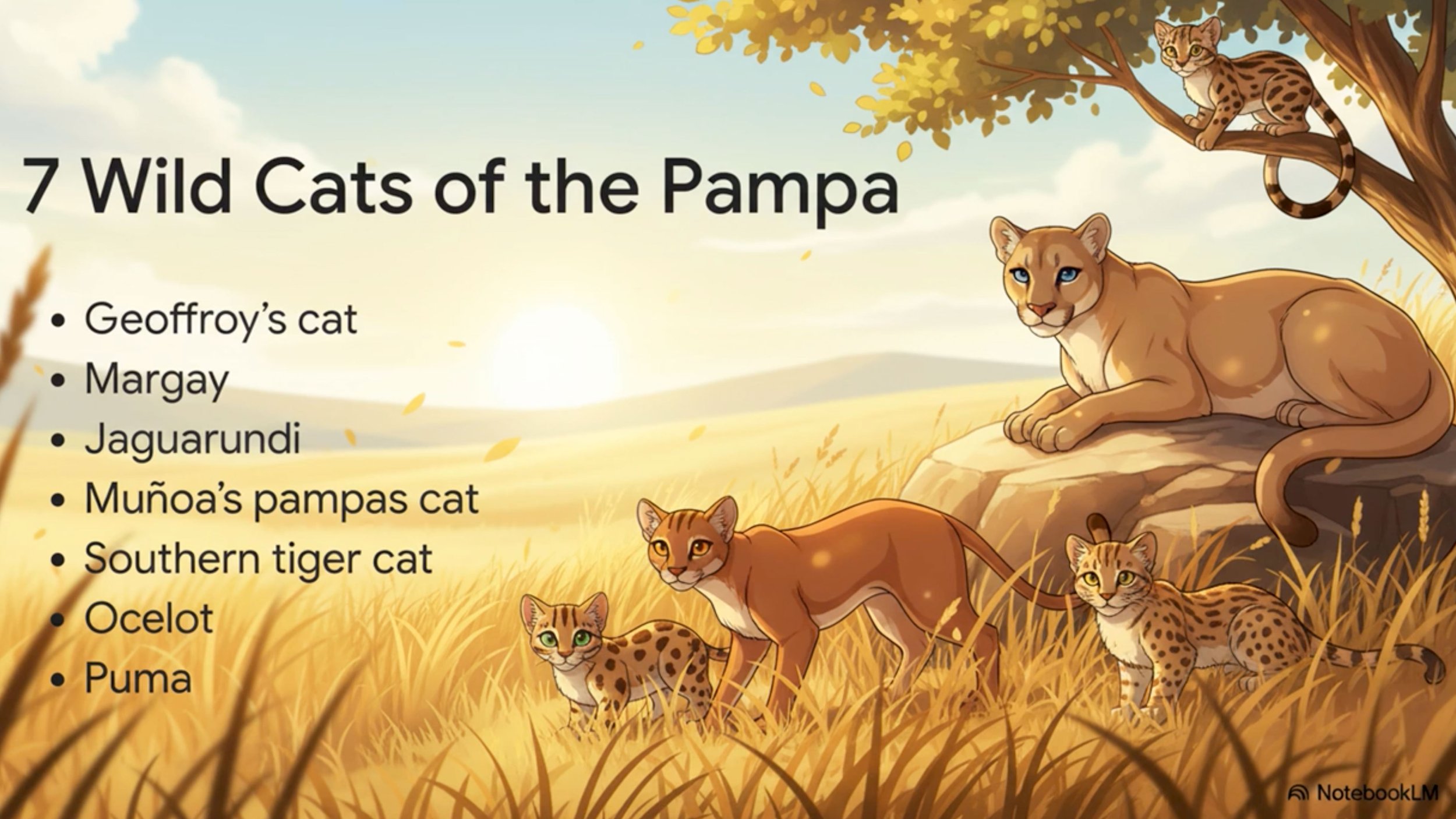
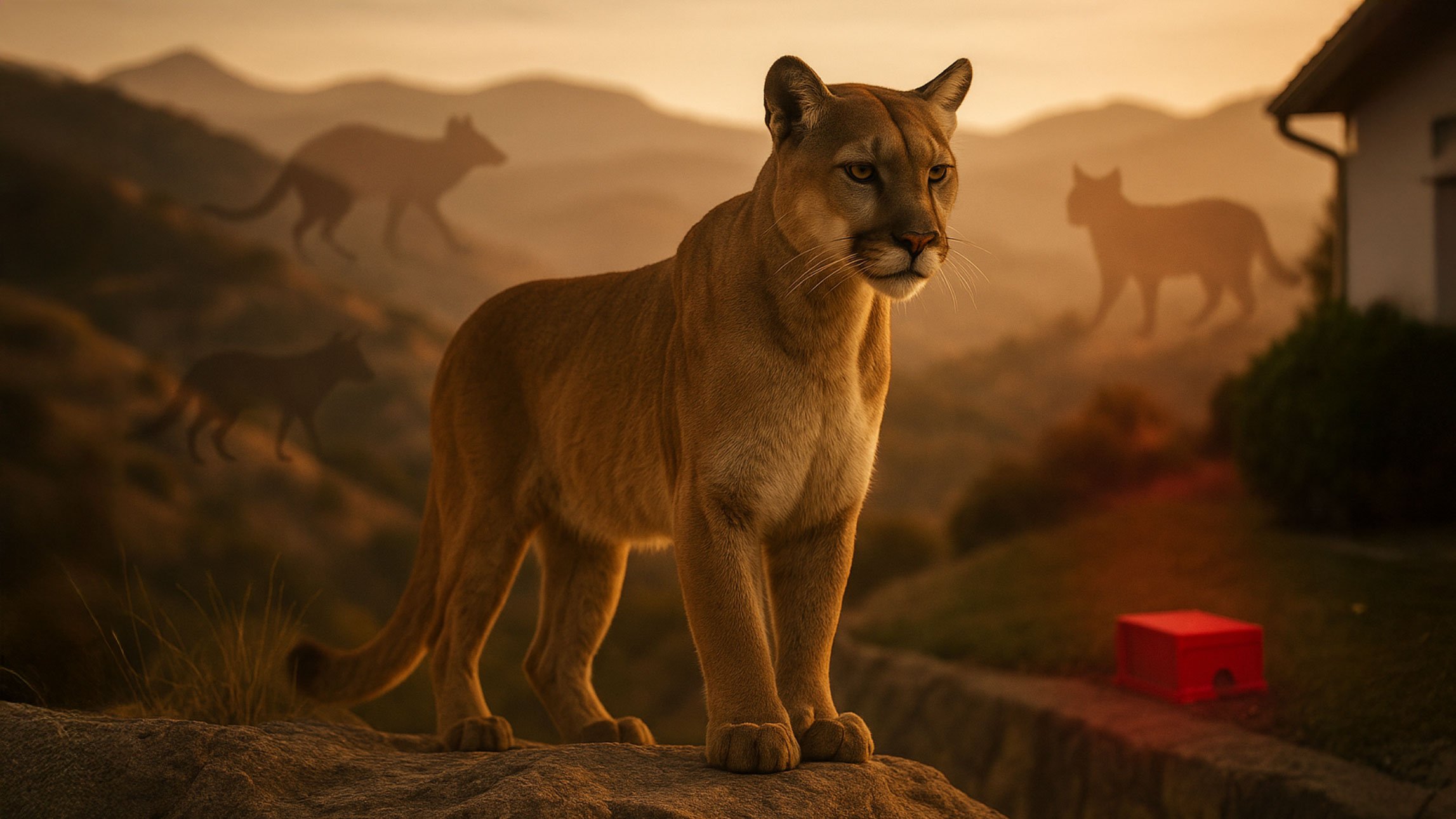
The cougar is a master of adaptation, holding the title for the most extensive natural range of any wild land mammal in the Western Hemisphere. Known by many names—mountain lion, puma, panther, and catamount—this powerful feline is a cornerstone of the ecosystems it inhabits, from the snowy peaks of Canada to the southern tip of the Andes.

Quick Facts
Scientific Name:Puma concolor
Common Names: Cougar, Mountain Lion, Puma, Panther, Catamount
IUCN Red List Status: Least Concern (Global population is decreasing); Florida panther subpopulation is listed as Endangered.
Size: 5 to 9 feet long (including tail); 23 to 28 inches tall at the shoulder.
Weight: 75 to 250 pounds (males are significantly larger than females).
Lifespan: 8–10 years in the wild; 20+ years in captivity.
Appearance
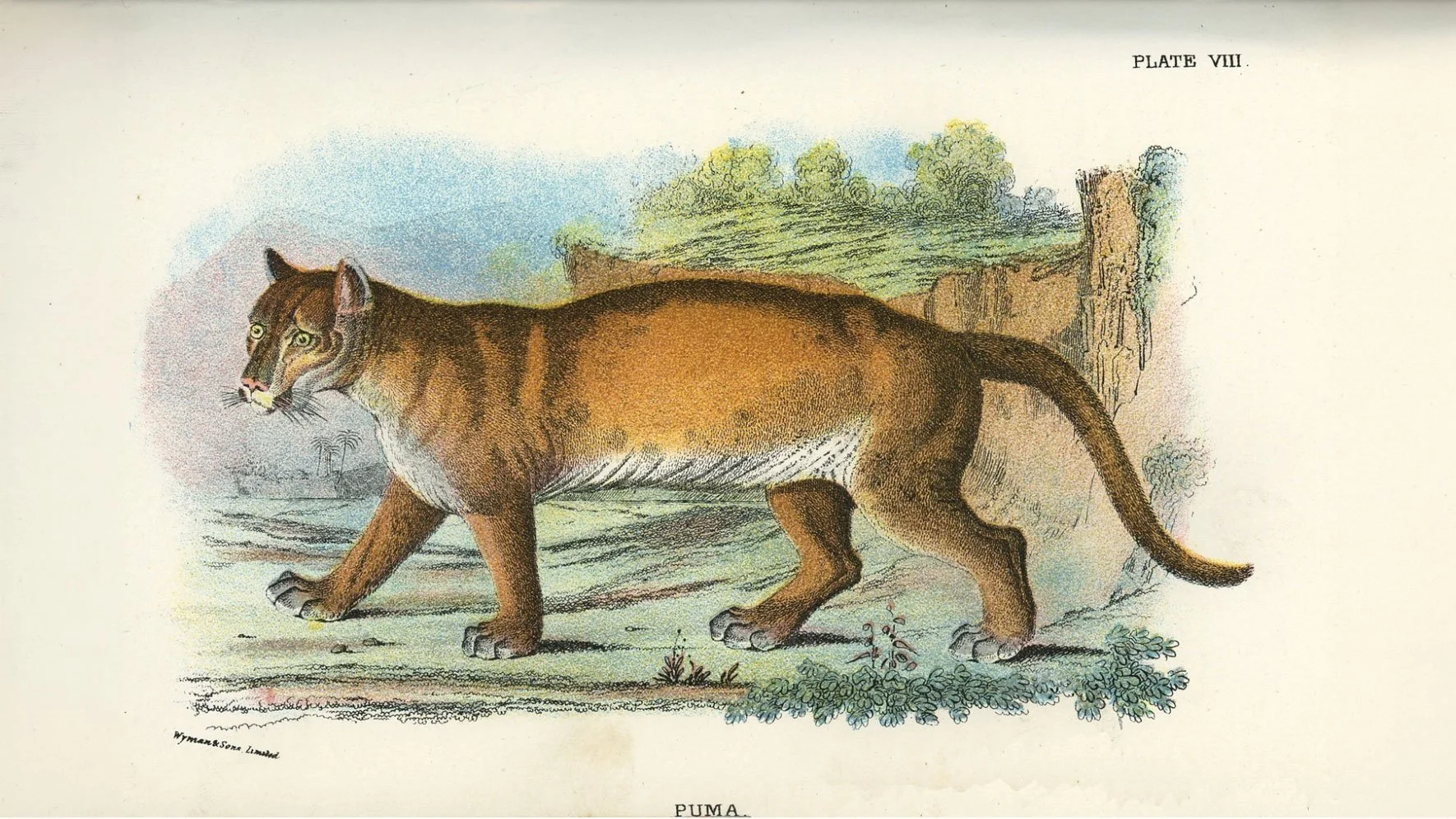
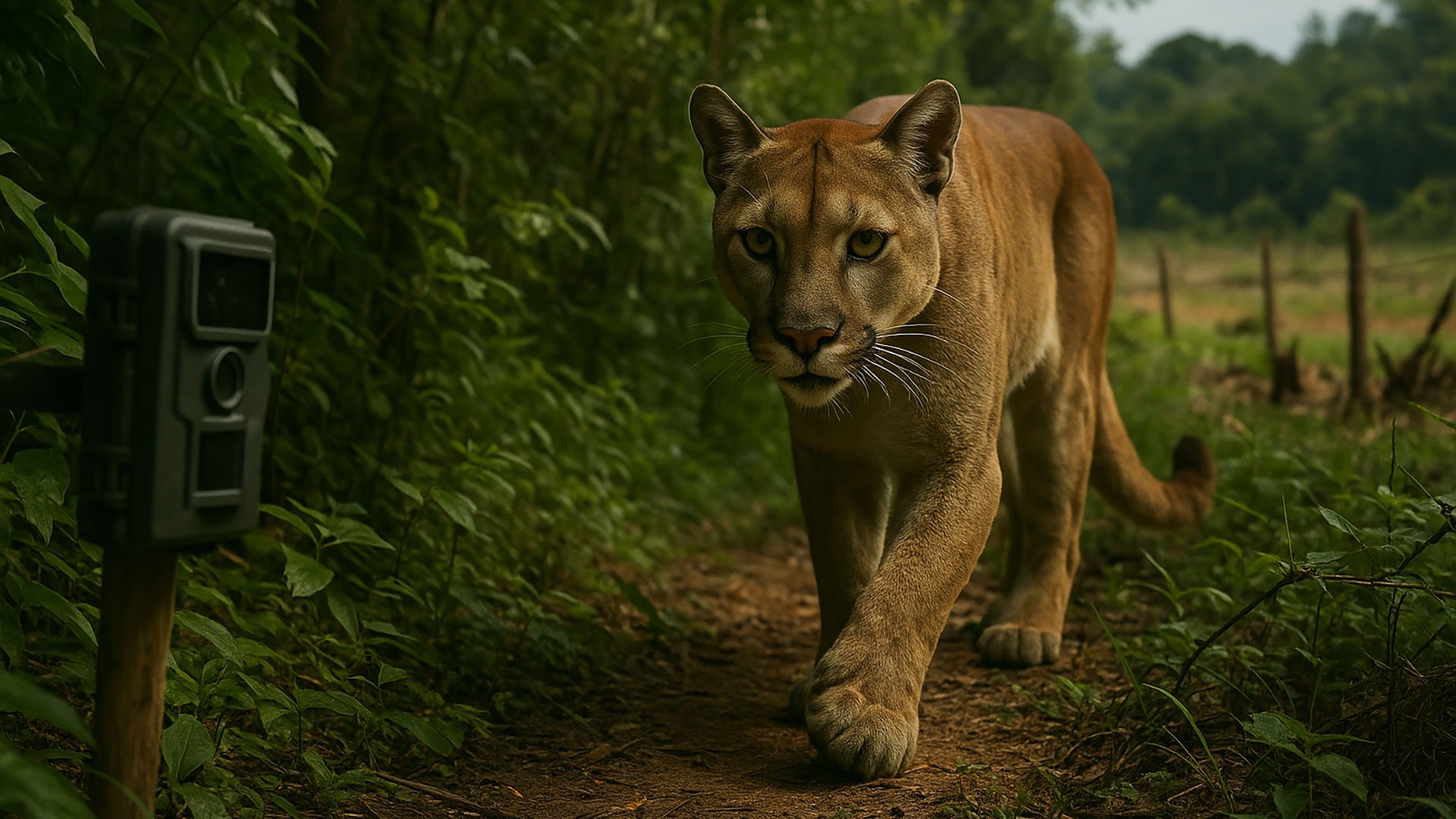
The cougar is the largest member of the Puma genus. Despite its impressive size, which is comparable to a leopard, it is evolutionarily more closely related to smaller cats than to "roaring" big cats like lions or tigers. They possess a lean, powerful build with a small head, short face, and remarkably long hind legs that are longer than their front legs. This unique anatomy allows them to leap up to 18 feet vertically.
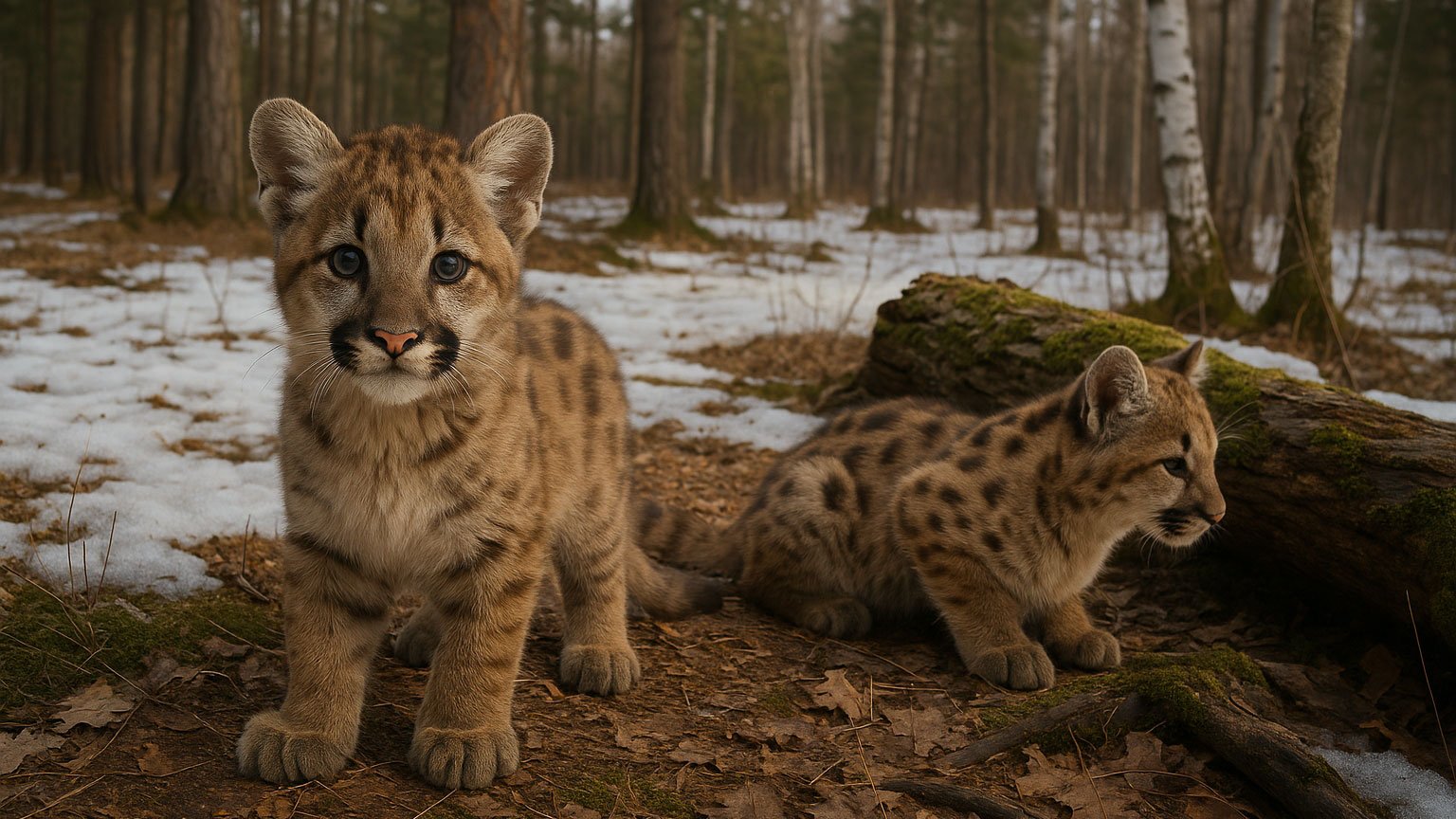
Their coats are typically a uniform tawny or reddish-brown (hence the species name concolor, meaning "of one color"), though kittens are born with spots that fade by six months of age. Their most striking feature is a long, heavy tail that acts as a rudder, providing exceptional balance during high-speed chases and steep climbs.
See a playlist of this species at https://bigcatrescue.org/videos
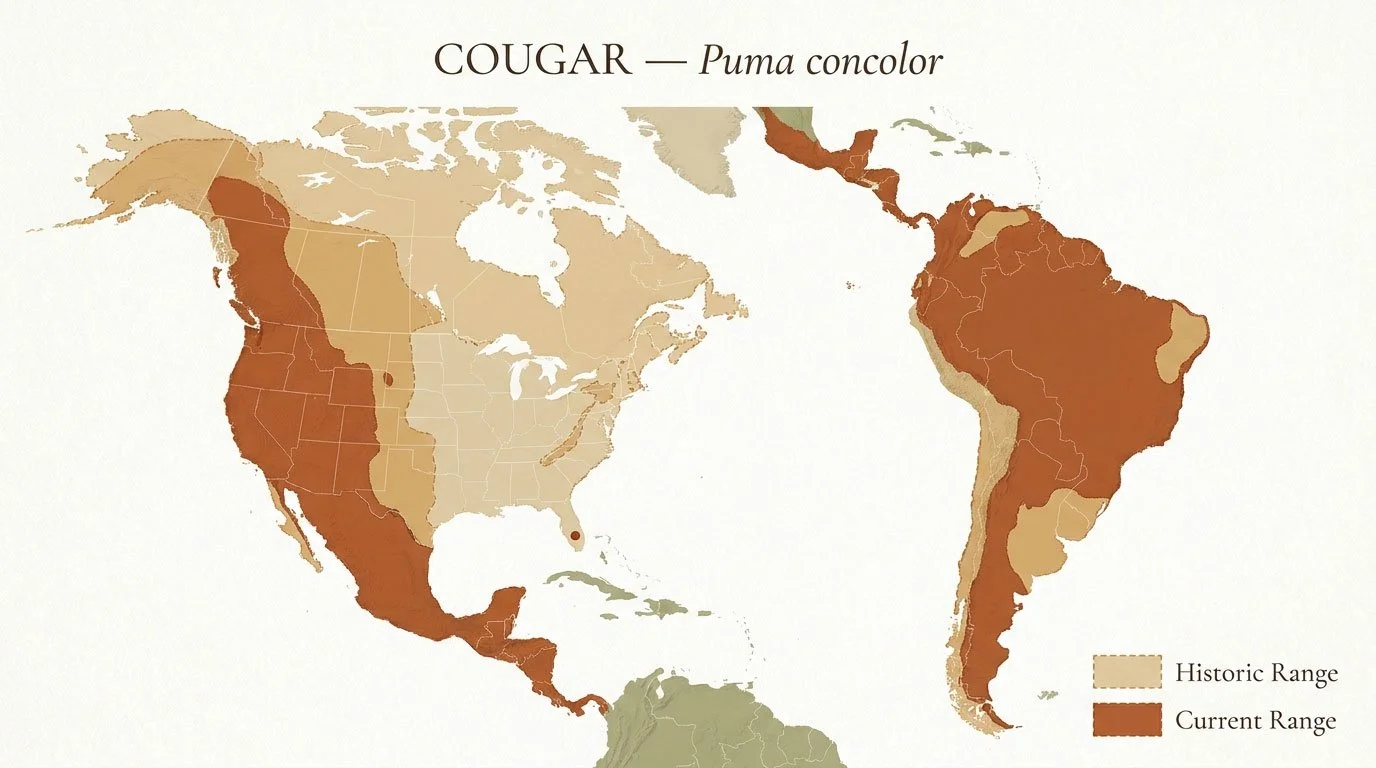
Cougar-Range-Map
Habitat and Range
Cougars are the ultimate generalists, thriving in nearly every major habitat type in the Americas. You can find them in high-altitude montane forests, tropical jungles, arid deserts, and murky swamps. Their range extends from the Canadian Yukon through the United States, Central America, and South America to the southern reaches of Chile.
While they were once found throughout the United States, they were largely eliminated from the eastern half of the country following European colonization. Today, a small, isolated subpopulation known as the Florida panther (Puma concolor couguar) persists in the Everglades. Encouragingly, recent scientific data suggests that cougars are beginning to recolonize the Midwestern United States as they seek out new territory.
Diet and Behavior
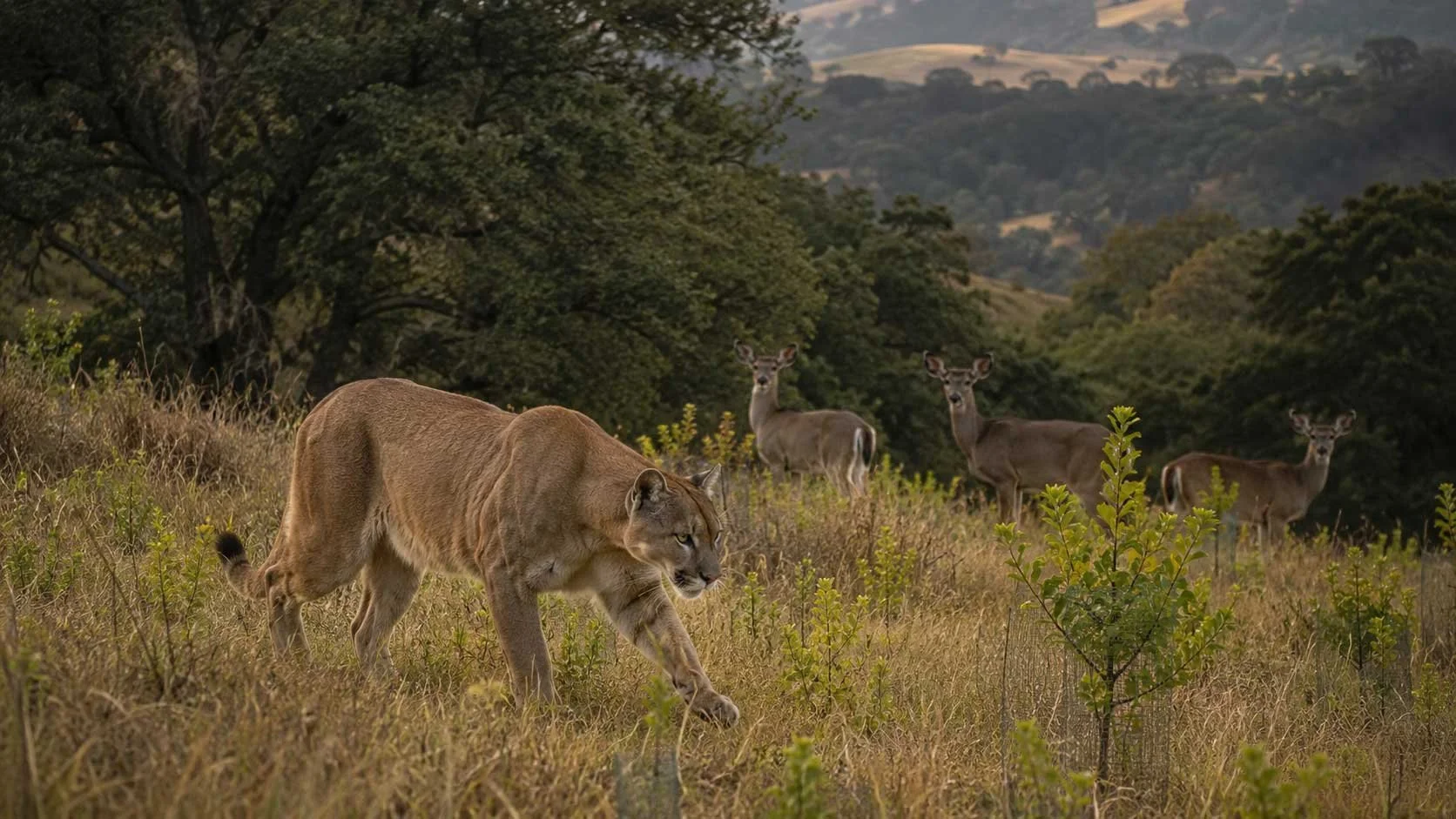
These cats are solitary, elusive hunters that are most active during the twilight hours of dawn and dusk. They are incredibly agile and are known to be capable swimmers, though they generally prefer to stay on dry land. Their primary sense is sight, which they use to stalk prey to within 30 feet before launching a powerful ambush.
In North America, their diet consists primarily of deer, which make up the majority of their food intake. However, they are opportunistic and will hunt a wide variety of animals, including:
Large mammals like elk and wild hogs.
Medium-sized prey such as raccoons, beavers, and porcupines.
Smaller animals like hares, mice, and even grasshoppers when necessary.
Reproduction
Cougars do not have a fixed mating season, though populations in North America often see a spike in births during late winter and early spring. Females typically give birth every two years to litters of one to six kittens (most often two or three) after a gestation period of about 90 to 96 days.
Mothers choose secluded dens in rock crevices, thickets, or caves to protect their young. Kittens are dependent on their mothers for a long time; they nurse for at least three months and remain with her for one to two years to learn the complex skills required to hunt and survive. They generally do not begin to breed until they have established their own permanent home range.
Threats
While the species remains widespread, cougar populations face a steady decline due to several human-related factors:
Habitat Fragmentation: The construction of roads, suburban sprawl, and industrial development carves up wild lands, making it difficult for cougars to find territory and mates.
Vehicle Collisions: This is the leading cause of death for the endangered Florida panther subpopulation.
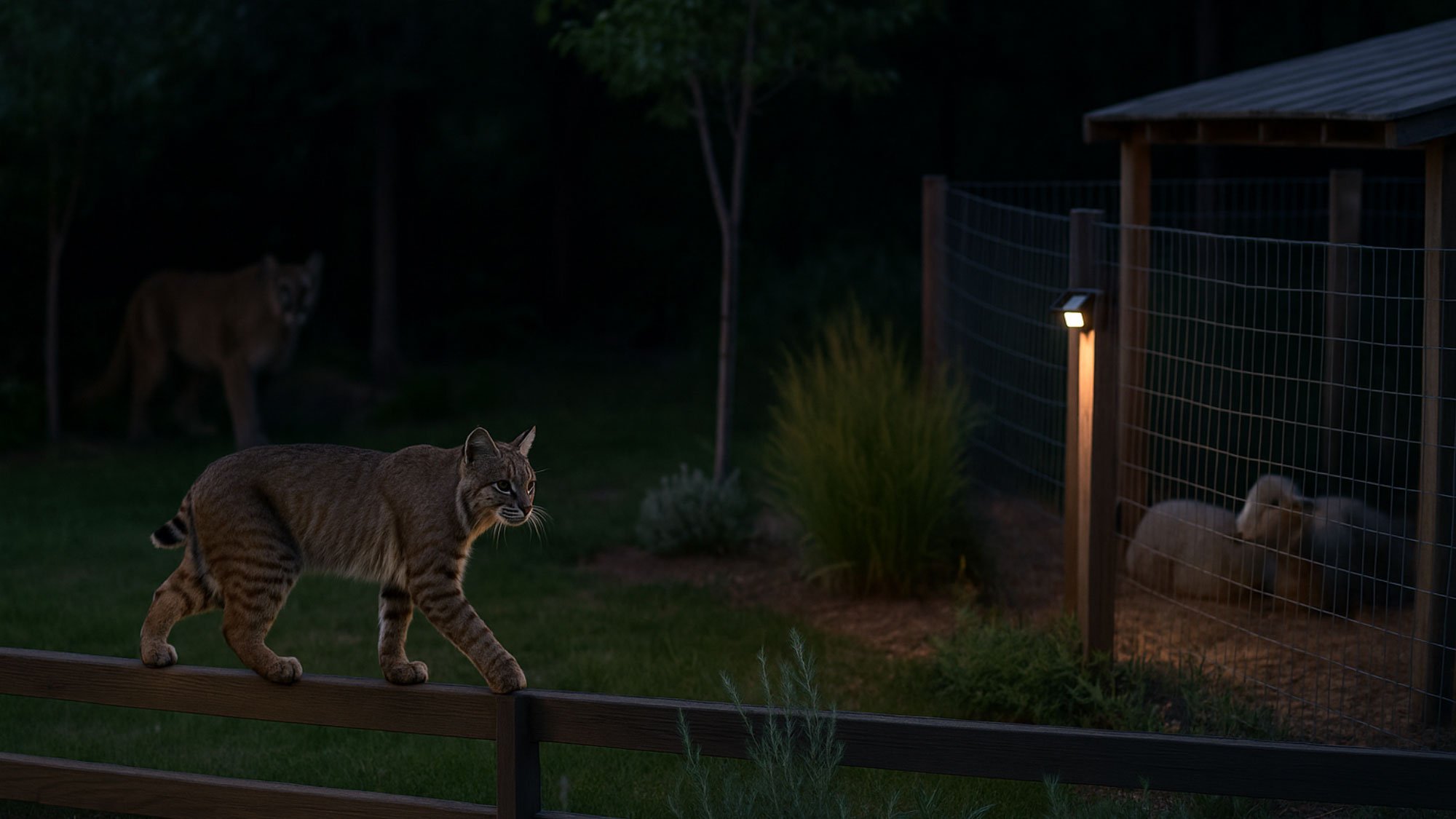
Human Conflict: In many areas, cougars are persecuted due to fears for human safety or in retaliation for the loss of livestock.
Poaching: Illegal hunting and the depletion of their natural prey base through overhunting threaten their long-term survival.
Environmental Toxins: In areas like California and Washington, the use of anticoagulant rodenticides has become a silent killer, moving up the food chain and poisoning wild cats.
Question: Can I keep a cougar as a pet?
Conservation Efforts
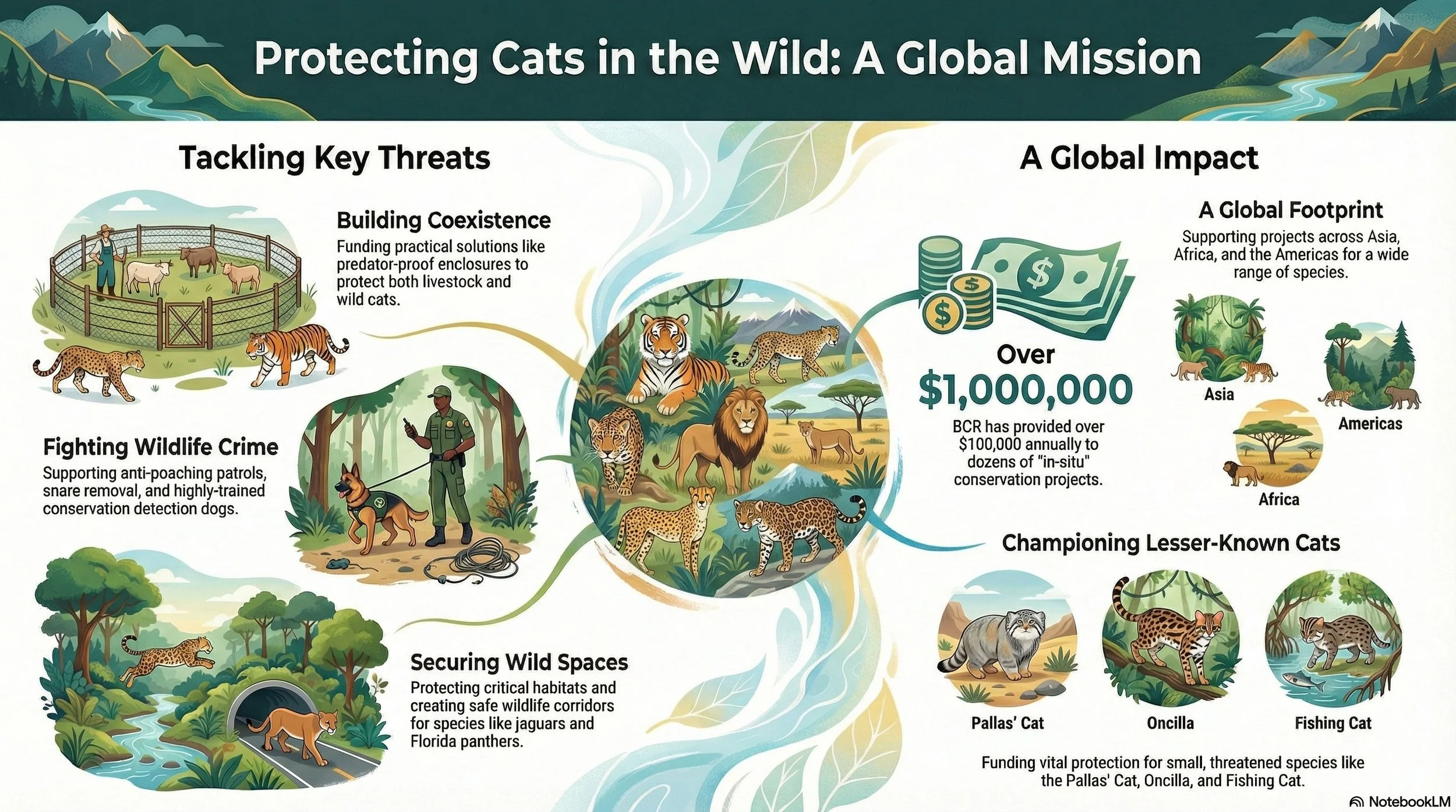
The cougar is protected under international law, with several subspecies listed on CITES Appendix I. Conservation strategies now focus on creating wildlife corridors to reconnect fragmented habitats, particularly in Florida and across the Western U.S., to allow for safe movement and genetic diversity.
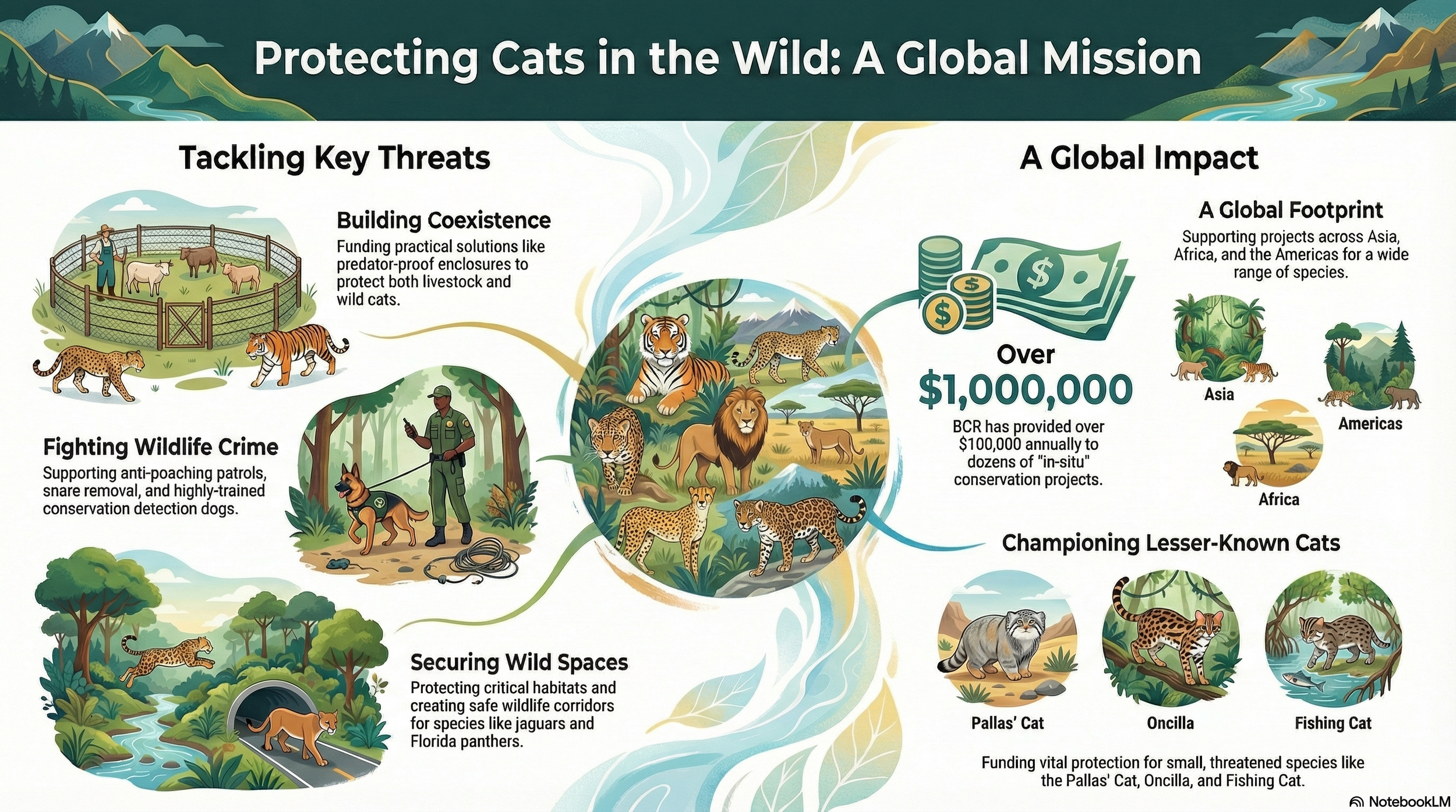
Big Cat Rescue has been actively involved in supporting cougar conservation across the globe. Their efforts have provided critical funding for diverse projects, including:

Supporting the return of cougars to Oklahoma and documenting their expansion.
Funding initiatives in Costa Rica to protect wild cats from dangerous power lines.
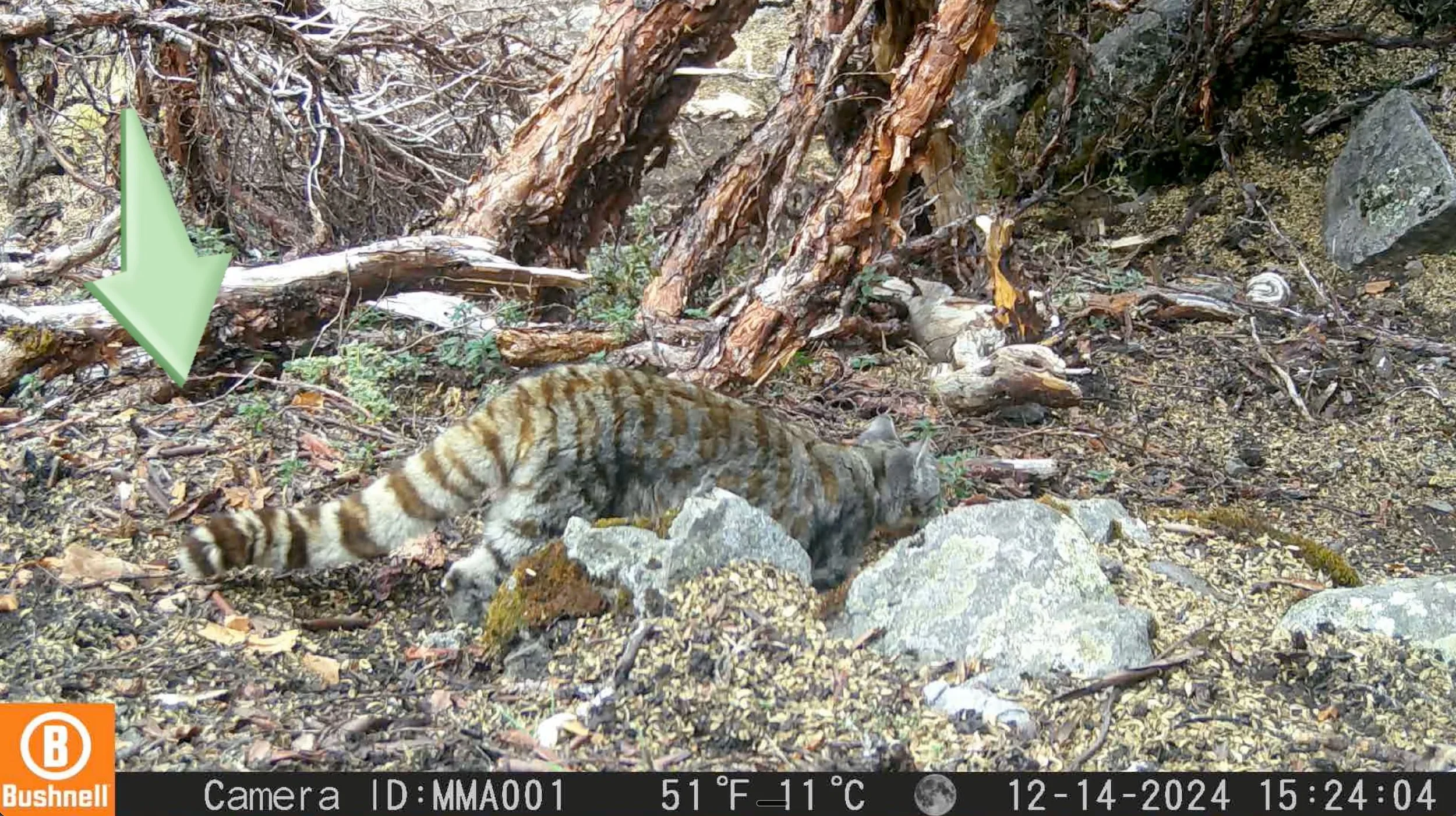
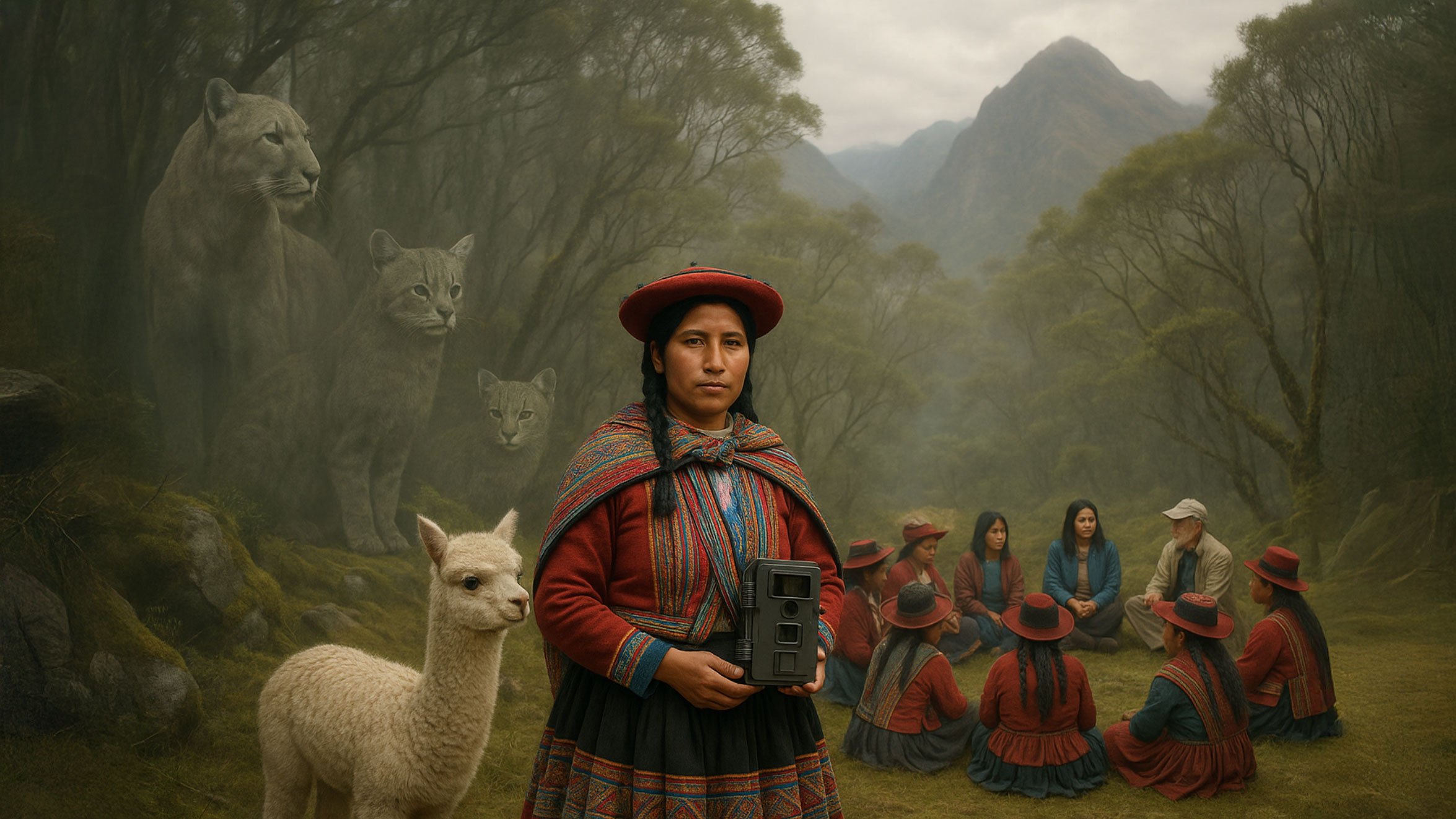
Partnering with Quechuan women in the Peruvian Highlands to redefine the role of local communities in wild cat protection.
Advocating for the removal of harmful rodenticides in California and Washington.
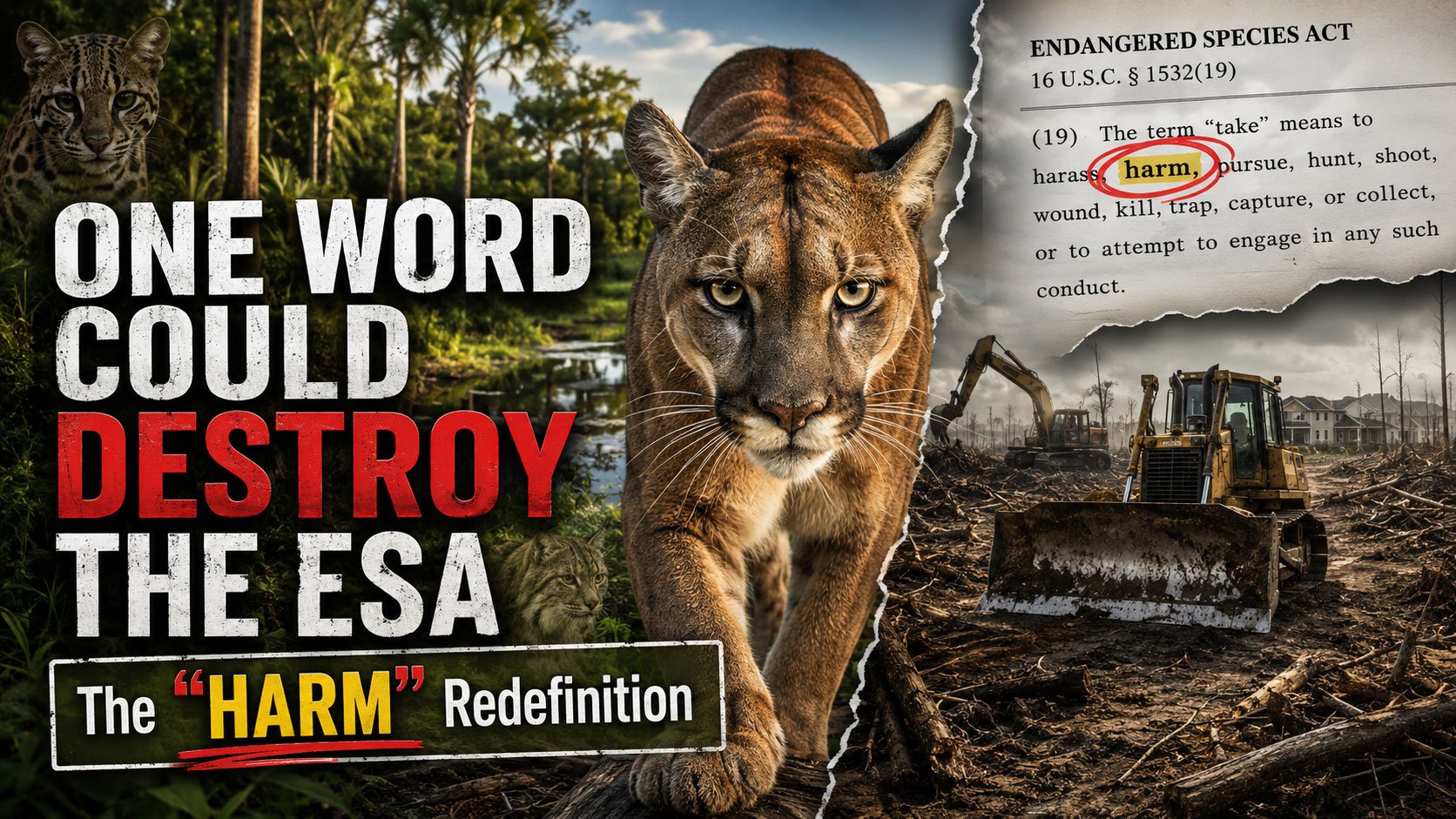
Supporting the Miccosukee Tribe and other organizations in Florida to safeguard the future of the Florida panther through habitat protection and the establishment of wildlife crossings.
The cougar is a symbol of the American wilderness. By protecting this apex predator, we ensure the health of the entire ecological community that lives in its shadow.
See Conservation Work Funded By Big Cat Rescue here:

All conservation insitu work: https://bigcatrescue.org/insitu/








Cougar, mountain lion and puma Facts: Habitat, Population, Threats and Conservation. Learn where cougars, mountain lions and pumas live, what threatens them, how many remain, and which conservation efforts are protecting wild cougars, mountain lions and pumas.