CANADA OPENS FIRST BIG CAT SANCTUARY AS ROADSIDE ZOOS FACE SCRUTINY
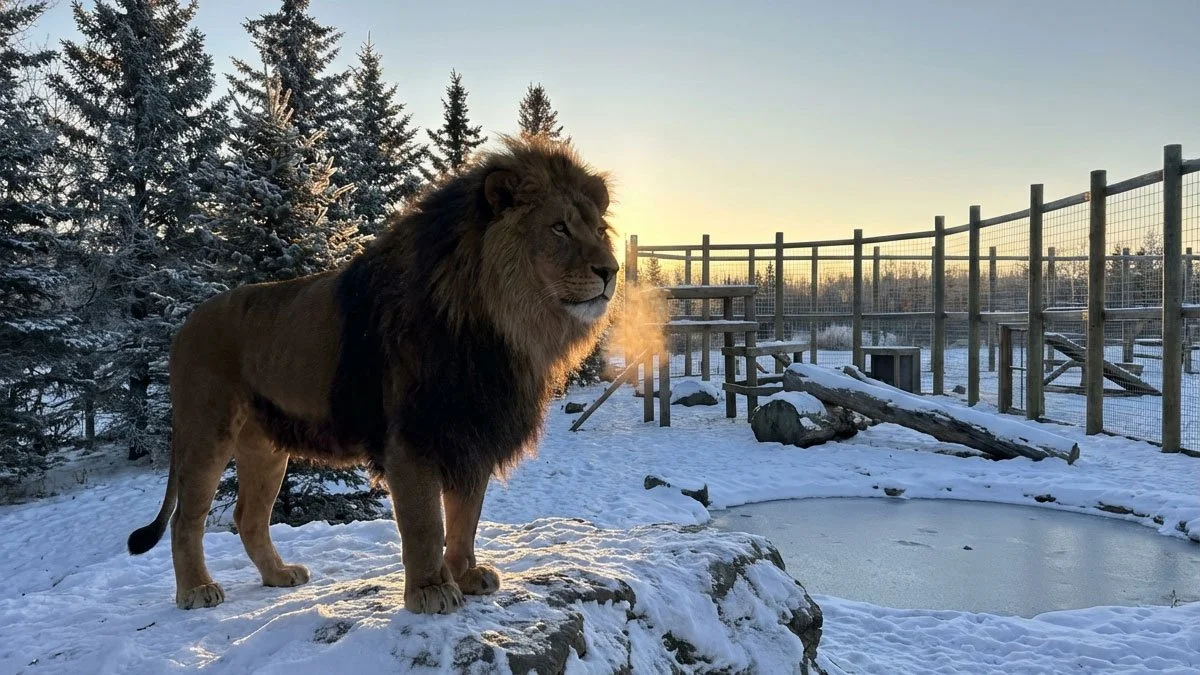
Photorealistic image of a majestic African lion in a spacious, naturalistic sanctuary enclosure in winter. The lion stands on elevated ground with snow-dusted rocks and evergreen trees in the background, representing a Canadian wildlife sanctuary. Morning light illuminates the lion's golden mane against the cool blue-grey winter sky. The enclosure shows proper sanctuary standards with wooden platforms, enrichment structures, and natural terrain. Peaceful yet powerful composition conveying dignity and safety. The setting shows professional care - clean, spacious, well-maintained habitat versus roadside zoo conditions. Cinematic wildlife photography style, National Geographic quality, shallow depth of field focusing on the lion's noble profile. 16:9 aspect ratio for web header. Conveys hope and proper animal care.
A Muskoka-based wildlife facility has become Canada’s first sanctuary capable of housing big cats like lions, tigers, leopards, and jaguars. The announcement comes as a CTV News investigation reveals disturbing conditions at unregulated roadside zoos across the country, highlighting the urgent need for proper big cat care facilities.
CANADA’S FIRST BIG CAT SANCTUARY
Aspen Valley Wildlife Sanctuary in Rosseau, Ontario, located about three hours north of Toronto in Muskoka, has officially become the first facility in Canada equipped to provide sanctuary care for big cats. The non-profit organization, which has long been dedicated to rehabilitating sick, injured, and orphaned wildlife, has expanded its capabilities to meet a growing need.
The development follows Canada’s implementation of stricter regulations on private ownership of big cats. The new law aims to end private ownership of lions, tigers, leopards, and jaguars and prohibits public contact with these dangerous animals. As enforcement begins, the country needs facilities capable of caring for seized or surrendered big cats.
“This marks a significant milestone for wildlife protection in Canada,” said sanctuary officials. The facility now has the infrastructure, expertise, and resources to provide lifetime care for big cats that cannot be returned to the wild or remain in private hands.
RACING AGAINST TIME TO SAVE AFRICAN LIONS
The sanctuary faces its first major challenge: saving a group of African lions from potential euthanasia. Construction on specialized enclosures continues through the harsh Canadian winter as the clock ticks down. The lions, rescued from problematic situations, need permanent homes before time runs out.
Aspen Valley previously provided temporary care to ten African lions rescued from a Quebec roadside zoo. In October 2025, these lions were successfully transported to sanctuary facilities in the United States after receiving care at three state-of-the-art temporary enclosures built at Aspen Valley.
The facility’s ability to provide temporary emergency housing while permanent solutions are found demonstrates the critical role it plays in Canada’s big cat rescue network. However, the winter construction delays highlight the challenges of building proper big cat facilities in Canada’s harsh climate.
HIDDEN COST OF ROADSIDE ZOOS
A new CTV News investigation titled “Eyes in the Darkness” exposes the troubling reality behind unregulated roadside zoos in Canada. Reporter Sarah Freemark spent months documenting concerns about animal welfare at facilities operating with minimal oversight.
The investigation reveals that many roadside zoos keep big cats in inadequate conditions. Animals often live in small enclosures without proper enrichment, veterinary care, or appropriate social groupings. Some facilities allow public contact with dangerous animals, putting both humans and cats at risk.
Unlike accredited sanctuaries and zoos, many roadside operations function as for-profit businesses focused on photo opportunities and entertainment rather than animal welfare or education. Big cats at these facilities often come from breeders who supply the exotic pet trade, perpetuating a cycle that conservation experts condemn.
The investigation highlights several key problems:
Inadequate Housing: Many facilities keep big cats in enclosures far smaller than recommended standards. Cats lack space to engage in natural behaviors like running, climbing, and hunting.
Insufficient Veterinary Care: Some operators lack relationships with qualified exotic animal veterinarians. Cats suffer from untreated injuries, dental problems, and chronic health issues.
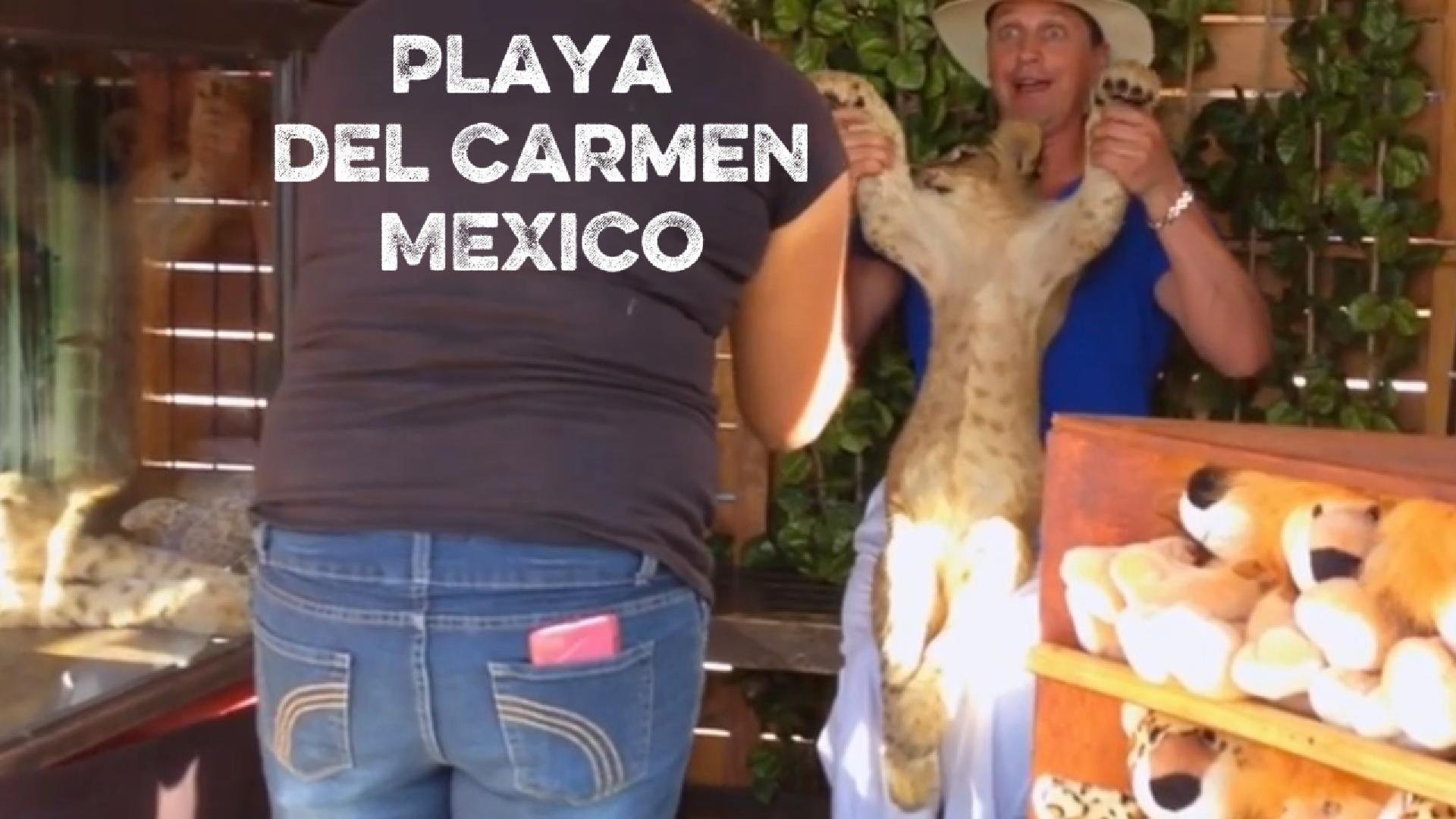
Dangerous Public Contact: Despite the risks, some roadside zoos allow visitors to pet cubs or take photos with adolescent big cats. These interactions stress the animals and create safety hazards.
Poor Breeding Practices: Some facilities breed big cats to produce cubs for photo sessions, then dispose of adults when they become too dangerous to handle. This contributes to an overflow of unwanted big cats.
Minimal Regulations: Unlike zoos accredited by professional organizations, many roadside facilities operate with little oversight. Provincial regulations vary widely, and enforcement remains inconsistent.
THE BIG CAT PUBLIC SAFETY ACT
Canada’s new legislation follows similar laws enacted in other countries. The Big Cat Public Safety Act, which became law in recent years, addresses long-standing concerns about private big cat ownership and public safety.
The law prohibits private individuals from keeping lions, tigers, leopards, and jaguars as pets. It also bans public contact with big cat cubs, ending the practice of cub petting operations that animal welfare advocates have criticized for decades.
Existing owners had 180 days to register their animals. After that period, they must either transfer cats to accredited facilities or keep them under strict conditions without breeding or public exhibition.
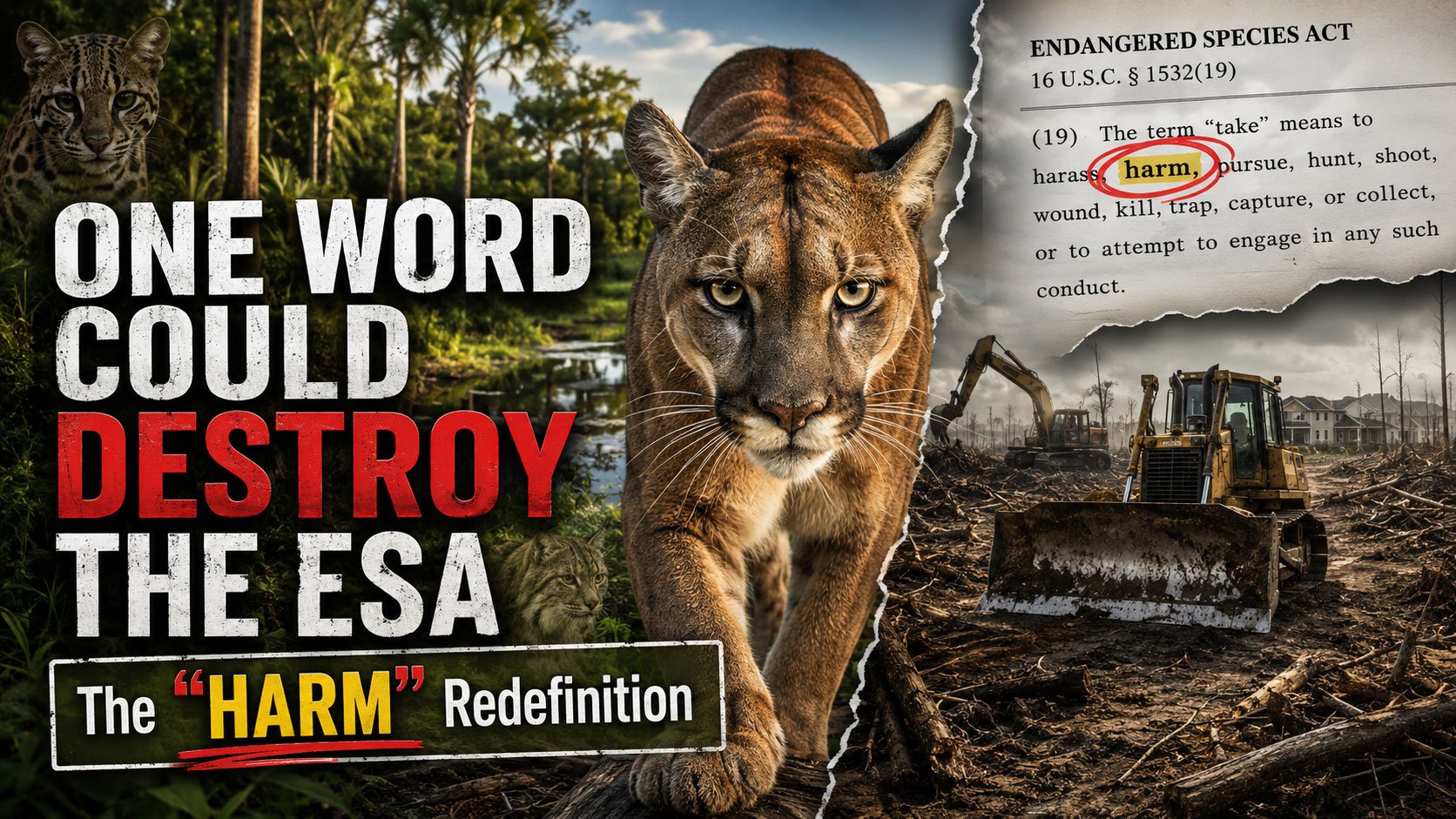
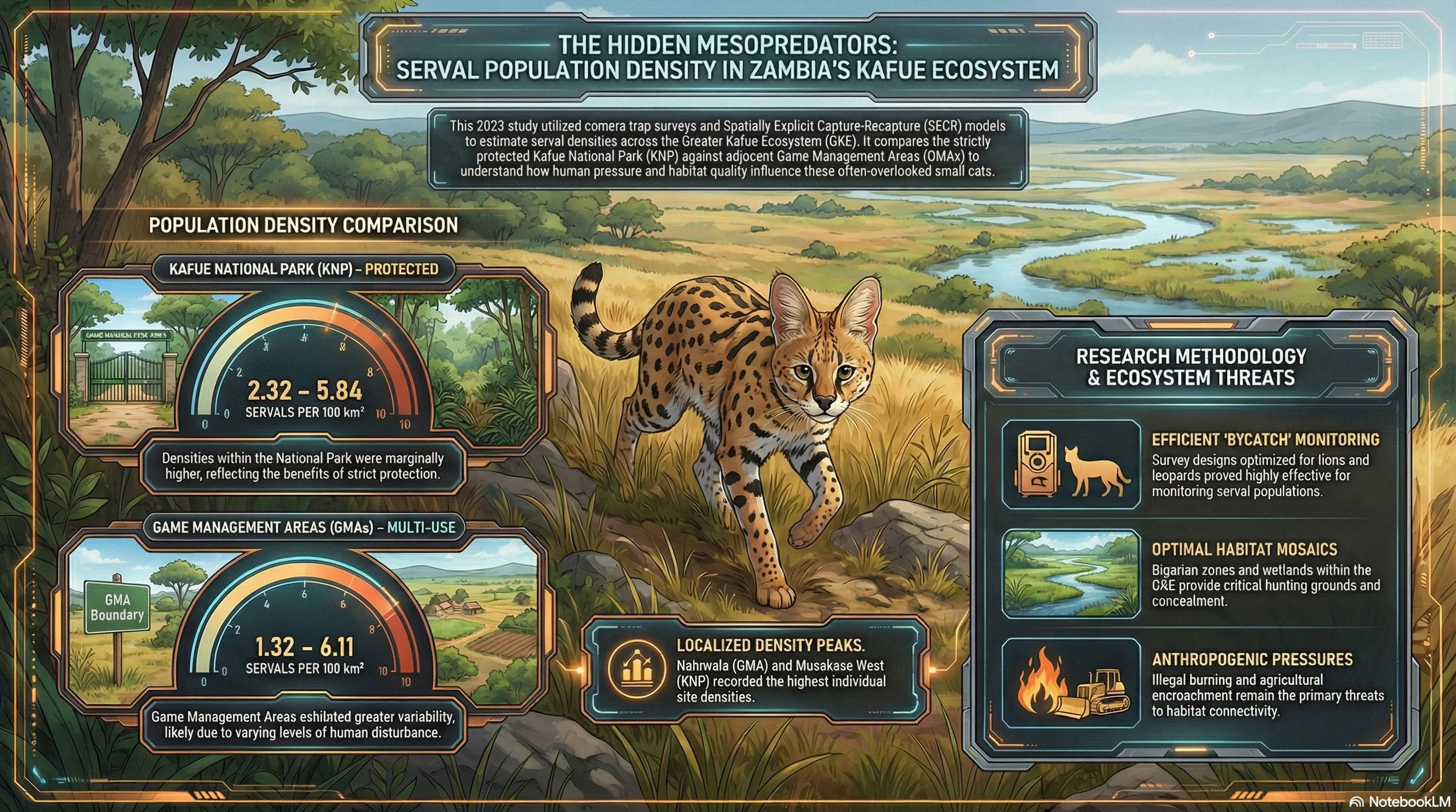
However, the law leaves some wild cats behind. Smaller species like servals, bobcats, caracals, and lynx face fewer restrictions despite also being wild animals with specialized needs. Animal welfare groups continue pushing for comprehensive legislation covering all wild cat species.
WHY BIG CATS DON’T MAKE GOOD PETS
Wildlife experts emphasize that big cats, no matter how they’re raised, remain wild animals with needs impossible to meet in private homes or small facilities.
Natural Instincts Remain: Even hand-raised big cats retain predatory instincts. As they mature, behaviors that seemed cute in cubs become dangerous. A playful paw swipe from an adult lion can cause serious injury.
Enormous Space Requirements: Wild cats naturally roam large territories. A male tiger’s range can exceed 40 square miles. Even the most spacious private enclosure provides a tiny fraction of this space.
Specialized Diets: Big cats need specific nutrition including whole prey or carefully balanced raw meat diets. The cost of feeding an adult big cat can exceed several thousand dollars annually.
Veterinary Care: Few veterinarians have expertise in exotic animal medicine. Finding qualified care for big cats proves difficult and expensive. Routine procedures require specialized equipment and anesthesia protocols.
Social Needs: While some big cats are solitary, others like lions are highly social. Meeting their psychological and social needs requires expertise most private owners lack.
Safety Risks: Big cats can severely injure or kill humans, even those who’ve raised them from cubs. Numerous tragic incidents involving pet big cats occur each year.
Conservation Concerns: The exotic pet trade fuels demand for wild-caught animals and encourages breeding operations. Every big cat in captivity represents resources not dedicated to protecting wild populations.
WHAT HAPPENS TO RESCUED BIG CATS
When authorities seize big cats from private owners or shut down roadside zoos, finding appropriate placements becomes crucial. Facilities like Aspen Valley fill a vital gap in Canada’s animal welfare system.
Proper sanctuaries provide:
Spacious Enclosures: Large habitats allowing natural behaviors. Cats can run, climb, explore, and establish territories.
Appropriate Social Groups: Careful pairing of compatible animals. Solitary species get individual spaces, while social species live with appropriate companions.
Enrichment Activities: Daily mental and physical stimulation through puzzle feeders, scent trails, climbing structures, and varied terrain.
Expert Veterinary Care: Regular health monitoring by veterinarians experienced with exotic species. Prompt treatment for any medical issues.
Natural Diets: Nutrition plans mimicking wild diets as closely as possible while meeting all health requirements.
Education Without Exploitation: Teaching visitors about wild cats and conservation without stressing animals or allowing harmful interactions.
No Breeding: Preventing reproduction to avoid contributing to captive overpopulation.
THE QUEBEC ROADSIDE ZOO CASE
The lions rescued to Aspen Valley came from a troubled Quebec facility that faced animal cruelty charges. The case, detailed in the CTV investigation, illustrates problems plaguing roadside zoos.
Animal Control officers seized multiple lions after receiving complaints about conditions. The cats lived in inadequate enclosures without proper shelter, veterinary care, or nutrition. Some showed signs of neglect including overgrown claws, dental disease, and poor body condition.
Criminal charges were filed against the facility operators, though the legal case faced challenges common in wildlife prosecutions. Proving willful cruelty versus ignorance or financial inability remains difficult. Meanwhile, the seized animals needed immediate care.
Aspen Valley stepped in to provide emergency housing while permanent placements were arranged. The sanctuary built three temporary enclosures to safely house the lions during the transition period. In October 2025, all ten lions were successfully relocated to accredited sanctuaries in the United States equipped for permanent big cat care.
The case demonstrates both the problem—inadequate private facilities keeping big cats in poor conditions—and part of the solution: professional rescue organizations working with proper sanctuaries to save animals.
CHALLENGES AHEAD FOR CANADA’S BIG CAT SANCTUARY
While Aspen Valley’s new capabilities represent progress, significant challenges remain:
Funding: Big cat care costs tens of thousands of dollars annually per animal. Sanctuaries rely on donations, and economic pressures affect giving.
Capacity Limitations: Even with new enclosures, space remains finite. Each rescued cat takes a spot that might be needed for future seizures.
Winter Construction Delays: Building in Canada’s harsh climate complicates expansion. The current race to complete lion enclosures before winter weather worsens highlights this challenge.
Specialized Expertise: Finding and retaining staff with big cat experience requires competitive compensation. The specialized knowledge doesn’t transfer easily from domestic animal care.
Legal Complexities: Navigating regulations around big cat ownership, transport, and care involves multiple jurisdictions. Coordinating rescues often requires working with provincial, federal, and international authorities.
Prevention vs. Rescue: While rescuing cats is necessary, preventing the situations requiring rescue matters more. Strengthening laws, improving enforcement, and educating the public will ultimately reduce the need for sanctuary space.
WHAT YOU CAN DO
Support for proper big cat care can take many forms:
Support Accredited Sanctuaries: Donate to legitimate facilities like Turpentine Creek Wildlife Refuge or Aspen Valley Wildlife Sanctuary that provide professional care without exploiting animals.
Avoid Roadside Zoos: Don’t visit facilities offering cub petting, photos with big cats, or other interactive experiences. These operations drive demand for captive breeding.
Report Concerns: If you see big cats in poor conditions, contact local animal control, provincial wildlife authorities, or animal welfare organizations.
Advocate for Stronger Laws: Support legislation extending protection to all wild cat species, not just the largest. Contact elected officials to express your views.
Educate Others: Share information about why big cats don’t make good pets and the problems with roadside zoos. Changing public attitudes reduces demand.
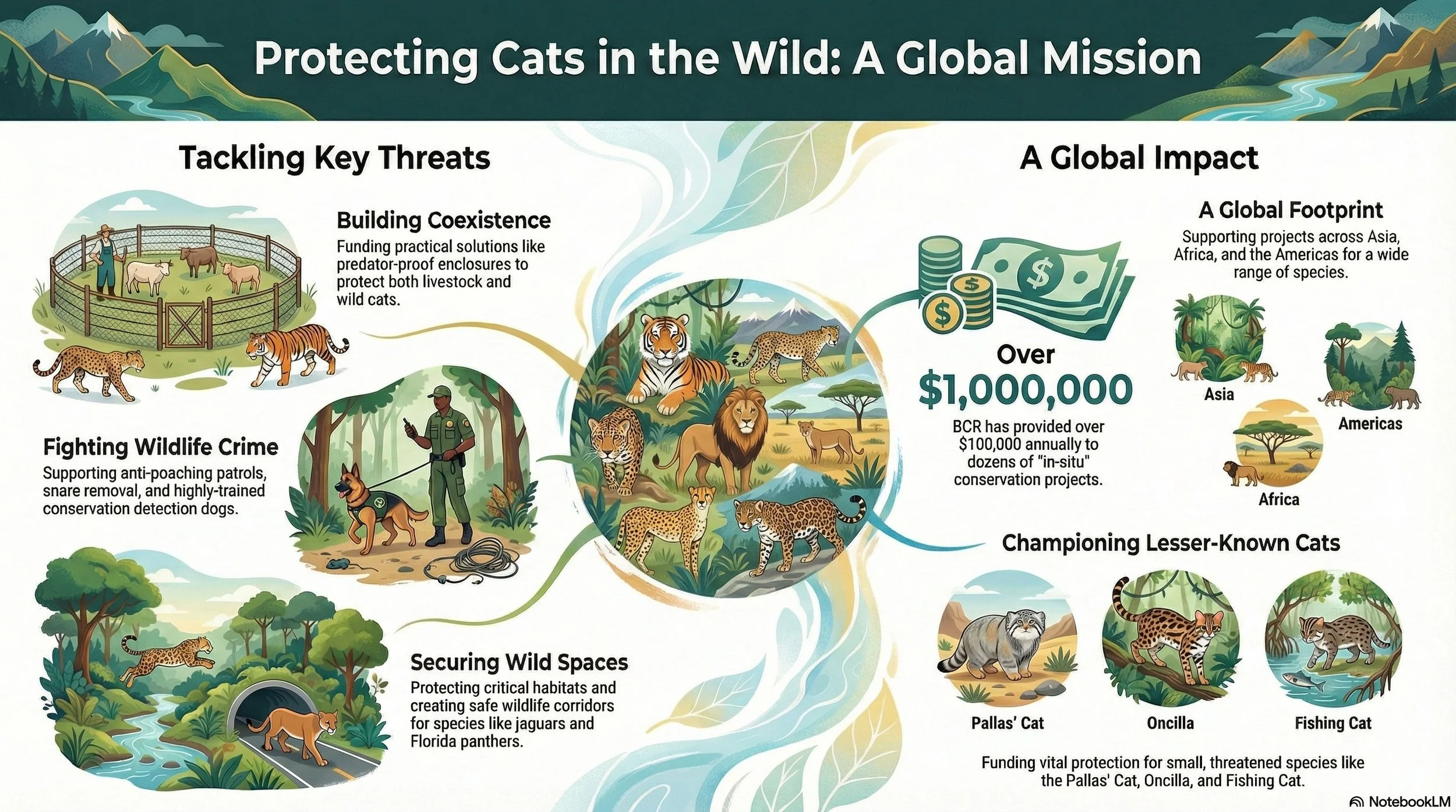
Support Field Conservation: While helping captive cats matters, protecting wild populations proves even more important. Support organizations working to preserve big cats in their natural habitats.
A MODEL FOR THE FUTURE
Aspen Valley Wildlife Sanctuary’s evolution into Canada’s first big cat sanctuary could serve as a model for other facilities. The sanctuary’s approach prioritizes:
Professional care meeting or exceeding international standards
Transparency allowing public oversight without animal exploitation
Collaboration with law enforcement and wildlife authorities on rescues
Education focused on conservation rather than entertainment
No breeding to avoid contributing to captive overpopulation
Permanent housing so cats don’t face repeated moves
As Canada strengthens regulations on exotic animal ownership, the country needs more facilities capable of providing appropriate lifetime care. Aspen Valley’s success could inspire similar expansions at other wildlife centers.
The facility’s northern location also demonstrates that proper big cat care is possible even in challenging climates, though it requires significant investment in heated facilities and winter-proof enclosures.
LOOKING FORWARD
The combination of stronger laws and proper sanctuary capacity represents progress for big cat welfare in Canada. However, the CTV investigation makes clear that much work remains.
Unregulated roadside zoos continue operating in many provinces. Private individuals still keep big cats under grandfather clauses in the new legislation. And smaller wild cats like servals and caracals face minimal restrictions despite also being unsuitable as pets.
The clock is ticking for lions awaiting permanent homes at Aspen Valley. Their fate depends on completing construction before winter makes building impossible and before funds run out. Their story represents hundreds of big cats across Canada needing rescue from inadequate situations.
For the ten lions successfully relocated to U.S. sanctuaries after care at Aspen Valley, the future looks brighter. They’ve moved from neglectful roadside zoos to professional facilities where they’ll receive lifetime care in appropriate conditions.
Their journey from Quebec roadside zoo to Ontario temporary care to permanent U.S. sanctuaries illustrates the complex network required to save big cats from exploitation. It shows what’s possible when laws, enforcement, rescue organizations, and proper sanctuaries work together.
As Canada continues developing its big cat protection framework, Aspen Valley Wildlife Sanctuary stands as proof that the country can provide world-class care for these magnificent animals. The question now is whether enough facilities, funding, and political will exist to save all the cats still waiting for help.
Accreditation status
Aspen Valley Wildlife Sanctuary was awarded Accredited status by the Global Federation of Animal Sanctuaries (GFAS) as of January 27, 2025. This recognition confirms that the facility meets GFAS’s standards for legitimate, high-welfare animal sanctuaries.
Notable distinction
This accreditation made Aspen Valley the first wildlife rehabilitation facility in Canada to receive GFAS accreditation. The sanctuary is noted as the only wildlife rehabilitation facility in Canada holding this accreditation as of 2025.








SOURCES:
CTV News Barrie - Muskoka Sanctuary Becomes First of its Kind
https://www.ctvnews.ca/barrie/article/muskoka-based-facility-becomes-first-of-its-kind-sanctuary-in-canada/
Published: December 16, 2025 (33 minutes ago)CTV News - Eyes in the Darkness: Hidden Cost of Roadside Zoos
https://www.ctvnews.ca/barrie/article/eyes-in-the-darkness-the-hidden-cost-of-roadside-zoos/
Published: December 15, 2025Muskoka411 - Rescued Lions Transported from Aspen Valley
https://muskoka411.com/rescued-lions-from-quebec-roadside-zoo-transported-from-aspen-valley-to-sanctuary-in-the-states/
Published: October 20, 2025Aspen Valley Wildlife Sanctuary Official Website
https://www.aspenvalley.ca/
LEARN MORE
Discover how you can support proper big cat care in Canada and help end the exploitation of wild cats at roadside zoos. Every action counts toward creating a world where big cats live with dignity, either in the wild or in professional sanctuaries that prioritize their welfare over profit. Published: December 16, 2025
