The Rescue Trap
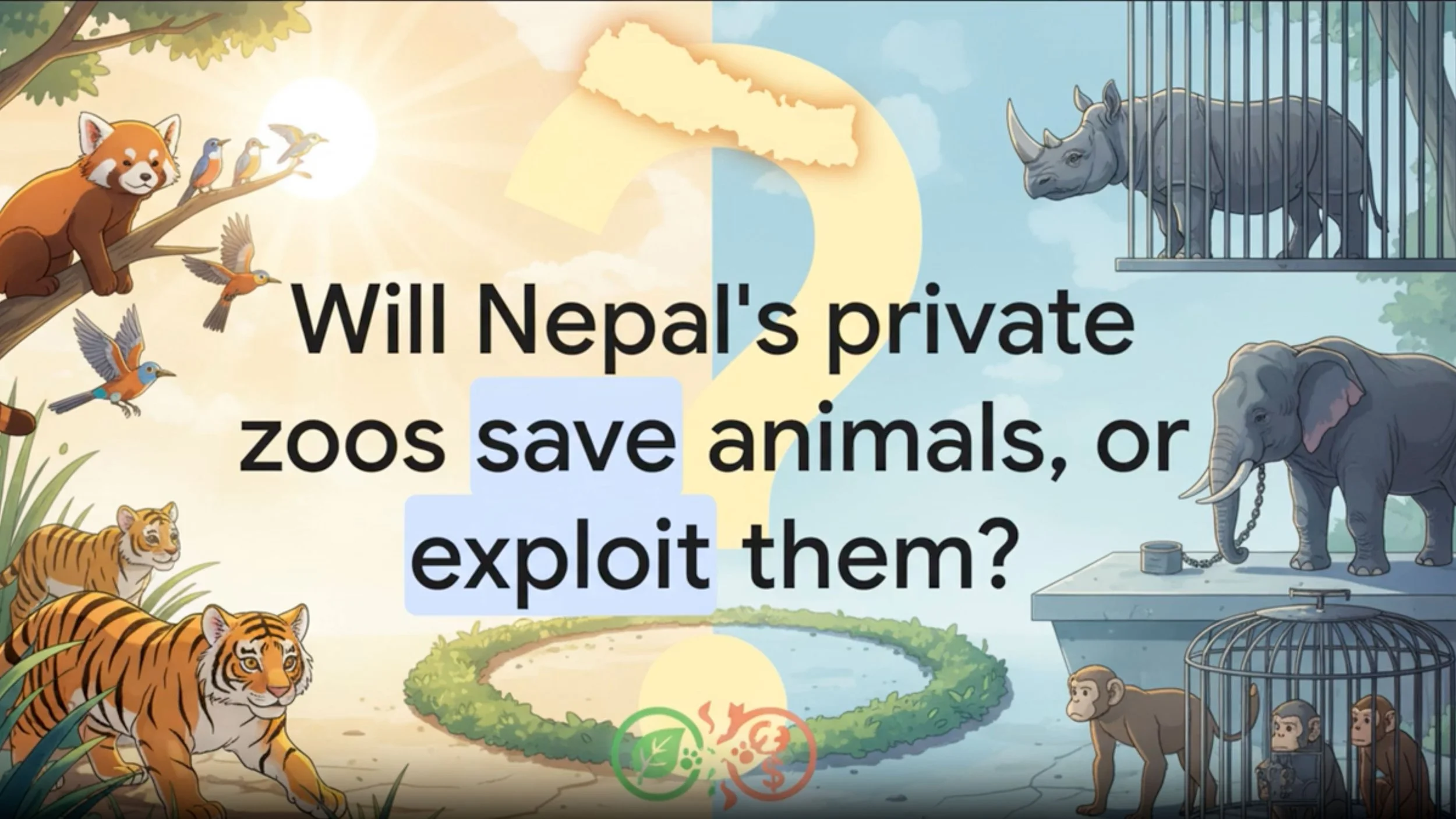
5 Surprising Risks in Nepal’s Plan for Private Zoos
1. A Shift in the Wild
For decades, Nepal has been the poster child for what happens when a nation commits to its wilderness. From the misty, alluvial grasslands of Chitwan to the dense jungles of Bardiya, the recovery of the Bengal tiger and the greater one-horned rhino is nothing short of a conservation miracle—a success rooted in community pride and the protection of vast, open landscapes. But a new draft policy aiming to legalize private zoos, wildlife hospitals, and rescue centers suggests a radical pivot. As the government looks to expand infrastructure through private participation, a troubling paradox emerges: a global leader in wild conservation risks becoming a follower in the world of captive management. The central question is no longer just how we protect these animals, but whether the act of bringing them closer to people through bars will ultimately dismantle the very ethos that saved them.
2. The "Rescue" Loophole: Extraction in Disguise
A primary concern among conservationists is the lack of clinical precision regarding what qualifies an animal for "rescue." The current draft broadly categorizes rescue cases as injured, orphaned, or "problematic" animals. While zoologist Rachana Shah notes that "you usually only see wild animals when they are in trouble," the fear is that without rigorous, standardized definitions, these labels will be exploited.
This isn't an isolated concern. In 2021, the government moved to allow the commercial breeding of endangered species, including hog deer and critically endangered gharials. Experts fear the private zoo policy is the next step in a trend toward commodification. Without strict criteria, rescue centers could easily transform into a supply chain for captivity, where "orphaned" becomes a convenient euphemism for "captured."
“There are so-called mini zoos in Nepal, but many function more like killing centers. Small wild animals are captured from the wild and sold to these facilities under the guise of rescue. In reality, it is extraction.” — Dibya Raj Dahal, President of the Small Mammals Conservation and Research Foundation (SMCRF)
3. The Expertise Gap: Why Foresters Aren't Wildlife Managers
The proposed guidelines place the heavy burden of oversight on Division Forest Offices. This creates a dangerous technical mismatch. While Nepal’s foresters are world-class experts in timber management and land silviculture, they are rarely trained in the complex nuances of animal behavior, species-specific nutrition, or veterinary medicine.
Furthermore, Nepal currently faces a severe shortage of trained wildlife technicians and lacks the institutional support for the large-scale capacity-building required to staff these facilities. Entrusting animal welfare to generalist foresters without a dedicated, specialized regulatory unit is a recipe for oversight that is, at best, superficial and, at worst, nonexistent.
4. Borrowing a "Trial Period" from India
To avoid a regulatory vacuum, experts point toward the Indian model as a necessary benchmark. In India, zoo recognition is a privilege to be earned, not a permanent right. This distinction is vital; once an animal is in a cage, the state loses its leverage unless it retains the clear legal authority to revoke licenses and shut down operations. The stakes are high: even in India, with its Central Zoo Authority (CZA), commercial pressures are immense—highlighted by the recent Supreme Court investigation into the Ambani family’s massive private zoo over allegations of illegal wildlife imports.
Feature
Proposed Nepal Draft
Indian Model (CZA)
Oversight Body
Division Forest Offices (Generalist)
Central Zoo Authority (Specialized)
Licensing Term
Potentially permanent/vague
Time-bound (2–3 years)
Renewal Process
Not clearly defined
Required periodic compliance reviews
Enforcement
Regulatory vacuum
Power to withdraw recognition & shut down
5. The Profit Problem: When Conservation Meets the Bottom Line
The introduction of private investment creates an inherent friction between welfare and return on investment. As Indian expert Dipak Sawant warns, facilities not strictly anchored in conservation tend to become "visitor-driven over time." Investors seeking a return may prioritize high-visibility, "charismatic" species or even exotic animals to draw crowds.
This introduces a secondary layer of risk: the import of exotic species. The current draft fails to adequately address the legal and ecological hurdles of such trade, including compliance with CITES (Convention on International Trade in Endangered Species). Without ironclad regulation, the drive for profit could encourage the illegal trade of wildlife, turning Nepal into a transit point for exotic species under the guise of "educational" display.
6. The Psychological Shift: Normalizing the Cage
Perhaps the most profound risk is the potential erosion of Nepal’s conservation identity. Nepal’s success was built on the idea that the community's future is tied to the tiger’s freedom. By expanding a network of private zoos, the state risks "normalizing the cage."
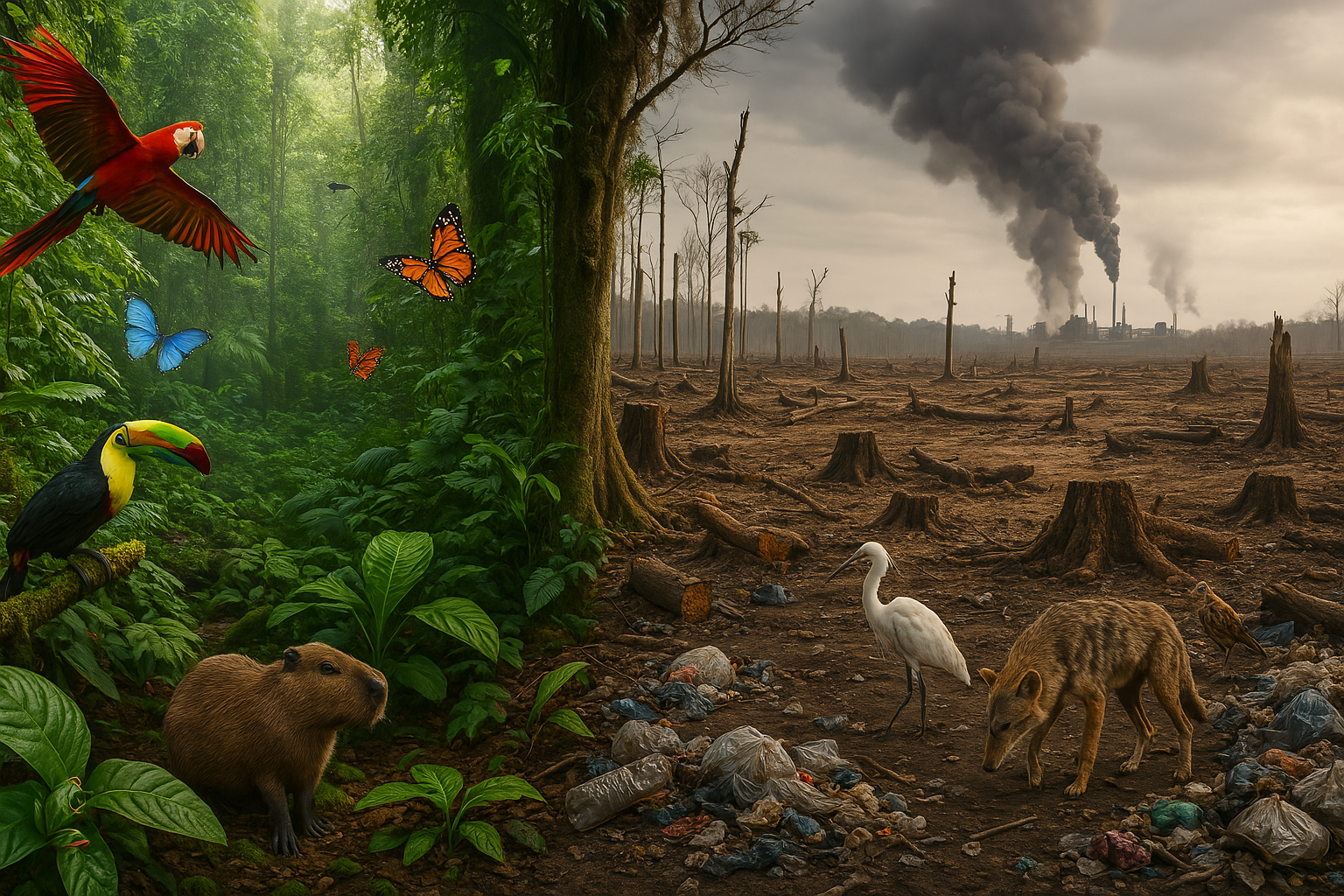
If children and the public begin to accept wildlife in captivity as the standard experience, the sense of urgency to protect natural habitats—where animals are often invisible and difficult to see—may wither. When the spectacle of the cage replaces the sanctity of the wild, the community-based pride that fueled Nepal's rise as a conservation leader is placed in direct jeopardy.
“Most conservation success has come from protected areas and community involvement, not from zoos. Zoos operate in a very different space — they are not substitutes for habitat protection.” — Dipak Sawant, Indian Zoo Expert
7. Conclusion: The Real Test of Implementation
There is an undeniable argument that for many urban Nepalis, a zoo provides their only "first exposure" to the natural world. However, the outcome of this policy depends entirely on whether the government chooses to be a regulator or a bystander. Without specialized oversight, time-bound licensing, and a move away from profit-first models, Nepal risks trading its hard-won reputation for wild conservation for an extraction-based industry of poorly managed enclosures.
As the draft guidelines move toward finalization, the nation must decide: Is Nepal ready to trade the roar of a wild tiger for the spectacle of a caged one?
Source https://news.mongabay.com/2026/04/experts-caution-nepals-plan-to-open-doors-to-private-zoos/

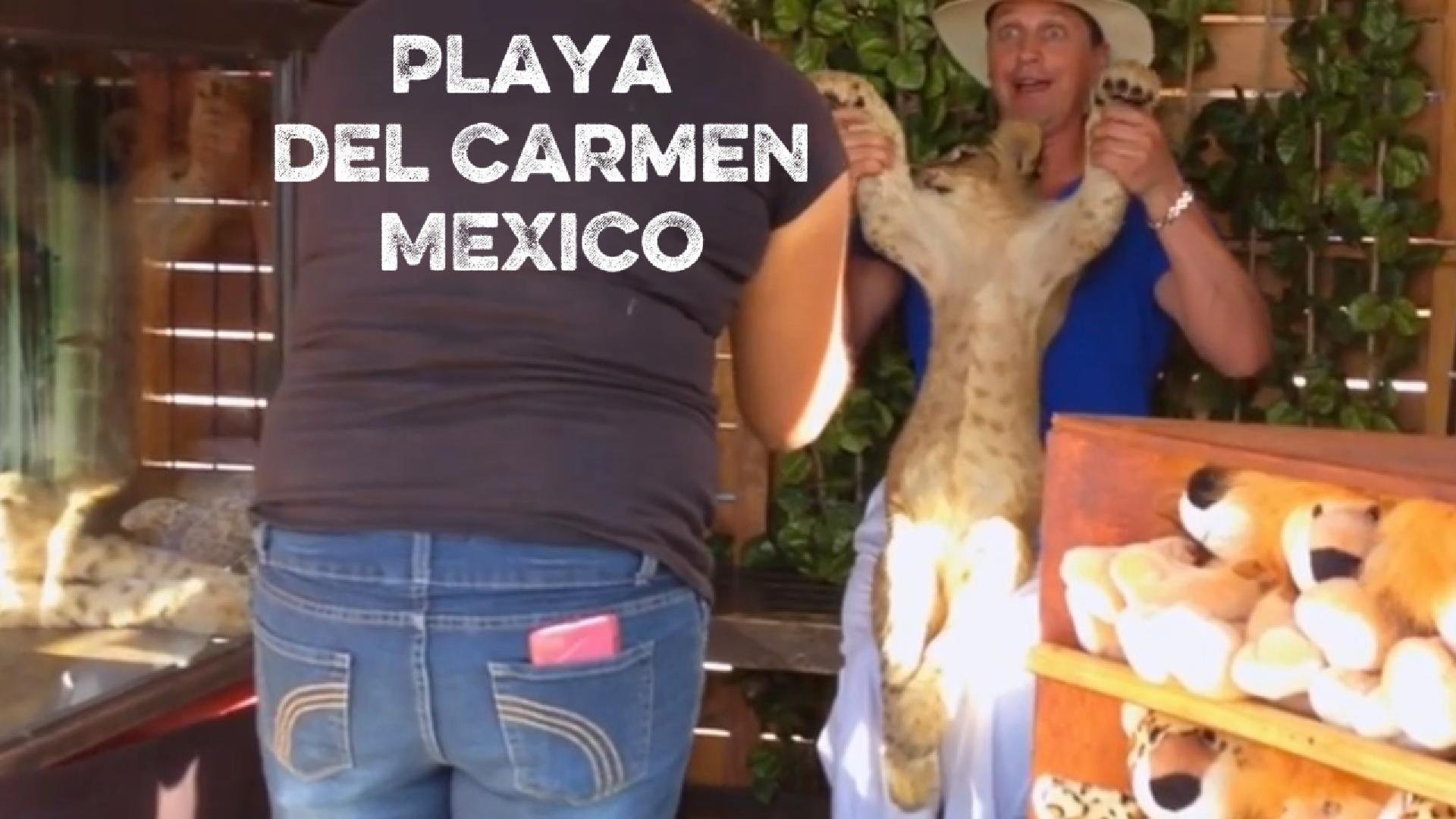








If you ever wanted to pet a tiger cub, this augmented virtual reality experience might give you some insight as to what it's like to be the tiger.